
OPPO

Search documents
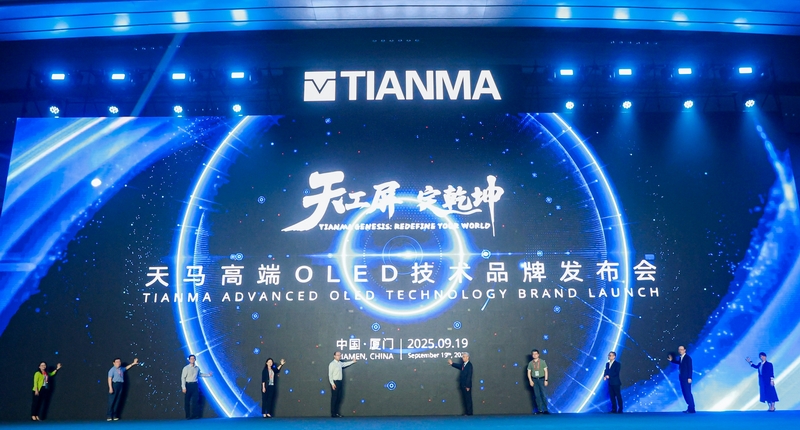
天马微电子发布全新OLED技术品牌“天工屏”
Yang Shi Wang· 2025-09-20 11:10
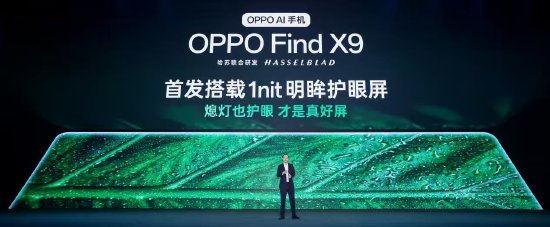
Core Viewpoint - Tianma Microelectronics officially launched its high-end OLED technology brand "Tiangong Screen," emphasizing health-focused display standards through advanced technologies like flicker-free, low blue light, adaptive ambient light, and high refresh rates [1][2]. Group 1: Product Launch and Features - The "Tiangong Screen" offers three core experiences: super eye protection, extreme transparency, and smooth high refresh rates, redefining high-end display standards [1]. - The technology integrates health considerations into display design, moving from parameter-focused improvements to user-centric enhancements [2]. Group 2: Industry Recognition and Collaboration - Ouyang Zhongcan, an academician from the Chinese Academy of Sciences, highlighted Tianma's contributions to the domestic display industry and its complete independent intellectual property system [2]. - The "Tiangong Screen" received the "Visual Health Friendliness" certification from the China Quality Certification Center, recognizing its innovative eye protection technology [2]. - OPPO announced the global launch of the first true 1nit eye protection screen, which will be featured in its next flagship series, showcasing collaboration with Tianma to enhance industry standards [3]. - A joint laboratory was established between Tianma and OPPO to focus on health display technology research and industry standard development [3].


国产柔性OLED手机屏占比已超六成 下一步向高端要盈利
Di Yi Cai Jing· 2025-09-20 06:30
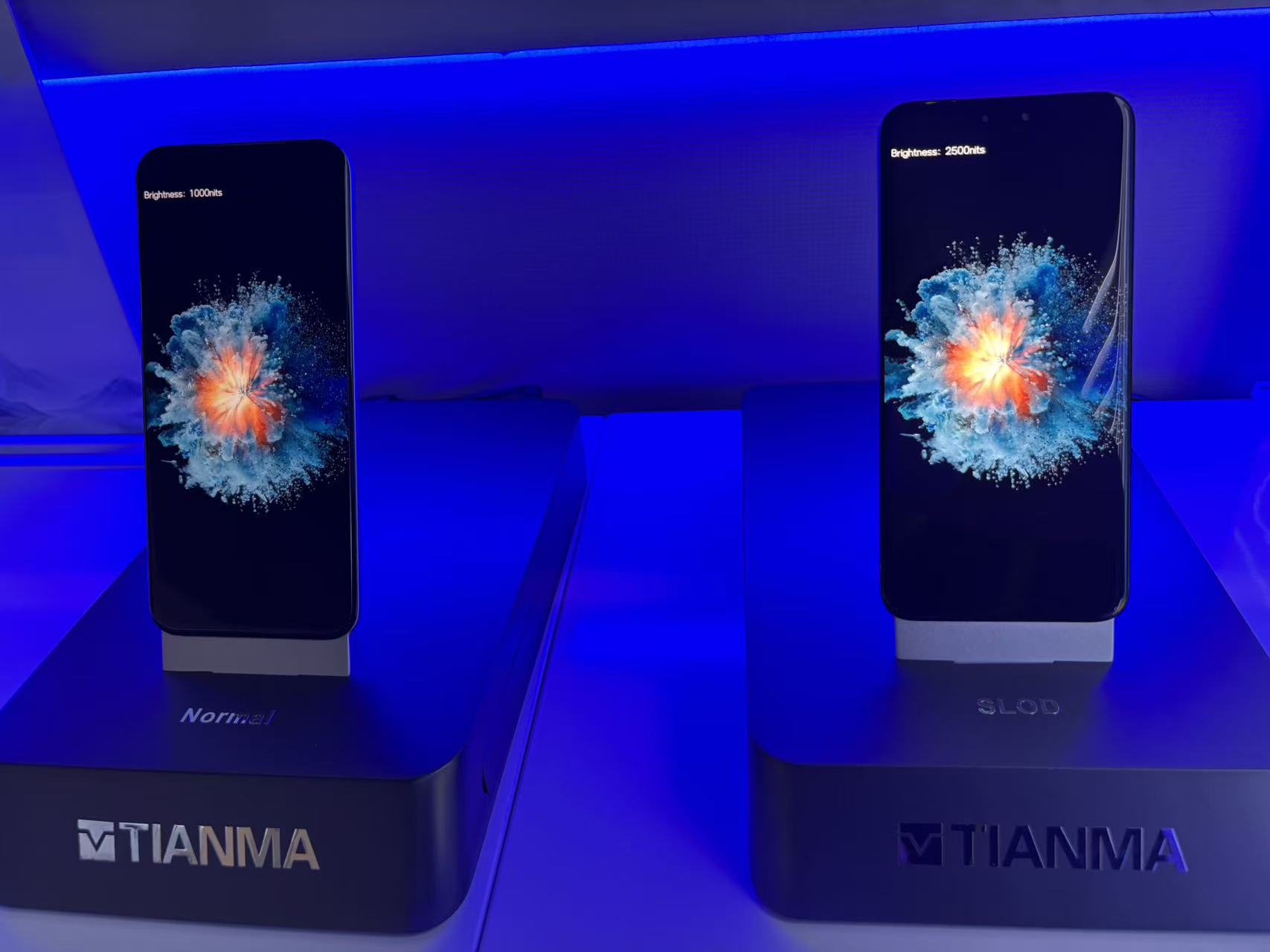
Core Viewpoint - The domestic OLED screen market, which holds over 60% of the global flexible OLED smartphone screen share, is intensifying its focus on high-end products, particularly in eye-care technology and high refresh rates [2][3]. Group 1: Product Development and Trends - Tianma and OPPO have jointly launched an eye-care OLED smartphone screen with a low brightness of 1 nit in dark environments, establishing a collaborative laboratory [2]. - Key technological trends for OLED screens include eye-care features, high refresh rates, and the development of foldable screens, with Tianma's OLED screens achieving refresh rates of up to 240Hz [2]. - The foldable smartphone market is experiencing stable growth, and Tianma is ramping up production of flexible OLED screens for both left-right and up-down folding designs [2]. Group 2: Industry Collaboration and Competitiveness - The competitiveness of domestic OLED screens relies on industry chain collaboration, with OPPO and Tianma combining their respective technologies for the development of the eye-care OLED screen [3]. - The domestic OLED industry is pushing for the localization of OLED emitting materials to enhance the competitiveness of screens and terminal products [3]. Group 3: Market Outlook and Performance - Currently, 90% of flexible OLED screens are used in smartphones, but Tianma plans to expand applications into automotive and IT sectors, with flexible OLED automotive display products expected next year [4]. - Major players like BOE, Visionox, and TCL Huaxing are establishing 8.6-generation flexible OLED or printed OLED production lines to capture opportunities in mid-size displays for IT and automotive applications [4]. - According to Sigmaintell, global shipments of flexible OLED smartphone screens are projected to reach nearly 300 million units in the first half of 2025, with a year-on-year growth of approximately 5.2% [4]. - Domestic manufacturers are expected to ship around 190 million flexible OLED smartphone screens, marking a year-on-year increase of about 7.7%, thus increasing their global market share to 62.3% [4]. - Tianma and BOE's flexible OLED smartphone screen shipments in the first half of the year were approximately 71 million and 43.2 million units, respectively, with year-on-year growth rates of 10.3% and 15.6% [4].
国产柔性OLED手机屏占比已超六成,下一步向高端要盈利
Di Yi Cai Jing· 2025-09-20 06:17
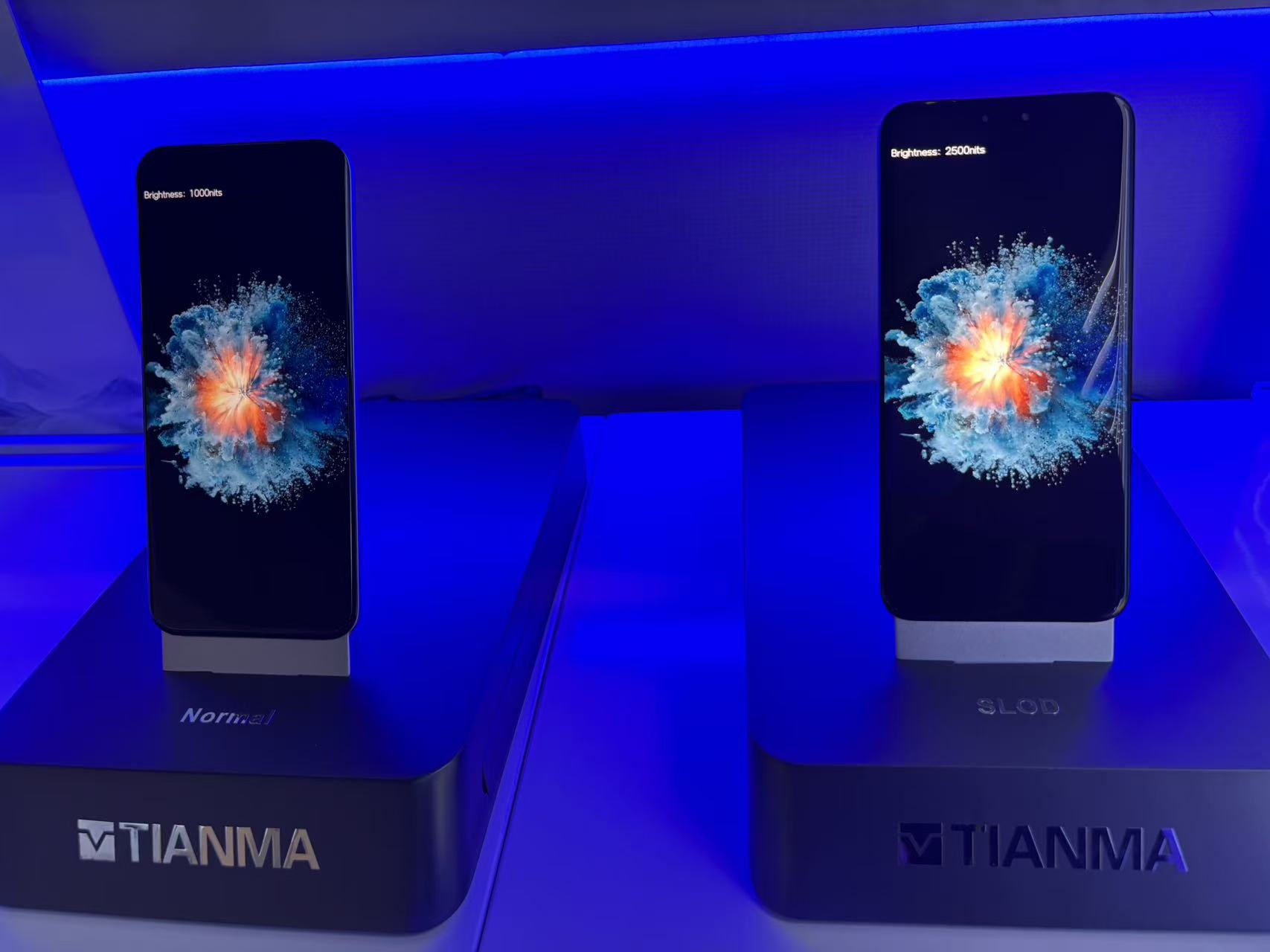
Core Insights - The domestic OLED screen market, which accounts for over 60% of the global flexible OLED smartphone screen market, is focusing on high-end development [2] - Tianma and OPPO have launched an eye-care OLED smartphone screen with a low brightness of 1 nit in dark environments, indicating a trend towards value competition in domestic OLED screens [2] - The collaboration aims to enhance the competitiveness of domestic OLED screens through industry chain synergy, with a focus on localizing OLED emitting materials [3] Group 1 - The technological trends for OLED smartphone screens include eye-care features, high refresh rates, and foldable designs [2] - Tianma's OLED screens can achieve a refresh rate of up to 240Hz, providing smoother visuals [2] - The foldable smartphone market is experiencing stable growth, and Tianma is ramping up production of flexible OLED screens for both left-right and up-down folding designs [2] Group 2 - Currently, 90% of flexible OLED screens are used in smartphones, but Tianma plans to expand applications to automotive and IT sectors, with flexible OLED automotive displays expected next year [4] - Major competitors like BOE, Visionox, and TCL Huaxing are also establishing 8.6-generation flexible OLED or printed OLED production lines to capture opportunities in mid-size displays [4] - According to Sigmaintell, global shipments of flexible OLED smartphone screens are projected to reach nearly 300 million units in the first half of 2025, with a year-on-year growth of approximately 5.2% [4]
地平线明年发布并争取量产舱驾一体芯片;OPPO Find X9系列显示屏将由深天马独供丨智能制造日报
创业邦· 2025-09-20 03:06
Group 1 - Northrop Grumman's "Cygnus" cargo spacecraft successfully docked with the International Space Station, delivering approximately 5000 kilograms of scientific materials and supplies, marking the company's 23rd resupply mission for NASA [2] - The OPPO Find X9 series will feature displays exclusively supplied by Tianma, with pre-orders already initiated [2] - Jiangsu Province launched its largest user-side energy storage station, capable of storing 240 megawatt-hours, which can meet the daily electricity needs of about 25,000 households [2] - Horizon Robotics plans to release a new integrated cockpit chip in 2026, with mass production expected next year, representing a significant advancement in intelligent driving technology [2]

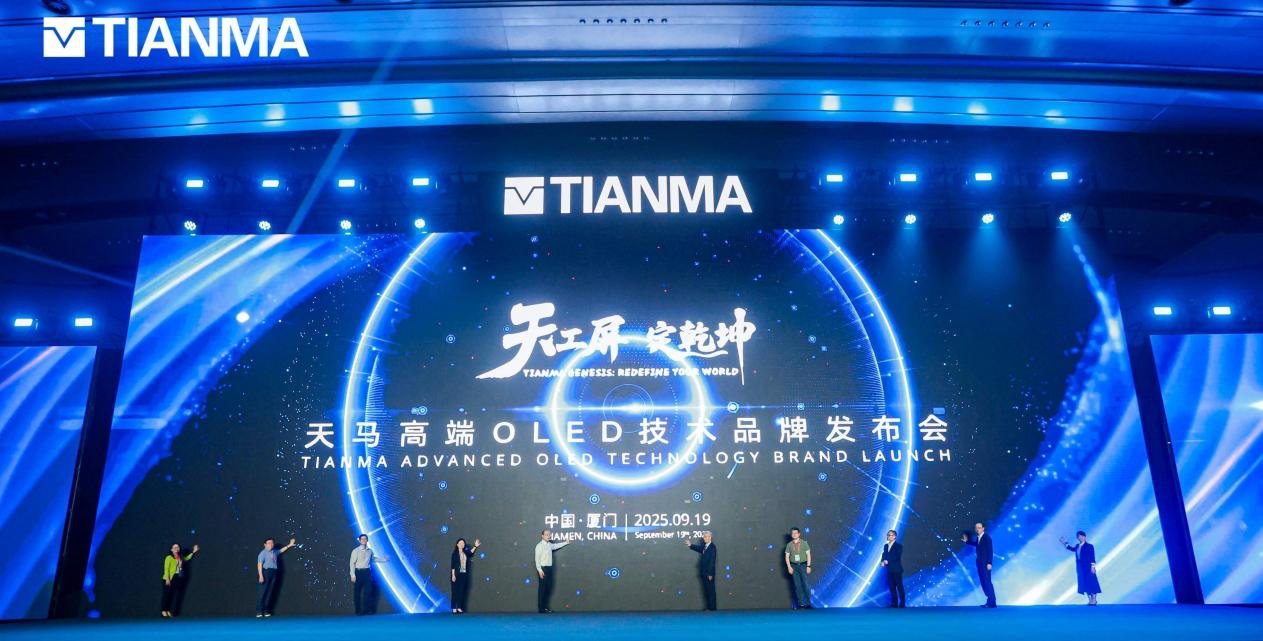
天马发布“天工屏”:三大突破性屏幕技术 开启视觉体验新纪元
Ju Chao Zi Xun· 2025-09-19 14:51
Core Viewpoint - Tianma Microelectronics officially launched its new high-end OLED technology brand "Tianma Tiangong Screen" on September 19, marking a significant milestone in its 42-year development and redefining high-end display standards with a focus on health experience [2][13]. Group 1: Brand and Technology Launch - The launch of the "Tianma Tiangong Screen" showcases Tianma's breakthrough in R&D and signifies the company's commitment to high-end product lines, contributing positively to China's display industry [2][5]. - Tianma aims to transition from a traditional "hardware manufacturer" to a "creator of sensory experiences," with the Tiangong Screen as a starting point for a comprehensive user experience system [6]. Group 2: Key Technological Features - The Tiangong Screen emphasizes "super eye protection," "extreme transparency," and "smooth high refresh rate" as its three core technological experiences [7]. - The eye protection feature includes four dimensions: flicker-free, 1nit brightness for eye comfort, reduced harmful blue light to 4.7%, and adaptive ambient light technology [8]. - The transparency aspect achieves a global peak brightness of 8000 nits and covers 95% of the BT.2020 color gamut, enhancing color accuracy and detail [9]. - The high refresh rate capability supports up to 165Hz in mass production and can extend to 240Hz, ensuring smooth operation for gaming and video users [10]. Group 3: Collaborations and Certifications - Tianma has established a joint laboratory with OPPO to collaborate on health display technology research and industry standard development [12][14]. - The Tiangong Screen received a "Visual Health Friendliness" certification from the China Quality Certification Center, confirming its innovative achievements in eye protection technology [12].
OPPO宣布首发全场景1nit明眸护眼屏,Find X9系列将搭载
Xin Lang Ke Ji· 2025-09-19 13:26
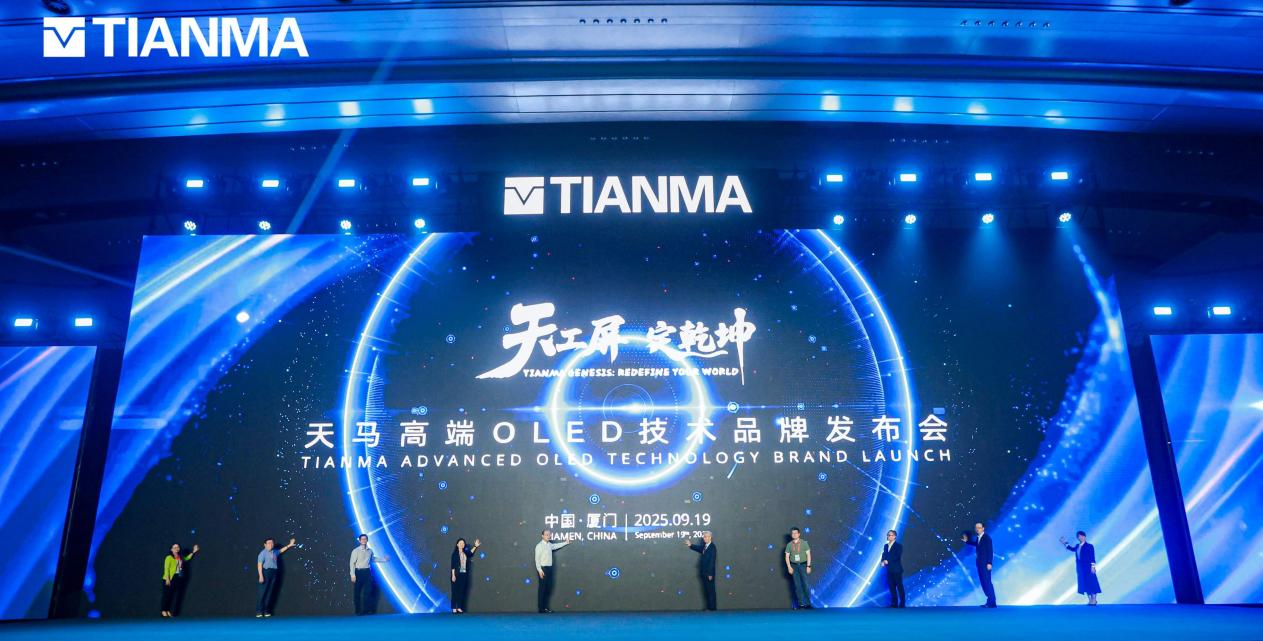
新浪科技讯 9月19日晚间消息,天马微电子今日举办高端 OLED 技术品牌发布会,OPPO 副总裁、硬件 工程事业部总裁刘畅参会并正式公布: OPPO 全球首发全场景真 1nit 明眸护眼屏,并将于下一代旗舰 Find X9 系列上搭载。 据悉,OPPO 下一代旗舰 Find X9 系列将首发搭载新一代全场景 1nit 明眸护眼屏,并于 10 月正式登 场。 责任编辑:刘万里 SF014 据介绍,OPPO 凭借在屏幕领域的技术积累与超 50 亿资金的投入,定制最高规格旗舰屏幕产线,配合 OPPO 自有的国内首条自研显示科学产线,打造自研屏幕双产线模式。在这一模式下,OPPO 完整掌控 屏幕设计 - 封装 - 生产 - 调试全流程。此外,OPPO 还与联发科合作,首次打通 SoC 处理器底层,首次 实现芯片级子像素校准,打造一屏双芯显示驱动方案。在双产线模式下,OPPO Find X9 系列屏幕亮度 均一性提升了 34% ,色彩均一性提升了46% 。 在屏幕技术研发领域,OPPO 秉持 "钻石显示" 与 "明眸护眼" 双线战略持续深耕,全球设置 6 大研究 所、 4 大研发中心,最近三年在屏显技术上的投入高达 ...
天马发布高端OLED技术品牌“天工屏” 三大用户体验揭开技术密码
Yang Guang Wang· 2025-09-19 12:49
Core Viewpoint - Tianma Microelectronics has launched a new high-end OLED technology brand called "Tianma Tiangong Screen," aiming to transform from a traditional hardware manufacturer to a creator of sensory experiences [1] Group 1: Product Features - The Tianma Tiangong Screen focuses on three key high-end experiences: Super Eye Protection, Extreme Transparency, and Smooth High Refresh Rate [4] - Super Eye Protection is designed to address user issues like dry eyes and visual fatigue, featuring no flicker, 1 nit brightness for eye comfort, low blue light, and adaptive ambient light [4] - Extreme Transparency aims for a "what you see is what you get" display, achieving a global peak brightness of 2500 nits and a maximum brightness of 8000 nits, with 95% coverage of the BT.2020 color gamut [4] - The Smooth High Refresh Rate supports a production capability of 165Hz and can be expanded to 240Hz, with adaptive refresh rate technology to reduce power consumption [4] Group 2: Industry Recognition - The technology behind the Tianma Tiangong Screen has received recognition from various experts, emphasizing the importance of human-centered improvements in screen technology [5] - The China Quality Certification Center awarded the "Visual Health Friendly" certification to Tianma Tiangong Screen, acknowledging its innovative achievements in eye protection technology [5][7] Group 3: Strategic Partnerships - OPPO announced it will globally debut the 1 nit eye protection screen in its next flagship Find X9 series, and a joint laboratory has been established with Tianma to collaborate on health display technology and industry standards [6][7]
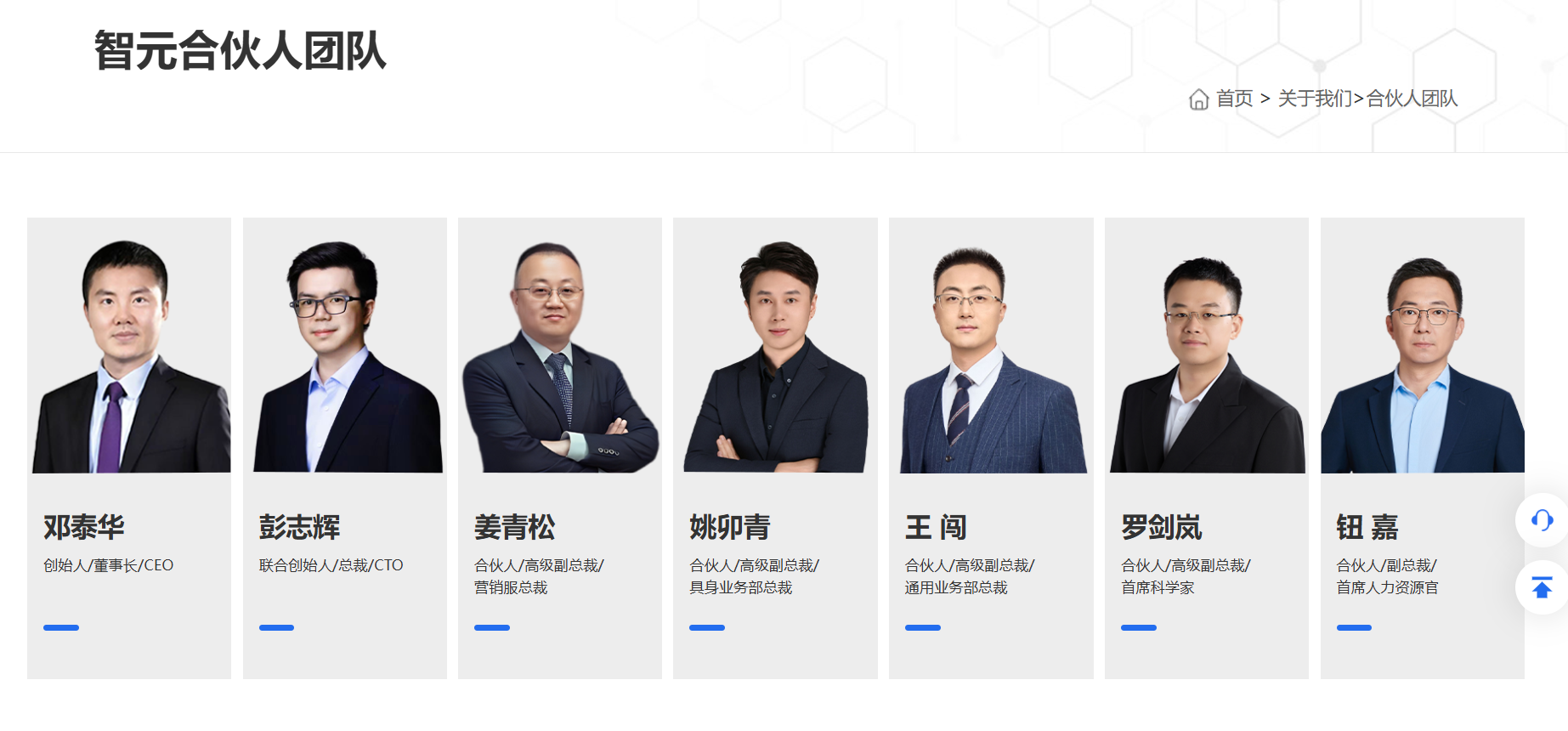
智元机器人披露合伙人团队名单,彭志辉任总裁、CTO
Zhong Zheng Wang· 2025-09-19 12:19
Group 1 - The core team of Zhiyuan Robotics was disclosed on September 19, with key positions filled by notable individuals including founder and CEO Deng Taihua, and co-founder and CTO Peng Zhihui [1] - Other significant roles include Jiang Qingsong as partner and Senior Vice President, Yao Maoqing as partner and Senior Vice President, Wang Chuang as partner and Senior Vice President, Luo Jianlan as partner and Chief Scientist, and Niu Jia as partner and Chief Human Resources Officer [1] Group 2 - Peng Zhihui is known for his focus on robotics and AI algorithm development, previously recognized as a technology blogger under the name "Zhihui Jun" [3] - He has a background as a key technical figure at OPPO and Huawei, leading several core technology breakthroughs [3] - In March 2025, Peng Zhihui will lead Zhiyuan X-Lab in launching the Lingxi X2 robot [3]

从抖音的“大甲方”,到线下的“大乙方”:转转的2.0生存法则 | 巴伦精选
Tai Mei Ti A P P· 2025-09-19 11:52
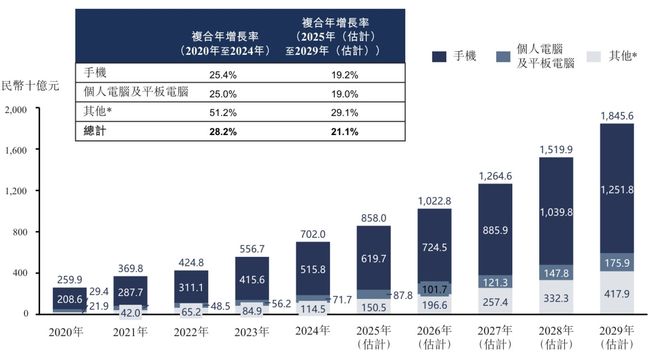
Core Insights - The release of iPhone 17 and iPhone Air has accelerated the mobile phone replacement trend, contributing to the growth of the second-hand mobile phone market in China, which is projected to reach a transaction volume of 7,020 billion RMB by 2024, with mobile phones accounting for 74% of this market [1][3] - The second-hand consumer electronics market in China is expected to grow at a compound annual growth rate (CAGR) of 21.1%, reaching 18,456 billion RMB by 2029 [1][3] Market Dynamics - The second-hand goods trading platform, represented by Zhuanzhuan, addresses the pricing issues of high-value standard products in the secondary market, enhancing transaction efficiency through a refined pricing system [3][4] - Unlike collectible items, the products on Zhuanzhuan are primarily consumables, necessitating a focus on quality inspection and revaluation [3][4] Brand Strategy - Zhuanzhuan leverages brand endorsement to build trust in transactions, especially in the secondary market where information transparency is lower [4][5] - The platform has adopted a C2B2C model, acting as a trust intermediary to facilitate transactions between consumers [4][5] Marketing Approach - Zhuanzhuan has engaged influencers on platforms like Douyin and Bilibili to enhance brand trust and recognition, utilizing the relationship between influencers and their followers to transfer credibility [7] - The company has reported achieving profitability in 2024, indicating the effectiveness of its saturated advertising strategy in a rapidly growing market [7] Competitive Landscape - The second-hand market is fragmented, with over a hundred entities competing, leading to a low concentration ratio (CR5 at 18.6% for mobile phone recycling) [9] - Zhuanzhuan's user growth has stagnated, attributed to intense competition and a focus on price sensitivity among consumers [9][10] Expansion Strategy - To counteract stagnant online growth, Zhuanzhuan is expanding into offline retail with the launch of "Super Zhuanzhuan," a multi-category second-hand store, which aims to diversify its product offerings beyond electronics [11][12] - The acquisition of the luxury second-hand brand Hongbulin has enabled Zhuanzhuan to tap into new customer segments and resources [11][12] Industry Comparison - The second-hand market features key players like Xianyu (C2C model) and Aihuishou (offline focus), with Zhuanzhuan emphasizing online operations while also exploring offline avenues [13][14] - Xianyu benefits from a strong social network effect, while Zhuanzhuan's model focuses on efficiency and trust in transactions, positioning it as a strong intermediary in the market [15][16]
iPhone17开售首日:标准版无溢价,Pro遭黄牛拒收?
Guan Cha Zhe Wang· 2025-09-19 10:29
Core Viewpoint - The launch of the iPhone 17 series has generated significant consumer interest, but the market response, particularly in China, indicates potential challenges for Apple in maintaining its competitive edge against local brands and evolving consumer preferences [1][3][5]. Pricing and Sales - The official retail prices for the iPhone 17 series are as follows: iPhone 17 (256GB: 5999 RMB, 512GB: 7999 RMB), iPhone 17 Pro (256GB: 8999 RMB, 512GB: 10999 RMB, 1TB: 12999 RMB), iPhone 17 Pro Max (256GB: 9999 RMB, 512GB: 11999 RMB, 1TB: 13999 RMB, 2TB: 17999 RMB) [1]. - Initial reports indicate that the iPhone 17 Pro Max (256GB) is the most sought-after model among scalpers, with a price increase of 500-600 RMB, while other models see minimal to no price increase [4][5]. Market Dynamics - The global smartphone market saw a slight decline in shipments, with Apple experiencing a 2% decrease in year-over-year shipments, while Samsung's shipments grew by 7% [2]. - In the Chinese market, Apple has faced significant challenges, with a 4.1% decline in smartphone shipments, resulting in a market share of 13.9%, placing it fifth behind Huawei, Vivo, OPPO, and Xiaomi [3]. Consumer Sentiment and Product Reception - The iPhone 17 series has been marketed as having "the biggest innovation ever," with upgrades in camera, battery life, and design, but there are concerns about the perceived lack of novelty in Apple's flagship products [2][3]. - Initial consumer reactions to the iPhone 17 Pro and Pro Max have been mixed, with reports of scratches on display models and a lack of demand for the standard and Pro versions in the secondary market [5]. Competitive Landscape - Samsung's foldable phones have gained popularity, posing a challenge to Apple's market position, especially as Apple is reportedly not expected to release a foldable phone until late next year [2]. - Analysts suggest that the iPhone 17 Pro series may struggle to attract consumers due to its positioning and the availability of similar features in the standard version [5].
