大疆

Search documents
深圳参与制定三千余项国际标准(神州看点)
Ren Min Ri Bao· 2025-08-06 22:49
Core Insights - Shenzhen has become a hub for innovative companies like Huawei, BYD, and DJI, excelling in both domestic and international markets through participation in international standard-setting [1] Group 1: International Standards Participation - As of the end of 2024, Shenzhen enterprises have participated in the formulation of 3,379 international standards, covering industries such as photovoltaics, drones, genetic testing, and graphene [1] - Better Ray New Materials Group has maintained a leading position in the lithium-ion battery anode materials sector and is a major supplier to well-known battery manufacturers like CATL [1] - The push for Better Ray to participate in international standard-setting was catalyzed by a critical email questioning Chinese companies' capabilities, which inadvertently reached all conference attendees [2][1] Group 2: Drone Technology Standards - Better Ray's application for an international standard in graphene was approved in 2017, and the standard was implemented in 2020, filling a gap in the field [3] - Meituan's drone delivery service highlights the need for advanced perception and obstacle avoidance capabilities, leading to the identification of gaps in existing international standards [3] - In May 2022, a joint team from Meituan and the China Aviation Industry Corporation led the establishment of an international standard for drone perception and obstacle avoidance systems, which was completed in May 2023 [4] Group 3: Support for Standardization - Shenzhen's market supervision bureau has supported leading enterprises like BYD in participating in standardization organizations, resulting in the approval of global technical regulations for electric vehicle safety [5] - Huawei has actively contributed to global standard organizations, submitting nearly 12,000 standard proposals in 2023 and leading the development of 5G standards [5] - The conducive environment in Shenzhen, characterized by strong policy support, funding, and talent, has fostered a "standard-first" industrial ecosystem [5]



竞跑新兴产业赛道 深圳参与制定三千余项国际标准(神州看点)
Ren Min Ri Bao· 2025-08-06 22:05
Core Viewpoint - Shenzhen has become a hub for innovative companies like Huawei, BYD, and DJI, which excel in both domestic and international markets, leveraging international standards as a key advantage [1]. Group 1: International Standards Participation - As of the end of 2024, Shenzhen enterprises have participated in the formulation of 3,379 international standards, covering various industries such as photovoltaics, drones, genetic testing, and graphene [1]. - Bettery New Materials Group has maintained a leading position in the lithium-ion battery anode materials sector for over a decade and is a major supplier to renowned battery manufacturers like CATL [1]. - The push for Bettery to engage in international standard-setting was catalyzed by a critical email questioning Chinese companies' capabilities, which inadvertently reached all conference attendees [1][2]. Group 2: Development of Standards - Bettery, in collaboration with the National Center for Nanoscience and Technology and the China National Institute of Metrology, applied to the IEC for the development of an international standard in graphene, which was initiated in 2017 and published in 2020 [1][3]. - Bettery has led and participated in the formulation of eight international standards related to new energy and materials, with five more currently in progress [3]. Group 3: Drone Technology Standards - Meituan's drone delivery service exemplifies Shenzhen's innovation, with drones capable of delivering orders in complex urban environments, highlighting the need for advanced perception and obstacle avoidance capabilities [3]. - In 2019, Meituan began preparing for international standard formulation in drone perception and obstacle avoidance due to the absence of unified standards [3][4]. - A joint team from Meituan and the China Aviation Industry Corporation led the establishment of the "Drone Perception and Obstacle Avoidance System" standard, which was approved in May 2022 [4]. Group 4: Support for Standardization - Under the guidance of the State Administration for Market Regulation, Shenzhen's market supervision bureau has supported BYD's participation in standardization organizations, leading to the approval of global technical regulations for electric vehicle safety [5]. - Huawei has actively contributed to global standard organizations, submitting nearly 12,000 standard proposals in 2023 and leading the development of 5G standards [5]. - Shenzhen's success in international standard formulation is attributed to strong support in policies, funding, and talent, fostering an ecosystem that prioritizes standards [5].
大疆首次发布扫地机器人 最贵一款售价6799元
Zheng Quan Shi Bao Wang· 2025-08-06 15:30
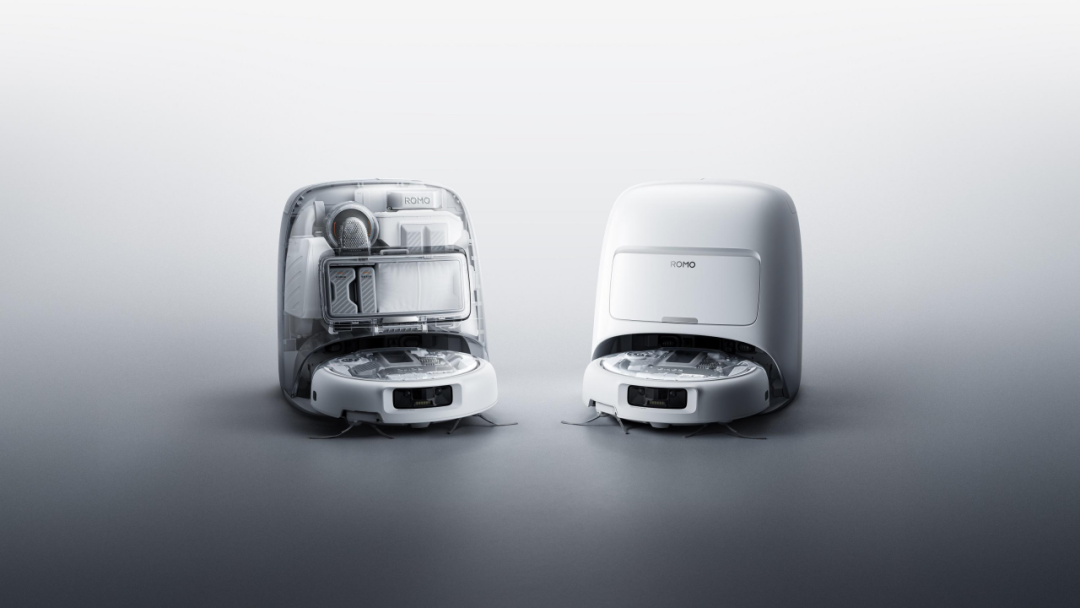
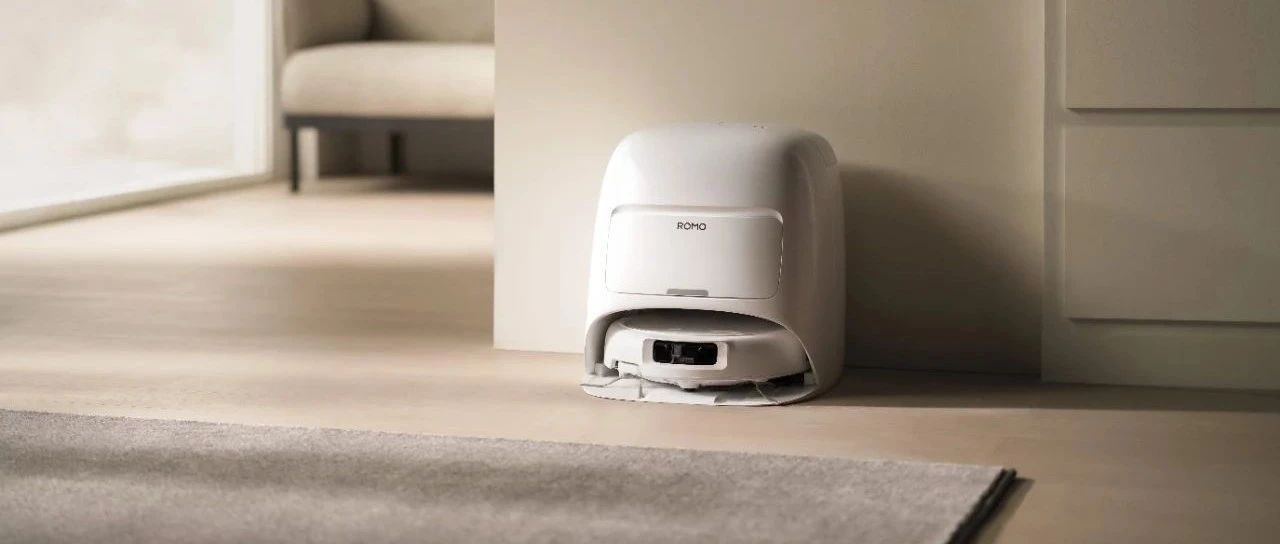
Group 1 - The core product launched by the company is the first generation of the sweeping robot, DJI ROMO, with three models priced at 4699 yuan, 5399 yuan, and 6799 yuan respectively [1] - DJI ROMO incorporates advanced environmental perception and intelligent path planning capabilities derived from the company's drone technology, enabling it to recognize various obstacles and optimize cleaning routes [1][2] - The robot features high-performance dual-lens fisheye visual sensors and three solid-state LiDARs, allowing it to avoid blind spots and effectively navigate around irregular objects [1] Group 2 - The design of one model is transparent, showcasing the internal components, reflecting the company's confidence in the materials used [2] - The company emphasizes innovative thinking by approaching the sweeping robot market from an outsider's perspective, introducing unique features not commonly found in the industry [2] - The senior corporate strategy director stated that ROMO represents a new exploration for the company in the home cleaning sector, addressing user demands for reliable obstacle avoidance, intelligent mapping, and a quieter user experience [2]

“上天”的大疆 这次“下地”
Shang Hai Zheng Quan Bao· 2025-08-06 14:58
Core Viewpoint - DJI is expanding its business into the high-end vacuum cleaner market with the launch of the DJI ROMO series, priced between 4699 yuan and 6799 yuan, targeting the market segment above 4000 yuan [1][3]. Company Expansion - DJI has previously ventured into outdoor power supplies and panoramic cameras, and now aims to leverage its existing drone user base to penetrate the vacuum cleaner market [1][3]. - The company claims that its expertise in drone technology, particularly in sensors, navigation algorithms, and artificial intelligence, provides a unique advantage in developing vacuum cleaners [4][9]. Product Features - The DJI ROMO vacuum cleaner features advanced technology such as dual fisheye visual sensors and three solid-state LiDARs, enabling efficient path planning and autonomous operation [4][6]. - It utilizes a self-developed 9-blade metal motor and optimized airflow design to achieve a suction power of 25000Pa, along with a flexible dual mechanical arm system for enhanced cleaning capabilities [6]. Industry Landscape - The vacuum cleaner industry is characterized by high concentration and low penetration rates, with the top five brands accounting for over 60% of the market share, and over 90% in the domestic market [7]. - Despite the high concentration, the penetration rate of cleaning appliances remains below 10%, indicating significant market potential [9]. Market Growth - The vacuum cleaner market is expected to see a retail revenue increase of 41.1% to 19.36 billion yuan and a retail volume growth of 31.7% to 6.036 million units in 2024, driven by low penetration rates and "trade-in" policies [7]. - The competition in the market is intensifying, with brands competing across various price ranges and focusing on technology, supply chain management, and marketing capabilities [8]. Strategic Positioning - DJI's established brand and technology in navigation and positioning may facilitate its entry into the vacuum cleaner market, as consumers are likely to trust its capabilities [9]. - The company aims to enhance the intelligence of cleaning appliances, addressing consumer expectations and improving the overall home cleaning experience [9].

公司互动丨这些公司披露在机器人、影视等方面最新情况
Di Yi Cai Jing· 2025-08-06 14:36
Robotics - Light Media participated in the investment and distribution of the film "Dongji Island" [1] - Huichuan Technology is actively developing components for humanoid robots [1] - Huayi Technology has supplied IMU products for Zhi Yuan humanoid robots [1] - Funeng Technology recently completed sample delivery of all-solid-state batteries to a leading humanoid robot client [1] - Leadshine Technology has hundreds of robot companies and module manufacturers testing its products [1] Liquid Cooling - Tongxing Technology has liquid cooling products applied in the data center sector [1] Other Collaborations - Dook Culture has an e-book licensing collaboration with the Tomato Novel platform [1] - Tongyu Communication's invested company has successfully delivered the first batch of 800G OSFP 2×DR4 optical modules [1] - Silver禧 Technology provides materials for DJI's sweeping robots [1] - Yutong Optical's aspheric glass lenses are indirectly supplied to DJI [1] - Defu Technology has achieved bulk supply of copper foil for the drone sector [1] - Yonggui Electric has established cooperative relationships with multiple main engine manufacturers in the new energy sector [1]
大疆发布首款扫地机器人ROMO
Di Yi Cai Jing· 2025-08-06 12:54
Core Viewpoint - DJI has launched its first sweeping robot, ROMO, which is a "sweeping and mopping integrated machine" [1] Group 1 - The product is designed to combine both sweeping and mopping functionalities, enhancing cleaning efficiency [1]
大疆扫地机:四年磨一剑,ROMO依然值得
雷峰网· 2025-08-06 12:03
Core Viewpoint - DJI's entry into the vacuum cleaner market with its ROMO model has generated mixed expectations, revealing both the company's technical capabilities and the industry's anxiety over disruptive innovation [3][5]. Group 1: Product Development and Design - DJI's ROMO vacuum cleaner project began in 2020, with the product delayed for nearly five years, leading to some disappointment in the market [3]. - The company has undergone three major iterations in the past four years, focusing on cleaning methods, sensors, and transparent design [6]. - DJI abandoned popular cleaning methods like roller and track systems due to engineering challenges and maintenance issues, opting instead for a dual-disc design that minimizes user intervention [12][13]. - The transparent design of the ROMO is a unique feature aimed at showcasing the product's industrial beauty, requiring significant engineering effort to achieve [41][49]. Group 2: Technology and Innovation - The vacuum cleaner's navigation and obstacle avoidance capabilities are critical, with DJI employing a dual-camera vision and solid-state ToF laser radar system for enhanced performance [18][22]. - DJI's testing standards for obstacle avoidance are stringent, requiring 100% success in trials, which drives the company to invest heavily in sensor technology [22][24]. - The vacuum cleaner's motor performance is exceptional, with a suction power of 25,000 Pa, significantly higher than industry standards [30]. Group 3: User Experience and Maintenance - The ROMO is designed for minimal user maintenance, featuring an integrated cleaning system that reduces the need for manual intervention [10][13]. - DJI emphasizes the importance of user-friendly installation and maintenance processes, offering a two-year warranty and a straightforward return policy to enhance customer confidence [57][58]. - The company aims to build a strong reputation through product quality and user experience, relying on customer feedback for continuous improvement [59][60].
新势力提前批,跪了。。。
自动驾驶之心· 2025-08-06 11:25
Core Viewpoint - The article emphasizes the importance of preparing for non-technical interview questions in the autonomous driving industry, highlighting the need for candidates to articulate their interests, communication skills, and learning abilities effectively [6][10][11]. Group 1: Interview Preparation - Candidates should reflect on their interests and experiences to answer open-ended questions, as interviewers are often looking for personal insights and opinions [6][10]. - Communication skills are crucial; candidates should demonstrate their ability to engage with mentors and express their thought processes when seeking guidance [6][10]. - Learning ability is assessed through candidates' approaches to acquiring new technical knowledge, emphasizing the importance of establishing a comprehensive understanding before diving into specifics [7][10]. Group 2: Community and Resources - The "Autonomous Driving Heart Knowledge Planet" community provides a platform for technical exchange, featuring members from renowned universities and leading companies in the autonomous driving sector [23][11]. - The community offers a wealth of resources, including over 40 technical routes and numerous open-source projects, aimed at facilitating learning and career development in the autonomous driving field [11][19]. - Members can access job opportunities and industry insights, fostering a complete ecosystem for autonomous driving professionals [21][22]. Group 3: Learning and Development - The community has curated a comprehensive learning path for beginners and advanced researchers, covering various aspects of autonomous driving technology [17][19]. - Regular discussions and Q&A sessions are held to address common industry challenges and share knowledge on emerging technologies [24][87]. - The platform also features live sessions with industry experts, providing members with direct access to cutting-edge research and practical applications [86][11].

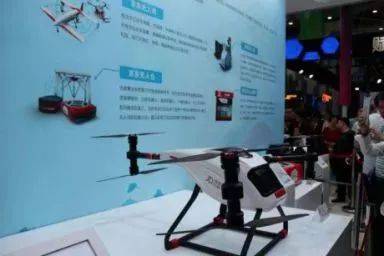
数智改变生活|数博会“黑科技”走进生活:你的外卖、快递未来这样“飞”到家!
Sou Hu Cai Jing· 2025-08-06 10:12
Group 1 - The article highlights the transformative impact of drones on various sectors, including logistics, agriculture, and tourism, contributing to the emergence of a "low-altitude economy" in China [1][10] - JD Logistics has introduced drones capable of flying 240 kilometers, showcasing advancements in drone technology for logistics [3] - In Guizhou, the integration of 5G and big data technologies has facilitated the large-scale application of drones, enhancing traffic management and agricultural efficiency [6][8] Group 2 - The first "low-altitude + logistics" drone delivery route in Guizhou successfully delivered traditional Chinese medicine, demonstrating the efficiency of drone logistics [12][14] - Drones have significantly reduced transportation time by over 50% compared to traditional ground delivery methods, particularly in the medical delivery sector [14] - In Guizhou's Huaxi District, drones are used for transporting watermelons, achieving a daily transport volume exceeding 10 tons and reducing costs by over 60% [15][17] Group 3 - The article discusses the establishment of a comprehensive low-altitude logistics network in Guizhou, with plans for multiple service stations to enhance urban logistics [20] - Companies like Meituan are actively developing drone delivery services, with significant operational data indicating the growing popularity of "airborne takeout" [26][28] - JD Logistics has launched advanced delivery vehicles and drones, expanding their operational reach across multiple cities and enhancing logistics efficiency [30][32] Group 4 - The article anticipates a future where advancements in drone technology will further revolutionize delivery services, making them more intelligent and convenient [36] - The upcoming China International Big Data Industry Expo is expected to showcase cutting-edge technologies, indicating ongoing innovation in the sector [39]