
Gucci

Search documents
越来越多人靠着二手生意赚翻了
虎嗅APP· 2025-03-09 13:29
Group 1: Second-Hand Market Insights - The second-hand market is evolving beyond just reselling old goods, representing a significant industry derivative, particularly in luxury goods recycling [3][5]. - In Q3 2024, Gucci reported a revenue of €1.64 billion, a 25% year-over-year decline, while LVMH's revenue fell 3% to €19.076 billion [3]. - The second-hand luxury goods market is thriving, with a high repurchase rate of 80% for buyers and 70% for sellers [5]. Group 2: Robotics and AI in Second-Hand Business - The rise of AI and robotics is creating new opportunities in the second-hand rental market, with companies like Yush Robot capitalizing on this trend [6][12]. - The rental price for second-hand robots ranges from ¥5,000 to ¥10,000 per day, significantly lower than the purchase price of over ¥100,000 [12][15]. - The demand for robots is increasing, with rental businesses seeing substantial profits from leasing out these devices [15][18]. Group 3: Growth of Second-Hand Electric Vehicles - The second-hand electric vehicle market is booming, with a projected transaction volume of 19.6142 million vehicles in 2024, a 6.52% increase year-over-year [24]. - In 2024, the transaction volume for second-hand electric vehicles reached 1.1285 million, marking a significant milestone [26]. - The average price of second-hand electric vehicles is approximately 30% lower than new models, appealing to cost-conscious consumers [27]. Group 4: Opportunities in Restaurant Equipment Resale - The restaurant industry is facing significant closures, with over one million establishments shutting down in the first half of 2024 [32]. - Second-hand equipment from closed restaurants is being sold at steep discounts, allowing resellers to profit significantly [36][39]. - Resellers can achieve profit margins of up to 100% by acquiring equipment at low prices and reselling them at a markup [38][41]. Group 5: Second-Hand Clothing Market - The second-hand clothing market is thriving, with a notable increase in exports to Africa, where demand for affordable clothing is high [50][55]. - In 2016, China's second-hand clothing export value was ¥218 million, ranking fifth globally, with significant growth observed in subsequent years [49]. - The affordability and suitability of Chinese second-hand clothing make it a lucrative market for resellers targeting developing countries [54][56]. Group 6: Conclusion on Circular Economy - The rise of second-hand businesses reflects a shift towards a circular economy, maximizing resource utilization and minimizing waste [58][60]. - The ability to capitalize on idle assets and transform them into profitable ventures is becoming increasingly important in various industries [63][64].


黄金珠宝奢侈品运营情况更新 - 高端商圈运营专家交流
2025-03-09 13:19
Summary of Conference Call on Luxury Jewelry Industry Company and Industry Overview - The conference call primarily discusses the performance of the luxury jewelry brand "Lao Pu" and its position within the broader luxury goods market, particularly in the context of gold jewelry and other luxury brands [1][2]. Key Points and Arguments Sales Performance - Lao Pu's sales in January and February 2025 showed significant year-on-year growth, with some shopping districts experiencing increases of 55% to 65%, outperforming the overall market growth rate of 35% to 42% [3][4]. - However, due to base effect, the expected growth rate for March 2025 is projected to decline to 25% to 28% [4][7]. - The overall marketing expenses for the year are expected to decrease, with price increases contributing approximately 60% to 70% of the sales growth [4][7]. Competitive Landscape - Other brands like Chow Tai Fook and Chow Sang Sang have reported year-on-year declines in sales, while luxury brands such as Van Cleef & Arpels have seen growth due to inventory control strategies [4][5]. - Notably, brands like Cartier, Tiffany, and Bulgari have experienced varying degrees of sales decline, while LV benefited from collaborations and price increases [5][6]. Customer Demographics and Behavior - Lao Pu's core customer spending is concentrated between 8,000 to 16,000 RMB, with over 60% of customers falling within this range [4][9]. - The overlap of Lao Pu's customer base with international jewelry brands has increased from 16% in 2023 to nearly 38% in 2024, indicating a growing acceptance among high-spending consumers [10][11]. - The brand's customer base exhibits a tiered structure, with high-end consumers less affected by economic downturns compared to lower-tier consumers [12]. Expansion Plans - Lao Pu plans to open three new stores in cities such as Wuhan, Chengdu, and Qingdao, aiming to increase its total number of stores from 10 to 20-25 [13][20]. - The brand's current store leases typically last five years, making adjustments to existing locations more complex [14]. Market Positioning - Lao Pu's main competitors are domestic brands like Chow Tai Fook and Chow Sang Sang, but it struggles to capture market share from established high-end brands like Van Cleef & Arpels and Cartier [22]. - The brand's performance is notable given the overall market conditions, with Lao Pu ranking among the top 50 or 30 brands managed by the company [7]. Other Brands' Performance - Chow Sang Sang has over 30 stores and is still in a growth phase, but its core projects have low contribution ratios, resulting in a modest sales decline of 3% to 5% [24]. - The overall jewelry market is experiencing a downturn, with many brands facing sales declines due to high base effects from previous years [5][24]. Additional Important Insights - The luxury goods market has seen a shift in store location strategies, with brands reassessing their expansion plans and site selections post-2021 peak [16]. - Lao Pu's customer base is increasingly overlapping with mid-tier luxury brands rather than top-tier brands like Chanel or LV, indicating a shift in consumer preferences [19]. - The expected sales growth for the first quarter of 2025 is around 20%, which is considered a strong performance given the current market conditions [31]. This summary encapsulates the key insights from the conference call, highlighting the performance, competitive landscape, customer demographics, and future plans of Lao Pu within the luxury jewelry industry.
越来越多人,靠着二手生意赚翻了
创业邦· 2025-03-09 03:27
Core Viewpoint - The article discusses the emerging opportunities in the second-hand market, highlighting how various industries are capitalizing on the trend of reselling and recycling goods, particularly in luxury items, robots, and electric vehicles [4][6][30]. Group 1: Second-Hand Luxury Market - The second-hand luxury market is thriving, with companies like "只二奢侈品透明仓" successfully raising funds and achieving high repurchase rates among buyers (80%) and sellers (70%) [6]. - Major luxury brands like Gucci and LVMH are experiencing significant revenue declines, indicating a shift towards second-hand luxury goods as a viable market [4]. Group 2: Second-Hand Robotics - The rental market for second-hand robots is growing, with companies offering rental prices between 5,000 to 10,000 yuan per day, significantly lower than the purchase price of over 100,000 yuan [18][19]. - The demand for robots in various sectors, including education and public services, is increasing, suggesting a robust market for second-hand rentals [16][22]. Group 3: Second-Hand Electric Vehicles - The second-hand electric vehicle market is booming, with a projected transaction volume of 1,961.42 million units in 2024, a 6.52% increase year-on-year [28][30]. - The average price of second-hand electric vehicles is significantly lower than new models, making them attractive to cost-conscious consumers [31]. Group 4: Second-Hand Equipment from Closed Restaurants - The closure of numerous restaurants has created a market for second-hand equipment, with recovery rates as low as 30% of original prices, allowing resellers to profit significantly [44][46]. - The article notes that over a million restaurant closures occurred in the first half of 2024, providing ample opportunities for second-hand equipment resellers [41][42]. Group 5: Second-Hand Clothing Exports - The export of second-hand clothing to Africa has surged, with China becoming a leading exporter, driven by affordability and demand in regions where new clothing is a luxury [56][57]. - The market for second-hand clothing is expanding, with significant sales reported, indicating a lucrative opportunity for businesses involved in this trade [60]. Group 6: Circular Economy and Resource Utilization - The article emphasizes the concept of a circular economy, where maximizing the use of idle resources can lead to profitable ventures in various sectors, including real estate [62][65]. - Companies that effectively manage and repurpose idle assets are positioned to thrive in the evolving market landscape [64][66].

冲进千元的国产女包,到底谁在买?
盐财经· 2025-03-08 10:06
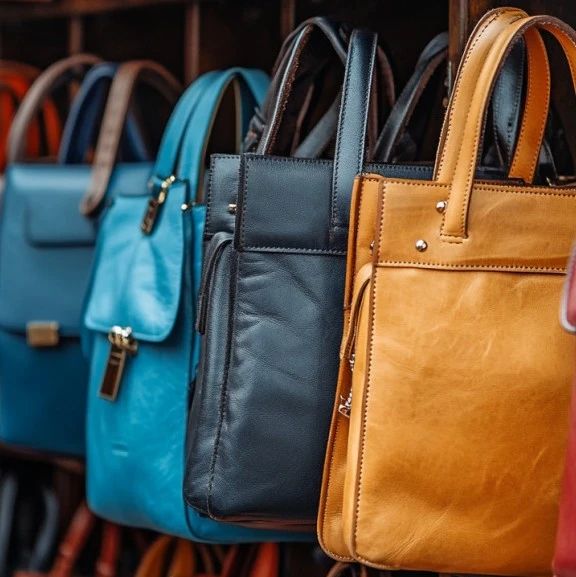
Core Viewpoint - The article discusses the shift in consumer behavior from international luxury brands to domestic handbag brands, highlighting the rise of affordable yet high-quality options that appeal to a more practical and aesthetic sensibility among consumers [4][6][9]. Group 1: Consumer Behavior Shift - Consumers who previously favored international luxury brands are now opting for domestic handbags, especially as brands like COACH and MK reduce prices while domestic brands increase their prices to around 1,000 yuan [6][18]. - The trend reflects a broader consumer sentiment of "demystifying" luxury brands, with many individuals seeking practicality and quality over brand prestige [6][9]. - The rise of domestic brands is characterized by their ability to offer products that appear luxurious without the high price tag, appealing to a demographic that values both aesthetics and functionality [9][10]. Group 2: Market Dynamics - The domestic handbag market has seen significant growth, with brands like 山下有松 (Songmont) and 古良吉吉 (Gulianjiji) achieving notable sales figures, such as 山下有松 surpassing 100 million yuan in overall sales [18][24]. - The price range for domestic handbags has shifted, with the 1,000-1,999 yuan segment now accounting for 40.4% of the market share, indicating a rapid growth in this price category [18][19]. - The competitive landscape is becoming crowded, with over 40 domestic handbag brands gaining traction on social media platforms, reflecting a shift in consumer preferences towards local products [19][24]. Group 3: Brand Positioning and Storytelling - Domestic brands are increasingly focusing on storytelling and brand narratives to enhance their appeal, with many brands leveraging cultural and artisanal elements in their marketing [23][24]. - The average price of products from brands like 山下有松 has risen to around 1,550 yuan, with some items reaching up to 3,900 yuan, indicating a strategic shift towards higher-end positioning [24][30]. - The emergence of a "knowledgeable" consumer base that values design and cultural significance is driving brands to refine their offerings and marketing strategies [24][26]. Group 4: Challenges and Future Outlook - Despite the growth, domestic brands face challenges such as rising production costs and the need for innovation in design to differentiate themselves from competitors and counterfeit products [26][28]. - The increasing marketing costs and brand collaborations with celebrities may lead to consumer skepticism regarding price increases, as some consumers feel that the value proposition is diminishing [25][26]. - The long-term sustainability of these brands will depend on their ability to maintain quality while managing consumer expectations and market dynamics [26][30].
对话巨量星图卢旺达:好内容、好达人、好商单的标准是什么?
乱翻书· 2025-03-06 09:30
Core Viewpoint - The article discusses the evolution of influencer marketing, highlighting the shift from text-based content to video-based formats, particularly through platforms like Douyin, which has led to a new marketing model focused on influencer-driven sales and brand building [1][2]. Group 1: Evolution of Influencer Marketing - Influencer marketing began to take shape after 2010 with the rise of Weibo and WeChat, but was limited by the text-based format, which lacked personal branding and real influence [1]. - The emergence of Douyin introduced short video content, creating a new marketing path known as influencer marketing, which emphasizes conversion and brand building [1][2]. - Influencer marketing has shifted from mere exposure to a "planting grass" model, focusing on traffic conversion and return on investment (ROI) [1]. Group 2: Key Elements of Successful Influencer Marketing - Two key elements for effective influencer marketing are high-quality content and strong influencers, as highlighted during the 2025 Giant Star Map Influencer Festival [2]. - The Giant Star Map platform serves as an intelligent marketing and management tool for influencers, emphasizing the importance of content and creator economy [2]. Group 3: The Role of AI in Content Creation - AI is seen as a tool to enhance creator efficiency but cannot fully replace human creators, especially those with unique personal experiences and emotional resonance [4][5]. - Human creators possess unique creative abilities derived from personal experiences, which AI cannot replicate, particularly in content that evokes emotional responses [6]. Group 4: Content Direction for Influencers - Influencers face a dilemma between specializing in niche content or adopting a broader lifestyle approach, with a recommendation to focus on their strengths for better results [9][10]. - Successful influencers often find their niche and deepen their expertise, which enhances their commercial value and aligns with advertisers' target audiences [10]. Group 5: Innovative Content Examples - Influencer Zhu Tiexiong exemplifies content innovation in the national style transformation niche, producing high-quality, story-driven videos that resonate with audiences [13][14]. - Another influencer, Diandi Lihai, has created a unique content style that combines low-cost materials with high-fashion aesthetics, attracting significant brand partnerships [15]. Group 6: New Monetization Strategies - Influencers are exploring new monetization methods beyond traditional brand deals, such as live streaming and direct sales, which enhance their appeal to brands [16]. - The platform supports influencers in identifying suitable monetization strategies based on their content and audience characteristics [19]. Group 7: Evaluating Influencer Value - Influencer value is assessed based on three dimensions: content creation ability, commercial capability, and fulfillment ability, which help brands select effective partners [25][26]. - Good content is characterized by authenticity, engagement, and the ability to create trends, while good influencers possess strong creative, commercial, and delivery skills [24][23]. Group 8: Influencers in Trend Creation - Influencers play a significant role in creating trends and driving discussions, impacting not only product sales but also broader cultural phenomena [28][29]. - The platform's content insight tools allow influencers to capture and amplify emerging trends, enhancing their visibility and engagement [29]. Group 9: The Impact of Short Videos and New Content Formats - Short videos and new content formats like short dramas are rapidly growing, providing influencers with opportunities to engage audiences and monetize effectively [31]. - The platform facilitates collaborations between brands and influencers to create tailored short dramas that align with marketing goals [31]. Group 10: Future Directions for Influencer Marketing - The influencer marketing market is expected to continue growing, with the platform aiming to innovate monetization models and enhance content quality [44][45]. - The focus will be on optimizing brand partnerships to ensure that high-quality content leads to better business outcomes for both influencers and brands [45].

狗血时尚圈,谁的前任又成了谁的现任|2月潮汐Mail
36氪· 2025-02-28 09:25
Group 1 - Duolingo's marketing strategy involved a "revival challenge" for its mascot Duo, which successfully increased user engagement and learning activity during the campaign [5][6] - Cheetos launched a creative marketing campaign using "non-dominant hand" fonts to resonate with consumers' real-life scenarios [7] - Adidas introduced a high-end series called A-Type under Adidas Originals, featuring luxury materials and craftsmanship, with prices reaching up to $1,500 for certain items [8][10] Group 2 - Nike partnered with Kim Kardashian's Skims to create a new women's fitness brand, NikeSKIMS, focusing on body inclusivity and performance [12][13] - MUJI plans to open low-cost stores in China, selling essential goods at competitive prices, marking its first expansion of this concept outside Japan [16][17] - FamilyMart appointed designer Nigo as its creative director, aiming to enhance its brand image and product offerings through collaborations [21][22] Group 3 - Zara innovatively moved its fashion show to the streets of Shanghai, leveraging live streaming to engage consumers [25][26] - Coffee brand Kudi introduced a new business model by offering affordable meal options alongside coffee, appealing to office workers [29][30] - Apple launched the iPhone 16e, which received mixed reactions from consumers, indicating a potential disconnect between product offerings and market demand [33][34] Group 4 - Chinese director Huo Meng won the Silver Bear for Best Director at the Berlin International Film Festival for his film "The Place of Living," marking a significant achievement for Chinese cinema [37][38]


晚点财经丨吉姆·西蒙斯不做价值投资,收益率跑赢巴菲特;单车撑起极氪 2.8 万美元市值;学钢琴的孩子少了,雅马哈利润下滑
晚点LatePost· 2024-05-12 12:01
吉姆·西蒙斯去世,半生在用数学搞清楚市场发生了什么 极氪上市,一台车撑起 2.8 万美元市值 学钢琴的孩子少了,雅马哈利润下滑 关注《晚点财经》并设为星标,第一时间获取每日商业精华。 吉姆·西蒙斯去世,半生在用数学搞清楚市场发生了什么 有两个投资团队几乎年年跑赢市场,几十年来为投资者带去上千亿美元回报。 一个团队精简、只有几个人参与直接决策。不动用高等数学和编程语言,只在看过公司基本面后挑最 好的时机买入。平均一年做不了一次交易决策。这是巴菲特和芒格的伯克希尔哈撒韦。 另一个团队雇了数百名数学和物理学博士,用大量数据训练模型、写算法交易,对他们而言一家公司 跟标了名字的筹码没什么区别,电脑一天自动做出成千上万次交易。这是吉姆·西蒙斯的文艺复兴科 技。 图片来源:西蒙斯基金会 当地时间 5 月 10 日,文艺复兴创始人、数学家、破译学家吉姆·西蒙斯在曼哈顿的家中去世,享年 86 岁。西蒙斯的发言人乔纳森·加斯塔尔特证实了他的死讯,但没有具体说明死因。 西蒙斯一生都在求解。三岁时喜欢心算倍数,二十岁从麻省理工学院毕业,然后去加州大学伯克利分 校读博 —— 他听说那里的微分几何最好。毕业后在哈佛和麻省理工学院任教一 ...