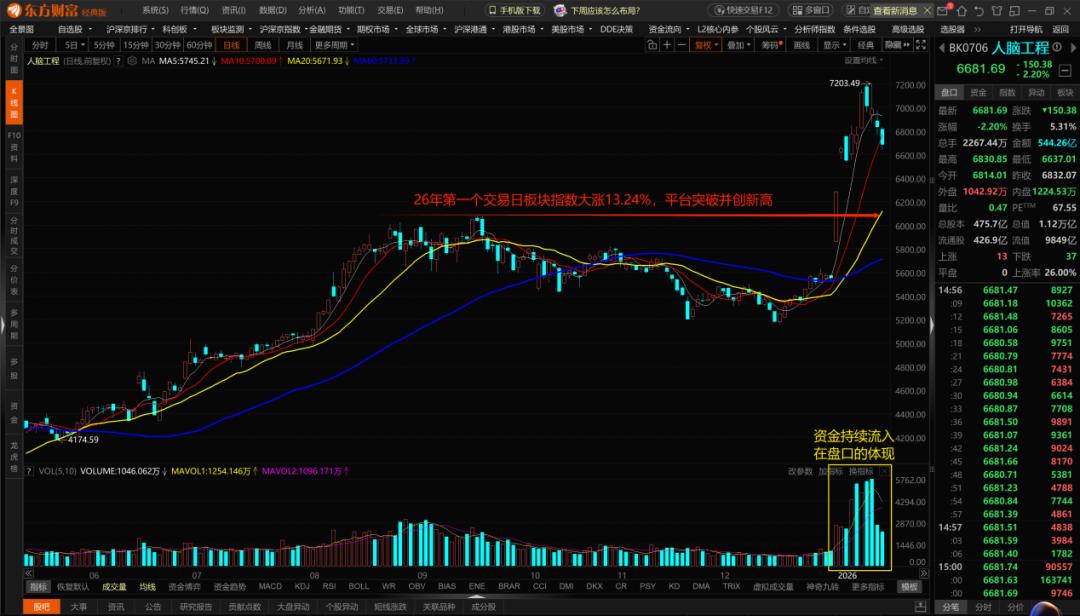
脑虎科技

Search documents
Neuralink的中国对手来了?博睿康冲刺IPO,半侵入式路线能否弯道超车
Sou Hu Cai Jing· 2026-02-10 14:37
2026年2月4日,博睿康技术(上海)股份有限公司正式向上海证监局提交上市辅导备案,辅导机构为中信证券,正式踏上A股IPO之路。 01) 不慌实验室 "第一股"竞争进入白热化 这家脱胎于清华大学神经工程实验室、深耕脑机接口十余年的企业,一跃成为资本市场焦点,也让国产脑机接口"第一股"的竞争进入白热化阶段。 自2015年天使轮融资启动,到2024年完成D轮融资,博睿康在近十年时间里累计完成6轮融资,松禾资本、熔拓兴兆、常州科教城产业基金、红杉中国等 知名机构密集入局,资本持续加注,印证了赛道热度与团队价值。 股权结构显示,公司控股股东为胥红来,持股13.90%,黄肖山持股11.85%,红杉恒辰持股8.94%,股权相对分散,但机构背书充足、科研背景扎实。 在脑机接口从科幻概念走向产业落地的关键节点,博睿康选择登陆资本市场,不仅是企业发展的重要里程碑,更成为观察中国脑机接口从技术研发走向商 业化、资本化的重要窗口,标志着国产脑机接口正式迈入资本市场主战场。 博睿康的核心价值,在于依托清华大学自主创新的脑机接口技术,构建"硬件+软件+算法"一体化能力,是国内少数实现从科研到临床全链条布局的脑机 接口企业。 公司专注神 ...

上海抢滩脑机接口产业转化新高地
Xin Lang Cai Jing· 2026-02-07 02:10
智通财经记者 | 李科文 智通财经编辑 | 谢欣 脑机接口已成上海未来产业重点发展方向。 日前,上海"十五五"规划明确以先进制造业为骨干,构建"2+3+6+6"现代化产业体系,打造世界级高端 产业集群。其中,在六大新兴支柱产业集群,未来健康领域提及加强脑机接口的敏捷布局,加快培育成 势。 2026年上海两会期间,市政协委员、复旦大学附属华山医院神经外科副主任吴劲松建议,当前正处于脑 机接口技术从实验室走向产业化的关键期,上海必须把握机遇,加快打造世界脑机接口中心城市。 非侵入式因操作简便、安全性高,已在消费级及部分医疗场景中应用,但受颅骨阻隔影响,信号采集精 度有限,短期内难以支撑重症患者的高要求康复。侵入式与半侵入式虽然面临技术与伦理挑战,却已成 为医疗康复领域的核心突破方向。 上海市卫生和健康发展研究中心主任金春林向智通财经表示,"未来健康"定位以将脑机接口定义为超越 传统医疗器械范畴,视作生命科学、人工智能与先进制造交叉的前沿方向。战略信号明确,强政策支持 上海抢占全球科技竞争制高点。 他认为,"敏捷布局"的重点在于更灵活、更快速地响应技术迭代与场景拓展,通过机制创新(如快速审 批通道等)加速技术转化, ...
脑机接口月谈-产业及公司篇
2026-02-03 02:05
脑机接口月谈——产业及公司篇 20260202 摘要 国家及地方政策积极推动脑机接口发展,七部委发布指导意见,多地医 保探索支持,目标是到 2030 年培育 2-3 家全球领军企业和一批专精特 新企业,解决支付端问题,推动商业模式从产品销售向服务转化。 高校和科研院所在脑机接口技术研发中扮演关键角色,清华大学、中科 院、浙江大学等团队在侵入式、非侵入式和介入式脑机接口研究上取得 进展,其临床试验方案对市场具有重要指导意义。 脑机接口产业链关键组件包括电极(价值量最高)、芯片和手术机器人, 微纳加工工艺复杂,技术壁垒高。Neuralink、阶梯医疗和脑虎科技等 公司在手术机器人领域有所布局。 多重因素驱动脑机接口产业发展,包括政策支持、技术研发和临床试验 推进、企业积极布局核心组件及配套设备,预计到 2030 年中国将涌现 一批全球领军企业。 脑接口技术上游环节涉及材料、算法、电极和微纳加工等,汉威科技、 科大讯飞、东威半岛等公司在柔性传感器、算法等领域有布局,值得重 点关注。 Q&A 脑机接口产业目前的发展状况如何?有哪些值得关注的政策和市场动态? 脑机接口产业目前处于初期发展阶段,但未来空间巨大。自 202 ...
中国多地竞逐脑机接口新赛道
Zhong Guo Xin Wen Wang· 2026-01-29 12:07
中国省级地方两会近期陆续召开,脑机接口被写入多地政府工作报告中,围绕这一未来产业的区域竞逐 赛正加速展开。 随着创新成果不断涌现和应用探索不断深入,脑机接口市场或将迎来高速增长。据中国信通院测算, 2026年中国脑机接口产业规模预计达数十亿元,2030年的中国市场预计可达100亿元至140亿元。 面对这一未来产业,北京、上海、山东、四川等中国多地相继出台政策,加速产业布局。江西从强化科 技创新引领、推动成果转化应用、加快创新主体引育、提升产业支撑能力四个方面,部署11项重点任 务,推动脑机接口科技创新和产业创新深度融合。 江西省政协常委、农工党江西省委会专职副主委林凯表示,江西推动脑机接口技术产学研医融合起步发 展,已具备打造神经工程产业集聚区的基础条件,处于从技术突破到产业集聚的关键阶段。 尽管前景广阔,脑机接口从技术到产业仍面临诸多瓶颈。业内人士指出,对于一个从无到有的新兴行业 来说,建立标准至关重要。 中国工业和信息化部等七部门2025年联合印发的《关于推动脑机接口产业创新发展的实施意见》提出, 到2027年,中国脑机接口关键技术取得突破,初步建立先进的技术、产业、标准体系。脑机接口产品加 快应用,产业 ...
脑机接口来了,我们需要担心什么
Xin Lang Cai Jing· 2026-01-27 00:11
2026年开年,脑机接口领域无疑是全球科技界最耀眼的明星。1月1日,马斯克在X平台的一则推文点燃 了整个行业的热情:Neuralink将在2026年启动大规模量产。很快,排队等待植入的患者已突破万人大 关。 几乎在同一时间,中国也传来振奋人心的消息:非侵入式脑机接口领域"独角兽"强脑科技(杭州"六小 龙"之一)完成约20亿元重磅融资,创下全球该领域第二大融资纪录。上海、浙江、四川等地先后明确 脑机接口医疗服务价格,将这项前沿技术正式纳入医保体系。 高位截瘫患者用意念操控轮椅自由穿梭,渐冻症患者借助合成语音重新开口说话,消费级脑机接口产品 在2026 CES展上斩获创新大奖——这些曾经只存在于科幻电影中的场景,如今正以远超预期的速度成 为现实。 然而,在这场技术狂飙的背后,一系列深刻的伦理、法律和社会问题也随之浮现。当大脑可以被"读 取"、"写入"甚至"增强",我们是否准备好了迎接一个全新的"人机共生"时代?当脑机接口技术突破医 疗边界,开始探索认知增强、记忆备份等前沿领域,我们又该如何定义"人类"的本质? 一、何为脑机接口? 展望未来,随着神经科学的持续深入发展,达到更高水平的研究阶段,并借助新一代人工智能技 ...
强脑科技拟赴港IPO 脑机接口商业化前景如何?
2 1 Shi Ji Jing Ji Bao Dao· 2026-01-26 08:23
脑机接口赛道风口正盛,相关医械企业也开始"抢跑"。 其中,侵入式与半侵入式脑机接口主要应用于临床诊疗和科研领域,而非侵入式脑机接口系统主要应用 于智能健康和教育等消费场景。 市场近日传闻称,脑机接口企业强脑科技(BrainCo)以保密形式向港交所提交IPO申请,由中金公司与 瑞银集团联合保荐。 就此,21世纪经济报道记者通过官网联系方式向强脑科技方面求证,电话未被接听,采访邮件截至发稿 也暂未收到回复。若消息属实,强脑科技有望成为"杭州六小龙"中率先登陆资本市场的企业。 公开资料显示强脑科技成立于2015年,是一家专注于非侵入式脑机接口技术的硬科技企业,聚焦神经信 号采集、解码算法及智能仿生设备研发。其产品覆盖医疗健康、教育及消费级交互等领域,是国内较早 推进商业化的团队。 在递表传闻前不久,强脑科技刚完成新一轮融资。1月6日,公司宣布完成约20亿元人民币的融资,由 IDG资本、华登国际领投,投后估值超过13亿美元,被视为其上市进程中的关键一环。 华南某一级机构医疗行业分析师向21世纪经济报道记者表示,从消息传出时机来看非常微妙,一方面是 脑机接口概念在市场被热炒,另一方面是资方的退出通道越来越收紧,未来公司 ...
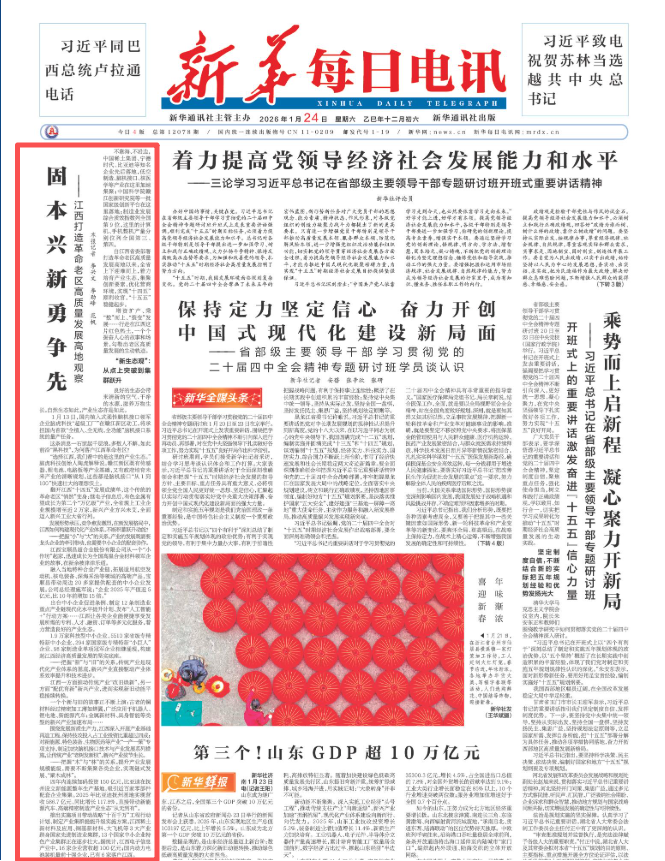
《新华每日电讯》头版头条聚焦江西
Xin Lang Cai Jing· 2026-01-24 01:05
不靠海、不沿边,中国稀土集团、宁德时代、比亚迪等知名企业先后落地,低空制造、脑机接口、核医学等产业在这里加速集聚;中国科学院赣江创新研 究院等一批国家级创新平台在这里落地;制造业发展综合质效指数列全国第9位,这里的计算机、手机整机产量分别位列全国第三、第四。 自江西省委部署打造革命老区高质量发展高地以来,全省上下迎难而上,着力培育产业生态,集聚创新要素,优化营商环境,实现"十四五"顺利收 官,"十五五"稳健起步。 增资扩产、乘"数"而上、"裂变"发展……行走在江西这片红色热土,一个个振奋人心的故事和场景,勾勒出老区高质量发展的生动轨迹。 "新生态观":从点上突破到集群跃升 良好的生态会带来清新的空气、干净的水源,滋养万物生长。自然生态如此,产业生态亦是如此。 1月13日,国内植入式柔性脑机接口领军企业脑虎科技"超级工厂"在赣江新区动工,将承担国内首款"全植入、全无线、全功能"脑机接口系统的量产任 务。 这条消息一石惊起千层浪。多数人不解,如此前沿"黑科技",为何落户江西革命老区? "选择江西,我们看中的是这里的产业生态。"脑虎科技创始人陶虎解释说,赣江新区既有传感器、锂电池、电路板等产业基础,又有政府培育未来 ...
这家脑机公司比马斯克先盈利了,何时登陆资本市场?
阿尔法工场研究院· 2026-01-20 00:08
Core Viewpoint - Strong Brain Technology is set to achieve its first profitable year in 2025, with significant revenue contributions from products aimed at the mass consumer market [4][17]. Group 1: Company Overview - Strong Brain Technology, founded by Han Bicheng in 2015, operates offices in Hangzhou, Shenzhen, and the US (Boston and Austin), with a peak employee count of around 300-400 [9]. - The company has recently gained attention due to favorable market conditions, including the influence of Musk and supportive domestic policies, positioning it prominently among the "Hangzhou Six Dragons" [9][31]. - In January 2026, Strong Brain completed a record-breaking financing round of 2 billion yuan, the largest single financing in the "Six Dragons" group, and has secretly applied for an IPO in Hong Kong [10][20]. Group 2: Product Lines and Market Strategy - Strong Brain has three main product lines: intelligent bionic series (prosthetics), intelligent health series (sleep aids, attention training), and intelligent education [20]. - The company’s bionic hands can be priced at tens of thousands of dollars in overseas markets, contributing nearly half of its total revenue, while domestic products are offered at significantly lower prices to accommodate local purchasing power [23]. - The company’s consumer products include a wearable brainwave device and a smart sleep aid, which have gained popularity despite some controversy regarding their effectiveness and privacy concerns [24][26]. Group 3: Industry Context and Competition - The brain-computer interface (BCI) sector is experiencing rapid growth, with 16 financing events in 2025 totaling 983 million yuan, a nearly fourfold increase from 2024 [16]. - Strong Brain's approach focuses on non-invasive technology, which is seen as a more practical and commercially viable path compared to invasive methods [20]. - The global competition in the BCI field is intensifying, with significant developments from companies like Neuralink, which is expected to start large-scale production of BCI devices in 2026 [34][35]. Group 4: Future Aspirations and Challenges - Strong Brain aims to help 1 million disabled individuals regain mobility and reintegrate into society within the next five to ten years, supported by its recent funding for core technology development and product scaling [31]. - Despite the promising outlook, the BCI industry faces challenges such as technological breakthroughs, ethical reviews, and the construction of commercial closed loops, which could hinder progress [36].

18亿融资入场!奥特曼超声脑机公司Merge Labs,与马斯克Neuralink竞逐脑机赛道
机器人圈· 2026-01-19 10:55
Core Viewpoint - The competition between Elon Musk's Neuralink and OpenAI's Merge Labs marks a significant shift in the brain-computer interface (BCI) sector, with both companies pursuing different technological paths to enhance human capabilities and interaction with AI [2][3]. Group 1: Funding and Investment - Merge Labs recently completed a seed round financing of $252 million (approximately 1.8 billion RMB), significantly exceeding the early funding amounts typical in the neurotechnology sector [2]. - OpenAI is the largest investor in this round, indicating a strategic integration of OpenAI's core algorithms with Merge Labs' BCI technology [2]. Group 2: Technological Approaches - Merge Labs aims to develop non-invasive brain-computer interfaces, utilizing technologies like ultrasound for neural signal transmission, contrasting with Neuralink's invasive approach that requires surgical implantation of electrodes [3]. - Sam Altman has publicly expressed skepticism about invasive technologies, emphasizing the desire for a system that allows interaction with AI through thought alone [3]. Group 3: Market Growth and Trends - The global BCI market is projected to grow from approximately $2.62 billion in 2024 to $12.4 billion by 2034, indicating a robust growth trajectory [6]. - In China, the BCI market is expected to increase from 3.2 billion RMB in 2024 to 5.58 billion RMB by 2027, with a compound annual growth rate of about 20% [6]. Group 4: Industry Dynamics - The competition between invasive and non-invasive technologies may lead to a complementary relationship, where advancements in medical applications can enhance consumer-grade devices and vice versa [7]. - The ongoing rivalry between Musk and Altman is seen as a catalyst for industry progress, potentially ushering in a new era of human-computer interaction [7].
意念控物成真,脑机接口产业化爆发,这波机会别错过
3 6 Ke· 2026-01-19 02:30
Core Viewpoint - The brain-computer interface (BCI) technology is advancing rapidly, with significant support from government policies, clinical trials, and capital investment, positioning it as a key growth sector with potential applications across various industries [2][5][17]. Policy Support - The Chinese government has included BCI in its key development list for future industries, with concentrated policy support expected to accelerate clinical trials and market activity by 2025 [2][5]. - Local governments are establishing special funds and action plans to facilitate the development of the BCI industry, particularly in major cities like Beijing and Shanghai [5]. Clinical Advancements - By 2025, the number of clinical trials for BCI in China is projected to increase significantly, with breakthroughs in invasive, semi-invasive, and interventional technologies [5]. - The first global interventional BCI human trial has been completed, and advanced devices featuring "fully implanted, fully wireless" capabilities are being developed [5][10]. Capital Investment - In the first 11 months of 2025, there were 24 financing events in the BCI sector in China, marking a 30% year-on-year increase, supported by government funds and market capital [5][6]. - Notable financing rounds include several companies raising millions to billions in funding, indicating strong investor interest [6]. Industry Growth - The BCI sector is evolving into a trillion-yuan market, with major players like Neuralink preparing for large-scale production of devices, while domestic companies are making significant technological advancements [4][5]. - The industry is witnessing a robust influx of capital, with a strong willingness among investors to lock in shares, indicating confidence in the sector's stability and growth potential [4]. Technological Breakthroughs - BCI technology is categorized into invasive, semi-invasive, and non-invasive types, with invasive methods providing the best signal quality for capturing neural activity [7][10]. - Domestic advancements include breakthroughs in electrode arrays and decoding algorithms, achieving over 90% accuracy in Chinese character writing recognition [10]. Application Scenarios - BCI technology is being applied in various fields, including medical rehabilitation for paralysis and neurological disorders, as well as in industrial safety, aerospace, and entertainment [12][10]. - Specific applications include fatigue monitoring in industrial settings, cognitive health assessments in aerospace, and training aids in sports and education [12]. Industry Chain Opportunities - The BCI industry's growth is supported by a comprehensive supply chain, with opportunities in upstream components like electrodes and chips, midstream systems and algorithms, and downstream applications in healthcare and consumer products [13][16]. - Companies focusing on core components, clinical applications, and those with established market channels are well-positioned to benefit from the industry's expansion [16]. Investment Recommendations - Investors are advised to focus on three key areas: technology-leading companies, clinical application firms, and those with strong industry chain collaborations, as the BCI sector transitions from clinical validation to large-scale implementation [17].