iRobot

Search documents
中坚科技冲刺港股:业绩增速断崖式下滑 智能机器人销售占比微乎其微
Xin Lang Zheng Quan· 2025-11-28 08:34
Core Viewpoint - The company Zhongjian Technology is facing significant growth challenges as it transitions into the smart robotics sector, with a sharp decline in revenue growth and profitability in 2025, despite aggressive R&D investments [1][2][3]. Group 1: Financial Performance - In the first half of 2025, Zhongjian Technology's revenue growth slowed to 5.3% year-on-year, and net profit for the third quarter showed a loss of 28.55 million yuan, a staggering decline of 482.99% [2]. - The company's R&D expenses surged by 127.3% in the first half of 2025, reaching 39 million yuan, resulting in an R&D expense ratio of 9.96% [2]. - Operating cash flow deteriorated significantly, with net cash flow from operating activities dropping to 5.997 million yuan in 2024, a 94% decrease from 102 million yuan in 2022 [2]. Group 2: Business Transformation - Zhongjian Technology is heavily investing in the smart robotics sector to reduce reliance on traditional OEM/ODM business models, which account for over 92% of its operations [3]. - The company has formed partnerships with industry leaders, including investments in the Norwegian humanoid robot company 1X Holding AS and collaborations with Nvidia and Huawei [3]. - Despite these efforts, the transition faces challenges, including reliance on external suppliers for key components, with over 50% of costs attributed to these parts, and a low production capacity utilization rate of 32% for smart lawn mowers in 2024 [3]. Group 3: IPO Motivation and Market Position - The IPO on the Hong Kong Stock Exchange is seen as a crucial step for Zhongjian Technology to raise funds for the industrialization of its quadruped robots and expansion of production bases in Thailand and China [4]. - The company aims to enhance its international brand influence and expand into high-end robot markets in Europe and North America [4]. - However, the company faces risks such as concentrated ownership, with the Wu Minggen family holding 46.01% of shares, and potential compliance issues stemming from past incidents [4]. Group 4: Industry Context - Zhongjian Technology's struggles reflect broader challenges faced by traditional manufacturers transitioning to smart technologies, as the market shifts towards lithium battery and intelligent equipment [5]. - Competitors like Quan Feng Holdings reported revenues of 24.7 billion yuan in 2024, significantly outpacing Zhongjian Technology's 971 million yuan [5]. - The company is attempting a "technology for market" strategy, but the return on investment in its robotics business is currently unbalanced, with 72.7 million yuan spent on R&D against only 4.65 million yuan in revenue from this segment in 2024 [5].

豪鹏科技(001283):AI硬件催动电池技术革新,增长引擎强劲启动
Huajin Securities· 2025-11-27 14:01
Investment Rating - The investment rating for the company is "Buy (First Coverage)" [3] Core Views - The company is positioned to benefit from the AI hardware-driven innovation in battery technology, with strong growth engines initiated [1] - The integration of battery cells and packs, along with competitive advantages in wearable technology and strategic customer resources, shapes the core competitiveness of the company [2] - The company is focusing on the mainstream consumer sector, leveraging its one-stop service advantages in lithium-ion and nickel-hydride products to meet the evolving demands of global brand clients [2][4] - The company has established a differentiated competitive advantage in the AI sector, with its AI-related business expected to continue growing as AI penetration increases in various consumer electronics [4][6] Summary by Sections Financial Data and Valuation - Projected revenues for 2025 to 2027 are expected to be 60.41 billion, 70.77 billion, and 81.25 billion yuan, with growth rates of 18.2%, 17.2%, and 14.8% respectively [6][7] - The net profit attributable to shareholders is forecasted to be 2.41 billion, 3.62 billion, and 4.57 billion yuan for the same period, with growth rates of 164.3%, 49.9%, and 26.4% respectively [6][7] - The company’s P/E ratios are projected to be 27.4, 18.3, and 14.4 for 2025, 2026, and 2027 respectively [6][7] Market Dynamics - The global lithium-ion battery market is expected to see significant growth, with a projected total shipment volume of 1,899.3 GWh by 2025 and 5,127.3 GWh by 2030 [14][16] - The demand for consumer electronics, particularly AI PCs and smartphones, is anticipated to drive battery demand, with AI PC shipments expected to reach 1.54 million units in Q4 2024 [17][22] - The wearable product market, including TWS earbuds and smart glasses, is also expected to grow, with AI glasses projected to see a 135% increase in sales from 2024 to 2025 [30][34] Technological Innovations - The company is focusing on technological upgrades and product innovations, particularly in solid-state batteries and high-silicon anodes, which are expected to enhance battery safety and energy density [5][6] - The integration of AI technology into battery products is reshaping the company's profitability model, with a higher willingness from clients to pay for breakthrough solutions [2][5] - The company has successfully developed semi-solid batteries with a volumetric energy density of 950 Wh/L and is advancing solid-state battery technology [5][6]
iRobot坠落,中国“扫地机器人”崛起
机器人大讲堂· 2025-11-12 10:11
Core Viewpoint - iRobot, once a market leader in the robotic vacuum industry with over 80% global market share, is now facing a severe financial crisis, with a significant drop in revenue and stock price, leading to a situation where it is struggling to find a buyer [1][3]. Financial Performance - iRobot reported a third-quarter revenue of $145.8 million for the period ending September 27, 2025, a decline of 24.6% compared to the same period in 2024 [5]. - The company's gross profit margin decreased from 32.2% to 31.0%, while operating expenses rose from $55.1 million to $62.9 million, resulting in a net loss of $21.5 million, compared to a profit of $6.4 million in the previous year [6]. - Cash and cash equivalents fell to $24.8 million, down $15.8 million from June 30, indicating a critical cash flow situation [6]. Market Dynamics - iRobot's revenue in the U.S. market plummeted by 33%, while the EMEA region saw a decline of 13-14%. The only stable market was Japan, which remained flat after adjusting for currency effects [5]. - Despite iRobot's struggles, the overall robotic vacuum market in the U.S. saw a 92.3% increase in sales, reaching $131 million in August 2025, highlighting a stark contrast between the company's performance and industry growth [15][16]. Competitive Landscape - Competitors like Roborock and Eufy have gained significant market share by adopting advanced technologies such as LiDAR and integrated cleaning solutions, while iRobot has been slow to innovate and adapt to market demands [11][19]. - In the high-end market segment, competitors have captured the top three sales positions, indicating a shift in consumer preference away from iRobot's offerings [19]. Historical Context - iRobot was founded in 1990 and launched the first consumer robotic vacuum, Roomba, in 2002, which revolutionized home cleaning [7]. - The company reached its peak in 2012 with over 80% market share but failed to adapt to changing consumer preferences and technological advancements, leading to its decline [9][22]. Conclusion - The decline of iRobot amidst a booming industry reflects a significant shift in the global robotic vacuum market, emphasizing the importance of aligning technological innovation with market needs to remain competitive [22].

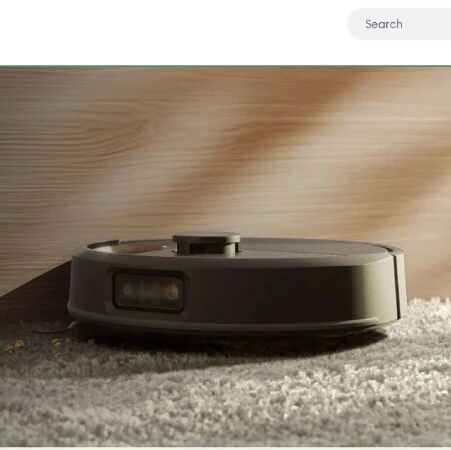
快讯|荣耀明年将推出机器人手机;扫地机器人鼻祖 iRobot 资金濒临耗尽;深朴智能斩获2亿元融资等
机器人大讲堂· 2025-11-11 04:39
Group 1 - Honor Technology CEO Li Jian announced the launch of a ROBOT PHONE that integrates AI, embodied intelligence, and high-definition imaging, featuring a modular mechanical structure with a foldable and retractable design [2] - Honor plans to invest $10 billion over five years to build a leading global AI terminal ecosystem as part of its Alpha strategy [2] Group 2 - Simple AI, a new player in the embodied intelligence robotics sector, secured 200 million RMB in funding within three months, with investments from various venture capital firms [5] - The funds will be primarily used for the development of the robotic brain and body [5] Group 3 - iRobot, known as the pioneer of robotic vacuum cleaners, is facing a severe financial crisis, with cash reserves dwindling to below $25 million, down from over $40 million in the previous quarter [8] - The company is urgently seeking new financing or potential buyers to avoid bankruptcy [8] Group 4 - A research team from Zhejiang University and City University of Hong Kong developed a gastric retentive robotic capsule for emergency oral drug delivery, capable of remaining in the stomach for at least 10 weeks and releasing medication within 60 seconds [9] Group 5 - French startup NAAREA partnered with Fluid Wire Robotics to provide a robotic operating system for their next-generation XAMR micro-reactor, which can operate in extreme environments [10] - The XAMR reactor is designed to utilize long-lived nuclear waste while generating 40 MW of electricity and 80 MW of high-temperature heat [10]

扫地机器人鼻祖 iRobot 资金濒临耗尽,智能功能恐将集体失效
Sou Hu Cai Jing· 2025-11-10 23:24
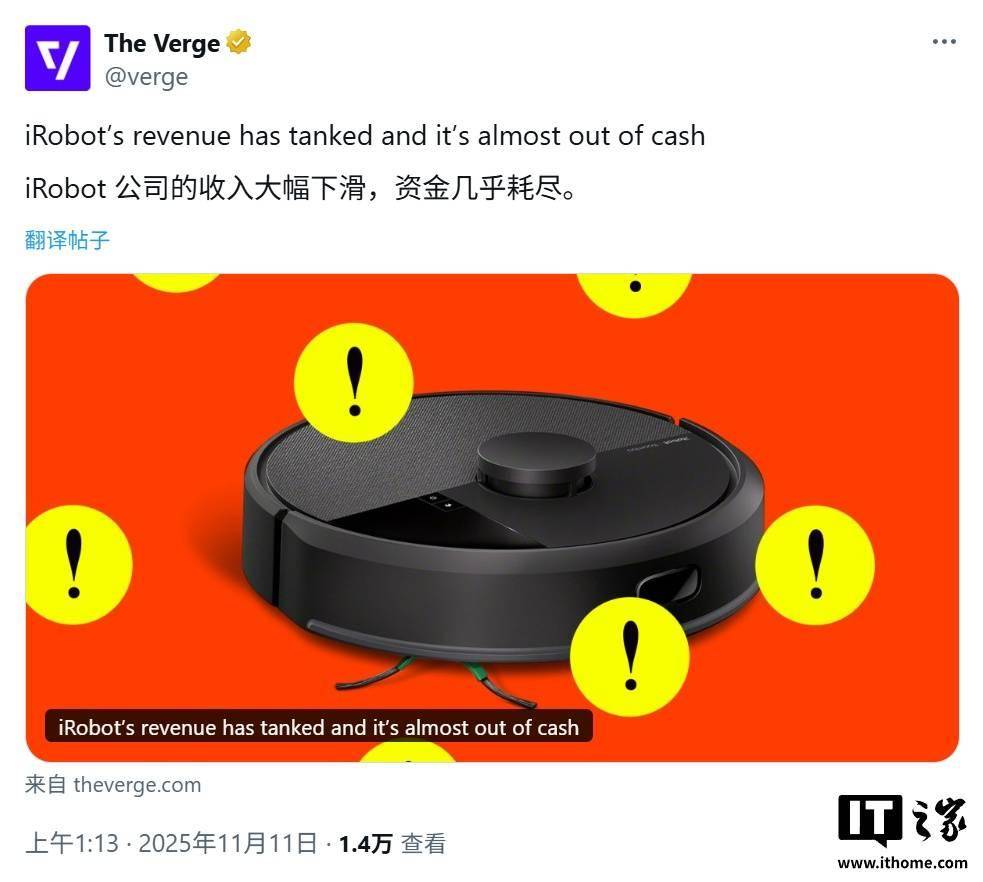
IT之家 11 月 11 日消息,扫地机器人巨头 iRobot 正面临严峻的生存危机。公司 2025 年第 3 季度财报显示,其现金及现金等价物已不足 2500 万美元(IT之 家注:现汇率约合 1.78 亿元人民币),与第 2 季度超过 4000 万美元的水平相比大幅缩水,濒临耗尽。 公司为避免倒闭的命运,正动用仅剩的资金维持现有产品的云服务,同时紧急寻求新的融资或潜在买家。 iRobot 的财务状况恶化主要源于营收的急剧下滑。财报显示,公司第 3 季度营收仅为 1.458 亿美元(现汇率约合 10.39 亿元人民币),远低于去年同期的 1.934 亿美元。 该公司首席执行官加里・科恩坦言,这一业绩"远低于内部预期",并归咎于市场逆风、持续的生产延误和运输中断。营收锐减迫使公司依赖现金储备维持运 营,科恩警告称,公司目前"已没有任何渠道可以获取额外资本"。 iRobot 是一家成立于 1990 年的美国机器人公司,因其 2002 年推出的首款 Roomba 扫地机器人而被称为"扫地机器人鼻祖"。该公司总部位于马萨诸塞州贝德 福德,业务涵盖军用、商用、医疗和家用机器人,其中 Roomba 是其最知名的家用产品 ...

iRobot(IRBT) - 2025 Q3 - Quarterly Results
2025-11-06 21:18
Financial Performance - Q3 2025 revenue was $145.8 million, a decline of 33% compared to $193.4 million in Q3 2024[2] - GAAP net loss per share for Q3 2025 was ($0.62), compared to ($0.21) in Q3 2024[2] - For the nine months ended September 27, 2025, iRobot Corporation reported a net loss of $131.6 million, compared to a net loss of $68.4 million for the same period in 2024, representing an increase in losses of approximately 92.5%[16] - Total revenue for the nine months ended September 27, 2025, was $375.0 million, down 26.3% from $509.8 million in the same period of 2024[18] - GAAP Net Loss for the three months ended September 27, 2025, was $21,526 million, compared to a loss of $6,371 million for the same period in 2024, representing a significant increase in losses[33] - Non-GAAP Net Loss for the three months ended September 27, 2025, was $8,026 million, while it was a profit of $1,046 million in the same period of 2024, indicating a substantial decline in performance[33] Cash and Liquidity - Cash and cash equivalents decreased to $24.8 million as of September 27, 2025, down from $40.6 million as of June 28, 2025[4] - The company has no sources for additional capital as of September 27, 2025[4] - Cash, cash equivalents, and restricted cash at the end of the period were $31.8 million, a significant decrease from $141.9 million at the end of the same period in 2024[16] Operating Expenses - Total operating expenses for Q3 2025 were $62.9 million, an increase from $55.1 million in Q3 2024[2] - The company reported a GAAP operating loss of $17.7 million in Q3 2025, compared to an operating income of $7.3 million in Q3 2024[2] - iRobot's operating expenses for the nine months ended September 27, 2025, were $204.0 million, up from $167.9 million in the same period of 2024, representing an increase of 21.5%[31] Sales and Revenue Breakdown - Revenue from mid-tier and premium robots represented 74% of total robot sales in Q3 2025, down from 79% in the same period last year[5] - Revenue in the U.S. declined by 33%, EMEA by 13%, and Japan by 9% year-over-year[4] - Revenue from the United States for the nine months ended September 27, 2025, was $168.7 million, a decrease of 34.7% compared to $258.4 million in the prior year[18] - The average gross selling price for robot units was $311 for the nine months ended September 27, 2025, compared to $329 in the same period of 2024, indicating a decrease of approximately 5.5%[18] - iRobot shipped a total of 1,481 robot units in the nine months ended September 27, 2025, down 16.0% from 1,762 units in the same period of 2024[18] Inventory and Management - Inventory as of September 27, 2025, totaled $140.9 million, compared to $149.2 million in Q3 2024[4] - GAAP Days in Inventory increased to 128 days for the three months ended September 27, 2025, compared to 104 days in the same period of 2024, suggesting potential inventory management issues[33] - Non-GAAP Days in Inventory also remained at 128 days for the three months ended September 27, 2025, consistent with GAAP figures[33] Profitability Metrics - The company reported a GAAP gross margin of 27.7% for the nine months ended September 27, 2025, compared to 24.7% for the same period in 2024, reflecting an improvement of 3.0 percentage points[31] - Non-GAAP gross profit for the nine months ended September 27, 2025, was $106.3 million, compared to $127.4 million in the same period of 2024, a decrease of 16.6%[31] - Stock-based compensation expenses of $12.9 million for the nine months ended September 27, 2025, compared to $17.9 million in the same period of 2024[31] - Stock-based compensation for the three months ended September 27, 2025, was $3,854 million, down from $5,480 million in the same period of 2024[33] - Non-GAAP Net Loss Income Per Diluted Share for the three months ended September 27, 2025, was $(0.23), compared to $0.03 for the same period in 2024, reflecting a decline in profitability[33] Strategic Investments - The company reported a loss on strategic investments of $1,960 million for the three months ended September 27, 2025, with no losses reported in the same period of 2024[33] Shareholder Metrics - The number of shares used in diluted per share calculation increased to 34,866 million for the three months ended September 27, 2025, from 30,551 million in the same period of 2024[33] - Days Sales Outstanding decreased to 36 days for the three months ended September 27, 2025, compared to 48 days in the same period of 2024, indicating improved collection efficiency[33]

The maker of the Roomba is running out of cash and options. After its failed Amazon deal, iRobot could face bankruptcy.
Business Insider· 2025-11-06 10:18
Core Viewpoint - iRobot, once a leader in the robotic vacuum market, is facing severe financial difficulties and is on the brink of bankruptcy due to failed acquisitions and increasing competition [1][2][3]. Financial Strain - iRobot has been under financial pressure, worsened by the collapse of Amazon's $1.4 billion acquisition plan in early 2024 [2]. - The company reported that its last potential buyer withdrew after exclusive negotiations, offering a price significantly lower than its recent stock trading price [2][3]. - iRobot warned that without new funding, it may have to significantly reduce or cease operations and could seek bankruptcy protection [3][16]. Product and Market Position - iRobot has sold over 50 million Roomba models since its launch, but competition has intensified from brands like Dreame, Roborock, and Ecovacs [8][13]. - The company launched a new fleet of Roomba vacuums and mops in March 2023, aiming to reinforce its market leadership [4][8]. - iRobot's annual revenue peaked at $1.56 billion in 2021 but has been declining since, with shares dropping about 65% year-to-date, currently priced at $2.70 [13][16]. Historical Context - Founded in 1990 by MIT roboticists, iRobot initially focused on military and space-related robots before achieving consumer success with the Roomba in 2002 [9][11]. - The company sold its defense and security business in 2016 for up to $45 million, shifting its focus entirely to consumer robotics [12]. Strategic Challenges - iRobot acknowledged increased competition in the robotic floorcare segment, leading to a loss of market share [14]. - The failed acquisition by Amazon, initially agreed upon at $61 per share, was a significant setback, resulting in layoffs of 350 employees, or about 31% of its workforce [14][15].


iRobot Shares Fall 36% On Monday — What's Going On? - iRobot (NASDAQ:IRBT), Amazon.com (NASDAQ:AMZN)
Benzinga· 2025-10-28 07:42
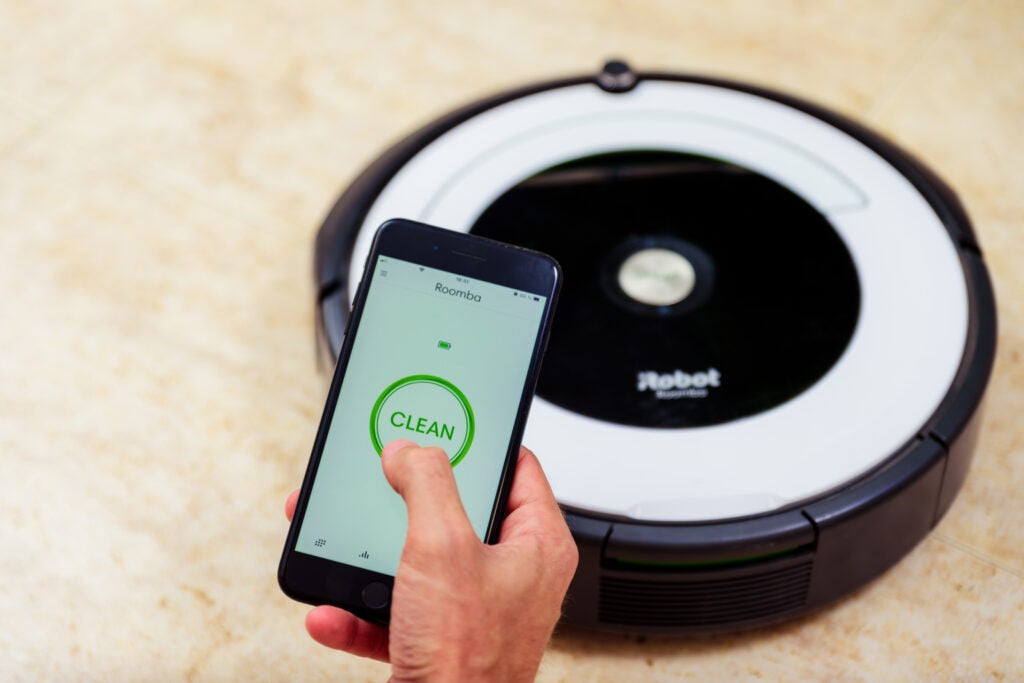
Core Insights - iRobot Corp. shares fell over 36% after the last potential buyer withdrew from negotiations, leaving the company's financial situation precarious [1][4] - The company has faced significant challenges since Amazon abandoned its $1.7 billion acquisition plan in January 2024, leading to uncertainty about its future [2] - iRobot's market capitalization has plummeted to approximately $117 million, a stark contrast to its peak valuation of over $3.5 billion in January 2021 [5] Financial Performance - iRobot reported dire financial results for fiscal year 2024, struggling to generate cash and pay off debts, with substantial doubt about its ability to continue operations [2][4] - The company took a $200 million loan from the Carlyle Group in July 2023 to manage its financial obligations and extended the waiver period for certain financial commitments until December 1 [3][4] - Year-to-date, iRobot's stock has declined by about 53%, and it has lost approximately 78% of its value since Amazon's acquisition plans were abandoned [5] Market Position - iRobot is known for its Roomba vacuum cleaner, which has sold over 40 million units since its launch in 2002, but it now faces stiff competition from cheaper Chinese models [3][5] - The company's shares have dropped significantly from their pandemic high of $161.6, reflecting a broader decline in market confidence [4][5]
iRobot sinks after saying last potential buyer has dropped out (IRBT:NASDAQ)
Seeking Alpha· 2025-10-27 19:04
Core Viewpoint - iRobot's stock price dropped by 33% following the announcement that the last bidder for the company has exited the sales process, indicating challenges in the company's efforts to find a buyer since March [5]. Company Summary - iRobot has been actively seeking to sell itself since March, reflecting ongoing strategic challenges within the company [5]. - The withdrawal of the last bidder raises concerns about the company's valuation and future prospects in the market [5].
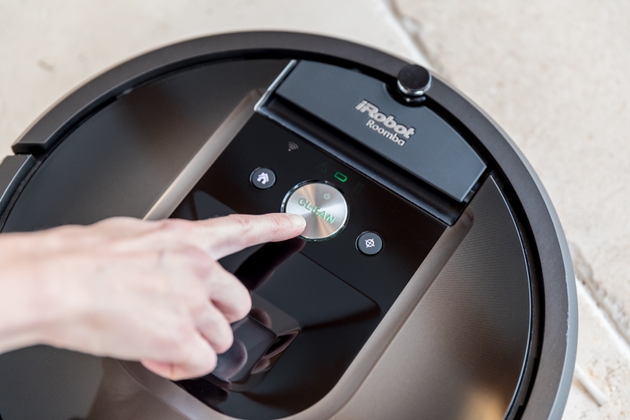
iRobot stock tumbles 30% after Roomba maker warns the search for a buyer has stalled
CNBC· 2025-10-27 17:59
Core Viewpoint - iRobot's shares fell over 30% after the company announced significant challenges in its search for a buyer and ongoing financial difficulties [1][2]. Company Situation - iRobot has been attempting to sell itself since March, but the last potential buyer withdrew after a prolonged exclusive negotiation period [2]. - The company's financial health has deteriorated, with warnings of "substantial doubt" regarding its ability to continue operations [3]. Acquisition Attempts - Amazon's planned acquisition of iRobot for $1.7 billion was abandoned in January 2024 due to regulatory scrutiny [2]. - Amazon CEO criticized the regulatory actions that blocked the deal, stating it would have enabled iRobot to better compete against rivals like Anker, Ecovacs, and Roborock [3].