OPPO

Search documents
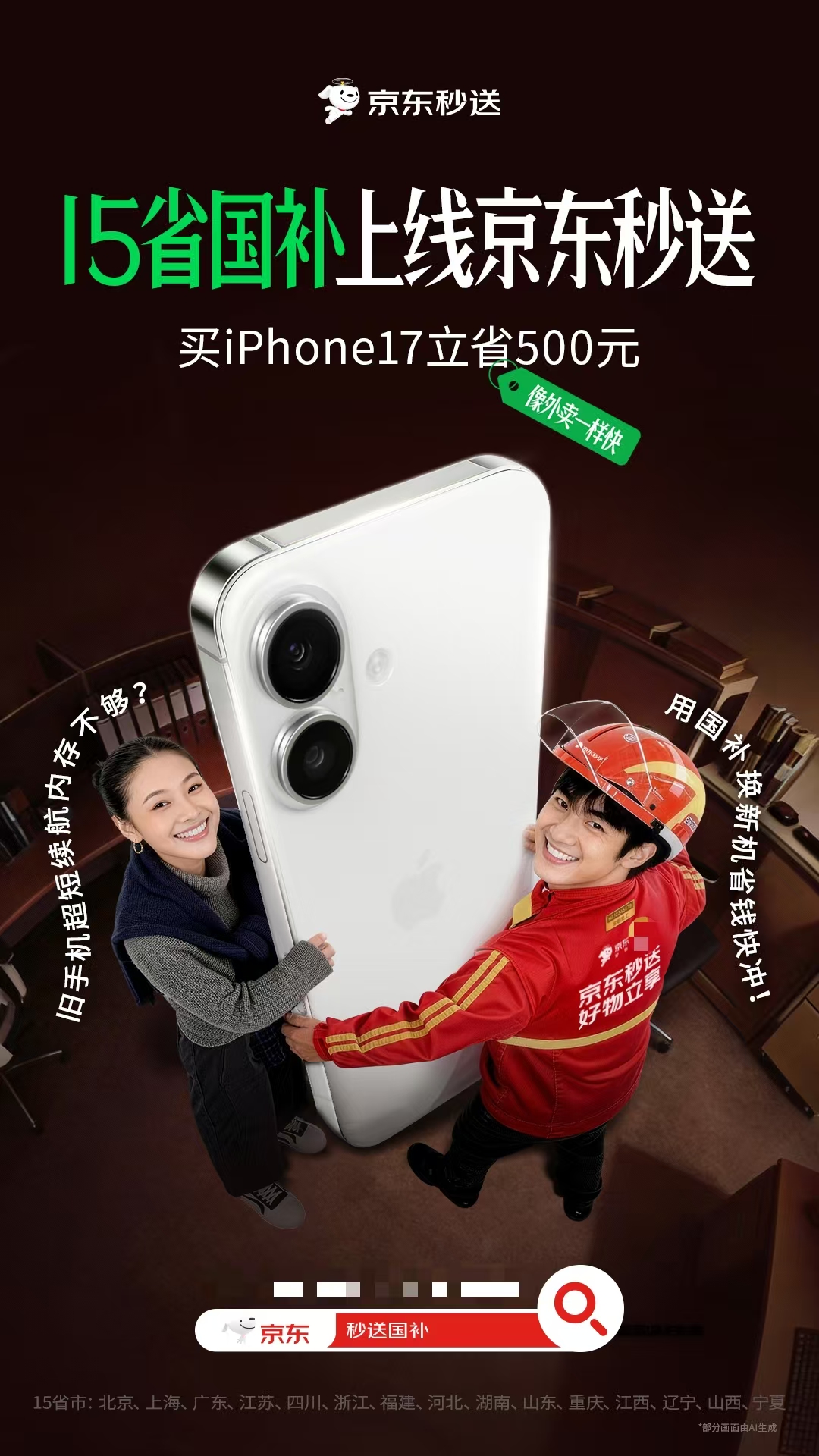
15省国补上线京东秒送 春节换新机立享15%国补优惠
Zheng Quan Ri Bao Wang· 2026-01-27 14:13
Group 1 - JD's instant retail platform, JD Seconds, has fully implemented the 2026 national subsidy program across 15 provinces, allowing consumers to access a dedicated subsidy section in the JD app for purchasing 3C digital products with efficient delivery services [1] - The products eligible for the subsidy include computers, mobile phones, tablets, smartwatches, and fitness bands from major brands such as Apple, Xiaomi, Huawei, OPPO, vivo, and Lenovo [1] - Consumers can enjoy a subsidy of 15% off the product sales price, with a maximum subsidy of 1500 yuan for computers and 500 yuan for mobile phones, tablets, and wearable devices [1] Group 2 - Since the implementation of the national "Two New" policy in 2024, JD has invested nearly 30 billion yuan to support the rural subsidy program, effectively promoting consumption growth in county areas [2] - In 2026, JD aims to leverage its supply chain and instant retail network to further promote the national subsidy policy, contributing to consumer stimulation and high-quality economic development [2]

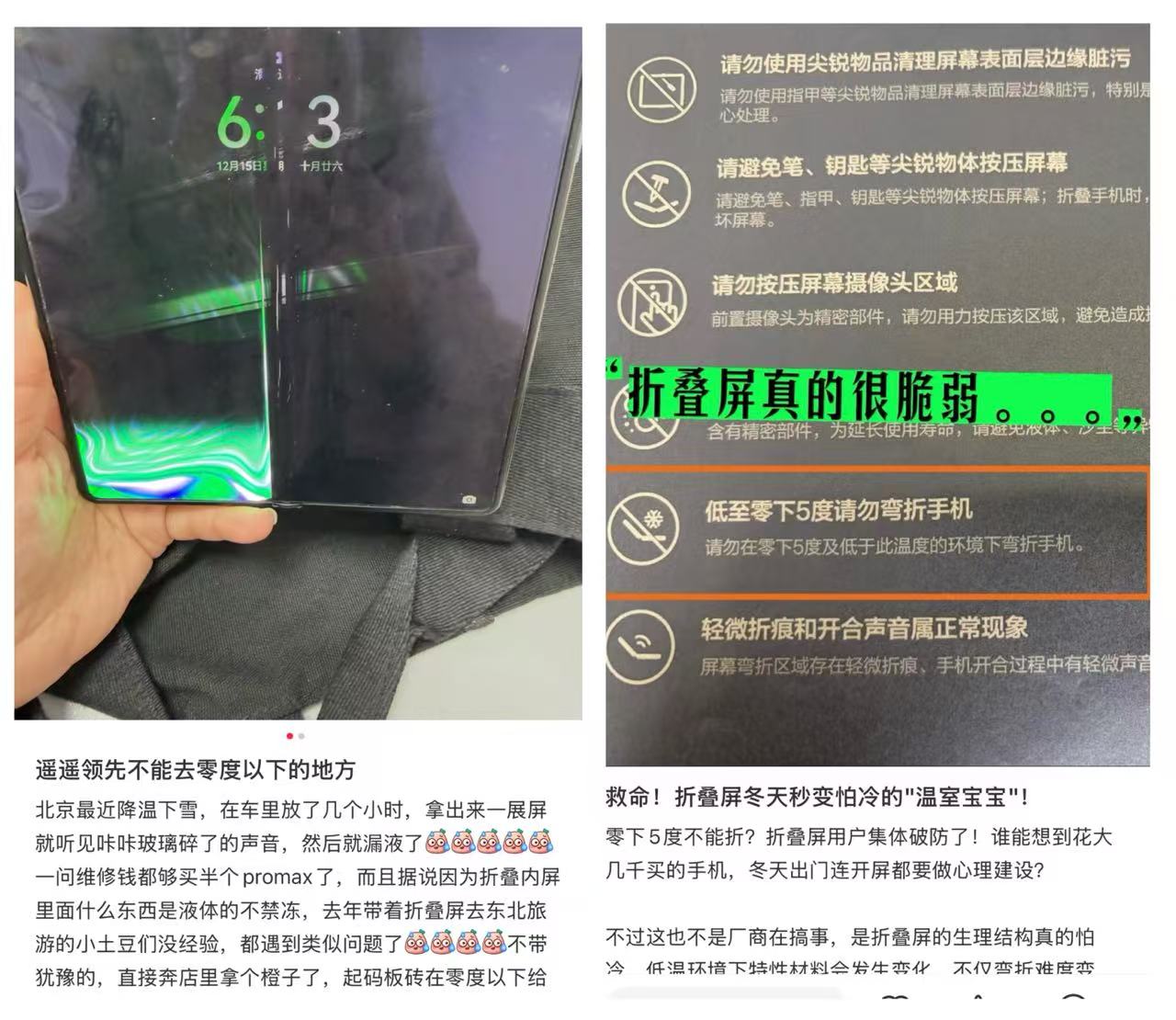
折叠屏手机到了东北变“碎碎冰”?专家建议保温是第一要务
Xin Lang Cai Jing· 2026-01-27 13:42
Group 1 - The core issue highlighted is the vulnerability of foldable screens to low temperatures, leading to complaints from users about screen damage in cold weather [1][4] - Users are advised to avoid using foldable screens in temperatures below zero degrees Celsius, as the materials can become brittle and lead to physical damage [4][5] - The foldable screen market in China is experiencing growth, with a year-on-year increase of 9.2%, reaching approximately 10.01 million units shipped in 2025 [6] Group 2 - Huawei leads the foldable screen market with a 71.8% market share, translating to about 7.18 million units shipped [6] - Honor ranks second in the foldable screen market with a 9.1% market share, attributed to the success of its Magic V5 model [6] - Vivo holds a 4.9% market share, while OPPO and Samsung are tied for fourth place with a 4.3% market share each [6]

一场注定破碎的“AI大一统”幻想
3 6 Ke· 2026-01-27 12:40
就在科技公司兴致勃勃的时候,硬件厂商的反应却耐人寻味。1月23日,vivo 悄然宣布暂停筹备半年的 AI 眼镜项目,高管团队在内部复盘时直言"短期内难以实现差异化",战略重心转头投向了 MR 头显。 2026年的AI硬件赛道,正在经历一场前所未有的"军备竞赛"。 在这方面,字节的布局堪称"四面出击"。并购Oladance是其AI耳机战略的关键一步,后者是国内开放式 耳机领域的头部玩家,拥有成熟的声学技术与供应链资源。联手歌尔与龙旗,则是为了解决AI眼镜的 代工问题——歌尔是全球最大的VR/AR代工厂,龙旗是消费电子ODM领域的头部企业,二者的产能与 工艺恰好能支撑字节的硬件野心。 此外,阿里旗下的夸克也在试水AI眼镜,从供应链流出的信息看,这是一款强调"轻交互"的AR眼镜, 主打信息提示与即时翻译场景。 同样地,OpenAI的首款硬件设备也将计划于2026年下半年推出,有传言说是一款类似智能笔的硬件, 内部代号"Gumdrop",采用多模态传感器与2纳米芯片技术,不带屏幕,完全通过语音和环境感知与用 户交互。 一时间,整个科技圈仿佛回到了十年前智能设备混战的时代。 以vivo执行副总裁胡柏山为首的高层判断,当 ...
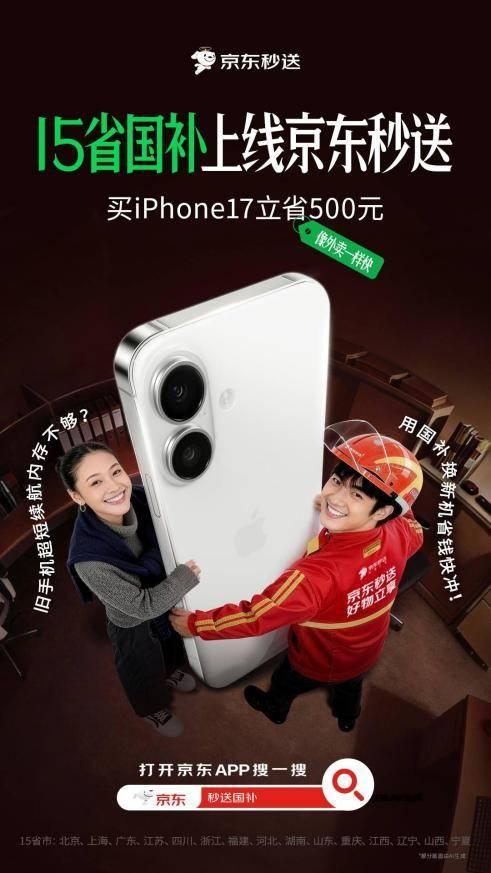
15省国补上线京东秒送,换新机最高立省1500元还有叠加优惠
Xin Lang Cai Jing· 2026-01-27 12:24
Core Insights - JD's instant retail platform, JD Seconds, has fully implemented the national subsidy program for 2026 across 15 provinces, including major cities like Beijing and Shanghai, allowing consumers to purchase 3C digital products with efficient delivery services [1][8] Group 1: National Subsidy Program - The subsidy allows consumers to receive a discount of 15% off the product's sales price, with a maximum subsidy of 1,500 yuan for computers and 500 yuan for mobile phones, tablets, and wearable devices [9][10] - Popular brands such as Apple, Xiaomi, Huawei, OPPO, and Lenovo are included in the subsidy program, offering various hot-selling models [9][10] Group 2: Delivery and Consumer Experience - Trained delivery personnel will provide door-to-door service, including on-site signing and activation assistance for consumers purchasing subsidized products [2][9] - Over 10,000 brand specialty stores have joined the service system to enhance the consumer experience [2] Group 3: Investment and Economic Impact - Since the implementation of the national "Two New" policy in 2024, JD has invested nearly 30 billion yuan to support the subsidy program in rural areas, effectively boosting county-level consumption [10] - JD aims to leverage its supply chain and instant retail network to further promote the subsidy policy and contribute to economic growth [10]
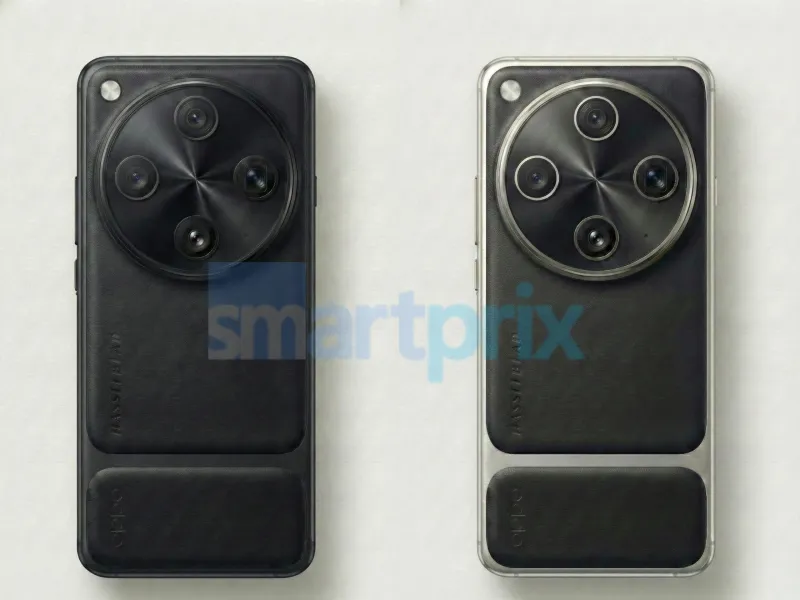
OPPO Find X9 Ultra渲染图及核心参数曝光 多材质拼接设计亮眼
Xin Lang Cai Jing· 2026-01-27 12:21
【iMobile爱科技资讯】1月22日,科技媒体Smartprix发布博文,曝光了OPPO Find X9 Ultra的一组渲染图及核心规 格参数,涵盖外观设计、硬件配置、影像系统等关键信息,为这款旗舰机型的亮相提前揭开面纱。 续航能力同样令人瞩目,爆料信息显示该机将配备容量高达7300mAh的超大电池,搭配超快有线与无线充电技 术,有望解决旗舰机型的续航焦虑问题。 影像系统作为OPPO Find X9 Ultra的核心竞争力,配置堪称行业顶 尖。主摄采用2亿像素索尼LYT-901传感器,感光尺寸达1/1.12英 寸,配备f/1.5大光圈,支持8K@30fps视频录制及多重HDR技术, 在解析力与控光能力上表现优异。超广角镜头则为5000万像素规 格,搭载JN5传感器,可覆盖更多拍摄场景。 双长焦镜头组合成为影像系统的最大亮点:一颗为2亿像素豪威 (OmniVision)传感器,感光尺寸1/1.28英寸,支持3倍光学变焦与 f/2.2光圈,凭借二代DCG技术强化HDR场景表现;另一颗为5000 万像素LYT600传感器,提供10倍光学变焦能力。配合300毫米增距 镜,借助大尺寸传感器优势可实现13.2倍光学变 ...
“智联你我,价值共赢”—菏泽分公司举办合作伙伴大会
Qi Lu Wan Bao· 2026-01-27 10:12
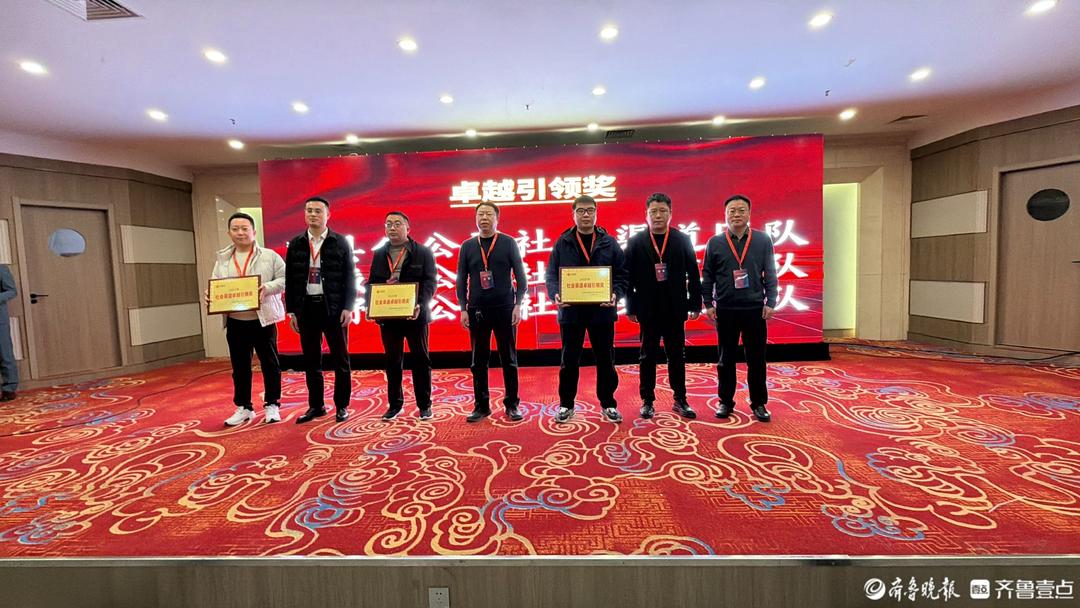
在过去的一年里,菏泽分公司与合作伙伴们共同经历了机遇与挑战,也收获了成长与喜悦。这一年大家从平凡中看到风采,在奔忙中体现风格,在时光的 斑驳里镌刻下熠熠生辉的印记。为感谢优秀合作伙伴和渠道运营团队的辛勤付出、深度协作,以及终端厂商们的鼎力支持,菏泽联通对80家优秀合作伙 伴,10个县区的渠道运营团队,以及华为、荣耀、VIVO、OPPO、小米5家终端厂商进行了表彰,现场氛围积极热烈。 为助力渠道高价值高质量发展,推进业务发展转型,切实提升门店营销能力,提高合作伙伴凝聚力,1月22日,菏泽分公司举办了"智联你我,价值共 赢"合作伙伴大会。菏泽分公司党委书记、总经理宋元庆,党委委员、副总经理高峰,各县区总经理,华为、荣耀、VIVO、OPPO、小米的厂商代表及多 家优秀合作伙伴参会。 宋元庆为大会致辞,他表示,面对宏观经济承压的严峻挑战,菏泽联通与广大合作伙伴们始终勠力同心、和衷共济,在携手奋进中,共同书写了高质量发 展的崭新篇章。2026年,在品牌口碑塑造、渠道拓建升级、产品政策优化、服务质量提升等方面,菏泽联通有更高的目标,同时,合作伙伴的队伍也更加 壮大,菏泽联通将与合作伙伴们一起策马扬帆、实现共赢。 齐鲁晚报 ...
内存暴涨,手机电脑厂商被曝拆库存机零件“救急”
Guan Cha Zhe Wang· 2026-01-27 09:09
NAND闪存主控芯片主要开发商群联电子(Phison Electronics)的首席执行官潘健成也表示,消费电子制造商的处境可能会更加艰难。他说,"来自服务器 和AI的需求极强,我们预计NAND闪存价格将在2026年持续大幅上涨,但许多消费电子制造商可能无法消化这种涨幅。" 集邦咨询最新调查认为,2026年第一季度,一般型DRAM合约价将季增55-60%。三星、SK海力士、美光等生产商将先进制程、产能转移至生产用于AI服 务器的HBM,导致其他市场供给紧缩。而NAND Flash则因生产商控管产能,和服务器强劲拉货排挤其他应用,预计各类产品合约价将上涨33-38%。 | | 4Q25 | 1Q26E | | --- | --- | --- | | Total DRAM | Conventional DRAM: up 45~50% HBM Blended: up 50~55% | Conventional DRAM: up 55~60% HBM Blended: up 50~55% | | Total NAND Flash | up 33~38% | up 33~38% | 存储芯片市场"前所未有"的供应紧缩, ...

《15省国补上线京东秒送,换新机最高立省1500元还有叠加优惠》
Zhong Jin Zai Xian· 2026-01-27 06:56
Core Insights - JD's instant retail platform, JD Seconds, has fully adopted the national subsidy program for 2026, launching in 15 provinces including Beijing, Shanghai, and Guangdong, allowing consumers to purchase 3C digital products with efficient delivery services [1][2] Group 1: National Subsidy Program - The subsidy allows consumers to receive a 15% discount on product prices, with maximum subsidies of 1500 yuan for computers and 500 yuan for mobile phones, tablets, and wearable devices [1][2] - Popular brands such as Apple, Xiaomi, Huawei, OPPO, and Lenovo are included in the subsidy program, offering various hot-selling models [1][2] Group 2: Delivery and Service Enhancements - Consumers purchasing subsidized products will receive delivery from specially trained JD Seconds riders, who provide on-site signing and activation assistance [2] - Over 10,000 brand specialty stores have joined the service system to enhance consumer experience [2] Group 3: Investment and Economic Impact - Since the implementation of the national "Two New" policy in 2024, JD has invested nearly 30 billion yuan to support the subsidy program in rural areas, effectively promoting consumption growth in county regions [2] - JD aims to leverage its supply chain and instant retail network to further promote the subsidy policy and contribute to economic high-quality development [2]
江苏等15省国补上线京东秒送,春节换新机立享15%国补优惠
Yang Zi Wan Bao Wang· 2026-01-27 06:24
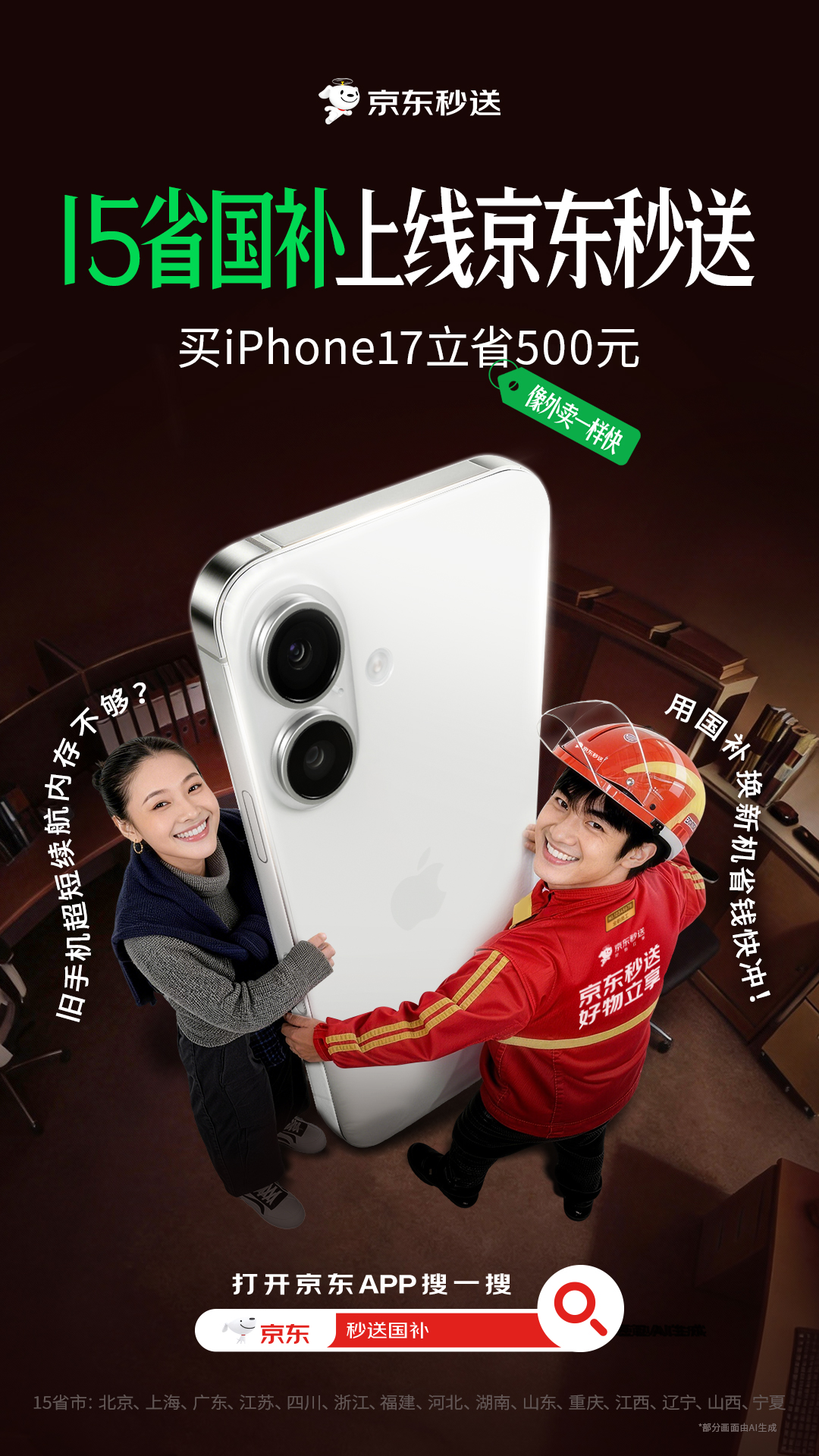
在京东秒送上,参与本次国补活动的商品覆盖电脑、手机、平板、智能手表、手环等3C数码产品,苹 果、小米、华为、OPPO、vivo、小天才、联想等主流品牌多款指定热销机型均可选购。 在补贴力度方面,消费者使用国补可按产品销售价格的15%享受补贴,其中电脑类产品单件补贴至高 1500元;手机、平板、智能穿戴等产品单件补贴至高500元。除国补直降外,消费者在京东秒送换新 机,还能叠加平台券和京东白条分期免息,进一步降低购机成本。比如消费者在京东秒送上购买原价 5999元的iPhone17手机,使用国补能够立减500元,并由秒送专业骑手提供送货上门服务;联想热卖的 拯救者系列电脑,使用国补下单最高能立减1500元。 此外,在京东秒送购买国补产品的消费者,将由经过专项培训的秒送骑手送货上门,并可享受现场签 收、协助激活等一站式服务。目前全国已有上万家品牌专卖店接入该服务体系,共同助力消费体验升 级。 自2024年国家"两新"政策实施以来,京东在商务部等相关部委指导下,持续投入资源保障补贴高效落 地。2025年,京东已累计投入近300亿元支持国补进乡村,有效促进县域消费增长。 扬子晚报/紫牛新闻记者 徐晓风 校对 王菲 近 ...



北上广等15省国补上线京东秒送,春节换新机立享15%国补优惠
Jin Rong Jie· 2026-01-27 04:48
Core Insights - JD's instant retail platform, JD Seconds, has fully adopted the national subsidy program for 2026, launching in 15 provinces and cities including Beijing, Shanghai, and Guangdong, allowing consumers to access a dedicated subsidy section for 3C digital products [1][2] Group 1: Subsidy Program Details - Consumers can enjoy a subsidy of 15% off the product sales price, with a maximum subsidy of 1500 yuan for computers and 500 yuan for mobile phones, tablets, and wearable devices [1][2] - Popular brands such as Apple, Xiaomi, Huawei, OPPO, and Lenovo are included in the subsidy program, with specific hot-selling models available for purchase [1] Group 2: Delivery and Service Enhancements - Trained JD Seconds couriers will deliver the subsidized products to consumers' homes, providing on-site signing and activation assistance as part of a comprehensive service experience [2] - Over 10,000 brand specialty stores have integrated into this service system to enhance consumer experience [2] Group 3: Investment and Future Plans - Since the implementation of the national "Two New" policy in 2024, JD has invested nearly 30 billion yuan to support the subsidy program in rural areas, effectively boosting county-level consumption [2] - JD plans to leverage its supply chain and instant retail network to further promote the subsidy policy, contributing to consumer stimulation and high-quality economic development [2]