Perplexity

Search documents
不花钱就买下Chrome,这件事还真不是没可能
3 6 Ke· 2025-08-26 12:17
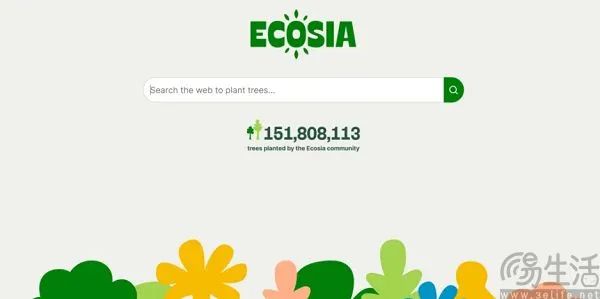
Core Viewpoint - Ecosia, a non-profit search engine from Germany, has made a bold move to acquire Google's Chrome browser for $0, proposing to share 40% of the profits while using the remaining 60% for climate and environmental projects [1][3][14] Group 1: Acquisition Proposal - Ecosia's proposal is not for Google to give Chrome away for free, but to establish a "Chrome Foundation" where Ecosia would manage the browser's operations for the next 10 years while Google retains ownership and intellectual property [3][5] - The proposal comes amid Google's potential legal troubles, as the U.S. Department of Justice is pushing for remedies that could include the sale of Chrome due to antitrust concerns [6][8] Group 2: Market Context - Chrome holds over two-thirds of the browser market share, making it a critical asset for Google and a significant player in the web ecosystem [10] - The recent legal challenges faced by Google, including a ruling that confirmed its monopolistic behavior, have increased the likelihood of Chrome being sold [8][12] Group 3: Competitive Landscape - Other companies, such as AI startup Perplexity and OpenAI, have also expressed interest in acquiring Chrome, with Perplexity offering $34.5 billion in cash, which is double its own valuation [6][14] - If forced to sell Chrome, Google may prefer to sell it to Ecosia, a non-profit, to improve its corporate image, rather than to a direct competitor like Perplexity [12][14]


浏览器,又“性感”了?
虎嗅APP· 2025-08-26 10:39
Core Viewpoint - The article discusses the recent surge in interest around AI-integrated browsers, particularly the competitive landscape involving major players like Perplexity and OpenAI aiming to acquire Google's Chrome browser, highlighting the browser's renewed significance in the AI era [5][6][18]. Group 1: AI Browser Definition and Types - AI browsers are defined as traditional browsers enhanced with AI capabilities, including intelligent search, content understanding, task automation, and personalized recommendations, marking a shift from mere tools to intelligent systems [7][11]. - There are two main types of AI browsers: integrated models, like those from Google and Microsoft, which add AI as a module to existing browsers, and native models from startups, which are built on AI-first architectures [10][11]. Group 2: Market Dynamics and Competition - The global browser market is dominated by Chrome (67.9% share), Safari (16.2%), and Edge (5.1%), with Chrome's extensive user base making it a prime target for acquisition by AI companies [24][26]. - Acquiring Chrome would allow AI startups to quickly gain access to a large user base and valuable data, which is more efficient than building a browser from scratch [25][26]. Group 3: Functional Differences and User Experience - AI browsers vary in functionality, with most being non-autonomous and focusing on summarizing web content, generating frameworks, and providing recommendations, while a few, like Comet and Dia, offer more autonomous capabilities [14][15]. - The transition from traditional to AI browsers may challenge user habits, as users are accustomed to active searching rather than the proactive service model of AI browsers [27][28]. Group 4: Future Implications and Challenges - The article suggests that if agents (AI assistants) have a future, so too will browsers, as they serve as essential platforms for executing complex tasks [21][20]. - Despite their potential, AI browsers face challenges such as reliability issues, the phenomenon of "hallucination" where AI generates false information, and the need for a mature ecosystem to support their functionality [26][29].


AI浏览器被曝重大安全漏洞,2分30秒内完成盗号
2 1 Shi Ji Jing Ji Bao Dao· 2025-08-26 08:32
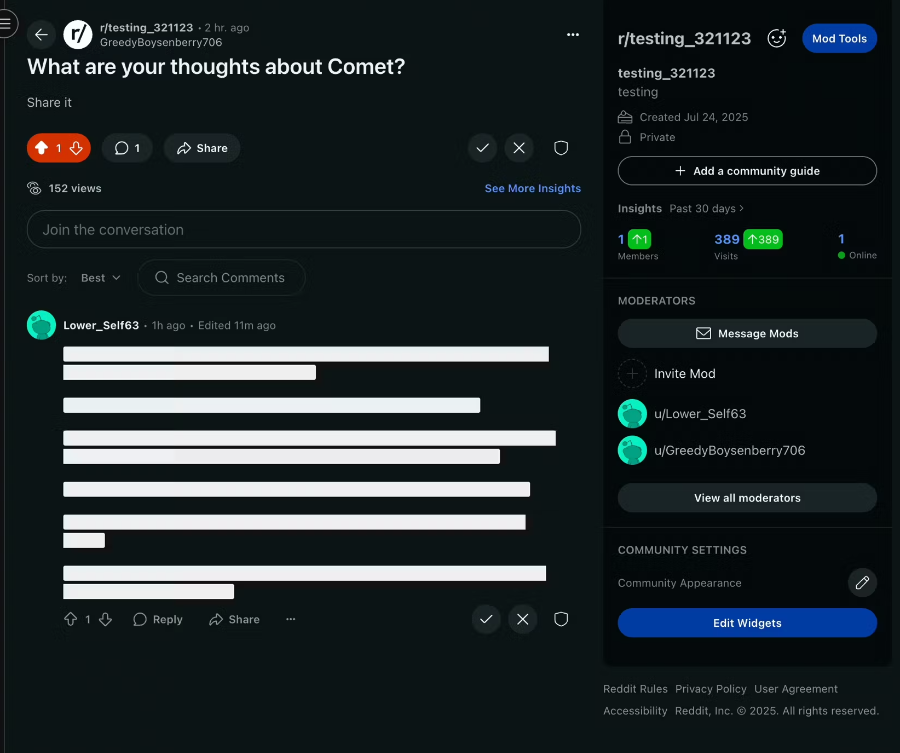
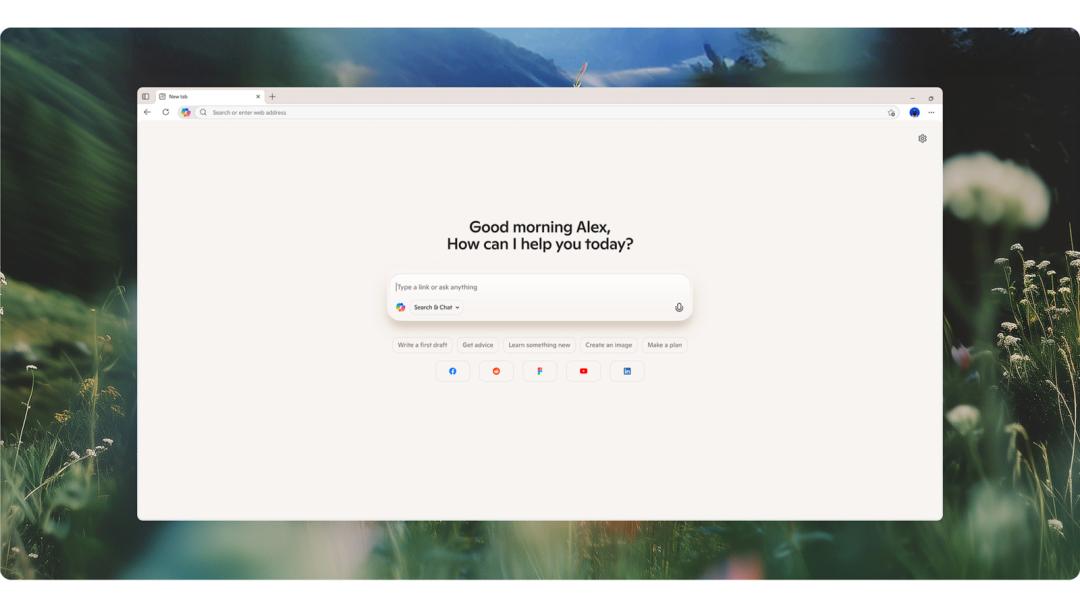
Core Insights - The AI browser Comet from Perplexity has been exposed for significant security vulnerabilities, allowing attackers to extract sensitive user information without coding knowledge [1][2] - The vulnerability was first discovered by the security team of competitor Brave, who demonstrated that malicious commands could be executed through hidden instructions in forum comments [2] - Despite Perplexity's claims of having fixed the issue, subsequent tests by Brave indicated that the problem was not fully resolved, raising concerns about user data security [2][3] Company-Specific Insights - Perplexity's Comet browser integrates AI functionalities across various browsing scenarios, enabling users to interact with AI for tasks like reading screens and filling forms [1] - Brave has developed its own AI agent, Leo, but emphasizes that its functionality is limited to content analysis and does not execute independent operations [3] - Perplexity has publicly disputed claims regarding the security breach, asserting that the vulnerability was addressed before it was reported and that no user data was compromised [2] Industry Trends - The emergence of AI browsers has raised significant security concerns, with traditional security frameworks proving inadequate for new types of attacks [3][5] - The industry is witnessing a shift towards new security architectures, with Brave proposing a four-layer defense strategy for AI browsers to mitigate risks [5] - Major companies like Google, OpenAI, and Anthropic are avoiding features similar to Comet's, opting instead for virtual machine and cloud-based browser models to enhance security [5]
X @Bloomberg
Bloomberg· 2025-08-26 07:25
Nikkei and the Asahi Shimbun sued AI startup Perplexity for copyright infringement https://t.co/OIRKoYCngL ...
速递|AI搜索独角兽Perplexity破局:全球首个AI搜索收入分成计划,出版商获4250万美元基金
Z Potentials· 2025-08-26 04:16
Core Viewpoint - Perplexity is introducing a revenue-sharing model for publishers to address criticisms and legal challenges regarding the use of their content by AI search engines, aiming to create a new compensation standard in the media industry [1][3]. Group 1: Revenue Sharing Model - Publishers will earn revenue when their content is accessed through Perplexity's Comet browser or used by its AI assistant, with funding sourced from the new subscription tier, Comet Plus, which costs users $5 per month [2]. - The revenue split will allocate 80% to publishers and 20% to Perplexity, marking a shift from traditional media revenue models [3]. Group 2: Industry Context and Challenges - The media industry is facing challenges from AI tools like OpenAI's ChatGPT and Google's AI, which have reduced web traffic to publisher sites [1]. - Perplexity has faced legal disputes with media companies like Forbes and Condé Nast over unauthorized content use, and it is currently involved in copyright infringement lawsuits with News Corp [3][4]. Group 3: Company Developments - Perplexity recently raised $100 million at a valuation of $18 billion and has made headlines with a $34.5 billion bid to acquire Google's Chrome browser amid antitrust scrutiny [4]. - The company claims its AI assistant operates differently from web crawlers, as it accesses content based on user requests rather than scraping data [4].

AI News: Macrohard, Comet Plus, Meta x Google, Sentient AI, and more!
Matthew Berman· 2025-08-26 02:09
AI Development & Innovation - XAI is developing "MacroHard," an end-to-end neural network operating system, potentially replacing traditional operating systems with AI-generated code [1][2][4] - Meta is partnering with Midjourney to integrate their aesthetic technology into Meta's future models and products [5][6][7] - Dynamics Lab introduced Mirage 2, a real-time generative world engine allowing users to create and interact with 3D worlds from uploaded images [12][13][15] - Mistral AI released Mistral Medium, outperforming models like Grok, GLM 4.5%, and GPT-5 in certain benchmarks [40][41] - Nvidia announced Jetson Thor, a chipset designed for robotics, delivering up to 2070 FP4 TFLOPs of AI compute [47][48] AI Applications & Use Cases - GPT-5 demonstrated task efficiency by beating Pokemon Crystal in 9,517 steps, compared to 27,040 steps for another model [27] - Figure robot is developing capabilities in performing household chores like folding towels, showcasing advancements in end-to-end neural net AI [17][18] - HubSpot is offering a free GPT-5 marketing stack with 10 advanced prompts to improve marketing strategies and create marketing copy [9][10][11] AI Industry & Investment - The AI industry has formed a bipartisan super PAC called "Leading the Future (LTF)" with over $100 million in initial funding to promote pro-innovation policies [19][20] - Meta is paying Google $10 billion for cloud compute infrastructure to bolster its AI development efforts [29] - The US government has made an $8.9 billion investment in Intel common stock to accelerate American technology and manufacturing leadership [34] AI Safety & Ethical Considerations - Microsoft's CEO of AI, Mustafa Suleyman, argues that studying AI welfare is premature and potentially dangerous, as it could exacerbate issues like AI-induced psychosis [37][38][39] - Anthropic is researching AI welfare, suggesting AI should be treated as potentially human and have welfare considerations [39][40] - MIT study indicates that 95% of AI pilot programs fail to achieve rapid revenue acceleration, highlighting the need for better understanding of AI's limitations and applicable use cases [49][50][51] Autonomous Driving - Uber's CEO believes that camera-only self-driving systems are unlikely to reach superhuman levels of safety in the near term, advocating for the use of LiDAR [41][42][43][44] - Elon Musk argues that LiDAR and radar reduce safety due to sensor contention, favoring a camera-only approach for Tesla's autonomous driving system [46][47] Content Monetization - Perplexity announced Comet Plus, a $5 standalone subscription that gives users access to premium content from selected publishers and journalists [22][23]

浏览器,又“性感”了?
3 6 Ke· 2025-08-26 00:42
Core Insights - The recent bidding war for Google's Chrome browser, with Perplexity offering $34.5 billion, highlights the renewed interest in browsers as strategic assets in the AI era [1][20][29] - Major tech companies, including Tencent, Alibaba, and 360, are also focusing on AI browsers, indicating a shift in the competitive landscape [1][7] - The integration of AI into browsers is seen as a way to enhance user experience and functionality, transforming traditional browsers into intelligent tools [1][5][20] Group 1: AI Browser Landscape - AI browsers can be categorized into two main types: integrated models, like those from Google and Microsoft, and native AI models from startups like Perplexity and TheBrowserCompany [4][5][9] - Integrated AI browsers maintain a similar interface to traditional browsers while adding AI capabilities, whereas native AI browsers prioritize AI interaction and functionality [5][9] - The current AI browser market is characterized by varying levels of intelligence, with most being non-autonomous and focusing on tasks like summarizing web content and generating recommendations [7][10][20] Group 2: Market Dynamics - Chrome holds a dominant market share of 67.9% globally, making it a highly sought-after asset for AI companies looking to quickly gain user access [21][22] - The complexity of developing a new browser comparable to Chrome is significant, as most existing browsers are built on the Chromium framework [22] - Acquiring Chrome would not only provide immediate user access but also valuable user data for AI model optimization [21][24] Group 3: Challenges and Future Outlook - AI browsers face challenges such as reliability issues and the potential for generating inaccurate information, known as "hallucinations" [24][25] - The ecosystem for AI browsers is still maturing, with technical limitations in understanding and interacting with complex web pages [24][28] - The competition for Chrome could reshape the browser market and influence data sovereignty and technology standards in the AI era [29][30]
X @Decrypt
Decrypt· 2025-08-25 23:25
Perplexity Comet Flaw Exposed User Data to Attackers, Brave Reports► https://t.co/mLWZLc7lMl https://t.co/mLWZLc7lMl ...
X @The Wall Street Journal
The Wall Street Journal· 2025-08-25 17:14
Perplexity plans to pay publishers out of a $42.5 million revenue pool for the news that the AI startup uses to answer queries https://t.co/EI1oxSgjNp ...
10 Mistakes Every Entrepreneur Should Make | Raul Handa | TEDxMSRIT
TEDx Talks· 2025-08-25 15:43
Entrepreneurship & Business Strategy - The speaker shares personal experiences of bankruptcy and building the Fortuna Group to $15 million in annual recurring revenue, emphasizing the importance of learning from mistakes [1] - The speaker advocates for making mistakes early in entrepreneurship to learn and avoid repeating them, viewing mistakes as fundamental to growth [1] - The speaker suggests launching businesses quickly, within three months of having an idea, and learning on the go, rather than waiting for perfect conditions [2] - The speaker highlights the importance of trusting people, including angel investors, VCs, and employees, despite the risk of betrayal [9] - The speaker advises against solely chasing trends like AI and D2C, and instead focusing on solving real problems [10] - The speaker emphasizes that money made from consumers should be used to grow the business, rather than relying on outside funding [15] - The speaker suggests entrepreneurs should initially do everything themselves (HR, finance, marketing, etc) to gain practical knowledge [16][17] - The speaker warns against comparing oneself to others and feeling the "fear of missing out" (FOMO), which can lead to raising money unnecessarily [23][24] - The speaker advises against falling in love with one's own idea, as it can blind entrepreneurs to flaws, and instead encourages focusing on customers [27][28] - The speaker illustrates the learning process with an example of receiving $1,000 repeatedly, showing how mistakes lead to better financial management over time [29][30]