
中国重工

Search documents
中国神华启动超2500亿元并购,央企重组整合密集落地
Di Yi Cai Jing· 2025-08-18 07:25
Group 1 - The core viewpoint of the news is that the restructuring of China Shenhua Energy Co., Ltd. aligns with national energy security strategies and capital market reforms, aiming to create a model for state-owned enterprise asset injection with a strategic multiplier effect [1] - On August 18, China Shenhua's A-shares resumed trading with a market capitalization of 700 billion, initially hitting the daily limit before closing up 4.45% [1] - The restructuring plan involves acquiring stakes in 13 companies from its controlling shareholder, National Energy Group, through issuing A-shares and cash payments, with total assets of 258.36 billion yuan expected by the end of 2024 [1][5] Group 2 - The restructuring aims to resolve overlapping business areas between China Shenhua and National Energy Group in coal, coal power, coal chemical, and logistics sectors, enhancing asset scale and profitability [4] - The integration of resources is expected to reduce redundant investments and optimize internal technology innovation and product development, thus accelerating breakthroughs in innovation [4] - The transaction is part of a broader trend of state-owned enterprise reforms, with multiple mergers and acquisitions occurring in the sector, indicating a push for further consolidation and growth [2][8] Group 3 - The financial data indicates that the total assets of the acquired companies will be 258.36 billion yuan, with a net asset of 93.89 billion yuan and an expected revenue of 125.99 billion yuan for 2024 [5][6] - The average return on equity for the acquired assets is projected to be 10.45%, while China Shenhua's current return on equity is 13.7%, suggesting potential for future growth in the acquired assets [6] - China Shenhua has maintained stable profitability and high dividend payouts, with a cumulative profit exceeding 749 billion yuan and cash dividends of 491.9 billion yuan since its A-share listing in 2007 [7] Group 4 - The restructuring is expected to enhance the emergency response capabilities and supply stability during critical energy supply periods, fulfilling the responsibilities of central enterprises in ensuring energy security [3] - The ongoing trend of mergers and acquisitions among state-owned enterprises is aimed at optimizing the layout of state-owned capital and enhancing core competitiveness in key industries [9]

仅剩3家!高盛、汇金重仓的5元军工股,两家已被套,是机会还是陷阱
Sou Hu Cai Jing· 2025-08-18 05:46
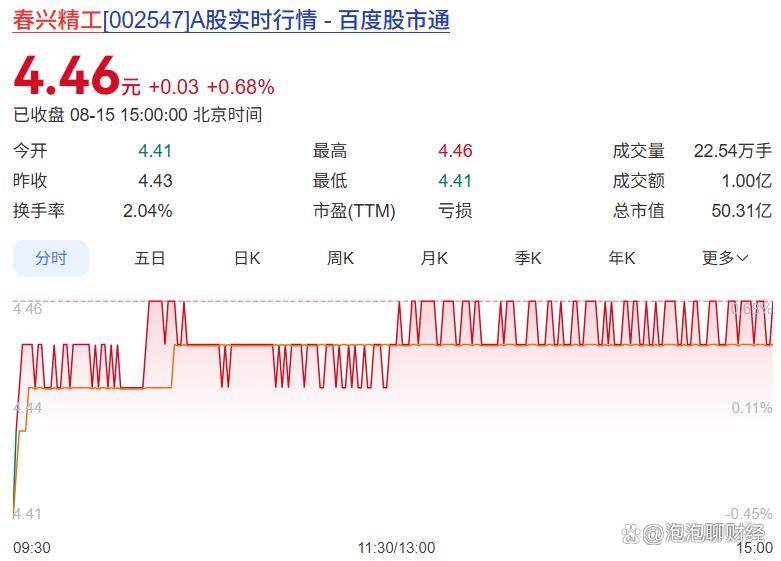
Core Viewpoint - The article discusses the investment landscape of low-priced military stocks in the A-share market, questioning whether they represent a value opportunity or an investment trap, especially in light of significant upcoming military events and the performance of specific companies in the sector [1]. Group 1: Company Analysis - China Shipbuilding Industry Corporation (中国重工) has leading R&D capabilities in naval weaponry and has achieved significant profit growth, with a Q1 net profit of 519.2 million yuan, up 280% year-on-year, and a mid-year net profit of 1.8 billion yuan, an increase of 237% [1]. - Tianqiao Crane (天桥起重) specializes in metallurgical cranes but is expanding into military applications, reporting a mid-year net profit of 46 million yuan, a 79% increase, and is the only company among the three that has not reported a loss in the past decade [2]. - Spring兴精工 has faced continuous losses over the past five years but holds military certifications through its subsidiary, which is involved in a key project for heavy equipment. However, its financial instability raises concerns about its short-term performance [2]. Group 2: Market Trends and Institutional Interest - Institutional investors are shifting focus from merely low-priced stocks to those with core technologies and high growth potential, as evidenced by investments in companies like Dayfa Precision (日发精机) and Yuanda Intelligent (远大智能) [3]. - Historical context is provided, noting that low-priced military stocks do not guarantee safety, as seen in the case of ST Shipbuilding, which faced delisting risks despite being a low-priced stock [3].

中国两大国企最新举动,韩国美国高度关注
Huan Qiu Shi Bao· 2025-08-18 03:23
Group 1: Merger of Chinese Shipbuilding Companies - The merger of China Shipbuilding Industry Corporation and China Shipbuilding Heavy Industry Company aims to create the world's largest publicly listed shipbuilding group, with an expected annual revenue of 122 billion RMB [1][8] - The merger is seen as a strategic move to leverage economies of scale to reduce costs and respond to industry disruptions caused by U.S. initiatives [1][8] Group 2: MASGA Project - The "MASGA" (Make America Shipbuilding Great Again) project is gaining momentum, with South Korea's Hanwha Ocean Group constructing two LNG carriers for U.S. energy companies, marking a significant achievement for the initiative [2][3] - South Korea plans to invest $150 billion in the U.S. shipbuilding sector, which includes upgrading shipyards, training workers, and supporting U.S. Navy maintenance [3] Group 3: Challenges and Political Landscape - Analysts express skepticism about the feasibility of South Korea's investment commitments, citing challenges such as U.S. legal restrictions and domestic political resistance [4][5] - The U.S. Congress has proposed three related bills to support the "MASGA" project, but only one has progressed to substantive review [4] Group 4: U.S. Shipbuilding Industry Issues - The U.S. shipbuilding industry faces significant challenges, including outdated technology and infrastructure, with approximately 150 shipyards operating at full capacity [6][7] - There is a severe shortage of skilled shipbuilding workers in the U.S., which hampers the industry's ability to compete with countries like China [6][7] Group 5: Global Shipbuilding Landscape - China dominates the global shipbuilding industry, accounting for 50% of global capacity, while South Korea and Japan together produce about 40% [7][9] - Despite recent gains in new orders, South Korea's overall shipbuilding capacity still lags behind China's, and the barriers to surpassing China remain high [9]


中国“两船合璧”牵动美韩造船业神经
Huan Qiu Shi Bao· 2025-08-18 02:57
Group 1: Merger of Chinese Shipbuilding Companies - The merger of China Shipbuilding Industry Corporation and China Shipbuilding Heavy Industry Corporation aims to create the world's largest publicly listed shipbuilding group, with an expected annual revenue of 122 billion RMB [1][7] - The merger is seen as a strategic move to leverage economies of scale to reduce costs and respond to industry disruptions caused by U.S. initiatives [1][7] Group 2: MASGA Project - The "MASGA" (Make America Shipbuilding Great Again) project is gaining momentum, with South Korean companies like Hanwha Ocean Group actively participating in building LNG carriers for U.S. energy firms [2][3] - The project involves a $150 billion investment from South Korea into the U.S. shipbuilding sector, focusing on upgrading shipyards, training workers, and supporting U.S. Navy maintenance [3][4] Group 3: Challenges and Political Landscape - Analysts express skepticism about the feasibility of South Korea's investment commitments, citing challenges in rebuilding U.S. shipbuilding capabilities and potential political resistance [4][5] - U.S. Congress has proposed three related bills to support the "MASGA" project, but significant political hurdles remain, particularly concerning labor union opposition [4][5] Group 4: Competitive Landscape - The U.S. shipbuilding industry faces significant challenges, including outdated technology and a lack of skilled labor, making it difficult to compete with China, which holds a 50% share of global shipbuilding capacity [6][8] - Despite recent gains in new ship orders, South Korea's overall position in the global shipbuilding market remains behind China, which continues to lead in key metrics such as completed shipbuilding volume and new orders [8] Group 5: Strategic Moves by South Korea - South Korea is expanding its shipbuilding influence in Southeast Asia, with plans to invest in shipyards in the Philippines and Vietnam to address domestic capacity constraints and labor shortages [7][8] - The HD Hyundai Heavy Industries plans to revitalize a previously bankrupt shipyard in the Philippines and increase production capacity in Vietnam, indicating a strategic shift to enhance competitiveness against Chinese firms [7][8]
年内国有控股上市公司重大资产重组数量同比增68.42%
Zheng Quan Ri Bao· 2025-08-17 23:21
Core Viewpoint - China Shenhua Energy Co., Ltd. is planning a significant asset restructuring by acquiring 13 companies from its controlling shareholder, State Energy Investment Group, to enhance its core business capabilities and address industry competition issues [1][2][3]. Group 1: Restructuring Details - The restructuring involves the issuance of A-shares and cash payments to acquire stakes in 13 companies, with total assets amounting to 258.36 billion yuan and net assets of 93.89 billion yuan as of the end of 2024 [1]. - The targeted assets are expected to generate a total revenue of 125.996 billion yuan in 2024 [1]. - This move is part of a broader trend, with 636 state-controlled listed companies disclosing merger plans in 2023, marking a 10.29% increase year-on-year [1]. Group 2: Industry Context - The coal sector remains a cornerstone of China's energy system, and the acquisition aims to streamline operations across coal mining, power generation, and related logistics [2]. - The restructuring is seen as a strategic response to reduce overlapping business operations between China Shenhua and State Energy Group, thereby enhancing operational efficiency [2][3]. - The integration of resources is expected to foster innovation and improve the overall competitiveness of the energy sector [2][3]. Group 3: Policy and Market Dynamics - Recent policy changes, including the "New National Guidelines" and "Merger Six Guidelines," have stimulated the merger and acquisition market, allowing for more flexible regulatory conditions [4]. - The focus on mergers and acquisitions is driven by the need for state-owned enterprises to optimize resource allocation and enhance their core competencies [4][5]. - The trend indicates a shift towards full industry chain integration, moving beyond single asset acquisitions to comprehensive resource consolidation [6]. Group 4: Future Outlook - The efficiency of merger approvals has improved, with major asset restructuring projects averaging only 141 days from acceptance to registration [7]. - The anticipated acceleration of state-owned enterprise integration is expected to create larger, more competitive groups in key industries such as energy and chemicals [7]. - Future mergers are likely to focus on emerging strategic sectors, including renewable energy and advanced manufacturing, reflecting a shift towards high-quality economic development [7].
财经观察:中国“两船合璧”牵动美韩造船业神经
Huan Qiu Shi Bao· 2025-08-17 22:37
Core Insights - The merger of China's two major state-owned shipbuilding companies aims to create the world's largest publicly listed shipbuilding group, with an expected annual revenue of 122 billion RMB [1][7] - The "MASGA" project, which stands for "Make American Shipbuilding Great Again," is gaining momentum, with South Korea's investment in the U.S. shipbuilding sector projected at $150 billion [2][3] - The merger poses a direct challenge to the "MASGA" initiative, as it enhances China's competitive position in the global shipbuilding industry [7][8] Group 1: Merger of Chinese Shipbuilding Companies - The merger between China Shipbuilding Industry Corporation and China Shipbuilding Heavy Industry Corporation is set to create a dominant player in the global shipbuilding market [1] - The new entity is expected to leverage economies of scale to reduce costs and navigate industry disruptions caused by U.S. regulations [1][7] - This consolidation has raised concerns in South Korea and the U.S. regarding the competitive landscape of the shipbuilding industry [1][7] Group 2: MASGA Project and U.S.-Korea Cooperation - The "MASGA" initiative aims to revitalize the U.S. shipbuilding industry by investing in shipyards, training workers, and supporting the U.S. Navy [2][3] - South Korean companies, particularly HD Hyundai Heavy Industries, are actively engaging in partnerships with U.S. institutions to enhance shipbuilding capabilities [2][3] - The project is seen as a strategic response to counter China's dominance in the shipbuilding sector [3][6] Group 3: Challenges and Political Landscape - Analysts express skepticism about the feasibility of South Korea's investment commitments, citing potential political and legal obstacles in the U.S. [4][5] - The U.S. Congress has proposed several bills to support the "MASGA" project, but significant political resistance remains [4][5] - The U.S. shipbuilding industry faces challenges such as outdated infrastructure and a shortage of skilled labor, complicating efforts to rebuild its capabilities [5][6] Group 4: Competitive Landscape and Market Dynamics - China currently holds a dominant position in the global shipbuilding market, accounting for 50% of global shipbuilding capacity, while South Korea and Japan together account for about 40% [6][8] - Despite recent gains in new orders, South Korea's overall shipbuilding capacity still lags behind China's, making it difficult to achieve a competitive edge [8] - The U.S. is implementing measures to restrict Chinese shipping, which may inadvertently benefit South Korean shipbuilders in the short term [6][8]
国资专业化整合提速 年内国有控股上市公司重大资产重组数量同比增68.42%
Zheng Quan Ri Bao· 2025-08-17 16:25
Group 1 - China Shenhua Energy Co., Ltd. (China Shenhua) has resumed trading of its A-shares on August 18, following the announcement of a restructuring plan on August 15, which involves acquiring equity stakes from its controlling shareholder, China Energy Investment Corporation, and related companies, covering 13 firms with total assets of 258.36 billion yuan and net assets of 93.89 billion yuan by the end of 2024 [1] - The restructuring is part of a broader trend of increasing mergers and acquisitions (M&A) among state-owned enterprises (SOEs), with 636 SOEs disclosing M&A plans in 2023, marking a 10.29% year-on-year increase, and 32 of these being significant asset restructurings, up 68.42% [1][4] - The integration of resources is expected to enhance the core business capacity of China Shenhua and improve its profitability, while also addressing long-standing issues of competition within the coal sector [2][3] Group 2 - The acquisition of 13 core coal and related industry assets is seen as an effective measure to resolve competition issues between China Shenhua and China Energy Group, optimizing resource allocation and reducing redundant investments [2][3] - The restructuring is anticipated to create a strategic synergy effect, enhancing the overall competitiveness of the state-owned capital and boosting market confidence [2][3] - The trend of full industry chain integration is becoming mainstream among SOEs, with a focus on flexible payment methods and clear division of responsibilities between central and local enterprises [7][8] Group 3 - The efficiency of M&A approvals has improved significantly, with major asset restructuring projects averaging only 141 days from acceptance to registration, indicating a more favorable regulatory environment [8] - The focus of future M&A activities is expected to shift towards emerging strategic sectors such as renewable energy, high-end equipment, and biomedicine, as well as addressing issues of competition among SOEs [8][9] - The restructuring efforts are aligned with national strategies aimed at achieving high-quality economic development, emphasizing the importance of balancing short-term gains with long-term strategic goals [9]
声呐产业招商清单:中国重工、中国海防、海兰信等最新投资动向【附关键企业名录】
Qian Zhan Wang· 2025-08-16 07:15
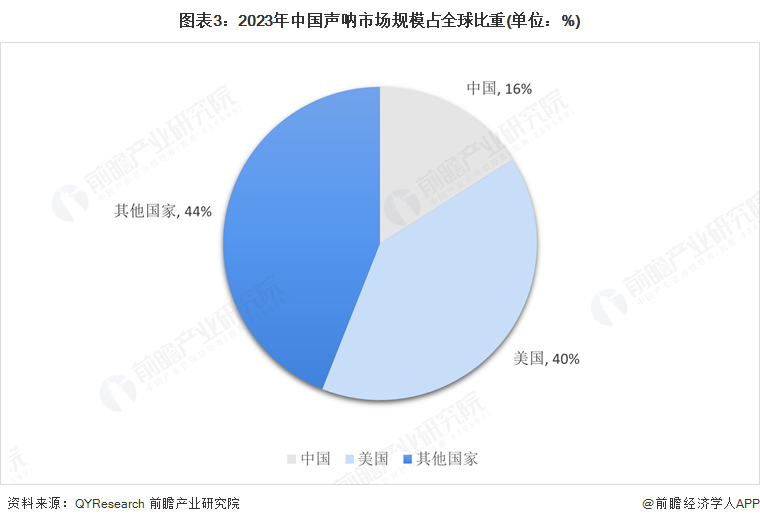
Industry Overview - The sonar industry is a crucial component of modern marine technology, military navigation, and underwater detection, serving as a key tool for ocean exploration, security, and resource development [1] - Sonar technology enables underwater target detection, depth measurement, and communication navigation, with applications in military defense, marine scientific research, resource development, underwater engineering, and precision fishing [1] - The Chinese sonar industry is experiencing unprecedented development opportunities driven by national strategies and technological integration, with government support for research and application [1][2] Market Dynamics - The global sonar market is characterized by a "one strong, many strong" pattern, with the United States holding a 40% market share, followed by China at 16%, making it the second-largest sonar market globally [2] - The growth of China's sonar market is attributed to the booming marine economy, with increasing demand in deep-sea exploration, offshore wind power, and fishing [2] Industry Structure - China's sonar industry encompasses a complete supply chain covering upstream raw materials, midstream manufacturing and integration, and downstream applications [3] - The upstream includes suppliers of electronic components, sensors, and special materials, while midstream companies focus on system design, research, and production [3] Regional Distribution - In 2024, China's sonar industry shows significant regional clustering, with North China accounting for 52% of the market share, benefiting from research resources and policy support in Beijing and Tianjin [5] - East China holds a 35.29% share, leveraging the manufacturing base in Shanghai and Nanjing [5] Competitive Landscape - The industry has seen the emergence of several internationally competitive leading companies, with notable players including China Shipbuilding Industry Corporation and Guangzhou Zhonghaida Satellite Navigation Technology Co., Ltd. [6][9] - China Shipbuilding Industry Corporation, established in 2008 with a registered capital of 2,280,203.5 million RMB, is a major player in marine defense equipment [11] Technological Advancements - The sonar industry is advancing towards intelligent development, integrating artificial intelligence and big data to enhance sonar signal processing and underwater target recognition [1][18] - The market is expected to maintain rapid growth, driven by increasing demand for military and civilian applications, including resource exploration and environmental monitoring [21] Future Outlook - The Chinese sonar market is projected to reach 17 billion RMB by 2024, reflecting continuous growth driven by defense needs and technological advancements [17] - The industry is expected to embrace low-frequency, high-power, and large-array sonar technologies for improved detection capabilities [21]

【财经】知名涂企有了更大靠山!全球最大上市造船巨头即将诞生
Sou Hu Cai Jing· 2025-08-15 10:08
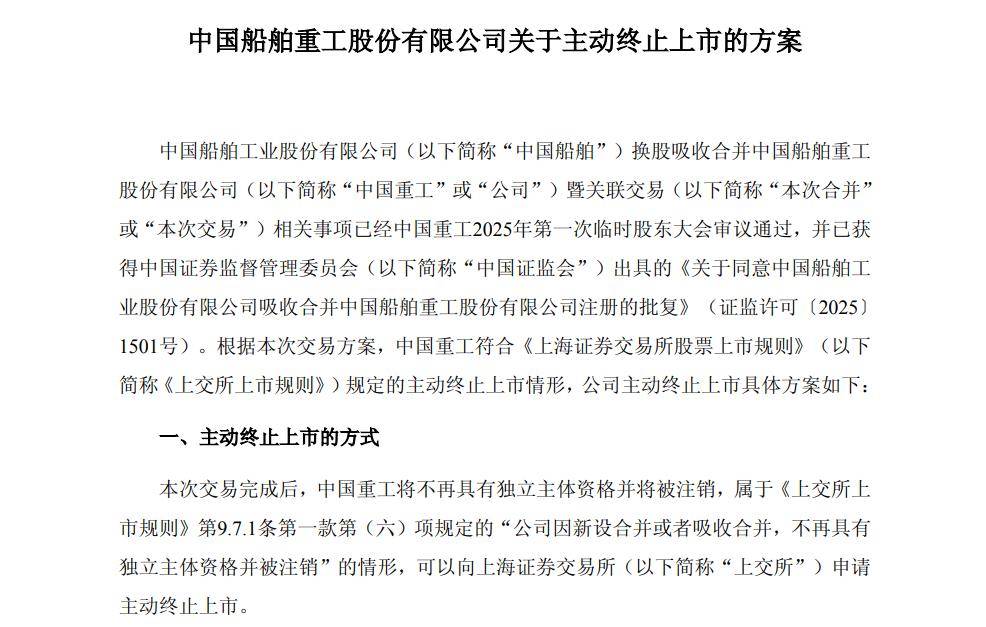
Group 1 - The core point of the news is the merger between China Shipbuilding and China Shipbuilding Industry, which will result in the absorption of China Shipbuilding Industry by China Shipbuilding through a share exchange, leading to the termination of the independent status of China Shipbuilding Industry [2][3] - The merger has been approved by the China Securities Regulatory Commission and is set to create the largest listed shipbuilding company globally, with total assets exceeding 400 billion yuan and annual revenue surpassing 130 billion yuan [4][6] - The merger is part of a broader restructuring strategy initiated by the State-owned Assets Supervision and Administration Commission, aimed at consolidating the shipbuilding industry in China [3][4] Group 2 - In 2024, China Shipbuilding's new orders and backlog are reported at 12.72 million deadweight tons and 24.61 million deadweight tons, respectively, while China Shipbuilding Industry's figures are 15.90 million deadweight tons and 30.31 million deadweight tons, leading to combined new orders and backlog of 28.62 million deadweight tons and 54.92 million deadweight tons post-merger [5] - The merger will enhance the competitive position of the new entity in the global market, as the combined companies accounted for nearly 17% of the global market share last year [6] - The merger is expected to leverage synergies between the two companies, allowing them to capitalize on opportunities in the shipbuilding industry's transformation and upgrade [9]
新股发行及今日交易提示-20250815
HWABAO SECURITIES· 2025-08-15 08:20
New Stock Issuance - China Shipbuilding (600150) has a buyback request period from August 13 to August 15, 2025[1] - Shenkai Co. (002633) has a tender offer period from July 29 to August 27, 2025[1] - ST Kelly (300326) has a tender offer period from July 17 to August 15, 2025[1] - Fushun Special Steel (600399) has a tender offer period from August 12 to September 10, 2025[1] - China Heavy Industry (601989) is undergoing a merger absorption[1] Market Alerts - Northern Long Dragon (301357) is experiencing severe abnormal fluctuations[1] - Great Wall Military Industry (601606) has a significant announcement on August 14, 2025[1] - ST Biological (000504) has a notable announcement on August 15, 2025[1] - ST South Property (002305) has a significant announcement on August 15, 2025[1] - ST Precision (600355) has a notable announcement on August 15, 2025[1]


