居然智家

Search documents
居然智家(000785) - 第十一届董事会第十九次会议决议公告
2025-08-15 11:00
证券代码:000785 证券简称:居然智家 公告编号:临 2025-042 居然智家新零售集团股份有限公司 第十一届董事会第十九次会议决议公告 本公司及董事会全体成员保证信息披露的内容真实、准确、完整,没有虚假记载、误导 性陈述或重大遗漏。 一、董事会会议召开情况 居然智家新零售集团股份有限公司(以下简称"公司")第十一届董事会第 十九次会议(以下简称"本次会议")于 2025 年 8 月 14 日以通讯形式召开,会 议通知及补充通知已分别于 2025 年 8 月 7 日、2025 年 8 月 11 日以电子邮件的 方式发出。本次会议应出席会议董事 11 人,实际出席会议董事 11 人。本次会议 的召开符合《中华人民共和国公司法》及《居然智家新零售集团股份有限公司章 程》(以下简称"《公司章程》")的规定。 二、董事会会议审议情况 (一)审议通过《关于调整公司及子公司 2025 年度担保额度内担保方式的 议案》 公司分别于 2025 年 4 月 29 日、2025 年 5 月 23 日召开第十一届董事会第十 八次会议、第十届监事会第十七次会议、2024 年年度股东大会,审议通过了《关 于公司及子公司 2025 ...

常州首富的危局:从“全球Mall王”到半年巨亏15亿
Sou Hu Cai Jing· 2025-08-14 02:32
Core Insights - The article highlights the significant decline of Red Star Macalline, once a leading player in the home furnishing retail sector, facing substantial financial losses and operational challenges [3][15] - The company's revenue model, heavily reliant on rental income and property management, is under pressure due to changing market dynamics and increased competition [6][7] Financial Performance - Red Star Macalline is projected to report a net loss of between 1.59 billion to 1.92 billion yuan for the first half of 2025, marking its third consecutive year of losses [3] - The number of self-operated malls has decreased from 250 to 76, with cumulative losses exceeding 5 billion yuan from 2023 to 2024, erasing profits from 2020 to 2022 [3][9] - The company's asset-liability ratio is approaching 60%, which is concerning for its financial stability [9] Business Model and Strategy - The company operates on a business model that combines rental income with property management services, similar to fast-food giants like McDonald's and KFC [6][7] - Red Star Macalline's revenue from self-operated and rental businesses accounted for 68.5% of total revenue in 2024, indicating a strong reliance on this segment [6][8] - The shift towards a service-oriented model is evident, as the company aims to provide additional services to merchants, moving from a landlord to a service partner [7] Market Challenges - The home furnishing industry is experiencing a downturn, exacerbated by the real estate market's decline and changing consumer purchasing habits [13][15] - The rise of bulk purchasing by major real estate companies has significantly impacted the profitability of traditional retail models [14] - Online sales remain a small fraction of total revenue, with low customer retention rates, highlighting the challenges in adapting to digital trends [14][15] Competitive Landscape - Red Star Macalline's competitor, Juran Home, has adopted a lighter asset model, focusing on rental properties, which allows for quicker adjustments in response to market conditions [11][12] - Both companies face similar challenges, indicating that the issues are not isolated but rather reflective of broader industry trends [12][15]



2025:家居卖场的血色黄昏
虎嗅APP· 2025-08-10 08:51
Core Viewpoint - The home furnishing market is facing a critical turning point in 2025, marked by a series of tragic events involving industry leaders, which may leave a dark mark in Chinese business history [4]. Group 1: Industry Overview - The home furnishing market operates on a "real estate-like" model, relying heavily on land acquisition, loans, and rental income, making it susceptible to risks associated with resource acquisition [5]. - The industry has thrived over the past 20 years due to the real estate boom, but as this growth cycle ends, a market "cleansing" and reshuffling is necessary [6]. - The average rental rates for leading home furnishing companies have been reported to be between 89% and 93%, below the industry safety line of 95%, indicating operational risks [8]. Group 2: Financial Performance - From 2021 to 2024, the total revenue of major players like居然之家 (Yuanran Home) fluctuated around 13 billion yuan, while net profit plummeted by 67% from 2.3 billion yuan to 769 million yuan [12]. - 红星美凯龙 (Red Star Macalline) saw its revenue drop from 15.5 billion yuan in 2021 to 7.8 billion yuan in 2024, with net losses escalating from 2.2 billion yuan to 2.9 billion yuan [13]. - 富森美 (Fusenmei) maintained revenue around 1.5 billion yuan but faced declining net profits, indicating a trend of financial deterioration across the industry [14]. Group 3: Market Dynamics - The home furnishing market's sales in 2024 were approximately 1.49 trillion yuan, reflecting a year-on-year decline of 3.85%, with a significant increase in bankruptcies within the home decoration sector [9]. - The shift in consumer behavior and the rise of online platforms have led to a decline in foot traffic and sales in physical stores, with many stores reporting minimal customer engagement [10][11]. - The operational model is evolving, with companies exploring multi-format strategies and digital transformation to adapt to changing market conditions [17][19]. Group 4: Transformation Challenges - Companies are attempting to diversify their business models by integrating new formats such as automotive and dining services, but these efforts have yet to fully offset declines in core business [17]. - The transition to online platforms has proven challenging, as traditional home furnishing retailers struggle to replicate the customer experience offered by established e-commerce giants [21]. - The need for enhanced service offerings and unique in-store experiences is becoming critical as the market shifts from a focus on rental income to a more service-oriented approach [23][25].


行业透视 | 地产余震中,家居卖场龙头最先洗牌
克而瑞地产研究· 2025-08-10 04:51
Core Viewpoint - The home furnishing industry is experiencing significant turmoil, with major players facing operational and financial challenges due to a downturn in the real estate market and internal strategic issues [2][4][18]. Group 1: Industry Overview - The home furnishing market is under pressure, with a projected 3.85% decline in sales for 2024, totaling 1.49 trillion yuan [4]. - The real estate market is expected to continue facing double-digit declines in new residential sales, construction, and starts in 2024 [4]. - The recent turmoil in the industry includes the investigation of prominent figures and the unfortunate deaths of key executives, indicating a potential shift in the industry landscape [2][4]. Group 2: Company Performance - Red Star Macalline's revenue has decreased from 155.13 billion yuan in 2021 to 78.21 billion yuan in 2024, with a net loss of 37.28 billion yuan in 2024 [5][4]. - In contrast, Juran Smart Home's revenue for 2024 is 130 billion yuan, maintaining its position as the industry leader, although its net profit is primarily driven by asset disposals [4][5]. - Both companies are facing significant debt pressures, with Red Star Macalline's asset-liability ratio at 57% and Juran Smart Home's at 28% [8]. Group 3: Strategic Challenges - Juran Smart Home's cash flow is under strain, with a net cash outflow of 2.968 billion yuan in 2023 due to aggressive investments, including a major acquisition [10]. - Both companies have implemented rent reductions for merchants, impacting their rental income and property valuations [12][19]. - The competitive landscape is intensifying, with heavy asset burdens making it difficult for home furnishing companies to pivot strategically in the current economic climate [18][19].

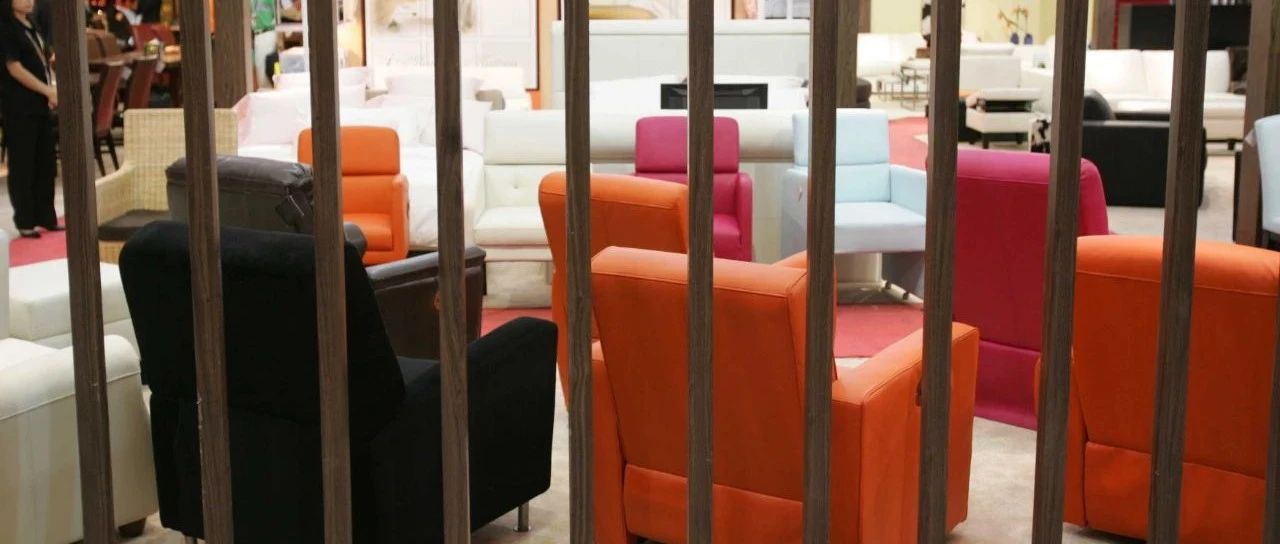
顾客断崖减少,卖场关灯省电:中国家居行业正经历三十年未有巨变
第一财经· 2025-08-09 08:18
Core Viewpoint - The Chinese home furnishing industry is undergoing significant changes due to shifts in consumer behavior and the real estate market, leading to a transformation in business strategies among key players [5][22]. Group 1: Market Changes - The home furnishing industry is experiencing a major transformation not seen in the past thirty years, driven by changes in real estate dynamics and evolving consumer habits [5][22]. - Traditional retail spaces are seeing decreased foot traffic, prompting businesses to adapt by targeting new housing developments and utilizing "community model homes" for customer acquisition [5][10]. - The shift towards online channels for customer engagement is evident, with over 95% of customer acquisition for some businesses now coming from online platforms [13]. Group 2: New Business Strategies - Companies are increasingly focusing on creating model homes in new residential areas to attract customers, with some businesses reporting up to 30-40 orders from a single community [10]. - The rise of direct factory sales is changing the landscape, as consumers seek lower prices by purchasing directly from manufacturers rather than through traditional retail channels [18][21]. - Some businesses are rethinking their physical locations, with the potential to move to less expensive areas while still maintaining customer engagement through online marketing [16]. Group 3: Industry Concerns - Major incidents involving leading home furnishing brands have raised concerns about the industry's future, as many companies expanded too aggressively during a time when they should have been consolidating [22]. - There is a growing apprehension among industry leaders regarding their understanding of younger consumers, who may not be attracted to traditional home furnishing stores [24]. - The need for comprehensive transformation in home furnishing retail is emphasized, as consumer preferences shift towards more personalized and fragmented shopping experiences [24].
湖北首富坠亡、实控人接连“出事”!家居行业到底怎么了?
券商中国· 2025-08-09 07:24
Core Viewpoint - The home furnishing industry is experiencing significant challenges, with a notable decline in revenue and profits among major companies, despite some firms increasing their dividend payouts. The overall market is showing signs of recovery, but the underlying issues remain critical [3][5][30]. Revenue and Profit Trends - The total revenue of 30 selected A-share home furnishing companies peaked in 2021 at 167.8 billion yuan, but has since declined for three consecutive years, dropping to 135.5 billion yuan in 2024, a decrease of approximately 20% [3][11]. - Net profits reached a historical high of 18.8 billion yuan in 2019 but plummeted to 3 billion yuan in 2024, with one-third of the companies reporting losses [3][15]. Employment and Operational Challenges - The total number of employees in the home furnishing sector decreased from 217,000 in 2021 to 165,000 in 2024, resulting in a loss of over 50,000 jobs [4][22]. - The average accounts payable turnover days increased from 88 days in 2018 to 154 days in 2024, indicating worsening cash flow issues for suppliers [19][21]. Stock Performance and Shareholder Returns - The median stock price decline for the 30 companies is 64%, with over half of the companies experiencing declines of more than 64% [25][28]. - Despite poor financial performance, some companies have increased their dividend payouts significantly, with 12 companies having a cash dividend ratio exceeding 70% in 2024 [30][31]. Management and Ownership Changes - Several founding families have transferred control of their companies due to financial difficulties, including major players like Meikailong and Gujia Home [5][35][36]. - The trend of high dividend payouts amidst declining profits may reflect the financial strain on controlling shareholders [34]. Market Recovery and Future Outlook - Since the low point in 2024, the total market capitalization of the "Home 30" has shown signs of recovery, with a year-on-year increase of 19% [5][28]. - Companies are increasingly focusing on overseas markets, with 12 companies reporting overseas revenues exceeding 100 million yuan in 2024, accounting for 17% of their total revenue [5][38].



卢俊卿:老板当学牟其中,决不向挫折低头
Sou Hu Wang· 2025-08-08 09:17
Group 1 - The article highlights a tragic trend in the business world, where five prominent entrepreneurs have committed suicide within a few months, indicating the severe pressures faced by business leaders [1] - The individuals mentioned include founders and CEOs from various industries, such as the founder of Shaoxing Jindianzi, Liu Wenchao from Xizi Elevator, and Wang Linpeng from Juran Smart Home, all of whom faced significant personal and professional challenges [1] - The deaths have sparked widespread concern and reflection on the mental health issues and pressures that entrepreneurs endure in a volatile business environment [1] Group 2 - The narrative shifts to the inspiring story of Mr. Mou Qizhong, who, despite facing numerous life challenges, including wrongful imprisonment and severe financial difficulties, has maintained a resilient spirit and continues to pursue his entrepreneurial dreams at the age of 85 [3][4] - Mr. Mou's life exemplifies the entrepreneurial spirit of perseverance and hope, serving as a motivational figure for younger generations, particularly in the context of the struggles faced by business owners [3][4] - The article emphasizes the importance of courage in entrepreneurship, suggesting that enduring hardships and maintaining hope are crucial for success in the business landscape [4][6] Group 3 - The piece reflects on the broader theme of entrepreneurship as a challenging journey filled with risks and uncertainties, often described as a "life-and-death" struggle [6] - It acknowledges the hidden struggles behind successful entrepreneurs, emphasizing that their achievements often come with significant personal sacrifices and hardships [6][7] - The narrative encourages business leaders to persist through difficulties, drawing inspiration from Mr. Mou's unwavering commitment to his dreams, and highlights the responsibility entrepreneurs have towards their families, employees, and communities [7][9]
家居从业者迎战行业大变局:抢滩新盘样板间,工厂下场拓客
Di Yi Cai Jing· 2025-08-08 09:09
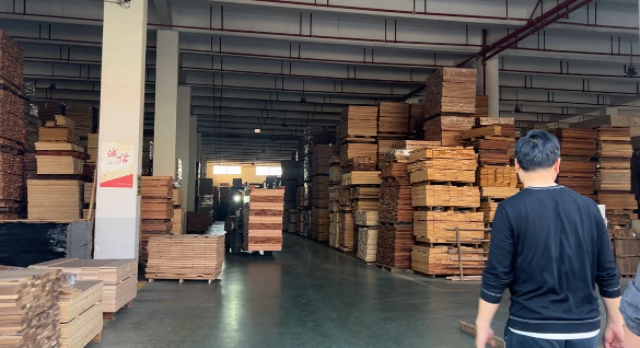
Core Insights - The home furnishing industry is undergoing significant changes due to shifts in consumer behavior and the real estate market, leading to a transformation not seen in the last thirty years [1][10] - Traditional retail spaces are experiencing a decline in foot traffic, prompting companies to adapt by exploring new customer acquisition strategies, such as entering new residential developments with model homes [1][4] - The rise of online shopping and direct factory ordering is reshaping how consumers purchase home furnishings, with many opting for lower prices and better deals through online channels [6][7] Group 1: Market Dynamics - The home furnishing market is facing a dual challenge from changing real estate conditions and evolving consumer preferences, resulting in a need for companies to adapt quickly [1][10] - Many companies that previously expanded during optimistic times are now struggling as customer footfall has drastically decreased, leading to a "cliff-like" drop in sales [10][11] - The demand for home furnishings remains, but the way consumers engage with the market has shifted, particularly among younger generations who prefer online interactions [10][11] Group 2: New Business Strategies - Companies are increasingly focusing on new residential developments by creating "model homes" to attract customers directly within communities [4][5] - The competition for model homes has intensified, with multiple companies vying for the same residential projects, leading to a saturated market in new developments [5] - Some companies are leveraging social media platforms to drive customer engagement, with a significant portion of their sales now coming from online channels [6][11] Group 3: Consumer Behavior - Consumers are increasingly favoring direct factory orders over traditional retail purchases, often finding significant cost savings by bypassing retail markups [7][9] - The experience of visiting factories has become appealing to consumers, as they seek transparency in production processes and better pricing [9] - The shift towards online platforms for product discovery and purchasing is leading to a decline in the relevance of traditional home furnishing showrooms [11]
家居从业者迎战“行业大变局”:抢滩新盘“样板间”,工厂也下场拓客
Di Yi Cai Jing· 2025-08-08 08:29
Core Insights - The home furnishing industry in China is undergoing significant changes due to shifts in consumer behavior and the real estate market, leading to a transformation not seen in the past thirty years [1][10][11] Group 1: Market Dynamics - Many industry players have become overly optimistic about future growth, failing to adapt to rapid market changes, resulting in a stark decline in customer footfall [1][10] - Traditional retail spaces are experiencing decreased traffic, prompting businesses to explore new customer acquisition strategies, such as entering new residential developments with "community model homes" [1][4][10] Group 2: New Business Strategies - Companies are increasingly focusing on creating "model homes" in new residential areas to attract customers, with some businesses reporting up to 30-40 orders from a single community [5][10] - The rise of online channels for customer acquisition is evident, with one company reporting that over 95% of their customers come from online platforms, indicating a shift in consumer purchasing behavior [6][8] Group 3: Consumer Preferences - Younger consumers are gravitating towards online shopping and factory direct purchasing, often finding significant cost savings compared to traditional retail [8][9] - The demand for personalized and unique products is increasing, leading to a decline in the appeal of one-stop shopping experiences offered by large retail stores [11] Group 4: Industry Challenges - Major incidents involving well-known companies in the home furnishing sector have highlighted vulnerabilities in the industry, particularly for large retail formats that were closely tied to real estate development [10] - The industry is facing a critical need for transformation, as traditional business models are becoming less viable in the current market landscape [11]
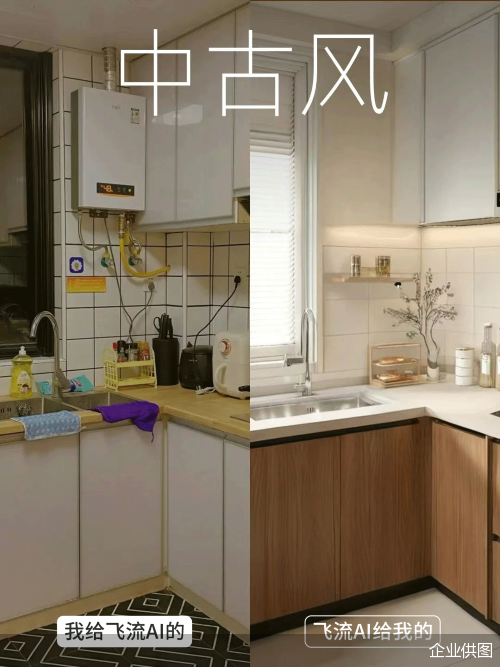
AI重构家装设计,金牌家居飞流AI2.1如何终结行业信任危机?
Bei Jing Shang Bao· 2025-08-07 08:56
Core Insights - The home decoration industry is facing long-standing issues such as high information costs, low trust, and low transaction rates, which are now being addressed through AI-driven transformations [1][2][3] - The launch of the Flyflow AI Home Decoration Design Intelligent Agent 2.1 by King Home aims to reconstruct the entire home decoration process using AI tools, targeting three major pain points: vague user demands, inefficient design communication, and difficulties in implementing solutions [1][4] Industry Challenges - A report indicates that 89% of first-time renovation users struggle to articulate their needs, leading to significant challenges for designers [2] - 72% of homeowners do not understand floor plans and renderings, resulting in repeated modifications and extended renovation timelines [2] - 64% of consumers feel that designers lack professionalism, with an average of 28 days spent comparing proposals, incurring unnecessary costs and negatively impacting user experience [2][3] Company Initiatives - Companies are increasingly entering the AI smart design sector to address industry pain points and enhance user engagement [4] - King Home has proactively upgraded its Flyflow AI design tool to adapt to market changes and improve service experiences [4][5] Technological Advancements - The Flyflow AI 2.1 version features significant upgrades, including one-click generation of high-quality design renderings and 3D space scenes, enhancing communication efficiency among designers, sales staff, and users [5][9] - It supports multi-modal interactions, allowing for a deeper understanding of user needs through conversational AI [5][10] - The tool intelligently optimizes designs based on ergonomic, aesthetic, and budgetary considerations, providing users with a clearer understanding of renovation costs [5][8] User Experience - Users have reported that the Flyflow AI 2.1 generates realistic renderings and immersive 720-degree panoramic views, significantly improving their understanding of the final results [8][9] - The tool allows for interactive modifications to layouts, making the design process more intuitive and reducing misunderstandings [9][11] Addressing Stakeholder Pain Points - The Flyflow AI 2.1 effectively addresses the challenges faced by users, designers, and sales staff by facilitating clearer communication and reducing the time spent on revisions [10][11] - It enhances user satisfaction and trust, potentially increasing conversion rates by generating tailored design solutions quickly [11][12] Future Outlook - King Home emphasizes the importance of user feedback in the ongoing development of the Flyflow AI 2.1, aiming for continuous optimization based on user experiences [12] - The ultimate goal of AI in home decoration is to alleviate industry inefficiencies, allowing designers to focus on creativity while providing homeowners with a clearer understanding of their design options [14]