
雀巢

Search documents
比星咖啡完成B轮融资;Prada集团收购Versace交易将敲定
Sou Hu Cai Jing· 2025-12-02 06:47
Investment Dynamics - The coffee brand "Bixing Coffee" has completed a Series B financing round of several tens of millions, led exclusively by Suzhou Agricultural Development Industry Science and Technology Innovation Fund. The funds will be used for expanding offline stores and brand promotion [1][3] - The Snow League, a professional winter sports league founded by Shaun White, has raised $15 million in financing, with new investors including 359 Capital, BITKRAFT Ventures, and WISE Ventures. This funding will support the league's first season bonuses and athletes [5] - Zhejiang Ruiwei New Materials Technology Co., Ltd. has completed its third round of equity financing, with investment from the Beautiful Navigation Fund, co-established by L'Oréal and Tiantu Capital. The company focuses on biodegradable materials in the consumer sector [6][7] Brand Dynamics - Prada Group's acquisition of Versace is set to finalize on December 2, with a cash transaction based on a €1.25 billion valuation, which is only 1.33 times Versace's projected $1.03 billion revenue for FY2024, significantly lower than the typical luxury industry valuation of 3 to 5 times [8][10] - The founder of high-end sports fashion brand MooRER has repurchased a 25% stake from Joeone, regaining 100% ownership of the brand, which will now refocus on its high-end niche positioning [12][13] - Katjes Group is in talks to acquire Unilever's snack brand Graze for approximately £35 million, significantly lower than the £150 million Unilever paid in 2019 [14][16] - Nestlé plans to merge its infant nutrition business units in China, which is expected to create new growth opportunities by leveraging the strengths of both brands [18][19] - Beyond Meat has quietly closed its flagship stores on major e-commerce platforms in China, with its factory in Jiaxing ceasing production, primarily due to a small local vegetarian market and high product pricing [22] - Swire Group has laid off about 10% of its Hong Kong headquarters staff, affecting around 40 employees, as part of a restructuring to enhance efficiency [24] - Gao Xin Retail has appointed Li Weiping as the new CEO, marking the third CEO change in two years since the acquisition by Dehong [25][26]




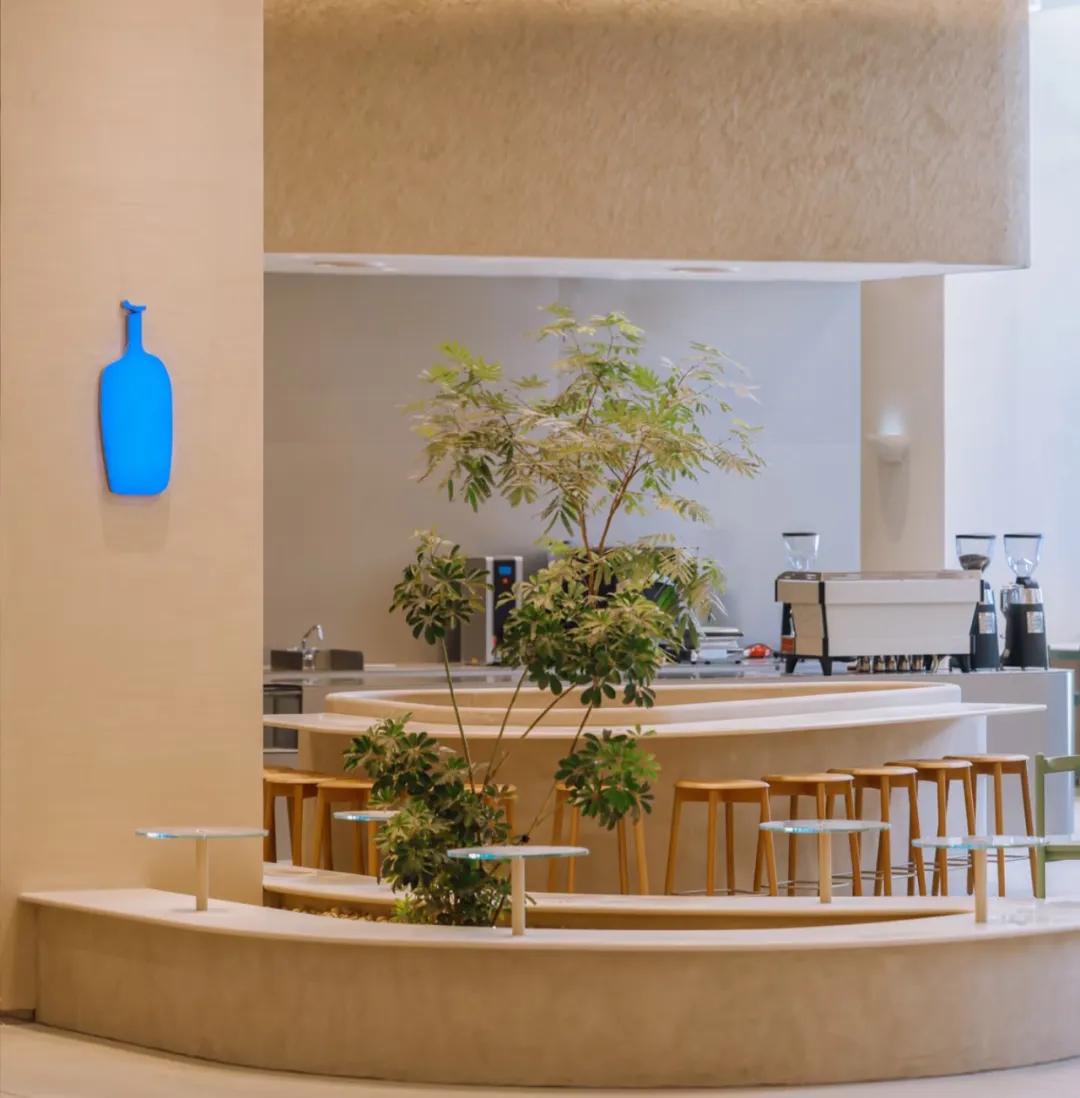
雀巢被指考虑出售蓝瓶咖啡,在中国内地市场门店已拓展到三个城市
3 6 Ke· 2025-12-02 03:56
Core Viewpoint - Nestlé is reportedly considering the sale of Blue Bottle Coffee as part of a broader strategic evaluation led by its new CEO, Philipp Navratil, aimed at streamlining the company's asset portfolio and exiting physical retail operations [6][9]. Acquisition and Current Status - Nestlé acquired a 68% stake in Blue Bottle Coffee in 2017 for approximately $425 million, with the overall valuation of the company at around $700 million at that time [3][6]. - Blue Bottle Coffee currently operates over 100 stores in the U.S. and Asia, including more than 10 locations in China, with the latest opening in Hangzhou [7][9]. Strategic Evaluation and Potential Sale - The evaluation of Blue Bottle Coffee's options includes the possibility of selling its store operations while retaining the brand's intellectual property to continue selling related products [6][9]. - The anticipated sale price is expected to be below the original valuation of $700 million [6]. Market Trends and Company Strategy - The decision to consider the sale aligns with industry trends, as other companies like Coca-Cola are also exploring divestitures of their coffee brands [6]. - Nestlé has previously announced strategic evaluations of several vitamin brands and plans to sell part of its water business, indicating a shift in focus [6]. Operational Independence and Collaboration - Despite being under Nestlé's ownership, Blue Bottle Coffee operates independently, making its own decisions regarding store openings and management appointments [9][12]. - The collaboration between Blue Bottle Coffee and Nestlé has provided additional resources for innovation, with Blue Bottle leading its own projects while benefiting from Nestlé's research and development capabilities [12][14]. Growth Potential in China - Blue Bottle Coffee views China as a significant and growing market, with its cautious expansion strategy reflecting its brand philosophy [9][10]. - The company has positioned itself as a premium brand in the coffee market, competing for market share against mid-range brands [10][14].

“页面找不到了”!知名品牌关店,退出中国
2 1 Shi Ji Jing Ji Bao Dao· 2025-12-02 00:51
Core Insights - Beyond Meat, known as the "first plant-based meat stock," has terminated its Tmall flagship store operations as of November 27, 2023, and its Pinduoduo store is no longer selling any products [1][11] - The company had previously announced plans to suspend its operations in China by the end of June 2023, including a significant reduction of its workforce by 95% [3][9] - The decline in interest for plant-based meat in China has led to major partners like Starbucks, KFC, and Nestlé ceasing their plant-based meat offerings [12][16] Company Operations - Beyond Meat was founded in 2009 in California and went public on NASDAQ in May 2019, with an initial stock price surge of 163%, reaching a market cap of approximately $3.83 billion [4] - The company initially viewed China as a strategic market, launching products in collaboration with Starbucks in April 2020 and expanding partnerships with KFC and other brands [6][8] - Despite early optimism, the company announced in February 2025 that it would officially pause operations in China, citing the need to improve profit margins [9] Market Trends - The plant-based meat market in China has seen a significant decline, with major brands like Starbucks and KFC no longer offering plant-based products [12][18] - Beyond Meat's revenue has been on a downward trend since 2022, with projected revenues of $465 million in 2021, dropping to $327 million in 2024, and a net loss of $193 million in the first three quarters of 2023 [12] - The company's U.S. market also experienced a decline, with retail channel revenues down 18.4% and food service revenues down 27.3% in the latest quarter [12][13] Industry Challenges - The overall demand for plant-based meat in China is weak, as consumers still prefer traditional meat options, making it difficult for plant-based alternatives to gain traction [18] - Other major companies, including Nestlé and Unilever, have also scaled back or exited their plant-based meat initiatives in China, indicating a broader trend of reduced interest in the category [16][18]
突然终止运营!曾宣布大裁员!很多深圳人吃过,有网友表示可惜
Sou Hu Cai Jing· 2025-12-02 00:36
Core Viewpoint - Beyond Meat, the first publicly traded plant-based meat company, has decided to suspend its operations in China, marking a significant retreat from a market it once viewed as strategic for growth [4][10]. Group 1: Company Operations - Beyond Meat's Tmall flagship store has ceased operations as of November 27, and its Pinduoduo store no longer sells any products [2][10]. - The company had previously announced plans to cut 95% of its workforce in China by the end of June 2023 to reduce operational costs [4][10]. - Despite inquiries about a potential return to the Chinese market, Beyond Meat has not provided any responses as of the latest report [4][10]. Group 2: Market Context - The demand for plant-based meat in China has significantly declined, with major brands like Starbucks, KFC, and Nestlé ceasing to offer plant-based products [10][11]. - Beyond Meat's revenue has been on a downward trend since 2022, with projected revenues of $4.65 billion in 2021, dropping to $3.27 billion in 2024, alongside increasing net losses [11]. - The company's U.S. market also reflects a decline, with retail channel revenues down 18.4% and food service revenues down 27.3% in the latest quarter [11][12]. Group 3: Industry Challenges - The overall market for plant-based meat in China is facing challenges, as consumer preferences lean towards traditional meat products, making it difficult for plant-based alternatives to gain traction [17]. - Other companies, including Nestlé and Unilever, have also exited or scaled back their plant-based meat operations in China, indicating a broader industry retreat [15][17].
植物肉退潮!别样肉客关旗舰店 雀巢联合利华相关业务暂停
Nan Fang Du Shi Bao· 2025-12-01 14:00
Core Viewpoint - Beyond Meat, known as the "first plant-based meat stock," has independently terminated its Tmall flagship store operations, reflecting a significant retreat from the Chinese market due to declining demand for plant-based products [1][5][8]. Group 1: Business Operations - Beyond Meat announced in February that it would suspend operations in China by the end of June, planning to reduce its workforce by 95% [5][8]. - The company had previously viewed China as a strategic market, launching products in collaboration with major brands like Starbucks and KFC [6][7]. - As of November 27, Beyond Meat's Tmall flagship store ceased operations, and its Pinduoduo store no longer sells any products [1][8]. Group 2: Market Challenges - The demand for plant-based meat in China has significantly declined, with major partners like Starbucks, KFC, and Nestlé halting or selling off their plant-based product lines [9][12][14]. - Beyond Meat's revenue has been on a downward trend since 2022, with projected revenues of $4.65 billion in 2021, dropping to $3.27 billion in 2024, and net losses increasing from $1.82 billion to $1.60 billion over the same period [9][11]. - In the U.S. market, Beyond Meat has also experienced a decline in sales, with retail channel revenues down 18.4% and food service revenues down 27.3% in the latest quarter [11]. Group 3: Industry Trends - The overall market for plant-based meat in China is cooling, with various brands, including local ones, also facing challenges in maintaining product offerings [12][13]. - Nestlé and Unilever have both scaled back their plant-based meat initiatives in China, indicating a broader industry trend of reassessing the market potential for plant-based products [13][14].
新帅在华动刀:雀巢、惠氏营养品合并丨消费一线
2 1 Shi Ji Jing Ji Bao Dao· 2025-12-01 13:12
Core Viewpoint - Nestlé is undergoing a significant top-down reform, merging its Wyeth Nutrition and Nestlé Infant Nutrition businesses into a single Nestlé Nutrition unit starting January 1, 2026, to enhance growth and consolidate its leadership in the Chinese infant nutrition market [1][2]. Business Strategy - The merger aims to leverage the strong brand influence of Wyeth and S-26 with Nestlé's industry and channel advantages to achieve sustainable development in a competitive market [6][8]. - Nestlé emphasizes that this restructuring will not affect existing operations, and both Wyeth Nutrition (China) Co., Ltd. and Wyeth (Shanghai) Trading Co., Ltd. will continue to operate [1][2]. Market Dynamics - The infant formula market is transitioning to a mature phase, with a reported growth rate of only 0.6% in Q2 2025, as the newborn demographic advantage diminishes [3]. - The ultra-premium segment is becoming mainstream, with a 13.3% year-on-year growth in the ultra-premium+ market, while other segments are experiencing declines [4]. Competitive Landscape - The competition in the ultra-premium market is intensifying, as evidenced by Feihe's revenue decline of 9.36% to 9.151 billion yuan in the first half of the year [5][6]. - Domestic brands like Feihe and Yili have surpassed foreign brands in market share, indicating a shift in the competitive landscape [6]. Management Changes - Recent leadership changes at Nestlé include the appointment of a new CEO, who is focused on resource allocation towards high-potential opportunities and fostering a performance-driven culture [7][8]. - The restructuring is part of a broader strategy to simplify the organizational structure and enhance operational efficiency under the new management [9][10]. Key Personnel - Joel Seah has been appointed as the head of the newly formed Nestlé Nutrition business, bringing experience from his previous roles in Southeast Asia [11][12].
雀巢新变动!惠氏营养品和雀巢婴儿营养品在中国市场将合并
Nan Fang Du Shi Bao· 2025-12-01 08:21
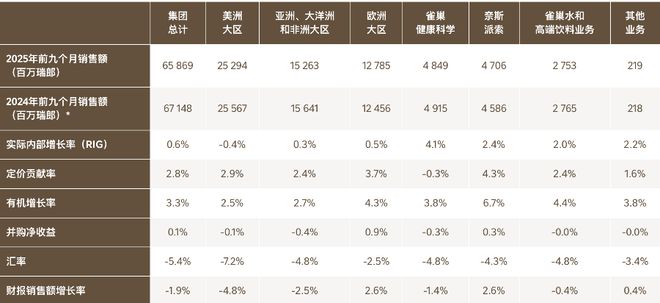
Core Viewpoint - Nestlé announced a restructuring plan in the Greater China region, merging its Wyeth Nutrition and Nestlé Infant Nutrition businesses to form a new Nestlé Nutrition business starting January 1, 2026, aiming to enhance market competitiveness and sustainable growth [2][4]. Group 1: Organizational Changes - The new Nestlé Nutrition business will be led by Joel Seah, who previously served as the director of Nestlé's infant formula business in mainland China [3]. - The merger aims to combine the strong brand influence of Wyeth's products with Nestlé's advantages in industry and channels, reinforcing its leadership in the infant nutrition market in China [2][4]. - The restructuring is part of a broader trend within Nestlé, which has seen frequent executive changes and a shift from five global regions to three, with the Greater China region now included in the Asia, Oceania, and Africa (AOA) zone [3]. Group 2: Financial Performance - Nestlé's overall sales for the first nine months of the year reached 65.9 billion Swiss francs, a decline of 1.9%, but with an organic growth of 3.3% [3]. - In contrast, the Greater China region reported a sales figure of 2.47 billion Swiss francs (approximately 22.3 billion RMB) for the same period, reflecting a year-on-year decline of 6.4%, which is more significant than the overall group decline [4]. - The organic growth rate for the Greater China region was -10.4% in the third quarter, continuing a downward trend from the second quarter, indicating ongoing challenges in this market [4].
雀巢中国回应婴儿营养品业务与惠氏合并:不影响现有业务开展
2 1 Shi Ji Jing Ji Bao Dao· 2025-12-01 08:16
Core Viewpoint - Nestlé China will officially establish a new nutrition business for Wyeth and Nestlé infant nutrition in the Chinese market starting January 1, 2026, with Joel Seah appointed as the head of this new business [2] Group 1: Business Structure and Management - The new Nestlé nutrition business will focus on infant nutrition, which remains a core area for the company [2] - The company plans to increase investments in brands and channels during this transition [2] - The restructuring will not affect the ongoing operations of Wyeth Nutrition (China) Co., Ltd. and Wyeth (Shanghai) Trading Co., Ltd. [2] Group 2: Brand Continuity - Brands such as Wyeth Illuma and S-26 will continue to serve Chinese consumers despite the business restructuring [2]
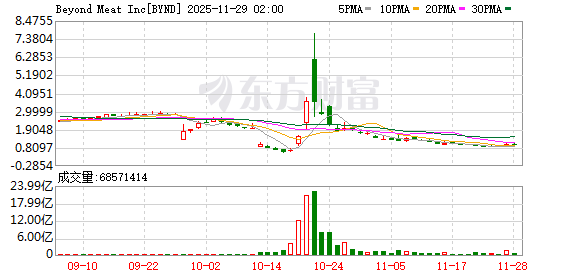
“植物肉第一股”别样肉客在华完成last dance:最后一家旗舰店关停,SEC文件称在华活动“基本停止”
3 6 Ke· 2025-12-01 07:14
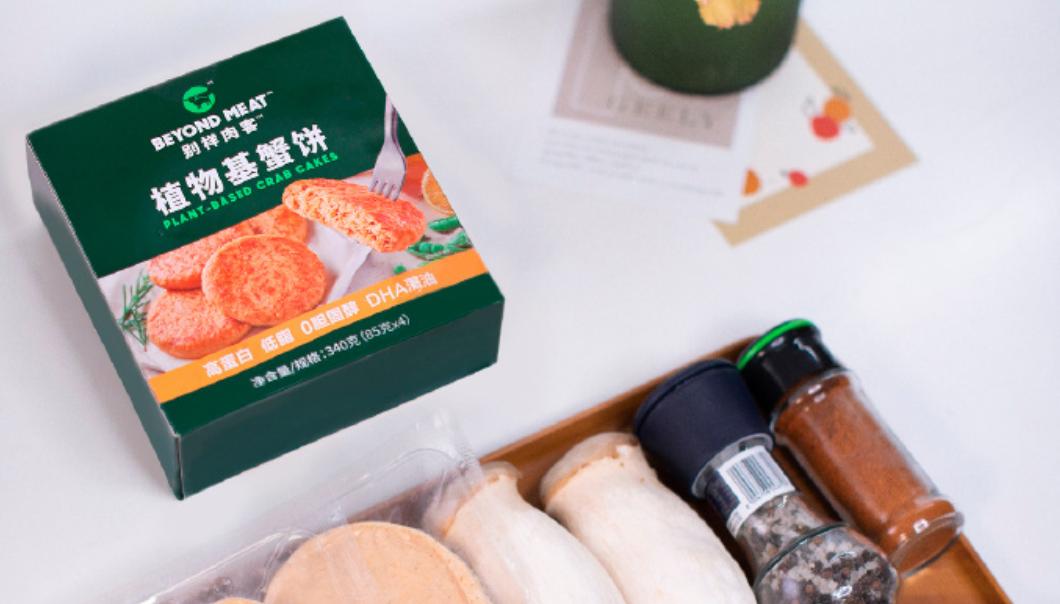
Core Viewpoint - Beyond Meat has officially ceased its operations in the Chinese market, closing its Tmall flagship store and halting all e-commerce sales channels in China, following an earlier announcement to pause its business in the region [1][5]. Group 1: Company Actions - Beyond Meat closed its Tmall flagship store and has also stopped operations on Pinduoduo, marking the end of its e-commerce presence in China [1][3]. - The company announced in February 2024 that it would pause its Chinese operations as part of a global restructuring plan, with activities expected to cease by the end of the second quarter of 2025 [5]. - The decision to halt operations in China is part of cost-cutting measures aimed at reducing operational expenses, with expected savings of approximately $500,000 to $1 million in cash compensation costs [5]. Group 2: Financial Impact - In the third quarter of 2025, Beyond Meat reported a net revenue of $70.2 million, a year-on-year decline of 13.3%, with losses widening to $110.7 million compared to $26.6 million in the same period last year [5]. - The cessation of operations in China resulted in $1.7 million in related costs, including accelerated depreciation and inventory impairment, negatively impacting gross profit [5]. Group 3: Industry Context - Beyond Meat entered the Chinese market in 2020, which was considered the "year of plant-based meat" in China, alongside other brands like The Vegetarian Butcher and Garden Gourmet [6]. - Despite initial success, the plant-based meat industry in China began to cool down in the second half of 2021, leading to the exit of several brands, including Hey Meat, which had its business license revoked in April 2023 [6]. - Other brands, such as Garden Gourmet and The Vegetarian Butcher, have also faced challenges, with the latter being sold by Unilever and its team disbanded [7].
惠氏营养品和雀巢婴儿营养品在中国市场将迎来合并
Mei Ri Jing Ji Xin Wen· 2025-12-01 05:56
Core Viewpoint - The infant nutrition businesses of Wyeth and Nestlé in the Greater China market are set to merge, officially forming Nestlé Nutrition by January 1, 2026, with Joel Seah appointed as the head of the new entity [1] Company Summary - Nestlé acquired Wyeth's nutrition business in 2012, and after 13 years, the infant nutrition businesses of both companies in China are merging [1]