
火山引擎

Search documents
Agent开始“卷”执行力,云厂商的钱包准备好了吗?
Di Yi Cai Jing· 2025-06-19 13:55
Group 1: Industry Trends - The large model industry is experiencing a shift from high valuations in the primary market to foundational infrastructure construction for computing power [1] - The upcoming release of GPT-5 by OpenAI will integrate o-Series and GPT-Series, emphasizing the need for strong execution and high computing power [1][4] - The demand for computing power is driven by the increasing complexity of tasks that AI agents can perform, marking a transition from passive response to active execution [4][5] Group 2: Investment and Spending - North America's major cloud providers are significantly increasing their investments in AI infrastructure, with Amazon Cloud planning to spend over $100 billion by 2025, while Microsoft and Google plan to invest $80 billion and $75 billion respectively [2] - OpenAI's Stargate project aims for a total investment of $500 billion to enhance its computing capabilities, with the first phase already underway [6] - Major cloud companies are ramping up their budgets for AI computing infrastructure, with a reported combined capital expenditure of $76.5 billion in Q1 2025, a 64% year-on-year increase [7] Group 3: Market Dynamics - The AI agent market is likened to mobile internet apps, indicating a new area for industry growth as AI begins to take on more active roles [5] - The competition among cloud service providers is intensifying, with companies adopting low-price strategies to capture market share in the AI cloud service sector [8] - The integration of AI into existing business models and the development of multi-modal technologies are also contributing to the growing demand for computing power [6]

当国产AI嵌入国产智能终端交互,AI应用落地加速
Cai Fu Zai Xian· 2025-06-19 09:27
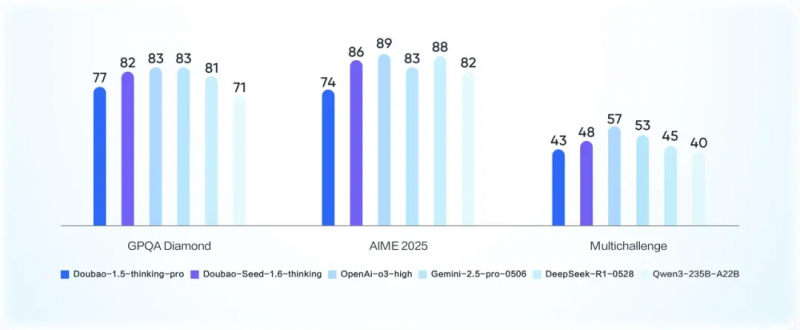
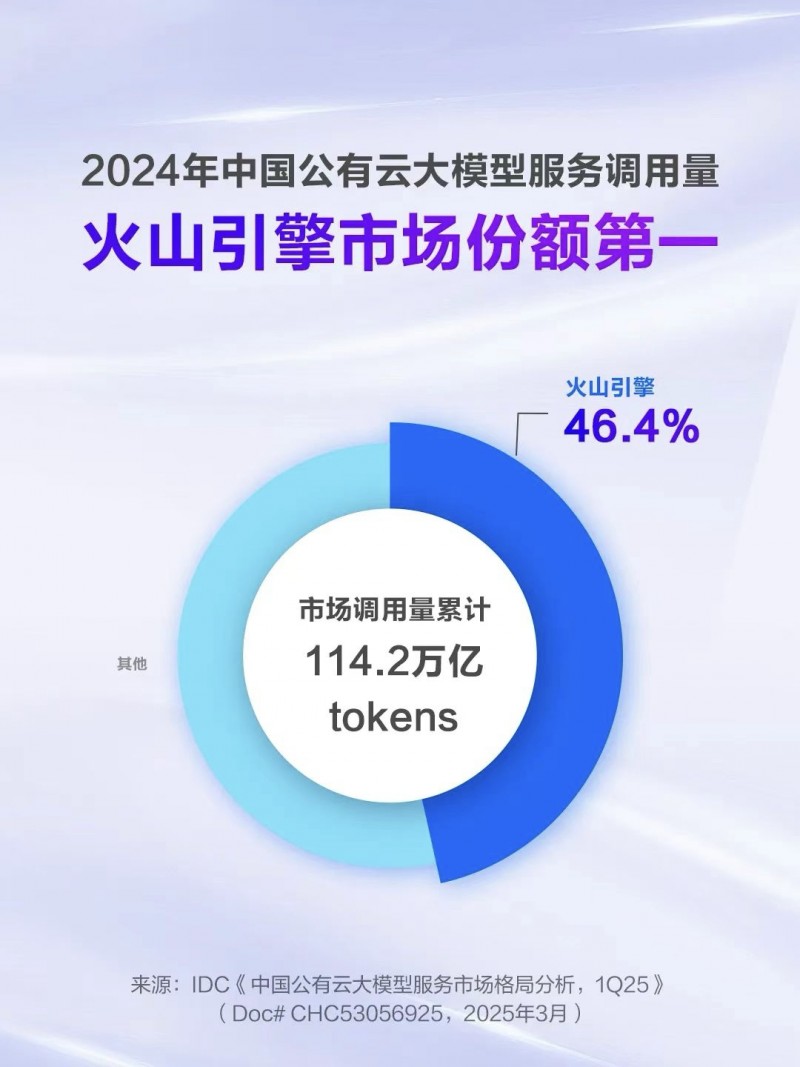
Core Insights - The emergence of large model technology is reshaping the industry landscape, with AI transitioning from a mere tool to a core engine driving industrial innovation [1][3] - The ability to implement AI in real-world scenarios has become a central competitive challenge in the industry [1] Group 1: Market Position and Growth - According to IDC's report, in 2024, Huoshan Engine will hold a leading market share of 46.4% in China's public cloud large model invocation market [1] - As of May this year, the daily token usage of Huoshan Engine's Doubao large model exceeded 16.4 trillion, marking a 137-fold increase since its launch last year [1] Group 2: Technological Advancements - Huoshan Engine recently released Doubao large model 1.6, which has achieved top-tier global standards in reasoning ability, multi-modal understanding, and GUI operation capabilities [1] - The collaboration between Huoshan Engine and domestic smart terminal manufacturers is fostering a new paradigm of "technology-scenario-ecosystem" for AI application [3] Group 3: Application Scenarios - Huoshan Engine is focusing on four key areas: AI assistants for smartphones, AI-end cloud collaboration for privacy security, AI multi-modal interaction, and AI creation [4] - The AI assistant capabilities are evolving from simple command execution to complex creative tasks, exemplified by Honor's AI assistant "YOYO" which can perform image editing through voice commands [4][6] Group 4: User Interaction and Experience - The integration of Doubao large model enhances the human-like interaction level of AI assistants in domestic smartphones, as seen in OPPO's AI intent search feature [6] - Nubia's collaboration with Huoshan Engine has led to the development of a multi-modal intelligent assistant "Xiaoxing," expanding the boundaries of smartphone AI interaction [6] Group 5: Future Outlook - The synergy between Huoshan Engine and domestic smart terminals is creating a positive feedback loop of "application feeding back technology, and technology empowering application" [8] - As more industry players join the ecosystem, AI is expected to become a powerful lever for releasing industrial value, driving domestic smart terminals along a differentiated path defined by scenarios and driven by ecosystems [8]
国产智能终端AI能力再升级,火山引擎助力打造应用场景新可能
Cai Fu Zai Xian· 2025-06-19 09:27
Core Insights - The article highlights the evolution of user demand for AI in smart terminals, shifting from "novelty experience" to "deep needs," emphasizing the desire for both engaging and efficient AI services [1] - Volcano Engine maintains a dominant position in the Chinese public cloud large model market with a 46.4% market share as of 2024, showcasing significant growth in AI capabilities [1][3] - The collaboration between Volcano Engine and smart terminal manufacturers aims to enhance user AI experiences by addressing pain points and optimizing large model capabilities [3][4] Market Position and Performance - Volcano Engine's daily token usage for its Doubao large model exceeded 16.4 trillion by May 2023, marking a 137-fold increase since its launch [1] - The company is positioned for continued growth in 2025, reflecting its deep integration with various industries [3] Technological Advancements - The AI capabilities of smart terminals are evolving, with Volcano Engine's models supporting diverse applications across text, voice, and image domains [4] - AI assistants are transitioning from basic tools to intelligent partners, enhancing user interaction through advanced functionalities [4][9] Application Innovations - Honor's AI assistant "YOYO" utilizes Doubao large model for intelligent photo editing, allowing users to issue voice commands for personalized tasks [4] - Vivo's AI assistant "Blue Heart Little V" integrates Doubao large model for real-time internet information retrieval, improving natural interaction [6] - OPPO's AI intent search feature, developed with Volcano Engine, enhances search capabilities across various applications, refining user query responses [7] - Nubia's multi-modal assistant "Little Star" expands the boundaries of mobile AI interaction by creating a comprehensive interaction system [9] Future Outlook - Volcano Engine aims to continue exploring new models and technologies in collaboration with industry partners, facilitating the implementation of more AI application scenarios in domestic smart terminals [9]
云载 AI·健行未来——火山引擎“AI+医药大健康”行业论坛圆满落幕
Cai Fu Zai Xian· 2025-06-19 09:13
Core Insights - The "AI + Healthcare" forum highlighted the transformative impact of AI in the healthcare sector, emphasizing the integration of cloud computing, big data, and AI technologies to enhance medical services and patient experiences [1][17] - The forum featured contributions from various experts, indicating a collaborative effort in advancing AI applications in healthcare, particularly in areas like disease prevention, diagnosis, and drug design [3][10] Group 1: AI Applications in Healthcare - AI is expected to address the increasing demands of life sciences and medicine due to rising life expectancy, with a focus on developing new AI technologies tailored for healthcare [3][10] - The collaboration between Volcano Engine and researchers has led to the development of Bio-OS-Co-Pilot, which significantly reduces research timelines from years to hours, enhancing efficiency in modeling and analysis [4] - Companies like Tianjin Pharmaceutical Group have reported a 14.3% increase in digital maturity through strategic digital transformation initiatives, showcasing the effectiveness of AI in optimizing workflows [6][8] Group 2: Future Directions and Challenges - The healthcare industry faces challenges such as high complexity and strict requirements for data governance, necessitating a shift towards sustainable iterative mechanisms for AI applications [12] - AI is positioned to enhance pre-consultation processes, patient education, and overall efficiency in healthcare delivery, while maintaining a supportive role rather than replacing human decision-making in high-risk scenarios [15] - Future efforts will focus on low-risk, high-value areas for AI implementation, such as research data analysis and logistics support, to ensure effective integration into healthcare systems [14]
(经济观察)中国科技公司加码投入智能体,前景如何?
Zhong Guo Xin Wen Wang· 2025-06-18 08:26
Core Insights - The rise of intelligent agents in the AI sector is being driven by significant investments from various Chinese tech companies, with predictions that 2025 may mark a breakthrough year for this technology [1][2] - Intelligent agents are defined as interactive systems that utilize AI to understand external stimuli and generate meaningful actions, encompassing key technologies such as environmental perception, decision planning, autonomous learning, multimodal interaction, and task execution [2] Company Developments - Luckin Coffee has implemented an intelligent agent in its app, allowing users to order coffee through voice commands, significantly enhancing order efficiency [1] - Lenovo has launched the Tianxi personal super intelligent agent, which integrates into personal computers, smartphones, and tablets, focusing on multimodal interaction while ensuring data privacy and security [1] - JD.com operates over 14,000 intelligent agents that handle more than 18% of work tasks, particularly in areas like food delivery recruitment and financial management [1] Industry Trends - The development of intelligent agents is seen as a catalyst for industrial upgrades, creating new business models and economic growth points [2] - The technology is expected to evolve from passive tools to proactive executors, with the potential for widespread application in daily life and work environments [3] - Experts suggest that specialized intelligent agents may have a greater chance of successful implementation compared to general-purpose agents, with the potential for significant growth in the SaaS market [3]
火山引擎解锁AI应用升级密码,打造智慧生活新体验
Cai Fu Zai Xian· 2025-06-18 02:42
Core Insights - The article highlights the rapid integration of AI technology into daily life, emphasizing the shift in user demand from "usable" to "practical" and "high-quality" applications of AI [1] - Companies are accelerating the incorporation of AI capabilities into their product offerings, expanding the boundaries of application scenarios to enhance user experience [1] Group 1: AI Technology Integration - The "Doubao" large model has become a common choice across various industries, with its daily token usage exceeding 16.4 trillion by May 2025, marking a 137-fold increase since its launch [1] - The collaboration between Huoshan Engine and smart terminal manufacturers is focused on expanding creative boundaries in AI creation, providing users with practical AI experiences [1] Group 2: Image Creation and Processing - The demand for high-quality photos is increasing as AI technology transforms the photography field, impacting the entire process from image creation to post-processing [2] - Huoshan Engine leverages the capabilities of the Doubao family of large models to enhance AI creative abilities in smart terminals, allowing non-professional users to achieve professional-level post-processing [2] Group 3: Product Innovations - Nubia's Z70S Ultra photographer version integrates the Doubao large model for a comprehensive AI creative service, enabling users to generate high-quality images and perform real-time style transformations [3] - Samsung's Galaxy S25 series features the "Drawing Assistant" app, which utilizes the Doubao large model to provide various image processing capabilities, creating a mobile AI image workstation [3] Group 4: Experience Enhancement - Vivo collaborates with Huoshan Engine to upgrade AI functionalities in its phones, introducing "vivo AI Time Capsule" for personalized video creation through AI-generated music and lyrics [5] - Honor builds a personalized service system using AI technology, offering features like style creation and intelligent editing to enhance user experience in image processing [6] Group 5: Market Position and Future Outlook - Huoshan Engine is projected to maintain the leading position in China's public cloud large model service usage, with a market share of 46.4% by 2024 [6] - The ongoing collaboration between Huoshan Engine and smart terminal manufacturers aims to deepen the application of large models and expand capabilities, enhancing user interaction experiences [6]
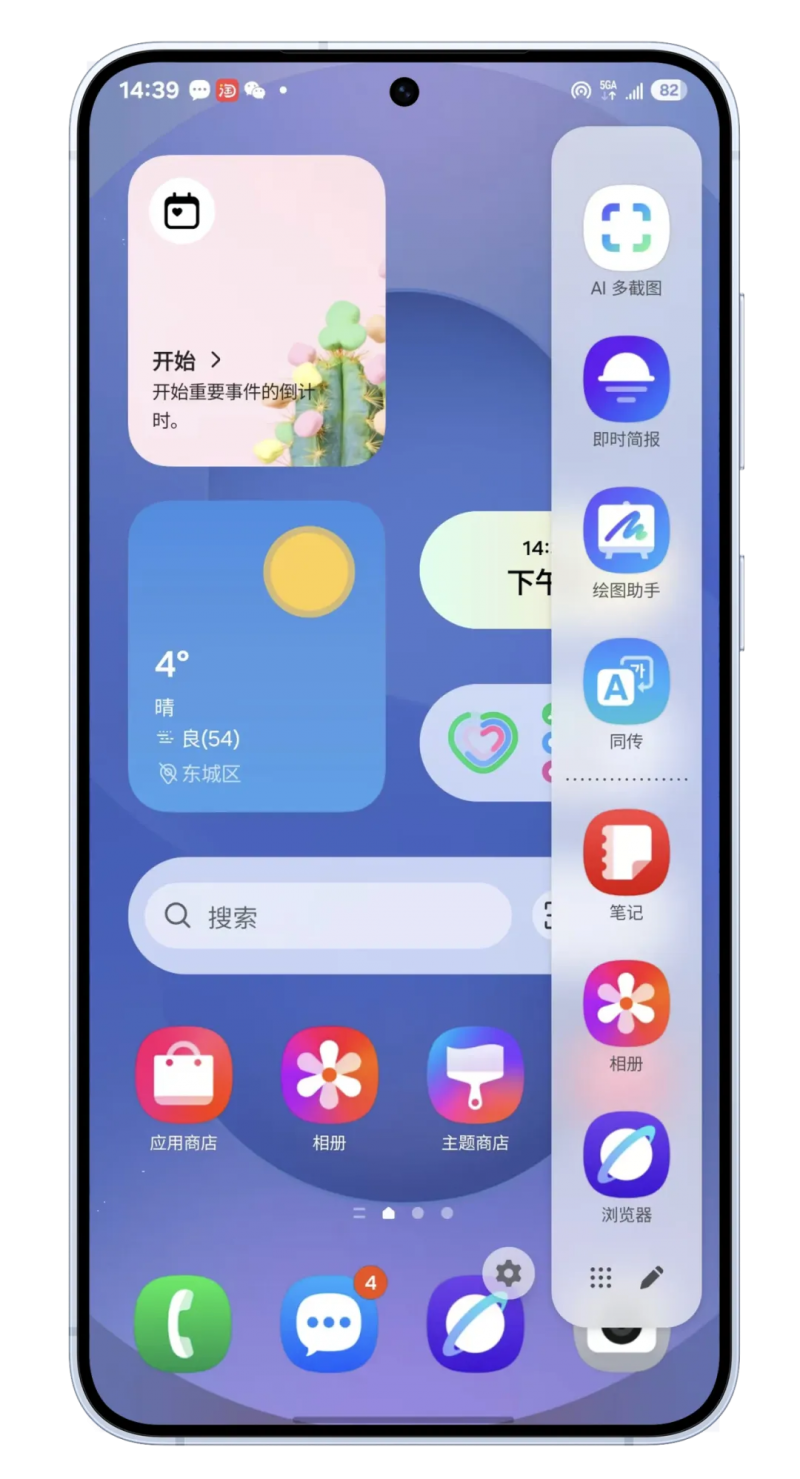
安卓厂商联动火山引擎加速AI能力提升,推动智能终端多场景应用创新实践
Cai Fu Zai Xian· 2025-06-18 02:42
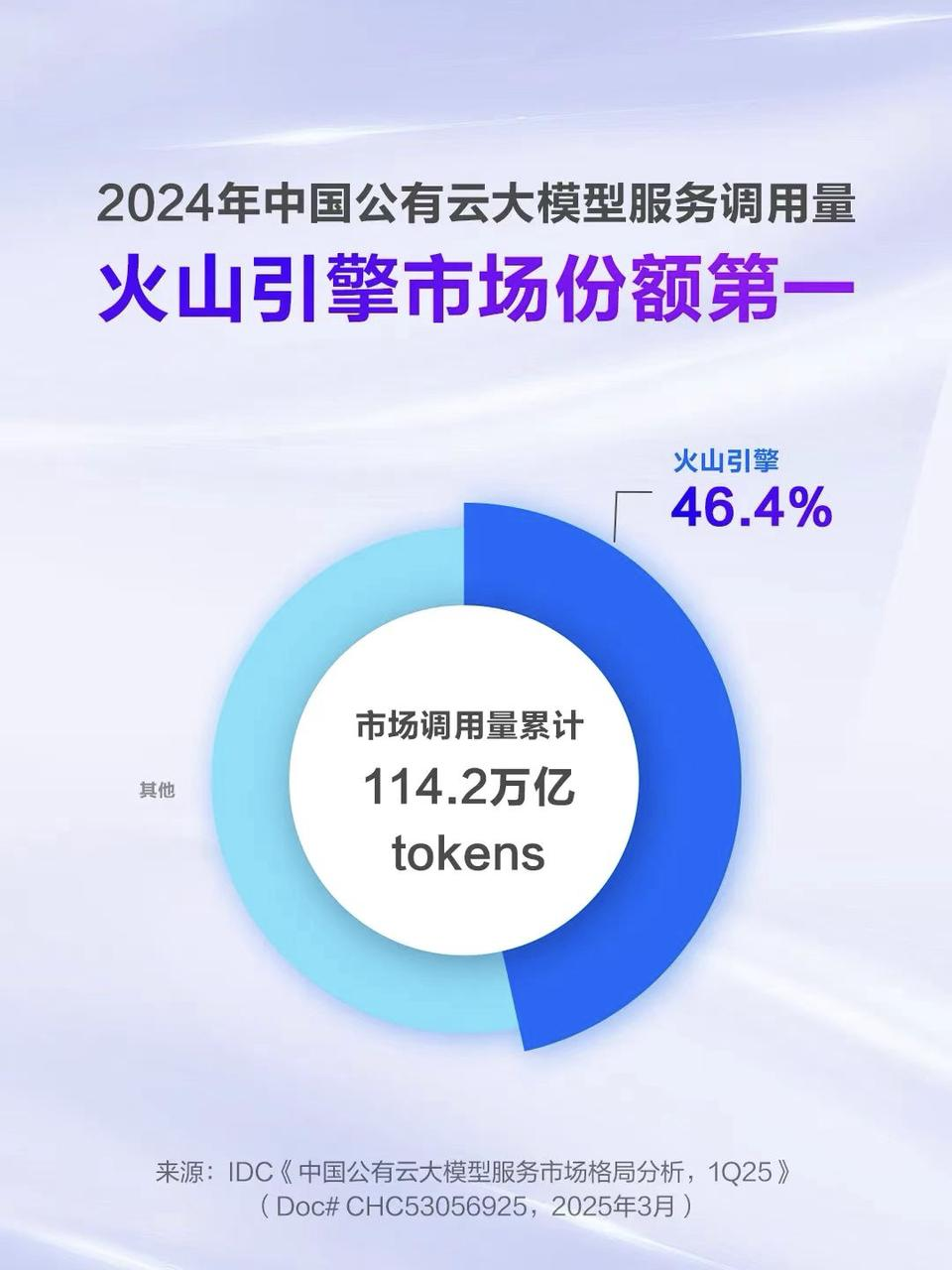
Core Insights - The rapid advancement of large model applications is driving innovation in AI ecosystems across various industries, particularly in smart terminal manufacturers' strategies to enhance user experiences [1] - AI and large model technologies are creating strategic opportunities for "leapfrog" advancements in multiple sectors, with Android manufacturers actively integrating these technologies into their devices [2] - The collaboration between Android manufacturers and large model providers like Volcano Engine is leading to significant growth in model usage and capabilities in smart terminals [2] Group 1: Market Trends - The cloud-based large model usage in China is projected to reach 114.2 trillion tokens by 2024, with Volcano Engine holding a 46.4% market share [2] - As of May 2025, the daily usage of Volcano Engine's Doubao model has surged to over 16.4 trillion tokens, marking a 137-fold increase since its launch in May 2024 [2] - Nine out of the top ten global smartphone manufacturers have established deep collaborations with Volcano Engine, covering over 400 million terminal devices with the Doubao model [2] Group 2: Technological Advancements - Android manufacturers are demonstrating strong capabilities in AI functionality and scene exploration, effectively transforming large model capabilities into enhanced user experiences [3] - The trend of multi-modal integration is becoming prominent, with companies like OPPO collaborating with Volcano Engine to innovate in AI multi-modal interaction experiences [3] - OPPO's AI intent search leverages various models to accurately interpret user queries, showcasing the advanced understanding capabilities of the Doubao model [3] Group 3: Product Innovations - Samsung has introduced several smart terminal products in the Chinese market that utilize Volcano Engine's Doubao AI visual model, enhancing user creativity in AI-driven image generation [4] - The drawing assistant feature allows users to create images based on text descriptions or sketches, supporting various artistic styles, thus increasing user creative freedom [4] - The demand for rapid iteration and innovation in AI functionalities is rising, prompting companies to enhance the performance and cost-effectiveness of AI voice assistants [4]
云服务与数据中心行业更新
2025-06-18 00:54
Summary of Conference Call Records Industry Overview - The conference call focuses on the cloud services and data center industry, highlighting key trends and developments in the sector [1][2][4]. Key Points and Arguments Cloud Services Competition - Microsoft is optimizing resources and enhancing user experience by bundling Azure cloud services and offering usage discounts to compete with Amazon and Google [1][2]. - The cloud services industry is experiencing a shift in IT budget adjustments, with a focus on cost reduction and efficiency rather than moving away from cloud services [2]. Data Center Location Trends - There is a notable shift in data center locations in the U.S. from traditional coastal areas (like New York and Silicon Valley) to regions with lower electricity costs, such as Texas and Seattle [1][4]. - Oracle's new data center in Texas is expected to contribute over $8 billion in orders, accounting for more than 10% of its projected $67 billion revenue for the new fiscal year [2][4]. Edge Computing and SME Engagement - Companies like Cloudera are attracting small and medium enterprises (SMEs) by offering pay-per-use models for edge computing, which significantly improves GPU utilization by 25%-30% compared to larger cloud providers [1][5]. - This model reduces customer costs and enhances the value proposition for SMEs [5]. Token Consumption Growth - Google's average monthly token consumption increased over 500% within a year, driven by programming demands and internal business consumption [1][7]. - ByteDance is experiencing similar rapid growth in token consumption, indicating structural changes in application development and business models [1][7]. Market Structure Differences - The overseas cloud market is characterized by a duopoly, primarily dominated by AWS and Microsoft, while the domestic market in China follows a 1+3+n structure, with Alibaba leading [9]. - ByteDance's aggressive pricing strategy is impacting Alibaba's profit margins, making it difficult for Alibaba to achieve its expected profit rate of around 15% [8][9]. Valuation and Market Dynamics - Chinese data centers are currently valued lower than their overseas counterparts, with a significant drop in AI premiums observed [10]. - The demand for data centers in China is primarily driven by major players like Alibaba and Tencent, with total demand estimated at 3-4 GW [10]. Future Directions - The cloud services industry is expected to focus on reducing IaaS layer expenditures, expanding low-energy data centers, and enhancing the cost-effectiveness of edge computing [6]. - The TMT (Technology, Media, and Telecommunications) sector shows improved safety margins, with potential investment opportunities in companies like Kingsoft Cloud and Alibaba [11]. Other Important Insights - The conference highlighted the importance of monitoring the performance of ByteDance's computing chain in the second half of the year, as it could exceed expectations [10]. - The overall sentiment in the TMT sector indicates a potential recovery in the cloud and data center segments, suggesting a favorable environment for investment [11].
从国内到全球,解码国产AI+国产终端的AI竞争力“升级方程式”
Huan Qiu Wang· 2025-06-17 13:31
Core Insights - AI technology is rapidly reshaping the global economic landscape and production paradigms, becoming a key strategic tool for countries to secure technological supremacy and national security [1] - The smart terminal industry is undergoing a comprehensive transformation driven by AI, leading to the emergence of new product categories and a reconfiguration of the global competitive landscape [1] Policy Support - The Chinese government has established a comprehensive support framework for domestic smart terminal manufacturers through policies like the "New Generation Artificial Intelligence Development Plan," facilitating the integration of AI technology with the real economy [2] - Over 20 policy documents have been issued by various government departments, covering financial support, application demonstrations, talent cultivation, and governance systems, significantly boosting industry confidence [2] Market Opportunities - Volcano Engine, as an AI cloud service provider, has capitalized on market opportunities by integrating resources and providing robust AI support to major smart terminal manufacturers, achieving breakthroughs in various AI application scenarios [3] - The company has collaborated with numerous smart terminal manufacturers to innovate over 50 AI application scenarios, covering more than 400 million smart terminal devices, with 9 out of the top 10 global smartphone manufacturers partnering with Volcano Engine [3] AI Assistant Development - Volcano Engine has launched advanced AI models, significantly enhancing the capabilities of AI assistants in smartphones, with daily token usage exceeding 16.4 trillion, a 137-fold increase from the previous year [6] - The integration of AI models into smart terminal products has led to improved user experiences, with features like real-time responses and enhanced interaction capabilities [7] Data Privacy and Security - As AI technology becomes more prevalent, user data security has emerged as a critical concern, prompting smart terminal manufacturers to ensure user control over data usage [8] - Collaborations, such as with Lenovo, have established new benchmarks in data security and privacy protection, ensuring a secure environment for AI operations [8] Future Prospects - The rapid development of AI capabilities in domestic smart terminals is expected to reshape the competitive landscape in both domestic and global markets, with AI smartphone penetration projected to reach 34% by 2025 [11] - Domestic manufacturers are increasingly recognized in international markets, with the potential for greater market share as technology and ecosystems continue to evolve [11] Ecosystem Collaboration - To address intense international competition, building a complete AI industry ecosystem is essential for driving high-quality development in China's technology sector [12] - Volcano Engine aims to foster an open and collaborative system by deepening partnerships with smart terminal manufacturers, promoting a new industrial civilization characterized by "technological symbiosis and value sharing" [12]
汽车视点 | 销量五连涨!上汽改革初战告捷,激发向上新动能
Xin Hua Cai Jing· 2025-06-17 11:14
Core Viewpoint - The Chinese automotive industry is undergoing significant transformation driven by electrification and intelligence, with SAIC Motor Corporation leading the way through deep reforms that are beginning to show results, indicating a new upward trajectory in the second half of the year [1] Group 1: Sales Performance - In the first five months of this year, SAIC's vehicle sales exceeded 1.68 million units, a year-on-year increase of 10.5%, with terminal deliveries reaching 1.824 million units, up 3.1% [1] - Notably, in May, SAIC achieved a monthly sales figure of 366,000 units, marking a fifth consecutive month of growth [1] - SAIC's self-owned brand sales reached 1.081 million units in the first five months, a 21.9% increase, accounting for 64% of total sales, up 6 percentage points from the previous year [2] Group 2: Strategic Reforms - The strategic restructuring initiated in early 2025 has been pivotal for SAIC's transformation, consolidating its core businesses into a "large passenger vehicle segment" to break down resource barriers and focus on core technologies and market expansion [2] - The integration has led to a significant shift in sales focus towards more dynamic and controllable self-owned brands, with new energy vehicle sales reaching 525,600 units, a growth of approximately 43% [2] Group 3: Technological Advancements - SAIC is leveraging technology partnerships, such as the collaboration between the MG brand and OPPO, to create seamless connectivity between smartphones and vehicles, enhancing user experience [3] - The introduction of AI automotive solutions in collaboration with partners like Huoshan Engine aims to provide proactive service features, such as automatic wiper activation in rain and autonomous route planning for charging during long drives [3] - The new brand "Shangjie," developed in partnership with Huawei, focuses on advanced safety features and is set to launch its first model, a mainstream SUV priced around 200,000 yuan, by the end of September [4] Group 4: Joint Venture Developments - SAIC Volkswagen and SAIC General Motors are also undergoing transformations, with SAIC Volkswagen reporting a terminal sales increase of 4.3% in May, totaling nearly 430,000 units in the first five months [5] - SAIC Volkswagen has introduced a "lifetime warranty" policy for core components of its fuel SUVs, addressing the industry's price war and enhancing service value [6] - SAIC General Motors has shifted its market strategy to a "one-price" policy, leading to continuous growth across its Buick product lines for three consecutive months [6] Group 5: Global Expansion - SAIC has established a comprehensive automotive industry chain in overseas markets, exporting over 403,500 units in the first five months of this year, continuing its trend as a leading exporter [9] - The company has launched its "Glocal Strategy," marking a shift from product output to technology and standard output, with plans to introduce 17 new models tailored for various international markets over the next three years [9] - SAIC aims to enhance its overseas smart cabin ecosystem and localize L2-level intelligent driving functions, with strategic investments in engineering centers and KD factories in key regions [10]
