
辉瑞

Search documents
金十图示:2025年07月24日(周四)美股热门股票行情一览(美股盘初)
news flash· 2025-07-24 13:46
Market Capitalization Overview - The market capitalization of major companies shows varied performance, with Oracle at 757.41 billion and Mastercard at 317.21 billion [2] - Visa has a market cap of 681.17 billion, while ExxonMobil stands at 497.78 billion [2] - Companies like Johnson & Johnson and Procter & Gamble have market caps of 471.04 billion and 360.64 billion respectively [2] Stock Performance - Oracle's stock increased by 0.44 (+0.15%), while Mastercard's decreased by 0.17 (-0.17%) [2] - Visa's stock rose by 0.29 (+0.04%), and ExxonMobil's fell by 5.34 (-0.45%) [2] - Johnson & Johnson's stock decreased by 0.63 (-0.57%), while Procter & Gamble's increased by 0.35 (+0.74%) [2] Additional Company Insights - T-Mobile US Inc has a market cap of 281.76 billion, with a stock increase of 0.03 (+0.04%) [2] - Cisco's market cap is 269.80 billion, with a stock decrease of 0.63 (-0.92%) [2] - Companies like Pfizer and Comcast have market caps of 157.93 billion and 133.31 billion respectively, with Pfizer's stock decreasing by 0.16 (-0.04%) [3] Financial Sector Highlights - Bank of America has a market cap of 374.10 billion, with a stock decrease of 0.35 (-0.09%) [2] - Wells Fargo's market cap is 269.24 billion, with a stock increase of 0.08 (+0.10%) [2] - Goldman Sachs has a market cap of 227.21 billion, with a stock decrease of 0.84 (-0.31%) [2] Technology Sector Performance - Intel's market cap is 923.71 billion, with a stock decrease of 0.39 (-1.64%) [4] - PayPal Holdings has a market cap of 718.84 billion, with a stock increase of 1.45 (+1.89%) [4] - Micron Technology's market cap is 122.16 billion, with a stock increase of 1.23 (+1.12%) [4] Consumer Goods and Services - Nike has a market cap of 1193.48 billion, with a stock increase of 0.35 (+0.74%) [3] - Starbucks has a market cap of 1074.69 billion, with a stock decrease of 0.14 (-0.13%) [3] - Delta Airlines has a market cap of 38.03 billion, with a stock increase of 0.56 (+0.68%) [5]


金十图示:2025年07月23日(周三)美股热门股票行情一览(美股收盘)
news flash· 2025-07-23 20:08
Market Overview - The market capitalization of major US stocks shows varied performance, with Oracle at 816.06 billion and Mastercard at 757.48 billion [3] - Visa's market cap stands at 763.49 billion, reflecting a gain of 1.84% [3] - ExxonMobil and Johnson & Johnson have market caps of 510.73 billion and 679.65 billion, respectively, with ExxonMobil experiencing a decline of 1.19% [3] Stock Performance - Notable gainers include AMD, which saw a significant increase of 13.65%, and Chevron with a rise of 2.05% [3][4] - Companies like American Airlines and Verizon experienced declines of 2.02% and 0.25%, respectively [4][5] - The performance of major tech stocks like IBM and Cisco remained relatively stable, with slight increases [5] Sector Highlights - The financial sector shows mixed results, with Bank of America and Wells Fargo both reporting slight gains [3][4] - Consumer goods companies like Procter & Gamble and Coca-Cola have shown positive movements, with P&G up by 1.33% [3][4] - Energy sector stocks, including TotalEnergies and Valero Energy, have also seen positive trends, indicating a recovery in energy prices [5][6] Summary of Key Companies - Oracle leads with a market cap of 816.06 billion, followed closely by Mastercard and Visa [3] - ExxonMobil and Johnson & Johnson are significant players in the healthcare and energy sectors, with market caps of 510.73 billion and 679.65 billion, respectively [3] - AMD's impressive growth highlights the ongoing strength in the semiconductor industry [4]

金十图示:2025年07月23日(周三)美股热门股票行情一览(美股盘中)
news flash· 2025-07-23 16:37
Core Viewpoint - The article provides an overview of the stock market performance of various popular U.S. companies as of July 23, 2025, highlighting their market capitalizations and stock price changes. Group 1: Market Capitalization and Stock Performance - Oracle has a market capitalization of $754.04 billion, with a stock price increase of $3.54 (+1.21%) [1] - Mastercard's market capitalization stands at $811.08 billion, with a stock price increase of $19.18 (+2.47%) [1] - Visa has a market capitalization of $763.65 billion, with a slight decrease in stock price of $0.16 (-0.17%) [1] - Nvidia's market capitalization is $679.47 billion, with a stock price increase of $3.79 (+1.59%) [1] - ExxonMobil has a market capitalization of $654.13 billion, with a stock price increase of $2.65 (+0.75%) [1] - Johnson & Johnson's market capitalization is $507.63 billion, with a stock price increase of $0.07 (+0.04%) [1] Group 2: Notable Stock Movements - Bank of America has a market capitalization of $499.71 billion, with a stock price decrease of $14.08 (-1.18%) [1] - Procter & Gamble has a market capitalization of $473.05 billion, with a stock price increase of $1.23 (+1.13%) [1] - Home Depot's market capitalization is $372.79 billion, with a stock price increase of $0.28 (+0.60%) [1] - Coca-Cola has a market capitalization of $296.03 billion, with a stock price decrease of $0.88 (-1.26%) [1] - IBM's market capitalization is $271.60 billion, with a stock price increase of $5.18 (+1.84%) [1] Group 3: Additional Company Highlights - T-Mobile US Inc has a market capitalization of $263.10 billion, with a stock price increase of $2.04 (+1.36%) [1] - UnitedHealth has a market capitalization of $265.59 billion, with a stock price decrease of $1.53 (-0.66%) [1] - Chevron has a market capitalization of $261.34 billion, with a stock price increase of $2.96 (+1.04%) [1] - Toyota's market capitalization is $255.65 billion, with a stock price increase of $22.56 (+13.27%) [1]

从“狂飙”到“深潜”,创新药资本热潮冷思考|创新药观察
Hua Xia Shi Bao· 2025-07-23 01:26
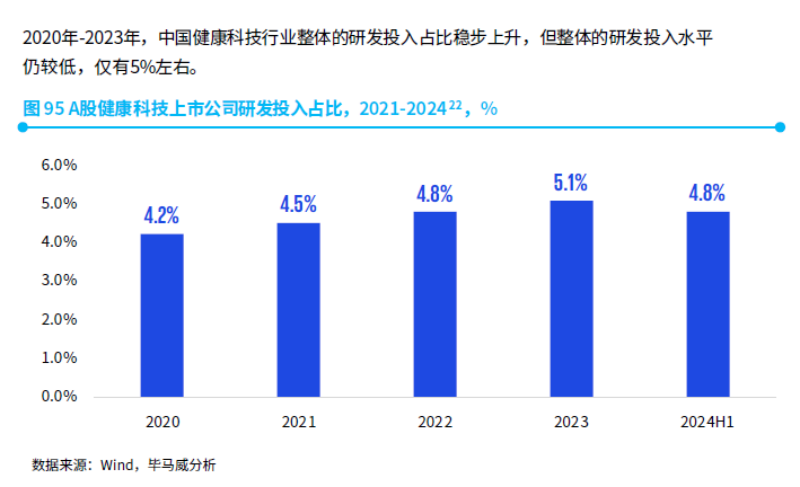
Group 1: Market Performance - The Hong Kong pharmaceutical sector has seen a dramatic increase, with over 10 innovative drug companies achieving a maximum rise of over 200% in 2023, including a notable 30% single-day surge for Sanofi due to a $1.25 billion upfront deal with Pfizer [1][2] - More than 30 healthcare companies have submitted applications for listing on the Hong Kong Stock Exchange, with two-thirds focusing on innovative drug development [1] Group 2: Investment Trends - In 2024, the Chinese health technology industry is expected to see a significant increase in License-out transactions, with total upfront payments exceeding $3 billion, surpassing the total financing amount for innovative drugs that year [3] - The first quarter of 2025 saw License-out transaction totals reach $36.9 billion, marking a 222% year-on-year increase, with major buyers including Pfizer and Roche [3] Group 3: Strategic Shifts - Health technology companies are advised to enhance their overseas strategies by establishing R&D institutions abroad and adopting various models such as License-out and NewCo to mitigate risks and improve funding [4][5] - The License-out model allows companies to transfer commercialization risks to partners while quickly recouping funds, making it a popular choice among innovative drug companies [5] Group 4: R&D Investment - A-share pharmaceutical companies have a low R&D investment ratio, with only 5.1% in 2023, indicating a need for increased investment in innovation [6] - Recent regulatory changes, including the reintroduction of listing standards for unprofitable biotech firms, aim to support high-quality technology enterprises and enhance the capital market's appeal [7][10] Group 5: Future Opportunities - The health technology sector is predicted to experience significant growth in AI pharmaceuticals, precision medicine, and surgical robotics over the next 3-5 years, with AI healthcare leading in financing events [12][15] - The AI healthcare market is projected to grow at an annual rate of 43% from 2024 to 2032, potentially reaching a market size of $491 billion by 2032 [15]
金十图示:2025年07月22日(周二)美股热门股票行情一览(美股盘中)
news flash· 2025-07-22 16:41
Market Capitalization Summary - Oracle has a market capitalization of 805.79 billion, while Visa stands at 668.11 billion [2] - Mastercard's market cap is 505.78 billion, and ExxonMobil is at 466.30 billion [2] - Johnson & Johnson has a market cap of 400.63 billion, and Bank of America is at 368.30 billion [2] - T-Mobile US Inc has a market cap of 270.69 billion, while Cisco is at 263.49 billion [2] - IBM's market cap is 261.57 billion, and Morgan Stanley is at 248.41 billion [2] Stock Performance - Oracle's stock increased by 2.08 (+0.71%), while Visa's rose by 0.35 (+0.37%) [2] - Mastercard's stock decreased by 5.68 (-2.33%), and ExxonMobil's fell by 0.18 (-0.11%) [3] - Johnson & Johnson's stock saw a slight increase of 0.15 (+0.14%) [2] - T-Mobile US Inc's stock increased by 0.01 (+0.02%), while Cisco's rose by 1.16 (+0.50%) [2] - IBM's stock decreased by 3.08 (-1.08%) [2] Additional Company Insights - McDonald's has a market cap of 211.85 billion, with a stock increase of 1.53 (+0.51%) [3] - American Express stands at 211.90 billion, with a stock increase of 0.54 (+0.18%) [3] - Caterpillar's market cap is 1968.72 billion, with a stock increase of 0.24 (+0.26%) [3] - BlackRock has a market cap of 1734.31 billion, with a stock increase of 1.56 (+1.68%) [3] - Pfizer's market cap is 1574.67 billion, with a stock increase of 3.53 (+0.96%) [3]

全球前十大药企研发青睐上海,大手笔扫货→
第一财经· 2025-07-22 03:07
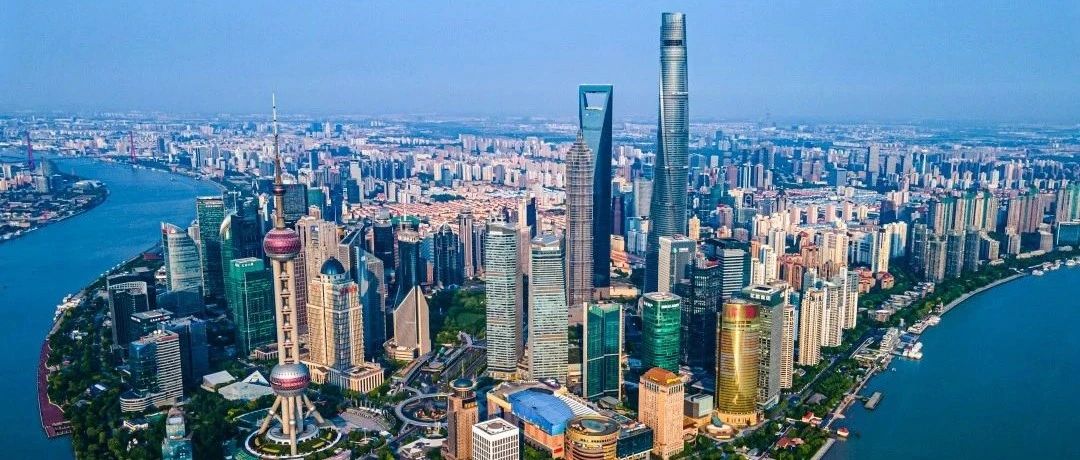
Core Viewpoint - The article highlights the significant transformation in the perception of China's biotech innovation capabilities by multinational pharmaceutical companies, particularly Roche, which has increased its investment and collaboration in the Chinese market [1][2]. Group 1: Investment and R&D Expansion - Roche has established a strong presence in China through its innovation center and accelerator, investing nearly 300 million RMB and facilitating numerous early-stage research collaborations [5][12]. - Shanghai has become a hub for multinational pharmaceutical companies, with six of the top ten global firms setting up R&D centers or incubators in the city, reflecting a shift towards open innovation and collaboration with local firms [3][6]. Group 2: Strategic Collaborations and Acquisitions - Recent high-profile licensing deals, such as the one between Shanghai-based Innovent Biologics and Pfizer, highlight the growing trend of multinational companies acquiring innovative drug pipelines from local firms, with upfront payments reaching record amounts [12][13]. - The article notes that the number of licensing transactions in China has surged, with the country accounting for 42% of global licensing deals with upfront payments exceeding $50 million in early 2025 [14][15]. Group 3: Innovation Ecosystem in Shanghai - Shanghai's biopharmaceutical industry has evolved significantly, with industrial output exceeding 200 billion RMB, supported by a robust ecosystem of research institutions, hospitals, and government policies promoting innovation [17][18]. - The city has established a comprehensive innovation ecosystem, enhancing the entire industry chain from R&D to clinical applications, which has attracted significant foreign investment and collaboration [19][20].

金十图示:2025年07月21日(周一)美股热门股票行情一览(美股收盘)
news flash· 2025-07-21 20:06
Market Capitalization Summary - The market capitalization of major companies shows significant variations, with Oracle at 7220.99 billion and Visa at 6843.16 billion [2] - Other notable companies include Johnson & Johnson at 5037.67 billion and ExxonMobil at 4657.86 billion, reflecting a diverse range of market values [2] - The overall market performance indicates slight fluctuations, with some companies like Mastercard showing a positive change of +2.00% [2] Stock Performance - Oracle's stock increased by +0.70%, while Visa's decreased by -1.27% [2] - Johnson & Johnson and ExxonMobil experienced minor increases of +0.38% and +0.29% respectively [2] - Companies like T-Mobile US and Cisco saw positive stock performance, with increases of +2.40% and +0.47% [2] Sector Insights - The technology sector remains strong, with companies like ASML and IBM showing stable market values and slight stock increases [2] - Financial institutions such as Wells Fargo and Morgan Stanley are also performing steadily, with minor fluctuations in their stock prices [2] - Consumer goods companies like Procter & Gamble and Coca-Cola are maintaining their market positions, reflecting resilience in the consumer sector [2] Additional Company Highlights - Companies like Starbucks and Intel are experiencing slight declines in their stock prices, indicating potential challenges in their respective markets [4] - The performance of companies like PayPal and Nike shows a mix of stability and minor growth, suggesting a competitive landscape [4] - Emerging companies such as Pinterest and Lyft are also noted for their market values, reflecting ongoing interest in tech and service sectors [5]

金十图示:2025年07月21日(周一)美股热门股票行情一览(美股盘中)
news flash· 2025-07-21 16:41
金十图示:2025年07月21日(周一)美股热门股票行情一览(美股盘中) 8072.71亿市值 677.67亿市值 7241.41亿市值 96.21 293.58 764.08 +2.31(+0.79%) +1.16(+1.22%) -7.63(-0.99%) 甲骨文 奈长 VISA 维萨 6870.97亿市值 6512.95亿市值 5205.33亿市值 352.98 1225.00 244.62 -0.83(-0.34%) +3.92(+1.12%) +15.76(+1.30%) 埃克森美孚 强生 万事达 5049.20亿市值 4675.31亿市值 3955.10亿市值 108.48 556.05 164.38 +3.39(+0.61%) +0.71(+0.66%) +0.68(+0.42%) 美国银行 宝浩 s 家得宝 P&G 3563.89亿市值 3645.76亿市值 3626.02亿市值 155.50 47.92 364.45 +0.40(+0.26%) +5.05(+1.41%) +0.60(+1.27%) 通用电气(US) (ageta) 可口可乐 ASML 阿斯麦 2804.23亿市值 3027 ...

美国的九大关税
Hu Xiu· 2025-07-19 02:31
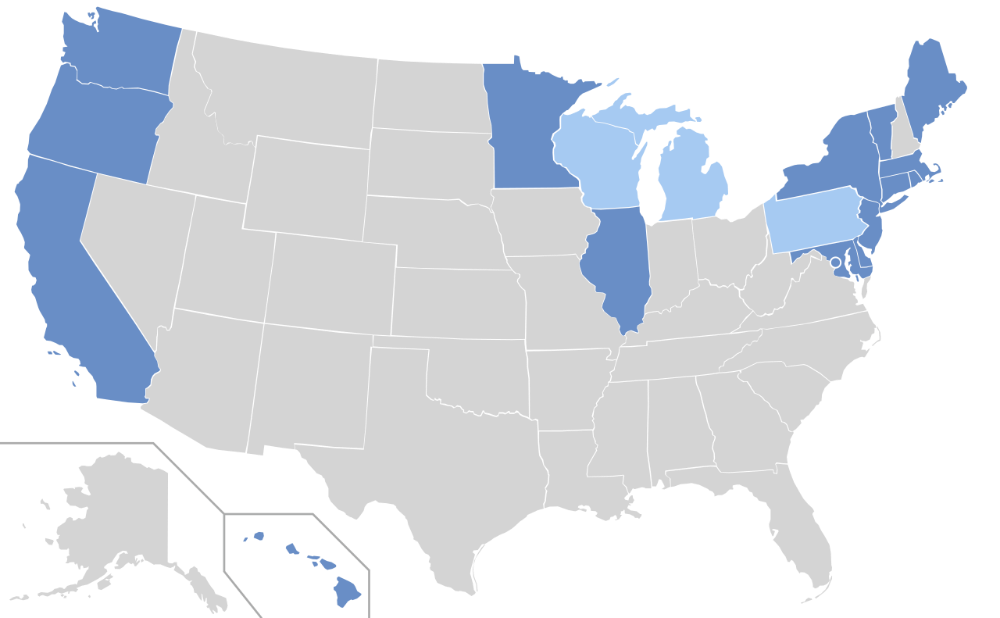
Core Viewpoint - The article discusses the impact of Trump's tariffs, particularly the nine industry-specific tariffs based on national security concerns, which are more stringent than reciprocal tariffs based on trade deficits [1][3]. Group 1: Steel and Aluminum - Trump announced a 25% tariff on steel and a 10% tariff on aluminum in 2018, which were later reinstated and increased to 50% in 2025 [4][6][7]. - The tariffs primarily target Canada, which accounts for over 20% of U.S. steel imports and nearly half of aluminum imports, followed by the EU and Japan [9]. - The tariffs have significant political implications, especially in key swing states like Wisconsin, Michigan, and Pennsylvania, which are crucial for elections [13][14][15]. Group 2: Copper - A 50% tariff on copper was announced, affecting various copper products, with the U.S. relying on imports for about half of its copper needs [16][17]. - Chile is a major copper supplier, contributing to a quarter of global supply, while China and other Asian countries hold significant copper reserves [18][19]. Group 3: Automotive and Parts - A 25% tariff on imported cars and parts was implemented, impacting a market where the U.S. imports over $300 billion worth of vehicles annually [22][23]. - The primary countries affected include Mexico, Japan, South Korea, Germany, Canada, and the UK, with Mexico being the most impacted [24][25]. - The tariffs are expected to influence U.S. automakers significantly, as they rely heavily on imported parts, with nearly 60% of parts being imported [25][32]. Group 4: Commercial Aircraft and Jet Engines - The U.S. imports more commercial aircraft and jet engines than it exports, with a trade deficit of $33 billion in 2024 [40]. - Nearly 50% of these imports come from the EU, with significant contributions from Canada and the UK [41]. Group 5: Wood Products - The U.S. is investigating tariffs on imported wood products, citing national security concerns due to military construction needs [43][45]. Group 6: Pharmaceuticals - The U.S. imports about 80% of its generic drugs and half of its brand-name drugs, with significant imports from Ireland and China [46][48]. - The U.S. has raised concerns about trade imbalances with Ireland, where many pharmaceutical companies have established operations [48]. Group 7: Semiconductors - The semiconductor industry is under scrutiny for potential tariffs, as the U.S. imports $200 billion more in semiconductors than it exports [51]. - Major suppliers include mainland China, Taiwan, and Mexico, with a significant reliance on foreign production [52]. Group 8: Critical Minerals - The U.S. is heavily reliant on imports for critical minerals, with 12 out of 50 minerals fully imported and 28 more than half imported [53][54]. - South Africa and Canada are the largest suppliers, while China dominates the rare earth imports [55]. Group 9: Manufacturing Employment - The article notes a decline in U.S. manufacturing jobs from 17 million to 13 million over the past 30 years, with tariffs aimed at bringing jobs back to the U.S. [58]. - The transition of supply chains is complex and varies by industry, with manufacturing sectors like automotive facing longer timelines for relocation [59][60].
金十图示:2025年07月18日(周五)美股热门股票行情一览(美股收盘)
news flash· 2025-07-18 20:07
Market Overview - The market capitalization of major US stocks shows varied performance, with Oracle at 731.57 billion, Netflix at 800.62 billion, and Visa at 758.54 billion [3] - Notable declines include Exxon Mobil down by 3.41 (-0.61%) and Johnson & Johnson down by 3.90 (-3.49%) [3] - Companies like Mastercard and P&G showed slight increases, with Mastercard up by 0.69 (+0.42%) [3] Stock Performance - Oracle's stock price decreased by 0.04 (-0.04%), while Netflix increased by 10.41 (+1.37%) [3] - Visa's stock price rose by 1.26 (+0.44%), contrasting with declines in other major companies [3] - General Electric and Coca-Cola experienced declines of 0.75 (-1.06%) and 10.57 (-1.42%) respectively [3] Sector Highlights - The technology sector remains strong, with companies like Cisco and IBM showing minor fluctuations in stock prices [4] - Financial institutions like Morgan Stanley and Wells Fargo had mixed results, with Morgan Stanley up by 2.51 (+0.97%) [4] - Consumer goods companies like Procter & Gamble and Coca-Cola faced slight declines, indicating potential sector challenges [4] Notable Companies - Uber's market capitalization is reported at 106.59 billion, reflecting its position in the market [6] - Starbucks and Intel also show significant market values of 106.59 billion and 100.76 billion respectively [6] - Companies like PayPal and Barclays are also highlighted, with PayPal at 70.38 billion and Barclays at 69.72 billion [6] Summary of Market Movements - The overall market shows a mix of gains and losses, with some companies like Netflix and Mastercard performing well, while others like Exxon Mobil and Johnson & Johnson face declines [3][4] - The technology and financial sectors are particularly noteworthy for their performance amidst broader market fluctuations [4][6]
