1X

Search documents
机器人产业跟踪:产业共识正在收敛,量产时刻正在临近,投资机会即将出现
Orient Securities· 2025-11-16 13:16
Investment Rating - The industry investment rating is maintained as "Positive" [5] Core Insights - The consensus in the industry is converging, and the moment for mass production is approaching, indicating that investment opportunities are about to emerge [2][8] - Recent market confidence in the mass production of robots has declined slightly, leading to a minor pullback in the robotics sector. However, the report anticipates clearer mass production scenarios in the first half of 2026, with the V3 prototype expected to be a significant signal [3][8] - Key companies are showing signs of consensus in terms of product definition, commercialization, and models, which is crucial for the industry's advancement [8] Summary by Sections Investment Recommendations and Targets - The report suggests focusing on supply chain mass production suppliers as the market is expected to pay close attention to them. Recommended stocks include: - Top Group (601689, Buy) - Sanhua Intelligent Control (002050, Buy) - Wuzhou New Spring (603667, Buy) - Hengli Hydraulic (601100, Not Rated) - Zhenyu Technology (300953, Buy) - UBTECH (09880, Not Rated) [3] Market Dynamics - The humanoid robot sector has recently experienced a pullback due to market concerns about the challenges of implementation. Factors influencing this include the recent showcase of the new generation IRON robot by Xiaopeng, which is set for mass production by the end of 2026, primarily in commercial scenarios rather than industrial or service applications [8] - The report highlights that the industry is likely to undergo a process of forming consensus before mass production begins, as various aspects such as usage scenarios, model selection, and training methods are still not fully aligned [8] Industry Developments - Several leading companies are achieving consensus in defining their products and commercializing them. For instance, Yushu Technology has launched its first wheeled humanoid robot G1-D and a comprehensive data collection and training solution [8] - UBTECH has received significant orders for its humanoid robots, with total orders for the Walker series exceeding 800 million yuan [8]


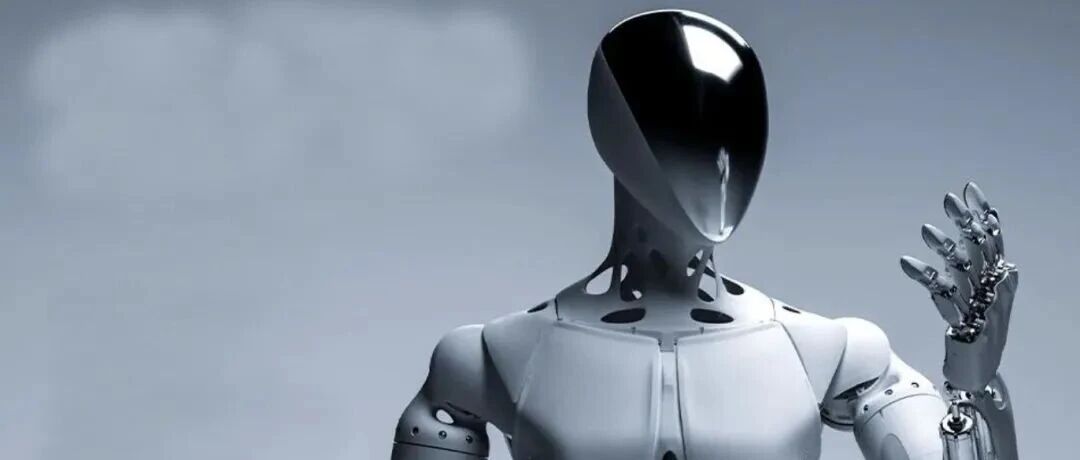
全网都吵疯了!小鹏的人形机器人,是不是真人
创业邦· 2025-11-06 10:13
Core Viewpoint - Xpeng Motors has officially transitioned from an automotive company to an AI company, showcasing its humanoid robot IRON at the AI Day 2025 event, which has sparked significant discussion globally [4][7]. Group 1: Robot Development - Xpeng has been developing humanoid robots for seven years, evolving from quadrupedal forms to a fully humanoid design with a new skeletal structure, bionic muscle system, and flexible skin, significantly reducing mechanical appearance [7][9]. - The new IRON stands at approximately 1.78 meters tall and weighs 70 kg, featuring 65 degrees of freedom, which allows for human-like spinal movements, surpassing competitors like NEO by 10 degrees [9][11]. Group 2: Functional Capabilities - IRON's hands utilize miniature harmonic joints with 22 degrees of freedom, enabling it to perform complex daily tasks such as folding clothes and cleaning surfaces [11][13]. - The robot's advanced movement capabilities are supported by a sophisticated control system, although specific details about its operation remain undisclosed [13][18]. Group 3: AI Integration - The core of IRON is powered by Xpeng's self-developed AI brain, driven by three Turing AI chips, achieving a total computing power of 2,250 TOPS, integrating visual perception, language understanding, and action decision-making [18][21]. - The head of IRON features a 3D curved display that serves as both a face and an interactive interface, facilitating more natural human-robot communication [18]. Group 4: Market Strategy and Future Plans - Xpeng plans to mass-produce IRON by 2026, initially deploying it in commercial settings such as showrooms and as sales assistants, rather than for large-scale manufacturing due to current inefficiencies [23]. - The company aims to open the IRON SDK for third-party developers to create additional applications, with initial partnerships including major enterprises like Baosteel [23].


全网都吵疯了,小鹏的人形机器人,是不是真人
3 6 Ke· 2025-11-06 05:12
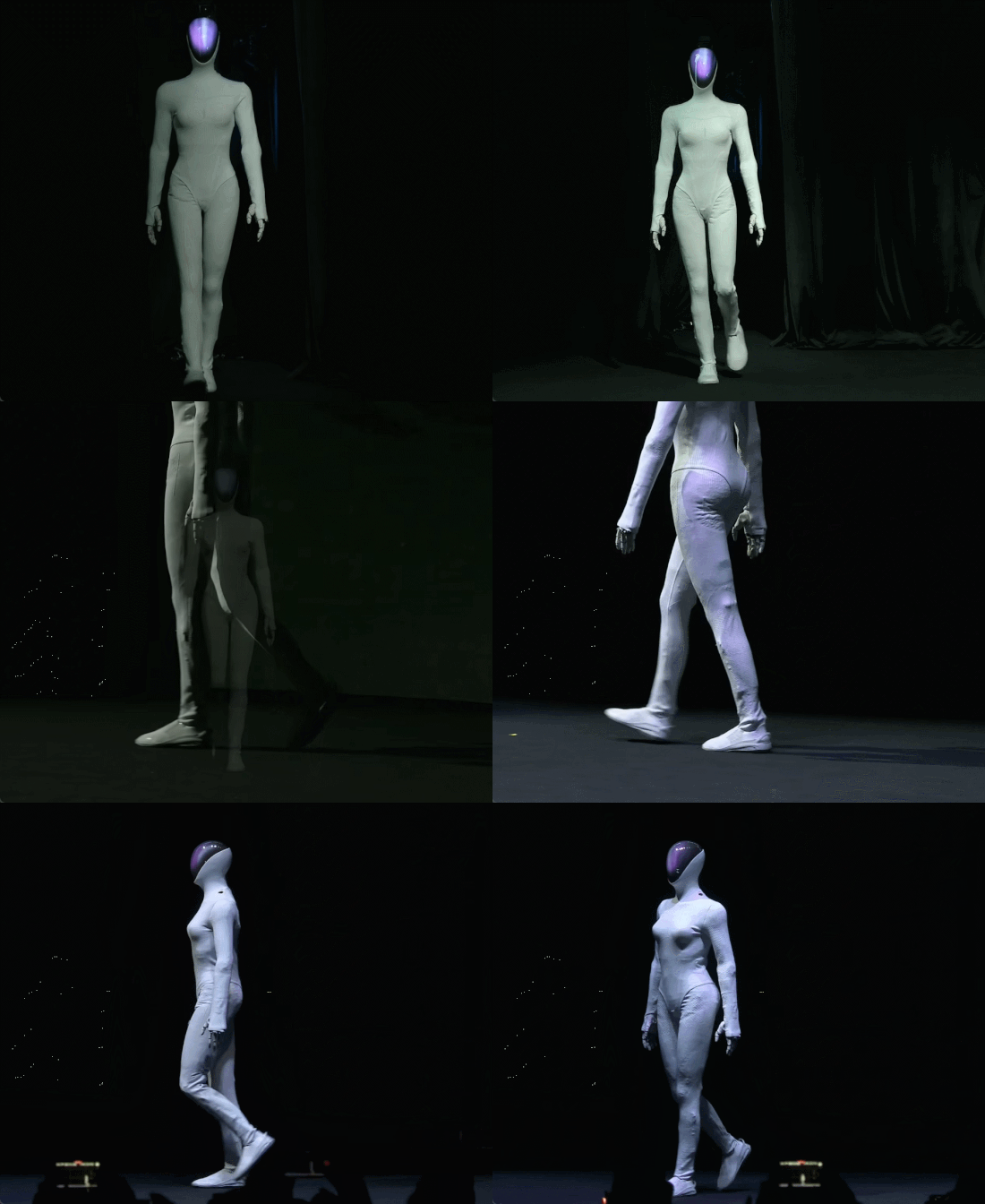
Core Insights - Xpeng Motors has officially transitioned from an automotive company to an AI company, showcasing its humanoid robot IRON at AI Day 2025 in Guangzhou [7] - The humanoid robot IRON represents seven years of development, featuring a human-like skeletal structure and bionic muscle system, significantly reducing mechanical appearance [7] - The robot stands approximately 1.78 meters tall and weighs 70 kg, with advanced capabilities for performing complex daily tasks [10] Group 1 - The new IRON robot has 22 degrees of freedom in its hands, allowing it to perform intricate tasks such as folding clothes and cleaning surfaces [10] - It possesses a total of 65 degrees of freedom, enabling human-like spinal movements, surpassing competitors like NEO by 10 degrees [10] - The robot's movement capabilities are supported by advanced control systems, although specific details about its operational "brain" remain undisclosed [13] Group 2 - IRON's design allows for customizable male or female features, utilizing flexible 3D mesh structures and soft skin materials for a more human-like appearance [16] - The robot is powered by three Turing AI chips, achieving a total computing power of 2,250 TOPS, integrating multiple cognitive models for enhanced interaction [19] - The head features a 3D curved display that serves as both a face and an interactive interface, facilitating more natural human-robot communication [19] Group 3 - Xpeng plans to begin mass production of IRON in 2026, primarily for use in its own commercial settings, such as showrooms and customer service roles [25] - Previous attempts to utilize IRON in manufacturing revealed inefficiencies compared to human workers, leading to a cautious approach towards large-scale production [25] - The company anticipates that humanoid robots will eventually find applications in factories and homes, with timelines of 3-5 years for industrial use and 5-10 years for household integration [25]

特斯拉憋大招?家庭人形机器人还有多久?
新财富· 2025-11-04 08:03
Core Viewpoint - The article discusses the delays in the production and release of Tesla's Optimus Gen3 humanoid robot, highlighting the challenges faced by the company in the competitive landscape of humanoid robotics, particularly in relation to its competitors like Figure AI and 1X [3][6][27]. Group 1: Tesla's Optimus Gen3 - The release of Optimus Gen3 has been postponed to Q1 2026, with mass production now expected to start in late 2026, contrary to earlier plans for 2025 [3][6]. - Tesla's ambitious production targets included 5,000 units in 2025 and 50,000 units in 2026, but these are now deemed unattainable due to design optimization needs and supply chain issues [3][6]. - The main technical challenge cited is the insufficient lifespan of the dexterous hand, which is critical for the robot's functionality [4][5]. Group 2: Competitors' Developments - Figure AI launched its third-generation humanoid robot, Figure 03, which is designed for household tasks and features significant improvements in safety and functionality [9][10]. - Figure 03's AI model, Helix, has shown promising results in household tasks, with the company planning to start alpha testing for home use earlier than expected [14][16]. - 1X introduced its humanoid robot, Neo, which operates under remote control and is positioned as a consumer product, with a focus on safety and privacy [21][22]. Group 3: Market Dynamics and Future Outlook - The competition in the humanoid robot market is intensifying, with companies like Figure AI and 1X making strides in product development and market readiness [6][19][24]. - Tesla's current technological advantage is not as pronounced as it once was, and the company faces increasing pressure to innovate and catch up with competitors [7][27]. - The article suggests that the path to successful humanoid robots involves overcoming significant technical challenges and that the timeline for widespread adoption may extend beyond current expectations [27].

What 1X’s Neo Humanoid Robot Can and Won’t Do
CNET· 2025-11-04 01:40
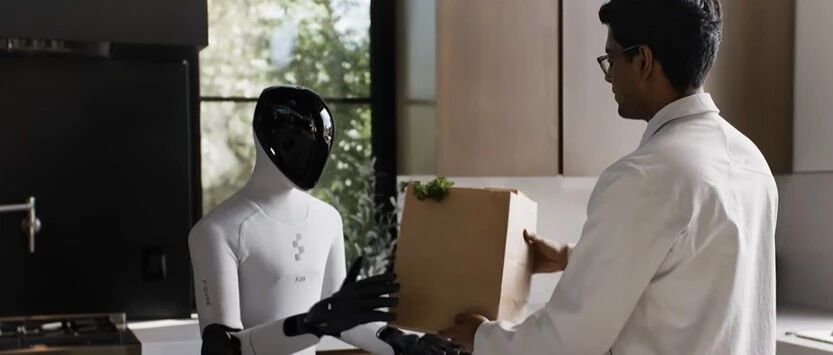
Robot Capabilities & Operation - 1X's Neo robot can autonomously open doors and put away dishes (though the latter wasn't fully demonstrated) [1] - For complex tasks, 1X uses "expert mode," where employees remotely operate the robot [1] - Teleoperation requires a learning curve [1] Privacy & User Control - Neo is teleyoperated only at user-specified times via an app [2] - Rings on Neo's head indicate when it's being teleyoperated [2] - The robot is designed to only listen when addressed [2] - Cameras blur people out to protect privacy [3] - Users can opt out of data sharing to improve Neo's performance [3] - Users can set "no go zones" within their homes [3]
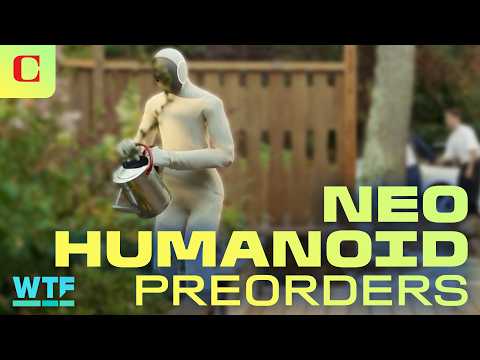
Neo Humanoid for the Home Begins Preorder (With Caveats)
CNET· 2025-11-02 13:00
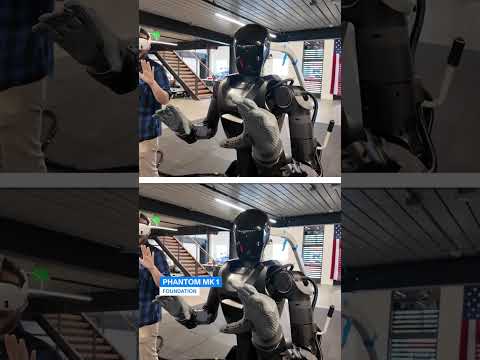
Robot Capabilities and Specifications - 1X's Neo humanoid robot is 5'6" tall and weighs 66 lb [1] - Neo can lift 154 lb and carry 55 lb [1] - The robot's hands are waterproof, but the rest of the robot is not [1] Development and Functionality - 1X aims to create a robot capable of autonomously performing household chores via voice command, but the technology is still in development [1] - Early adopters will contribute data to develop the robot's AI and improve its autonomy [1] - 1X offers "expert mode," where employees teleyoperate the robot to perform chores [1] Privacy and Safety - The robot will only be teleyoperated at user-selected times, indicated by light rings [1] - Cameras blur people out, and users can opt out of data sharing [1] - Users can set "no go zones" within their homes [1] Pricing and Availability - Reserving a pre-order costs $200 [1] - Outright purchase costs $20,000 with priority delivery starting in 2026 [1] - A $500 per month rental option will be available later [1]
经济日报:机器人保姆何时登门入户
Bei Jing Ri Bao Ke Hu Duan· 2025-11-01 23:22
Core Insights - The launch of the consumer humanoid robot NEO by tech company 1X marks a significant step towards making "robotic caregivers" a reality, with pre-sales starting and first deliveries planned for 2026 [1] Product Features - NEO is designed to be user-friendly, standing 1.68 meters tall and weighing 30 kilograms, featuring a soft knitted exterior to reduce the mechanical feel [1] - It operates quietly at 22 decibels, quieter than a refrigerator, and includes a large language model for voice commands and direct conversation [1] - NEO has memory capabilities to learn and adapt to the owner's habits, enhancing its usability over time [1] - The robot is equipped with a tendon-like drive system for smooth movements, designed for household tasks with safety in mind, and features 22 degrees of freedom for single-handed operations [1] - It has a four-hour battery life and waterproof hands, making it suitable for basic household chores like folding clothes, watering plants, and washing dishes [1] Business Model - NEO offers two acquisition options: a purchase price of $20,000 or a subscription model at $499 per month, significantly lowering the barrier to access high-end technology [1] Limitations - NEO struggles with complex tasks, taking one minute to retrieve a bottle of water and five minutes to place cups in a dishwasher, indicating limitations in its autonomous capabilities [2] - The "expert mode" allows 1X employees to remotely assist with tasks, which raises concerns about privacy and data security, as they can view the user's home environment [3] Competitive Landscape - Chinese companies have a unique advantage in the humanoid robot sector, showcasing impressive technological capabilities and strong manufacturing capabilities across the entire supply chain [3] - The industry faces challenges in achieving full autonomy for complex household tasks and reducing costs to the level of household appliances [3] Industry Implications - The release of NEO signals the potential for consumer-grade humanoid robots, highlighting both the feasibility of such products and the common industry challenges related to technology maturity and privacy concerns [4] - The design, safety features, and innovative business models of NEO provide valuable lessons for Chinese enterprises, although significant technological hurdles remain before robotic caregivers can be widely adopted [4]
机器人保姆何时登门入户
Jing Ji Ri Bao· 2025-11-01 22:03
Core Insights - The launch of the consumer humanoid robot NEO by tech company 1X marks a significant step towards making "robotic caregivers" a reality, with pre-sales starting and first deliveries planned for 2026 in the U.S. market [1] Product Features - NEO is designed with a height of 1.68 meters and a weight of 30 kilograms, featuring a soft knitted exterior to reduce the "mechanical" feel, and operates at a noise level of 22 decibels, quieter than a refrigerator [1] - It incorporates a large language model for voice commands and has memory capabilities to learn user habits, enhancing its interaction over time [1] - The robot is equipped with a tendon-like drive system for smooth movements, 22 degrees of freedom for single-handed operations, a 4-hour battery life, and waterproof hands, making it suitable for basic household tasks like folding clothes and washing dishes [1] Business Model - NEO offers two acquisition options: a purchase price of $20,000 or a subscription model at $499 per month, making it competitive in the market [1] Limitations - NEO struggles with complex tasks, taking 1 minute to retrieve a bottle of water and 5 minutes to load cups into a dishwasher, which raises concerns about its efficiency [2] - The "expert mode" allows 1X employees to remotely assist with tasks, indicating that NEO currently lacks true autonomous intelligence and relies on human intervention [3] Privacy Concerns - The remote operation capability raises privacy issues, as 1X employees can view the user's home environment during "expert mode," leading to concerns about data security despite claims of image blurring [3] Competitive Landscape - Chinese companies have a unique advantage in the humanoid robot sector, showcasing strong technological performance and robust manufacturing capabilities across the entire supply chain [3] - The industry faces challenges in achieving full coverage of complex household tasks and reducing costs to levels comparable to household appliances, with experts suggesting a timeline of 3 to 4 years for significant advancements [3] Industry Implications - The release of NEO signals the feasibility of consumer-grade humanoid robots while highlighting common industry issues related to technology maturity and privacy [4] - The human-centered design, safety features, and innovative business model of NEO provide valuable lessons for Chinese enterprises, although significant technical hurdles remain for widespread adoption [4]
AI News: 1x Neo Robot, Extropic TSU, Minimax M2, Cursor 2, and more!
Matthew Berman· 2025-10-30 20:16
Robotics & Automation - 1X's Neo robot is available for pre-order at $20,000 or $4.99% per month, with availability expected in early 2026 [1][2] - Neo weighs 66 pounds and can lift 150 pounds, featuring 22 degrees of hand movement and operating at 22 dB [2][3] - The promise of humanoid robots is to be autonomous and run 24 hours a day [4] Computing & AI - Extropic is developing a thermodynamic computing platform (TSU) that claims to be up to 10,000 times more efficient than traditional CPUs and GPUs [7][8] - Miniax's M2, an open-source model from China, achieved a new high intelligence score with only 10 billion active parameters out of a 200 billion total [10] - IBM released Granite 4.0% Nano, a family of small language models (LLMs) with 1.5 billion and 350 million parameters, designed for edge and on-device applications [19][20] - Cursor 2.0% introduces Composer, a faster model for low-latency agentic coding, and a multi-agent interface [26][27] Semiconductor Industry - Substrate, a US-based startup, is building a next-generation foundry using advanced X-ray lithography to enable features printed at the 2 nanometer node and below [30][31] Corporate Strategy & Employment - Nvidia took a billion-dollar stake in Nokia, leading to a 22% increase in Nokia's shares, and the companies are partnering to develop 6G technology [17] - Amazon is undergoing layoffs of 14,000 corporate employees, partly attributed to efficiency gains from AI, but also seen as a correction for overhiring [34][37] - Tesla could potentially leverage the compute power of its idle cars, estimated at 1 kilowatt per car, to create a giant distributed inference fleet [23][24]