TDK

Search documents
全球及中国一体成型电感行业头部企业市场占有率及排名调研报告
QYResearch· 2026-01-13 02:44
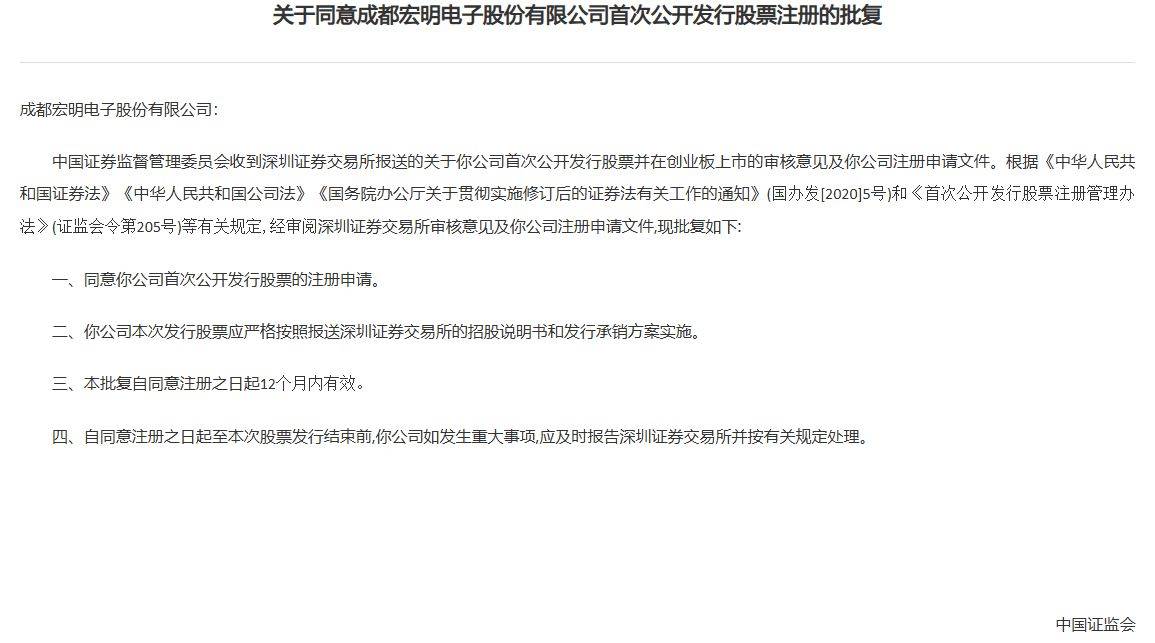
Core Viewpoint - The integrated molding inductor market is experiencing steady growth, driven by advancements in technology and increasing demand in various sectors such as 5G communication, electric vehicles, and consumer electronics [4][11]. Market Size and Forecast - The global integrated molding inductor market is projected to reach approximately $4.186 billion by 2024, with a compound annual growth rate (CAGR) of about 9.83% from 2020 to 2024. By 2031, the market size is expected to approach $8.538 billion, with a future six-year CAGR of 10.23% [4]. - In China, the market holds about 46.81% of the global share, with a projected market size of approximately $1.960 billion by 2024 and a CAGR of 11.63% from 2020 to 2024. By 2031, it is expected to grow to $4.505 billion, with a CAGR of 11.97% from 2025 to 2031 [8]. Industry Concentration Analysis - The integrated molding inductor industry is dominated by leading passive component manufacturers such as QianKun Technology, TDK, Walsin, and Yageo. These companies maintain a strong position due to large-scale production and comprehensive product lines, particularly in the automotive and communication markets. Some manufacturers from mainland China and Taiwan are also entering the market, focusing on mid-range and cost-effective products [9]. Driving Factors and Opportunities - The demand for integrated molding inductors is expanding due to the rapid development of 5G communication, electric vehicles, consumer electronics, the Internet of Things, and industrial automation. Compared to traditional inductors, integrated molding inductors offer advantages such as compact size, high power density, reliability, and excellent EMI performance, making them suitable for high-frequency and high-current applications [11]. - Key applications include smartphones, wearable devices, servers, high-performance computing chips, and DC-DC converters in electric vehicles. The adoption of new power semiconductors like SiC and GaN will further accelerate the penetration of integrated molding inductors [11]. Challenges and Obstacles - The industry faces challenges such as technical barriers and the need for significant R&D investment, as the production of integrated molding inductors involves complex processes and materials. Manufacturers must continuously innovate materials and improve processes to meet the increasing demand for high-frequency and high-efficiency products [12]. - Cost control and challenges in scaling production are significant, as the production equipment is expensive, and material costs are high. The overall price competition is intense, with customers demanding high performance at lower costs [12]. - The market is also sensitive to fluctuations in downstream application cycles and economic conditions, particularly in sectors like consumer electronics and electric vehicles, which can directly impact inductor demand [12]. Policy Analysis in China - The Chinese government has been actively supporting the electronic components industry, encouraging industrialization and providing a favorable environment for high-tech developments. The electronic information industry is a strategic pillar of the economy, and policies under the 14th Five-Year Plan are expected to stimulate demand for inductors in automotive electronics and consumer electronics [14][15].

把握全球增长机遇-AI 在亚洲供应链的更广泛深度渗透_ Seizing the Global Growth Opportunity_ A broader and deeper AI presence in the Asian supply chain
2026-01-13 02:11
Summary of Key Points from the Conference Call Industry Overview - Focus on the Asia technology (hardware) sector, particularly the AI supply chain, as a priority investment area for 1H26 due to its significant influence on earnings growth amid concerns over smartphone/PC demand and auto production recovery [2][12] Core Themes and Stock Recommendations 1. **AI Supply Chain Investment**: - Emphasis on investing in the AI supply chain, which is expected to drive earnings growth despite potential slowdowns in other sectors [2][12] - Anticipation of clearer benefits from AI for earnings in 2026, with no signs of slowdown heading into 2027 [12] 2. **Under-the-Radar AI Themes**: - Five notable themes identified: 1. **Power Consumption**: Opportunities in power supply, power rack products, capacitors, and power semiconductors. Companies to watch include Delta Electronics, Panasonic HD, Murata Mfg., Taiyo Yuden, and Renesas Electronics [6][25] 2. **Data Transmission**: Advancements in large-scale data transmission technologies, with companies like Fujikura and Mitsubishi Electric highlighted [6][25] 3. **Niche Components**: Price stabilization and increases in demand for components like MLCCs and substrates, with key players including Murata Mfg. and SEMCO [6][25] 4. **Physical AI Integration**: Companies like Hitachi and Mitsubishi Electric are leading in embedding AI into industrial applications [6][27] 5. **Software/Services Disruption**: Generative AI's potential to improve productivity in Japan's software industry, with Fujitsu and NEC as key players [6][27] 3. **High-Profile Sub-Sectors**: - Continued growth in foundry, memory, semiconductor production equipment, AI servers, and edge AI, with recommended stocks including TSMC, Samsung Electronics, and Hon Hai [30][31] Market Dynamics and Risks - **Top-Down Risks**: - Concerns regarding valuations, implementation risks, over-investment, monetization challenges, and funding sources, particularly with emerging players in the market [13] - **Bottom-Up Perspective**: - Fundamentals differ from the IT bubble of 2000, with a larger scale and longer timeline for AI infrastructure development, and sound supply chain management in Asian hardware [14][16] Technological Advancements - **Power Consumption Trends**: - Significant rise in power consumption for AI servers, with expectations for voltage increases to 800V and beyond, creating business opportunities for power-related products [33][38] - **Data Transmission Innovations**: - Transition to higher communication speeds (800-1.6Tbps) and co-packaged optics (CPO) expected to enhance industry value [58][59] Conclusion - The Asia technology sector, particularly the AI supply chain, presents substantial investment opportunities driven by technological advancements and evolving market dynamics. Key players and themes are positioned to benefit from these trends, while investors should remain cautious of potential risks associated with rapid market changes.
顺络电子:公司将继续专注电子元器件核心技术解决方案
Zheng Quan Ri Bao Zhi Sheng· 2026-01-09 13:37
证券日报网讯 1月9日,顺络电子在互动平台回答投资者提问时表示,公司自上市以来持续成长,截至 目前,公司是少数能够在高端电子元件领域与国际企业展开全面竞争的中国企业之一;与元件巨头日本 村田、TDK、太阳诱电同为互相尊重的竞争对手。未来,公司将继续专注电子元器件核心技术解决方 案,继续向成为全球电子元件领域具有技术领先和核心竞争优势的国际化企业迈进。 (编辑 丛可心) ...

日本企业担忧中国禁运稀土
日经中文网· 2026-01-08 02:59
Core Viewpoint - China's decision to strengthen export controls on dual-use items to Japan may include rare earth products, potentially impacting various Japanese industries such as automotive, electronic components, and machine tools [2][4]. Group 1: Export Controls and Implications - The Chinese government announced a ban on all dual-use items to military users in Japan, which may include rare earth elements, although it is currently unclear if rare earths are specifically included [4][7]. - Rare earths are considered essential in high-tech products, from electric vehicles (EVs) to weaponry, and their restriction could severely affect Japanese manufacturers [4][7]. - Japanese officials have expressed concerns over the potential impact on industries, particularly in the context of EVs and hybrid vehicles that rely on neodymium magnets, with key rare earth elements like dysprosium and terbium sourced primarily from China [7]. Group 2: Industry Responses and Adaptations - Japanese companies are actively seeking to diversify their supply chains and have been collaborating with countries like Australia in mining development to mitigate risks associated with rare earth supply disruptions [7][8]. - The Japanese Ministry of Economy, Trade and Industry is supporting private sector mining and smelting projects, expanding its focus beyond just copper to include critical minerals, with budget allocations for 2025 aimed at enhancing mineral resource reserves [8].

行业洞察:全球电池电芯温度传感器市场生产商排名及市场占有率
QYResearch· 2026-01-07 08:58
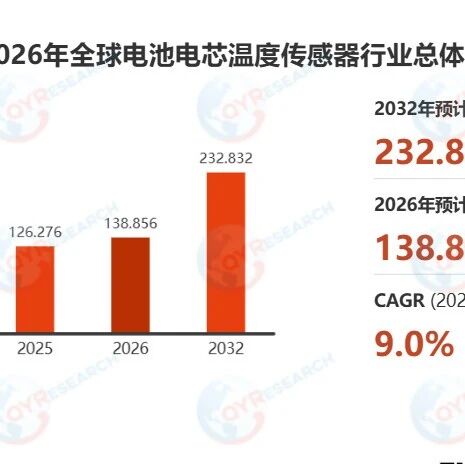
Core Viewpoint - The battery cell temperature sensor market is projected to reach $3.424 billion by 2032, with a compound annual growth rate (CAGR) of 8.99% in the coming years [1][5]. Industry Overview - Battery cell temperature sensors are critical components in battery management systems, used for real-time monitoring of individual cell temperatures to prevent thermal runaway, optimize charge and discharge efficiency, and extend battery lifespan [1]. - The supply chain includes upstream components like semiconductor materials and packaging materials, midstream manufacturing and calibration, and downstream applications in electric vehicles, consumer electronics, and energy storage systems [1]. Market Dynamics Key Drivers - Stricter safety regulations for power batteries are driving the need for real-time, high-precision monitoring of cell temperatures, as mandated by various international standards [5]. - The proliferation of high-energy-density batteries, such as nickel-rich and silicon-carbon anodes, increases the demand for high-end sensors due to their heightened thermal sensitivity [6]. - The evolution of battery management systems towards a "cloud + edge" architecture necessitates advanced temperature data inputs for AI thermal runaway warning models, pushing sensors from single-point to multi-point distributed monitoring [6]. Major Obstacles - Cost pressures and intense price competition are compressing the unit price of temperature sensors, making it difficult for small and medium enterprises to invest in high-precision technology development [7]. - Long-term reliability testing requirements, such as AEC-Q200 certification, pose challenges for domestic manufacturers in terms of material stability and packaging processes [7]. - Low standardization across different battery structures and installation methods complicates the design and integration of temperature sensors [7]. Industry Opportunities - The emergence of solid-state batteries, which operate over a wider temperature range, is creating demand for new temperature sensing technologies, such as film-type and wireless sensors [8]. - The trend towards domestic supply chain localization by leading battery manufacturers is opening opportunities for local sensor companies with automotive-grade certification [8]. - The integration of multiple sensing parameters (temperature, voltage, pressure) into single sensors is becoming a trend, enhancing space utilization and system efficiency [8].
电子元器件:关注终端产品需求变化 ——2026 年实际需求与电子元器件出货量的缺口-Electronic Components Watching End-Product Demand ChangeGap Between Actual Demand and Electronic Component Shipments in 2026
2026-01-07 03:05
Summary of the Investor Presentation on Electronic Components Industry Overview - The electronic components industry is currently rated as **In-Line** by Morgan Stanley, indicating a balanced view on potential growth and risks in the sector [1][4][9]. Key Drivers - The demand for high-performance electronic components is being driven by the expanding range of devices leveraging **AI computing** [1]. - There is an expectation that **valuations** and the sustainability of **Earnings Per Share (EPS)** growth will come under scrutiny, which may impact investor sentiment [1]. Company Ratings and Target Prices - **TDK (6762)**: Rated **Overweight** with a current price of **¥2,250** and a target price of **¥3,100**, indicating a potential upside of **38%** [8]. - **Murata Manufacturing (6981)**: Rated **Overweight** with a current price of **¥3,330** and a target price of **¥3,850**, suggesting a **16%** upside [8]. - **Niterra (5334)**: Rated **Overweight** with a current price of **¥6,967** and a target price of **¥6,300**, indicating a downside of **10%** [8]. - **Meiko Electronics (6787)**: Rated **Overweight** with a current price of **¥10,720** and a target price of **¥11,700**, suggesting a **9%** upside [8]. - **Hirose Electric (6806)**: Rated **Overweight** with a current price of **¥17,645** and a target price of **¥22,800**, indicating a potential upside of **29%** [8]. - **Ibiden (4062)**: Rated **Equal-Weight** with a current price of **¥7,158** and a target price of **¥6,500**, suggesting a downside of **9%** [8]. - **Taiyo Yuden (6976)**: Rated **Equal-Weight** with a current price of **¥3,673** and a target price of **¥3,100**, indicating a downside of **16%** [8]. - **Mabuchi Motor (6592)**: Rated **Equal-Weight** with a current price of **¥1,441** and a target price of **¥1,450**, suggesting a slight upside of **1%** [8]. - **Nichicon (6996)**: Rated **Equal-Weight** with a current price of **¥1,657** and a target price of **¥1,450**, indicating a downside of **12%** [8]. - **Hamamatsu Photonics (6965)**: Rated **Underweight** with a current price of **¥1,708** and a target price of **¥1,300**, indicating a downside of **24%** [8]. Earnings and Market Trends - The report highlights that **Capex by Hyperscalers** has increased significantly, which may influence the demand for electronic components [10]. - There is a focus on the **connector market** and the performance of various companies within this segment, including **Niterra** and **Meiko Electronics**, which are expected to show continued earnings growth [10]. Additional Insights - The report emphasizes the importance of monitoring the **gap between actual demand** and electronic component shipments in 2026, which could indicate potential supply chain issues or overcapacity [1][8]. - The **global market share trends** for specific components, such as **spark plugs** and **exhaust gas oxygen sensors**, are also discussed, indicating a competitive landscape [10]. Conclusion - The electronic components industry is poised for growth driven by AI and increased demand, but investors should remain cautious about valuations and potential scrutiny on EPS growth. The ratings and target prices for key companies reflect a mix of optimism and caution, highlighting the need for careful analysis in investment decisions [1][4][8][10].
TDK将在中国工厂量产硅基负极手机电池
日经中文网· 2026-01-07 02:46
TDK社长斋藤升 iPhone Air机身厚度仅5.6毫米,硅基负极电池已成为超薄手机不可或缺的配置。TDK在全球智能手机电 池市场上的份额排在首位,其研发与量产动向一直备受行业人士及投资者关注…… TDK将于2026年度上半年开始量产面向智能手机的新一代电池产品。这是负极采用硅的最新一代锂离 子电池,可以储存更多电。意在满足折叠屏手机需要的超薄大容量电池的需求。 该消息是TDK社长斋藤升在接受《日本经济新闻》采访时公布的。据悉,新电池将在中国工厂量产。 TDK在全球智能手机电池市场上的份额排在首位,其研发与量产动向一直备受行业人士及投资者关 注。 日经中文网 https://cn.nikkei.com 视频号推荐内容: 美国苹果公司2025年9月推出的iPhone Air机身厚度仅5.6毫米,是历代iPhone中最薄的。iPhone Air也采 用硅基负极电池,硅基负极电池已成为超薄手机不可或缺的配置。苹果将于2026年推出折叠屏手机,超 薄电池越来越重要。TDK并未明确表态iPhone Air采用的电池是否为自主生产。 TDK早在2023年就已启动量产第一代硅负极电池,并逐年提高能量密度。2026年度量产 ...


涨个不停!存储、ST、ADI等热门芯片料号鉴定
芯世相· 2026-01-05 07:07
Core Insights - The article discusses the rising demand and prices of various storage chips in December, highlighting specific models that have seen significant price increases and market interest [3][8][24]. Group 1: NOR Flash and eMMC - The NOR Flash model W25Q128JVSIQ has seen its market heat rise to new highs, with prices around 6 yuan, indicating strong demand and sales [3][6]. - The eMMC chip KLM8G1GETF-B041 has experienced a dramatic price increase from approximately 28 yuan in May to around 70-80 yuan in December, representing a rise of about 150%-186% [8][10]. Group 2: Gyroscope and MCU - The gyroscope ICM-42688-P has maintained high demand, with prices nearing 30 yuan, up from a typical price of 9 yuan [13][15]. - The STM32F407 and STM32F103 series MCUs have also seen increased interest, with prices for STM32F407VET6 stabilizing around 12 yuan and STM32F103RCT6 rising from 7 yuan to 8-9 yuan [17]. Group 3: Other Notable Chips - The GD25Q128ESIGR NOR Flash has reached a new high price of nearly 4 yuan, with reports of it being in high demand and difficult to procure [20][23]. - The DDR3 chip MT41K256M16TW-107:P has seen its price rise to over 20 yuan, up from 6-10 yuan earlier in the year [24]. - The ADL5385ACPZ has experienced a surge in market interest, with prices around 40-45 yuan, influenced by a price increase notice from the manufacturer [27].

Electronics production plugs into over Rs 41.5k crore investments
The Economic Times· 2026-01-03 00:30
Core Insights - The Indian government has approved investments totaling Rs 41,863 crore from 22 companies under the Electronic Component Manufacturing Scheme (ECMS), aimed at reducing import dependence and enhancing domestic sourcing in the electronics sector [9][10] - The approved projects are expected to generate production worth Rs 2.58 lakh crore and create 33,791 direct jobs, with a significant focus on manufacturing key electronic components [10] Investment and Job Creation - The ECMS scheme has approved a total of 46 investments amounting to Rs 54,567 crore, targeting production worth Rs 3.67 lakh crore and projected to create nearly 51,000 direct jobs [7][10] - Tamil Nadu is a major beneficiary, accounting for 23,451 jobs from just three projects, which represents 69% of the jobs created in the latest tranche [7][8] Focus on Domestic Manufacturing - Investments will focus on manufacturing critical electronic inputs such as multilayer printed circuit boards (PCBs), enclosures, capacitors, optical transceivers, camera module sub-assemblies, and copper clad laminates [9][10] - High-value products like lithium-ion cells and aluminium extrusion for mobile enclosures will be manufactured in India for the first time [2][10] Government Initiatives and Industry Collaboration - The electronics and IT minister, Ashwini Vaishnaw, emphasized the need for companies to establish common research and development facilities, with the government willing to support capital expenditures [3][10] - The minister called for a structured action plan to enhance design, domestic sourcing, and skilling capabilities within six weeks, warning that further approvals under ECMS would depend on this structured approach [4][10] Quality Standards and Supply Chain Management - The government has urged the industry to adopt "six-sigma" quality standards to minimize defects and ensure product consistency [6][10] - Companies are encouraged to organize more meetings with vendors to better understand demand and quickly integrate into global supply chains [5][6]
宏明电子创业板IPO获注册
Sou Hu Cai Jing· 2025-12-30 08:51
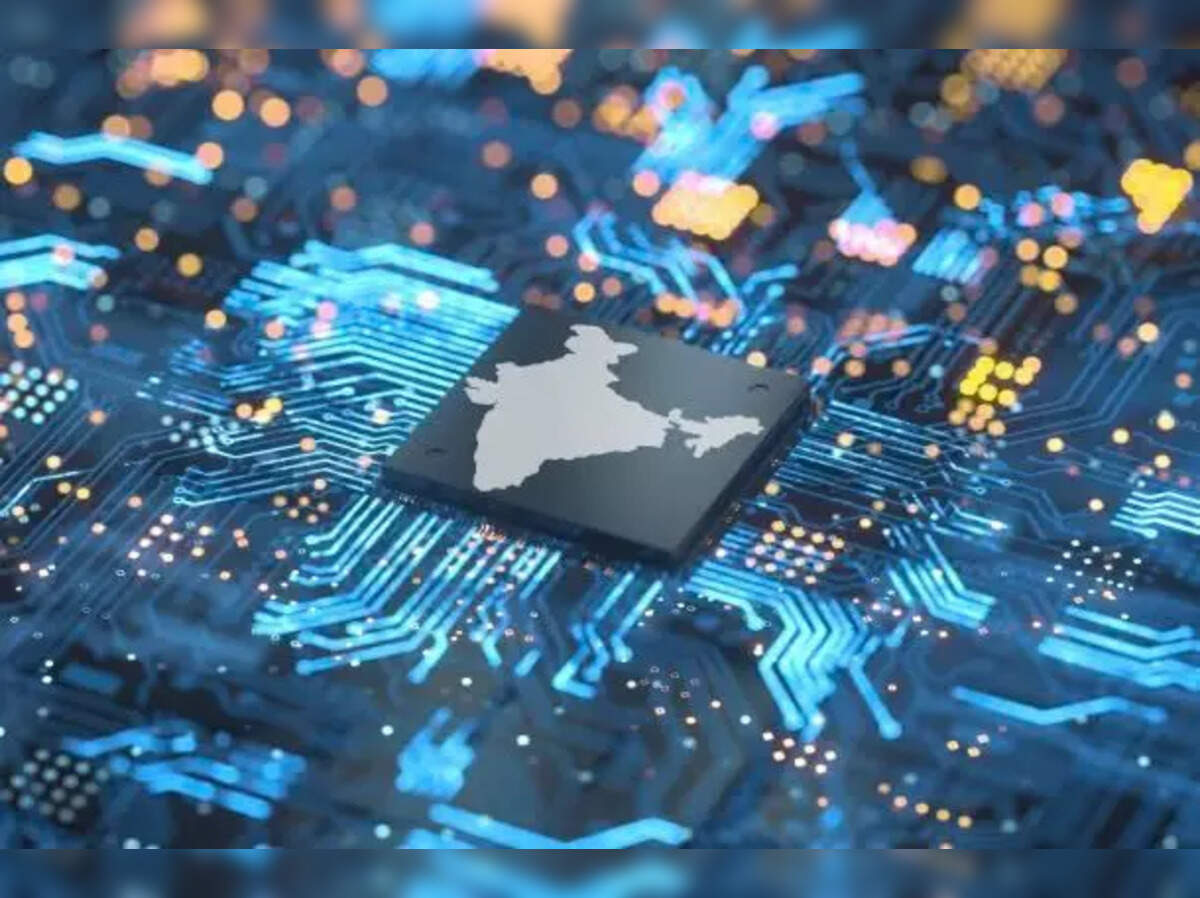
Core Viewpoint - The China Securities Regulatory Commission has approved the initial public offering registration of Chengdu Hongming Electronics Co., Ltd., indicating a significant step for the company in the capital market [1] Company Overview - Chengdu Hongming Electronics Co., Ltd. specializes in the research, production, and sales of new electronic components, primarily focusing on passive components such as capacitors and resistors, with applications in consumer electronics and automotive electronics [4] - The company has over 60 years of experience in electronic component manufacturing and possesses multiple proprietary core technologies, including multilayer ceramic capacitors (MLCC) and various types of capacitors and sensors [4][5] - Hongming Electronics is recognized for its full industry chain capabilities, from high-quality electronic materials to electronic components, and has achieved several domestic firsts in military-standard production lines [5] Market Position - The passive component industry in China holds approximately 44% of the global market share, with a high domestic market penetration in mid-to-low-end products, such as resistors with a domestic production rate of 85% [6] - However, the high-end market, particularly in automotive and aerospace sectors, remains dominated by Japanese manufacturers, with significant challenges in achieving competitive quality and technology [6][7] Industry Challenges - The industry faces high technical and certification barriers, particularly for high-end products that require rigorous reliability and lifespan standards [7] - Intense internal competition and profit pressures exist due to a concentration of domestic firms in the mid-to-low-end market, leading to a risk of structural oversupply [7] - Supply chain security and external uncertainties, such as fluctuations in raw material prices and international trade conditions, pose additional challenges [7] Future Directions - The industry is expected to focus on material innovation, technological upgrades, and supply chain restructuring, with an emphasis on self-sufficiency in materials and advancements in miniaturization and integration technologies [9] - The transition from "domestic substitution" to "domestic leadership" in the passive component sector is critical, requiring ongoing investment in foundational material research and high-end customer certification [9]