赛诺菲

Search documents
新版医保目录将于2026年1月1日在全国范围内正式实施
Zhong Guo Jing Ji Wang· 2025-12-10 14:31
Group 1 - The new National Medical Insurance Drug List includes 114 new drugs, increasing the total number of drugs to 3,253, with 1,857 Western medicines and 1,396 traditional Chinese medicines [1] - The inclusion of 50 innovative drugs marks a historical high, featuring several "global first" and "first domestic" products, enhancing access to breakthrough therapies for patients [1] - Notable multinational pharmaceutical companies like Novartis and Johnson & Johnson have successfully included multiple new products and indications in the updated insurance list, benefiting a large number of patients [1][2] Group 2 - Domestic pharmaceutical company Heng Rui has 11 anti-tumor products included in the new insurance list, showcasing significant innovations and new indications [2] - Innovative drugs filling gaps in basic medical insurance coverage include Sanofi's anti-CD38 monoclonal antibody and Hansoh Pharmaceutical's third-generation EGFR-targeted drug, both of which offer new treatment standards for critical diseases [3] - Since the establishment of the National Medical Insurance Bureau in 2018, a total of 949 new drugs have been added to the insurance list, significantly boosting the pharmaceutical market and enhancing the clinical medication level in China [4]

胰岛素生物仿制药市场调研报告-主要企业、市场规模、份额及发展趋势
Sou Hu Cai Jing· 2025-12-10 09:23
Market Overview - The global biosimilar insulin market is projected to reach $3.329 billion in 2024 and is expected to grow to $8.329 billion by 2031, with a compound annual growth rate (CAGR) of 14.2% from 2025 to 2031 [1] - The Chinese market has shown rapid changes in recent years, with its market size in 2024 being in millions of dollars and expected to increase significantly by 2031 [1] Drivers of Market Growth - The market is primarily driven by the increasing demand for affordable diabetes management solutions due to the rising prevalence of diabetes globally, especially in emerging markets [2] - Biosimilar insulins offer similar therapeutic effects to branded products but at lower prices, making them more accessible to patients and healthcare systems [2] - The expiration of patents for several major insulin products has opened the door for the introduction of biosimilars, further propelling market growth [2] Challenges in the Market - The biosimilar insulin market faces challenges related to regulatory approval processes and market acceptance [2] - Despite having similar components, biosimilars are not identical to their reference biologics, raising concerns about safety and efficacy, particularly for long-term use [2] - Regulatory agencies require rigorous testing and clinical trials to ensure biosimilar insulins meet necessary standards, which may delay market entry [2] - There is resistance from healthcare professionals and patients who may be hesitant to switch from branded insulins to biosimilar options due to unfamiliarity or perceived risks [2] - Competition from other diabetes therapies, such as oral medications and innovative insulin delivery devices, may also impact the growth of the biosimilar insulin market [2] Key Players - Major global players in the biosimilar insulin market include Biocon, Gan&Lee, Wockhardt, Eli Lilly, and Sanofi, with the top three companies holding approximately 70% of the market share [3] Product and Distribution Analysis - The report analyzes the production capacity, output, sales volume, revenue, pricing, and future trends of biosimilar insulin in both global and Chinese markets [4] - Key companies and their product characteristics, specifications, prices, sales volumes, and revenues are highlighted, with a focus on major manufacturers in both markets [4] - The main product types include glargine biosimilar insulin, lispro biosimilar insulin, and others [5] - Distribution channels primarily consist of hospitals, retail pharmacies, and others [5]

从“试验田”到“丰收地”
Hai Nan Ri Bao· 2025-12-10 01:22
Group 1 - The "Lecang speed" allows for expedited approval processes for innovative medical devices and drugs, significantly reducing the typical 48-month approval timeline to just 17 months for certain products [1] - The introduction of the "全飞秒 VISUMAX 800" device at the China International Import Expo has garnered significant attention, highlighting the advancements in laser corneal refractive surgery technology [1] - Three products, including the Carl Zeiss femtosecond laser and Sanofi's anti-CD38 monoclonal antibody, have received approval in China this year, showcasing the effectiveness of the real-world research pilot program [1] Group 2 - The first global innovation medical device expo in Hainan featured high-profile live surgeries utilizing advanced robotic technology, demonstrating the integration of cutting-edge medical devices into clinical practice [2] - The use of robotic arms in surgeries allows for precise electrode delivery at a speed of 0.1 mm/second, enhancing the safety and effectiveness of procedures like cochlear implantation [2] - The establishment of a regional real-world data platform and an ethics review committee in the Hainan Boao Lecheng area supports the rapid clinical application of international auditory technologies [2] Group 3 - The real-world research initiative in Lecheng is transforming the area into a hub for medical innovation, benefiting patients through improved access to advanced healthcare solutions [3]
Teva Stock Trading Above 200- & 50-Day SMA for 2 Months: How to Play
ZACKS· 2025-12-09 17:16
Core Insights - Teva Pharmaceutical Industries Limited's stock has shown bullish momentum, trading above its 50-day and 200-day simple moving averages since late October, with a golden cross achieved in mid-September, indicating potential for a sustained upward trend [1][2][7] Stock Performance and Drivers - The 50-day SMA remains above the 200-day SMA, signaling positive future gains for the stock [2] - A significant factor contributing to Teva's stock performance was the conclusion of pricing negotiations under the Inflation Reduction Act for its key drug, Austedo, which is set for Medicare price setting starting in 2027. Teva raised its 2025 sales expectations for Austedo and maintains a revenue target of over $2.5 billion by 2027, with projections to exceed $3 billion by 2030 [2][6] Product Performance - Teva's newest branded drugs, including Austedo, Ajovy, and Uzedy, have collectively seen a 33% year-over-year sales increase, reaching $800 million in the third quarter [5] - Austedo sales rose 33% in the first nine months of 2025, with expectations for annual revenues exceeding $2.5 billion by 2027 and over $3 billion by 2030. The launch of Austedo XR, a new formulation, is expected to further boost sales [6] - Ajovy sales increased by 27% in the first nine months of 2025, with anticipated growth from patient expansion and international launches [8] - Uzedy, launched in May 2023, achieved sales of approximately $136 million in the first nine months of 2025, with total sales expected between $190 million and $200 million for the year [9] Pipeline and Future Growth - Teva's branded pipeline includes promising products like olanzapine and duvakitug, with ongoing phase III studies for duvakitug in collaboration with Sanofi [10] - The company anticipates generating over $5 billion in revenues from its branded products by 2030 [11] - Teva's generics and biosimilars pipeline is strengthening, with successful launches of several high-value complex generics and biosimilars [12][13] Market Position and Valuation - Teva's U.S. generics/biosimilars business showed a 15% increase in 2024, although sales were nearly flat in the first nine months of 2025 due to competitive pressures [15] - The stock has risen 28.6% year-to-date, outperforming the industry average of 28.2%, and is trading at a forward price/earnings ratio of 10.39, lower than the industry average of 14.37 [20][23] Financial Outlook - The Zacks Consensus Estimate for earnings has increased from $2.55 to $2.61 per share for 2025, with stability at $2.73 for 2026 [26] - Despite headwinds, Teva's newer drugs are driving top-line growth, and the company is focused on cost savings and margin improvements, targeting an adjusted operating margin of 30% by 2027 [29][30]

KYMR Stock Surges on Upbeat Data From KT-621 Atopic Dermatitis Study
ZACKS· 2025-12-09 16:46
Core Insights - Kymera Therapeutics (KYMR) shares surged 41.6% following positive results from the phase Ib BroADen study for its lead candidate KT-621, aimed at treating atopic dermatitis (AD) [1][4] - Year-to-date, Kymera's shares have increased by 134.4%, significantly outperforming the industry average rise of 19.3% [2] Study Results - The phase Ib BroADen study was an open-label, single-arm trial assessing KT-621 at doses of 100 mg and 200 mg in patients with moderate-to-severe AD [4] - KT-621 demonstrated deep STAT6 degradation, with median reductions of 94% in skin and 98% in blood, indicating effective translation of results from healthy volunteers to AD patients [4] - Significant reductions in type 2 biomarkers were observed, including a median 74% reduction in TARC levels, comparable to results from Sanofi's Dupixent studies [5] - The study reported a mean 63% reduction in the Eczema Area and Severity Index (EASI) and a mean 40% reduction in pruritus Numerical Rating Scale (NRS) [6] Clinical Activity and Safety - KT-621 showed strong clinical activity across all endpoints, with notable improvements in EASI and pruritus, as well as benefits for asthma and allergic rhinitis patients [6][7] - The treatment was well-tolerated, with no serious adverse side effects reported [7] Future Development - Kymera has advanced KT-621 into a phase IIb study, BROADEN2, with data expected by mid-2027 [9] - The company plans to initiate another phase IIb study, BREADTH, for moderate-to-severe asthma patients in Q1 2026 [9] - Conducting parallel phase IIb studies in AD and asthma is anticipated to expedite KT-621's development and inform dosing strategies for future phase III trials [10]


Sanofi (SNY) Completes the Acquisition of Vicebio
Yahoo Finance· 2025-12-09 16:39
Group 1 - Sanofi has completed the acquisition of Vicebio, a clinical-stage biotechnology company focused on multi-pathogen vaccines for respiratory viral infections [1][2] - The acquisition includes Vicebio's early-stage vaccine candidate for respiratory syncytial virus and human metapneumovirus, enhancing Sanofi's vaccine design and development capabilities through Vicebio's Molecular Clamp technology [2] - Sanofi's Dupilumab, developed in collaboration with Regeneron, has been approved by the European Commission for treating moderate-to-severe chronic spontaneous urticaria in patients aged 12 and above, marking it as a first-line targeted treatment option [3][4] Group 2 - The EU approval for Dupilumab was based on positive Phase 3 study results, showing symptom reduction at 24 weeks compared to placebo, with a significant addressable market of over 270,000 adults and adolescents in the EU suffering from chronic spontaneous urticaria [4] - Sanofi operates in three segments: Pharmaceuticals, Consumer Healthcare, and Vaccines, focusing on research, production, and distribution of pharmaceutical products [4]

自免赛道再添上市新秀,凌科药业IPO故事的喜与忧
Zhi Tong Cai Jing· 2025-12-09 12:30
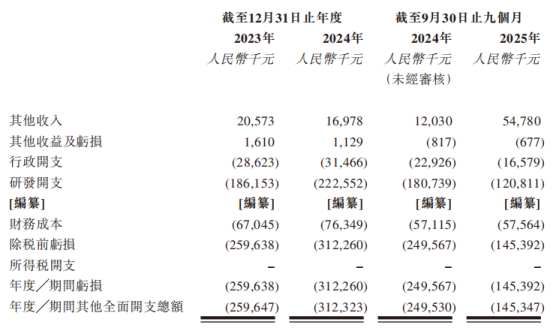
Core Viewpoint - Lingke Pharmaceutical (Zhejiang) Co., Ltd. has submitted its IPO application to the Hong Kong Stock Exchange, focusing on innovative small molecule inhibitors for autoimmune and inflammatory diseases, particularly in the JAK-STAT signaling pathway [1][2]. Company Overview - Lingke Pharmaceutical has completed multiple rounds of financing, raising over 1 billion RMB, with notable investments from institutions like Eli Lilly Asia Fund and Junlian Capital [1]. - The company has a strong focus on R&D, with its lead product LNK01001 currently in Phase III clinical trials for atopic dermatitis, rheumatoid arthritis, and ankylosing spondylitis [5][12]. Financial Performance - The company reported revenues of 20.573 million RMB in 2023, with projected revenues of 16.978 million RMB in 2024 and 54.780 million RMB in the first three quarters of 2025 [4]. - Lingke Pharmaceutical has incurred significant net losses, totaling 2.6 billion RMB in 2023, 3.12 billion RMB in 2024, and 1.45 billion RMB in the first three quarters of 2025, with cumulative losses reaching 7.17 billion RMB [2][4]. - As of September 30, 2025, the company had cash and cash equivalents of 147 million RMB, indicating a liquidity pressure with an estimated operational runway of about 15 months [3]. R&D Pipeline - The company is advancing several differentiated small molecule drugs targeting autoimmune and inflammatory diseases, with LNK01001 being the most advanced [5]. - LNK01004, a third-generation pan-JAK inhibitor, has shown promising results in Phase II trials and is expected to enter Phase III trials in mid-2027 [5]. - The IsoNova protein degradation platform has been established to enhance R&D efficiency, producing several preclinical candidates [5]. Market Landscape - The JAK inhibitor market is experiencing significant growth, with global market size projected to expand from $5.5 billion in 2019 to $25.6 billion by 2028 [7][8]. - The Chinese market for JAK inhibitors is also expected to grow from 400 million RMB in 2019 to 17.1 billion RMB by 2028, indicating strong clinical demand [7][8]. - Lingke Pharmaceutical's LNK01001 faces competition from established products in the market, which may impact its commercial success [12].
免疫疗法的下一波创新浪潮:全球技术趋势与行业展望
科尔尼管理咨询· 2025-12-09 03:59
Core Insights - The article discusses the trends in the development of autoimmune disease treatments, highlighting the significant growth in the global autoimmune drug market, which reached $156 billion in 2023 with a compound annual growth rate of 15% [1][2]. Group 1: Market Overview - The success of TNFα inhibitors and the emergence of IL inhibitors have marked a new era in treatment innovation [1]. - Leading products like Humira and Stelara are facing competition from biosimilars, while others like Dupixent and Skyrizi have set high efficacy standards in their respective indications [1][3]. - The market is expected to continue growing over the next three to five years, driven by the launch of JAK inhibitors and IL inhibitors across multiple disease areas [1][3]. Group 2: Competitive Landscape - Nine companies have six or more marketed products and pipeline drugs, indicating intense competition for leadership in the immunology field [3][4]. - The market is currently dominated by multi-indication blockbuster drugs, with significant ongoing clinical trials aimed at expanding indications for existing products [9][10]. Group 3: Innovation and Development Trends - Companies are increasingly focusing on new molecular entities (NMEs) and innovative treatment strategies, with 70% of pipelines dedicated to novel drug development [9][13]. - The emergence of Chinese pharmaceutical and biotech companies is notable, with firms like 3SBio and Jiangsu Hengrui actively researching innovative targets and NMEs [13][16]. - The industry is shifting towards more precise therapies, progressive innovations, and complex combination dynamics, with a focus on improving patient adherence and treatment convenience [18][23]. Group 4: Future Directions - The article emphasizes the importance of biomarker-driven patient stratification and the expansion of multi-indication models as foundational strategies in autoimmune drug development [21][22]. - The trend of "test and learn" is gaining traction, leading to increased trial activities in rare indications [21][23]. - The industry is also moving towards combination therapies and innovative drug delivery methods, such as oral formulations, to enhance patient convenience and treatment outcomes [24].


上海医药集团股份有限公司 关于氨磺必利口崩片通过国家医保谈判并 成功纳入国家医保目录的公告
Zhong Guo Zheng Quan Bao - Zhong Zheng Wang· 2025-12-09 03:19
Group 1 - The core point of the announcement is that Shanghai Pharmaceuticals Holding Co., Ltd. has successfully included its drug, Amisulpride Orally Disintegrating Tablets, in the National Medical Insurance Catalog, effective from January 1, 2026 [1][4]. - The drug is a modified formulation of Amisulpride, originally launched by Sanofi in France in 1986, and is used for the treatment of adult schizophrenia [1][4]. - The drug's registration details include a specification of 50mg and 0.2g, with approval numbers H20250041 and H20250042 [1]. Group 2 - As of the announcement date, there are no other companies in China that have listed Amisulpride Orally Disintegrating Tablets [2]. - According to the IQVIA database, the hospital procurement amount for Amisulpride oral formulations in 2024 is approximately RMB 168.41 million [3].
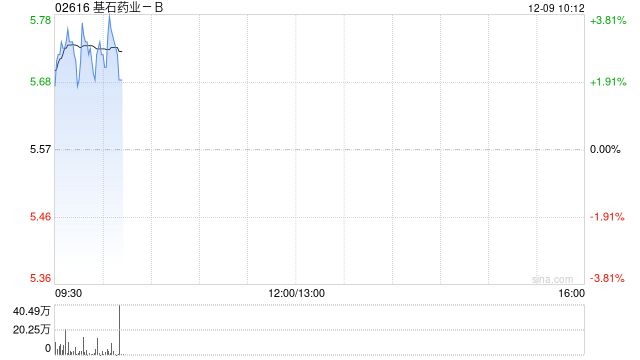
基石药业-B盘中涨超3% 普拉替尼胶囊获纳入2025年国家医保目录
Xin Lang Cai Jing· 2025-12-09 02:13
责任编辑:卢昱君 基石药业-B(02616)盘中涨超3%,截至发稿,股价上涨1.97%,现报5.68港元,成交额1204.53万港 元。 12月8日,基石药业-B发布公告,公司普吉华®(普拉替尼胶囊,100 mg)已被纳入中国国家医疗保障 局公布的最新版《国家基本医疗保险、生育保险和工伤保险药品目录》,该目录将于2026年1月1日起正 式实施。 据介绍,普吉华®由基石药业合作伙伴Blueprint Medicines公司(已于2025年7月被赛诺菲收购)开发。 基石药业拥有普吉华®在大中华地区(包括中国内地、中国香港、中国澳门和中国台湾省地区)的独家 开发和商业化权利。2023年11月,基石药业将普吉华®在中国内地的独家商业化推广权授予上海艾力斯 医药科技股份有限公司。 基石药业-B(02616)盘中涨超3%,截至发稿,股价上涨1.97%,现报5.68港元,成交额1204.53万港 元。 12月8日,基石药业-B发布公告,公司普吉华®(普拉替尼胶囊,100 mg)已被纳入中国国家医疗保障 局公布的最新版《国家基本医疗保险、生育保险和工伤保险药品目录》,该目录将于2026年1月1日起正 式实施。 据介绍,普吉华 ...