
邮储银行

Search documents
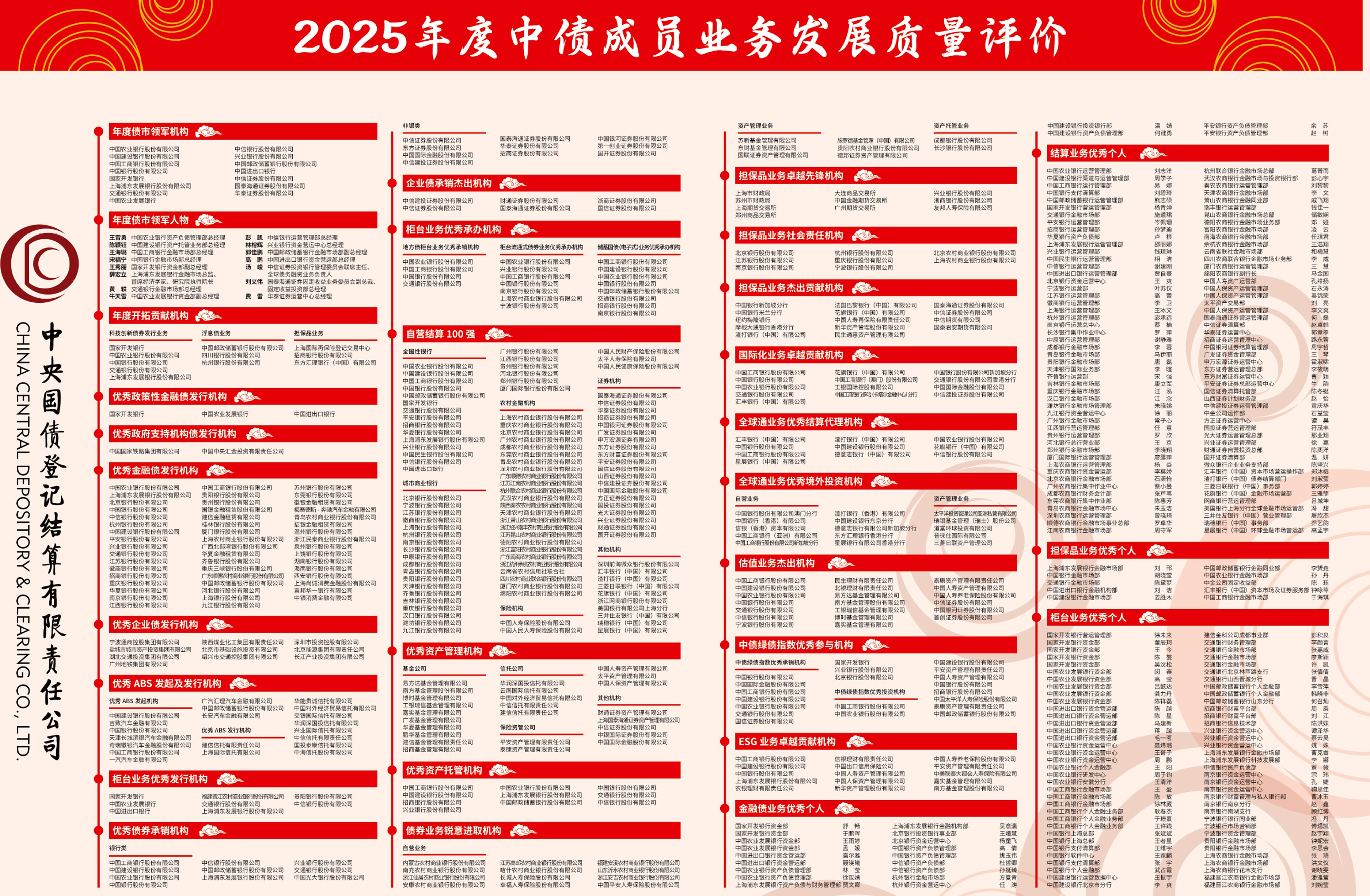
2025年度中债成员业务发展质量评价
Jin Rong Shi Bao· 2026-01-29 01:25
科技创新债券发行业务 国家开发银行 中国农业银行股份有限公司 中国银行股份有限公司 交通银行股份有限公司 上海浦东发展银行股份有限公司 中信银行股份有限公司 兴业银行股份有限公司 中国邮政储蓄银行股份有限公司 中国进出口银行 中信证券股份有限公司 国泰海通证券股份有限公司 华泰证券股份有限公司 年度债市领军人物 << 中国农业银行资产负债管理部总经理 壬雷勇 陈颖轩 中国建设银行资产托管业务部总经理 王海璐 中国工商银行金融市场部总经理 宋福宁 中国银行金融市场部总经理 国家开发银行资金部副总经理 于会服 蔭宏立 上海东东发展银行金$市场总监。 首席经济学家、研究院执行院长 8 裝 交通银行金融市场部总经理 牛天雪 中国农业发展银行资金部副总经理 年度开拓贡献机构 ~~ 年度债市领军机构 200 中国农业银行股份有限公司 中国建设银行股份有限公司 中国工商银行股份有限公司 中国银行股份有限公司 国家开发银行 上海浦东发展银行股份有限公司 交通银行股份有限公司 中国农业发展银行 中信银行运营管理部总经理 凯 林榕辉 兴业银行资金营运中心总经理 郭佳鹏 中国邮政储蓄银行金融市场部副总经理 高 此 中国进出口银行资 ...







六大行迅速发布信用卡分期贴息“指南”
Jin Rong Shi Bao· 2026-01-29 01:11
Core Viewpoint - The new policy on credit card installment interest subsidies aims to enhance consumer spending by including credit card bill installment services in the subsidy scope, thereby reducing the financial burden on consumers and stimulating consumption potential [1][4]. Group 1: Policy Implementation - The Ministry of Finance, the People's Bank of China, and the National Financial Regulatory Administration issued a notification that includes credit card bill installment services in the subsidy scope with a uniform annual subsidy rate of 1% [1]. - Major state-owned banks and some joint-stock banks have quickly responded by releasing implementation details, simplifying processes, and enhancing risk control measures to ensure effective policy execution [2][3]. - The policy reflects a strong public demand for support in consumer financing, aligning with the principle of "people-centered" policy design [2]. Group 2: Consumer Benefits - The subsidy allows consumers to save approximately 270 yuan in interest over a year when using a 50,000 yuan credit card bill divided into 12 installments [4]. - The policy is expected to significantly alleviate financial pressure on large purchases such as home appliances, cars, and education, thus converting latent consumer demand into actual purchasing behavior [4][5]. - The annual cap for total subsidies has been raised to 3,000 yuan per borrower, with the removal of previous limits on single transaction subsidies [5]. Group 3: Bank Responses and Services - Six major banks have clarified that existing customers with signed agreements will automatically benefit from the new policy without needing to re-sign [2]. - Banks like Agricultural Bank and Postal Savings Bank have outlined the steps for new customers to apply for the credit card installment interest subsidy, emphasizing a simplified process [2][3]. - The banks have committed to not charging any fees for processing the subsidy applications, ensuring a cost-free experience for consumers [8]. Group 4: Market Impact and Growth Potential - The policy is anticipated to drive growth in credit card installment services, especially as consumer awareness increases leading up to the Spring Festival [6]. - Smaller financial institutions are also preparing to implement similar measures, which will help extend the benefits to lower-tier cities and meet diverse consumer needs [6]. - The inclusion of credit card installments in the subsidy program is seen as a crucial step in supporting consumption expansion and improving the quality of financial services [7].
银行多维度落实个人消费贷贴息新政
Jin Rong Shi Bao· 2026-01-29 01:04
Core Viewpoint - The recent optimization and upgrade of the personal consumption loan interest subsidy policy aims to enhance consumer credit support and stimulate consumption through various measures, including extending the policy duration, expanding the subsidy scope, and increasing the subsidy standards [1][2][3]. Group 1: Policy Enhancements - The policy implementation period has been extended to September 1, 2025, through December 31, 2026, providing a longer support cycle for consumer credit [2]. - The subsidy scope has been expanded by removing the previous restriction on consumption fields for loans of 50,000 yuan and above, allowing for broader application [2][3]. - The subsidy standards have been optimized by eliminating the previous caps on single transaction subsidies and cumulative subsidies for amounts below 50,000 yuan, while maintaining an annual cap of 3,000 yuan per borrower at a single institution [3][4]. Group 2: Credit Card Bill Installment Subsidy - The most notable change is the inclusion of credit card bill installment payments in the subsidy program, with a subsidy rate of 1% applicable from January 1, 2026, to December 31, 2026 [4][5]. - This initiative aims to lower the financing costs for consumers using credit cards, thereby stimulating consumption and increasing merchant revenues [4][6]. - Banks are rapidly implementing operational processes for the new credit card installment subsidy to ensure quick policy execution [5][7]. Group 3: Risk Management and Process Optimization - Banks are focusing on simplifying application processes and enhancing risk management to prevent misuse of subsidy funds while ensuring effective policy implementation [7][8]. - Digital technologies are being leveraged to facilitate online processing of subsidy applications, allowing borrowers to manage their applications through mobile and online banking platforms [7]. - Strict measures are in place to prevent fraudulent activities related to subsidy applications, with banks retaining the right to recover funds in cases of non-compliance [8].


朝阳三里屯街道总工会新春慰问活动暖“新”又暖心
Xin Lang Cai Jing· 2026-01-28 16:48
转自:劳动午报 (来源:劳动午报) "微心愿"认领环节成为现场一大亮点。骑手代表逐一说出自己的心愿,涉及健康关怀、文体生活、驿站 建设等多个方面。三里屯街道总工会第一时间协调爱心企业对接认领,并将保温杯、书包、体检卡等心 愿物资一一送到他们手中,实现"需求有回应、关怀有落点"。 活动现场还设置了"暖'新'家书"书写区,在工会志愿者的协助下,多名骑手提笔伏案,写下对家乡亲人 的思念与祝福,盖好邮戳后将牵挂寄往远方。同步开设的专场职工沟通会上,工会工作人员现场讲解工 会普惠服务政策、职工医保"二次报销"申办流程,针对大家提出的疑问逐一耐心解答,同时协助有需要 的新就业形态劳动者办理北京工会会员互助服务卡,将政策解读与贴心服务送到他们身边。 三里屯街道总工会相关负责人表示,近年来,街道总工会持续拓展驿站功能、深化帮扶机制,通过"微 心愿"收集、节日慰问、法律服务等多种形式,切实提升新就业形态劳动者的归属感与获得感。未来, 工会将继续发挥桥梁纽带作用,积极联动更多社会力量参与进来,不断丰富关爱服务形式、拓展服务覆 盖面,用更实在的举措、更贴心的服务,为新就业形态劳动者群体保驾护航。 通讯员 张振涛 摄 本报讯 (记者 ...

六大行中最年轻,建行“75后”副行长任职获批
Zhong Guo Ji Jin Bao· 2026-01-28 16:39
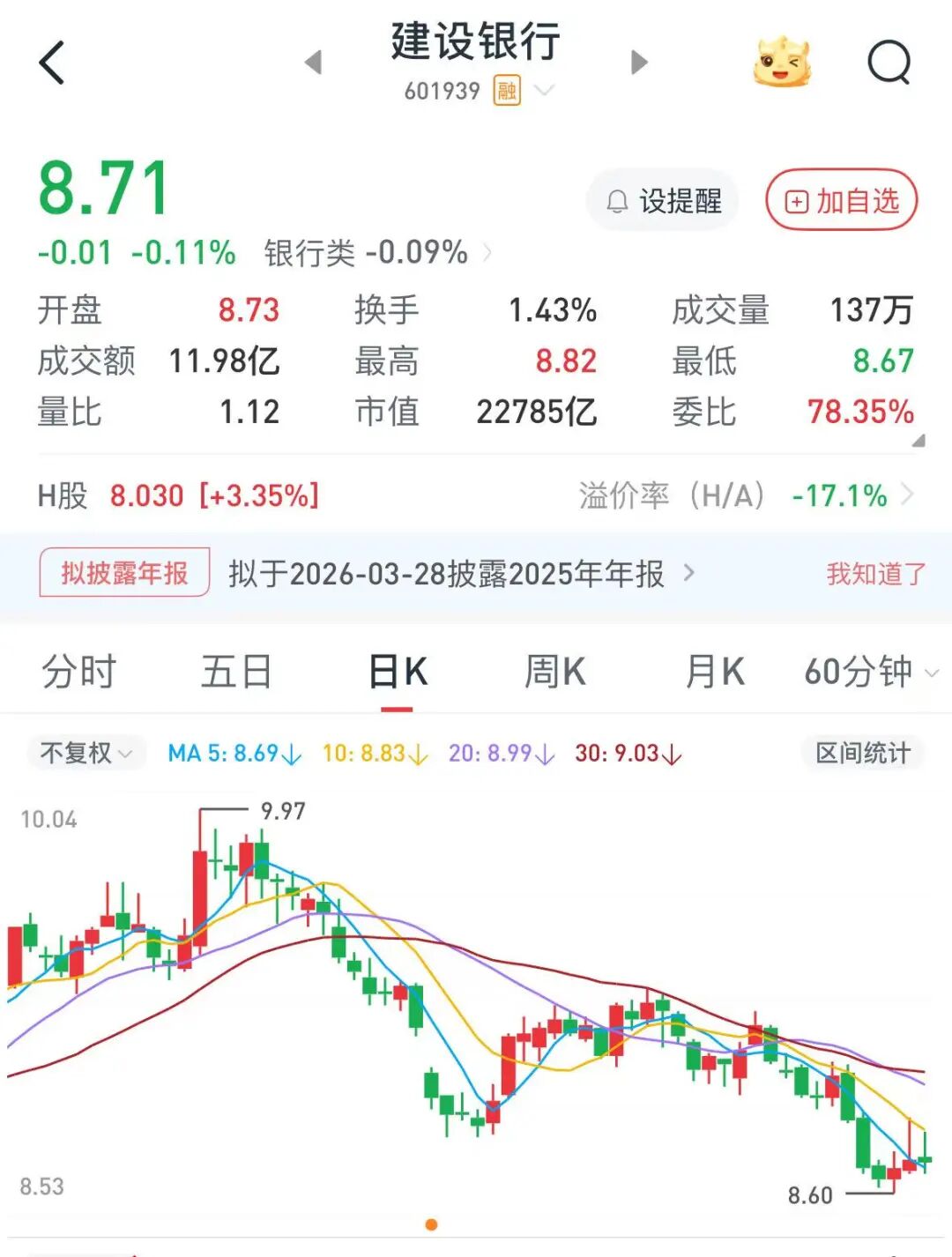
新添一位"75后"副行长 1月28日,建设银行(601939)发布公告称,唐朔担任该行副行长的任职资格已经获得国家金融监督管理总局核准,正式就任副行长。 【导读】建设银行副行长唐朔任职资格正式获批,此前曾任交通银行业务总监 建设银行公告称,该行董事会已于2025年12月23日审议通过了关于聘任唐朔担任该行副行长的议案。同时,国家金融监督管理总局已经核准唐朔的任职资 格,其正式就任副行长。 记者了解到,建设银行的新副行长唐朔出生于1978年,是一位"75后",此前曾长期深耕于交通银行系统,曾担任广东、北京、江西等多地分行行长等职, 此番履新系跨系统而来。 公开资料显示,唐朔,1978年11月出生,现年47岁,高级经济师,其于2001年获西安交通大学法学学士学位,2018年获北京交通大学工程硕士学位。曾任 交通银行北京望京支行行长、北京市分行个人金融业务部总经理、公司机构业务部(投资银行部)副总经理等职务。 2016年4月至2018年7月,唐朔先后任交通银行北京市分行行长助理、副行长;2018年7月至2021年3月先后任交通银行江西省分行副行长、行长;2021年3 月至2025年12月先后任交通银行广东省分行行长 ...
“买股票怕追高,放存款又觉得赚得太少?”专家:年终奖理财正转向配置导向
Di Yi Cai Jing Zi Xun· 2026-01-28 15:27
Core Insights - The article discusses the challenges faced by individual investors in allocating their year-end bonuses amidst rising stock and gold prices, while traditional financial products offer less attractive returns [2] - Banks are responding to this situation by launching specialized financial products and activities aimed at year-end bonuses, expanding beyond traditional offerings to include deposits, funds, insurance, and customer incentives [2] Group 1: Product Offerings - Major state-owned banks have introduced year-end bonus financial products characterized by R2 stable risk levels, short to medium terms, and low minimum investments [3] - Bank of Communications launched a themed year-end bonus product with a near 3-month annualized return exceeding 4%, providing options for short-term allocation of year-end funds [3] - Postal Savings Bank offers various products catering to different risk appetites, including low-risk options with daily liquidity and medium-risk products for stable growth [4] - Industrial and Commercial Bank of China promotes a series of salary management products with low minimum investments and diverse strategies, with one product offering an annualized return of about 3% [4] - China Construction Bank emphasizes asset allocation guidance, suggesting a diversified approach to managing year-end bonuses across various financial products [4] Group 2: Marketing Strategies - Banks are enhancing the retention of year-end bonus funds through incentive mechanisms, such as cash rewards for increasing average monthly assets [5] - Shanghai Pudong Development Bank combines deposit and investment products in a structured manner to attract year-end bonus funds [5] - City commercial banks have launched specialized net value financial products for year-end bonuses, with varying investment terms and performance benchmarks [5] Group 3: Market Trends - The marketing of year-end bonus financial products has shifted towards a configuration-oriented approach, focusing on low minimum investments and flexible terms [6] - The trend reflects a response to a low-interest-rate environment, where banks aim to attract low-cost funds and quality customer assets [6] - The overall financial market is seeing increased interest in wealth management products, with the total scale of the wealth management market reaching 33.29 trillion yuan by the end of 2025, a growth of over 3 trillion yuan from the beginning of the year [7] - Various asset classes have shown strong performance, influencing investor expectations and leading them to prefer stable and predictable product combinations for their year-end bonuses [7]
“买股票怕追高,放存款又觉得赚得太少?”专家:年终奖理财正转向配置导向
第一财经· 2026-01-28 15:19
Core Viewpoint - The article discusses the challenges faced by individual investors in allocating their year-end bonuses amidst rising market volatility and the performance of various investment products, highlighting the shift in banks' strategies to offer diversified financial products to attract these funds [3][8]. Group 1: Market Environment and Trends - Since the beginning of 2026, gold prices have surged significantly, with spot gold exceeding $5,220 per ounce, reflecting a year-to-date increase of approximately 20%. The Shanghai Composite Index and Hang Seng Index have also shown gains of 4.82% and 8.17%, respectively [9]. - The total scale of the national wealth management market reached 33.29 trillion yuan by the end of 2025, an increase of over 3 trillion yuan from the beginning of the year, with the number of investors holding wealth management products growing by 14.37% year-on-year to 143 million [9]. Group 2: Bank Strategies and Product Offerings - Major state-owned banks have launched year-end bonus financial products characterized by low investment thresholds and stable returns, aiming to lower the entry barrier for individual investors [4][8]. - The products offered include flexible terms, covering demand for liquidity and varying investment horizons, with a focus on a combination of financial tools such as deposits, wealth management, funds, and insurance [8]. - Specific offerings include the "Lingdong Tianli 6" product from the Bank of Communications with an annualized yield exceeding 4% for short-term investments, and the Postal Savings Bank's "Tian Tian Ying" product, which allows for daily redemption with a minimum investment of 0.01 yuan [4][5]. Group 3: Marketing and Customer Engagement - Banks are employing incentive mechanisms to enhance the retention of year-end bonus funds, such as offering cash rewards for increasing average monthly assets [6]. - The marketing approach has shifted from a product-centric focus to a configuration-oriented strategy, emphasizing comprehensive asset management to meet diverse customer needs [8]. - The article notes that the success of year-end bonus financial marketing in translating into actual asset under management (AUM) growth will depend on the performance of the products, transparency in information disclosure, and the quality of post-investment services [9].

德生科技(002908):中标中国邮政储蓄银行股份有限公司新疆维吾尔自治区分行采购项目,中标金额为436.80万元
Xin Lang Cai Jing· 2026-01-28 12:53
Group 1 - The company, Guangdong Desheng Technology Co., Ltd., won a procurement project from the Postal Savings Bank of China, Xinjiang Branch, with a bid amount of 4.368 million yuan [1][2][3] - In 2024, the company's operating revenue is reported to be 658 million yuan, with a revenue growth rate of -21.93% and a net profit attributable to the parent company of 20 million yuan, reflecting a net profit growth rate of -72.13% [2][3] - For the first half of 2025, the company's operating revenue is 249 million yuan, with a revenue growth rate of -14.27% and a net profit attributable to the parent company of 9 million yuan, indicating a net profit growth rate of -36.47% [2][3] Group 2 - The company operates in the information technology industry, focusing on public services and operational platform systems [2][3] - The main product composition for 2024 includes: 71.44% from integrated card and AIoT applications, 25.34% from human resources operation and big data services, and 3.21% from traditional social security cards and reading/writing devices [2][3]
从卖产品到配资产,银行年终奖理财热度升温
Di Yi Cai Jing Zi Xun· 2026-01-28 12:53
Core Viewpoint - The article discusses the challenges faced by individual investors in allocating their year-end bonuses amidst rising stock and gold prices, while banks are actively launching specialized financial products to attract these funds [1] Group 1: Market Trends - Since 2026, gold prices have significantly increased, with the Shanghai Composite Index rising by 4.82% and the Hang Seng Index by 8.17% within the year [6] - The total scale of the national wealth management market reached 33.29 trillion yuan by the end of 2025, growing by over 3 trillion yuan from the beginning of the year [6] Group 2: Bank Initiatives - Major state-owned banks and various commercial banks have launched year-end bonus exclusive financial products, focusing on low-risk, flexible-term options to cater to investors' needs [2][3] - The products include short-term and medium-term options, with some banks offering annualized returns exceeding 4% for short-term investments [2][3] Group 3: Product Features - Banks are emphasizing low initial investment amounts and a variety of strategies, with many products starting at 1 yuan and offering annualized returns around 3% to 4% [3][5] - The marketing strategies have shifted from product-centric to configuration-oriented, integrating various financial tools to better meet customer needs [5] Group 4: Customer Engagement - Some banks are implementing incentive mechanisms to enhance the retention of year-end bonus funds, such as cash rewards for increasing average monthly assets [4] - The focus is on providing a one-stop management solution for year-end bonuses, combining wealth management, insurance, and investment products [5]
继续扫货!平安人寿再度增持国寿H股 持股比例升至9.14%
2 1 Shi Ji Jing Ji Bao Dao· 2026-01-28 11:53
Core Insights - Ping An Life Insurance has increased its stake in China Life H-shares to 9.14% by purchasing 11.891 million shares at an average price of HKD 32.0553 per share, totaling approximately HKD 381 million [1] - This acquisition reflects a broader trend of insurance capital increasing their stakes in various companies, with over 30 instances of such actions recorded since 2025 [2] Group 1: Investment Activities - Ping An Life has been actively acquiring shares in China Life since reaching the 5% threshold in August 2025, with its stake growing from 5% to over 9% [1] - In addition to China Life, Ping An has also made significant investments in China Pacific Insurance H-shares, acquiring approximately 1.74 million shares and reaching a 5.04% stake [3] - The company has built a high-dividend financial asset pool in the Hong Kong market, significantly increasing its holdings in major banks such as Agricultural Bank of China, China Merchants Bank, and Postal Savings Bank [4][5] Group 2: Market Trends and Strategies - The trend of insurance companies increasing their stakes in stocks is seen as a response to declining risk-free interest rates and a search for high-dividend, stable enterprises [2] - Analysts suggest that insurance stocks are being redefined as "alternative dividend assets," indicating a shift in investment strategy towards high-yielding stocks [3] - Ping An's investment strategy is guided by a "three criteria" principle, focusing on reliable operations, growth potential, and sustainable dividends [6]