广电计量

Search documents
金价回调了!今年2月15日最新行情,明后两天或迎更大变盘
Sou Hu Cai Jing· 2026-02-17 06:36
Core Insights - The recent surge in gold prices has raised consumer skepticism, with significant price discrepancies between retail and trading prices, leading to a situation where consumers pay over 4,000 yuan more for 10 grams of gold compared to market rates [1][2] Pricing Discrepancies - On February 15, retail gold prices reached 1,524 yuan per gram, while the Shanghai Gold Exchange price was only 1,109 yuan, indicating a substantial markup [1] - The price differences across various brands and regions are notable, with prices for gold jewelry ranging from 1,499 to 1,548 yuan per gram, all significantly above international gold prices [1] Consumer Traps - The "one-price" model used by retailers is designed to lock in high profits rather than simplify transactions, with examples like Lao Pu Gold selling at 2,300 yuan per gram while the buyback price is only 1,115 yuan [2] - Banks offer gold bars at closer to cost, priced at 1,141.3 yuan per gram, contrasting sharply with the high retail prices driven by brand and operational costs [2] Brand Influence - Brand power does not fully account for price differences, as companies like Chow Tai Fook and Lao Pu Gold have similar market valuations despite differing store counts [3] - The focus of competition has shifted from gold purity to marketing strategies, with consumers often influenced by convenience and salesmanship rather than actual gold value [3] Consumer Experience - The emotional impact on consumers is evident, as illustrated by a video of a young man receiving a significantly lower buyback price for a gold bracelet purchased at a high retail price [2] - The perception of gold value has shifted from the intrinsic worth of the metal to the branding and marketing associated with it, leading to consumer disillusionment [4]

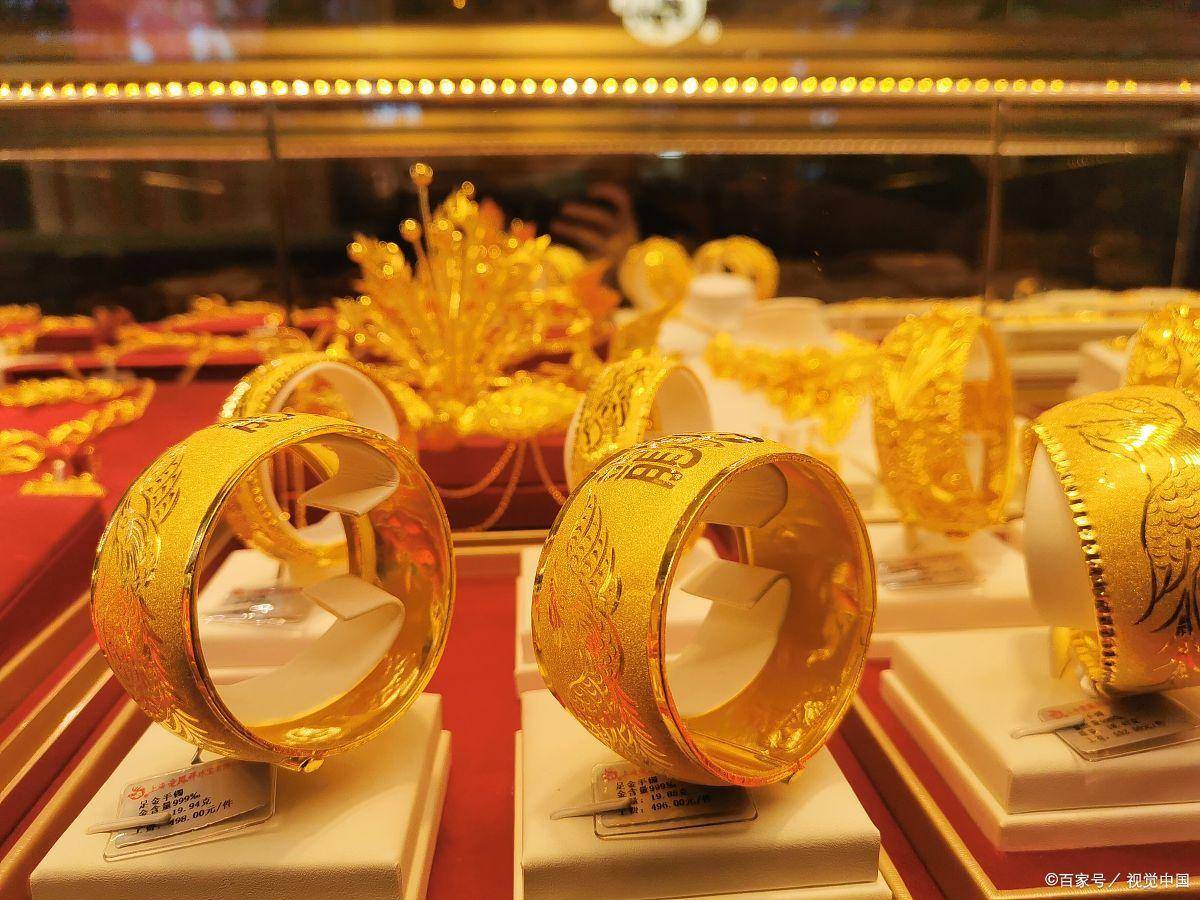
突然火了!有人把价值4万元的黄金“剪碎”贴在手上
Sou Hu Cai Jing· 2026-02-16 23:48
Core Viewpoint - The rising trend of gold consumption, particularly in the form of "golden nails," is gaining popularity among young consumers as the Chinese New Year approaches, with many opting for small weights of gold for personal adornment [1][3]. Group 1: Market Trends - The demand for small gold items, such as those from leading brands like Chow Tai Fook and Lao Pu, is increasing, with consumers willing to spend thousands of yuan on "golden nails" [3]. - The trend includes repurposing old jewelry, with consumers using previously owned gold items to create unique nail designs, enhancing the personal significance of the adornment [8]. Group 2: Consumer Behavior - Consumers are increasingly bringing their own gold items to nail salons for customization, with prices for the service ranging from 600 to 1500 yuan depending on the complexity of the design [11]. - Some consumers have reported spending significant amounts on gold for nail art, with one individual using gold worth nearly 10,000 yuan for their nail design [8]. Group 3: Industry Practices - Nail salons are adapting to this trend by offering services that include cutting and applying gold to nails, although they emphasize that customers must provide their own gold due to high market prices [11]. - There are concerns regarding the legality of nail salons potentially recycling leftover gold, as this could violate regulations regarding the purchase of precious metals without proper licensing [19].
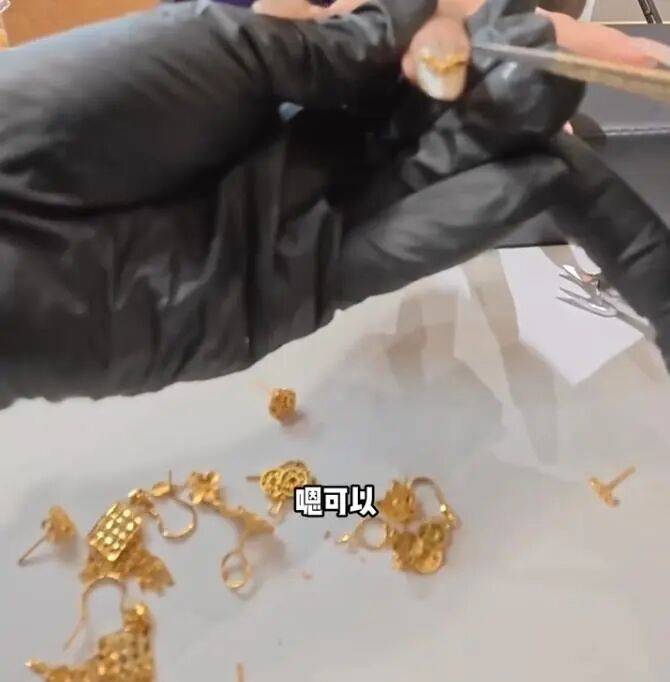
突然爆火!有人把价值4万元黄金“剪碎”贴手上!已成新年顶流,多个品牌上架→
Sou Hu Cai Jing· 2026-02-16 14:32
Core Viewpoint - The rising trend of using gold in nail art, particularly during the festive season, highlights a unique intersection of luxury and personal expression in consumer behavior [1][4]. Group 1: Market Trends - There is a notable increase in the popularity of "golden nails," with consumers willing to spend thousands of yuan to create elaborate nail designs using gold [3][4]. - High-end brands like Chow Tai Fook and Liu Fu Jewelry are capitalizing on this trend by promoting small gold accessories for nail art [8]. Group 2: Consumer Behavior - Consumers are repurposing old gold jewelry for nail art, with one individual showcasing a design that incorporated nearly 10 grams of gold worth around 10,000 yuan [4]. - The average cost for creating a golden nail design ranges from 600 to 1,500 yuan, depending on the complexity of the work [6]. Group 3: Industry Practices - Many nail salons require customers to bring their own gold for the nail art process, as the current high gold prices make it impractical for salons to provide gold themselves [6]. - There are concerns regarding the legality of nail salons offering to recycle leftover gold, as this could violate regulations set by the People's Bank of China [11].

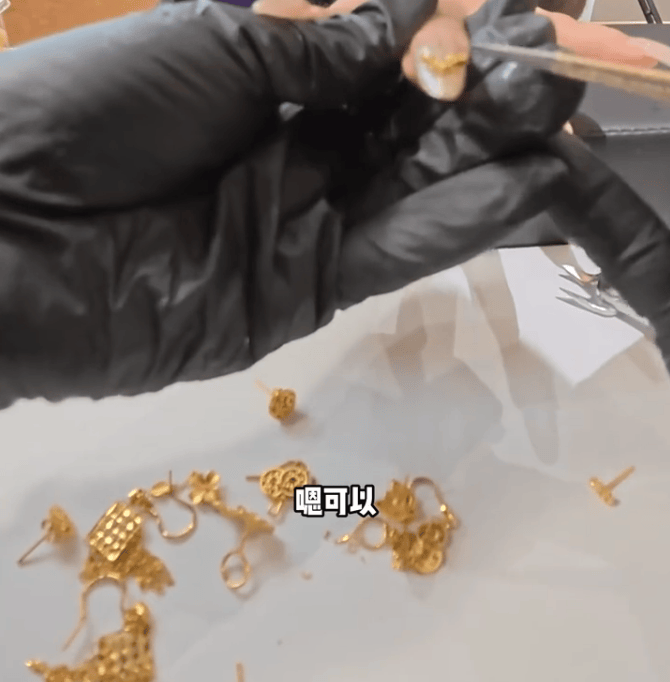
突然走红!价值4万元黄金“剪碎”贴在手上,网友:掉一个几千元没了
Sou Hu Cai Jing· 2026-02-16 04:32
Core Viewpoint - The rising trend of gold consumption during the Chinese New Year is highlighted, with "small weight" gold items becoming popular among consumers, particularly in the form of gold nail art, which has gained traction among younger demographics [2][4]. Group 1: Market Trends - The demand for gold items, especially in smaller weights, has surged as the Chinese New Year approaches, with gold nail art emerging as a trendy choice for celebrations [2]. - Major brands like Chow Tai Fook and Lao Pu Gold are supplying small gold accessories that are being used in nail salons, indicating a shift in consumer preferences towards unique and personalized gold items [4][9]. Group 2: Consumer Behavior - Consumers are willing to spend thousands of yuan to create "golden nails," with some using old jewelry valued at tens of thousands of yuan for this purpose, reflecting a desire for personalized and meaningful adornments [8][9]. - The cost of creating gold nail art ranges from 600 to 1500 yuan, depending on the complexity of the design and the amount of gold used, with many customers bringing their own gold items for processing [9]. Group 3: Industry Practices - Nail salons are experiencing increased inquiries and bookings for gold nail art, with some salons reporting a backlog of orders due to high demand [8]. - There are concerns regarding the legality of nail salons recycling leftover gold from customers, as this could violate regulations set by the People's Bank of China regarding gold transactions [19].
2月16日主要金店黄金报价:老凤祥为1548元/克,周六福为1524元/克
Jin Rong Jie· 2026-02-16 03:20
Group 1 - The international gold price is reported at $5038.5 per ounce, while international palladium is at $1686.0 per ounce, and international silver is at $77.11 per ounce [1] - The domestic gold price is reported at ¥1125.0 per gram [1] - Major domestic gold retailers have varying prices, with Lao Feng Xiang at ¥1548 per gram (highest) and Zhou Shi Fu at ¥1524 per gram (lowest) [1] Group 2 - Other notable domestic gold prices include: Chow Tai Fook at ¥1529 per gram, Chow Sang Sang at ¥1534 per gram, and Liufuk Jewelry at ¥1529 per gram [1] - Additional prices from other retailers include: Xie Rui Lin at ¥1529 per gram, Jin Zi Zun at ¥1529 per gram, Chao Hong Ji at ¥1529 per gram, Cai Bai Jewelry at ¥1530 per gram, Lao Miao Gold at ¥1529 per gram, and China Gold at ¥1530 per gram [1]



突然火了!“把价值4万元黄金剪碎贴手上……”,网友:掉了算谁的?
Xin Lang Cai Jing· 2026-02-15 04:15
Core Viewpoint - The rising trend of gold consumption is evident as the Chinese New Year approaches, with "golden nails" becoming a popular choice among young consumers, showcasing a shift in how gold is utilized in personal adornment [1][9]. Group 1: Market Trends - The demand for small gold items, such as gold nail art, has surged, with consumers willing to spend thousands on "golden nails" [3][10]. - High-end brands like Chow Tai Fook and Lao Pu are now providing gold as a material for nail art, indicating a crossover between jewelry and beauty industries [3][10]. - The trend includes the revival of old jewelry, with consumers repurposing unused gold items into nail art, enhancing the perceived value and personal significance of the adornments [9][13]. Group 2: Consumer Behavior - Many consumers are opting to bring their own gold items to nail salons for customization, reflecting a shift towards personalized luxury experiences [13][22]. - The price range for gold nail art services varies from 600 to 1500 yuan, depending on the complexity of the design and the amount of gold used [13][10]. - There is a growing interest in social media marketing for gold nail art, with brands and salons showcasing their work to attract customers [17][19]. Group 3: Legal and Ethical Considerations - Concerns have been raised regarding the potential legal implications of nail salons recycling gold scraps, as this may violate regulations on gold trading in China [22]. - Legal experts emphasize that nail salons should avoid engaging in gold recovery or trading activities to remain compliant with national regulations [22].
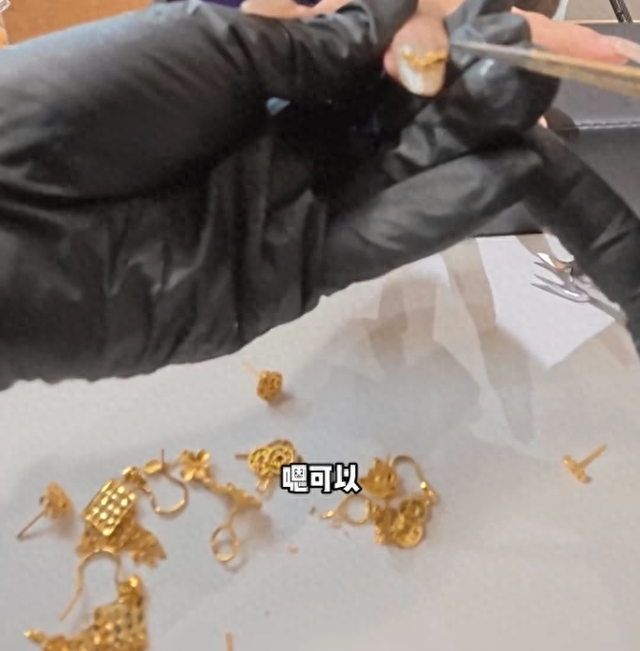
突然火了!有人戴上4万元的“黄金甲”,已成新年顶流,多个品牌已上架,网友:掉了算谁的?
Sou Hu Cai Jing· 2026-02-15 03:49
Core Viewpoint - The rising trend of gold consumption among young consumers is highlighted, particularly through innovative uses such as gold nail art, which has become a popular choice for the upcoming Chinese New Year [1][3]. Group 1: Market Trends - The demand for "small weight" gold items has surged, with gold nail art emerging as a trendy new consumption choice for the New Year [1]. - Major brands like Chow Tai Fook and Lao Pu are supplying small gold items for nail art, with consumers willing to spend thousands of yuan to create "golden nails" [3]. Group 2: Consumer Behavior - Consumers are repurposing old gold jewelry for nail art, with one individual showcasing a gold nail design that used over 6 grams of gold worth nearly 10,000 yuan, emphasizing the personal and ceremonial value of this trend [8]. - Many consumers are bringing in their own gold items for nail art, with prices for the service ranging from 600 to 1,500 yuan depending on the complexity of the design [11]. Group 3: Industry Practices - Most nail salons require customers to provide their own gold for processing due to high gold prices, and they charge fees based on the difficulty of the design [11]. - Some nail technicians are capable of cutting and preparing gold jewelry for nail art, while others may need to send items to a gold shop for proper dismantling [12]. Group 4: Social Media and Marketing - Brands like Sixi Jewelry and Chow Tai Fook are leveraging social media to promote gold nail art, showcasing customer creations to attract more clients [16]. - The trend has sparked significant online discussion, with some consumers expressing concerns about the high cost and potential loss of gold pieces during everyday activities [22][24]. Group 5: Legal and Ethical Considerations - There are concerns regarding the legality of nail salons recycling leftover gold, as this could violate regulations on gold trading without proper licenses [26]. - Legal experts emphasize that nail salons should avoid engaging in gold recovery or trading, focusing solely on providing nail art services [26].
这届年轻人把上万元黄金剪碎贴在指尖!“黄金甲”成新年顶流“社交货币”,专家解读
Sou Hu Cai Jing· 2026-02-15 02:04
Core Viewpoint - The rise of "golden manicure" reflects a shift in consumer behavior, particularly among younger demographics, as they seek new forms of self-expression and social currency through gold, despite traditional gold jewelry facing declining sales and store closures [4][12][18]. Industry Trends - The gold jewelry industry is experiencing a dichotomy, with international gold prices rising since 2025, yet major companies like Chow Tai Fook and Chow Sang Sang reporting declining revenues and store closures [4][18]. - Chow Tai Fook's revenue for the 2026 fiscal year showed a 1.1% year-on-year decline, marking a five-year low, while Chow Sang Sang's revenue dropped by 37.35% in the first three quarters of 2025 [4][18]. - The global nail product market is projected to grow from $25.76 billion in 2025 to $36.26 billion by 2032, with a compound annual growth rate of 5.01% [9]. Consumer Behavior - Younger consumers are increasingly viewing gold as a means of self-expression rather than a traditional investment, with a focus on "self-pleasure consumption" rather than the old mindset of accumulating gold for financial security [11][12]. - The trend of using gold in manicures is seen as a way to transform gold from a low-frequency, high-ticket item to a high-frequency, low-ticket item, potentially revitalizing the gold jewelry market [4][18]. Market Dynamics - The "golden manicure" trend has led to increased demand for gold as a beauty material, with consumers willing to spend thousands on gold nail art, indicating a shift in how gold is perceived and utilized [4][6][12]. - The average cost for a golden manicure ranges from 600 to 1500 yuan, with some customers bringing in their own gold jewelry for customization [8][9]. Challenges and Opportunities - Despite the popularity of golden manicures, there are concerns regarding the cost-effectiveness and durability of gold as a nail material, with some consumers questioning its value [5][12]. - The potential for gold to become a "social currency" is evident, as consumers are more focused on the aesthetic and emotional value of gold rather than its market price [12][13]. - The beauty industry is exploring the integration of gold into nail services, but there are operational challenges, including the need for clear boundaries regarding the handling and recycling of gold materials [20][24].
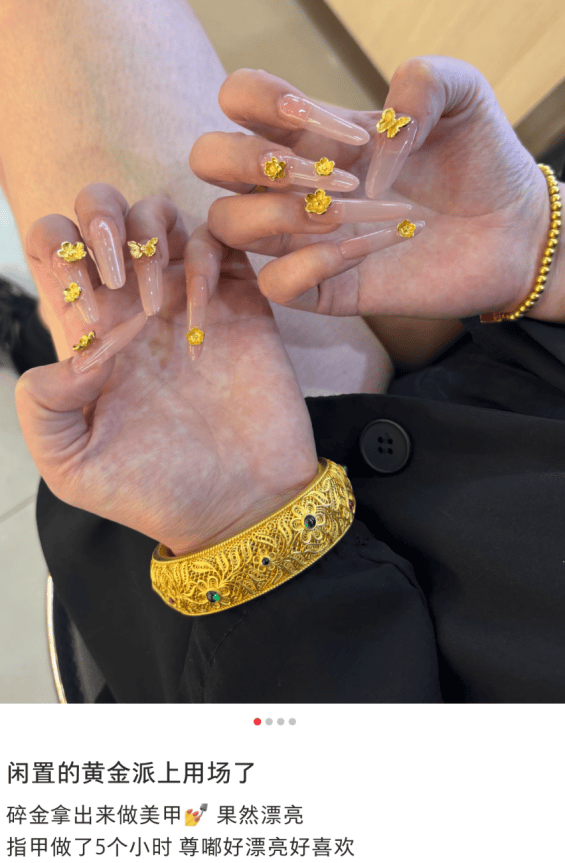
老铺金条变“金甲” 万元黄金上指端 记者调查:“微金”消费能撬动多大市场
Sou Hu Cai Jing· 2026-02-15 00:50
Core Viewpoint - The rise of "golden manicure" reflects a shift in consumer behavior, particularly among younger demographics, as they seek new ways to express themselves and find value in gold beyond traditional investment or adornment [1][5][8]. Industry Trends - The gold jewelry industry is experiencing a dichotomy, with international gold prices rising since 2025, yet major jewelry companies like Chow Tai Fook and Chow Sang Sang reporting declining revenues and store closures [1][10]. - Chow Tai Fook's revenue for the fiscal year 2026 showed a 1.1% year-on-year decline, marking a five-year low, while Chow Sang Sang's revenue dropped by 37.35% in the first three quarters of 2025 [10]. Consumer Behavior - The trend of using gold in manicures has gained popularity, with consumers willing to spend thousands on "golden nails," indicating a shift towards high-frequency, low-cost luxury consumption [1][6]. - The global nail product market is projected to grow from $25.76 billion in 2025 to $36.26 billion by 2032, with a compound annual growth rate of 5.01% [6]. Market Dynamics - The "golden manicure" trend is seen as a potential solution to the jewelry industry's challenges, transforming gold from a low-frequency, high-ticket item to a high-frequency, lower-cost accessory [1][8]. - The demand for gold in manicures is driven by social media influence, with consumers focusing more on aesthetics and social expression rather than the intrinsic value of gold [7][8]. Challenges and Risks - Despite the popularity of golden manicures, there are concerns regarding the cost-effectiveness and the potential for damage to the gold used, as well as legal implications surrounding the recycling of gold materials [2][12]. - The traditional jewelry industry faces challenges in adapting to this new trend, with many companies still struggling to recover from declining sales and store closures [9][10].
2026年度策略:强者恒强的千亿赛道,关注商业航天等新兴产业带来的发展机遇
Soochow Securities· 2026-02-14 11:41
Core Insights - The report emphasizes the strong growth potential in the testing services industry, particularly driven by emerging sectors such as commercial aerospace and new technologies [4][6] - The testing services sector is closely linked to macroeconomic growth, with a projected global market size of approximately 2.3 trillion RMB by 2024, reflecting a CAGR of about 6% from 2021 to 2024 [4][24] - In China, the testing services market is expected to reach around 487.6 billion RMB by 2024, with a CAGR of approximately 10.5% from 2015 to 2024, indicating a robust growth trajectory [5][24] Industry Overview - The testing, inspection, and certification (TIC) industry serves various sectors including consumer goods, industrial products, and pharmaceuticals, covering all stages from R&D to production and distribution [16][24] - The industry is characterized by a large market space and stable growth, with demand closely tied to macroeconomic trends and government regulations [20][24] - Emerging technologies such as AI, electric vehicles, and commercial aerospace are expected to create new testing demands, raising the entry barriers for new players [6][20] Company Performance - The report analyzes 19 listed companies in the testing services sector, highlighting their revenue and profit performance, with notable companies including Huace Testing, Guangdian Measurement, and Su Testing [2][11] - In the first three quarters of 2025, the testing services sector in China reported a revenue of 30.4 billion RMB, a decline of 7% year-on-year, but a growth of 3% when excluding companies heavily involved in medical testing [5][57] - Leading companies such as Huace Testing, Guangdian Measurement, and Su Testing demonstrated superior performance, with revenue growth rates of 7%, 12%, and 9% respectively, significantly outpacing the industry average [5][62] Market Dynamics - The testing services market is experiencing a structural shift, with a trend towards consolidation as larger firms gain market share and smaller firms face challenges [44][50] - The report notes that the majority of testing institutions in China are small and micro-sized, which limits their ability to withstand economic pressures [50][51] - Government policies are increasingly supporting the marketization and consolidation of testing institutions, aiming to enhance the overall quality and efficiency of the industry [51][53] Financial Metrics - The report indicates that the average gross margin for the testing services sector has improved, reaching 26.2% in the first three quarters of 2025, reflecting a recovery in profitability [63] - The accounts receivable turnover days have increased from 90 days in 2019 to 176 days in 2025, indicating a slowdown in cash flow and potential credit risks within the industry [67][68] - The report highlights that the proportion of accounts receivable in relation to revenue has risen to 50%, suggesting increasing challenges in managing receivables [71]