
中国能建

Search documents
中国能建首个南美洲新能源投资项目落子巴西
Zhong Guo Dian Li Bao· 2025-11-05 08:28
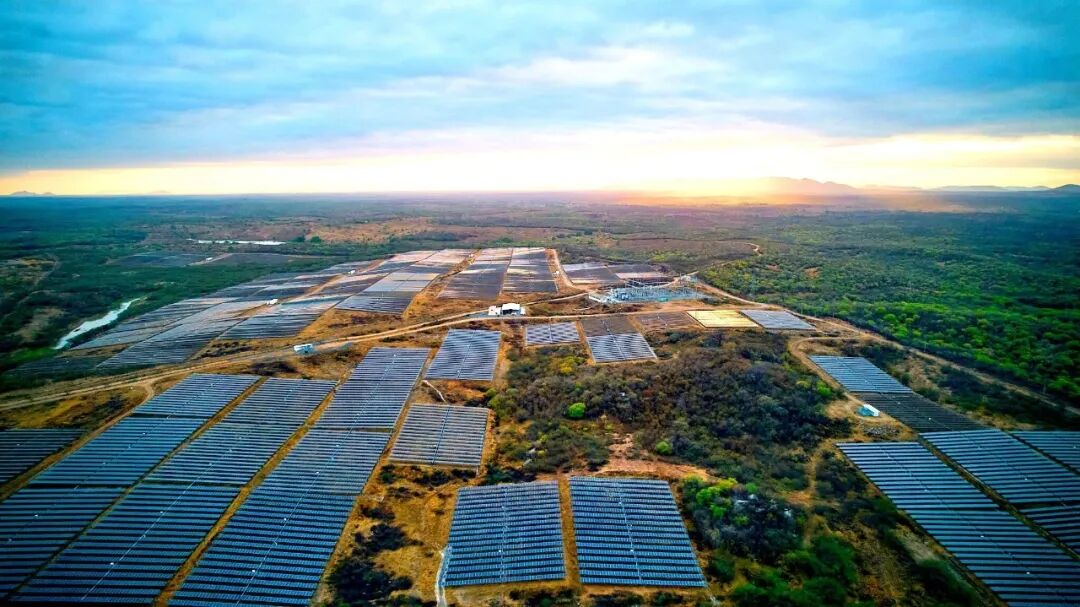
10月30日,中国能源建设股份有限公司(以下简称"中国能建")在南美洲的首个新能源投资项目——巴西科雷马斯光伏项目顺利完成交割。中能建海外投 资有限公司(以下简称"能建海投")正式成为该项目的控股股东,并全面负责运营管理。此举标志着中国能建在南美洲新能源投资领域迈出关键一步,实 现了境外投资业务的重大突破,也为中巴两国绿色能源合作注入新动能。 ▲项目航拍 未来,能建海投将积极践行中巴两国领导人共识,以中国能建"四新"战略为指引,深化与当地政府、行业领军企业及金融机构的务实合作,推动两国在清 洁能源与可持续发展领域的深度协作,持续为中巴合作不断注入绿色动能。 记者:王可 编辑:韩懿 完成交割后,能建海投将积极推进项目的升级改造与运维优化,通过技术和管理提升发电效率与运营效益,致力于将科雷马斯光伏项目打造为南美地区具 有示范意义的绿色能源标杆工程。 ▲仪式现场 校对:刘卓 科雷马斯光伏项目位于巴西东北部帕拉伊巴州,总装机容量约93兆瓦,年均发电量达1.67亿千瓦时,可满足当地超过8万户家庭的年度用电需求,相当于 每年节约标准煤约2.05万吨,减排效益显著。该项目已为当地创造近百个就业岗位,在带动区域经济发展的同时 ...


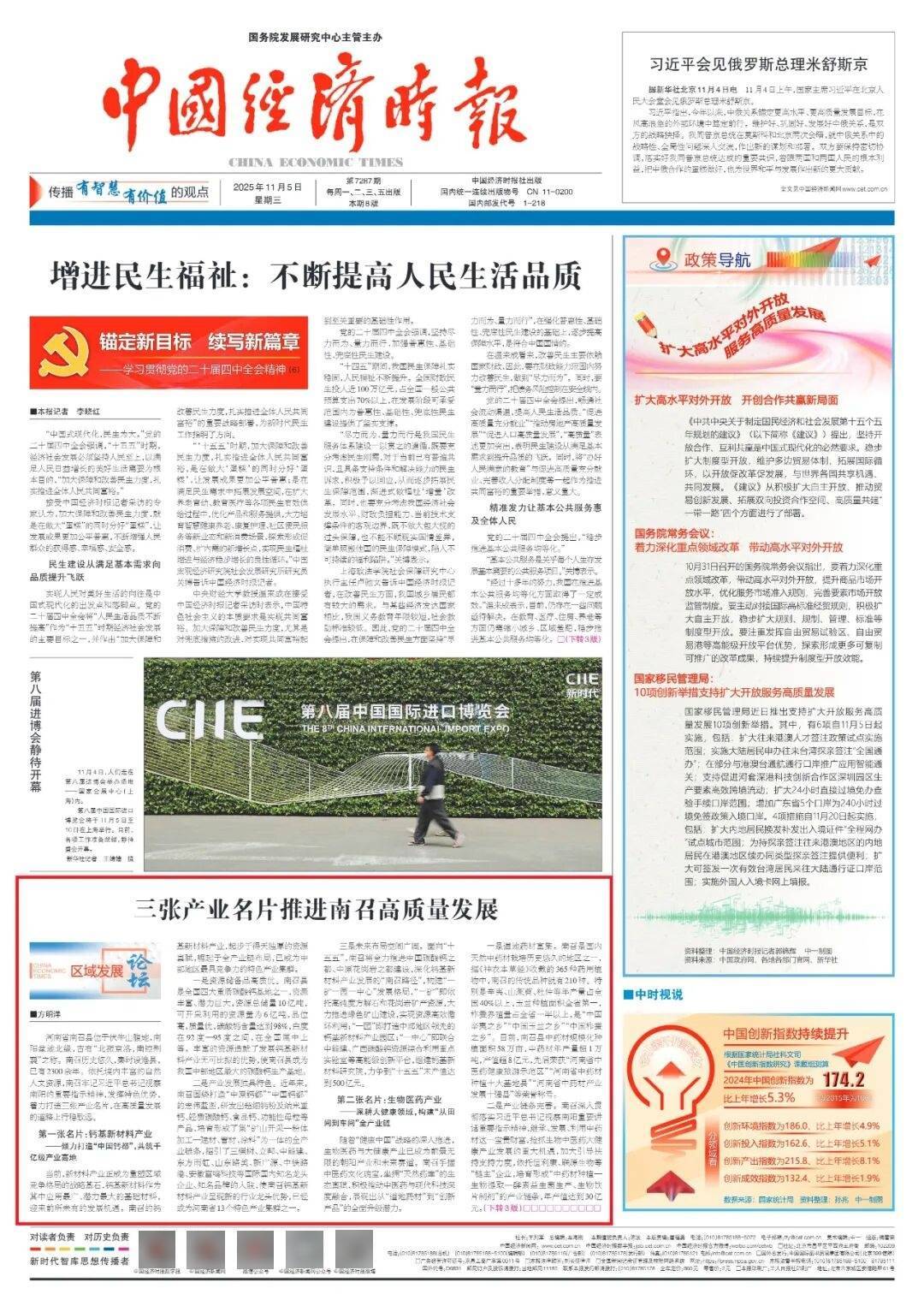
区域发展论坛 | 方明洋:三张产业名片推进南召高质量发展
Sou Hu Cai Jing· 2025-11-05 02:45
Core Viewpoint - Nanzhao County is leveraging its rich natural and cultural resources to develop three key industries: calcium-based new materials, biomedicine, and cultural tourism, aiming for high-quality economic growth. Group 1: Calcium-Based New Materials Industry - Nanzhao is positioning itself as "China's Calcium Capital," with a goal to build a trillion-level industry base in calcium-based new materials [2][3]. - The county has significant resource reserves, being one of the four major heavy calcium carbonate bases in China, with a total resource reserve of 1 billion tons and an exploitable amount of 600 million tons, featuring a calcium carbonate content of 98% and whiteness between 92% and 95% [2][3]. - The industry has developed a complete value chain from mining to processing, attracting major companies like Three Trees and Nippon Paint, making it a competitive industrial cluster in Central China [3][4]. - Future plans include establishing a calcium-based new materials industrial park and a research institute, targeting a production value of 50 billion yuan by the end of the 14th Five-Year Plan [3][4]. Group 2: Biomedicine Industry - The biomedicine sector is focused on the "Great Health" strategy, integrating traditional Chinese medicine with modern technology, showcasing potential for upgrading from traditional medicinal materials to innovative products [4][5]. - Nanzhao has a rich history in cultivating traditional Chinese medicinal materials, with 210 out of 365 recorded medicinal plants found in the region, and a significant production of key species like magnolia and mountain cornel [4][5]. - The industry has established a complete supply chain from cultivation to bio-extraction, achieving an annual output value of 3 billion yuan, with plans to develop a trillion-level health industry cluster [5][6]. Group 3: Cultural Tourism Industry - Nanzhao is enhancing its cultural tourism sector by leveraging its historical and natural resources, aiming to create a new benchmark for cultural tourism integration in Southwest Henan [6][7]. - The county has a solid foundation for tourism, with numerous historical sites and natural attractions, making it a prime location for investment in the cultural tourism industry [6][7]. - Collaborative efforts with major tourism groups have led to the establishment of several national and provincial tourist attractions, enhancing the region's brand and market appeal [7][8].
国内业务下滑、海外签单大增 基建巨头集体出海掘金
Sou Hu Cai Jing· 2025-11-04 17:19
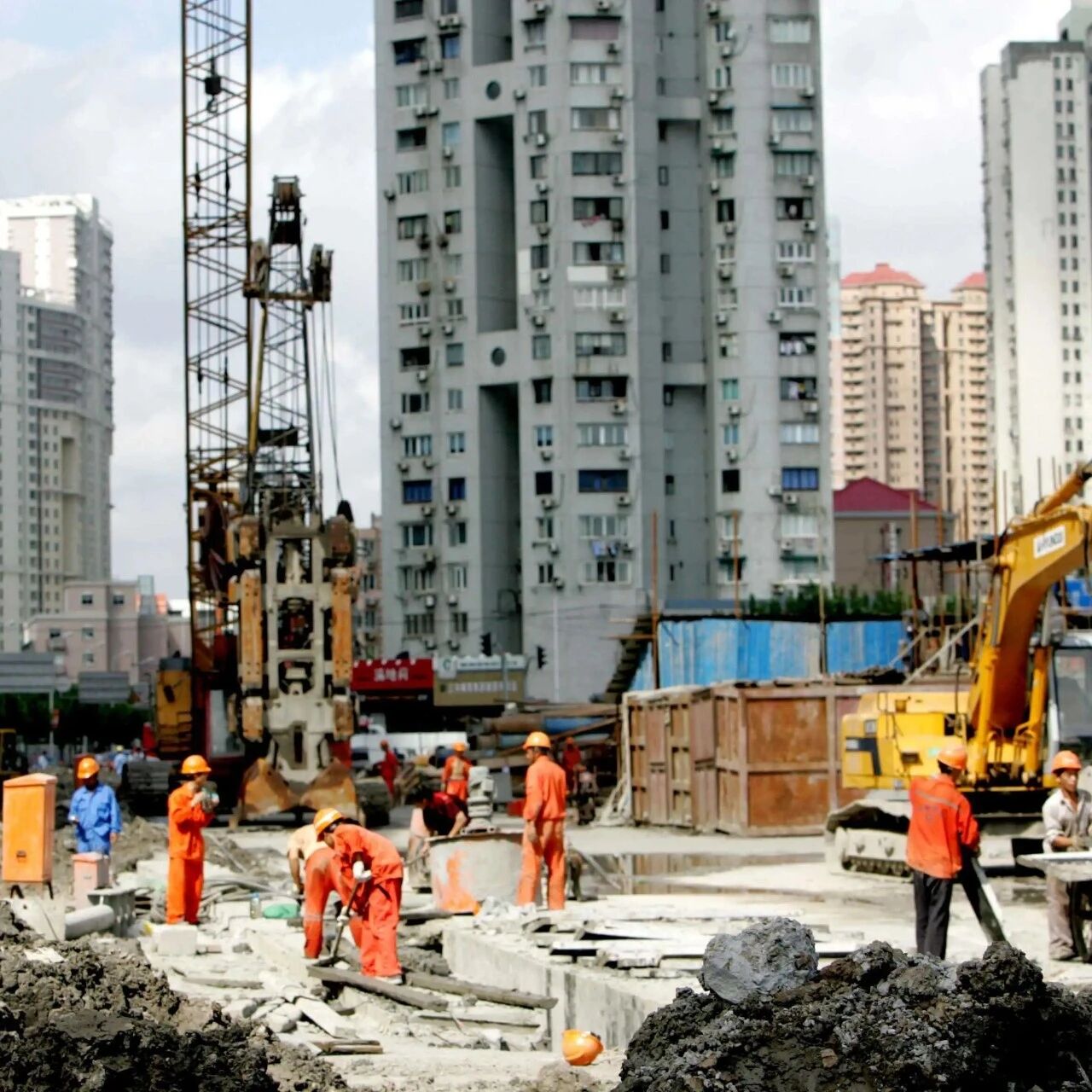
Core Insights - China's foreign contracting engineering business has been continuously growing, with "Belt and Road" new contracts maintaining over 80% share, indicating future development potential [1][6] - Major construction companies are facing challenges domestically, with five out of eight major state-owned enterprises experiencing revenue declines and seven seeing profit reductions [1][8] - The overseas market is becoming a crucial path for transformation, with significant growth in foreign contracts despite domestic pressures [2][3][8] Group 1: Overseas Contract Growth - China Communications Construction Company (CCCC) secured overseas contracts worth 359.73 billion yuan in 2024, a 12.50% increase year-on-year [2] - China Railway's overseas contracts reached 166.64 billion yuan in the first three quarters of 2023, up 35.2% year-on-year [2] - China State Construction Engineering Corporation (CSCEC) reported a 94.52% increase in overseas contracts, totaling 204.82 billion yuan in the same period [3] Group 2: Domestic Challenges - Major construction firms are at a crossroads due to declining domestic revenues, with China Metallurgical Group's revenue dropping by 18.78% to 335 billion yuan [8][9] - The overall revenue for major state-owned construction companies has decreased, with only a few like China Electric Power Construction achieving growth [8][9] - The net profit of China Metallurgical Group fell by 41.88%, highlighting the significant impact of domestic market pressures [8][9] Group 3: Strategic Shifts and Opportunities - Companies are increasingly focusing on overseas markets as a strategy to counteract domestic revenue declines, with a notable emphasis on the "Belt and Road" initiative [5][10] - The global infrastructure investment gap is projected to reach 15 trillion USD by 2030, with Asia accounting for over 60%, presenting opportunities for Chinese firms [5][6] - The demand for diverse infrastructure projects, including renewable energy and digital construction, is expected to grow significantly, further driving overseas expansion [6][10]



国内业务下滑海外签单大涨,基建巨头集体出海
第一财经· 2025-11-04 09:30
Core Viewpoint - The traditional infrastructure giants are facing challenges in the first three quarters of the year, with five out of eight major state-owned construction enterprises experiencing revenue declines and seven seeing profit reductions, prompting a shift towards overseas markets as a key growth strategy [3][12]. Group 1: Performance of Major Construction Enterprises - In the first three quarters, major construction enterprises like China State Construction, China Railway, and China Communications Construction reported significant revenue declines, with China Metallurgical Group experiencing a nearly 20% drop [13][14]. - Only China Electric Power Construction, China Energy Construction, and China Chemical managed to achieve revenue growth, with increases of 3.04%, 9.62%, and 1.26% respectively [13]. - The net profit of these enterprises also showed a downward trend, with China Metallurgical Group's net profit decreasing by 41.88% [14]. Group 2: Overseas Expansion and New Opportunities - Major construction companies are increasingly focusing on overseas markets, with China Communications Construction signing contracts worth 319.746 billion yuan abroad in 2023, a 47.50% increase year-on-year [6]. - China Railway and China Electric Power Construction also reported significant growth in overseas contracts, with increases of 35.2% and 21.45% respectively [7][10]. - The "Belt and Road" initiative and other international cooperation mechanisms are providing new opportunities for these companies, as global infrastructure investment gaps are projected to reach $15 trillion by 2030 [9][10]. Group 3: Major Projects and Future Trends - Significant projects are increasingly concentrated among leading enterprises, with China Electric Power Construction and others securing large contracts in various regions, including Latin America and the Middle East [11][12]. - The demand for diverse infrastructure projects, including renewable energy and digital construction, is expected to grow, with global low-carbon infrastructure investments projected to reach $9.2 trillion from 2023 to 2030 [10]. - Countries like Indonesia, Vietnam, and Thailand are planning substantial infrastructure investments, indicating a robust future demand for construction services [10].



建筑装饰 2025Q1-3 财报综述:收入降幅收窄,现金流改善明显
Shenwan Hongyuan Securities· 2025-11-04 09:15
Investment Rating - The report maintains an "Optimistic" rating for the construction industry [2][3]. Core Insights - The construction industry faced revenue and profit pressures in Q1-Q3 2025, with total revenue of 5.52 trillion, down 5.2% year-on-year, and net profit of 118.9 billion, down 9.0% year-on-year [2][3]. - The decline in revenue has narrowed, and cash flow has shown significant improvement, attributed to local government debt resolution policies and enhanced cash flow management by companies [2][5]. - The industry’s gross margin remained stable at 9.8%, with a net margin of 2.16%, indicating effective cost control despite external pressures [2][10]. Summary by Sections 1. Financial Overview of the Construction Industry - In Q1-Q3 2025, major listed companies in the construction sector reported a total revenue of 5.52 trillion, reflecting a year-on-year decrease of 5.2%, and a net profit of 118.9 billion, down 9.0% [3][9]. - Quarterly revenues were 1.84 trillion, 1.91 trillion, and 1.76 trillion, with respective year-on-year declines of 6.2%, 5.2%, and 4.3% [3][9]. 2. ROE Analysis - The overall Return on Equity (ROE) for the industry in Q1-Q3 2025 was 3.36%, a decrease of 0.53 percentage points year-on-year [17]. - The decline in ROE is attributed to reduced investment and increased cost pressures, impacting profitability [17][28]. 3. Cash Flow Improvement - The industry’s operating cash flow showed improvement, with a net outflow of 404.7 billion, which is 70.7 billion less than the previous year [4][14]. - The cash collection ratio improved to 103%, 87%, and 108% across the three quarters, indicating better cash management [4][14]. 4. Investment and Profitability Trends - The construction sector is experiencing a shift towards cash management and asset quality improvement, with companies focusing on reducing ineffective assets [5][26]. - Investment net income in Q3 2025 decreased by 39.4 billion year-on-year, reflecting the ongoing challenges in the sector [26]. 5. Market Perception and Opportunities - The report suggests that the market underestimates the potential for investment in the construction and real estate sectors, which remain crucial to the economy [6]. - The emphasis on quality over growth by state-owned enterprises is expected to create new opportunities for sustainable growth [6].




破局 “水土不服”:中国能建东电二公司在东南非的 “项目出海” 成长史
Huan Qiu Wang· 2025-11-04 08:54
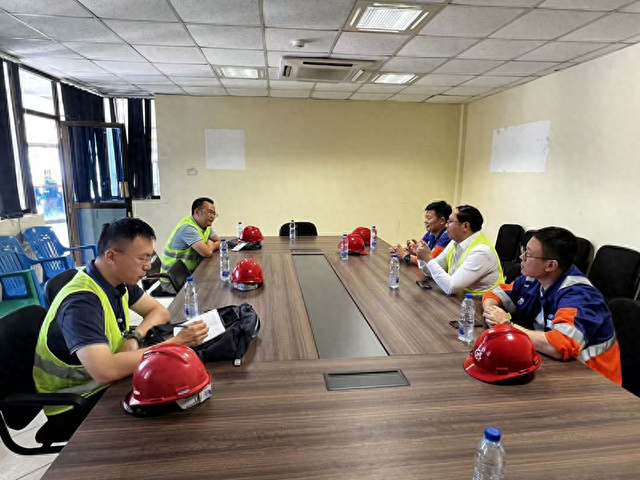
Core Insights - The article highlights the efforts of China Energy Engineering Group's Tanzania branch in establishing energy infrastructure in East Africa, emphasizing the integration of Chinese standards with local needs as part of the Belt and Road Initiative [1][5][14] Group 1: Project Initiation and Challenges - The initial challenge faced by the company in East Africa was adapting to local conditions, which required a complete understanding of the market from scratch [3][11] - The company participated in eight projects over two years, including local and cross-border initiatives, requiring a blend of Chinese standards and local requirements [3][4] - Significant price discrepancies were noted in local materials, necessitating extensive market research to establish a pricing strategy [3][11] Group 2: Technical Adaptation and Local Integration - The company developed a corrosion-resistant coating for transmission towers in Zanzibar, adapting to local environmental conditions [4][5] - Contracts included commitments to prioritize local hiring and skills training, demonstrating a genuine effort to transfer knowledge to local workers [5][9] - The team learned to tailor their proposals to meet both engineering standards and local expectations, leading to improved perceptions from international clients [5][7] Group 3: Major Project Achievements - The company successfully secured a $87.6 million contract for a 330 kV transmission project in Zambia, marking a significant milestone in their operations [7][8] - This project is crucial for enhancing electricity distribution from the southern to the northern regions of Zambia, supporting local economic development [7][8] Group 4: Support from the Belt and Road Initiative - The Belt and Road Initiative provided essential support, facilitating connections with local authorities and streamlining project processes [8][9] - The company utilized experiences from other Belt and Road countries to navigate local challenges, such as environmental considerations and community engagement [8][9] Group 5: Cultural and Operational Adaptation - The company faced cultural communication barriers, which were addressed by using visual aids and examples from previous projects to build trust with local workers [12][13] - A comprehensive database of local suppliers was created to improve supply chain transparency and efficiency, which proved beneficial during adverse weather conditions [11][12] Group 6: Future Plans and Goals - The company aims to continue focusing on energy projects, including distributed solar power in Tanzania and agricultural irrigation in Zambia, while deepening local partnerships [15] - Plans include training local project managers and establishing long-term collaborations with local design and construction firms to ensure sustainable development [15]
国内业务下滑海外签单大涨,基建巨头集体出海“掘金”
Di Yi Cai Jing· 2025-11-04 08:33
Core Insights - Traditional infrastructure giants are facing challenges in revenue and profit due to a slowdown in real estate and infrastructure projects, with five out of eight major state-owned construction enterprises reporting revenue declines and seven experiencing profit shrinkage [1] - The shift towards overseas markets, particularly in Southeast Asia, is becoming a crucial path for transformation and growth for these companies [1][3] Group 1: Revenue and Profit Trends - In the first three quarters of this year, major construction enterprises like China Railway and China State Construction reported significant revenue declines, with China Metallurgical Group experiencing a nearly 20% drop [10][11] - Only a few companies, such as China Electric Power Construction and China Energy Construction, managed to achieve revenue growth, with increases of 3.04% and 9.62% respectively [10] - The overall profit situation is concerning, with most companies, except for China Chemical, showing declines in net profit, particularly China Metallurgical Group, which saw a 41.88% decrease [10][11] Group 2: Overseas Expansion - Chinese construction companies are increasingly focusing on overseas projects, with China Communications Construction Company (CCCC) signing contracts worth 319.7 billion yuan abroad in 2023, a 47.50% increase year-on-year [3][4] - China Railway and China Railway Construction Corporation also reported significant growth in overseas contracts, with increases of 35.2% and 94.52% respectively [4][5] - The trend of overseas expansion is driven by the need to offset domestic revenue declines, with companies like China Railway achieving an 8.34% increase in overseas revenue despite a 6.83% drop domestically [12] Group 3: Market Opportunities - The global infrastructure investment gap is projected to reach 15 trillion USD by 2030, with Asia accounting for over 60%, presenting significant opportunities for Chinese companies [6] - The demand for low-carbon infrastructure is expected to grow, with an estimated investment of 9.2 trillion USD in renewable energy projects from 2023 to 2030 [6][7] - Major infrastructure projects in countries like Indonesia, Vietnam, and Thailand indicate a robust pipeline of opportunities for Chinese construction firms [7]
建筑装饰2025Q1-3财报综述:收入降幅收窄,现金流改善明显
Shenwan Hongyuan Securities· 2025-11-04 07:45
Investment Rating - The report maintains a "Positive" rating for the construction and decoration industry [3][4]. Core Viewpoints - The construction industry experienced a revenue decline of 5.2% year-on-year in the first three quarters of 2025, with total revenue reaching 5.52 trillion [3][4]. - The net profit attributable to shareholders decreased by 9.0% year-on-year, totaling 118.9 billion [3][4]. - The industry is focusing on improving asset quality and cash flow management due to pressures from local government debt and the downturn in the real estate sector [3][4][6]. Summary by Sections 1. Overall Financial Situation of the Construction Industry - The construction industry faced revenue and profit pressures in Q1-Q3 2025, with quarterly revenues of 1.84 trillion, 1.91 trillion, and 1.76 trillion, reflecting year-on-year declines of 6.2%, 5.2%, and 4.3% respectively [3][4][12]. - The net profits for the same quarters were 444 billion, 431 billion, and 314 billion, with year-on-year declines of 8.8%, 3.9%, and 15.3% respectively [3][4][12]. 2. ROE Analysis - The industry’s Return on Equity (ROE) decreased by 0.53 percentage points year-on-year to 3.36% in Q1-Q3 2025 [21]. - The decline in ROE is attributed to reduced investment and profitability pressures across various sectors within the industry [21][22]. 3. Cash Flow Improvement - The operating cash flow for the industry showed improvement, with a net outflow of 404.7 billion, which is 70.7 billion less than the previous year [5][17]. - The cash collection ratios for Q1, Q2, and Q3 were 103%, 87%, and 108%, indicating a positive trend in cash management [5][17]. 4. Investment and Profitability Trends - The industry is witnessing a shift towards cash management and asset quality improvement, with a focus on reducing ineffective and low-efficiency assets [30]. - The net investment income for Q3 2025 decreased by 39.4 billion year-on-year, reflecting the industry's strategic pivot towards cash flow management [30]. 5. Market Perception and Opportunities - The report suggests that the market underestimates the potential for investment in the construction and real estate sectors, which remain critical to the economy [7]. - There is an expectation for increased investment opportunities in renovation and infrastructure projects, driven by government policies aimed at stimulating the economy [7].
从“一黑一白”到“步步皆景”,华蓥采煤沉陷区实现破茧重生 “煤城”变“绿城” 激活新动能
Si Chuan Ri Bao· 2025-11-04 03:22
Core Viewpoint - The transformation of Huaying City from an industrial base reliant on coal and cement to a modern ecological and tourism-oriented economy showcases successful ecological restoration and industrial diversification efforts since 2018 [5][6]. Ecological Restoration and Tourism Development - Huaying City has implemented comprehensive ecological projects, including the restoration of mining scars and integrated management of natural resources, resulting in the addition of 100,000 acres of forest land and a forest coverage rate of 53.18% [4][6]. - The city has developed a 71,000-acre oil camellia base, generating an annual output value of 1,300 yuan per acre, and has established a provincial-level modern forestry park [4][5]. - The transformation of former coal mine sites into tourism landmarks, such as the "Hey Mine Panda" guesthouse, illustrates the integration of industrial heritage with tourism [5][6]. Industrial Transformation and Economic Growth - Huaying City has shifted its industrial focus by closing 63 outdated coal mines and small steel plants, promoting green and circular economy practices [8][9]. - The city has identified electronic information and basalt fiber as its two main industries, implementing supportive policies to foster high-quality industrial development [8][9]. - In 2024, 26 electronic information enterprises in Huaying are projected to achieve an output value of 2.205 billion yuan, accounting for 18.3% of the city's total industrial output [8][9].

7GWh!南瑞继保等4企拿下储能订单
行家说储能· 2025-11-03 10:39
Core Insights - The article highlights significant developments in the energy storage market, particularly in Australia, with multiple companies announcing substantial storage orders totaling over 7GWh [1][5][8]. Group 1: Company Developments - Nanrui Jibao signed a global strategic cooperation agreement with Pacific Green Group to focus on grid-type energy storage technology, planning a 250MW/1000MWh energy storage station in Victoria, Australia [2][4]. - Maitian Energy announced two 2GWh storage orders with OSW and Solar Juice, aiming to enhance renewable energy integration into the grid and promote residential storage systems [5][7]. - China National Nuclear Corporation's subsidiary, Huineng International, signed a cooperation agreement with Equator Renewables Asia to develop a 900MWp photovoltaic and 1.2GWh battery storage project in Indonesia, with a total investment of several billion dollars [8][11]. - Hopson's subsidiary signed a procurement contract for an 800MWh storage system for a demonstration project in Dunhuang, with delivery scheduled between April 1 and April 30, 2026 [12].

