
宝洁公司

Search documents
The “English Warren Buffett” Is Selling Everything in Sight. Time to Follow Suit?
Yahoo Finance· 2025-11-19 16:39
Fundsmith Quick Read Fundsmith sold its entire Mastercard (MA) position in Q3 and cut Meta Platforms by over half. Fundsmith trimmed positions aggressively in 2025 with minimal buying activity. Berkshire Hathaway built cash to $382B while Fundsmith reduced equity exposure amid high valuations. If you’re thinking about retiring or know someone who is, there are three quick questions causing many Americans to realize they can retire earlier than expected. take 5 minutes to learn more here Terry Smi ...
Don't Give Up on Dividend Stocks. 5 Dividend Kings Down Between 5% and 33% to Buy in November
Yahoo Finance· 2025-11-19 14:15
Core Insights - PepsiCo has made significant acquisitions, including full ownership of Sabra, Obela, Siete Foods, and Poppi, marking a major diversification effort in its portfolio [1] - The company is undergoing a portfolio transformation and cost reduction strategy to enhance operations and respond to the growing demand for wellness and healthy snacks [2] - The consumer staples sector, including PepsiCo, has faced challenges due to rising living costs, inflation, and a weakening job market, leading to decreased foot traffic and demand for snacks and beverages [3][4] Company-Specific Summaries - **PepsiCo**: The company is focusing on diversifying its product offerings through acquisitions that do not overlap with its existing brands, aiming to adapt to changing consumer preferences [2][7] - **Procter & Gamble (P&G)**: P&G is demonstrating strong pricing power and modest earnings growth, with international markets helping to offset weaknesses in North America [8] - **Colgate-Palmolive**: Colgate is primarily focused on oral and home care products, maintaining a strong position in the toothpaste market, and has a high-margin pet nutrition segment [9][10][11] - **Kimberly-Clark**: The company is facing challenges following its acquisition of Kenvue, but it maintains strong brands in the diaper and tissue markets, which are resilient during economic downturns [12][14][15] - **Target**: Target is struggling to compete on price but is improving its in-store experience and e-commerce capabilities, still generating sufficient cash flow to support its dividend [16] Market Performance and Valuation - The consumer staples sector, including Dividend Kings like PepsiCo, P&G, and Colgate, has seen a decline in stock performance, with many companies trading at attractive valuations based on forward earnings projections [17][18] - Kimberly-Clark is noted for trading at a significant discount to its historical average, although this may change post-acquisition of Kenvue [18] - The current market conditions present a compelling opportunity for long-term investors to consider these Dividend Kings, particularly those with strong cash flow and dividend reliability [19]


凤凰网财经《知行》深度对话宝洁:在进博会,看见消费创新的未来
Feng Huang Wang Cai Jing· 2025-11-19 12:49
Core Viewpoint - Procter & Gamble (P&G) emphasizes innovation as a core driver for its sustained leadership in the Chinese market, focusing on consumer insights and long-term value creation rather than short-term gains [1][17]. Group 1: Innovation Strategy - P&G has participated in the China International Import Expo for the seventh consecutive year, highlighting its commitment to the Chinese market [2]. - The company identifies three key elements of innovation: product innovation for better experiences, AI for efficient and agile innovation, and continuous innovation contributing to sustainable development [3][4]. - P&G's approach to innovation is centered around understanding Chinese consumers, maintaining a "Day 1 mindset" to combat complacency from past successes [4][5]. Group 2: Market Insights - The Chinese cosmetics market is identified as an incremental growth market, with the total transaction value surpassing 1 trillion yuan in 2023, projected to reach 1.0738 trillion yuan in 2024 [6][7]. - P&G believes that industry collaboration is essential for driving growth, moving from "wild growth" to a "high-level competition and cooperation" market [7]. Group 3: Technology Integration - P&G has integrated AI across its entire value chain, aiming to enhance consumer experiences while ensuring that AI serves as a tool for better living rather than an end goal [9][10]. - The company has established a comprehensive data feedback system to gather real-time consumer insights, which has significantly influenced its operational strategy and culture [8]. Group 4: Product Philosophy - P&G's innovation focuses on user experience rather than mere technological showcase, exemplified by products that address specific consumer needs, such as improved absorption in hair care products [10][11]. - The company recognizes the importance of catering to diverse consumer needs, adapting products to regional differences, such as climate variations affecting skincare [11]. Group 5: Sustainability Commitment - P&G aims for net-zero emissions by 2040, viewing green investment as a commitment to the future rather than a cost [13]. - The company has implemented various initiatives to promote sustainability, including a project that has recycled over 30,000 tons of plastic in collaboration with industry partners [13]. Group 6: Globalization and Localization - P&G's "Glocal" strategy focuses on making China an innovation hub, leveraging local consumer insights to drive global product development [14][15]. - The company is helping Chinese supply chain enterprises enter international markets, emphasizing the importance of localizing products to meet specific consumer needs [15]. Group 7: Future Industry Outlook - The future of the Chinese daily chemical industry is expected to shift from zero-sum competition to high-level cooperation, leading to long-term prosperity [16]. - The industry is anticipated to offer higher quality, more segmented, and safer beauty and health products, with an emphasis on collaborative development across various sectors [16].
凤凰网财经《知行》深度对话宝洁:在进博会,看见消费创新的未来
凤凰网财经· 2025-11-19 12:45
Core Viewpoint - Procter & Gamble (P&G) emphasizes continuous innovation and consumer-centric strategies to maintain its leadership in the Chinese market, which is now its second-largest globally, amidst evolving consumer demands and market dynamics [1][17]. Group 1: Innovation as a Core Strategy - P&G's innovation is rooted in three key elements: product innovation for better experiences, AI for efficient and agile innovation, and sustainable practices contributing to green development, all centered around Chinese consumers [3][4]. - The company adopts a "Day 1 mindset" to combat the burden of success, focusing on understanding and meeting the evolving needs of Chinese consumers [4][5]. - P&G's long-term strategy involves planning over 5-10 years, prioritizing brand and category growth rather than short-term sales metrics, and enhancing consumer engagement through increased research and communication [6][7]. Group 2: Market Insights - The Chinese cosmetics market is identified as a growth market, with a total transaction value surpassing 1 trillion yuan in 2023, projected to reach 1.07 trillion yuan in 2024, indicating a broadening consumer base [7][8]. - The industry is transitioning from "wild growth" to "high-level competition," necessitating collective efforts in innovation, regulatory support, and consumer education to drive market expansion [8][9]. Group 3: Technology Empowerment - P&G has integrated AI across its entire value chain, aiming to enhance consumer experiences while ensuring that AI serves as a tool for better living rather than an end in itself [9][10]. - The company has established a robust online presence, leveraging e-commerce as a platform for consumer interaction and feedback, which has significantly influenced its operational strategies [8][9]. Group 4: Product Philosophy - P&G's innovation focuses on user experience rather than mere technological showcase, exemplified by products that address specific consumer needs, such as improved absorption in hair care products [10][11]. - The company recognizes the importance of catering to diverse consumer segments, adapting products to meet regional differences in consumer preferences [11][12]. Group 5: Sustainability Initiatives - P&G is committed to achieving net-zero emissions by 2040, with a focus on climate, water resources, waste, and nature, integrating sustainability into every aspect of its operations [12][13]. - The company has implemented significant recycling initiatives, such as recovering over 30,000 tons of plastic through collaborative efforts within the industry [12][13]. Group 6: Globalization and Localization - P&G's "Glocal" strategy aims to transform China from a market to an innovation hub, emphasizing local consumer needs while leveraging global resources and technology [13][14]. - The company supports Chinese supply chain enterprises in entering international markets, highlighting the importance of localized service to meet specific consumer demands [14][15]. Group 7: Future of the Industry - The future of the Chinese daily chemical industry is expected to shift towards high-quality competition, with an emphasis on collaboration and innovation to meet diverse consumer needs [16][17]. - The industry is anticipated to see increased product quality and safety, driven by regulatory support and a focus on consumer-centric development [16][17].

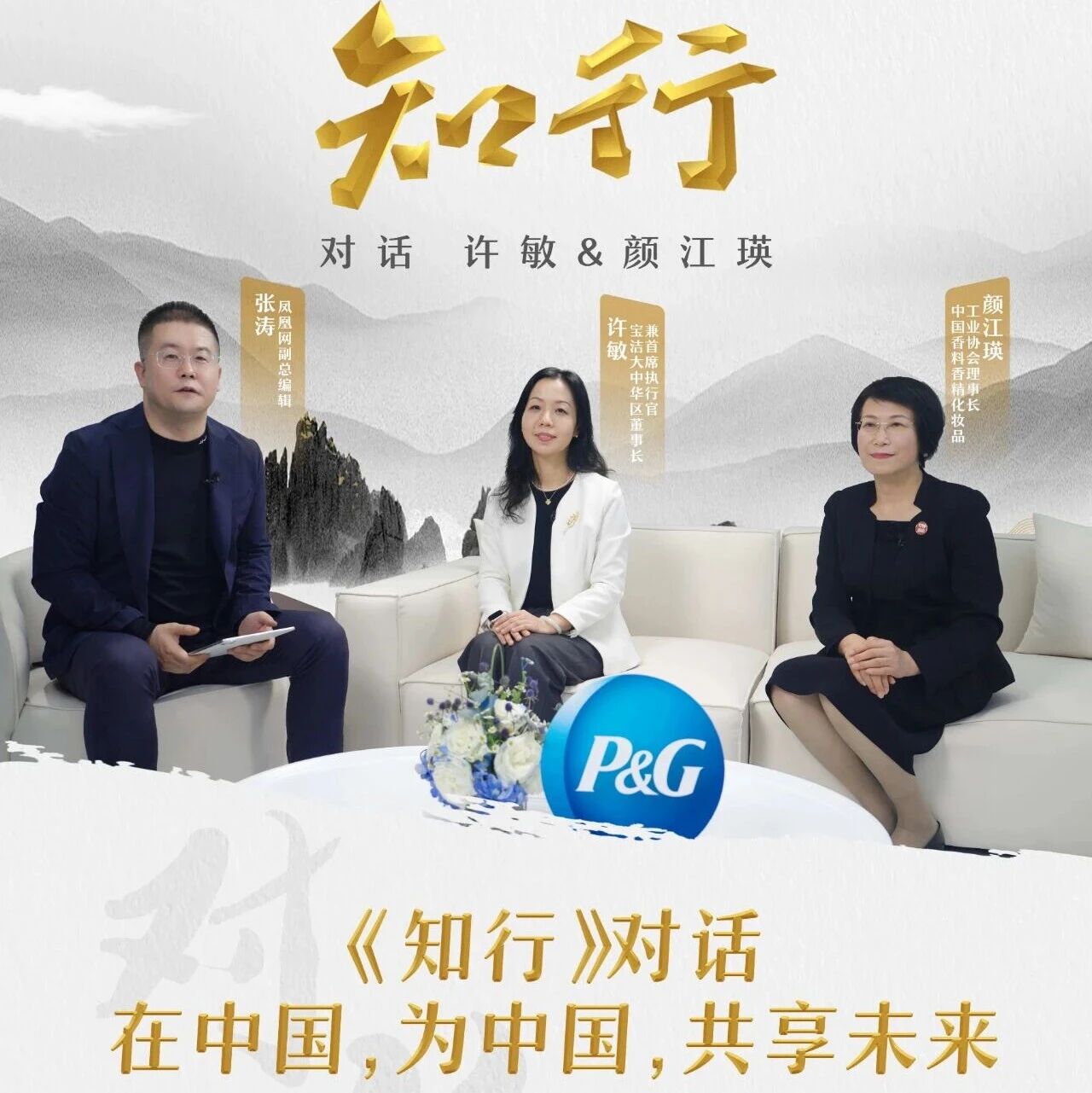
“颜”值经济新篇章:2025年中国美妆市场行业报告
Sou Hu Cai Jing· 2025-11-19 06:37
Core Viewpoint - The Chinese economy has shown resilient growth, with GDP reaching 101.5 trillion yuan and a year-on-year increase of 5.2%. The beauty industry, as a key component of the "aesthetic economy," is reshaping consumer patterns, reflecting a structural shift in consumption from material to emotional needs [1][8][18]. Group 1: Economic Context - The beauty industry is a significant driver of the "aesthetic economy," indicating a transition in consumer spending from material goods to experiences and emotional fulfillment [1][8]. - China's cosmetic retail sales have grown from 204.94 billion yuan in 2015 to an expected 435.65 billion yuan in 2024, with a compound annual growth rate of approximately 10.5% [1][18]. - The market has maintained a scale exceeding one trillion yuan for two consecutive years, solidifying its position as the largest cosmetic consumption market globally [1][42]. Group 2: Industry Development - The beauty industry has evolved through various phases, including market reactivation, foreign investment, and a channel revolution driven by e-commerce and content platforms [1][8]. - The "14th Five-Year Plan" has prioritized the cosmetics industry, with multiple regulatory and innovation support policies set to be implemented by 2025, promoting lifecycle management and core technology innovation [1][26]. Group 3: Consumer Trends - The retail performance of cosmetics has shown a mixed trend, with significant sales peaks during promotional events, but also a decline in consumer confidence reflected in a consumer confidence index of 87.9 in June [19][23]. - The market is experiencing a shift towards high-quality, cost-effective products, with consumers increasingly favoring products priced between 300 to 500 yuan [60][61]. Group 4: Regulatory Environment - The regulatory framework for the cosmetics industry is transitioning from traditional post-market oversight to a more comprehensive lifecycle management approach, enhancing safety and quality standards [26][30]. - New policies are being introduced to encourage innovation in raw materials and support the development of high-end domestic brands, reflecting a commitment to high-quality industry growth [29][30]. Group 5: Market Structure - The Chinese beauty market is characterized by a high entry and exit rate for brands, with a significant number of new entrants relying on marketing and social media for rapid growth [50][51]. - The market structure shows a concentration of companies in economically developed regions, particularly Guangdong, which houses the largest number of beauty enterprises [47][48].
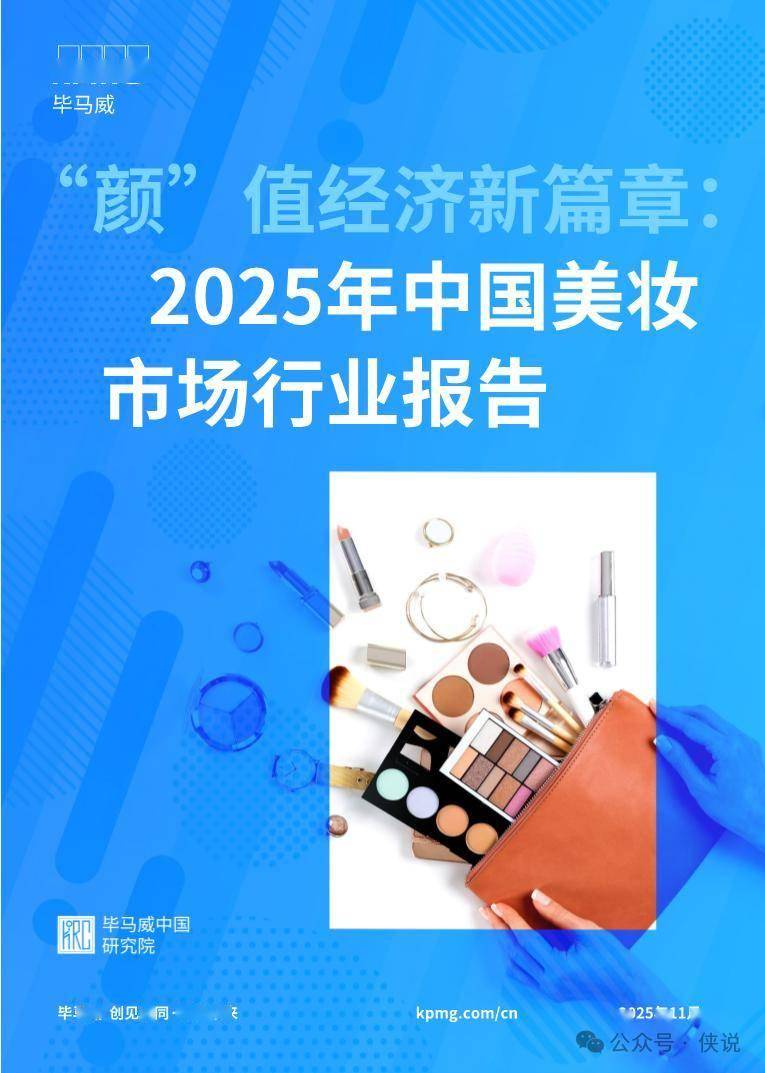
凤凰网财经《知行》深度对话宝洁:创新点亮美好生活,解码全球化新范式
Feng Huang Wang Cai Jing· 2025-11-19 04:14
Core Insights - The core theme of the discussion revolves around Procter & Gamble's (P&G) continuous innovation and adaptation in the Chinese market, emphasizing the importance of consumer-centric strategies and long-term growth over short-term gains [1][17]. Group 1: Innovation Focus - P&G has participated in the China International Import Expo for the seventh consecutive year, highlighting its commitment to innovation as a core aspect of its business DNA [2][3]. - The company emphasizes three key elements of innovation: product innovation for better consumer experiences, the use of AI for efficient and agile innovation, and continuous innovation contributing to sustainable development [3][4]. - P&G's approach to innovation is driven by a "Day 1 mindset," focusing on understanding and meeting the needs of Chinese consumers rather than resting on past successes [4][5]. Group 2: Market Dynamics - The Chinese cosmetics market is identified as a growth market, with the total transaction value surpassing 1 trillion yuan in 2023, projected to reach 1.07 trillion yuan in 2024 [6][7]. - The market is characterized by an expanding consumer base, including the elderly and health-conscious individuals, indicating a shift towards a more inclusive consumer landscape [7]. - P&G's strategy involves not just competing for market share but also collaborating with the industry to expand the overall market size [7][8]. Group 3: Technology Empowerment - P&G has integrated AI across its entire value chain, aiming to enhance consumer experiences and operational efficiency [9][10]. - The company views AI as a tool to improve life quality rather than an end goal, emphasizing the importance of foundational scientific data for effective AI application [9][10]. Group 4: Product Philosophy - P&G's innovation is centered on user experience rather than mere technological showcase, with products designed to address specific consumer needs [10][11]. - The company recognizes the importance of catering to diverse consumer preferences, as evidenced by tailored products for different demographics and regional needs [11]. Group 5: Sustainability Commitment - P&G aims for net-zero emissions by 2040, viewing green investments as a commitment to the future rather than a cost [12][13]. - The company has implemented various initiatives to promote sustainability, including significant plastic recycling efforts and collaboration with industry partners [13]. Group 6: Globalization Strategy - P&G's "Glocal" strategy focuses on leveraging local consumer insights to drive global innovation, positioning China as a key innovation hub [14][15]. - The company aims to balance global and local needs by ensuring high-quality products that meet local consumer standards [15]. Group 7: Industry Future - The future of the Chinese daily chemical industry is expected to shift towards high-quality competition and collaboration, moving away from zero-sum games [16]. - The industry is anticipated to see increased product quality and safety, with a focus on meeting diverse consumer demands [16].
Trump touts steps to make life more affordable, but many struggle to afford fast food
Yahoo Finance· 2025-11-18 15:37
Group 1: Economic Impact on Consumers - Lower-income consumers are experiencing significant financial pressures, leading to a nearly double-digit decline in foot traffic at McDonald's [1] - High levels of inflation are affecting essential expenses such as rent, food, and childcare, which are particularly burdensome for low-income households [2] - The trend of lower-income Americans reducing spending is indicative of a "K-shaped economy," where wealthier individuals continue to thrive while those with fewer resources struggle [3] Group 2: Spending Trends Among Different Income Levels - Visits to McDonald's by affluent consumers have increased by nearly double digits, indicating a shift in spending patterns [4] - The buoyant stock market is a key factor enabling higher-income Americans to spend more, with 87% of households earning over $100,000 owning stocks compared to only 28% of those earning less than $50,000 [5] - Companies like Procter & Gamble are witnessing a widening gap in consumer behavior, where higher-income shoppers opt for larger, more economical product sizes, while lower-income consumers are constrained to smaller sizes [6]

DoubleVerify (NYSE:DV) 2025 Conference Transcript
2025-11-18 15:22
DoubleVerify (NYSE:DV) 2025 Conference Summary Company Overview - **Company**: DoubleVerify - **Industry**: Digital Advertising Verification Key Points and Arguments 1. Investment Focus for 2025 - 2025 is identified as a significant investment year for DoubleVerify, focusing on extending their core value proposition beyond verification to include optimization and performance measurement [2][3][4] 2. New Product Launches - The launch of the Advantage Platform, which includes algorithmic-based bidding and performance measurement, is a key development [2] - New products include Meta PreScreen for social media, Authentic Advantage for YouTube, and Verified Streaming TV for CTV [3][4] 3. Revenue Growth and Performance - DoubleVerify anticipates at least 10% revenue growth, with guidance for 14% growth for the full year [5] - The company reported a 16% growth in the first three quarters of 2025, driven by a strong recurring revenue base and positive uptake of new products [6][8] 4. Revenue Visibility and Client Base - The shift towards programmatic advertising has reduced revenue visibility, but a stronger recurring base with larger enterprise clients helps offset variability [9][10] - New clients like Microsoft and Google are expected to contribute significantly to revenue stability [10] 5. Customer-Driven Product Development - Customer demands for transparency and performance measurement are driving the product roadmap [18][19] - The company is focusing on providing third-party verification solutions to enhance transparency in advertising [18] 6. Market Expansion Goals - DoubleVerify aims to expand revenue from social, CTV, and AI from under 30% to over 50% [21] - Investments in AI are expected to enhance operational efficiency and reduce costs [22][24] 7. AI Integration and Efficiency - The integration of AI tools has significantly improved productivity and speed in data labeling, allowing for scalable operations [24][25] - AI verification tools are being developed to help advertisers navigate AI-generated content [26] 8. Authentic Advantage Product Potential - The Authentic Advantage product has shown promising early results, with an $8 million annual contract value (ACV) deal closed shortly after launch [32] - The product is expected to generate significant revenue, potentially reaching $100 million to $150 million over the next few years [33] 9. Partnership with Meta - The partnership with Meta is currently valued at around $40 million annually, with expectations for growth as new products are adopted [36][38] 10. Competitive Landscape - The competitive landscape is evolving, with DoubleVerify positioned uniquely due to its data-driven approach and focus on advertiser value rather than media ownership [42][43] - The company is significantly larger than its closest competitors, indicating a trend towards a "winner takes most" scenario in the industry [43] Additional Important Insights - The company is adapting its revenue model to include a percentage of media billing, which may provide more flexibility for advertisers [39] - The focus on premium-priced products is expected to positively impact revenue per transaction [39] This summary encapsulates the key insights from the DoubleVerify conference, highlighting the company's strategic direction, product innovations, and market positioning.

KXI: Consumer Staples Dashboard For November
Seeking Alpha· 2025-11-18 11:20
Core Insights - The article focuses on industry metrics in consumer staples, providing a top-down analysis based on value, quality, and momentum [1] Group 1: Industry Metrics - The analysis aims to assist in evaluating sector ETFs, specifically the Consumer Staples Select Sector SPDR ETF (XLP) [1] Group 2: Analyst Background - The quantitative analyst, Fred Piard, has over 30 years of experience in technology and has been investing in data-driven systematic strategies since 2010 [1] - Fred Piard is the author of three books and manages an investing group called Quantitative Risk & Value, which focuses on quality dividend stocks and tech innovation [1]

The Stock Market Flashes a Warning as Investors Get Bad News About President Trump's Tariffs
Yahoo Finance· 2025-11-18 09:02
Economic Overview - The S&P 500 has declined by 1.5% in November, a month typically strong for the U.S. stock market, due to negative economic news and concerns over high valuations, particularly in artificial intelligence stocks [2][7] - The U.S. manufacturing sector has contracted for eight consecutive months, as indicated by the ISM Manufacturing Purchasing Managers' Index (PMI), which reflects declines across all five categories [4][5][7] Impact of Tariffs - Tariffs are significantly impacting U.S. companies and consumers, contrary to the belief that foreign exporters would bear the costs. This has led to rising Consumer Price Index (CPI) inflation since April [6] - Apple reported $1.1 billion in tariff-related cost increases for the September quarter, with expectations of rising to $1.4 billion in the December quarter [8] - Caterpillar anticipates an incremental tariff impact of $1.6 billion to $1.75 billion for 2025 [8] - Chipotle is experiencing mid-single-digit inflation due to tariffs, particularly affecting beef prices, leading to reduced consumer dining out [8] - Ford expects tariffs to create a $1 billion headwind in 2025, with similar impacts anticipated in 2026 [8] - Procter & Gamble raised prices on 25% of its products to offset approximately $1 billion in tariff-related costs [8] - Target reported a 20% decrease in second-quarter earnings, primarily attributed to tariff-related cost increases [8] - Walmart continues to see rising costs as it replenishes inventory at post-tariff price levels [8]