海飞丝洗发水

Search documents
与城市发展同步前行 屈臣氏今年要改造1500家门店
Sou Hu Wang· 2026-03-24 02:55
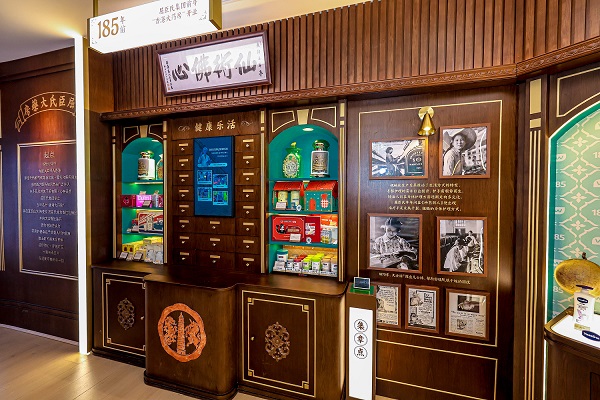
Core Viewpoint - Watsons has opened its first retro-themed pop-up store in Guangzhou, celebrating its 185th anniversary and reflecting on its historical roots in the city [3][4]. Group 1: Historical Context and Significance - The establishment of Watsons in Guangzhou dates back to 1828 with the opening of "Canton Dispensary," marking the beginning of its long-standing relationship with the city [4]. - Guangzhou's favorable business environment has supported Watsons' growth, with approximately 60,000 foreign enterprises, including 368 Fortune 500 companies, operating in the city [4]. - The city has become a hub for international brands, particularly in the beauty industry, with over 1,800 cosmetic manufacturers and an annual output value exceeding 100 billion yuan [5][6]. Group 2: Consumer Trust and Brand Evolution - Watsons has evolved from a pharmacy to a multi-category retailer, responding to changing consumer needs by introducing a variety of products, including personal care items and local brands [7][8]. - The pop-up store has attracted diverse consumers, serving as a nostalgic connection for older generations while also appealing to younger shoppers with contemporary products [10][11]. - Watsons' consistent presence in consumers' lives has established it as a trusted brand, bridging the gap between traditional and modern retail experiences [11]. Group 3: Innovation and Future Growth - Watsons focuses on three key dimensions for sustainable growth: accessibility, choice, and experience [12]. - The company has integrated digital solutions to enhance accessibility, allowing consumers to order online and receive products quickly through its "flash delivery" service [13]. - Watsons continues to introduce international brands while increasing the presence of local products, thus enhancing consumer choice [14]. - The retail experience is being redefined with clear functional areas in stores, professional consultations, and interactive elements to engage consumers [15][17]. - Watsons plans to upgrade 1,500 stores nationwide by 2026, aiming to enhance the immersive shopping experience and adapt to market changes [17].


2025年家清个护行业投放趋势分析
击壤科技· 2026-02-26 07:03
Investment Rating - The report does not explicitly state an investment rating for the household cleaning and personal care industry. Core Insights - The household cleaning and personal care industry is experiencing a significant shift in advertising strategies, with a notable decline in traditional television advertising and a rise in digital platforms and new program formats [12][60][88]. Summary by Sections 01. Television Advertising Trends - The total number of brands participating in advertising decreased from 510 in 2024 to 441 in 2025, with a total advertising duration drop of 12.5% [15]. - In the prime time slot, the number of brands decreased from 59 to 53, with a significant drop in advertising duration by 35.8% [12][15]. - CCTV remains a leading platform, but most clients have small advertising volumes, while other satellite channels have a higher number of clients [12][22]. 02. Variety Show Advertising Trends - The number of brands participating in variety shows increased, with 41 brands advertising across 39 shows in 2025, compared to 35 brands in 2024 [61]. - New programs accounted for 55.6% of the advertising, indicating a shift from established shows to new content [60][62]. - Hunan TV leads in client numbers for household cleaning and personal care brands, with significant participation in new programs [41][43]. 03. Web Series Advertising Trends - The number of brands advertising in web series decreased slightly to 50 in 2025, with a total of 168 web series [88]. - The leading platform for household cleaning and personal care clients is Youku, which saw an increase in client numbers [88]. - The advertising strategy is shifting towards platform self-promotion, with a high concentration of brands using platform-specific advertising rights [90].
中产们的“讨伐” 山姆中国全年销售增长四成里的进退抉择
Xin Lang Cai Jing· 2026-01-05 15:37
Core Insights - In 2025, Sam's Club China achieved a sales milestone of 140 billion yuan, marking a 40% increase from 100.5 billion yuan in 2024, solidifying its position as a key growth driver for Walmart China [1] - The number of paid members surpassed 10 million, with an average annual contribution of 13,100 yuan per member [1] - Walmart China has set a sales target of over 200 billion yuan for 2026, aiming to be nearly three times the size of its closest competitor [1] Expansion Strategy - Sam's Club has experienced rapid growth since its entry into China in 1996, initially struggling with a slow expansion rate, opening only 10 stores in 17 years [2] - From 2020 to 2024, the company accelerated its expansion, opening 5-6 new stores annually, and in 2025, it opened a record 10 new stores, bringing the total to 63 [3][4] - The new stores are strategically located in lower-tier cities, reflecting a shift from focusing solely on first-tier cities [4] Membership Dynamics - The former president emphasized that members are the lifeblood of Sam's Club, with a focus on limited SKUs, high-value/low-margin products, and strict operational discipline [6] - Targeting young mothers from the 80s and 90s, Sam's Club aims to provide a curated shopping experience that reduces decision-making time and alleviates shopping anxiety [7] - However, recent criticism from members regarding product selection indicates a potential disconnect between the brand's offerings and member expectations [8] Market Reactions - The backlash against certain product selections has led to a divide among consumers, with some viewing it as a sign of middle-class discontent while others criticize the perceived exploitation of members [9] - The introduction of new products has sparked debates about value and quality, with some members feeling that they are being charged excessively for items that should be available at lower prices [9] - Frequent changes in the executive team have further eroded member confidence, raising concerns about the brand's commitment to quality [10]

凤凰网财经《知行》深度对话宝洁:在进博会,看见消费创新的未来
Feng Huang Wang Cai Jing· 2025-11-19 12:49
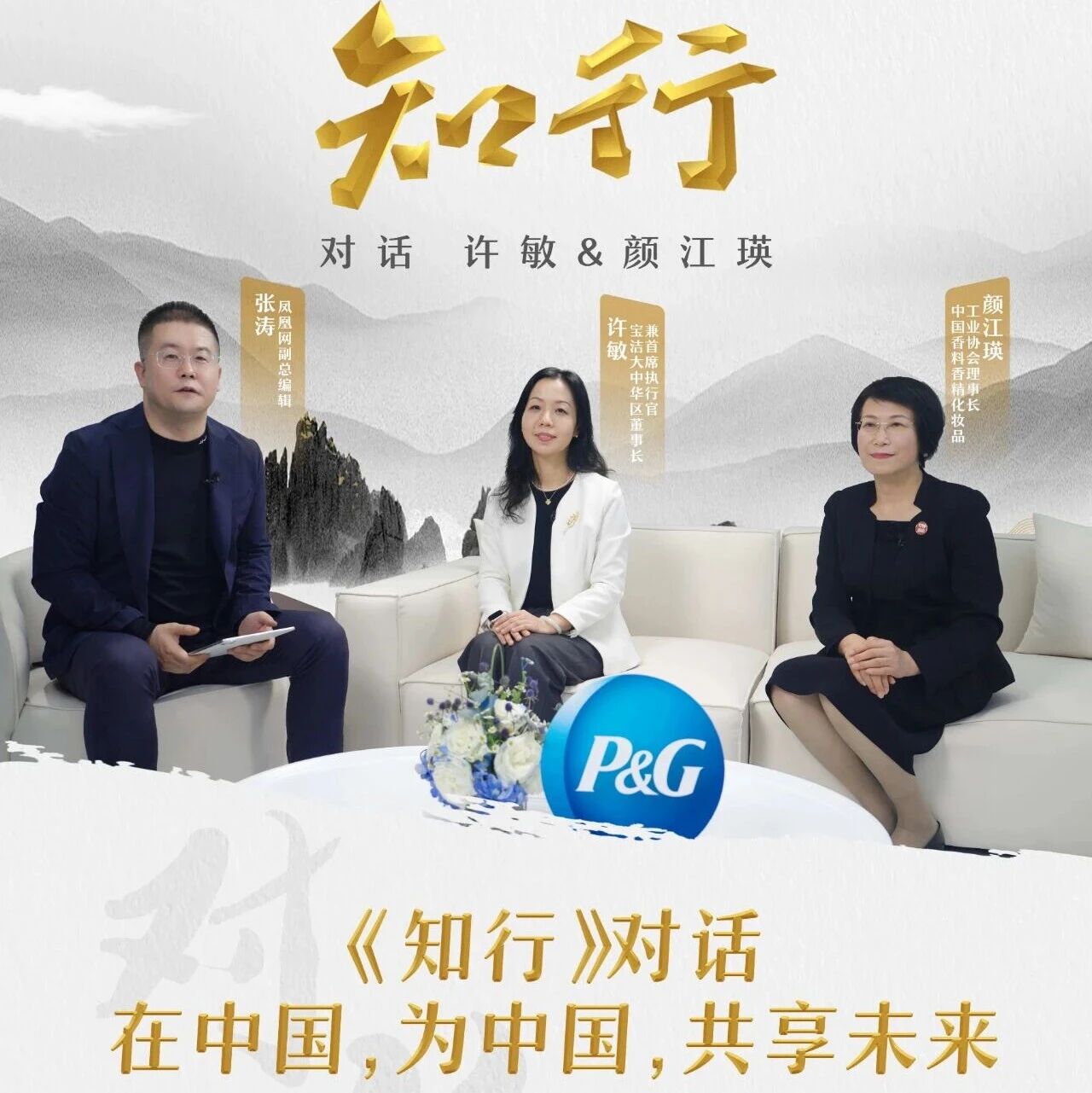
Core Viewpoint - Procter & Gamble (P&G) emphasizes innovation as a core driver for its sustained leadership in the Chinese market, focusing on consumer insights and long-term value creation rather than short-term gains [1][17]. Group 1: Innovation Strategy - P&G has participated in the China International Import Expo for the seventh consecutive year, highlighting its commitment to the Chinese market [2]. - The company identifies three key elements of innovation: product innovation for better experiences, AI for efficient and agile innovation, and continuous innovation contributing to sustainable development [3][4]. - P&G's approach to innovation is centered around understanding Chinese consumers, maintaining a "Day 1 mindset" to combat complacency from past successes [4][5]. Group 2: Market Insights - The Chinese cosmetics market is identified as an incremental growth market, with the total transaction value surpassing 1 trillion yuan in 2023, projected to reach 1.0738 trillion yuan in 2024 [6][7]. - P&G believes that industry collaboration is essential for driving growth, moving from "wild growth" to a "high-level competition and cooperation" market [7]. Group 3: Technology Integration - P&G has integrated AI across its entire value chain, aiming to enhance consumer experiences while ensuring that AI serves as a tool for better living rather than an end goal [9][10]. - The company has established a comprehensive data feedback system to gather real-time consumer insights, which has significantly influenced its operational strategy and culture [8]. Group 4: Product Philosophy - P&G's innovation focuses on user experience rather than mere technological showcase, exemplified by products that address specific consumer needs, such as improved absorption in hair care products [10][11]. - The company recognizes the importance of catering to diverse consumer needs, adapting products to regional differences, such as climate variations affecting skincare [11]. Group 5: Sustainability Commitment - P&G aims for net-zero emissions by 2040, viewing green investment as a commitment to the future rather than a cost [13]. - The company has implemented various initiatives to promote sustainability, including a project that has recycled over 30,000 tons of plastic in collaboration with industry partners [13]. Group 6: Globalization and Localization - P&G's "Glocal" strategy focuses on making China an innovation hub, leveraging local consumer insights to drive global product development [14][15]. - The company is helping Chinese supply chain enterprises enter international markets, emphasizing the importance of localizing products to meet specific consumer needs [15]. Group 7: Future Industry Outlook - The future of the Chinese daily chemical industry is expected to shift from zero-sum competition to high-level cooperation, leading to long-term prosperity [16]. - The industry is anticipated to offer higher quality, more segmented, and safer beauty and health products, with an emphasis on collaborative development across various sectors [16].

凤凰网财经《知行》深度对话宝洁:在进博会,看见消费创新的未来
凤凰网财经· 2025-11-19 12:45
Core Viewpoint - Procter & Gamble (P&G) emphasizes continuous innovation and consumer-centric strategies to maintain its leadership in the Chinese market, which is now its second-largest globally, amidst evolving consumer demands and market dynamics [1][17]. Group 1: Innovation as a Core Strategy - P&G's innovation is rooted in three key elements: product innovation for better experiences, AI for efficient and agile innovation, and sustainable practices contributing to green development, all centered around Chinese consumers [3][4]. - The company adopts a "Day 1 mindset" to combat the burden of success, focusing on understanding and meeting the evolving needs of Chinese consumers [4][5]. - P&G's long-term strategy involves planning over 5-10 years, prioritizing brand and category growth rather than short-term sales metrics, and enhancing consumer engagement through increased research and communication [6][7]. Group 2: Market Insights - The Chinese cosmetics market is identified as a growth market, with a total transaction value surpassing 1 trillion yuan in 2023, projected to reach 1.07 trillion yuan in 2024, indicating a broadening consumer base [7][8]. - The industry is transitioning from "wild growth" to "high-level competition," necessitating collective efforts in innovation, regulatory support, and consumer education to drive market expansion [8][9]. Group 3: Technology Empowerment - P&G has integrated AI across its entire value chain, aiming to enhance consumer experiences while ensuring that AI serves as a tool for better living rather than an end in itself [9][10]. - The company has established a robust online presence, leveraging e-commerce as a platform for consumer interaction and feedback, which has significantly influenced its operational strategies [8][9]. Group 4: Product Philosophy - P&G's innovation focuses on user experience rather than mere technological showcase, exemplified by products that address specific consumer needs, such as improved absorption in hair care products [10][11]. - The company recognizes the importance of catering to diverse consumer segments, adapting products to meet regional differences in consumer preferences [11][12]. Group 5: Sustainability Initiatives - P&G is committed to achieving net-zero emissions by 2040, with a focus on climate, water resources, waste, and nature, integrating sustainability into every aspect of its operations [12][13]. - The company has implemented significant recycling initiatives, such as recovering over 30,000 tons of plastic through collaborative efforts within the industry [12][13]. Group 6: Globalization and Localization - P&G's "Glocal" strategy aims to transform China from a market to an innovation hub, emphasizing local consumer needs while leveraging global resources and technology [13][14]. - The company supports Chinese supply chain enterprises in entering international markets, highlighting the importance of localized service to meet specific consumer demands [14][15]. Group 7: Future of the Industry - The future of the Chinese daily chemical industry is expected to shift towards high-quality competition, with an emphasis on collaboration and innovation to meet diverse consumer needs [16][17]. - The industry is anticipated to see increased product quality and safety, driven by regulatory support and a focus on consumer-centric development [16][17].
凤凰网财经《知行》深度对话宝洁:创新点亮美好生活,解码全球化新范式
Feng Huang Wang Cai Jing· 2025-11-19 04:14
Core Insights - The core theme of the discussion revolves around Procter & Gamble's (P&G) continuous innovation and adaptation in the Chinese market, emphasizing the importance of consumer-centric strategies and long-term growth over short-term gains [1][17]. Group 1: Innovation Focus - P&G has participated in the China International Import Expo for the seventh consecutive year, highlighting its commitment to innovation as a core aspect of its business DNA [2][3]. - The company emphasizes three key elements of innovation: product innovation for better consumer experiences, the use of AI for efficient and agile innovation, and continuous innovation contributing to sustainable development [3][4]. - P&G's approach to innovation is driven by a "Day 1 mindset," focusing on understanding and meeting the needs of Chinese consumers rather than resting on past successes [4][5]. Group 2: Market Dynamics - The Chinese cosmetics market is identified as a growth market, with the total transaction value surpassing 1 trillion yuan in 2023, projected to reach 1.07 trillion yuan in 2024 [6][7]. - The market is characterized by an expanding consumer base, including the elderly and health-conscious individuals, indicating a shift towards a more inclusive consumer landscape [7]. - P&G's strategy involves not just competing for market share but also collaborating with the industry to expand the overall market size [7][8]. Group 3: Technology Empowerment - P&G has integrated AI across its entire value chain, aiming to enhance consumer experiences and operational efficiency [9][10]. - The company views AI as a tool to improve life quality rather than an end goal, emphasizing the importance of foundational scientific data for effective AI application [9][10]. Group 4: Product Philosophy - P&G's innovation is centered on user experience rather than mere technological showcase, with products designed to address specific consumer needs [10][11]. - The company recognizes the importance of catering to diverse consumer preferences, as evidenced by tailored products for different demographics and regional needs [11]. Group 5: Sustainability Commitment - P&G aims for net-zero emissions by 2040, viewing green investments as a commitment to the future rather than a cost [12][13]. - The company has implemented various initiatives to promote sustainability, including significant plastic recycling efforts and collaboration with industry partners [13]. Group 6: Globalization Strategy - P&G's "Glocal" strategy focuses on leveraging local consumer insights to drive global innovation, positioning China as a key innovation hub [14][15]. - The company aims to balance global and local needs by ensuring high-quality products that meet local consumer standards [15]. Group 7: Industry Future - The future of the Chinese daily chemical industry is expected to shift towards high-quality competition and collaboration, moving away from zero-sum games [16]. - The industry is anticipated to see increased product quality and safety, with a focus on meeting diverse consumer demands [16].
青海省市场监督管理局 青海省知识产权局发布2025年10起商标侵权典型案例
Zhong Guo Zhi Liang Xin Wen Wang· 2025-11-12 02:52
Core Viewpoint - In 2025, the market supervision departments in Qinghai Province are actively combating trademark infringement, particularly in areas with high occurrences of counterfeit products, to ensure a safer consumer environment [2] Group 1: Daily Consumer Goods Trademark Infringement Cases - Case 1: A supermarket was found selling counterfeit "Nanfu" batteries, with a total value of 342 yuan and illegal gains of 108 yuan. The offender was fined 2,000 yuan and had all counterfeit batteries confiscated [3] - Case 2: A supermarket sold counterfeit "Yunnan Baiyao" toothpaste, resulting in a fine of 500 yuan and confiscation of 7 boxes of toothpaste. This case highlights the importance of consumer reports in identifying infringements [4] - Case 3: A supermarket was penalized for selling counterfeit "Hai Fei Si" shampoo, with illegal gains of 22 yuan. The offender was fined 500 yuan [7] Group 2: Alcohol Trademark Infringement Cases - Case 4: A wholesale store was found selling counterfeit "Wuliangye" and "Jian Nan Chun" liquor, with a total value of 5,640 yuan. The offender was fined 10,000 yuan [5] - Case 5: A store was penalized for selling counterfeit "Moutai" liquor valued at 21,000 yuan, resulting in a fine of 21,000 yuan [6] Group 3: Clothing and Footwear Trademark Infringement Cases - Case 6: A clothing store was found selling 454 pairs of counterfeit "Nike," "Adidas," and "Puma" shoes, valued at 50,000 yuan. The offender was fined 2,000 yuan [10] - Case 7: A store was found with 6 pairs of counterfeit "Nike" shoes, but due to the owner's lack of knowledge and minor violation, no fine was imposed, only confiscation of the goods [11] Group 4: Industrial Products Trademark Infringement Cases - Case 8: A company was penalized for selling 100 barrels of counterfeit "Zhigao" engine oil, with a total value of 25,000 yuan, and fined 75,000 yuan [12] Group 5: Production and Packaging Trademark Infringement Cases - Case 9: A biotechnology company was found producing counterfeit "Dahai" brand packaging materials, with a total value of 17,800 yuan. The company was fined 25,000 yuan [14] Overall Impact - In 2025, the market supervision departments in Qinghai Province demonstrated a comprehensive approach to trademark enforcement, emphasizing a balance of strict penalties and educational measures to enhance awareness of intellectual property rights among market participants [2][14]
硬广回归,品牌传播新趋势 _ 苏秦精选
Sou Hu Cai Jing· 2025-08-28 02:43
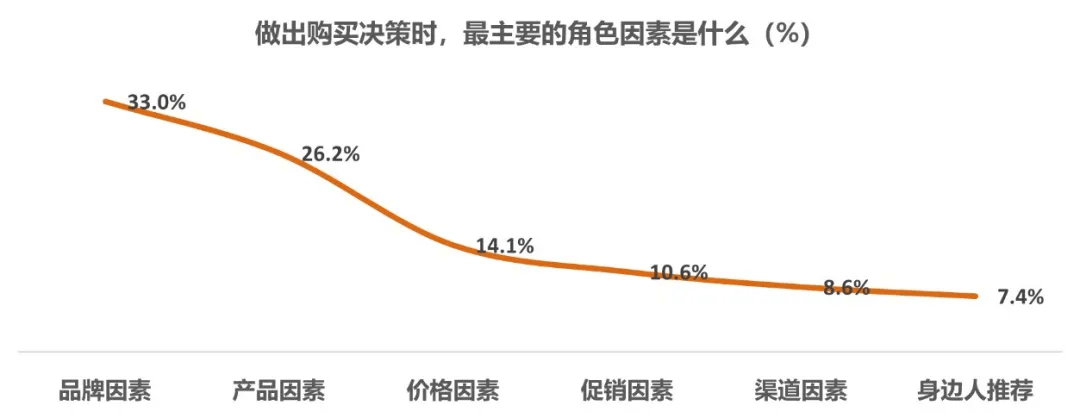
Core Insights - The article emphasizes that brand-driven strategies are essential for sustainable growth in a competitive market where companies face challenges of stagnation and homogenization [1][2] - It highlights the need for companies to transition from a sales-driven approach to a brand-driven one, focusing on long-term brand equity rather than short-term ROI [2][4] Brand Building Strategy - The core of brand building lies in creating differentiation and establishing a sustainable trust relationship with consumers [4][5] - The strategic framework for brand building involves guiding consumers through six stages: awareness, consideration, purchase, usage experience, loyalty, and advocacy [2][4] - Data indicates that brand influence on consumer purchasing decisions is paramount, accounting for 33%, surpassing other factors like product and price [2][6] Importance of Hard Advertising - Hard advertising is regaining importance as it effectively communicates brand differentiation and ensures clarity in messaging [5][6] - It achieves high reach and coverage, particularly through mainstream media, which enhances brand recall among consumers [6][7] - Hard advertising benefits from the credibility of authoritative platforms, creating a strong social consensus around the brand [7][8] Embracing Certainty in Brand Growth - In a variable market environment, sustainable brand growth increasingly relies on controlling certainty through reliable communication channels and consistent brand messaging [8][9] - The strategic value of hard advertising is being recognized, with brands shifting their focus back to traditional media for broader brand recognition and core value communication [9] Conclusion - Sustainable growth fundamentally depends on brand-driven strategies that establish clear and meaningful differentiation in consumer minds [9]