脑虎科技

Search documents
脑机接口行业跟踪:马斯克宣布脑机接口公司Neuralink2026年将实现大规模生产
Changjiang Securities· 2026-01-05 23:30
Investment Rating - The report maintains a "Positive" investment rating for the healthcare sector [10]. Core Insights - Elon Musk announced on December 31, 2025, that his brain-computer interface company Neuralink will begin "mass production" of brain-computer interface devices in 2026, transitioning to a "more streamlined and almost fully automated surgical process" [2][6]. - The brain-computer interface market has significant growth potential, with invasive products expected to become a key focus area. Internationally, companies like Neuralink are leading in technology, while several domestic companies in China have made breakthroughs in R&D, supported by favorable policies [2]. - The global brain-computer interface market is projected to reach USD 2.62 billion by 2024, with a compound annual growth rate (CAGR) of 17.4% from 2025 to 2034. In China, the market is expected to exceed RMB 6 billion by 2028, with a CAGR of approximately 17.7% from 2024 to 2028 [14]. - Neuralink employs a minimally invasive implantation approach, with 12 individuals having implanted devices as of September 2025, totaling over 20,000 hours of usage [14]. - Several domestic companies have achieved breakthroughs in brain-computer interface technology, with notable advancements in clinical trials and regulatory approvals [14]. - The industry is encouraged by supportive policies, with the National Healthcare Security Administration in China having established pricing for brain-computer interface services [14]. - Experimental animals, such as mice and monkeys, play a crucial role in brain-computer interface research, with mice being used for initial testing and monkeys for more advanced validation due to their closer anatomical and functional similarities to humans [14]. - Recommended companies to watch include Meihao Medical for brain-computer interfaces and Zhaoyan New Drug for experimental animals [14].
全国首家超声波脑机接口公司在蓉成立
Xin Lang Cai Jing· 2026-01-05 20:49
Core Viewpoint - The establishment of Gestala, the first company in China focusing on ultrasound brain-machine interface technology, marks a significant advancement in the brain-machine interface sector in Chengdu, China [1][2]. Group 1: Company Overview - Gestala was founded on January 1, 2023, by Peng Lei and Chen Tianqiao, aiming to develop ultrasound brain-machine interface technology [1]. - The company is located in Chengdu, which is a key area for cutting-edge technology industries, particularly in brain-machine interfaces [1][2]. Group 2: Technology and Innovation - The ultrasound brain-machine interface is positioned as a promising technology for achieving "whole-brain read-write" capabilities, addressing various central nervous system disorders [2]. - Compared to traditional methods, ultrasound technology offers unique advantages in both "writing" and "reading" brain signals, with clinical studies showing significant effects on conditions like chronic pain and depression [2][3]. Group 3: Market Position and Future Plans - Since 2025, ultrasound brain-machine interfaces have become a global investment hotspot, with companies like Merge Labs achieving valuations of $850 million [3]. - Gestala plans to develop multiple product generations, starting with a bench-top device and moving to a wearable device, with the first product targeting chronic pain management expected to begin the NMPA registration process this year [3][4]. - The company aims to enhance collaboration across academia, industry, and healthcare to accelerate the clinical application of its technologies [3][4]. Group 4: Industry Context in Chengdu - Chengdu is rapidly advancing in the commercialization of brain-machine interface technologies, supported by local policies and academic resources [5]. - The city has become a hub for various technological paths in brain-machine interfaces, including invasive, non-invasive, and ultrasound methods, contributing to a more complete ecosystem in this field [5].
量产信号触发行业狂欢,脑机接口登顶 A 股新年最强风口
Sou Hu Cai Jing· 2026-01-05 11:11
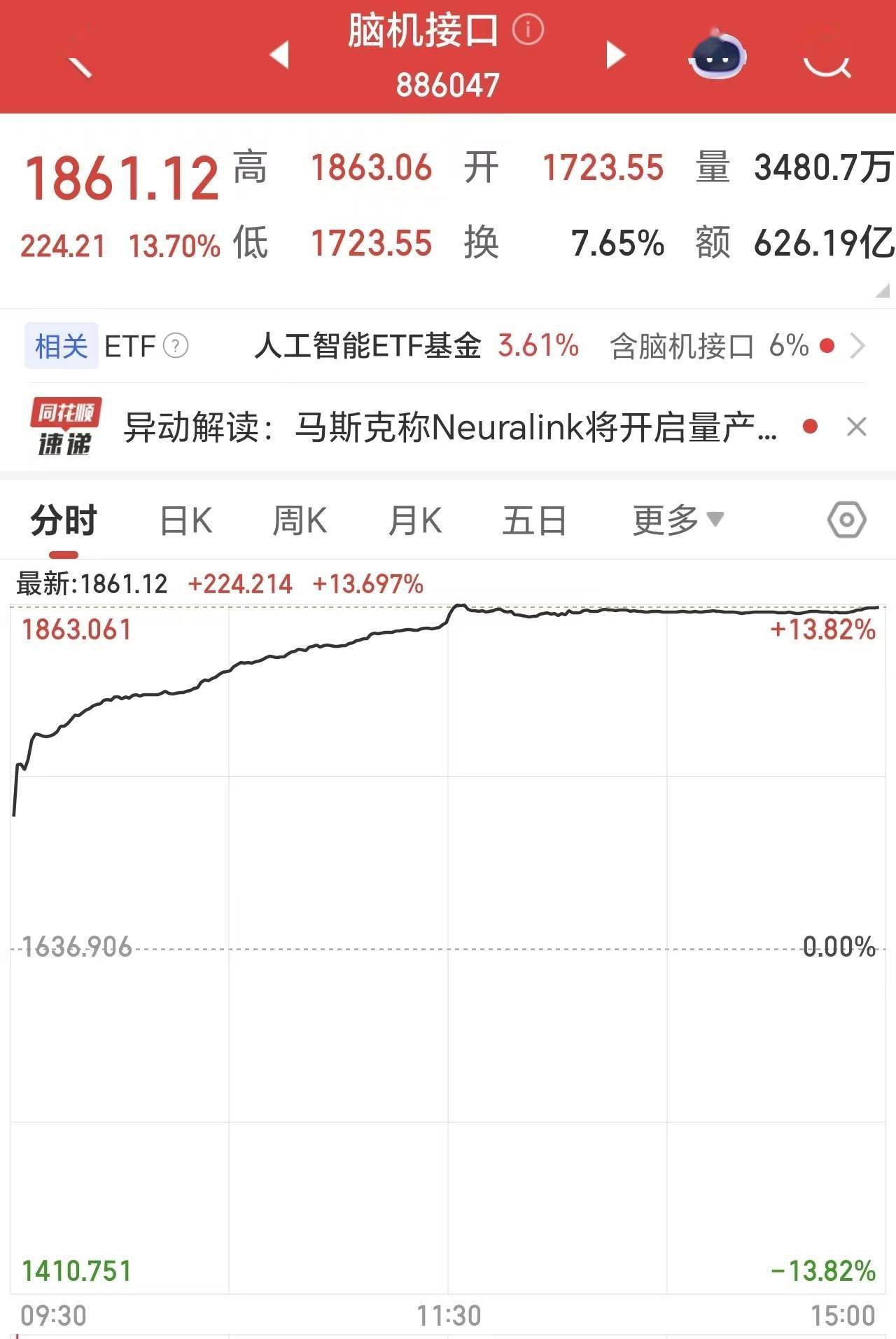
Group 1 - The brain-computer interface (BCI) sector in A-shares experienced a strong opening on January 5, with the concept index rising over 13%, making it the strongest sector of the day. Stocks within the sector saw a surge, with companies like Beiyikang hitting a 30% limit up, and others like Sanbo Brain Science and Xiangyu Medical achieving 20% limit up [1] Group 2 - Elon Musk announced a production timeline for brain-computer interface devices from Neuralink, aiming for large-scale production to start in 2026. The innovative surgical process will significantly reduce operation time from 6 hours to under 20 minutes, with 12 patients already implanted with the device, accumulating over 15,000 hours of use [4] Group 3 - The global competition in the brain-computer interface field is intensifying, with the U.S. leading in invasive and semi-invasive technologies, while China is advancing in non-invasive methods. Companies like MergeLabs and Brain Tiger Technology are at the forefront of these developments [5] Group 4 - The brain-computer interface has been included in China's "14th Five-Year Plan" as a key future industry, with goals set for technological breakthroughs by 2027 and industry strength to rank among the world's top by 2030. Policies are facilitating market entry, with companies like Xiangyu Medical targeting over 1,000 hospitals by next year [6] Group 5 - The long-term prospects for the brain-computer interface industry are viewed positively by institutions, with predictions of the global market reaching $12.4 billion by 2034 and $320 billion by 2045. Recent capital inflows into the sector indicate a strong interest in its commercial potential [6]

马斯克放出“量产时间表”,脑机接口集体涨停,商业化拐点来了?
华尔街见闻· 2026-01-05 11:10
随着马斯克明确给出脑机接口设备的量产时间表,这一前沿赛道正从实验室的科学探索加速走向商业化落地,行业或将迎来从"医疗试验品"向"大众消费品"跨越 的关键转折点。 2026年A股开盘首日,脑机接口板块表现强势。倍益康30CM涨停,三博脑科、翔宇医疗、美好医疗、爱朋医疗、诚益通、伟思医疗等多股20CM涨停,市场资 金对脑机接口商业化前景展现出极高预期。 | 代码 | 名称 | 现价 | 涨跌幅 ▼ | 涨跌 | 换手率 | | --- | --- | --- | --- | --- | --- | | 688108 | 赛诺医疗 | 23.09 | 20.01% | 3.85 | 14.83% | | 300238 | 元 | 16.62 | 20.00% | 2.77 | 13.53% | | 300753 | 爱朋医疗 | 33.30 | 20.00% | 5.55 | 21.10% | | 301363 | 美好医疗 | 28.86 | 20.00% | 4.81 | 1.93% | | 688626 | 翔宇医疗 | 72.60 | 20.00% | 12.10 | 3.36% | | 300003 | ...
科创生物医药ETF(588250)盘中大涨近5%,马斯克指出脑机接口产品将于2026年进入规模化量产阶段,早盘相关概念股集体爆发
Xin Lang Cai Jing· 2026-01-05 05:15
脑机接口技术快速迭代升级,多家企业积极布局。当前,脑机接口技术正经历前所未有的高速迭代升 级。在信号采集端,非侵入式设备在信号质量与便携性上不断突破;在侵入式领域,柔性电极等核心器 件的研发将持续提升系统安全性、舒适度与长期稳定性。系统层面,肌电信号与脑电信号等多模态融 合,正成为提升整体稳定性与可靠性的关键趋势。与此同时,材料科学、微纳加工与芯片设计的多学科 协同创新,正持续推动核心器件性能提升与规模化生产成本下降。这些贯穿技术链条的突破性进展,共 同驱动脑机接口系统加速从实验室研究迈向实际应用,并为其从医疗级专业市场向广阔的消费级领域扩 展,并最终实现规模化商业应用提供强大技术支撑。 截至01月05日12:49,科创生物医药ETF(588250.SH)上涨4.93%,其关联指数科创生物(000683.SH) 上涨5.01%;主要成分股中,百济神州-U上涨11.46%,联影医疗上涨4.36%,益方生物-U上涨9.21%,泽 璟制药-U上涨6.74%,博瑞医药(维权)上涨7.58%。 今日早盘市场情绪积极,上证指数盘中重回4000点,科创板相关指数表现强势。盘面上,脑机接口概念 集体爆发,相关板块多只个股涨停 ...
脑机接口板块,掀涨停潮
财联社· 2026-01-05 03:14
2026年A股开盘首日,脑机接口概念表现活跃。截至发稿,倍益康30CM涨停,三博脑科、翔宇医疗、美好医疗、爱朋医疗、诚益通、伟思医疗20cm 涨停,创新医疗、南京熊猫10CM涨停,博拓生物、狄耐克等涨超10%。 开源证券最新研报表示, 上述行业事件印证了脑机接口技术预计将在2026年迈向商业化,并从医疗刚需向AI应用、机器人等多领域渗透 。 Neuralink的规模化生产预期+自动化手术方案,以及Merge布局新一代超声波脑机接口技术具备双重意义。一方面,这标志着脑机接口从临 床验证阶段开始向商业化规模化阶段迈进,推动脑机接口从"医疗试验工具"到"可普及产品"的落地;另一方面,未来随着技术方案成熟度的 进一步提升,也将为Neuralink脑机接口与特斯拉Optimus人形机器人的协同应用奠定基础。 该机构进一步表示,脑机接口行业正处于技术突破、政策支持、机器人生态协同预期等多重因素驱动下的高增蓄势期,根据Precedence Research数据, 预计到2034年全球脑机接口市场规模将增长到约124亿美元 ,2025-2034年CAGR为17%。 在近期Neuralink规模化量 产预期和技术突破的催化下, ...
脑机接口“狂飙”:马斯克开启大规模量产,中国玩家集体“插脑”冲刺
第一财经· 2026-01-03 12:27
Core Viewpoint - The article discusses the rapid advancements in brain-computer interface (BCI) technology, highlighting significant developments in both the U.S. and China, with a focus on clinical applications and the competitive landscape in the industry [3][4]. Group 1: Technological Advancements - Neuralink, led by Elon Musk, plans to begin high-volume production of its BCI devices in 2026, aiming for a fully automated surgical process [3][4]. - In China, various companies are pursuing parallel technological routes, with significant clinical trials already underway, such as the first fully implanted BCI trial at Huashan Hospital [4][5]. - The "North Brain No. 2" system, featuring high-throughput flexible microelectrodes, is set to enter clinical trials in 2026, targeting patients with motor disabilities [9][10]. Group 2: Clinical Applications - Patients like "Xiao Dong" have shown remarkable recovery in motor functions after BCI implantation, indicating potential for neural reorganization [5][6]. - The global vision for BCIs includes not only restoring movement but also enabling communication for those with speech impairments and vision restoration for the blind [5][8]. - As of September 2025, 12 patients have successfully implanted Neuralink devices, allowing them to perform tasks like gaming and social media interaction [6][8]. Group 3: Market Dynamics - The BCI market is projected to grow significantly, with the medical health sector accounting for 56% of the application market, potentially reaching $85 billion in serious medical applications [15][16]. - Non-invasive BCIs currently dominate the market, holding 82% of the global share, due to their easier regulatory pathways and broader deployment possibilities [11][12]. - Investment in the BCI sector has surged, with 16 financing events totaling nearly 1 billion yuan in 2025, indicating strong market interest and potential for growth [14][15]. Group 4: Challenges and Future Outlook - The commercialization of BCI technology faces hurdles such as lengthy validation periods, high costs, and the need for robust clinical evidence [17][18]. - Ethical concerns regarding data privacy and the implications of cognitive enhancement technologies are emerging as critical issues that need to be addressed [19][20]. - The article emphasizes that while the technology is promising, it remains in the early stages of development, with significant challenges ahead before widespread adoption can occur [18][19].
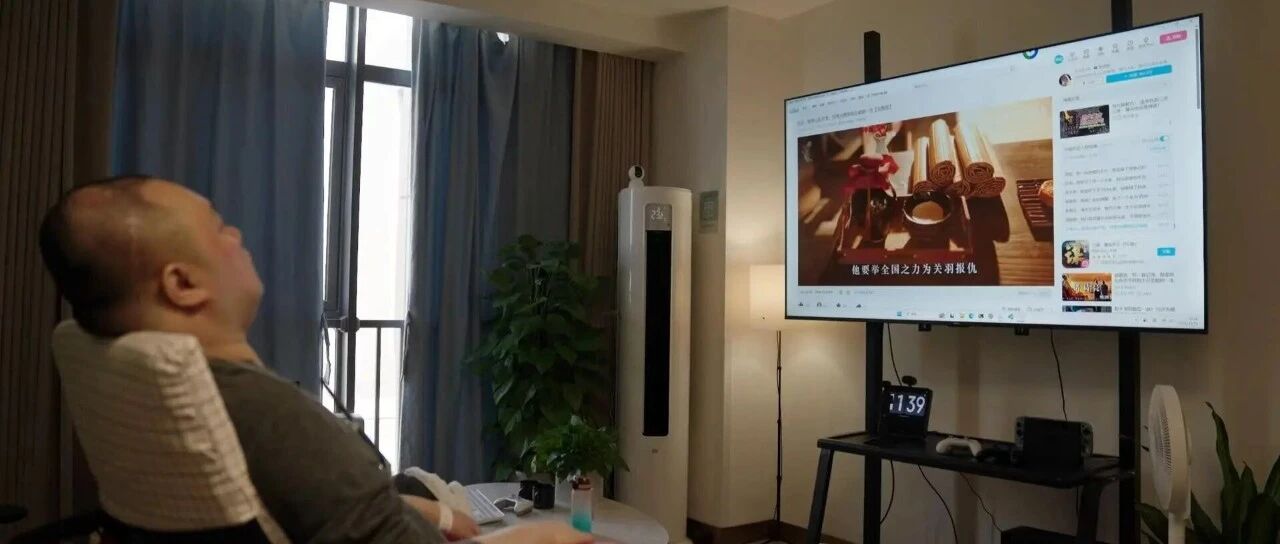
脑机接口“狂飙”:马斯克开启大规模量产,中国玩家集体“插脑”冲刺
Di Yi Cai Jing· 2026-01-03 11:11
Core Viewpoint - Brain-computer interfaces (BCIs) are transitioning from science fiction to practical applications in the medical field, with significant advancements in both the U.S. and China, leading to a competitive landscape in BCI technology [1][16]. Group 1: Technological Advancements - Neuralink, led by Elon Musk, plans to initiate high-volume production of its BCI devices in 2026, focusing on automated surgical processes [16]. - In China, the first clinical trial of a fully implanted BCI was completed, demonstrating significant recovery in motor functions for patients with spinal cord injuries [3][18]. - The "North Brain No. 2" system, equipped with high-throughput flexible microelectrodes, is set to enter clinical trials in 2026, targeting motor impairment patients [22]. Group 2: Market Dynamics - The global BCI market is projected to reach a potential value of $850 billion in serious medical applications and $600 billion in consumer healthcare [27]. - Non-invasive BCIs currently dominate the market, holding an 82% share, due to their clear approval pathways and flexible deployment in various settings [24]. - Investment in the BCI sector has surged, with 16 financing events totaling nearly 1 billion yuan in 2025, significantly surpassing the previous year's total [26]. Group 3: Competitive Landscape - Neuralink's technology is characterized by its ability to insert electrode wires directly into the dura mater without cutting, minimizing trauma [19]. - Chinese companies like JieTi Medical and BoRuiKang are emerging as competitors, with clinical trials underway, although they lag behind Neuralink in terms of technology and integration [22][29]. - The average valuation of Chinese BCI companies is around $300 million, significantly lower than Neuralink's valuation of $12 billion, reflecting a disparity in market perception [27]. Group 4: Challenges and Future Outlook - The commercialization of BCI technology faces hurdles such as lengthy validation processes, high costs, and the need for robust clinical evidence [29]. - Ethical concerns regarding data privacy and the potential for cognitive enhancement to exacerbate social inequalities are being addressed through the development of legal frameworks [30]. - The timeline for consumer-grade BCI devices is projected to be 15 to 20 years, indicating a long road ahead for widespread adoption [29].
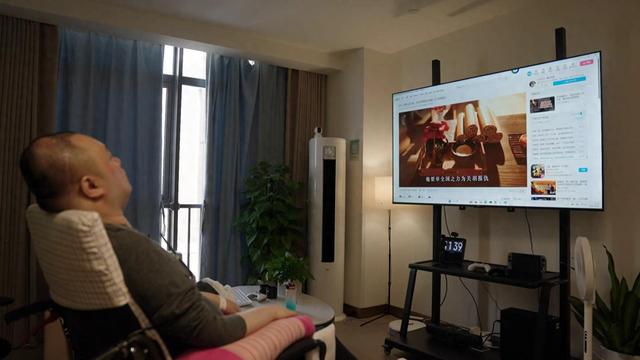
深度|脑机接口“狂飙”:马斯克开启大规模量产,中国玩家集体“插脑”冲刺
Di Yi Cai Jing· 2026-01-03 10:58
Core Insights - The global vision of brain-computer interface (BCI) companies, including Neuralink, extends beyond helping individuals with motor disabilities to include enabling speech for the speech-impaired and vision for the blind [4][7] - The BCI technology is experiencing a significant wave of innovation in the medical field, with advancements in both invasive and non-invasive techniques [1][9] Group 1: Technological Developments - Neuralink plans to initiate "high volume" production and streamline automated surgical processes in 2026 [1] - In China, the first clinical trial of a fully implanted BCI was completed, demonstrating significant recovery in motor functions for a patient with spinal cord injury [3] - The "North Brain No. 2" system, featuring high-throughput flexible microelectrodes, is set to enter clinical trials in 2026, targeting motor impairment patients [8] Group 2: Market Dynamics - The BCI market is projected to grow significantly, with non-invasive products currently holding 82% of the market share [9][10] - The Chinese government has issued policies to support the BCI industry, aiming for accelerated application in various sectors by 2027 [11] - Investment in the BCI sector has surged, with 16 financing events reported in 2025, totaling nearly 1 billion yuan [12] Group 3: Competitive Landscape - Neuralink's invasive BCI technology is considered a global benchmark, with its 1024-channel flexible electrode array and automated implantation robot leading the industry [5][8] - Chinese companies like JieTi Medical and BoRuiKang are emerging as competitors, with clinical trials underway, although they currently lag behind Neuralink in technology [8][13] - The valuation of leading BCI companies in China is significantly lower than that of Neuralink, with estimates around 3 billion yuan compared to Neuralink's 120 billion yuan [13] Group 4: Challenges and Future Outlook - The commercialization of BCI technology faces hurdles such as lengthy validation periods and high development costs [15] - Ethical concerns regarding data privacy and the potential for cognitive enhancement to exacerbate social inequalities are being addressed through the establishment of regulations and standards [17]
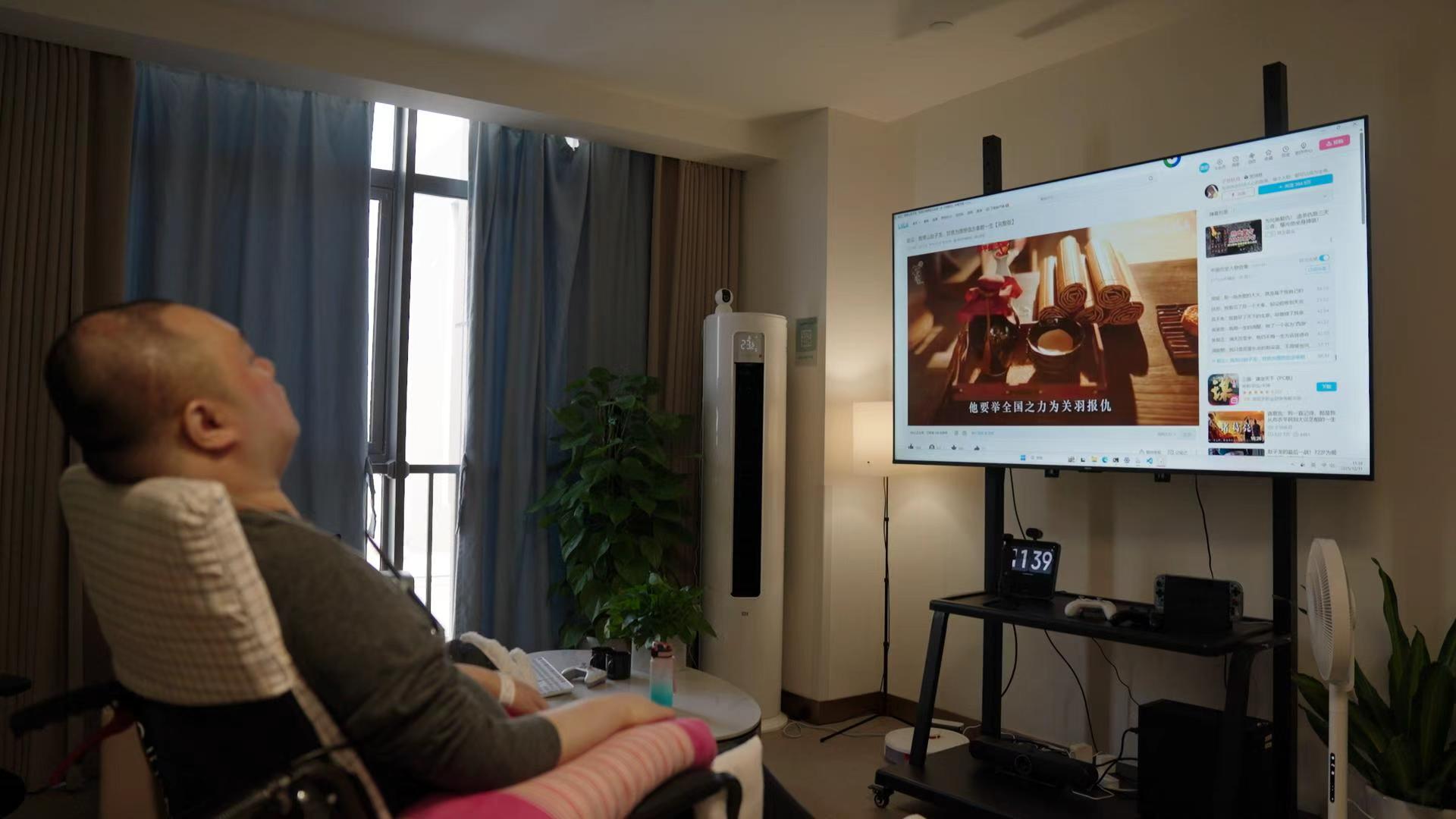
陈天桥亲自下场押注脑机接口赛道,中国首家超声波BCI企业格式塔成立
Hua Xia Shi Bao· 2026-01-01 11:58
Core Insights - The establishment of Gestala Technology Co., Ltd. marks a significant opportunity for brain science innovation in China, focusing on non-invasive ultrasound brain-computer interface (BCI) technology, differentiating itself from Elon Musk's Neuralink [2][5][12] Group 1: Company Overview - Gestala was founded by Peng Lei, former co-founder and CEO of Brain Tiger Technology, and Chen Tianqiao, founder of Shanda Group and Tianqiao Brain Science Research Institute, indicating a strong leadership team with extensive experience in brain science [2][5] - The company aims to explore the brain's complexities through ultrasound technology, which can penetrate the skull and decode neural activity without invasive surgery, representing a new path in the BCI field [6][10] Group 2: Technology and Innovation - The ultrasound BCI technology allows for simultaneous monitoring of multiple brain regions, overcoming the limitations of traditional invasive methods that only capture localized signals [6][10] - This technology is expected to provide a more comprehensive understanding of brain functions, as it can cover 25% of the brain's volume and address the challenges of real-time response and whole-brain imaging [10][11] Group 3: Clinical Applications and Partnerships - Initial clinical data shows promising results in chronic pain management and depression intervention, with significant improvements observed after ultrasound treatment [11] - Gestala has established partnerships with major hospitals, including Huashan and Xiehe, and plans to initiate the NMPA registration process for its first product by the end of 2026 [11][12] Group 4: Market Context and Competitive Landscape - The global BCI competition is evolving, with a clear divergence in technological approaches, as non-invasive methods gain traction amid controversies surrounding invasive techniques like those used by Neuralink [5][10] - The substantial investment in brain science research by Chen Tianqiao, exceeding $1 billion, highlights the growing interest and potential in this sector [5][10]