京东方

Search documents
益智:“央企尽责概念股”有望在价值重估中脱颖而出
Zhong Guo Jin Rong Xin Xi Wang· 2025-12-29 10:22
Core Viewpoint - The implementation of the "Measures for Accountability of Central Enterprises for Violating Investment Operations" in 2026 marks a significant reform in the governance of central enterprises, aiming to reshape the investment logic and governance of listed companies in which they hold stakes [1][2]. Group 1: Accountability and Governance - The new measures extend accountability to the entire chain of equity investment by central enterprises, addressing issues such as cross-industry investments and loss of control over invested companies [2]. - The measures aim to eliminate the governance vacuum where central enterprises act as major shareholders without fulfilling their supervisory responsibilities, thus promoting a shift from "scale" to "quality" in investments [2]. - The establishment of a "full-chain accountability and lifelong accountability" mechanism compels central enterprise shareholders to actively fulfill their supervisory duties, enhancing the protection of minority investors [2][3]. Group 2: Market Implications - The introduction of the measures is expected to create a structural market trend for "responsible central enterprise concept stocks," particularly benefiting companies with low valuations, compliant governance, and asset integration expectations [3]. - Specific companies such as Electric Power Investment Corporation and Four Creation Electronics are highlighted as potential beneficiaries due to their strategic positions and expected asset injections [3]. - The anticipated buyback of shares by central enterprises could inject nearly 100 billion yuan into the market, making companies with sound internal controls and a focus on core business attractive investment targets [3]. Group 3: Investment Strategies - Investors are advised to focus on three key strategies: specialized integration platforms under central enterprises, low PE and PB stocks at industry bottoms, and companies with stable cash flows and robust dividend buyback mechanisms [4]. - Companies that actively focus on business layout and responsibility are likely to achieve a win-win situation for both minority shareholders and central enterprises [4]. - The implementation of the measures signifies a move towards standardized and refined governance of central enterprises, with those demonstrating diligence and investor care expected to stand out in value reassessment [4].




从尝鲜到主力,华为Mate X7的颠覆式重构
经济观察报· 2025-12-29 10:16
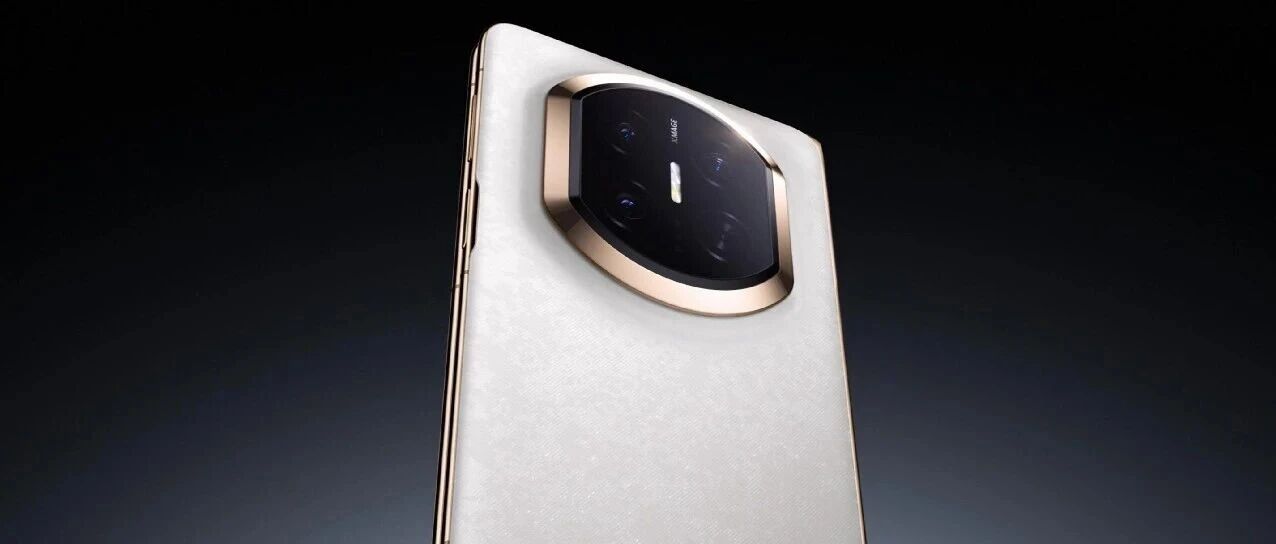
Core Viewpoint - Huawei Mate X7 has established a new standard for foldable smartphones, showcasing advanced imaging capabilities, reliability, and an AI experience powered by the HarmonyOS ecosystem, effectively setting a high barrier for competitors [1][28]. Group 1: Market Dynamics - The global smartphone market is at a critical juncture, with traditional flagship models facing intense competition and elongated replacement cycles, while foldable devices are gaining traction as a mainstream option [2]. - Huawei holds a 48% global market share in the foldable smartphone segment as of the first half of 2025, and in China, its market share reached 68.9% in the first three quarters, indicating that two out of every three foldable phones sold in China are Huawei devices [2]. Group 2: Evolution of Foldable Phones - The development of foldable smartphones represents a significant industry revolution, transitioning from niche products to potential mainstream devices, yet previous models struggled with compromises in performance due to physical limitations [6][9]. - Huawei Mate X7 is positioned as a groundbreaking product that overcomes the limitations of previous foldable phones, addressing issues of thickness, reliability, and performance [9][11]. Group 3: Technical Innovations - Huawei Mate X7 features a thickness of only 4.5mm and weighs approximately 236g, achieving a balance between lightweight design and durability [11]. - The device incorporates a revolutionary internal structure with a triple-layer design that enhances impact resistance, making the foldable screen significantly more durable [11][13]. - It is one of the few foldable phones to achieve IP58 and IP59 ratings for dust and water resistance, addressing common user pain points associated with earlier models [14]. Group 4: Imaging Capabilities - Huawei Mate X7 eliminates the compromise on imaging quality that plagued earlier foldable phones, featuring a 50MP main camera with a variable aperture and a periscope lens that significantly improves low-light and zoom capabilities [16][18]. - The camera system includes advanced technology that enhances color accuracy and dynamic range, allowing for superior image quality in challenging lighting conditions [19]. Group 5: Software and AI Integration - The device runs on HarmonyOS 6, which enhances the user experience through improved multitasking and application adaptability, positioning the foldable phone as a productivity tool rather than just a luxury item [21][23]. - The AI capabilities integrated into the system allow for personalized and intelligent services, transforming the interaction model from user-driven to service-driven [23]. Group 6: Competitive Landscape - Huawei has maintained a leading position in the foldable smartphone market for seven years, continuously innovating and setting industry standards [25][27]. - As Apple is expected to enter the foldable market in 2026, Huawei's strategic positioning with the Mate X7 aims to solidify its brand association with foldable technology before new competitors emerge [28].

从尝鲜到主力,华为Mate X7的颠覆式重构
Jing Ji Guan Cha Wang· 2025-12-29 10:13
Core Insights - The global smartphone market is at a critical juncture in 2025, with traditional flagship models facing intense competition and elongated replacement cycles, while foldable devices are gaining traction as a mainstream option [1][3][4] - Huawei has established a dominant position in the foldable smartphone market, capturing 48% of the global market share and 68.9% in China during the first three quarters of 2025 [1][3] Group 1: Market Dynamics - The transition from traditional smartphones to foldable devices is marked by a significant growth curve for foldable phones, as they break into the mainstream market [1] - Huawei's Mate X7 is positioned as a pivotal product that redefines the foldable smartphone category, setting new standards ahead of competitors like Apple, which is expected to enter the market in 2026 [3][26] Group 2: Technological Advancements - The development of foldable smartphones has been hindered by a "conservation law" where achieving both thinness and functionality has been challenging [4][9] - Huawei Mate X7 represents a breakthrough in overcoming these limitations, achieving a thickness of only 4.5mm and a weight of approximately 236g, making it comparable to traditional flagship models [10][11] Group 3: Product Features - The Mate X7 incorporates advanced materials and engineering, including a super-reliable folding structure and enhanced screen durability, achieving high standards for reliability and user experience [11][13] - The device features a 50MP ultra-light variable aperture main camera and a periscope lens that significantly improves low-light and zoom capabilities, addressing previous criticisms of foldable phones' camera performance [15][18] Group 4: Software and AI Integration - The Mate X7 runs on HarmonyOS 6, which enhances the user experience through AI-driven features, transforming the device into a productivity tool rather than just a smartphone [20][22] - The integration of AI allows for smarter interactions, such as summarizing content during meetings, which elevates the foldable phone's utility in professional settings [22] Group 5: Competitive Landscape - Huawei's seven-year commitment to foldable technology has positioned it as a leader in the market, with significant advancements in materials and manufacturing processes that benefit the broader Chinese electronics supply chain [25][26] - The anticipated entry of Apple into the foldable market in 2026 highlights the strategic importance of Huawei's early innovations and market positioning [26]

今日64只股长线走稳 站上年线
Zheng Quan Shi Bao Wang· 2025-12-29 09:30
Core Viewpoint - The A-share market shows a slight increase with the Shanghai Composite Index closing at 3965.28 points, above the annual line, indicating a stable market performance [1] Group 1: Market Performance - The total trading volume of A-shares reached 25,336.10 billion yuan today [1] - The Shanghai Composite Index experienced a change of 0.04% [1] Group 2: Stocks Breaking Annual Line - A total of 64 A-shares have surpassed the annual line today, with notable stocks including: - Tuo Wei Information with a deviation rate of 9.36% - Hong Qing Ting with a deviation rate of 9.00% - ST Quan Wei with a deviation rate of 6.56% [1] - Other stocks that have just crossed the annual line include Hua Yang Racing, Ai Shi De, and Lin Hai Co., with smaller deviation rates [1] Group 3: Individual Stock Performance - Top performers with significant deviation rates include: - Tuo Wei Information: 10.00% increase, latest price at 33.77 yuan - Hong Qing Ting: 9.95% increase, latest price at 6.30 yuan - ST Quan Wei: 10.64% increase, latest price at 11.02 yuan [1] - Additional stocks with notable performance include: - Xiang Xin Technology: 7.00% increase, latest price at 40.81 yuan - Dong An Power: 10.03% increase, latest price at 13.16 yuan [1]




全球变革与中国企业高质量出海论坛在京举办
Huan Qiu Wang· 2025-12-29 09:09
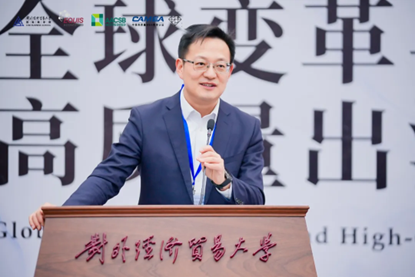
来源:环球网 2025年12月27日,"全球变革与中国企业高质量出海论坛"在对外经济贸易大学诚信楼三层报告厅举行。 本次论坛旨在探讨全球变革背景下中国企业国际化的新机遇、新挑战与新策略,探索中国企业出海的高 质量发展路径,搭建跨界融合、深度对话的学术与实践交流平台。本次论坛由对外经济贸易大学国际商 学院、《国际商务——对外经济贸易大学学报》和《管理评论》期刊共同举办,知名企业高管、专家学 者、行业精英及学生一百余人参加了此次论坛。 论坛开幕式 论坛开幕式由对外经济贸易大学国际商学院院长、《国际商务》期刊主编邢小强教授主持。首先,对外 经济贸易大学党委常委、副校长陈德球教授代表学校致辞,向与会嘉宾表示最诚挚的欢迎。他指出,对 外经济贸易大学始终以国际化为学科建设核心,形成多部门协同推进国际化的特色,依托传统优势学科 与新兴交叉学科布局,为国家对外开放领域输送了大量高质量的专业人才。在高水平对外开放持续推 进、数字经济重塑全球经贸格局的背景下,中国企业出海既有机遇也有挑战,本次论坛召开正当其时, 大家在探讨前沿理论成果的同时,也能碰撞出富有启发性的实践火花,必将助力中国企业在高水平对外 开放浪潮中实现更高质量发展 ...
光学光电子板块12月29日涨0.31%,英飞特领涨,主力资金净流出5.19亿元
Zheng Xing Xing Ye Ri Bao· 2025-12-29 08:58
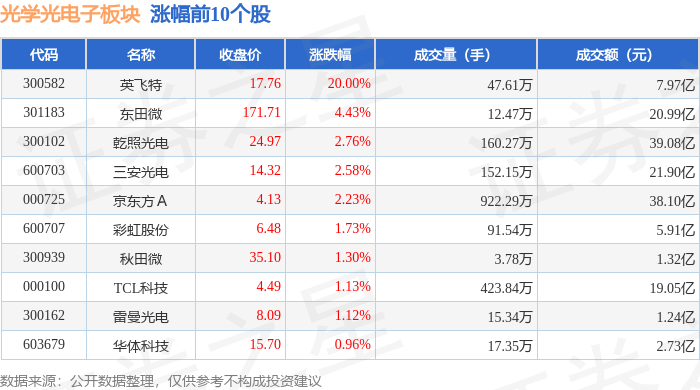
| 代码 | 名称 | 收盘价 | 涨跌幅 | 成交量(手) | 成交额(元) | | --- | --- | --- | --- | --- | --- | | 300940 | 南极光 | 29.75 | -4.13% | 14.32万 | 4.27亿 | | 300269 | 联建光电 | 6.47 | -3.43% | 58.67万 | 3.82 亿 | | 688010 | 福光股份 | 31.40 | -3.09% | 7.81万 | 2.47亿 | | 301421 | 波长光电 | 104.99 | -2.62% | 5.57万 | 5.87亿 | | 688195 | 腾景科技 | 171.88 | -2.62% | 6.88万 | 11.83 乙 | | 688502 | 成莱光学 | 406.80 | -2.45% | 9660.62 | 3.93亿 | | 300889 | 爰克股份 | 20.78 | -2.30% | 5.95万 | 1.24亿 | | 002745 | 木林麻 | 9.52 | -2.16% | 25.89万 | 2.48亿 | | 688538 | 和辉光电 | ...



TrendForce:近眼显示对OLEDoS需求将逐年提升
WitsView睿智显示· 2025-12-29 08:01
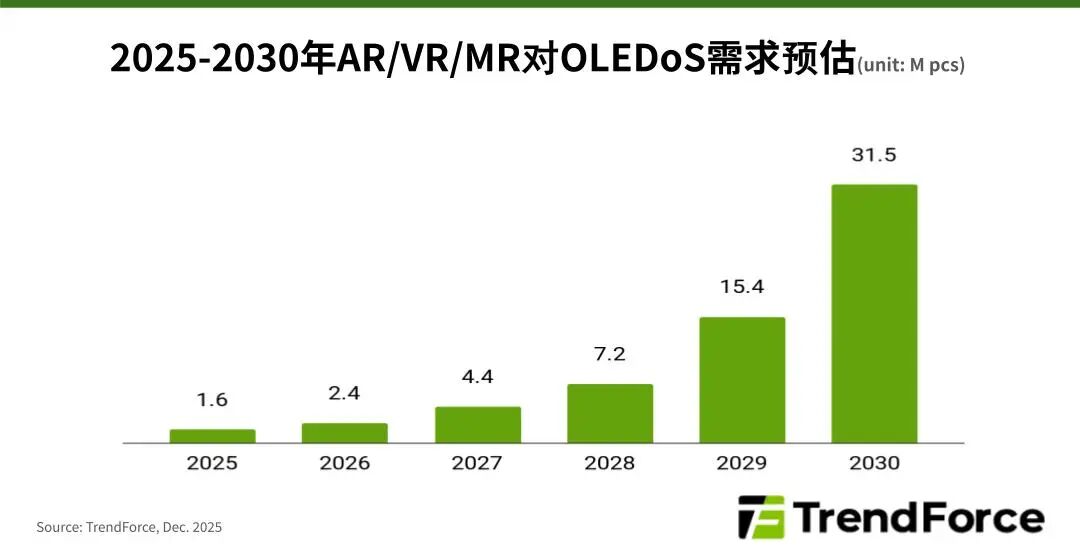
Core Viewpoint - The article highlights the significant growth potential of OLEDoS microdisplays in the AR, VR, and MR markets, driven by advancements in technology and increasing demand for high-quality visual experiences [2][5]. Group 1: Company Developments - SeeYA Technology's IPO application has been approved by the Shanghai Stock Exchange, aiming to raise 2.015 billion RMB for expanding its OLEDoS display production line and R&D center [2]. - The entry of SeeYA Technology into the market is expected to break Sony's previous monopoly on OLEDoS supply, fostering a local supply chain with companies like BOE, Xitai, and Aolred [5]. Group 2: Market Trends - Demand for OLEDoS microdisplays in near-eye display devices is projected to reach 31.5 million units by 2030, with a compound annual growth rate (CAGR) of 81% from 2025 to 2030 [2]. - The penetration rate of OLEDoS in the global VR/MR market is expected to rise to nearly 60% by 2030, as the technology becomes more cost-effective and optimized compared to current mainstream options like LCD and glass OLED [5]. Group 3: Product Outlook - In the AR glasses sector, OLEDoS-equipped products are anticipated to maintain over 20% market share by 2030, thanks to superior image quality and a robust supply chain, despite the trend towards lightweight designs and auxiliary information integration [5].
主力资金开始宣示主权!观望OR进场,还有哪些投资机会?
Sou Hu Cai Jing· 2025-12-29 07:47
Group 1: A-Share Market Trends - The A-share market is expected to remain active, supported by trends such as the new phase in China-US relations, restructuring of the international monetary order, and the AI revolution entering a critical application period by 2026 [1] - The current configuration of the A-share market includes sectors like power and utilities, basic chemicals, power equipment and new energy, electronics, and computers [1] - The net inflow of funds is concentrated in sectors such as automotive parts, banking, new energy vehicle components, PCB boards, and large financial institutions [1] Group 2: Dividend Trends - The willingness of listed companies to distribute dividends has significantly increased, with the total cash dividends reaching 2.56 trillion yuan, surpassing the total for the entire year of 2024 and setting a historical high [3] - Several brokerage firms have announced dividend implementation plans, with the total dividend amount exceeding 54.8 billion yuan for the year, and 14 firms distributing over 1 billion yuan each [3] Group 3: Robotics and Consumer Trends - The robotics supply chain is advancing overseas capacity planning, with a focus on quality segments as the industry prepares for mass production [5] - The "value-for-money consumption" trend is showing signs of recovery in sectors like snacks and discount retail, with expectations for a turnaround in 2026 [5] - The outdoor economy and winter tourism are expected to benefit from improved service consumption, driven by rising GDP per capita and changing consumer preferences [5] Group 4: Market Sentiment and Performance - The short-term market trend is strong, with noticeable inflows of incremental capital, although the overall market profitability remains weak [7] - The Shanghai Composite Index has shown a nine-day upward trend, indicating that major funds are actively managing the market [11] - The market is entering a performance disclosure period, with smaller stocks facing scrutiny, while larger blue-chip and financial cyclical stocks are expected to perform better [11]

终端厂商加速布局AI+硬件生态,消费电子ETF(561600)收涨0.41%
Xin Lang Cai Jing· 2025-12-29 07:39
Group 1 - The core viewpoint of the news highlights the positive performance of the consumer electronics sector, with the CSI Consumer Electronics Theme Index rising by 0.35% and key stocks like Chipone Technology and Jingwang Electronics showing significant gains [1] - Major consumer electronics manufacturers are accelerating their integration of AI with hardware, with Lenovo planning to unveil an "AI Super Intelligent Body" at CES 2026, covering various devices [1] - BYD is collaborating with Volcano Engine to deeply integrate a large model into its DiLink system, enhancing voice interaction and content recommendation across multiple scenarios [1] Group 2 - Despite storage price increases putting pressure on consumer electronics demand, the trend of accelerated innovation in AI at the edge is clear for 2026-2027, with major companies like Apple and Google actively developing AI terminal entry points [2] - The upgrade of AI operating systems is expected to be a significant focus for mobile devices, particularly with Apple's deep integration of AI features [2] - The penetration rate of AI PCs is gradually increasing, and new product iterations are anticipated in 2026, alongside innovations in AI headphones, glasses, home robots, and humanoid robots [2] Group 3 - As of November 28, 2025, the top ten weighted stocks in the CSI Consumer Electronics Theme Index account for 56.39% of the index, including companies like Luxshare Precision and Cambricon Technologies [3] - The Consumer Electronics ETF closely tracks the CSI Consumer Electronics Theme Index, which includes 50 listed companies involved in component production and brand design [2][3]

TrendForce集邦咨询:近眼显示对OLEDoS的需求将逐年提升 2030年有望达到3150万片
智通财经网· 2025-12-29 07:33
Group 1 - SeeYA Technology's IPO application has been approved by the Shanghai Stock Exchange, aiming to raise 2.015 billion RMB for expanding its OLEDoS display production line and R&D center [1] - The demand for OLEDoS micro-displays in AR, VR, and MR devices is expected to reach 31.5 million units by 2030, with a compound annual growth rate (CAGR) of 81% from 2025 to 2030 [1] Group 2 - The listing of SeeYA marks a shift in the OLEDoS supply landscape, breaking Sony's previous monopoly and fostering a local supply chain with companies like BOE, Hitec, and Aled, which could enhance price competition and technology penetration in AR/VR/MR products [3] - OLEDoS is projected to capture nearly 60% of the global VR/MR market share by 2030, driven by advancements in cost and technology compared to current mainstream LCD and glass OLED technologies [3] - In the AR glasses sector, OLEDoS-equipped products are expected to maintain over 20% market share by 2030, thanks to superior image quality and a robust supply chain, despite the trend towards lightweight designs and auxiliary information integration [3]