
罗氏

Search documents
一文尽知|特朗普宣布新关税最高达100%!谁最受伤?
Di Yi Cai Jing· 2025-09-26 05:26
Group 1: Tariffs on Heavy Trucks and Furniture - President Trump announced a 25% tariff on all imported heavy trucks, effective from October 1, 2025, as part of a broader strategy to protect U.S. manufacturers [1][3] - The U.S. Department of Commerce had previously initiated an investigation into whether the import of medium and heavy trucks poses a national security threat [3] - The tariffs aim to bolster U.S. truck manufacturers like Peterbilt, Kenworth, and Freightliner, but previous tariffs on steel and aluminum have already increased production costs for American truck manufacturers [4][5] Group 2: Impact on the Mexican Truck Manufacturing Industry - Mexico is the largest exporter of medium and heavy trucks to the U.S., with 95% of its exports going to the U.S. market [5][6] - The U.S. imported nearly $128 billion worth of heavy vehicle parts from Mexico last year, indicating a significant reliance on Mexican manufacturing [5] - The tariffs may affect companies like Stellantis, which produces heavy Ram trucks in Mexico, and Volvo Group, which is investing $700 million in a new heavy truck factory in Monterrey, Mexico [4] Group 3: Pharmaceutical Industry Implications - Trump announced a 100% tariff on all imported brand-name and patented drugs unless companies have already begun construction of manufacturing plants in the U.S. [7] - The pharmaceutical industry has been responding to potential tariffs by announcing significant investments in U.S. manufacturing, with over $350 billion pledged by various companies [8][9] - The tariffs could hinder the development of new drugs in the U.S. due to increased costs, potentially leading to greater reliance on foreign research and development [9] Group 4: Furniture Industry and Inflation - Trump stated that tariffs on furniture are necessary to restore the strength of U.S. manufacturing, with previous tariffs already pushing furniture prices higher [10][11] - The furniture manufacturing sector has seen a significant decline in jobs, with employment halved since 2000, currently standing at approximately 340,000 [11] - The U.S. imported about $25.5 billion worth of furniture in 2024, a 7% increase from 2023, with around 60% of imports coming from countries like Vietnam [12]


突发“黑天鹅”!刚刚,医药板块集体大跌!
天天基金网· 2025-09-26 05:13
Group 1 - The article discusses the new tariffs announced by President Trump on various imported products, including a 25% tariff on heavy trucks, 50% on kitchen cabinets, 30% on furniture, and 100% on patented and branded drugs starting from October 1, 2025, unless companies build manufacturing plants in the U.S. [3][8][10] - The pharmaceutical sector in the Asia-Pacific market experienced a decline following the announcement, with the A-share pharmaceutical and biotechnology sector also showing a downward trend [4][6][10] - Specific indices related to weight-loss drugs, innovative drugs, and CROs saw significant declines, with the weight-loss drug index dropping by 1.56% and the innovative drug index by 1.48% [5][6] Group 2 - Individual stocks such as Sunflower and Aosaikang saw substantial declines, with Sunflower dropping over 12% and Aosaikang down by 9% [6][7] - The Hong Kong biotechnology index opened nearly 2% lower and continued to decline, with companies like MicroPort Medical and WuXi Biologics showing notable drops [7][10] - The article highlights that the high tariffs could increase costs and disrupt the drug supply chain, potentially putting patients at risk [9][10] Group 3 - The article mentions that major pharmaceutical companies like Johnson & Johnson and GlaxoSmithKline have announced plans to increase investments in the U.S. in response to the tariffs, with Johnson & Johnson planning to invest $55 billion [10] - The long-term implications of Trump's tariff policy could lead to higher drug costs for patients, as the high production costs in the U.S. may offset any benefits from the tariffs [10]

减肥市场下一个爆点明确了
Tai Mei Ti A P P· 2025-09-26 03:54
Core Insights - Amylin, a previously overlooked target, is emerging as a significant player in the multi-billion dollar weight loss market, particularly with the recent data from Novo Nordisk's cagrilintide and its combination with semaglutide showing promising weight loss results [1][2][3] Group 1: Clinical Developments - Novo Nordisk's cagrilintide achieved an average weight loss of 11.8% after 68 weeks of treatment in the REDEFINE 1 study [1] - The combination formulation CagriSema, which includes cagrilintide and semaglutide, demonstrated an average weight loss of 20.4%, significantly outperforming monotherapy [1][9] - Novo Nordisk has registered a Phase 2 clinical trial for NNC0662-0419, a GLP-1/GIP/Amylin triple agonist [1] Group 2: Industry Movements - Pfizer announced a $4.9 billion cash acquisition of Metsera to strengthen its weight loss pipeline, leading to a significant surge in Metsera's stock price [1] - Major pharmaceutical companies like Roche, AstraZeneca, Eli Lilly, and AbbVie are increasingly investing in Amylin through collaborations and acquisitions [2][11] Group 3: Mechanism and Competitive Advantage - Amylin is not a new target; it was discovered in 1987 but faced challenges in earlier formulations due to short half-lives and side effects [3][4] - New generation Amylin analogs have significantly improved half-lives, allowing for less frequent dosing, which enhances patient compliance [5][10] - Amylin's mechanism offers complementary effects to GLP-1, potentially leading to better patient outcomes through combined therapies [8][9] Group 4: Future Directions - The industry consensus is shifting towards collaborative strategies rather than isolated competition, with companies exploring combinations of Amylin and GLP-1 for enhanced efficacy [12][16] - Innovations in drug delivery systems, such as long-acting formulations and oral delivery methods, are being prioritized to improve patient adherence and treatment outcomes [15][16]


US, European pharma stocks steady after Trump's tariff move, Asia slips
Yahoo Finance· 2025-09-26 02:52
By Gregor Stuart Hunter and Andrew Silver SINGAPORE/SHANGHAI (Reuters) -Shares of U.S. and European pharmaceutical firms were little changed on Friday, while Asian drugmakers declined, after President Donald Trump announced 100% tariffs on branded drugs imported by firms that are not building plants in the U.S. Analysts said the move was widely expected and unlikely to materially hit the industry, given that most drugmakers have pledged billions of dollars in U.S. manufacturing investments. The condit ...
特朗普再挥关税大棒!自10月1日起对专利及品牌药品加征100%关税
智通财经网· 2025-09-26 01:33
Core Points - The U.S. will impose a 100% tariff on imported patented and branded drugs starting October 1, unless pharmaceutical companies establish manufacturing plants in the U.S. [1] - President Trump has previously threatened to increase tariffs on imported drugs, with potential rates rising to 250% over the next year and a half [1] - The intention behind the tariffs is to lower drug prices in the U.S., but there are concerns that this could lead to drug shortages and increased costs for consumers [1] Group 1 - Pharmaceutical companies are increasing investments in the U.S., with Roche planning to invest $50 billion and Johnson & Johnson aiming to invest $55 billion over the next four years [2] - Building a pharmaceutical plant in the U.S. is costly and time-consuming, and even domestic production may not avoid tariffs on imported raw materials [2] - European pharmaceutical giants like Novartis, Roche, Sanofi, AstraZeneca, and Bayer may face significant challenges, having to choose between absorbing tariff costs or investing heavily to relocate production to the U.S. or its trade partners [2]


集体大跌!特朗普宣布:100%关税!
券商中国· 2025-09-26 01:06
Core Viewpoint - The article discusses the new high tariffs imposed by the Trump administration on various imported products, particularly focusing on pharmaceuticals, and the potential implications for the industry and patients in the U.S. Tariff Details - Starting from October 1, the U.S. will impose a 100% tariff on all branded and patented pharmaceutical products, a 50% tariff on kitchen cabinets, bathroom sinks, and related building materials, a 30% tariff on imported furniture, and a 25% tariff on all imported heavy trucks [2][3][4]. Market Reaction - Following the announcement, pharmaceutical stocks in Japan, South Korea, and Australia experienced significant declines, with CSL down over 4%, and several other companies like Sumitomo Pharma and Samsung Biologics also facing drops of more than 3% [2]. Economic Implications - Analysts warn that the high tariffs on pharmaceuticals could increase costs and disrupt the drug supply chain, potentially putting U.S. patients at risk. The new tariffs may exacerbate inflationary pressures in an already high-inflation environment, impacting economic growth and creating new uncertainties for businesses [2][5]. Industry Response - The Trump administration aims to encourage pharmaceutical companies to relocate production back to the U.S., as domestic production has significantly declined, with a 70% reliance on imports. Major companies like Johnson & Johnson and GlaxoSmithKline have announced plans to increase investments in U.S. manufacturing [5][6]. Long-term Considerations - The article highlights the need for the U.S. government to balance domestic industry interests with global trade relations and patient welfare. Failure to find this balance could lead to chaos in the global pharmaceutical industry and increased drug costs for patients [6]. Policy Context - Throughout the year, the Trump administration has focused on lowering drug prices and reshaping the pharmaceutical supply chain. Previous proposals included reducing drug prices by 30%-80% and imposing even higher tariffs on imported drugs [7][8]. Future Initiatives - The government is considering creating a direct sales platform for prescription drugs, allowing patients to purchase discounted medications directly from manufacturers. This initiative aims to align U.S. drug prices with those in other developed countries [8][9].


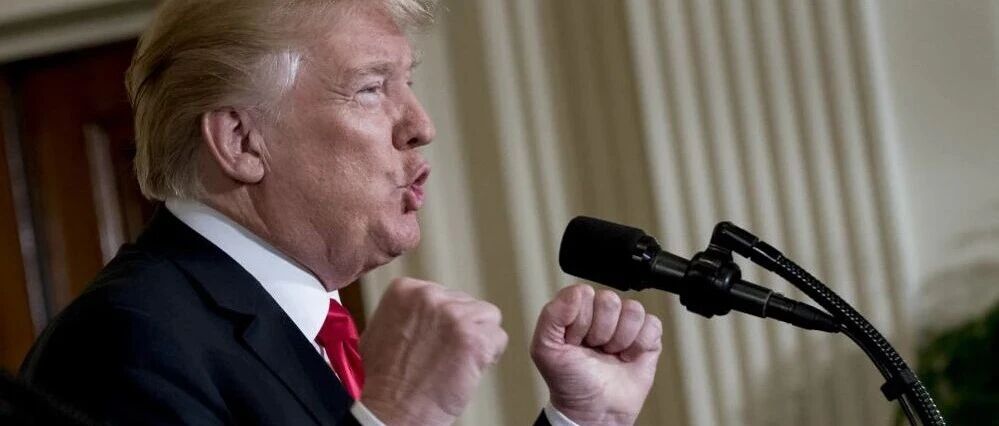
美股异动|诺和诺德股价连跌五日市场忧虑中国专利到期挑战
Xin Lang Cai Jing· 2025-09-25 23:01
不仅如此,诺和诺德已于今年2月向美国食品药品监督管理局(FDA)递交了司美格鲁肽口服片剂的新药 申请,预计将于年底审批完成。如获批准,该药将成为全球首款获批用于减重的GLP-1口服片剂,并将 在美国生产。这一系列举措显示出诺和诺德在减重药市场的积极布局,然而竞争对手如礼来和罗氏也在 加速推出新产品,对市场份额构成威胁。 同时,中国市场成为诺和诺德未来发展的关键之一。中国的生物制药公司如信达生物正在大力推动 GLP-1药物的商业化,预计该市场的价值将达到数十亿美元。信达生物的玛仕度肽减重药市场表现突 出,预计将占据中国减重药市场的20%的份额。诺和诺德在中国的销售额预计将在2026年增加30%,但 仍需面对仿制药的竞争压力。对此,分析师认为本土制药公司更具优势,因为它们更贴近中国消费者需 求,并熟悉当地的医药销售渠道。 来源:市场资讯 (来源:美股情报站) 丹麦制药巨头诺和诺德近日遭遇了连续数日的股价下滑。9月25日,该公司股票跌幅达到4.60%,连续 五个交易日呈现下跌趋势,五日累计跌幅接近9.39%。投资者对诺和诺德的近期业绩表现持观望态度, 市场情绪显得尤为紧张。 诺和诺德的减重药司美格鲁肽核心分子在中国 ...
AZN, Daiichi's Enhertu sBLA Gets FDA Priority Review for Breast Cancer
ZACKS· 2025-09-25 16:21
Core Insights - AstraZeneca (AZN) and Daiichi Sankyo's FDA acceptance of a supplemental biologics license application (sBLA) for Enhertu aims to expand its label for treating HER2-positive breast cancer [1][7] - The sBLA is based on positive results from the phase III DESTINY-Breast09 study, which showed Enhertu combined with Roche's Perjeta significantly improved progression-free survival (PFS) and objective response rate (ORR) compared to standard treatments [3][4] Group 1: FDA Approval and Study Results - The FDA has granted priority review for the sBLA, reducing the review period by four months, with a final decision expected in Q1 2026 [2] - The DESTINY-Breast09 study demonstrated a median PFS of nearly 41 months for the Enhertu-Perjeta combination, compared to about 27 months for the standard taxane chemotherapy with Herceptin and Perjeta [3][7] - The Enhertu-Perjeta regimen achieved an ORR of 85.1%, surpassing the 78.6% ORR of the standard treatment [4][7] Group 2: Market Potential and Strategic Importance - Enhertu is already approved in over 85 countries for second-line HER2-positive breast cancer treatment and has additional approvals for lung and gastric cancers [5] - Both Enhertu and Datroway are projected to achieve peak annual sales of at least $5 billion, contributing to AstraZeneca's goal of reaching $80 billion in annual revenues by 2030 [10] - The partnership between AstraZeneca and Daiichi Sankyo involves joint development and marketing responsibilities, with Daiichi retaining exclusive rights in Japan [9] Group 3: Competitive Landscape - ADCs are viewed as disruptive innovations in cancer treatment, allowing targeted delivery of cytotoxic drugs to tumors [11] - Daiichi Sankyo is developing several ADCs across various cancers and has a partnership with Merck for additional ADCs, indicating a competitive landscape with significant revenue potential [12] - Pfizer's acquisition of Seagen for $43 billion highlights the growing interest in the ADC space, with multiple ADCs contributing to its revenue [13]
减重市场下一个爆点明确了
3 6 Ke· 2025-09-25 13:04
Core Insights - Amylin, a previously overlooked target, is emerging as a significant player in the multi-billion dollar weight loss market, particularly with the recent data from Novo Nordisk's cagrilintide and its combination with semaglutide showing promising weight loss results [1][2][6] Group 1: Clinical Data and Results - Novo Nordisk's cagrilintide demonstrated an average weight loss of 11.8% after 68 weeks of treatment in the REDEFINE 1 study [1] - The combination formulation CagriSema, which includes cagrilintide and semaglutide, achieved an average weight loss of 20.4%, significantly outperforming monotherapy [1][8] - Cagrilintide showed lower gastrointestinal side effects compared to semaglutide, indicating better patient compliance [5][7] Group 2: Market Dynamics and Competitive Landscape - The competition in the GLP-1 space is intensifying, leading companies to explore Amylin as a complementary target rather than a replacement [2][7] - Major pharmaceutical companies like Pfizer, Eli Lilly, and Roche are investing heavily in Amylin, indicating a strategic shift towards multi-target approaches [6][9] - The acquisition of Metsera by Pfizer for $4.9 billion, aimed at enhancing its weight loss pipeline, reflects the growing interest in Amylin [1][9] Group 3: Mechanism and Advantages - Amylin's mechanism of action includes appetite suppression and improved insulin sensitivity, which complements GLP-1's effects [7][8] - Clinical data suggest that Amylin drugs may have better tolerability and muscle mass retention compared to GLP-1 drugs, addressing common side effects like nausea and gastrointestinal issues [7][8][11] - The potential for synergistic effects when combining Amylin with GLP-1 has been highlighted, with early clinical evidence supporting enhanced treatment outcomes [8][9] Group 4: Future Directions and Innovations - Companies are focusing on multi-target collaborations and innovative delivery methods to enhance the efficacy and patient compliance of Amylin drugs [11][12] - Oral formulations and long-acting delivery systems are being explored to improve patient experience and adherence to treatment [12][13] - The competitive landscape suggests that successful entrants will need to innovate rather than replicate existing models, emphasizing the importance of understanding clinical needs [13]
晨会纪要:对近期重要经济金融新闻、行业事件、公司公告等进行点评-20250925
Xiangcai Securities· 2025-09-24 23:31
Group 1: Banking Industry - The People's Bank of China has implemented structural monetary policies to increase credit support for key service consumption sectors, including a special loan quota of 500 billion yuan for service consumption and elderly care [4] - As of the end of July, the loan balance in key service consumption sectors reached 2.79 trillion yuan, showing a year-on-year growth of 5.3% [4] - With the implementation of fiscal interest subsidies and the activation of credit stock, financing costs in the service consumption sector are expected to decrease, stimulating credit demand [5] - The banking sector is expected to see improved credit demand due to ongoing fiscal subsidy policies, with a positive outlook on bank performance and stock value recovery [6] Group 2: New Materials Industry - The rare earth magnetic materials sector experienced a significant decline of 8.06%, underperforming the benchmark by 7.62 percentage points [8] - Light rare earth concentrate prices have mostly rebounded, while praseodymium and neodymium prices have shown weak fluctuations [9] - The supply of praseodymium and neodymium is expected to increase slightly, while demand remains stable, leading to a balanced market [10] - The overall valuation and performance of the rare earth sector are under pressure, but there are opportunities for recovery as prices stabilize [11] Group 3: Innovative Pharmaceutical Industry - The global biotechnology sector showed mixed performance, with the Nasdaq biotech index rising by 0.86% while other indices fell [12] - The innovative drug industry in China is entering a pivotal phase where research results are beginning to translate into commercial success [13] - The MASH (Metabolic Dysfunction-Associated Steatotic Liver Disease) market is expected to expand rapidly, with significant investment opportunities in related treatments [14] - The innovative drug sector is anticipated to experience a dual recovery in performance and valuation, driven by ongoing policy support and market demand [15]