lululemon athletica inc.

Search documents
Best Stock to Buy Right Now: Walmart vs. Lululemon
Yahoo Finance· 2025-10-14 13:37
Walmart - Walmart is known for its ultra-low prices and has maintained a long-standing business model focused on cost reduction [3] - The company has invested heavily in technology to enhance customer experience, offering services like same-day pickup and a subscription service called Walmart+ [4] - In the fiscal second quarter, Walmart's U.S. same-store sales, excluding gasoline, grew by 4.6%, with traffic contributing 1.5 percentage points to this growth [5] - Adjusted operating income for the quarter increased by 0.4% to $8 billion, despite challenges from higher costs associated with the acquired VIZIO business [6] - Management projects an operating profit increase of 3.5% to 5.5% for the year, accounting for drags from VIZIO and a leap year effect from the previous year [8] Lululemon Athletica - Lululemon specializes in designing and selling athletic apparel, footwear, and accessories, with a significant portion of sales (63% in 2024) coming from women [9] - The company is currently focused on reigniting revenue growth after facing challenges in the sportswear market [7]


lululemon,在多元化中出卖了灵魂
3 6 Ke· 2025-10-14 08:25
Core Insights - Lululemon is facing significant challenges as it attempts to diversify its product offerings while struggling with declining sales and consumer interest in its core yoga apparel [4][12][19] - The founder Chip Wilson has publicly criticized the company's current direction and management, emphasizing the need to return to its roots of innovation and customer experience [5][20] - The brand's stock has seen a dramatic decline, dropping nearly 70% from its historical peak, making it one of the worst performers in the S&P 500 [12][13] Group 1: Brand Evolution and Challenges - Lululemon has shifted from a niche yoga brand to a broader sportswear brand, but this transition has led to consumer fatigue with its core products [4][6][12] - The company has attempted to expand into men's apparel and footwear, but these segments have not significantly impacted overall revenue, with men's apparel only increasing from 23.5% to 25.2% of total revenue from 2019 to 2024 [10][11] - The brand's diversification efforts have included ventures into children's clothing and smart fitness equipment, but these have not been successful, leading to a perception of Lululemon as a "general store" rather than a specialized brand [12][19] Group 2: Financial Performance and Market Position - Despite a decline in net profit for the first quarter of 2025, Lululemon's revenue still grew, with a 3% increase in North America and a 21% increase in the Chinese market [13] - The company's inventory has surged to $1.7 billion, a 21% increase, indicating a supply-demand imbalance that necessitates discounting, which could harm brand value [19] - High tariffs and competition from emerging brands like Alo Yoga and Vuori are further complicating Lululemon's market position, as these brands are gaining traction and challenging Lululemon's premium pricing strategy [20]

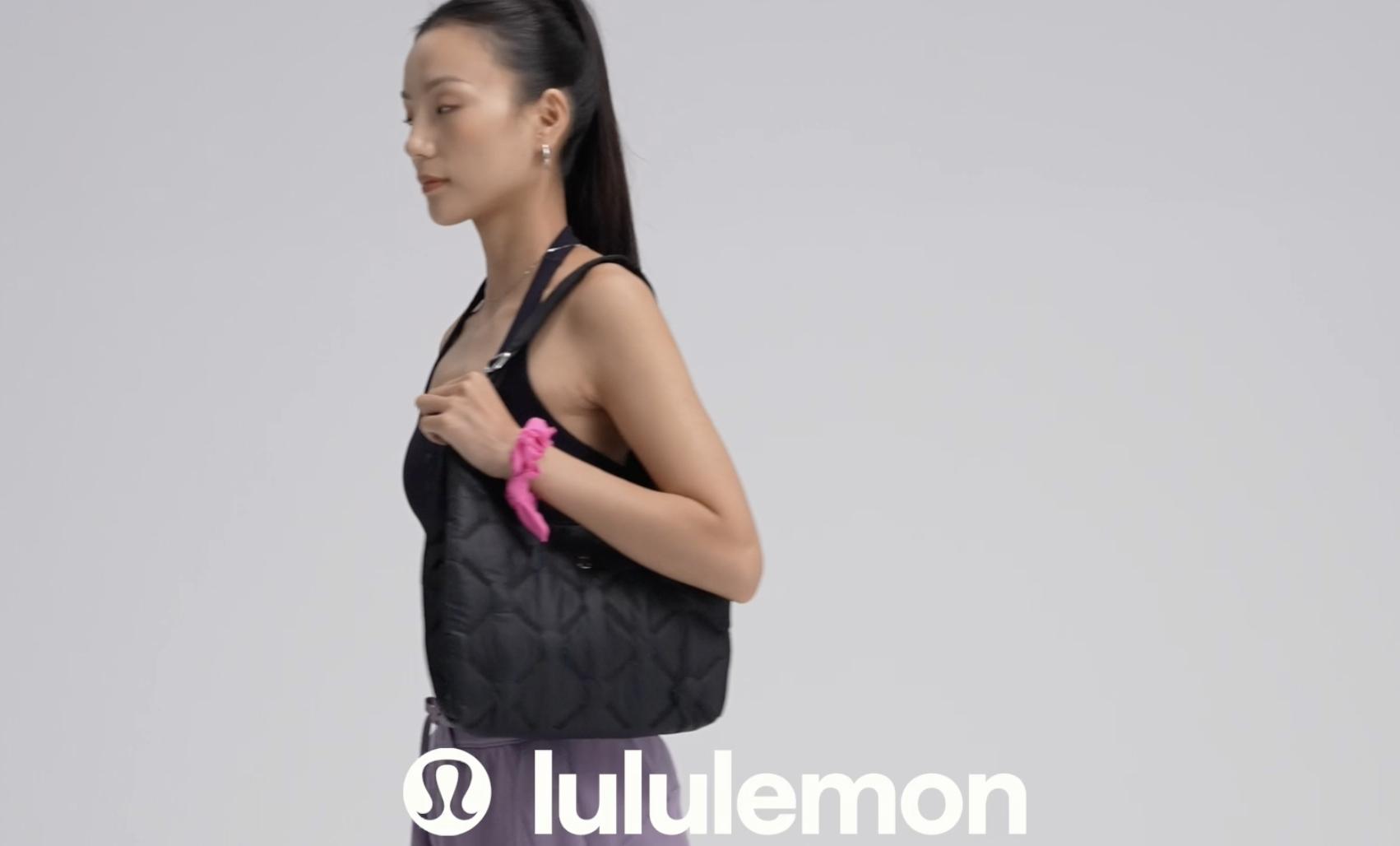
遭遇“身份危机”,从瑜伽裤到全品类的 lululemon 急需一个新人设
3 6 Ke· 2025-10-13 23:18
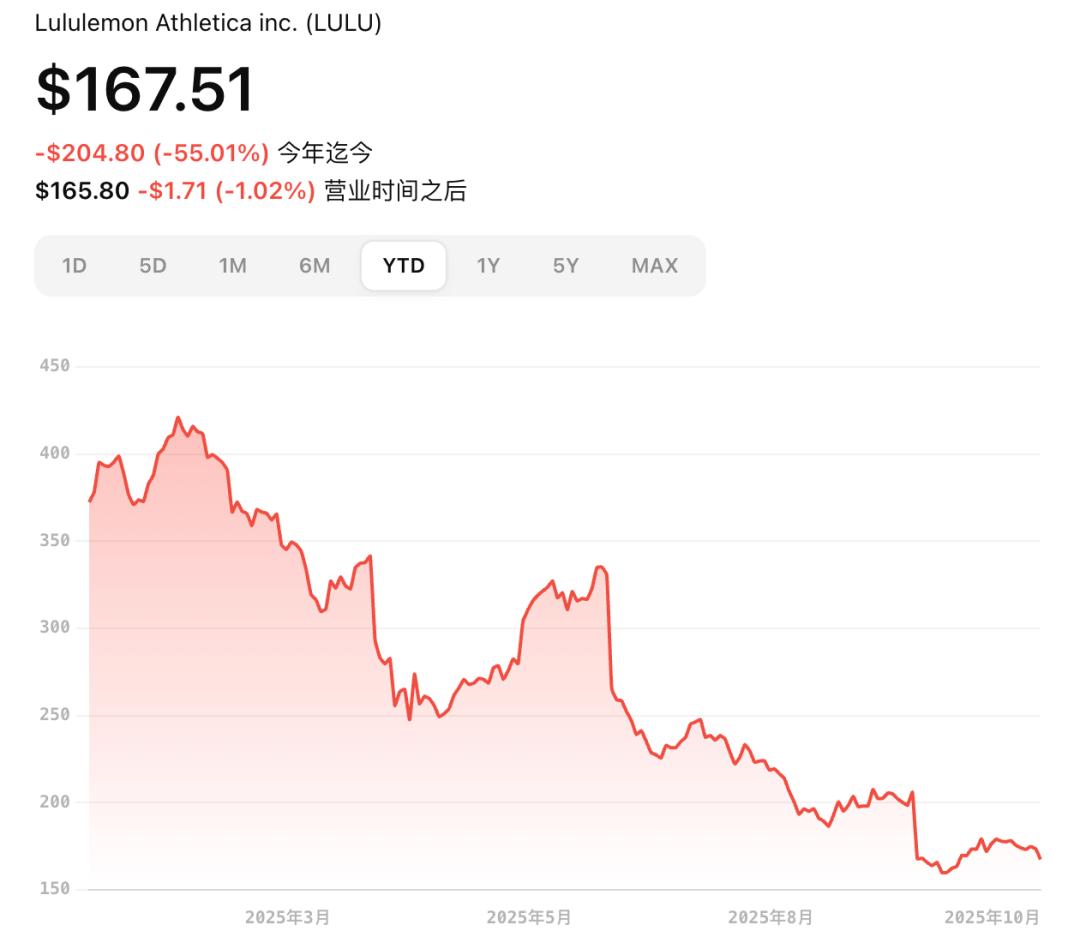
Core Insights - Lululemon is facing significant challenges in maintaining its brand identity and market position, with loyal customers expressing confusion over its recent product offerings and direction [1][28][50] - The company's stock has dropped over 55% this year, reaching a six-year low, indicating market concerns about its strategic shifts and product innovation [1][4] - Founder Chip Wilson has publicly criticized the company's current management and direction, calling for a "soul revival" to restore its innovative and cultural roots [4][19][26] Company Strategy and Market Position - Lululemon's recent strategy has focused on expanding into men's apparel and footwear, but these new categories have not produced standout products, leading to a dilution of its core yoga business [1][42][44] - The brand's attempt to appeal to a broader market has resulted in a loss of its unique identity, with some consumers comparing its offerings to fast fashion brands like H&M and Zara [1][45][49] - The company's direct-to-consumer (DTC) model, which once fueled its growth, is now seen as a double-edged sword, as it struggles to maintain the personal touch that characterized its early success [34][41][51] Leadership and Governance Issues - Wilson's departure in 2015 has led to a board that prioritizes short-term financial performance over long-term brand vision, resulting in a loss of creative talent and institutional knowledge [8][12][24] - The current leadership has been criticized for lacking a clear product-driven strategy, focusing instead on operational and financial metrics that do not resonate with the brand's core audience [14][18][26] - The erosion of Lululemon's brand culture and identity is attributed to a governance structure that fails to protect its long-term vision, leading to disengagement from its original customer base [16][25][50] Consumer Perception and Brand Identity - Lululemon's shift towards mainstream appeal has alienated some of its core customers, who feel the brand has lost its exclusivity and innovative edge [15][28][50] - The introduction of celebrity endorsements and mass marketing strategies has sparked debate over whether the brand is compromising its original values and identity [33][50] - The brand's pricing strategy is under scrutiny, as it remains significantly higher than competitors like Nike and Adidas, raising questions about its value proposition in a more price-sensitive market [49][50]
Jefferies Cuts Lululemon Athletica Inc. (LULU) Price Target Even as Wall Street Expects Sales Growth
Yahoo Finance· 2025-10-13 13:44
Core Viewpoint - Lululemon Athletica Inc. is facing challenges similar to those experienced by Under Armour, leading to a price target cut by Jefferies from $150 to $120 while maintaining an 'Underperform' rating [1][2]. Company Overview - Lululemon Athletica Inc. specializes in manufacturing and selling athletic apparel, footwear, and accessories, particularly known for premium-quality yoga, running, and training wear [4]. Market Position and Performance - Despite the challenges, Lululemon maintains high sales per square foot and margins compared to mall averages and peers [3]. - Wall Street consensus indicates that Lululemon is well-positioned to achieve sales growth in 2026 [3]. Competitive Challenges - The company is experiencing a decline in market share and is struggling with fashion shifts and strategic missteps, mirroring issues faced by Under Armour between 2015 and 2025 [2].
优衣库大中华区同店销售回暖;耐克CEO承认中国市场存在挑战;宗馥莉二度辞职哇哈哈|品牌周报
36氪未来消费· 2025-10-12 11:14
Group 1: Uniqlo's Performance - Uniqlo's parent company, Fast Retailing, reported a record operating profit of 564.27 billion yen for the fiscal year ending August 2025, marking the fourth consecutive year of growth [3] - The Southeast Asia, India, and Australia regions showed significant sales performance, with North America and Europe also achieving double-digit growth in both revenue and profit [3] - In North America, revenue increased by 24.5% year-on-year, while profit rose by 35.1%; Europe saw revenue growth of 33.6% and profit growth of 23.7% [3] - Despite the overall decline in revenue in Greater China by 4.0% to 650.2 billion yen, the recovery in same-store sales in Japan and Greater China contributed to profit growth [3] - Uniqlo's success in the U.S. market was driven by a combination of price increases (approximately 5% on core items) and cost control measures, leading to a same-store sales growth of 3% [3] Group 2: Nike's Challenges in China - Nike's CEO acknowledged structural challenges in the Chinese market, which has seen a decline in performance for five consecutive quarters [5][6] - In the first quarter of fiscal year 2026, Nike's revenue in Greater China was $1.512 billion, down from $1.735 billion and $1.666 billion in the previous two fiscal years [5] - The company is focusing on improving sales trends through store updates, enhancing brand differentiation, and reducing inventory buildup among partners [5][6] Group 3: Wahaha's Leadership Changes - Zong Fuli has resigned from her positions at Wahaha Group, transitioning to focus on her own brand, "Wah Xiao Zong," while retaining a 29.4% stake as the second-largest shareholder [7] - The resignation is linked to compliance issues regarding the use of the "Wahaha" trademark, prompting her to shift her focus to her new brand [7] - Recent family disputes have negatively impacted Wahaha's sales and market confidence, with reported declines in daily sales and live-streaming events [8] Group 4: H&M and Designer Collaborations - H&M announced a collaboration with Chinese designer Jacuques Wei for the upcoming Year of the Horse Spring Festival, marking the second designer partnership in a long-term project with Shanghai Fashion Week [10] Group 5: Lululemon and Erewhon Collaboration - Lululemon partnered with Erewhon, a high-end organic supermarket, to launch a collection of apparel and accessories, set to debut in Shanghai [11] Group 6: Gucci's Increased Foot Traffic - Following the debut of Demna's collection, Gucci experienced a significant increase in store traffic, with a 53% rise in weekly visits at the Rodeo Drive location in Los Angeles [14] Group 7: Blue Bottle Coffee Expansion - Blue Bottle Coffee opened its third store in Shenzhen, continuing its slow but steady expansion in China, with a total of 15 stores across major cities [15] Group 8: Anker's New COO Appointment - Anker appointed a new Chief Operating Officer to enhance its market share, with plans to expand the use of its innovative manufacturing technology [16] Group 9: Zhou Dasheng's Acquisition of MBL - Zhou Dasheng Jewelry Group acquired the high-end audio brand MBL, which recently emerged from bankruptcy, aiming to expand its global sales network, particularly in the growing Chinese high-end audio market [17]


为什么跑鞋,是运动品牌的必争之地?
3 6 Ke· 2025-10-12 05:07
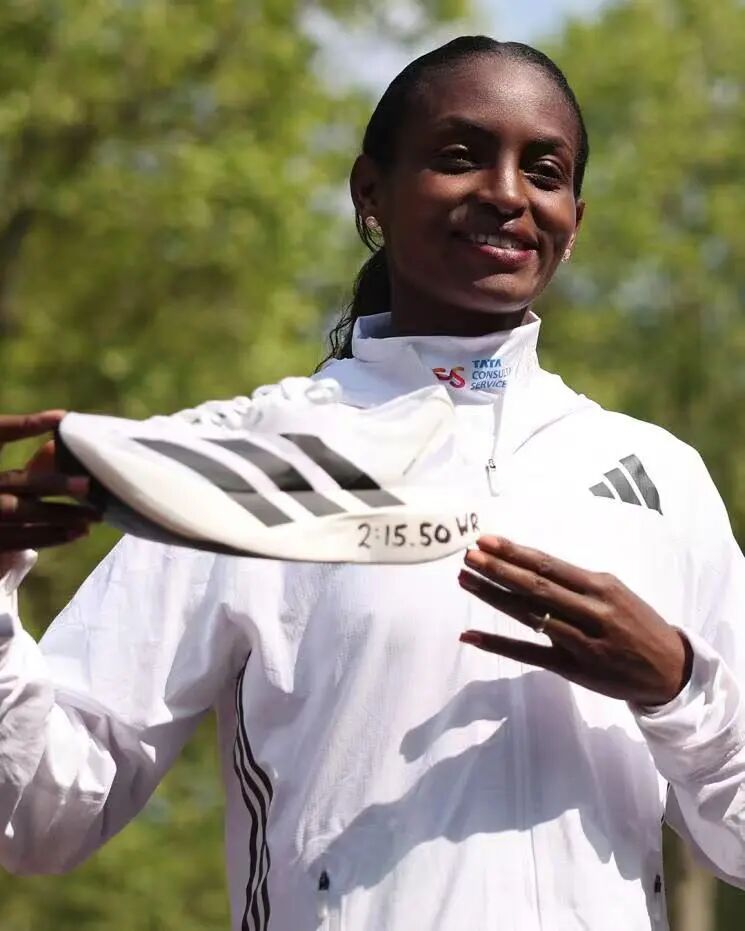
Core Insights - The running shoe segment has become a focal point for both emerging and traditional sports brands, with significant growth driven by consumer interest in health and fitness post-pandemic [1][2][6] Group 1: Market Performance - Nike's running business achieved a 20% global growth in Q1 of FY2026, with strong consumer response to new products like the top-tier Flyknit and React Infinity [2] - Salomon's footwear segment saw a 35% year-on-year revenue increase to $414 million in Q2 2025, marking it as the fastest-growing segment among its three main categories [2] - On's net sales rose by 32% to 749 million Swiss francs in Q2 2025, with the Asia-Pacific market showing a remarkable 114.8% sales increase [4] Group 2: Consumer Trends - The rise in running shoe popularity is linked to a broader trend of health consciousness among middle-class consumers, with running being an accessible form of exercise [1][6] - High-priced running shoes are becoming status symbols, akin to luxury items, as consumers seek to showcase their commitment to health and fitness on social media [6][9] Group 3: Competitive Landscape - Brands like Lululemon and Arc'teryx are diversifying into running shoes, indicating that capturing the running market is essential for growth across various sports categories [7][11] - High profit margins in the running shoe market are evident, with On achieving a gross margin of 61.5%, significantly above the industry average [9] Group 4: Product Innovation - The competitive edge in the running shoe market is increasingly driven by technological advancements in shoe design, particularly in midsole technology, which affects performance metrics like cushioning and energy return [9][12] - There is a growing demand for diverse running shoe options tailored to different consumer needs, such as casual runners and those with specific foot conditions [14][15]

强强联手!聚焦全球首个生物基尼龙6商业化
DT新材料· 2025-10-11 16:05
Core Insights - The article discusses the collaboration between Genomatica and Sojitz Corporation to commercialize bio-based nylon 6, aiming to provide a cost-competitive alternative to petroleum-based nylon 6 [4][5]. - The bio-based nylon 6 has already been produced from 100% renewable sources and is in the process of further commercial evaluation [4]. - China is highlighted as the largest producer and consumer of nylon 6, with a projected market size of approximately 43.088 billion yuan and a total capacity of about 7.25 million tons by 2024 [7]. Group 1: Industry Developments - Genomatica's proprietary technology converts renewable carbon (biomass sugars) into caprolactam, which is then polymerized to produce 100% renewable bio-based nylon 6 [9]. - The bio-based nylon 6 has been tested in downstream material development, collaborating with brands like lululemon, H&M, and Vaude [5]. - The sustainable development strategies of nylon 6 companies include replacing petroleum-based products with bio-based caprolactam and recycling waste fibers [8]. Group 2: Production Pathways - The primary pathway for bio-based caprolactam development involves fermenting glucose to produce lysine, which is then chemically converted to caprolactam [10]. - Other research teams are exploring more direct pathways to convert sugars or their derivatives into caprolactam [10]. - Current challenges in bio-based nylon 6 development include the sustainable production of its monomer caprolactam and the need for breakthroughs in related technologies [10]. Group 3: Market Outlook - The rising competition and increasing demand for sustainability in the nylon 6 market suggest a shift towards bio-based alternatives [8]. - Despite the current cost increases and weak demand for nylon 6, the long-term market trend indicates a growing interest in sustainable raw material substitutes [10].

探店|“男版lululemon”长啥样?Vuori北京首店落地,中国的中产不够用了
Mei Ri Jing Ji Xin Wen· 2025-10-11 01:12
Core Insights - Vuori, known as the "male version of Lululemon," has opened its first store in Beijing's Sanlitun, attracting a large number of fitness enthusiasts [1] - The brand aims to expand its presence in China, which is expected to become its largest market outside of its home country [1] - Vuori's valuation reached 40 billion RMB after securing $825 million in funding, with one of the investors being the Atlantic Pacific Group [1] Company Overview - Vuori was founded in 2015 after its creator Joe identified a gap in the market for men's yoga apparel [1] - The brand launched women's clothing in 2018 and aims to reduce the "male-exclusive" label in China, with sales of men's and women's apparel now approximately equal at 50% each [1] - Vuori currently does not have its own factories in China and relies on partnerships with OEMs for production [1] Market Context - The rise of the new middle class in China has led to increased demand for high-priced functional items like yoga pants, which have become staples among this demographic [2] - Competitors such as Lululemon and Alo are already established in the Chinese market, with Alo planning to formally enter this year [2] - Vuori's entry into the Chinese market is motivated by the potential of the middle-class consumer segment, but it faces challenges in brand differentiation, local supply chain integration, and consumer education [2]
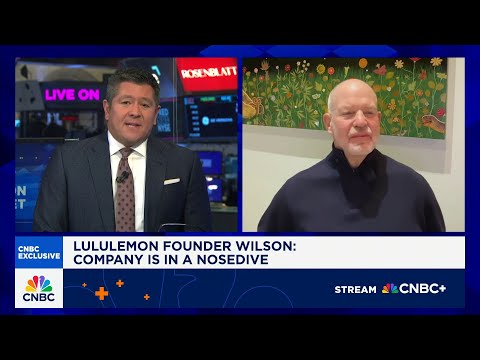
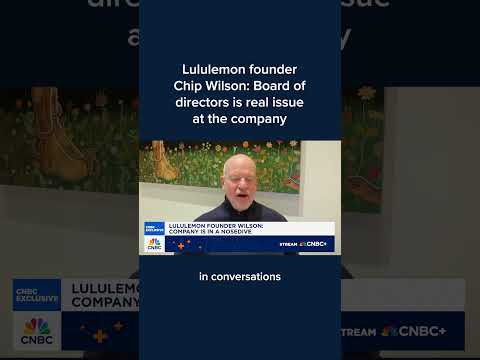
Lululemon founder Chip Wilson: Board of directors is real issue at the company
CNBC Television· 2025-10-10 18:45
In a paid advertisement in the journal this week, Lululemon founder Chip Wilson likened the decline of the athleisure brand to a plane crash due to a quote series of mistakes. Lululemon responded in a statement to CNBC denouncing the ad and the company's founder, saying in part, "Chip Wilson has not been involved with the company for a decade, and he continues to make inaccurate and misleading statements about Lululemon, our history, and our board and leadership team. Lululemon shares are down more than 60% ...
Lululemon founder Chip Wilson: Board of directors is real issue at the company
CNBC Television· 2025-10-10 15:27
Welcome back. In a paid advertisement in the journal this week, Lululemon founder Chip Wilson likened the decline of the athleisure brand to a plane crash due to a quote series of mistakes. Lululemon responded in a statement to CNBC denouncing the ad and the company's founder, saying in part, "Chip Wilson has not been involved with the company for a decade, and he continues to make inaccurate and misleading statements about Lululemon, our history, and our board and leadership team. Lululemon shares are down ...