
赛诺菲

Search documents
赛默飞世尔发布2026年业绩指引,关注战略并购与业务板块动态
Xin Lang Cai Jing· 2026-02-15 21:17
业务进展情况 生命科学解决方案板块2025年利润同比增长7.6%,成为核心增长引擎,而分析仪器板块利润同比下滑 11.2%。 来源:经济观察网 经济观察网 赛默飞世尔(TMO)未来值得关注的事件。 公司业绩目标 管理层在2025年财报中发布2026年全年指引,预计收入同比增长3.9%至5.9%,调整后每股收益(EPS) 增长5.9%至8.4%,并重申长期有机收入增长目标为3%-6%。这一指引将作为评估公司年度表现的关键 基准。 战略推进 2025年公司完成对Solventum过滤与分离业务的收购,并收购赛诺菲新泽西州无菌灌装设施;2025年第 四季度宣布拟以89亿美元收购临床数据服务商Clario,该交易旨在加强生物生产与药品本土化能力。市 场将关注这些并购的协同效应及后续整合效果。 公司持续推出新技术产品(如Orbitrap Astral质谱仪),并与Open AI、陈・扎克伯格研究所等达成合 作,推动人工智能在运营中的应用。 行业状况 招银国际报告指出,2025年制药与生物技术客户需求呈现反弹(第四季度收入高单位数增长),且生物 技术融资恢复可能在未来6-12个月转化为订单增量。该趋势可能成为收入增长的潜 ...

速递|默沙东杀入口服GLP-1:1.12亿美元买来MK-4082,120人一期开跑
GLP1减重宝典· 2026-02-15 04:08
Core Viewpoint - Merck's initiation of global Phase I clinical trials for the small molecule oral GLP-1 candidate MK-4082 represents a strategic move to regain market share in metabolic diseases post-DPP-4 era, focusing on broader health issues beyond glucose control [4][7]. Group 1: Merck's Strategy and Market Position - The collaboration between Merck and domestic company Haosen Pharmaceutical involves a clear financial structure, with Haosen receiving an upfront payment of $112 million and potential milestone payments up to $1.9 billion, along with revenue-sharing arrangements [6]. - Merck's choice to pursue small molecules instead of injectable large molecules is driven by the competitive landscape, where established players have set high clinical data standards and built extensive supply chains [7]. - The oral GLP-1 approach is seen as more scalable and suitable for large-scale commercialization, aligning with Merck's capabilities in managing broad indications [7]. Group 2: Industry Trends and Competitor Strategies - Major competitors like Novo Nordisk and Eli Lilly are fully engaged in the market with a comprehensive approach, including injectables and oral formulations, while focusing on supply capabilities and pricing strategies [8]. - Other companies, such as Roche and AstraZeneca, are diversifying their strategies, with Roche acquiring assets to enhance its portfolio and AstraZeneca pursuing both small molecule oral GLP-1 and multi-target approaches [9][10]. - Pfizer's strategy involves acquiring new generation long-acting assets and small molecule projects to mitigate risks associated with single project failures [9]. Group 3: Implications for Chinese Pharmaceutical Companies - The significance of MK-4082 extends to Chinese innovative drug companies, as the focus shifts from single-target me-too drugs to those with platform value, emphasizing small molecules, dual or multi-targets, and ultra-long-acting formulations [11]. - The market will closely monitor MK-4082's Phase I results for pharmacokinetics and tolerability, as well as Merck's potential to expand its asset portfolio with complementary mechanisms [11].


阿斯利康,豪赌中国
Ge Long Hui· 2026-02-13 17:24
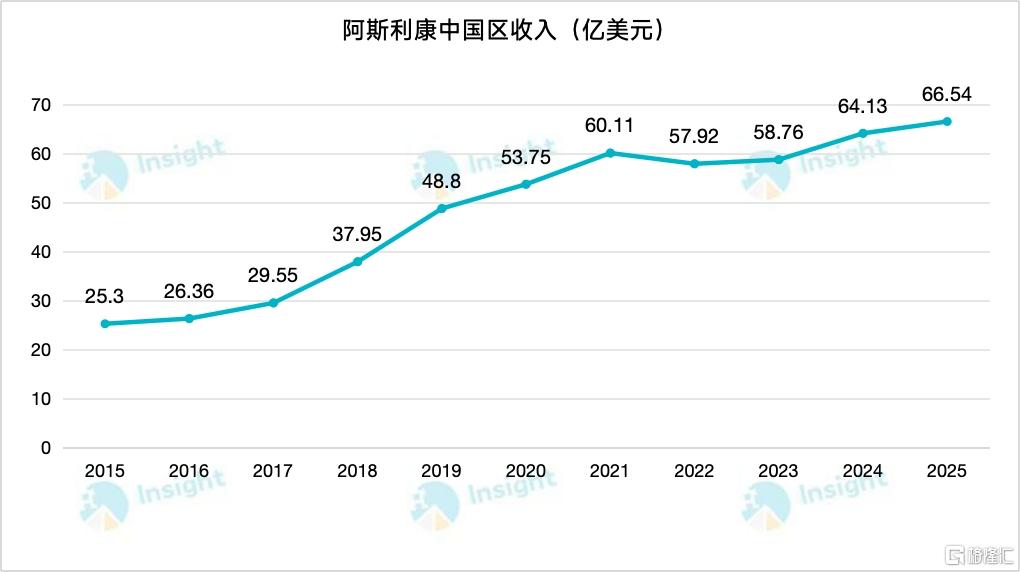
Core Insights - AstraZeneca achieved a record revenue of $6.664 billion in China for 2025, marking a significant milestone in its 30-year history in the market [1] - The company plans to invest $15 billion in China by 2030 and has established a $18.5 billion collaboration with CSPC Pharmaceutical Group [1] Revenue Performance - AstraZeneca is the second-largest market for the company, with 2024 revenues reaching $54.073 billion, and China contributing $6.413 billion, a year-on-year increase of 11% [1] - In 2025, total revenue reached $58.739 billion, with China contributing $6.654 billion, accounting for 11% of total revenue, maintaining the top position among multinational pharmaceutical companies in China [1][3] Product Portfolio - Since entering the Chinese market in 1993, AstraZeneca has introduced over 40 innovative drugs, including key products in oncology and chronic disease management [3] - The inhaled budesonide suspension is the highest-selling drug in China, although its sales have declined due to policy price adjustments [3] - Osimertinib is expected to become a new flagship product in China, potentially replacing budesonide due to the large market for non-small cell lung cancer patients [3][4] Strategic Focus - AstraZeneca is focusing on a comprehensive "innovation offensive" in China, particularly in oncology, cardiovascular, renal, and metabolic disease areas [6] - The company has a robust pipeline in oncology, with several promising drugs set to launch in China, including novel AKT inhibitors and TROP2 ADCs for breast cancer treatment [6] - The pipeline also includes treatments for chronic diseases and rare diseases, addressing the diverse needs of the Chinese market [7][8] Investment Plans - AstraZeneca's $15 billion investment will focus on expanding drug manufacturing and R&D capabilities, particularly in cell therapy and radiolabeled drug conjugates [12][13] - The company has made 23 collaborations in China since 2021, totaling over $40 billion, with a significant focus on oncology and chronic disease treatments [9][12] Market Positioning - AstraZeneca aims to leverage China's scientific and manufacturing strengths to provide cutting-edge treatment solutions, positioning itself as a leader in cell therapy capabilities [13] - The company has established global strategic R&D centers in Beijing and Shanghai and operates multiple production bases across China [13][14] Conclusion - AstraZeneca's deep integration into the Chinese market signifies a shift from merely selling products to becoming a core participant in China's healthcare ecosystem, evolving into a global innovation center rooted in China [15]

Companies trim, delay IPOs in 2026 as volatility tests valuations
Reuters· 2026-02-13 16:58
Core Insights - Several companies are downsizing or postponing their U.S. IPOs in 2026 due to market volatility, valuation scrutiny, and weak peer performance [1][2] - Goldman Sachs analysts predict the number of IPOs will double to 120 this year, but caution about valuation risks highlighted by a selloff in software stocks [1] Company Actions - Clear Street has postponed its U.S. IPO, marking its second delayed listing this month due to "market conditions" [2][5] - Clear Street reduced its fundraising target by 65% before postponing the listing [3] - Agibank raised $240 million in its downsized U.S. IPO, selling 20 million shares at $12 each, down from an initial offering of approximately 43.6 million shares priced between $15 and $18 [4] - Liftoff Mobile has also postponed its planned New York listing, citing "current market conditions" amid a significant selloff in software stocks [5]

65岁西班牙人成为赛诺菲史上首位女CEO,消息公布后股价下跌
第一财经· 2026-02-13 09:18
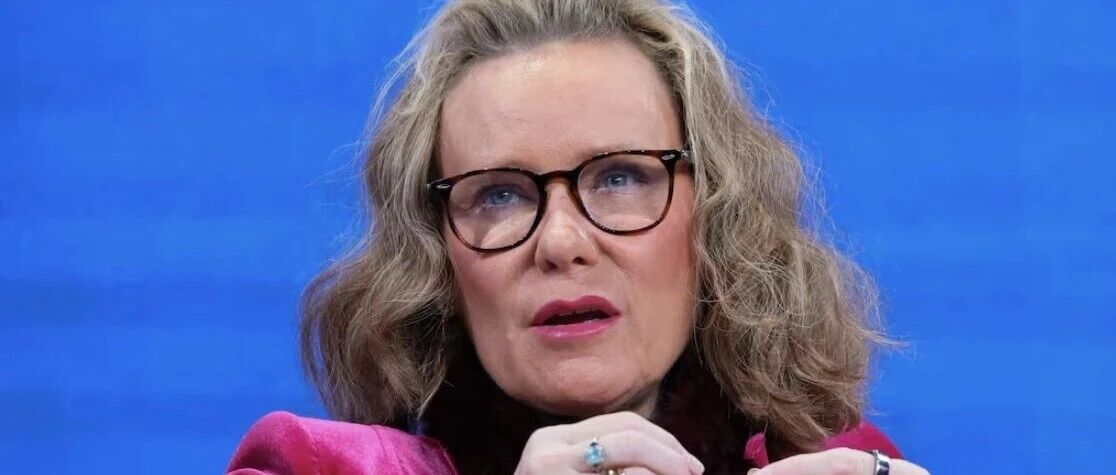
2026.02. 13 本文字数:1066,阅读时长大约2分钟 作者 | 第一财经 钱童心 当地时间2月12日,法国制药巨头赛诺菲宣布不再延长现任CEO韩保罗(Paul Hudson)的任期,并任命 65岁的现默克CEO、西班牙人葛丽鹤(Belén Garijo)为CEO。葛丽鹤也将成为赛诺菲史上首位女性 CEO,她将于2026年4月29日集团年度股东大会结束后正式履职。 不过在这一消息公布后,当天赛诺菲股价下跌4.5%。 一位医药行业高管对第一财经记者表示:"赛诺菲的新任命让市场不解,这是公司股价下跌的原因,市场 可能期待一位更激进的管理者。" 葛丽鹤于2021年出任默克CEO,她还是法国化妆品巨头欧莱雅的董事会成员。去年,默克集团宣布,葛 丽鹤将按计划在2026年4月底完成任期。在加入默克前,葛丽鹤在赛诺菲工作了15年,当时她是欧洲和加 拿大制药业务副总裁兼执行委员会成员,主要工作包括整合赛诺菲在美国的罕见病药物部门。 即将上任的葛丽鹤预计将面临来自投资者的巨大压力。由于过去几年赛诺菲的药物研发管线停滞不前,加 之美国反疫苗政策的影响,过去一年赛诺菲股价下跌超过25%。 开发新药已被证明是赛诺菲最大的难题 ...

深度|316种国家集采药品接续采购开标,覆盖26个治疗领域
Di Yi Cai Jing· 2026-02-13 08:55
Core Viewpoint - The recent round of national drug procurement has resulted in 4,163 products from 1,020 companies being shortlisted, covering 316 commonly used drugs across 26 therapeutic areas, with only 21 original drugs winning bids, representing less than 10% of the total [1][2]. Group 1: Procurement Details - The procurement aims to reduce drug prices and patient burdens while reallocating saved healthcare funds to innovative drugs that provide significant clinical value [2]. - The procurement process was led by the medical insurance bureaus of Jiangsu, Henan, and Guangdong provinces, with a high selection rate of 93% among participating companies [2]. - The results of this procurement are expected to be implemented by the end of March 2026, with a procurement cycle lasting until the end of 2028 [2]. Group 2: Original Drug Participation - The original drugs selected include various formulations such as Fosinopril and Acarbose, with companies like Bristol-Myers Squibb and Sanofi involved [3]. - Several original drugs that had previously won bids in earlier rounds, such as Gefitinib and Clopidogrel, did not participate in this round, allowing generic competitors to dominate [4][3]. - The absence of original drugs in the procurement reflects a trend where original drugs face significant competition from generics post-patent expiration, leading to a decline in sales and profits [6]. Group 3: Market Dynamics - The "patent cliff" phenomenon has led to original drugs experiencing substantial sales and profit declines once their patents expire, which was previously mitigated by high prices and market share [6]. - Some original drug companies have reduced or dissolved their sales teams for products affected by procurement policies, yet many still find market opportunities outside public hospital settings [7]. - Cross-national pharmaceutical companies are increasingly focusing on innovative drug development while divesting mature product lines to local firms [8][9]. Group 4: Future Outlook - The Chinese government is implementing policies to support the development of innovative drugs, which is expected to expand the overall pharmaceutical market [10].


316种国家集采药品接续采购开标,原研药中标的比例不到一成
Di Yi Cai Jing· 2026-02-12 22:50
Core Viewpoint - The recent round of national drug procurement has resulted in 4,163 products from 1,020 companies being shortlisted, covering 316 commonly used drugs across 26 therapeutic areas, with only 21 original drugs selected, representing less than 10% of the total [1][2]. Group 1: Procurement Details - The procurement aims to reduce drug prices and patient burdens while reallocating saved healthcare funds to innovative drugs [2]. - The procurement process involved 51,000 medical institutions, with a high selection rate of 93% and an average of 14 companies selected per product [2][3]. - The results of this procurement are expected to be implemented by the end of March 2026, with a procurement cycle lasting until the end of 2028 [2]. Group 2: Original Drug Participation - The selected original drugs include various formulations from companies like Bristol-Myers Squibb, Sanofi, and Bayer, with some previously shortlisted in earlier rounds [3]. - Notable original drugs that did not participate in this round include AstraZeneca's gefitinib and Sanofi's clopidogrel, which had previously been selected [4][3]. Group 3: Market Dynamics - The phenomenon known as "patent cliff" has led to significant declines in sales and profits for original drugs post-patent expiration, making it challenging for them to maintain market share without substantial price reductions [6]. - Some original drug companies have reduced or dissolved their sales teams for products affected by procurement policies, yet many still find market opportunities outside public hospital procurement [7]. - Cross-national pharmaceutical companies are increasingly focusing on innovative drug development while divesting mature product lines to local firms [8][9].


Nurix Therapeutics (NasdaqGM:NRIX) Conference Transcript
2026-02-12 18:02
Summary of Nurix Therapeutics Conference Call (February 12, 2026) Company Overview - **Company**: Nurix Therapeutics (NasdaqGM:NRIX) - **Focus**: Development of degrader therapeutics, primarily in oncology and immunology Key Points on Immunology Pipeline - **Immunology Pipeline**: Nurix has a robust immunology pipeline with three major targets: BTK, IRAK4, and STAT6, which are considered novel targets for small molecules [3][4] - **Degrader Mechanism Advantages**: - Degraders remove the entire protein, including its scaffolding functions, which traditional inhibitors do not target. This can account for up to 50% of signaling in certain situations [4][5] - Degraders can target virtually any protein, including transcription factors like STAT6, which are challenging for traditional small molecule inhibitors [6][7] Specific Programs - **STAT6 Program (NX-3911)**: - Partnered with Sanofi, currently in IND-enabling studies, with an anticipated IND filing this year [9][11] - The program has been in development since 2019, with Nurix driving discovery efforts [12] - Degradation of STAT6 has shown rapid effects in preclinical models, achieving complete removal of the pathway [21][22] - The compound is designed to mimic gene knockout effects, which is a desirable phenotype for therapeutic efficacy [14][15] - **BTK Degrader (Bexobrutideg)**: - Currently being developed for hematologic malignancies and autoimmune conditions, including autoimmune hemolytic anemia [31][33] - The rationale for exploring autoimmune indications is based on proof of concept from existing inhibitors in the space [33][35] - The compound is also being developed in a tablet formulation for potential advantages in dosing and pharmacologic properties [36][37] - **IRAK4 Program**: - Partnered with Gilead, focusing on the advantages of the degrader mechanism over existing inhibitors [42][43] - The program is completing healthy volunteer studies, with emphasis on safety and efficacy [46] Competitive Landscape - **Comparison with Competitors**: - Nurix's degrader programs are positioned against competitors like Kymera, with Nurix demonstrating better tissue penetration and safety profiles in preclinical studies [44][46] - The market for these therapies is significant, with potential for multiple drugs to coexist, indicating a large addressable market [30] Future Outlook - **Clinical Data**: Nurix aims to release phase 1 data for NX-3911 this year, which will be crucial for future studies [38] - **Market Potential**: The immunology pipeline is expected to be a significant focus for Nurix in 2026, with multiple programs advancing [49] Additional Insights - **Degrader Technology**: The proprietary DNA-encoded library technology allows for extensive screening of potential binders across protein surfaces, enhancing the discovery process [18] - **Safety Considerations**: Nurix has conducted thorough safety studies, particularly regarding cardiac safety, which have shown promising results [46] This summary encapsulates the key points discussed during the conference call, highlighting Nurix Therapeutics' strategic focus on its immunology pipeline and the advantages of its degrader technology in comparison to traditional small molecule inhibitors.

X @Bloomberg
Bloomberg· 2026-02-12 16:24
For Belen Garijo, returning to her former employer Sanofi might seem like something of a homecoming, but there’s little to suggest it will be easy. https://t.co/bCQvmurBp3 ...
Dianthus Therapeutics (NasdaqCM:DNTH) 2026 Conference Transcript
2026-02-12 16:02
Dianthus Therapeutics Conference Call Summary Company Overview - **Company**: Dianthus Therapeutics (NasdaqCM:DNTH) - **Date**: February 12, 2026 - **Key Executives**: Marino Garcia (CEO), Ryan Savitz (CFO) Key Industry and Company Insights 1. Transformational Year - 2025 was a pivotal year for Dianthus, marked by the first patient data in myasthenia gravis (MG), which exceeded expectations [2][60] 2. Product Pipeline - **DNTH212**: In-licensed from Leads Biolabs, a bifunctional fusion protein targeting BDCA2 to reduce type I interferon and BAFF/APRIL, showing potential as a best-in-class product [2][3] - **Clasiprubart**: An active C1s inhibitor with promising phase 2 data for MG, with two major catalysts expected in 2026 [3][4] 3. Upcoming Catalysts - **CIDP Phase 3 Study**: Interim responder analysis for the first 40 patients is anticipated in Q2 2026, accelerated from H2 2026 due to strong recruitment [4][16] - **MMN Phase 2 Results**: Expected in the second half of 2026 [4] 4. Competitive Landscape - **Riliprubart**: A competitor from Sanofi, currently in phase 3 studies for CIDP. Dianthus aims to demonstrate at least equal efficacy with a more convenient dosing regimen [10][12] - **Empaciperbart**: Another competitor in MMN, with Dianthus expecting similar efficacy but with advantages in administration and safety [31][39] 5. Efficacy Expectations - For CIDP, Dianthus aims for a responder rate of 40%-50% in the interim analysis, comparable to riliprubart's phase 2 data [12][17] - The company is focusing on a dosing regimen that is more efficient, potentially reducing the number of injections required [12][15] 6. Market Potential - The U.S. market for MG is estimated at $5 billion, with potential growth to $20-$25 billion as biologics penetrate further [60] - Dianthus anticipates capturing 5%-10% of the MG market, translating to $2-$4 billion in sales [60][62] 7. Financial Health - Dianthus ended the year with $514 million in cash, sufficient to fund operations through 2028 and support upcoming milestones [64] 8. Safety and Regulatory Considerations - Concerns about drug-induced lupus (DIL) were addressed, emphasizing the reliability of data from clinical trials versus anecdotal reports [54][56] - The company is confident in the safety profile of its products, with no reported cases of DIL in clinical programs [56] 9. Commercial Strategy - Dianthus plans to leverage the convenience of its auto-injector and the absence of a box warning to differentiate its products in the market [41][44] 10. Recruitment and Trial Design - The company is focusing on efficient recruitment strategies and trial designs that allow for quicker results and better patient outcomes [16][20] Conclusion Dianthus Therapeutics is positioned for significant growth with a strong pipeline and strategic focus on efficacy, safety, and market penetration. The upcoming data releases and competitive advantages in product administration are critical to its success in the evolving biotech landscape.
