
Samsung

Search documents
SK hynix发布存储新路线,重塑AI时代新架构 | 投研报告
Zhong Guo Neng Yuan Wang· 2025-11-11 02:56
爱建证券近日发布电子行业周报:SKhynixCEOKwakNoh-Jung在韩国首尔举办 的"SKAISummit2025"峰会上,正式宣布公司转型"全线AI存储创造者"的新愿景,同时揭晓 了包含定制化高带宽内存(CustomHBM)、AI专用DRAM(AI-D)及AI专用NAND(AI- N)在内的三大存储新路线。 以下为研究报告摘要: 投资要点: 存储芯片涨价带动其他电子Ⅲ上涨。本周(2025/11/03-11/07)SW电子行业指数 (-0.09%),涨跌幅排名21/31位,沪深300指数(+0.82%)。SW一级行业指数涨跌幅前五 别为:电力设备(+4.98%),煤炭(+4.52%),石油石化(+4.47%),钢铁(+4.39%), 基础化工(+3.54%),涨跌幅后五分别为:美容护理(-3.10%),计算机(-2.54%),医药 生物(-2.40%),汽车(-1.24%),食品饮料(-0.56%)。本周SW电子三级行业指数涨跌 幅前三分别是:其他电子Ⅲ(+4.88%),被动元件(+4.85%),印制电路板(+4.32%); 涨跌幅后三分别是:品牌消费电子(-3.60%),模拟芯片设计(-2.25%) ...
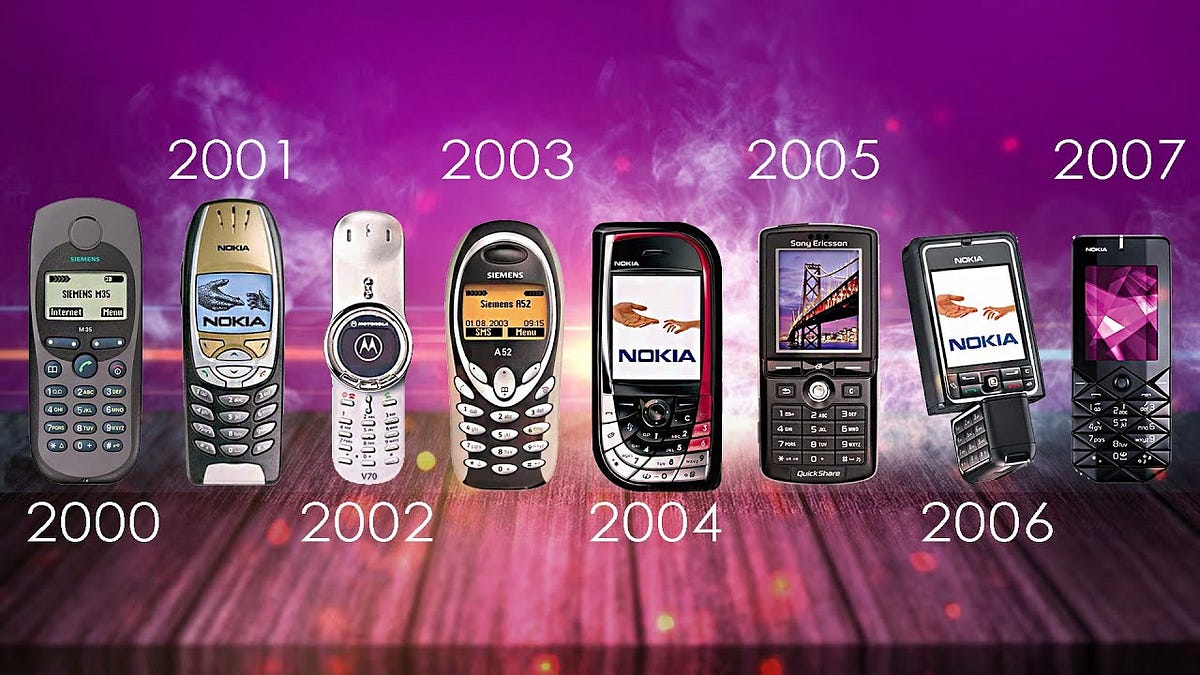
The Era When Tech Had Personality (2000s Nostalgia)
Medium· 2025-11-10 20:52
Core Insights - The article reflects on the evolution of technology design from the vibrant, personality-driven gadgets of the early 2000s to the sterile, uniform devices of today, highlighting a loss of individuality and creativity in tech design [1][10][25] Group 1: The Golden Age of Tech Design - In the early 2000s, gadgets were characterized by unique designs that expressed personal identity, with brands like Nokia, Sony Ericsson, and Motorola leading the way [2][3][4] - Nokia's models, such as the 7610 and 3310, were iconic for their distinctive shapes and colors, representing toughness and creativity [2][7] - Sony Ericsson's Walkman phones and Motorola's Razr V3 exemplified how technology could blend lifestyle and fashion, making devices feel alive and personal [3][4] Group 2: The Shift to Uniformity - Around 2015, tech design began to converge into a uniform aesthetic, primarily influenced by Apple's minimalist approach with the iPhone 6 [10][11] - Major manufacturers, including Samsung and Huawei, adopted similar design principles, leading to a lack of differentiation in the market [12][13] - By 2017, the smartphone market had become visually stagnant, with new models offering only incremental changes rather than true innovation [13][21] Group 3: The Impact of Standardization - The standardization of design led to a decline in creativity and experimentation, as companies focused on maintaining a "correct" design language [19][25] - The excitement of new gadget announcements diminished, with consumers becoming indifferent to annual releases that felt repetitive [22][24] - The industry shifted from originality to marketing strategies that relied on scarcity and limited editions, rather than genuine innovation [24][25] Group 4: The Emotional Cost of Uniformity - The article argues that the loss of design diversity has flattened emotional connections to technology, turning gadgets into mere status symbols [17][25] - The once vibrant and curious tech landscape has been replaced by a focus on sterile efficiency, leading to a lack of excitement and discovery [17][25] - The article suggests that the industry must reclaim creativity and individuality to restore the thrill of innovation [26]




电子行业周报:SKhynix发布存储新路线,重塑AI时代新架构-20251110
Shanghai Aijian Securities· 2025-11-10 11:05
Investment Rating - The report rates the electronic industry as "Outperform" compared to the market [1]. Core Insights - The electronic industry is experiencing a price increase in storage chips, driven by the new storage roadmap announced by SK hynix, which focuses on AI-specific memory solutions [3][6]. - The global DRAM and NAND markets are showing continuous growth, with DRAM holding a dominant position, accounting for 68.32% of the storage chip market as of Q2 2025 [19][21]. - Jiangbolong, a leading domestic storage module company, is well-positioned to benefit from the industry's shift towards AI applications, with a significant revenue increase projected [38][42]. Summary by Sections 1. SK hynix's New Storage Roadmap - SK hynix announced a new vision to become a "full-line AI storage creator" and introduced three new storage lines: Custom HBM, AI-specific DRAM (AI-D), and AI-specific NAND (AI-N) [6][7]. - The company plans to launch HBM series products from 2026 to 2031, including HBM4 and HBM5, with a focus on high bandwidth and low power consumption [8][19]. 2. Global DRAM/NAND Market Dynamics - The global DRAM and NAND markets are characterized by oligopoly, with SK Hynix, Samsung, and Micron controlling over 90% of the DRAM market [21][23]. - The market size for DRAM and NAND is projected to reach $95.863 billion and $65.635 billion, respectively, in 2024 [19][21]. 3. Jiangbolong's Market Position - Jiangbolong reported a revenue of 17.464 billion yuan in 2024, a year-on-year increase of 72.48%, with a compound annual growth rate of 44.79% from 2022 to 2024 [38][42]. - The company focuses on high-performance NAND Flash and DRAM products, particularly in the consumer electronics and data center sectors [42][38]. 4. Recent Industry Events - OpenAI signed a $38 billion cloud computing agreement with AWS, indicating a growing demand for AI infrastructure [47][48]. - NVIDIA and Deutsche Telekom announced a joint investment of €1 billion to build an AI data center in Germany, enhancing AI capabilities in Europe [49][50]. - AMD reported a Q3 revenue of $9.25 billion, reflecting a 36% year-on-year growth, driven by strong demand in the data center and gaming sectors [51][52].
Arm Beats Estimates, but Its New Plan to Build Chips Is the Real Story Here
The Motley Fool· 2025-11-10 08:52
Core Insights - Arm, the world's largest mobile chip designer, reported a 34% year-over-year revenue increase to $1.14 billion for Q2 fiscal 2026, surpassing analyst estimates by $80 million [1] - The company plans to shift from a licensing model to producing its own first-party chips, focusing on server-class AI accelerators for data centers [3][10] - Arm's growth is driven by demand for its AI-optimized Armv9 designs, which generate higher royalties compared to non-AI designs [8] Financial Performance - For Q2 fiscal 2026, Arm's adjusted earnings per share (EPS) rose 30% to $0.39, exceeding consensus forecasts by $0.06 [1] - For Q3, Arm expects a revenue increase of 25% year-over-year and a 5% growth in adjusted EPS [2] Business Model Transition - Arm's traditional model involved licensing chip designs to fabless chipmakers, generating high-margin revenues [6][7] - The new strategy to produce first-party chips marks a significant shift, potentially impacting margins and competition with top customers [9][10] Market Position and Strategy - Arm's chips are used in approximately 99% of smartphones, focusing on energy efficiency rather than raw processing power [4] - The company aims to reduce dependence on the smartphone market and establish a foothold in the AI sector through its data center chip expansion [14] Customer Base and Competition - Meta is the first major customer for Arm's new chips, with potential interest from other cloud giants like Amazon and Microsoft [12] - Arm's entry into the data center market could challenge Intel's dominance and impact competitors like Qualcomm and MediaTek [12][13] Future Outlook - Analysts project Arm's revenue and EPS to grow by 20% and 34% respectively from fiscal 2025 to fiscal 2028, driven by AI chip sales [15] - Despite growth potential, Arm's stock trades at high multiples, suggesting limited upside in the current market [15]


What’s holding back Indian brands from going global?
MINT· 2025-11-10 00:30
Core Perspective - The article discusses the perceived lack of global consumer brands from India, attributing this to a lack of ambition among Indian entrepreneurs and systemic issues within the business environment [2][4]. Group 1: Entrepreneurial Attitudes - Indian entrepreneurs are criticized for being risk-averse and lacking ambition, which has hindered the creation of globally recognized brands [2][3]. - Corporate leaders like Uday Kotak and Harsh Goenka highlight the tendency of Indian entrepreneurs to rely on the domestic market and avoid investing in R&D and branding [3][4]. Group 2: Market Competition - The absence of Indian brands in global consumer goods is partly due to the dominance of established international brands like Unilever and P&G, which have extensive resources and market presence [7]. - Historical Indian brands like Onida and BPL struggled to compete against larger global companies that had already established significant market reach [8]. Group 3: Trust and Quality - Global brands have built consumer trust through consistent product quality, which is a critical factor for success in international markets [9]. - The article suggests that the cultural environment and governance models play a role in fostering these intangible attributes [9]. Group 4: Systemic Challenges - Eric Schmidt's insights indicate that India's potential to innovate is limited by regulatory and systemic issues rather than a lack of talent among entrepreneurs [10][11]. - The article emphasizes the need for a strategic political vision to support entrepreneurial growth, similar to the development seen in South Korea and China [13]. Group 5: Collaborative Efforts - A successful entrepreneurial ecosystem requires collaboration between ambitious entrepreneurs and supportive government policies to address issues like labor laws and bureaucratic hurdles [14]. - The article concludes that a meaningful engagement among all stakeholders is essential for improving Brand India on the global stage [14][15].


Is This the Best Stock to Own for the Next Decade of AI Expansion?
The Motley Fool· 2025-11-09 18:45
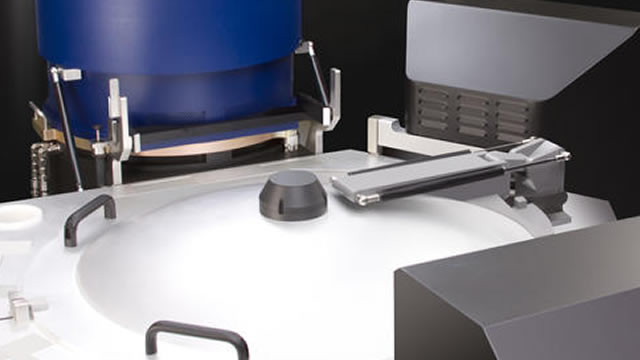
Core Viewpoint - Applied Materials is positioned as a key player in the AI chipmaking supply chain, providing essential equipment for semiconductor manufacturing, which is expected to see significant growth driven by AI advancements [1][4][12]. Company Overview - Applied Materials does not manufacture AI chips or provide AI services but supplies the systems necessary for producing advanced chips and displays globally [2][4]. - The company is the largest U.S. manufacturer of semiconductor equipment, with a market share of 17.4% in 2024, competing closely with Lam Research [6][7]. Market Position - Major semiconductor manufacturers, including Nvidia, Intel, and Samsung, are customers of Applied Materials, highlighting its critical role in the industry [5]. - The company’s market cap is approximately $183 billion, with a stock price of $230.07, reflecting a 48% increase this year and a 245% increase over the past five years [3][13]. Industry Outlook - Semiconductor sales are projected to reach $697 billion in 2024, with expectations of hitting $1 trillion by 2030 and doubling to $2 trillion by 2040, indicating a robust growth trajectory for the industry [12]. - Analysts anticipate a 4% revenue increase and an 8.1% growth in earnings per share for fiscal 2025 [12]. Challenges - A significant portion of Applied Materials' revenue (over one-third) comes from the Chinese market, making it vulnerable to geopolitical and trade tensions [8]. - The company has warned of potential revenue impacts due to ongoing trade issues, estimating a $600 million reduction in fiscal 2026 revenues [9]. - Planned layoffs of 4% of its workforce are aimed at enhancing competitiveness and productivity amid changing workforce needs [10].

X @郭明錤 (Ming-Chi Kuo)
郭明錤 (Ming-Chi Kuo)· 2025-11-09 16:50
Production & Capacity - AI6 is expected to start mass production in 2027, with a potential production timeline close to AI5's, aligning with Musk's statements [1] - Tesla aims to participate in the wafer fabrication business at a very low cost, potentially by transferring AI6 orders to Samsung [1] - Musk expresses concerns about future chip supply, even with optimistic projections from suppliers [2] - TSMC assures that chip supply is not an issue if Tesla is willing to pay, although TSMC's capacity can be tight during peak market conditions [2] Strategic Motivations for Tesla's Fab - Geopolitical concerns exist regarding the concentration of semiconductor production in Taiwan [3] - Advanced packaging capacity in the US is expected to be limited, potentially accounting for only 10% of the global capacity by 2030 [3] - Tesla may receive less R&D support and production flexibility from TSMC compared to first-tier clients like Apple and Nvidia [3] - Tesla aims to customize key designs and manufacturing processes to maximize vertical integration benefits [3]

X @郭明錤 (Ming-Chi Kuo)
郭明錤 (Ming-Chi Kuo)· 2025-11-09 16:50
Semiconductor Strategy & Validation - Ming-Chi Kuo's analysis and predictions regarding Elon Musk's semiconductor strategy are validated by Musk's remarks at the latest Tesla shareholder meeting [1] - Musk anticipates transitioning to AI6 within a year of AI5 production, aiming to double performance metrics, aligning with industry projections of AI6 mass production in 2027 [1] Tesla's Chip Production Ambitions - Musk's intention to build Tesla's own chip production plants validates the view that shifting AI6 orders to Samsung was to gain foundry experience at a low cost [2] - Musk is concerned about future chip supply, stating current supplier capacity projections are insufficient [2] - The industry believes TSMC is unlikely to be the primary bottleneck, as TSMC CEO indicated willingness to supply chips if Tesla is willing to pay [2] Geopolitical & Strategic Considerations - Geopolitical concerns, particularly the concentration of advanced node capacity in Taiwan, drive Musk's desire for a Tesla chip production plant [3] - TSMC's advanced-node and advanced-packaging capacity in the U S is expected to remain limited, likely no more than approximately 10% of its global capacity by 2030 [3] - Tesla, as a second-tier customer at TSMC, experiences less priority on R&D support and production flexibility, motivating the move of AI6 to Samsung and the pursuit of its own chip production [3] Integration & Customization Advantages - Customizing key design and manufacturing segments, particularly chip production, enables a highly integrated final product and maximizes the benefits of vertical integration for Tesla's cutting-edge technologies [4]
This Underrated Semiconductor Stock Is the Last Great Value Play in AI Infrastructure
The Motley Fool· 2025-11-09 09:05
Core Insights - The article highlights Micron Technology as a compelling investment opportunity in the AI infrastructure sector due to its attractive valuation and significant growth potential [1][3][4] Company Overview - Micron Technology specializes in manufacturing compute and storage memory chips used in various applications, including data centers, personal computers, smartphones, and automotive components [3] - The company reported a 49% year-over-year revenue increase to $37.4 billion and a 537% rise in adjusted earnings to $8.29 per share for fiscal 2025 [4] Valuation Metrics - Micron's trailing earnings multiple stands at 24, while its forward earnings multiple is even more appealing at 14, with a price-to-sales ratio of 7, which is lower than other AI infrastructure stocks [5][6] - Analysts project that Micron's earnings are expected to double in the current fiscal year, indicating strong growth expectations [7] Market Opportunity - The capital spending on data centers is projected to grow at a compound annual growth rate (CAGR) of 40% from 2025 to 2030, potentially reaching between $3 trillion and $4 trillion by the end of the decade [10] - Micron estimates that the high-bandwidth memory (HBM) market revenue could double to $35 billion by 2025, with significant growth potential driven by increased data center capital expenditures [12] Competitive Position - Micron is currently gaining market share in the HBM space, controlling 21% of the market as of Q2, and is expected to increase its share to 23%-24% by the end of the year [14][15] - The company is well-positioned to benefit from the growing demand for HBM due to its partnerships with major AI chip designers and its next-generation HBM offerings [15]


X @Forbes
Forbes· 2025-11-08 12:53
Samsung users are the subject of the latest headlines as security researchers reveal details of a hack attack that exploited a critical zero-day vulnerability to install spyware on smartphones, using WhatsApp images as the in. Here's what you need to know. https://t.co/95gI0NgzRc ...