
欣旺达

Search documents
深圳上市公司关键数据,重磅发布
Shen Zhen Shang Bao· 2025-12-12 01:24
深圳是创新之城,梦想之城,在前沿创新的赛道上,深圳企业一马当先。2024年,深圳研发经费投入稳居全国大中城市第二位,研发经费投入强度位居全 国首位,为经济高质量发展注入强劲动能。 作为粤港澳大湾区权威、主流财经新媒体,读创客户端上线九周年之际,联合国内头部金融数据服务商同花顺(300033),通过对深圳本地400多家A股 上市公司财报数据的梳理,推出"深圳上市公司创新发展排行榜",从研发人员数量、研发人员/员工比例、研发投入、研发投入/营业收入比例、产品专利 数量等多个维度,描绘深圳上市公司创新发展全景图。从中可以看出,在创新赛道上奋勇争先的深圳企业,无一例外都是"研发健将"。 排行榜显示,比亚迪(002594)目前研发人员数量达12.16万人,2025年上半年研发投入达309亿元,无论是人员数量还是投入金额,都稳居深圳本地上市 公司之首。 以下为"深圳上市公司创新发展排行榜"前30名的具体情况: | | 证券代码 | 证券名称 | 研发人员数量 | | --- | --- | --- | --- | | 4 | 002475.SZ | 立讯精密 | 22,583 | | 5 | 300115.SZ | 长盈 ...



激战欧洲,锂电巨头大迁徙
3 6 Ke· 2025-12-11 23:11
Core Insights - The article discusses the global expansion of Chinese lithium battery manufacturers, particularly focusing on their investments in Europe and North America to adapt to changing market dynamics and regulatory environments [1][2][3]. Group 1: Market Dynamics - Domestic battery production capacity utilization in China has dropped to a warning level, while overseas markets, particularly Europe and North America, show increasing demand for electric vehicles and energy storage [1][2]. - The average selling price of key battery products in China has decreased by over 35% in the past two years, while raw material costs have fluctuated significantly, squeezing profit margins [8][9]. Group 2: Strategic Investments - CATL's investment in a joint battery factory in Zaragoza, Spain, exceeds 30 billion RMB, with a planned capacity of 50GWh, focusing on cost-effective lithium iron phosphate batteries for Stellantis [3][4]. - EVE Energy's factory in Hungary is in the critical phase of mechanical and electrical installation, with a planned capacity of 28GWh, while Guoxuan High-Tech's factory in Slovakia has completed initial construction with a capacity of 20GWh [5][6][7]. Group 3: Regulatory Challenges - The U.S. Inflation Reduction Act (IRA) and the EU's new battery law impose significant barriers, requiring local production and stringent carbon footprint regulations, which compel Chinese companies to establish manufacturing bases abroad [2][10][11]. - The EU's new battery law necessitates a comprehensive tracking system for the carbon footprint of battery components, increasing the operational complexity for Chinese manufacturers in Europe [14]. Group 4: Operational Challenges - Chinese companies face significant challenges in adapting to local supply chains and regulatory environments when establishing factories abroad, including longer approval processes and the need for local compliance [13][14]. - The transition from exporting battery products to building factories and hiring local workers represents a substantial shift in operational strategy for Chinese lithium battery firms [8][12]. Group 5: Future Outlook - The strategic decision to expand overseas is seen as essential for survival, with companies aiming for 40% of their production capacity to be located internationally by 2030 [12][17]. - The focus is shifting from merely being a cost-effective manufacturer in China to becoming a recognized provider of high-tech solutions in global markets [12][17].




宝”地兴业!深圳宝安打造产业空间“超级大卖场
Nan Fang Du Shi Bao· 2025-12-11 14:21
Group 1 - The conference aims to address the challenges of industrial upgrading and spatial quality improvement through customized spatial solutions, with over 300 hectares of industrial land and more than 20 million square meters of industrial space available [1] - The strategic development plan for Bao'an includes a comprehensive spatial development strategy, focusing on an air transport economic belt, urban centers, technology innovation zones, and advanced manufacturing parks [2] - Bao'an has established a full-chain spatial guarantee system to enhance efficiency in land supply and service levels, ensuring that enterprises can quickly secure land and start operations [4] Group 2 - The region hosts nearly 560,000 enterprises, with a significant portion being national high-tech companies, and has formed five trillion-yuan industrial clusters, indicating strong economic capabilities [3] - The "AI Smart Space" platform has been launched to facilitate efficient matching of industrial space needs, featuring over 1,880 parks and 820,000 square meters of available space [6] - Bao'an's commitment to creating a favorable business environment is reflected in its continuous recognition as a top district for investment, emphasizing a proactive approach to addressing enterprise needs [8]
激战欧洲 锂电巨头大迁徙
经济观察报· 2025-12-11 13:30
Core Viewpoint - Chinese lithium battery giants are expanding globally to seek new growth opportunities and navigate through market cycles, with a focus on establishing manufacturing capabilities in Europe and Southeast Asia [2][4][12]. Group 1: Global Expansion Initiatives - CATL and Stellantis have initiated a joint battery factory in Zaragoza, Spain, with a planned capacity of 50 GWh, aiming for production by the end of 2026 [6]. - EVE Energy is advancing its factory construction in Debrecen, Hungary, with a planned capacity of 28 GWh, while Guoxuan High-Tech is establishing a 20 GWh battery factory in Slovakia [9]. - Aiming for a localized supply chain, companies like Xinwanda are also expanding in Thailand, with over 17.4 GWh of planned battery capacity [10]. Group 2: Market Dynamics and Challenges - Domestic battery utilization rates are declining, leading to price wars that erode profits, while overseas markets, particularly in Europe and North America, show increasing demand for electric vehicles and energy storage [3][12]. - The Inflation Reduction Act (IRA) in the U.S. and the EU's new battery regulations impose significant barriers, necessitating local production to meet supply chain localization requirements [3][14]. Group 3: Profitability and Strategic Shifts - Despite domestic pressures, overseas operations for companies like CATL and EVE Energy show profit margins 5 to 10 percentage points higher than domestic margins [4][13]. - The shift from being "Chinese suppliers" to "global manufacturers" is crucial for survival, as companies aim to establish a competitive edge in international markets [4][12][15]. Group 4: Operational Challenges in Foreign Markets - Chinese companies face significant operational challenges in adapting to local conditions, including supply chain issues and regulatory compliance in Europe and the U.S. [18][20]. - The EU's stringent environmental regulations require companies to trace the carbon footprint of all battery components, adding complexity to operations [20]. Group 5: Future Outlook - The strategic focus for many Chinese lithium battery companies is to increase overseas production capacity to over 40% by 2030, aiming to become recognized as reliable high-tech solution providers in global markets [15][21]. - Despite the challenges, companies are committed to overcoming obstacles to establish themselves as global players in the lithium battery industry [21][22].
锂电巨头踏上“远征路”
Jing Ji Guan Cha Wang· 2025-12-11 12:37
Core Viewpoint - The article highlights the strategic shift of Chinese lithium battery companies, such as CATL and EVE Energy, towards establishing manufacturing facilities overseas in response to domestic market saturation and increasing competition, aiming to become global manufacturers rather than just suppliers from China [2][11]. Group 1: Investment and Expansion - CATL is investing over 30 billion RMB in a joint battery factory with Stellantis in Zaragoza, Spain, with a planned capacity of 50 GWh, targeting production by the end of 2026 [3][6]. - EVE Energy's factory in Debrecen, Hungary, is in the critical phase of mechanical and electrical installation, with a planned capacity of 28 GWh [4][5]. - Guoxuan High-Tech is constructing a battery super factory in Slovakia with an initial capacity of 20 GWh, strategically located near major automotive clients [5][6]. Group 2: Market Dynamics - Domestic battery capacity utilization has dropped to alarming levels, while overseas markets, particularly in Europe and North America, show strong demand for electric vehicles and energy storage [2][8]. - The gross profit margins for overseas operations of companies like CATL and EVE Energy are reportedly 5 to 10 percentage points higher than domestic margins, indicating a lucrative opportunity in international markets [2][8]. Group 3: Regulatory Environment - The U.S. Inflation Reduction Act (IRA) and the EU's new battery regulations impose strict localization requirements, pushing Chinese companies to establish local production to remain competitive [9][10]. - The EU's regulations require comprehensive tracking of carbon footprints and recycling ratios for battery components, necessitating significant adjustments in supply chain management for Chinese firms [10][13]. Group 4: Challenges and Adaptation - Chinese companies face significant challenges in adapting to local regulations, labor laws, and supply chain logistics when establishing overseas factories [12][13]. - Despite these challenges, companies are committed to overcoming obstacles to become global players, indicating a long-term strategic vision [14][15].
磷酸铁锂企业集体酝酿涨价,车企“抢货大战”再上演
Mei Ri Jing Ji Xin Wen· 2025-12-11 10:19
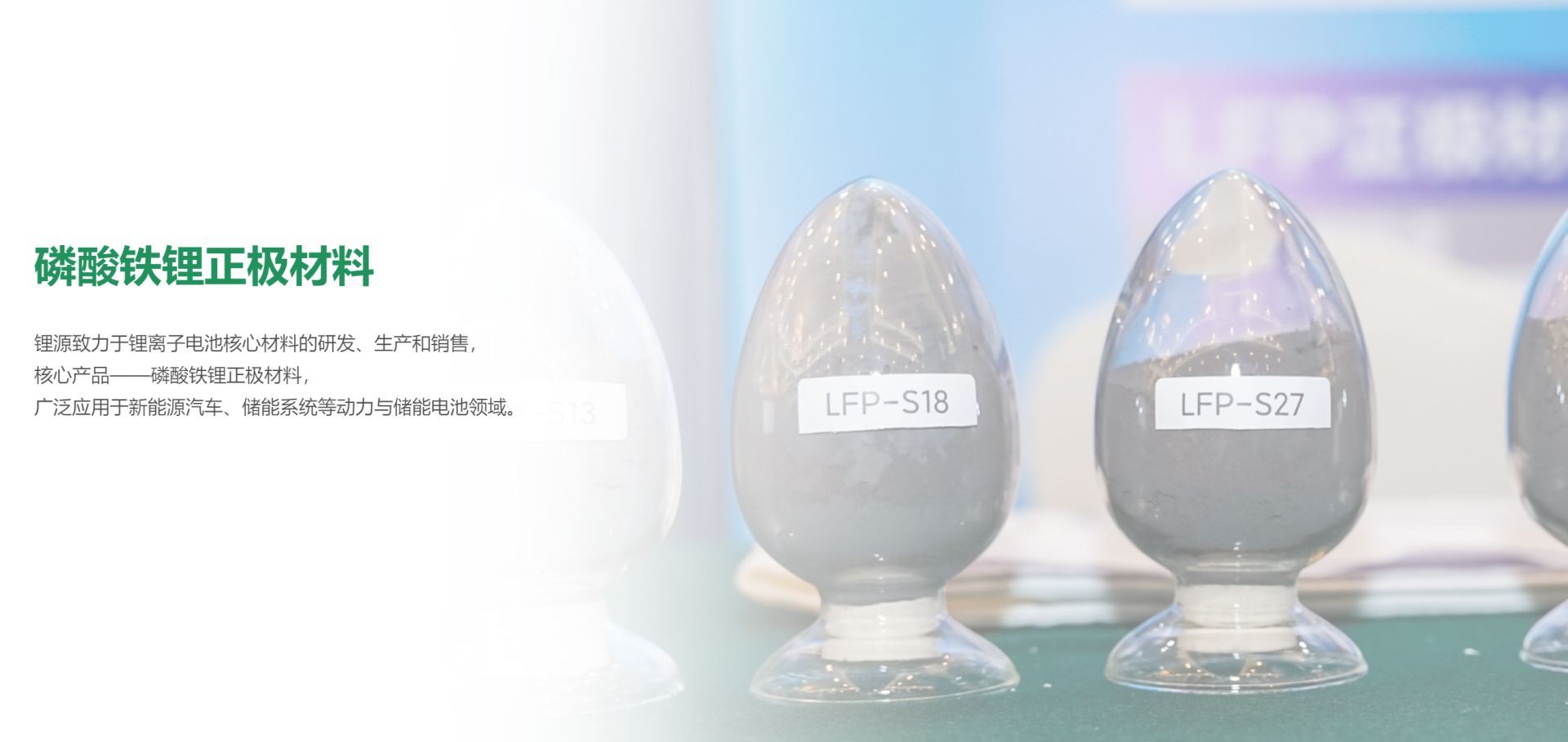
Core Viewpoint - The recent price increase of lithium iron phosphate (LFP) materials is driven by multiple factors, including rising upstream raw material costs and the ongoing losses in the industry, prompting several LFP manufacturers to negotiate price hikes with downstream battery manufacturers [1][5]. Group 1: Price Increase Dynamics - Multiple LFP companies have proposed price increases to downstream battery manufacturers, with one company planning to raise processing fees by 3,000 yuan per ton starting January 1, 2026 [3]. - The cost structure of LFP batteries shows that cathode materials account for over 40% of the total cost, indicating that price hikes from LFP manufacturers could significantly impact downstream battery and new energy vehicle sectors [3][5]. - Some battery manufacturers, such as Funeng Technology, have acknowledged the trend of rising battery prices due to increased raw material costs and expanding market demand [3][5]. Group 2: Market Conditions and Trends - The price of LFP materials has seen a significant decline from 173,000 yuan per ton at the end of 2022 to 34,000 yuan per ton in August 2025, a drop of 80.2%, leading to over 36 months of continuous losses in the industry [5]. - As of December 10, 2023, the average market price for LFP batteries has stabilized at 41,000 yuan per ton for power-type, 37,800 yuan per ton for energy storage-type, and 25,400 yuan per ton for repair-type [5]. - The domestic power battery installation volume reached 578.0 GWh from January to October 2023, with LFP batteries accounting for 470.2 GWh, representing 81.3% of the total and a year-on-year growth of 59.7% [6]. Group 3: Industry Sentiment and Future Outlook - The rapid growth of the downstream new energy vehicle and energy storage markets has provided LFP manufacturers with confidence to pursue collective price increases [7]. - Many leading LFP companies have their orders booked through the first half of the next year, operating at near full capacity [7]. - The upcoming reduction in vehicle purchase tax for new energy vehicles is intensifying competition among car manufacturers for battery supply, further complicating the supply chain dynamics [9].
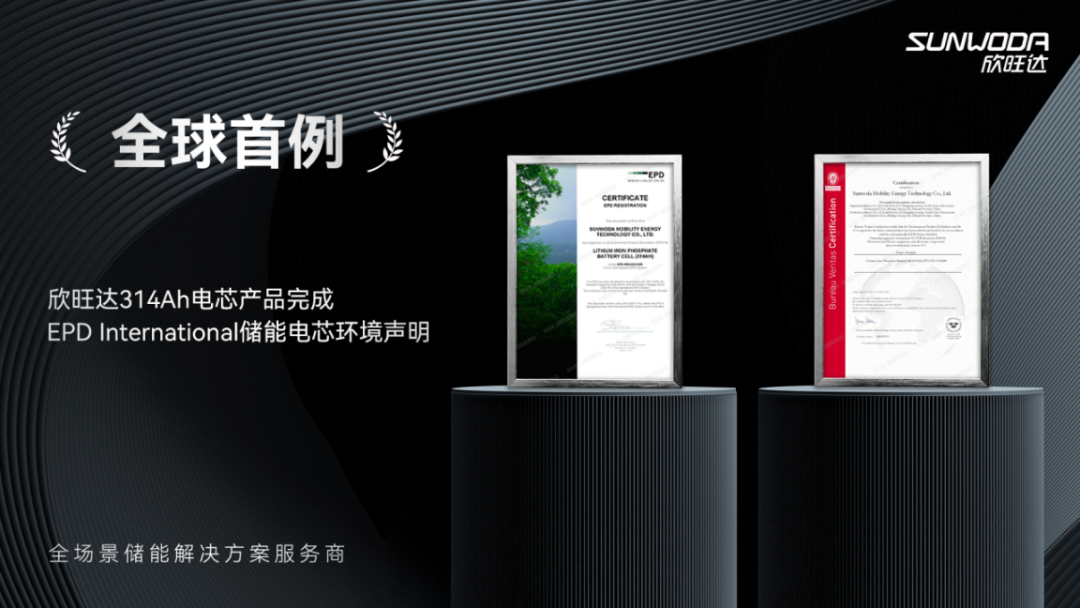
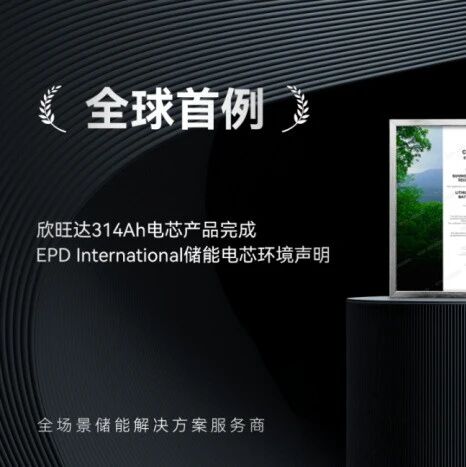
欣旺达314Ah储能电芯通过EPD International环境产品声明认证
Xin Lang Cai Jing· 2025-12-11 10:10
Core Viewpoint - XINWANDA's 314Ah energy storage cell has become the first product in the battery industry to receive EPD International environmental product declaration certification, indicating its leadership in lifecycle management and green low-carbon manufacturing [1][4]. Group 1: Product and Certification - The 314Ah energy storage cell is the core product of XINWANDA's energy storage cell family, recognized for its safety, high energy density, and long cycle life, contributing to the company's entry into the top ten global shipments of energy storage cells in China by 2025 [3][6]. - The EPD certification follows strict guidelines from the EPD International system, covering the entire environmental impact of the product from raw material acquisition to end-of-life [3][6]. - This certification serves as a recognition of the product's strength and reflects XINWANDA's commitment to ESG principles [3][6]. Group 2: Future Plans and ESG Commitment - XINWANDA plans to expand the coverage of the EPD system across its energy storage cell product matrix and promote the standardized application of environmental declarations in the industry [4][7]. - The company aims to contribute more value to the global energy transition and clean energy development through higher standards of green innovation and sustainable practices [4][7].
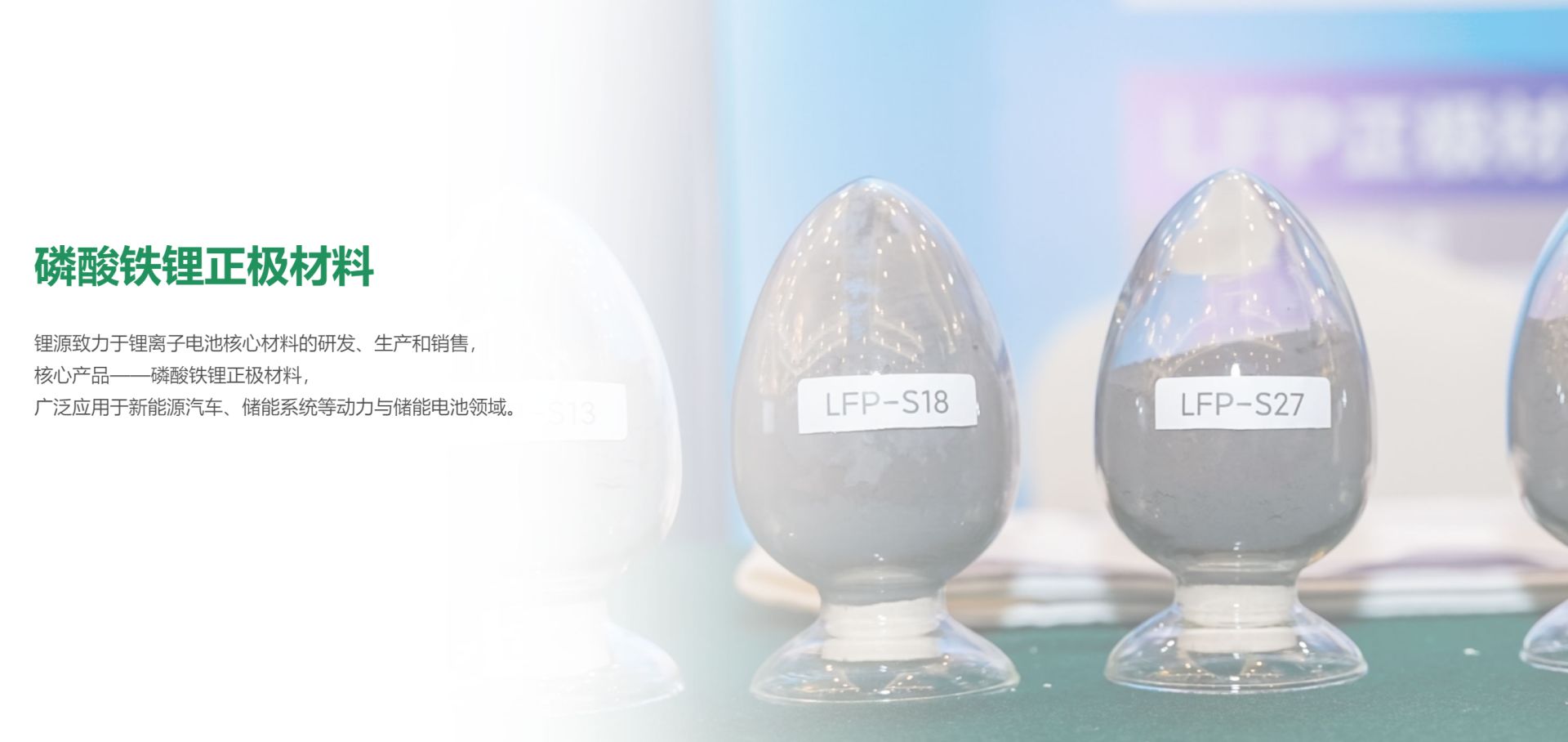
磷酸铁锂企业集体酝酿涨价:已有动力电池厂商上调价格,车企“抢货大战”再上演
Mei Ri Jing Ji Xin Wen· 2025-12-11 10:05
Core Viewpoint - The price of lithium iron phosphate (LFP) is set to increase due to rising costs from upstream raw material suppliers and ongoing discussions between LFP manufacturers and downstream battery producers [1][3]. Group 1: Price Increase Dynamics - Multiple LFP companies have proposed price increases to downstream battery manufacturers, with one company planning to raise processing fees by 3,000 yuan per ton starting January 1, 2026 [3]. - The cost structure of LFP batteries shows that cathode materials account for over 40% of total costs, indicating that price hikes from LFP manufacturers will impact downstream battery and new energy vehicle sectors [3][5]. - Some battery manufacturers, such as Funeng Technology, have already begun to implement price increases due to rising raw material costs and expanding market demand [3][5]. Group 2: Market Trends and Performance - The price of LFP materials has seen a significant decline from 173,000 yuan per ton at the end of 2022 to 34,000 yuan per ton in August 2025, a drop of 80.2%, leading to over 36 months of continuous losses in the industry [5]. - As of December 10, 2023, the average market price for LFP batteries has stabilized at 41,000 yuan per ton for power-type, 37,800 yuan for energy storage-type, and 25,400 yuan for repair-type [5]. - The domestic power battery installation volume reached 578.0 GWh from January to October 2023, a year-on-year increase of 42.4%, with LFP batteries accounting for 470.2 GWh, or 81.3% of the total, marking a 59.7% year-on-year growth [6]. Group 3: Industry Confidence and Challenges - The rapid growth of the downstream new energy vehicle and energy storage markets has provided LFP manufacturers with confidence to pursue collective price increases [7]. - Many leading LFP companies have their orders booked through the first half of the following year, operating at near full capacity [7]. - The upcoming reduction in vehicle purchase tax for new energy vehicles is intensifying competition among car manufacturers for battery supply, leading to challenges in ensuring supply and delivery for battery manufacturers and vehicle producers [9].

全球首例!欣旺达314Ah储能电芯通过EPD International环境产品声明认证
中关村储能产业技术联盟· 2025-12-11 08:54
Core Viewpoint - XINWANDA's 314Ah energy storage cell has become the first product in the battery industry to receive EPD International environmental product declaration certification, showcasing its leadership in lifecycle management and green low-carbon manufacturing [2][5]. Group 1: Product and Certification - The 314Ah energy storage cell is a core product in XINWANDA's energy storage cell family, recognized for its safety, high energy density, and long cycle life, aiming to rank among the top ten global shipments of energy storage cells in China by 2025 [4]. - The successful EPD certification confirms XINWANDA's comprehensive competitiveness in technology and green manufacturing, covering the entire lifecycle environmental impact from raw material acquisition to end-of-life [5]. Group 2: ESG Commitment and Future Plans - The certification is not only a recognition of the 314Ah product's strength but also a significant achievement in XINWANDA's commitment to ESG principles, supported by a family of energy storage cells including 102Ah, 280Ah, 314Ah, 588Ah, and 684Ah [5]. - XINWANDA plans to expand the coverage of the EPD system across its energy storage cell product matrix and promote the standardized application of environmental declarations in the industry, contributing to global energy transition and clean energy development [6].
新华财经|薄如蝉翼、坚如铠甲 一片薄膜如何守护新能源电池安全线
Xin Hua She· 2025-12-11 08:32
Group 1 - The core component of electric vehicles, lithium batteries, is protected by a nylon material known as PHA lithium film, which is only 15 microns thick but offers excellent protection during extreme conditions like collisions [1] - The PHA lithium film produced by Zhonglun New Materials Co., Ltd. has superior tensile, impact, and puncture resistance, with a puncture strength of up to 20 Newtons, more than double that of conventional materials [1] - Compared to traditional metal materials, PHA lithium film is lighter and more flexible, which can effectively enhance battery capacity and extend the range of electric vehicles or standby time of devices [1] Group 2 - According to third-party research firm EVTank, global aluminum-plastic film shipments are expected to reach 450 million square meters in 2024 and grow to approximately 1.4 billion square meters by 2030, corresponding to a market size of 16.07 billion yuan [2] - The domestic aluminum-plastic film localization rate in China is about 60.3%, indicating significant room for improvement [2] - Zhonglun New Materials has achieved a gross margin of over 50% for its new BOPA film materials as of the first half of this year, with the PHA lithium film being the main profit contributor [2] Group 3 - The company has successfully developed a solid-state battery-specific BOPA film called uPHA, which provides key domestic raw material support for the large-scale industrialization of solid-state batteries [2] - Zhonglun New Materials also offers a variety of specialty functional films, such as EHA fresh-keeping film, which has significantly improved oxygen barrier properties to extend food shelf life [2][3] - The company’s biodegradable film material BOPLA can decompose into water and carbon dioxide within three months under industrial composting conditions, demonstrating its environmental friendliness [3]