
银河通用

Search documents
「宇树科技」王兴兴:推进合规、稳健的上市流程,VLA是一个相对傻瓜式的架构
Robot猎场备忘录· 2025-08-12 00:03
Core Viewpoints - The humanoid robot industry is currently in a stage where technology is not yet mature enough for large-scale, complex tasks, but the annual shipment of humanoid robots is expected to double, with potential breakthroughs leading to significant increases in output in the next 2-3 years [4][5][6] - The competition in the humanoid robot sector extends beyond products and markets to include founder interviews and public speaking engagements [4] - The race to complete an IPO is critical for companies like Yushu Technology and Zhiyuan Robotics, as being the first to go public can provide substantial funding support [5][6] Industry Insights - Hardware for humanoid robots is currently adequate but requires further improvement for larger scale, lower cost, and higher reliability [7] - The biggest challenge in the humanoid robot sector is the AI model rather than data, with a need for better model architecture to enhance performance [7] - The commercial viability of humanoid robots is questioned, as many companies focus on entertainment rather than practical applications [10][11] Company Strategies - Yushu Technology focuses on educational and research applications, while Zhiyuan Robotics and others emphasize strong AI capabilities [10][11] - The commercial logic for Yushu Technology involves leveraging impressive robotic performances and low pricing to quickly secure orders, but sustainability remains a concern [10][15] - The software-focused companies often announce high revenue figures but lack transparency regarding order numbers and actual product deliveries [11] Market Dynamics - The humanoid robot market is characterized by a divide between "hardware-focused" companies like Yushu Technology and "software-focused" companies like Zhiyuan Robotics, leading to different commercialization strategies [10][12] - The current trend shows that many humanoid robot startups are struggling with effective commercialization and face challenges in scaling production and real-world application [12][15] - The industry is witnessing a shift towards self-developed foundational models, with leading startups like Figure AI taking the lead [13]


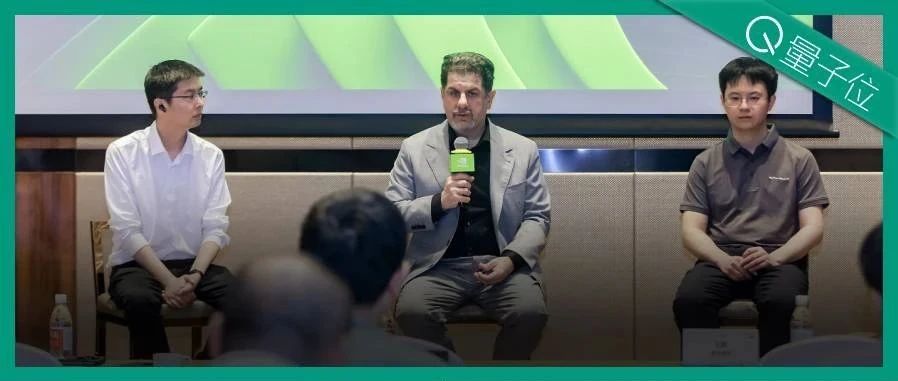
英伟达、宇树、银河通用问答:未来10年机器人如何改变世界
2 1 Shi Ji Jing Ji Bao Dao· 2025-08-11 22:20
Group 1 - The core judgment presented by Rev Lebaredian emphasizes that the IT industry, valued at approximately $5 trillion, is a small part of the global economy exceeding $100 trillion, with significant value lying in the physical world sectors such as transportation, manufacturing, logistics, and healthcare [1][2] - The emergence of artificial intelligence enables machines to possess "physical intelligence," allowing for a true connection between the physical and information worlds, with robotics serving as a bridge for this transition [1][2] Group 2 - China is positioned uniquely to excel in the robotics and AI field, with nearly half of the global AI researchers and developers based in the country, alongside unmatched electronic manufacturing capabilities and a vast manufacturing base for large-scale deployment and testing [2] - NVIDIA's mission is to create computers specifically designed for the "toughest problems," necessitating the development of three types of computers: embedded computers in robots, AI factory computers for data processing and model training, and simulation computers for data generation and testing [2] Group 3 - Wang Xingxing views humanoid robots as crucial carriers for general-purpose robotics, suggesting that as general AI matures, the complexity of hardware requirements will decrease, making it easier for individuals to assemble humanoid robots similar to building a computer [3] - UTree Technology launched a humanoid robot priced at approximately 99,000 RMB last year, with a new version this year priced at around 39,000 RMB, supporting customization and expected to reach mass production by the end of the year [3] Group 4 - Wang He emphasizes that general-purpose robots will be revolutionary products in a market potentially worth trillions, with the core elements being the robot itself, the embodied intelligence model driving it, and the data supporting the model [3][4] - The next-generation humanoid robot project announced by Galaxy General and NVIDIA will utilize the Isaac platform for data collection and remote control, capable of training and deploying various task abilities in both simulated and real environments [3] Group 5 - Wang He predicts that the market for humanoid robots will grow exponentially, estimating that production will increase tenfold every three years, potentially surpassing the total output of industrial robotic arms [4] - The future of robotics will require a combination of top-tier computing power, simulation capabilities, cost-effective hardware engineering, and a large-scale training system driven by synthetic data to achieve widespread deployment [4]


今年人形机器人出货量将超万台 产学研共话机器人创投发展
Xin Jing Bao· 2025-08-11 15:03
Group 1: Investment and Market Trends - Shoucheng Holdings has established a 10 billion RMB investment fund focused on the robotics industry, having invested in nearly 20 high-growth companies [1] - The global humanoid robot shipment is expected to exceed 10,000 units this year, with five to six companies projected to ship over 1,000 units each [5] - The emphasis on "mass production" and "ecosystem" is highlighted as key trends for the robotics industry in 2025, with significant improvements in supply chain capabilities and customer willingness to pay [4] Group 2: Technological Developments - Embodied intelligence is seen as the future direction of robotics, with significant challenges due to its complexity compared to large language models [2] - The core of humanoid robot industrialization lies in breakthroughs in synthetic data, with innovative pipelines generating multimodal interaction environments [3] - Two technological routes for embodied intelligence are identified: one focusing on mimicking human intelligence and the other on defining operational boundaries to drive commercial viability [2] Group 3: Industry Insights and Perspectives - The integration of academia, industry, and government in China is creating a unique advantage in the field of embodied intelligence, fostering a golden development period for the next 20-30 years [2] - The commercial pathways for humanoid robots are currently centered around the education and event markets, with robot football leagues seen as a potential avenue for achieving a commercial closed loop [4] - The discussion around investment logic has shifted from demo and team background to prioritizing mass production and practical implementation [5]
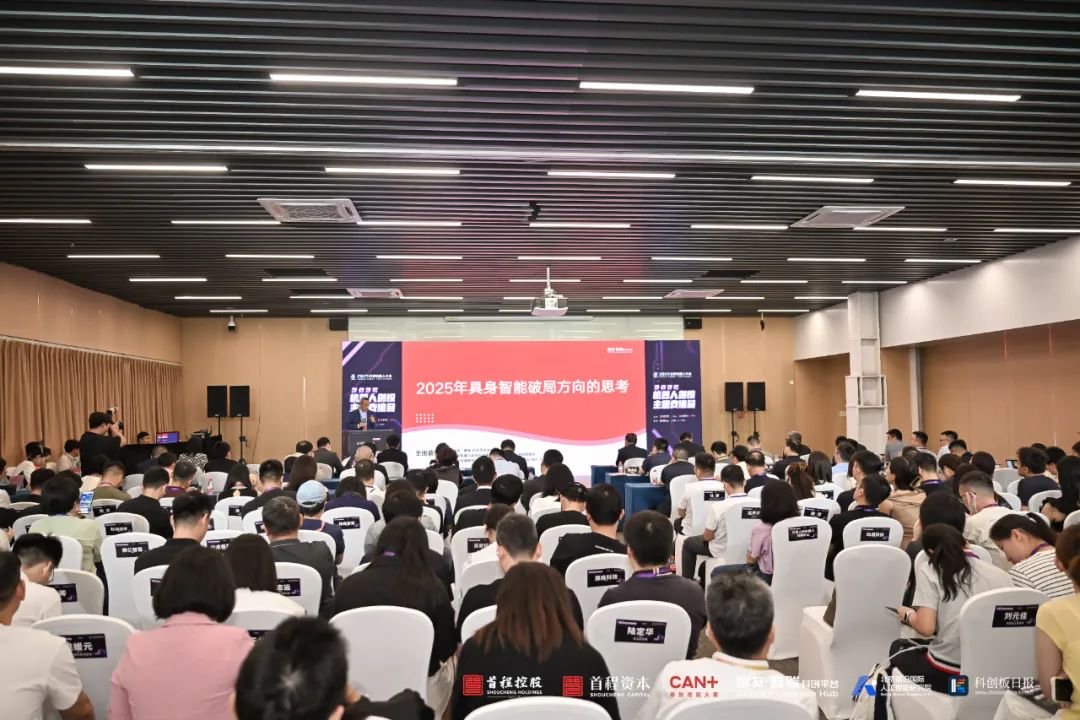
2025世界机器人大会(WRC)产业见闻
2025-08-11 14:06
Summary of Key Points from the Conference Call Industry Overview - The conference focused on the humanoid robot industry, highlighting ongoing technological iterations and the trend towards lightweight materials such as PEEK and magnesium alloys to replace traditional steel, enhancing energy efficiency [1][4]. Core Insights and Arguments - **Technological Innovations**: The humanoid robot industry is experiencing significant technological advancements, particularly in lightweight design, which is being applied to key components like lead screws and reducers. This trend is expected to expand to motors and structural components in the future [3]. - **Motor Developments**: Two major innovations in the motor sector include structural optimization to reduce size and enhance integration, and upgrades in magnetic materials and winding techniques to improve power density while maintaining or reducing volume. Axial motors are emerging as a key development direction, although supply chain issues and high costs remain challenges [5]. - **Lead Screw Pricing**: The price of lead screws has significantly decreased, dropping from the thousand-yuan range to the hundred-yuan range, with micro ball lead screws priced around 500 yuan each. This price reduction is attributed to domestic technological breakthroughs in processing efficiency [6]. - **Reducer Advancements**: New cycloidal reducers are being applied in high-load areas of humanoid robots, boasting a lifespan two to three times that of traditional harmonic reducers. The use of PEEK materials in reducers can reduce weight by 50%, although they are priced 10%-15% higher than traditional products [7][8]. - **Balancing Performance and Cost**: Future humanoid robots must balance lifespan, performance, and cost. Current mainstream solutions include link structures, cable structures, and direct drive structures, with various advantages and disadvantages [9]. Market Dynamics - **Domestic vs. International Demand**: The domestic market predominantly features low-degree-of-freedom dexterous hands, while the international market favors high-degree-of-freedom options. The price of dexterous hands in the domestic market is declining, influenced by the competitive landscape [10]. - **Future Focus Areas for Dexterous Hands**: Key areas of focus for the future development of dexterous hands include algorithm capabilities, core components, and data collection abilities. The demand for dexterous hands is expected to grow, particularly as orders from leading companies increase [11]. Sensor Technology - **Tactile Sensor Market**: Tactile sensors are viewed as a promising growth area, with new entrants focusing on pressure-based technology. A83 Technology holds a significant market share in capacitive tactile sensors, while Shanghai Weitai specializes in visual-tactile solutions [12]. - **3D Vision Sensors**: 3D vision technology is gaining traction, with domestic manufacturers showing a high acceptance of solutions from companies like Orbbec, which offers excellent depth performance. The pricing for 3D vision sensors can vary significantly based on purchase volume [14]. Special Robot Innovations - **Exhibitor Highlights**: The conference showcased numerous local manufacturers, including UB, which presented five humanoid robots and demonstrated group intelligence technology. Other companies displayed advancements in industrial applications, indicating progress in both technological breakthroughs and practical implementations [15]. Supply Chain Insights - **Zhisheng Technology's Market Position**: Zhisheng Technology has a substantial market share in the supply of robotic dogs, catering to sensitive sectors that require special qualifications for suppliers [16][17]. This summary encapsulates the key points discussed during the conference, providing insights into the humanoid robot industry's current trends, technological advancements, market dynamics, and future directions.
想用上人形机器人?先过四关
3 6 Ke· 2025-08-11 11:29
Core Insights - The 2025 World Artificial Intelligence Conference (WAIC) showcased over 150 humanoid robots, marking the largest collective exhibition of humanoid robots in China to date, with a focus on their operational capabilities in real-world scenarios [2] - Goldman Sachs predicts the global humanoid robot market could reach $154 billion by 2035, with a more optimistic estimate of $205 billion, while Morgan Stanley estimates China's robot market will grow to $470 billion in 2024, accounting for 40% of the global market [3] - The humanoid robot sector is experiencing significant interest from automotive companies, with 15 domestic car manufacturers and several international firms entering the humanoid robot space, indicating a growing trend in the industry [7] Industry Trends - The humanoid robot market is expected to grow rapidly, with China's market projected to reach $1,080 billion by 2028, reflecting a compound annual growth rate of 23% [3] - The report from CITIC Think Tank highlights the evolution of robot training methods towards end-to-end models, but notes challenges such as limited generalization capabilities and high supply chain costs that hinder large-scale commercialization [3][8] - The humanoid robot design is favored for its adaptability to human environments, task versatility, and lower psychological barriers in human-robot interaction [4][6] Company Developments - Tesla's humanoid robot, Optimus, is designed with a human-like structure and aims for mass production, planning to produce thousands of units by 2025 and scale up to 50,000-100,000 units by 2026 [5] - Domestic humanoid robot startups like Yushu Technology and Zhiyuan Robot are gaining attention, with valuations exceeding 120 billion yuan and forming a competitive landscape with multiple tiers of companies [7] Challenges in Commercialization - The humanoid robot industry faces significant hurdles for large-scale commercialization, including limited generalization capabilities of the robot's "brain," which restricts application scenarios [9][12] - Data acquisition for training humanoid robots is challenging, as they require extensive interaction data from real-world environments, which is currently scarce [12] - Issues such as structural design optimization, battery life, and high supply chain costs remain critical barriers to the widespread adoption of humanoid robots [13]

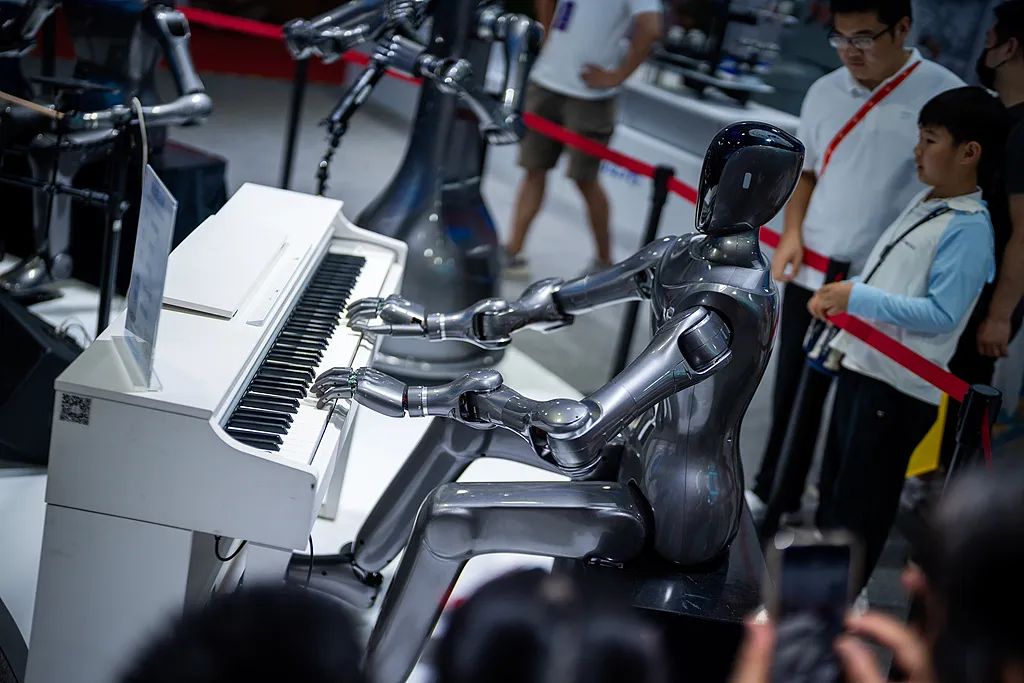
直击WRC | 双手拣货充当服务员!银河通用人形机器人秀身手
Xin Lang Cai Jing· 2025-08-11 09:44
Group 1 - The 2025 World Robot Conference is held from August 8 to 12 at the Beiren Yichuang International Exhibition Center in Beijing Economic and Technological Development Zone [1] - Galaxy Universal's embodied large model robot demonstrates its capability in item retrieval services, applied in smart retail scenarios [1] - The robot utilizes an end-to-end embodied large model, enabling precise product identification and delivery without remote control or pre-collected scene data [1] Group 2 - The robot can operate efficiently regardless of changes in packaging forms, ensuring stable performance [1] - Multiple robots can collaborate to complete tasks such as coffee preparation and delivery [1]
黄仁勋像押注OpenAI一样押注中国机器人,英伟达首批Jetson Thor芯片给了他
量子位· 2025-08-11 08:32
Core Viewpoint - Nvidia is diversifying its investments in the field of embodied intelligence by collaborating with multiple Chinese robotics companies, similar to its previous investment in OpenAI [1][6]. Group 1: Nvidia's Technological Advancements - Nvidia has delivered its first batch of Jetson Thor chips to Galaxy General, showcasing impressive performance improvements, including a 7.5 to nearly 10 times increase in computing power compared to the previous generation Jetson Orin [2][30]. - The Jetson Thor chip also features a 3.5 times improvement in performance per watt and a 10 times increase in I/O throughput, catering to high-bandwidth perception needs [30][31]. Group 2: Collaborations and Industry Trends - Companies like Yushu Technology and Galaxy General are closely collaborating with Nvidia, focusing on different approaches to robotics, with Yushu emphasizing "motion-first" and Galaxy General adopting an "intelligence-first" strategy [4][6]. - Other companies such as Alibaba Cloud and various robotics firms are also engaging in deep collaborations with Nvidia, indicating a broad industry trend towards integrating advanced AI and robotics technologies [6]. Group 3: Market Predictions and Future Developments - The market for humanoid robots is predicted to grow exponentially, with Galaxy General's CTO forecasting a tenfold increase in market value every three years [6][15]. - The future of robotics is envisioned to allow for easy assembly of robots similar to computer assembly, driven by advancements in AI and hardware simplification [8][10]. Group 4: Product Innovations and Applications - Galaxy General has launched several innovative robots, including a humanoid robot capable of performing complex tasks and a robot dog designed for industrial applications, showcasing significant advancements in design and functionality [11][14]. - The company has also introduced a 24-hour unmanned pharmacy solution and plans to deploy unmanned retail stores, demonstrating the commercial viability of its robotic solutions [23][24]. Group 5: Nvidia's Role in Robotics - Nvidia is focusing on three types of computers essential for robotics: the robot body computer, AI factory computer, and simulation computer, each playing a critical role in the development and deployment of robotic systems [28]. - The Isaac platform, which includes the Jetson Thor, is designed to support the development of intelligent agents in the physical world, enhancing the capabilities of robots [29][32].
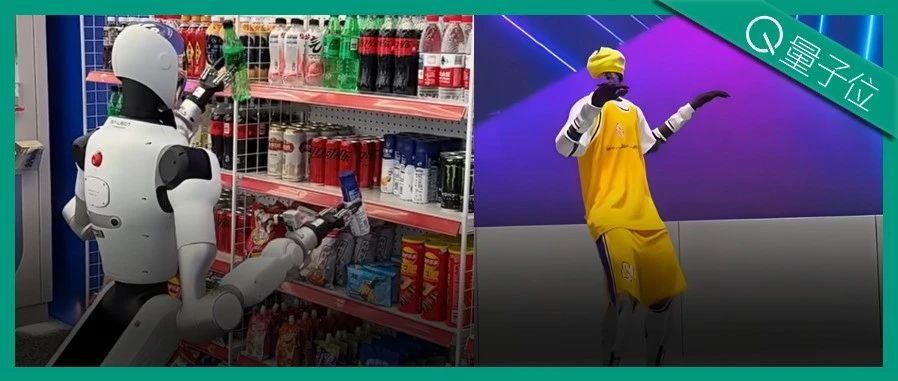
VLA进化后降维打击!双手拣货,漂移操作,还能批量化秀舞,太空舱直接开上街,被银河通用卷到了
量子位· 2025-08-11 05:45
Core Viewpoint - The article highlights the innovative deployment of the Galbot humanoid robot and the Galaxy Space Capsule, showcasing advancements in embodied intelligence and autonomous retail solutions in urban environments [1][9][45]. Group 1: Galbot and Its Capabilities - Galbot operates autonomously in a smart retail environment, efficiently handling customer orders and delivering products without remote control [2][17]. - The robot utilizes a self-developed end-to-end embodied intelligence model, demonstrating advanced capabilities such as dual-hand operation for simultaneous item retrieval [3][29]. - Galbot's performance is enhanced by the NVIDIA Jetson Thor chip, allowing for smooth motion and real-time visual processing, which has garnered positive feedback from attendees [3][40]. Group 2: Galaxy Space Capsule - The Galaxy Space Capsule, a 9㎡ autonomous retail unit, can operate independently and adapt its product offerings based on demand, supporting over 300 different SKUs [11][20]. - It is designed to be a flexible retail solution, suitable for various urban settings such as neighborhoods, commercial areas, and transportation hubs [20][23]. - The capsule is expected to serve an average of 2,000 people daily, with an estimated 500 orders, potentially increasing foot traffic in surrounding areas by 30%-40% [24]. Group 3: Technological Innovations - The GraspVLA and GroceryVLA models enable Galbot to perform complex tasks such as precise item retrieval from crowded shelves without prior mapping or adjustments [31][38]. - These models exhibit strong adaptability and resilience, allowing the robot to maintain stability and efficiency even in dynamic environments [35][36]. - The technology supports a wide range of packaging types, enhancing the robot's versatility in retail scenarios [38][39]. Group 4: Future Expansion Plans - The "Ten Cities, Hundred Stores" initiative aims to expand the deployment of Galaxy Space Capsules across various urban locations, establishing a sustainable smart retail network [40][41]. - The long-term vision is to create a "Hundred Cities, Thousand Stores" framework, integrating embodied intelligence into everyday urban life [41][42]. - This initiative aligns with national policies promoting AI integration into consumer services, positioning the company as a key player in the development of intelligent urban infrastructure [44][45].
英伟达、宇树、银河通用同框 物理AI与机器人产业化路径成焦点
Huan Qiu Wang· 2025-08-11 04:24
Group 1 - The 2025 World Robot Conference featured key industry leaders including Nvidia, Yushutech, and Galaxy General discussing the integration of physical AI, simulation technology, and the path to robot industrialization [1][3] - Nvidia's Rev Lebaredian highlighted that while the IT industry has created a $5 trillion market over the past 40 years, the physical world sectors like transportation, manufacturing, and healthcare exceed $100 trillion, with AI breakthroughs driving computational capabilities into these areas [3] - Nvidia is building three types of computing systems: Jetson Thor chips for edge computing in robots, AI factories using DGX/HGX systems for model training, and the Isaac Sim platform for data generation through physical laws [3] Group 2 - Yushutech's founder Wang Xingxing announced significant advancements in humanoid robot commercialization, with the new generation priced at 39,000 yuan, down from 99,000 yuan, marking the entry of consumer-grade humanoid robots into the "10,000 yuan era" [3][4] - The new model utilizes Nvidia's full-stack robotic technology and the Isaac Sim platform for optimizing motion control algorithms, while also advancing the A2 robotic dog development for natural interaction in unprepared environments within 1-2 years [4] - Galaxy General's founder Wang He discussed the core elements of the robotic revolution: the robot body, embodied intelligence models, and synthetic data, with their G1 Premium humanoid robot showcasing smooth operational capabilities in industrial settings [4] Group 3 - Wang He proposed a growth model predicting a tenfold increase in output every three years, estimating that leading companies currently selling 1,000 units annually could reach 10,000 units in three years and over 100,000 units in six years, potentially exceeding a market scale of 100 billion yuan [4] - The industry consensus emphasizes the need for hardware with controllable computing power and costs, along with a synthetic data training system to transition robots from laboratory settings to real-world applications [5]
世界机器人大会都有哪些亮点?
2025-08-11 01:21
Summary of Key Points from the Conference Call Industry Overview - The conference focused on the robotics industry, highlighting advancements in humanoid robots and their applications, as well as trends in component cost reduction and optimization [1][2][3]. Core Insights and Arguments - **Application Expansion**: Humanoid robot manufacturers are actively exploring practical applications, with companies like UBTECH showcasing continuous motion and cloud brain control capabilities. Other applications include service robots in supermarkets and specialized machines for food preparation [1][2]. - **Diverse Applications**: New applications were demonstrated, such as UBTECH's collaborative arm operating an ice cream machine and intelligent robots handling popcorn. The industry is also seeing advancements in flexible material handling, with robots capable of folding clothes [3][4]. - **Healthcare Robotics**: The aging population in China presents significant opportunities for healthcare robots, which are being developed for tasks like delivering medicine and assisting with mobility [5]. - **Component Cost Reduction**: A clear trend of cost reduction in components was noted, exemplified by the release of a new sensor priced at 199 yuan, significantly lower than previous models [6]. - **Advancements in Dexterous Hands**: Yingzi Company introduced a new dexterous hand with 14 degrees of freedom, enhancing its application capabilities. This marks a significant improvement from earlier models [7]. - **Electronic Skin Sensors**: New generations of electronic skin sensors were launched, with prices dropping significantly, indicating a growing market interest and technological advancement [9]. - **Laser Radar Developments**: New laser radar products were showcased, enhancing the performance of robotic applications [10]. - **Trends in Gear Technology**: The industry is seeing innovations in gear technology, particularly in harmonic and cycloidal reducers, which are being integrated into various robotic applications [12]. - **Focus on Major Clients**: The robotics industry is concentrating on major clients like Tesla, with expectations of increased output supported by government subsidies [13]. Other Important but Overlooked Content - **Market Dynamics**: The mechanical industry is undergoing changes both domestically and internationally, with new suppliers entering the market and existing companies adapting to new component solutions [14]. - **Bottlenecks in Robotics Development**: Key challenges in robotics development include the integration of sensory and cognitive functions, which are critical for enhancing robot capabilities [15]. - **Investment Opportunities in Automotive Sector**: The automotive industry is experiencing rapid changes, with investment opportunities emerging in leading companies and innovative firms that can adapt to new market conditions [16][17][18]. - **Core Suppliers in Mechanical Market**: Notable suppliers in the domestic mechanical market include Yushu, Zichain, and Ningbo Huaxiang, which are expected to benefit from increased demand for domestic machinery [19].