富临精工

Search documents
动力电池二线厂商求解“活下去”
经济观察报· 2025-07-25 11:34
Core Viewpoint - The lithium battery industry is experiencing intense price competition, leading to a significant decline in profitability across the sector, with the average price of square lithium iron phosphate power cells dropping to 0.32 yuan/Wh [1][6]. Industry Overview - The market is dominated by a few key players, with CATL and BYD holding over 65% market share as of June 2025, while other companies like Contemporary Amperex Technology Co., Ltd. (CATL), Guoxuan High-Tech, and others make up the "second tier" with individual shares between 2% and 8% [3][4]. - The second-tier companies are facing widespread profitability challenges, with companies like XINWANDA reporting a net loss of 1.587 billion yuan in their battery business for 2024 [4][9]. Price Competition and Market Dynamics - The price war has led to a situation where 65 out of 104 listed lithium battery companies in A-shares reported a decline in net profits in 2024, with over 60 companies experiencing a drop in gross margins [6][8]. - The average global lithium battery pack price fell to a historical low of $115/kWh in 2025, with China's price at $94/kWh, the lowest globally [6]. Technological and Structural Challenges - The industry is facing structural challenges due to rapid changes in mainstream technology routes, with lithium iron phosphate battery installations increasing by 73% year-on-year, capturing over 81% of the market share, while ternary batteries saw a 10.8% decline [8][9]. - The profitability of leading companies like CATL serves as a benchmark for others, with CATL achieving a net profit of 50.745 billion yuan in 2024, despite the price war [9]. Cost Control Strategies - Companies are focusing on cost control as a primary strategy for survival, with significant emphasis on manufacturing efficiency, design cost reduction, and management optimization [13][14]. - For instance, Bee Nest Energy aims to achieve profitability by 2026, with 80% of the contribution expected from cost reductions [14]. Differentiation and Market Positioning - To break through the competitive landscape, companies are exploring differentiated technology routes, with Bee Nest Energy pursuing a dual strategy of both ternary and lithium iron phosphate batteries [18][20]. - The demand for higher energy density products in specific markets, such as overseas high-end clients, is driving this strategic choice [19][20]. Capital Investment and Future Outlook - Continuous and substantial capital investment is necessary for both cost reduction and differentiation strategies, with companies like Yiyuan Lithium Energy and XINWANDA planning to tap into capital markets for funding [21]. - The competitive landscape is expected to evolve, with companies needing long-term patience and commitment to navigate the challenges of the trillion-dollar market [22].







特斯拉Optimus Gen3量产敲定,产业链公司“齐飞”!
Robot猎场备忘录· 2025-07-25 07:27
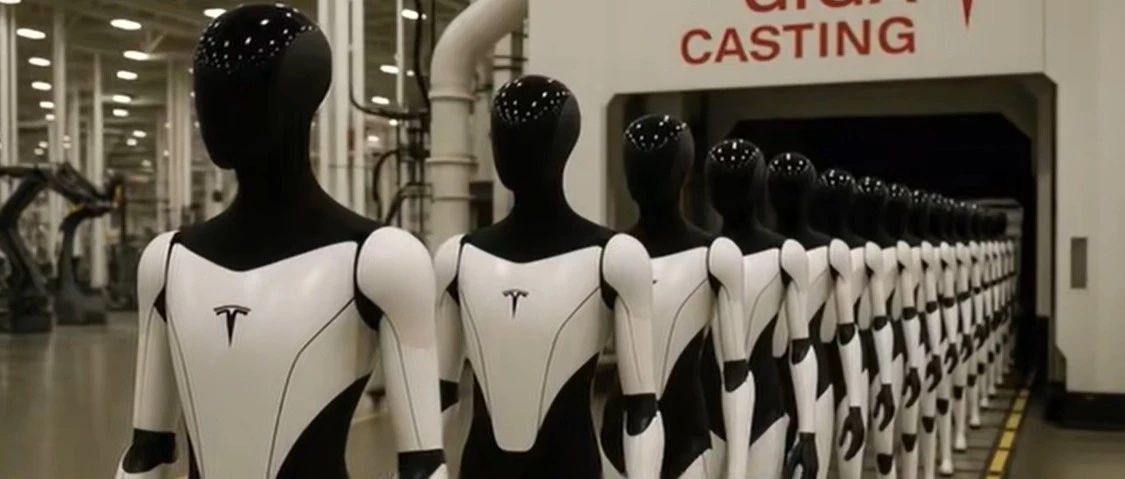
Core Viewpoint - Tesla's Optimus humanoid robot is progressing towards mass production, with the Gen3 design nearly finalized and a prototype expected in three months, aiming for an annual production of 1 million units within five years [1][2][3]. Summary by Sections Tesla's Optimus Development - Elon Musk announced that the Optimus robot is currently at version 2.5, with the Gen3 design almost complete and requiring no major changes [1]. - A prototype is anticipated in three months, with mass production set to begin early next year [1]. - The upcoming shareholder meeting on November 6 will showcase several Optimus Gen3 robots [1]. Market Reactions and Stock Performance - Following positive news about Optimus, several Tesla-related stocks have seen significant price increases [3][5]. - Reports indicate that Tesla suppliers have begun receiving new orders, including a confirmed order for over 100 Optimus robots [4]. - The robot sector has experienced a surge in stock prices, validating earlier predictions from Morgan Stanley and Goldman Sachs regarding the profitability of core supply chain companies [5]. Industry Dynamics and Supply Chain - The domestic humanoid robot market has seen a strong start in July, with significant financing news for startups and a bullish trend in the stock market [4]. - New suppliers are being introduced into the supply chain, with companies beginning to submit samples for components like motors and lightweight materials [4]. - The "智元机器人" (Zhiyuan Robotics) has made headlines by acquiring a controlling stake in 上纬新材 (Shangwei New Materials) for approximately 2.1 billion yuan, leading to a substantial increase in its market value [7]. Future Outlook - The humanoid robot sector is expected to continue its upward trajectory, particularly in China, where widespread adoption is predicted in the latter half of 2025 [9][15]. - The market is closely watching the developments in hardware breakthroughs and software innovations that could drive further growth in the humanoid robotics field [16].

动力电池二线厂商求解“活下去”
Jing Ji Guan Cha Bao· 2025-07-25 06:05
Core Insights - The core theme of the article revolves around the challenges faced by the battery industry, particularly the price wars and profitability issues that have become prevalent in 2024, impacting companies like蜂巢能源 and others in the second tier of the market [2][3]. Industry Overview - The global battery market is dominated by 宁德时代 and 比亚迪, which together hold over 65% market share, while other companies like 中创新航, 国轩高科, and 蜂巢能源 occupy a smaller share of 2% to 8% each [2]. - The second-tier companies have faced significant profitability challenges in 2024, with companies like 欣旺达 reporting a net loss of 1.587 billion yuan in their battery business [3]. Pricing and Market Dynamics - The price of lithium batteries has reached historical lows, with the average price of square lithium iron phosphate cells dropping to 0.32 yuan/Wh, and global lithium battery pack prices falling to 115 USD/kWh, with China's price at 94 USD/kWh [4][5]. - The market is experiencing overcapacity and homogenization, leading to a decline in profit margins for many companies, with 65 out of 104 listed lithium battery companies in A-shares reporting a drop in net profits in 2024 [5]. Profitability and Cost Control - 宁德时代 remains a benchmark for profitability, achieving a net profit of 50.745 billion yuan in 2024, while second-tier companies struggle with losses and rising debt levels [6]. - 蜂巢能源's CEO emphasizes that 80% of future profitability will come from cost reductions, with a target to achieve profitability by 2026 [9]. Strategic Responses - Companies are focusing on cost control strategies, including improving production efficiency and reducing material costs. 蜂巢能源 has reported a first-pass yield exceeding 90% and a 28% reduction in scrap rates [9]. - Differentiation through technology is also a key strategy, with 蜂巢能源 pursuing a dual strategy of both三元 and iron-lithium batteries to capture higher margins and meet specific market demands [10][11]. Market Trends and Future Outlook - The demand for三元 batteries is expected to grow due to their higher energy density, particularly in hybrid and plug-in hybrid vehicles, while the market for磷酸铁锂 batteries is becoming increasingly competitive [11]. - 蜂巢能源 has successfully supplied over 100,000 battery packs to international clients, indicating a growing presence in overseas markets [12]. - The need for continuous capital investment is critical for second-tier companies to sustain their operations and pursue strategic initiatives, with many seeking to tap into capital markets for funding [13].
上亿元投入,人形机器人零部件何时结束“手搓时代”?
第一财经· 2025-07-24 01:43
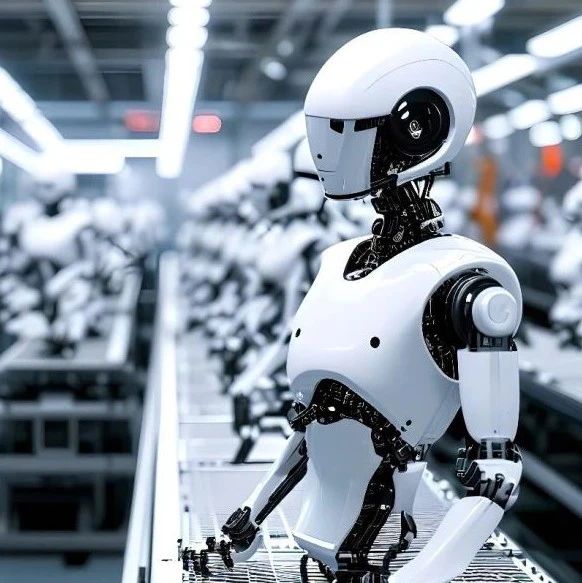
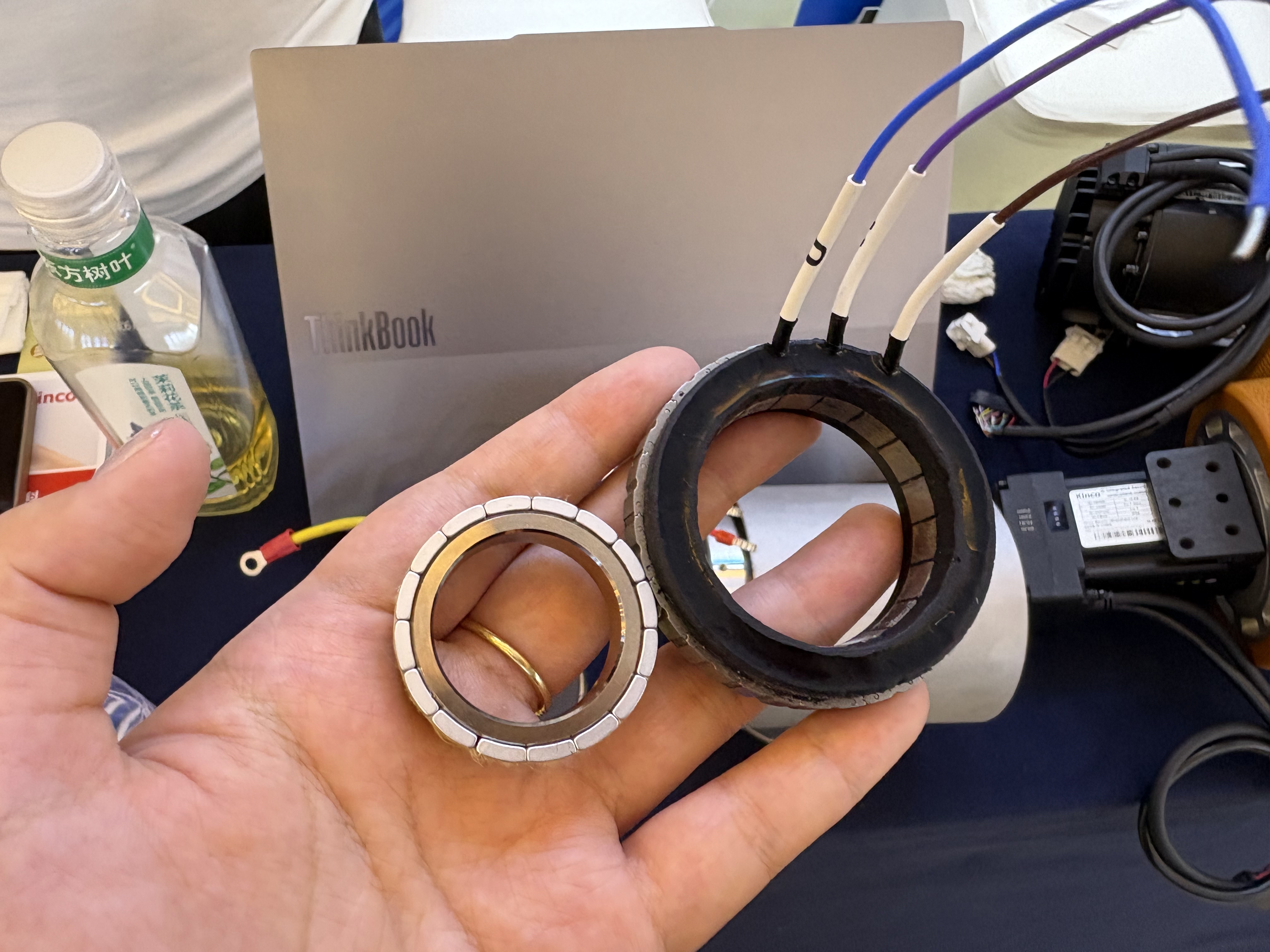
Core Viewpoint - The article discusses the current state of the humanoid robot industry, particularly focusing on the reliance on manual assembly for key components like the frameless torque motor, highlighting the challenges and future potential for automation in production processes [1][2][3]. Industry Overview - The frameless torque motor market in China is projected to reach approximately 204 million yuan in 2024, with a year-on-year growth of 13.20%, and 70% of this demand is driven by collaborative robots [2]. - The collaborative robot market is expected to see sales of 50,300 units in 2025, representing a growth of 25.75%, and by 2028, sales are anticipated to approach 124,000 units, with the market size exceeding 5 billion yuan [2]. Production Challenges - Many upstream suppliers of humanoid robot components, previously focused on industrial robots, still rely on manual assembly for critical parts, indicating a gap in automation despite the maturity of the industrial robot supply chain [2][3]. - The high cost of establishing automated production lines is a significant barrier, with companies needing to achieve a certain level of output and cost reduction in the bill of materials (BOM) before investing in automation [4]. Investment Trends - Companies are increasingly investing in automation and production capabilities, as seen in recent agreements, such as 富临精工's 110 million yuan project for a robot joint module production base and 中鼎股份's 1 billion yuan investment in a robotics project [5]. - The establishment of automated production lines is crucial for ensuring consistent quality and stability in core components, which are essential for the performance of robots [5]. Future Outlook - The industry is expected to shift towards automation as demand increases, with industry participants encouraged to invest early to drive the development of the supply chain [6].
上亿元投入,人形机器人零部件何时结束“手搓时代”?
Di Yi Cai Jing· 2025-07-23 10:54
自动化投入的前提,是企业产值提升后带来的BOM(物料清单)成本下降,能够覆盖设备投资。 人形机器人的核心零部件,到底有多少是"手搓"的? 但"手搓"零部件,在人形机器人行业并非个例。一位无锡新能源企业的高管告诉第一财经记者,今年上半年去杭州一家头部机器人公司考察的时候,发现对 方的部分核心零部件也是"手搓"的,"感觉和他们的市场地位还是有些不符"。 步科电气是智元的供应商之一。彭泽华向记者透露,过去一年,公司在机器人领域的电机单品出货量超过了20000台,有几百个产品品种。"建立自动化产线 的成本很高,企业也会算一笔账。" 自动化投入的前提,是企业产值提升后带来的BOM(物料清单)成本下降,能够覆盖设备投资。彭泽华向记者举例,如果未来整体提升到2000万元,同时 BOM成本能下降40%-50%,"那么'省下的钱'可能就足够覆盖自动化设备的采购成本"。在这一前提下,企业不仅能额外节省人工费用,提高产能效率。 自动化产线投入高昂,并非秘密。 今年2月,富临精工(300432.SZ)与绵阳市涪城区人民政府签订投资协议,拟在当地投建机器人智能电关节模组研发及生产基地项目,项目总投资金额1.1 亿元。次月,中鼎股份(0 ...


“实习生”进化中,“转正”可期
Si Chuan Ri Bao· 2025-07-22 21:40
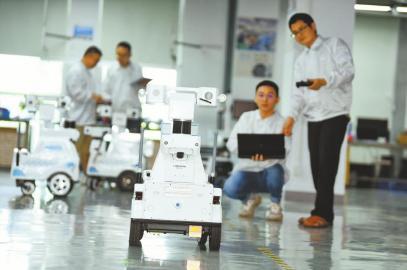
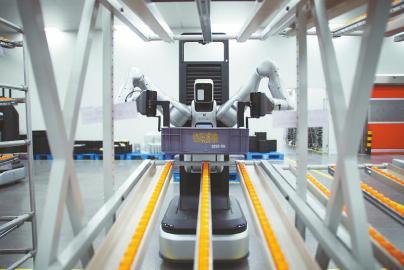
Core Insights - The article highlights the increasing adoption of humanoid robots in manufacturing, specifically focusing on the A2-W robot developed by Shanghai Zhiyuan New Technology Co., Ltd, which has been successfully integrated into the production line of Fulin Precision Engineering Co., Ltd [2][3] - The A2-W robot demonstrated impressive efficiency by autonomously moving over 800 boxes weighing approximately 15 kilograms each in just three hours, achieving a performance level comparable to that of a skilled worker [2][3] Group 1: Robot Performance and Capabilities - The A2-W robot operates with a high degree of efficiency, achieving half the productivity of a skilled worker, and has the potential to exceed human performance if operated continuously [2] - The robot exhibits advanced capabilities such as obstacle avoidance and the ability to adapt to non-standardized environments, making it suitable for complex tasks like material handling [2][3] - The collaboration between three companies—Zhiyuan New Technology, Fulin Precision, and Annu Intelligent Technology—facilitates the development and deployment of humanoid robots in industrial settings [2][3] Group 2: Future Prospects and Economic Considerations - The article discusses the ongoing "internship" program for the A2-W robot, which includes enhancing its operational capabilities and enabling collaborative work with other robots [3] - The cost of humanoid robots ranges from 300,000 to 500,000 yuan, but the investment can be recouped within two to three years of use, especially with potential reductions in costs through mass production [3] - The timeline for large-scale deployment of humanoid robots is expected to accelerate, with many companies already entering small-scale production trials [3]

开源晨会-20250721
KAIYUAN SECURITIES· 2025-07-21 14:45
| 行业名称 | 涨跌幅(%) | | --- | --- | | 建筑材料 | 6.061 | | 建筑装饰 | 3.790 | | 钢铁 | 3.444 | | 有色金属 | 2.408 | | 基础化工 | 2.214 | | 数据来源:聚源 | | 昨日涨跌幅后五行业 2025 年 07 月 22 日 开源晨会 0722 ——晨会纪要 沪深300 及创业板指数近1年走势 数据来源:聚源 -16% 0% 16% 32% 48% 64% 2024-07 2024-11 2025-03 沪深300 创业板指 昨日涨跌幅前五行业 | 行业名称 | 涨跌幅(%) | | --- | --- | | 银行 | -0.770 | | 综合 | -0.338 | | 计算机 | -0.310 | | 家用电器 | -0.032 | | 食品饮料 | 0.072 | 数据来源:聚源 吴梦迪(分析师) wumengdi@kysec.cn 证书编号:S0790521070001 观点精粹 行业公司 【公用事业】火电商业模式迎来拐点,盈利稳定性有望提高——行业投资策略 -20250721 【电力设备与新能源】欧洲电动车销量月 ...
监管关注新能源汽车竞争秩序,新能车ETF(515700)冲击4连涨
Xin Lang Cai Jing· 2025-07-21 02:18
Group 1 - The Ministry of Industry and Information Technology and other departments held a meeting to further regulate the competitive order of the new energy vehicle industry, emphasizing the need for enhanced supervision and monitoring of product prices and quality [1] - The central fourth guidance group is conducting in-depth research on irrational competition issues in the new energy vehicle industry, engaging with major industry players like BAIC Group and BYD to gather insights and propose solutions [1] Group 2 - As of July 21, 2025, the CSI New Energy Vehicle Industry Index (930997) increased by 0.74%, with notable stock performances from Yahua Group (up 9.99%) and Tibet Mining (up 6.63%) [2] - The New Energy Vehicle ETF (515700) has shown a 2.75% increase over the past week, closely tracking the CSI New Energy Vehicle Industry Index, which includes 50 companies involved in various aspects of the new energy vehicle sector [2] Group 3 - As of June 30, 2025, the top ten weighted stocks in the CSI New Energy Vehicle Industry Index accounted for 55.74% of the index, with leading companies including CATL, Huichuan Technology, and BYD [3] - The New Energy Vehicle ETF has several off-market connections, including Ping An CSI New Energy Vehicle ETF Connect A, C, and E [3]
A股盐湖提锂板块持续走强,国机通用、西藏城投双双涨停,西藏珠峰、西藏矿业涨超6%,碧水源、金圆股份、富临精工跟涨。
news flash· 2025-07-21 01:59
Group 1 - The A-share lithium extraction sector is experiencing strong performance, with companies such as Guojin General and Tibet Urban Investment hitting the daily limit up [1] - Tibet Zhufeng and Tibet Mining have seen their stock prices increase by over 6% [1] - Other companies like Bihuiyuan, Jinyuan Co., and Fulian Precision have also shown upward movement in their stock prices [1]


发展AI产业 四川可以向浙江学什么
Si Chuan Ri Bao· 2025-07-20 22:22
Core Viewpoint - The article discusses the rapid development of the artificial intelligence (AI) industry in Zhejiang and its implications for other regions like Sichuan, emphasizing the importance of infrastructure, enterprise support, and strategic planning in fostering AI growth [2][3][4]. Group 1: AI Infrastructure Development - Zhejiang is focusing on building a new computing power system to support AI applications, with a significant investment of over 380 billion yuan by Alibaba Cloud in the next three years for cloud and AI hardware infrastructure [2][3]. - The emphasis is on developing public cloud services to lower the entry barriers for small and medium-sized enterprises (SMEs) and reduce operational costs, allowing more companies to access high-performance computing resources [3]. - Sichuan, as a key node in the national "East Data West Computing" initiative, is enhancing its computing power capabilities, with the Chengdu supercomputing center ranking among the top ten globally [3]. Group 2: Enterprise Support and Development - The article highlights the need for a tiered approach to nurturing AI enterprises, categorizing them from innovative SMEs to world-class companies, to strengthen the industry ecosystem [3][4]. - Government policies in Zhejiang are designed to support AI companies through capital market access, mergers, and acquisitions, while also providing a conducive environment for innovation [3][4]. - Sichuan is encouraged to leverage its talent pool and application resources to attract enterprises to establish their southwestern headquarters, enhancing collaboration and resource sharing [3][4]. Group 3: Strategic Planning and Market Expansion - The article stresses the importance of strategic planning in the AI sector, advocating for a focus on key areas such as computing power supply, model development, and application scenarios to drive overall industry growth [4]. - It suggests that Sichuan should capitalize on the opportunities presented by the Chengdu-Chongqing economic circle to enhance its AI innovation capabilities and expand application scenarios [4]. - The need for a differentiated competitive strategy is emphasized, urging local governments to concentrate resources on specific niches within the AI industry to foster a rich ecosystem [4].