
赛诺菲

Search documents
世界500强榜单发布,制药行业分榜只有一家中国企业入围
Sou Hu Cai Jing· 2025-07-31 07:46
Group 1 - The 2025 Fortune Global 500 list reveals that the total revenue of the listed companies is approximately $41.7 trillion, which exceeds one-third of the global GDP, marking a growth of about 1.8% compared to the previous year [1] - A total of 130 Chinese companies made the list, ranking second after the United States, with a combined revenue of approximately $10.7 trillion for 2024 [1] - High-tech sectors are highlighted as the forefront of global technological development, with significant performance improvements among listed high-tech companies [1] Group 2 - Guangzhou Pharmaceutical Holdings is the only Chinese company included in the pharmaceutical sector of the 2025 Fortune Global 500 list, having been listed for three consecutive years [2] - The pharmaceutical sector features eight American companies and seven European companies, while China has three companies listed [5] Group 3 - Chinese pharmaceutical companies, including Guangzhou Pharmaceutical, have made significant advancements in research and development, with over 200 ongoing projects in various drug categories [6] - The Chinese pharmaceutical industry is transitioning towards innovative drugs and biopharmaceuticals, with leading companies driving this transformation through independent research and strategic mergers [8] Group 4 - Digital transformation is essential for Chinese pharmaceutical companies, with initiatives underway to enhance competitiveness and quality management across the entire industry chain by 2027 [9] - Guangzhou Pharmaceutical is implementing a comprehensive digital strategy, including smart production and logistics systems, and has partnered with Huawei for digital transformation [9] Group 5 - The internationalization of traditional Chinese medicine is accelerating, with Chinese companies expanding their global presence through product development and market outreach [11] - Guangzhou Pharmaceutical's products have reached over 29 countries and regions, and the company is actively pursuing strategic partnerships to enhance its international footprint [11] Group 6 - Capital operations are becoming a powerful lever for resource integration and industry upgrades in the pharmaceutical sector [13] - Guangzhou Pharmaceutical is transitioning to a modern model of "industry incubation + capital operation," with recent acquisitions and the establishment of investment funds to support growth in the biopharmaceutical sector [14] Group 7 - The Fortune Global 500 list serves as a motivational signal for Chinese companies, indicating the rising position of Chinese innovative drugs in the global pharmaceutical industry [15] - The Chinese pharmaceutical sector is experiencing unprecedented vitality, marking the beginning of a new era in pharmaceutical innovation [15]


X @Bloomberg
Bloomberg· 2025-07-31 05:45
Sanofi reports lower-than-expected profit for the second quarter as the French drugmaker spent more to develop new treatments https://t.co/G1LmgcCE8k ...

Press Release: Q2: double-digit sales and solid business EPS growth. 2025 sales guidance is now high single-digit growth, at upper end of range
Globenewswire· 2025-07-31 05:30
Core Insights - The company reported a Q2 sales growth of 10.1% at constant exchange rates (CER) and a business EPS of €1.59, indicating strong performance [1][6] - The sales guidance for 2025 has been refined to high single-digit growth, now at the upper end of the previous range, supported by strong sales performance in the first half of the year [6][8] - Newly launched medicines and vaccines contributed significantly, with a growth rate of 47.3% [6] Sales Performance - Q2 IFRS net sales reported at €9,994 million, reflecting a 6.0% increase, and a 10.1% increase at CER [10] - Dupixent sales increased by 21.1% to €3.8 billion, driven by the launch for COPD [7] - Vaccine sales rose by 10.3% to €1.2 billion, while pharmaceutical launches increased sales by 39.8%, reaching €0.9 billion [7] Financial Metrics - Business EPS was reported at €1.59, up 8.3% at CER and 1.9% reported [7][10] - Free cash flow reached €1,429 million, up 65.8% [10] - IFRS net income reported at €3,939 million, a significant increase of 253.9% [10] Pipeline and Regulatory Progress - The company is advancing its pipeline, with three regulatory approvals and several phase 3 readouts anticipated in the second half of the year [7][9] - Notable regulatory designations include orphan and fast track designations in various therapeutic areas [7] Capital Allocation and Acquisitions - The company closed the acquisition of Blueprint in rare diseases and anticipates closing the Vigil acquisition in neurology [10] - A €5 billion share buyback program is planned for 2025, with 80.3% already repurchased [8]

默沙东、GSK抢着买慢病新药,哪些公司还有BD机会?|焦点分析
3 6 Ke· 2025-07-30 09:05
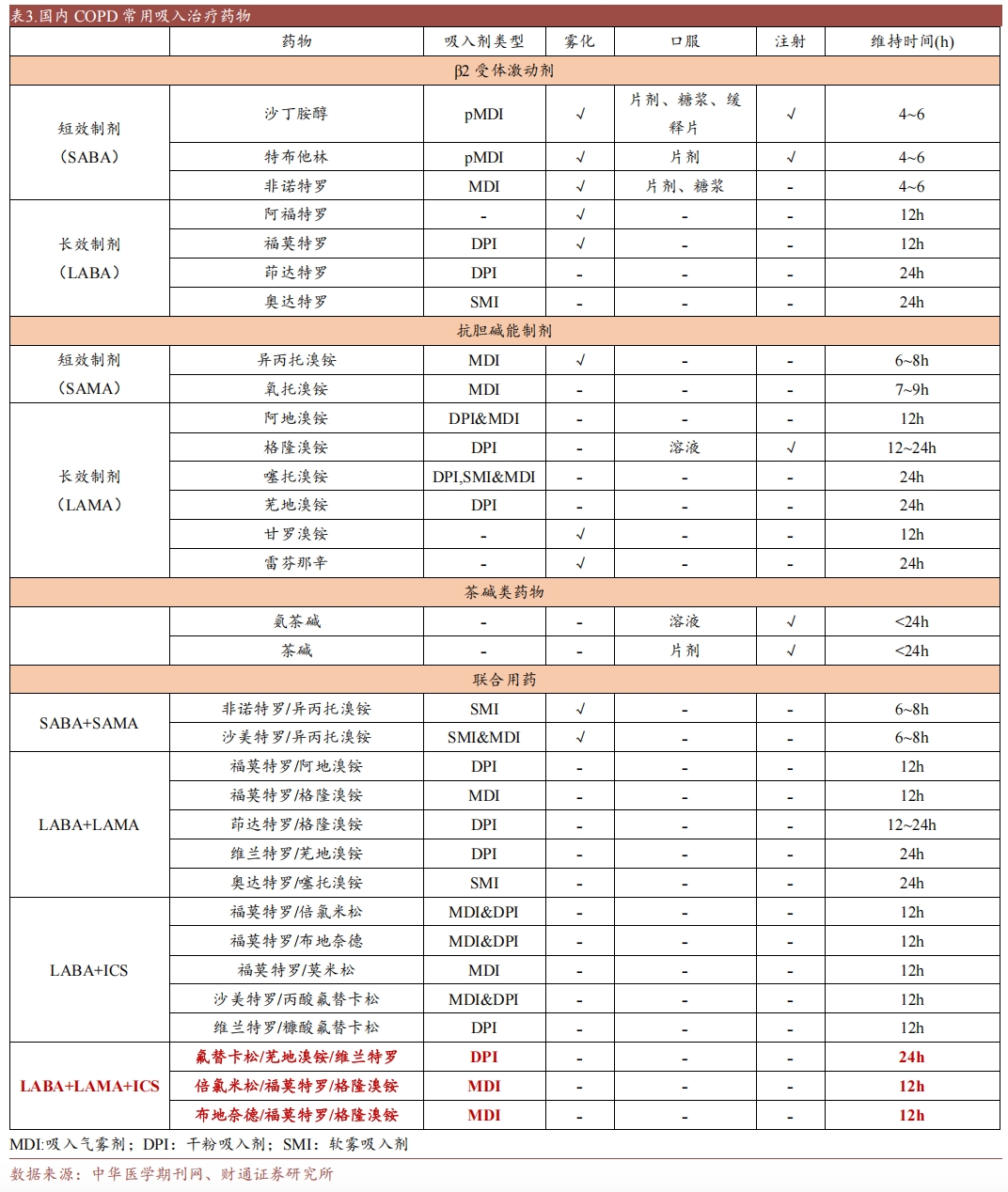
Core Viewpoint - The recent $5 billion upfront payment by GSK for the overseas rights of HRS-9821 and 11 innovative projects from Heng Rui Pharmaceutical highlights the growing interest and potential in the COPD treatment market, which has seen little innovation for over a decade [1][2]. Group 1: Market Dynamics - The global COPD market is projected to exceed $20 billion by 2024, with HRS-9821 being a significant new entrant after a long period without new mechanisms [1][5]. - The approval of Ensifentrine, a PDE3/4 inhibitor, has revitalized interest in COPD treatments, demonstrating a 36%-43% reduction in acute exacerbation rates [5][6]. - The transaction indicates a shift in focus for Chinese pharmaceutical companies towards common and chronic diseases, revealing untapped value in the respiratory drug market [2][3]. Group 2: Competitive Landscape - Major players in the COPD treatment market include AstraZeneca, GSK, and Boehringer Ingelheim, which have historically dominated with LABA, LAMA, and ICS therapies [3][5]. - The success of PDE3/4 inhibitors is expected to prompt other pharmaceutical companies to explore similar pathways, with companies like Zhengda Tianqing and Haisco making significant progress in their own PDE3/4 inhibitor developments [9][10]. - The market is witnessing a potential consolidation of opportunities, with Chinese companies likely to dominate the remaining PDE3/4 development space [7][9]. Group 3: Future Opportunities - The complexity of COPD's pathophysiology suggests that while PDE3/4 inhibitors are promising, they will not be the only future players, as biologics targeting different mechanisms are also emerging [10][11]. - New therapeutic approaches, including cell therapies and biologics targeting TSLP, are being explored, indicating a diversification in treatment options for COPD [12][14]. - The anticipated market for COPD treatments may evolve into a tiered selection model, where traditional therapies provide foundational care while innovative products address more challenging cases [14].



半年盘点|AI制药向临床加速转化,百亿美元资本进场
Di Yi Cai Jing· 2025-07-30 08:21
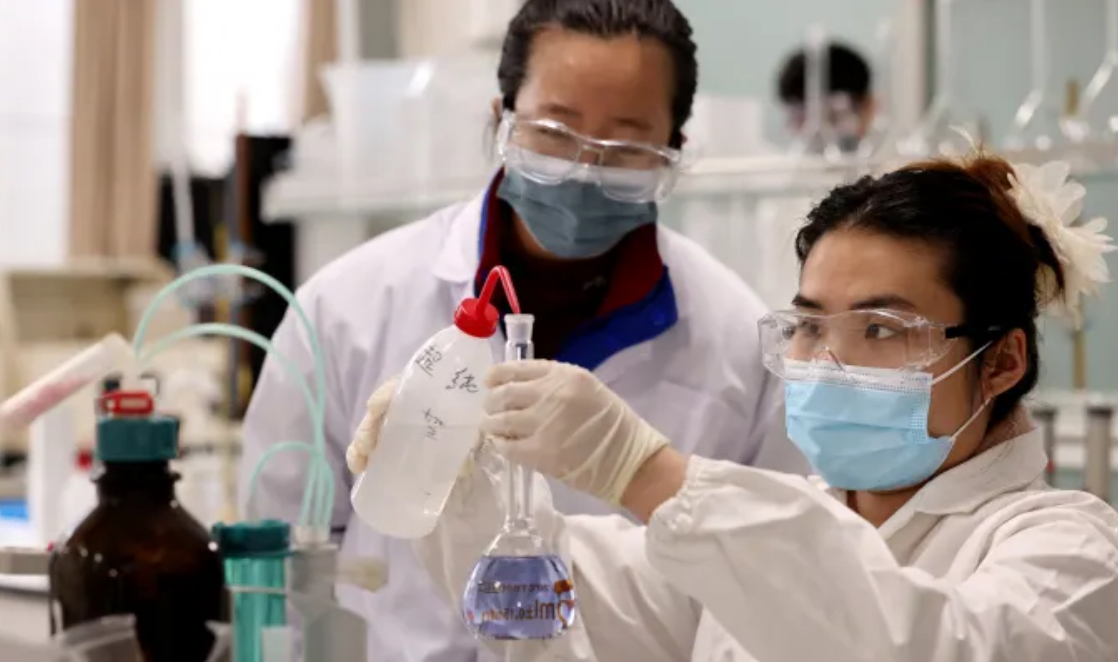
Core Insights - The pharmaceutical industry is experiencing rapid advancements in drug discovery driven by artificial intelligence (AI), with AI-generated drugs moving into clinical stages this year [1][4] - Chinese innovative companies are leading globally in AI drug development, with McKinsey describing AI as a "once-in-a-century opportunity" for the pharmaceutical sector [1][5] Group 1: AI in Drug Discovery - AI is transforming drug design from "probabilistic collisions" to "atomic-level precision engineering," enabling faster and more accurate molecular design [4] - The success rate of AI-generated drug molecules in Phase I clinical trials has reached 80% to 90%, significantly higher than the historical average of 50% [4][5] - A notable study from Beijing Union Medical College and an AI pharmaceutical company demonstrated the ability to discover new targets and design new molecules using generative AI [5][9] Group 2: Investment and Financing - Nearly $10 billion has flowed into AI drug development globally in the first half of this year, indicating strong investor confidence in the sector [6][8] - The largest AI drug financing in China this year was approximately $123 million for the company Insilico Medicine, exceeding its target [6] - Major collaborations between multinational companies and Chinese firms are emerging, such as AstraZeneca's partnership with CSPC Pharmaceutical Group, valued at up to $5.3 billion [7][8] Group 3: Future Directions - The focus for companies is on advancing AI-discovered drugs from Phase I to Phase II and later clinical trials, addressing data bottlenecks in AI drug development [8] - Enhancing data sharing, standardization, and modeling algorithms is crucial for improving AI's capabilities in drug discovery [8][9] - Accurate data, including molecular information and biochemical interactions, is essential for AI to learn and propose useful drug candidates [9]
AI+医健产业可持续创新论坛:可持续创新案例推荐榜揭晓,大咖热议AI重塑医疗健康未来
第一财经· 2025-07-30 07:45
Core Viewpoint - The integration of AI technology into the healthcare industry is essential for addressing challenges such as global aging, chronic disease burdens, and uneven distribution of medical resources, positioning AI as a systemic solution for sustainable healthcare development [1][3][4]. Group 1: AI Empowerment in Healthcare - AI has transitioned from pilot scenarios to ecosystem restructuring, enhancing efficiency and accessibility in healthcare services [8][11]. - The forum highlighted the need for a new medical data infrastructure to achieve breakthroughs in efficiency, value, and equity [9][11]. - AI applications in healthcare are rapidly evolving, with significant advancements in areas such as pediatric AI pre-consultation, digital imaging in dentistry, and remote dermatology consultations [11][15]. Group 2: Sustainable Innovation in Healthcare - The "2025 Sustainable Innovation Case Recommendation List" was released, showcasing 37 cases from 36 well-known domestic and foreign companies, focusing on urgent industry needs and aligning with the Healthy China 2030 strategy [6][18]. - The list categorizes cases into "International Innovation Localization," "Local Innovation Globalization," and "ESG Innovation Practices," aiming to promote experience sharing and resource integration within the industry [6][18][35]. Group 3: Globalization and Localization Strategies - Multinational companies are deepening localization strategies, evolving from local production to local R&D innovation, while leveraging their technological and resource advantages to foster local innovation [35][41]. - Chinese pharmaceutical companies are increasingly exploring international markets, integrating into the global innovation ecosystem, and ensuring that local innovations benefit a global audience [35][41]. Group 4: ESG and AI in Healthcare - ESG has become a core issue for sustainable development, with a growing focus on integrating AI technology ethics into ESG evaluation dimensions [48]. - Companies are encouraged to disclose AI model training data sources and bias correction mechanisms, ensuring compliance and ethical standards in AI applications [48]. Group 5: Future Directions and Challenges - The healthcare industry faces challenges in high-quality data sample supply and the translation of clinical research into practical applications [11][13]. - The need for a robust AI infrastructure that supports effective business models and enhances traditional services is emphasized, with a focus on data-driven decision-making [50][51].
AI+医健产业可持续创新论坛:可持续创新案例推荐榜揭晓,大咖热议AI重塑医疗健康未来
第一财经网· 2025-07-30 04:40
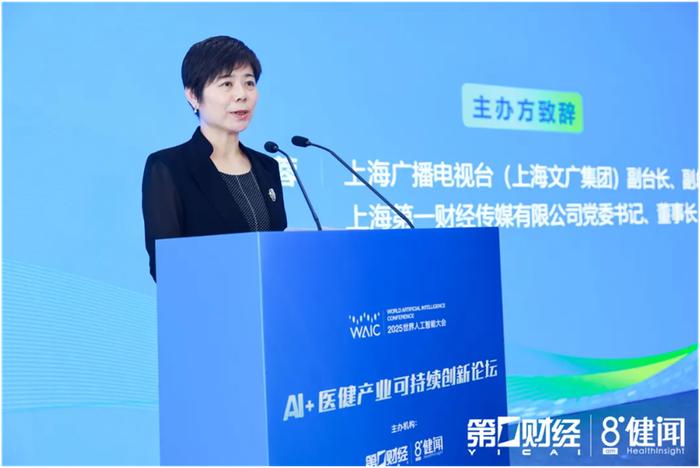
Group 1 - The forum focused on the integration of AI in the healthcare industry, addressing challenges such as aging populations and uneven distribution of medical resources, emphasizing AI as a systemic solution for sustainable healthcare development [1][3] - The Shanghai government highlighted the importance of deep integration between AI and healthcare as a strategic choice to enhance public health and foster new productive forces [3] - The forum featured nearly 20 speakers from various sectors discussing topics like AI-driven innovation in healthcare and the globalization of local enterprises [5] Group 2 - The "2025 Sustainable Innovation Case Recommendation List" was launched, showcasing 37 cases from 36 well-known companies, categorized into "International Innovation Localization," "Local Innovation Globalization," and "ESG Innovation Practices" [5][15] - The cases highlighted urgent industry needs and aligned with China's health strategy for 2030, aiming to provide actionable innovation pathways [5][15] - The forum emphasized the need for collaboration among stakeholders to create a vibrant ecosystem for AI in healthcare [3][5] Group 3 - AI in healthcare is transitioning from pilot projects to ecosystem restructuring, with applications like pediatric AI pre-consultation and remote dermatology gaining traction [7][9] - Challenges remain, including insufficient high-quality data samples and the gap between clinical research and application [9][11] - China is evolving from a passive technology importer to an active innovator in the global pharmaceutical landscape, with significant increases in licensing deals [11][22] Group 4 - The "2025 Sustainable Innovation Case Recommendation List" includes notable companies such as Bayer, Pfizer, and Medtronic in the "International Innovation Localization" category [17][19] - Local companies like Aier Eye Hospital and Junshi Biosciences are recognized for their global innovation efforts [18][22] - ESG practices are increasingly important, with companies like Philips and JD Health showcasing their commitment to sustainable development [24][25] Group 5 - The forum discussions highlighted the importance of AI as a foundational infrastructure for healthcare innovation, with ESG serving as a critical framework for sustainable practices [32][34] - The integration of AI in healthcare is seen as essential for addressing common challenges such as resource distribution and operational efficiency [30][36] - The need for a collaborative approach among various stakeholders, including regulatory bodies and healthcare providers, was emphasized to ensure the successful implementation of AI technologies [30][32]
开源证券:MS全球存量患者基数较大 BTKi发展前景广阔
智通财经网· 2025-07-30 02:49
Group 1 - The global market for Multiple Sclerosis (MS) products is approximately $20 billion, with a significant focus on Relapsing Multiple Sclerosis (RMS) treatments [1][2] - The existing approved products primarily target RMS, while there is a notable unmet clinical need in the Progressive Multiple Sclerosis (PMS) area, with only one product, Ocrelizumab, approved for Primary Progressive Multiple Sclerosis (PPMS) [2][3] - The patient base for MS is substantial, with projections indicating that the number of MS patients globally will reach 3.71 million by 2030 [1] Group 2 - BTK inhibitors are expected to address the treatment gap in PMS, with their ability to penetrate the blood-brain barrier and modulate key immune cells [3] - Sanofi's Tolebrutinib and Roche's Fenebrutinib are anticipated to release Phase III clinical trial data in the second half of 2025, which could enhance the value of BTK inhibitors in PMS [3][4] - Tolebrutinib has received priority review from the FDA for the treatment of non-relapsing Secondary Progressive Multiple Sclerosis (nrSPMS), with a PDUFA date set for September 28, 2025 [4]
恒瑞医药20250728
2025-07-30 02:32
Summary of the Conference Call for 恒瑞医药 Company Overview - **Company**: 恒瑞医药 (Hengrui Medicine) - **Industry**: Pharmaceutical Key Points and Arguments Financial Projections - 恒瑞医药 expects revenue for 2025, 2026, and 2027 to be 35.77 billion, 42.4 billion, and 50.8 billion RMB respectively, with net profit attributable to shareholders projected at 9.3 billion, 11.5 billion, and 13.7 billion RMB respectively, indicating strong growth potential [2][4][23] Strategic Partnerships - A significant collaboration with GSK was established, involving a $500 million upfront payment and $12 billion in milestone payments, covering PDE3/4 inhibitors and 11 preclinical projects in oncology, respiratory, and autoimmune inflammation, which will significantly enhance revenue in 2025 [2][4][7][23] Pipeline Development - 恒瑞医药 has over 30 pipelines with potential for external licensing, covering respiratory, oncology, and autoimmune fields, despite not leading in the PD-1 VGF and ADC sectors [2][3][8][22] Respiratory Sector Performance - The company has shown strong performance in the respiratory sector, with its PDE3/4 inhibitors being among the first to enter clinical trials in China, and the development of DPI formulations enhancing medication convenience [9][10][11] Competitive Landscape - The acquisition of the Firozane asset by Merck for $10 billion has extended the life of the COPD sector, benefiting Chinese companies and potentially prompting AstraZeneca to strengthen its presence in this area [12][18][19] Globalization Strategy - 恒瑞医药 is implementing a "less but better" strategy, focusing on high-quality innovative drugs for overseas development and has engaged in significant partnerships with multinational pharmaceutical companies [17][21] Future Development Potential - The company is expected to continue expanding its innovative pipeline, with 133 projects in development, including emerging technologies like AR Protec, CGT drugs, and mRNA cancer vaccines, which are anticipated to enter clinical stages in the coming years [17][21][22] BD (Business Development) Potential - 恒瑞医药's strong clinical data disclosure enhances its BD potential, with a mix of assets ready for licensing and those with internal data that may not yet be publicly disclosed, indicating a robust pipeline for future collaborations [21][22] Recent Developments - The recent partnership with GSK has validated 恒瑞医药's strong willingness for external licensing and strategic transformation, leading to an upward revision of the company's profit forecast for 2025 [23] Additional Important Insights - The company is actively participating in international conferences to showcase clinical data and promote business development collaborations, enhancing its global competitiveness [17][21] - The competitive landscape in the respiratory sector is evolving, with GSK being a leading player, and other companies like Roche and Sanofi also making significant moves [14][19]
中国创新药:出海黄金时代,游到海水变蓝
2025-07-30 02:32
Summary of Key Points from the Conference Call Industry Overview - The Chinese innovative pharmaceutical industry is experiencing a significant enhancement in strength, with its share of global first-in-class drugs increasing to 19% [7] - Multinational corporations (MNCs) are facing a severe patent cliff, with major companies like Merck, AbbVie, and BMS having over 60%, 58%, and 69% of their 2024 revenues coming from drugs facing patent expiration within the next five years [8][9] - MNCs are actively seeking business development (BD) transactions to address these challenges, with strong cash reserves available for such activities [10] Business Development Trends - The trend of Chinese innovative drugs going global is robust, driven by the strengthening capabilities of Chinese companies and the impending patent cliffs faced by MNCs [2] - MNCs are expected to engage in more BD transactions, particularly in the second half of 2025 and into 2026, as they seek to replenish their pipelines [2] Oncology Sector Insights - The oncology field is shifting from PD-1 combined with chemotherapy to next-generation immuno-oncology (IO) and antibody-drug conjugates (ADC) [3] - Potential MNC buyers in this space include AstraZeneca, Pfizer, and Merck, all of which are looking to enhance their portfolios with next-generation IO and ADC assets [3] Metabolic Disease Developments - The metabolic field is evolving from merely focusing on weight loss to comprehensive metabolic management, including fat reduction and muscle preservation [4][5] - Companies like Novo Nordisk and AstraZeneca are exploring oral medications and multi-target approaches in this area [4] Immune and Inflammatory Disease Innovations - New directions in the immune and inflammation sector include novel targets and engineering innovations, with significant investments from companies like AbbVie and Sanofi [6] - Emerging targets such as TL1a are attracting substantial investments, indicating a strong interest in this area [20] Market Position of Chinese Innovative Drugs - Chinese innovative drug companies have made significant strides in global markets, with improved clinical data quality and increased academic recognition [7] - The presence of Chinese companies in the oncology sector is growing, with several projects in advanced stages of development [14] MNC Strategies for BD Transactions - MNCs are focusing on four main strategies for BD transactions: consolidating core areas, entering new fields, exploring opportunities, and investigating new technologies [11] - The willingness of MNCs to invest in promising assets at the preclinical stage is evident, particularly in high-potential areas like TL1a [20] ADC and TCE Technology Developments - The ADC field is characterized by a tiered approach, with MNCs diversifying their portfolios across various targets [15] - T-cell engagers (TCE) are being developed for blood cancers and autoimmune diseases, with ongoing clinical trials showing promising results [16] Conclusion - The ongoing trends in the Chinese pharmaceutical industry, coupled with the challenges faced by MNCs, are creating a fertile ground for increased collaboration and investment opportunities in the global market [29]

