
专守防卫

Search documents
高市真正反省涉台谬论了吗?人民网刊文九问日本
Xin Lang Cai Jing· 2026-02-27 09:08
关于日本的九问 一、高市真正反省涉台谬论了吗? 三、日本军国主义得到彻底清算了吗? 战后远东国际军事法庭对部分日本甲级战犯做出了判决,这是国际社会对日本军国主义的正义清算。但 随着冷战特别是朝鲜战争爆发,远东国际军事法庭审判草草结束,仅对28名甲级战犯作出宣判。日本迅 速开启重整军备进程,组建了准军事化组织——"警察预备队",后来改称自卫队。日本与美国纠集的一 些国家签署所谓"旧金山和约",极力淡化战败历史教训,逃避军国主义侵略罪责。 战后相当长时期,日本不断为战犯洗白翻案。至1951年底,战后初期被整肃的战犯、旧军人、右翼头目 等21万余人中,201507人被免于处理。此后大批军国主义分子重返政坛担任要职,甲级战犯重光葵出任 副首相兼外相,甲级战犯嫌疑人岸信介任首相,操纵日本政治风向逐步右转。1978年,包括东条英机在 内的14名甲级战犯被合祀于靖国神社,成为日本政客争相膜拜的所谓"英灵"。 高市首相发表的涉台言论,是二战后日本领导人首次对中国作出带有武力威胁意味的表态。有人为其辩 解,称她已多次对"失言"进行澄清并试图"降温",而中方却"不依不饶"。事实果真如此吗?我们不妨看 看高市后续的表态:她一面说自 ...

高市早苗狂言暴露日本危险战略走向(国际论坛)
Ren Min Ri Bao· 2026-01-17 23:16
Core Viewpoint - Japan's potential shift towards militarization and the exercise of collective self-defense poses a significant threat to peace in East Asia and globally, necessitating vigilance and opposition from the international community, including the Japanese people [1][3]. Group 1: Military Expansion and Regional Stability - Japan's military expansion is primarily aimed at China, jeopardizing peace and stability in East Asia. The government seeks to involve the U.S. in potential conflicts over Taiwan, indicating a risk of Japan becoming a source of regional warfare [2]. - The historical context of Japan's colonial rule over Taiwan raises concerns about a resurgence of ambitions regarding Taiwan, which is unacceptable to the Chinese government and people [2]. Group 2: Legal and Political Implications - Japan's threats of military action against China challenge post-war international law and order, which are based on documents like the UN Charter and the Potsdam Declaration. Japan's historical commitments to return territories, including Taiwan, are being overlooked [2][3]. - High-ranking officials in Japan are accused of distorting legal frameworks to create a false narrative regarding Taiwan's status, undermining the political and legal foundations of Sino-Japanese relations [2]. Group 3: Violations of Domestic and International Law - Japan's actions violate both international law and its domestic laws, as peaceful resolution of disputes is mandated by the UN Charter and Japan's own constitution. The Taiwan issue is deemed a core internal matter for China, and Japan's military threats are seen as a significant risk to national security [3]. - The rhetoric surrounding "survival crisis" echoes historical precedents where Japan justified military expansion and aggression, raising alarms about a potential return to militarism [3].
日本政界人士:高市错误言论严重背离宪法精神
Yang Shi Xin Wen Ke Hu Duan· 2025-12-31 12:41
Group 1 - The core viewpoint of the articles is the strong criticism from Japanese politicians regarding Prime Minister Sanna Takashi's erroneous statements, which are seen as detrimental to Japan-China relations and contrary to constitutional principles [1][3][5] - Lawmaker Tomoko Tamura emphasizes that Takashi's remarks have severely impacted Japan-China relations and calls for a return to the political consensus established during the normalization of diplomatic relations in 1972 [1][3] - Tamura insists on the importance of reaffirming the agreements made post-1972, particularly regarding Taiwan, and urges Japan to adhere to these principles to rebuild friendly relations with China [3] Group 2 - Tamura criticizes Japan's recent security policy shifts, which she believes have deviated from the fundamental principle of "defensive defense" [3][5] - The discussion highlights concerns over Japan's military expansion, including the development of long-range missiles, which Tamura argues exceeds the limits set by Japan's constitution [5] - There is a call for Japan to prioritize diplomatic efforts in resolving issues rather than military escalation, reflecting a broader concern about constitutional adherence under the current administration [5]


沉溺“灰色手段”,日本欲成“能战国家”
Xin Lang Cai Jing· 2025-12-30 06:40
Group 1 - The Japanese government approved a record defense budget exceeding 9 trillion yen for the fiscal year 2026, which will account for over 2% of GDP when combined with additional defense spending expected in the first half of the following year [1] - The government is using "gray zone" tactics to create a narrative of external threats regarding Taiwan, seeking justification for the development of offensive military capabilities and transitioning from a "defensive-only" posture to an "able-to-fight" nation [1][4] Group 2 - Historically, Japan has employed "gray zone" tactics to circumvent the constraints of its "peace constitution," gradually breaking through restrictions on military capabilities and weapon exports [2] - Japan has used various justifications, such as technical cooperation and peacekeeping, to maintain flexibility in defense policy while avoiding direct confrontation with international norms [3] - The recent shift in Japan's defense policy reflects a strategic imbalance between its current capabilities and ambitions, leading to a reliance on "gray zone" strategies to accumulate leverage in geopolitical negotiations [4]
日本防卫费重头是军备研发生产
Xin Lang Cai Jing· 2025-12-27 14:35
Core Viewpoint - Japan's defense budget for the fiscal year 2026 exceeds 9 trillion yen, marking a historic high and reflecting a significant shift towards offensive military capabilities, moving away from its previous "defensive" posture [1] Group 1: Defense Budget Overview - The defense budget as a percentage of GDP is projected to rise from 1.19% in fiscal year 2023 to 2% by fiscal year 2025, indicating a rapid increase in military spending [1] - Japan's defense spending now aligns with NATO standards, suggesting a transformation of the Self-Defense Forces into a more capable military [1] Group 2: Allocation of Defense Spending - A significant portion of the budget is allocated for developing medium- and long-range missiles capable of striking enemy missile bases and command centers, with plans to extend the range of certain missile types to over 1,000 kilometers [1] - Joint development with the United States of hypersonic glide weapons traveling at five times the speed of sound is underway, with some systems nearing operational readiness [1] - Investment is also directed towards producing advanced military equipment, including deep-sea submarines and space weapons, as well as enhancing unmanned combat capabilities [1] Group 3: Strategic Implications - The shift in Japan's defense strategy indicates a move towards offensive capabilities, aimed at military deterrence against China, which could pose potential threats to national security and regional peace in East Asia [1]
蓝厅观察丨日本防卫费连年上涨 强军扩武路上狂奔
Yang Shi Xin Wen Ke Hu Duan· 2025-12-27 12:48
Core Viewpoint - The Japanese government has approved a record defense budget exceeding 9 trillion yen for the fiscal year 2026, reflecting a significant increase in military spending aimed at enhancing Japan's defense capabilities and signaling a shift towards a more offensive military strategy [1][3]. Group 1: Defense Budget Overview - Japan's defense budget has consistently surpassed 6 trillion yen, 7 trillion yen, 8 trillion yen, and now 9 trillion yen in consecutive fiscal years, indicating a rapid escalation in military expenditure [1]. - The proportion of defense spending in Japan's GDP has risen sharply from 1.19% to 2% from fiscal year 2023 to 2025, aligning with NATO standards for military spending [3]. Group 2: Allocation of Defense Spending - The increased defense budget is primarily allocated towards developing medium- to long-range missiles capable of striking enemy command centers, with plans to extend missile ranges to over 1,000 kilometers and budget for at least 1,000 missiles [5]. - Japan is collaborating with the United States to develop hypersonic glide weapons, with some projects already nearing operational status [5]. - The budget also supports the production of advanced military equipment, including deep-sea submarines and space weapons, emphasizing the need for unmanned combat capabilities [5]. Group 3: Strategic Implications - The shift in Japan's defense strategy indicates a departure from its traditional "defensive" posture towards a more aggressive military stance aimed at deterring China, which poses potential threats to regional security [5][9]. - The current government under Prime Minister Kishi has accelerated military expansion efforts, including proposed changes to arms export policies and nuclear principles, reflecting a significant shift in Japan's defense policy [7][9].
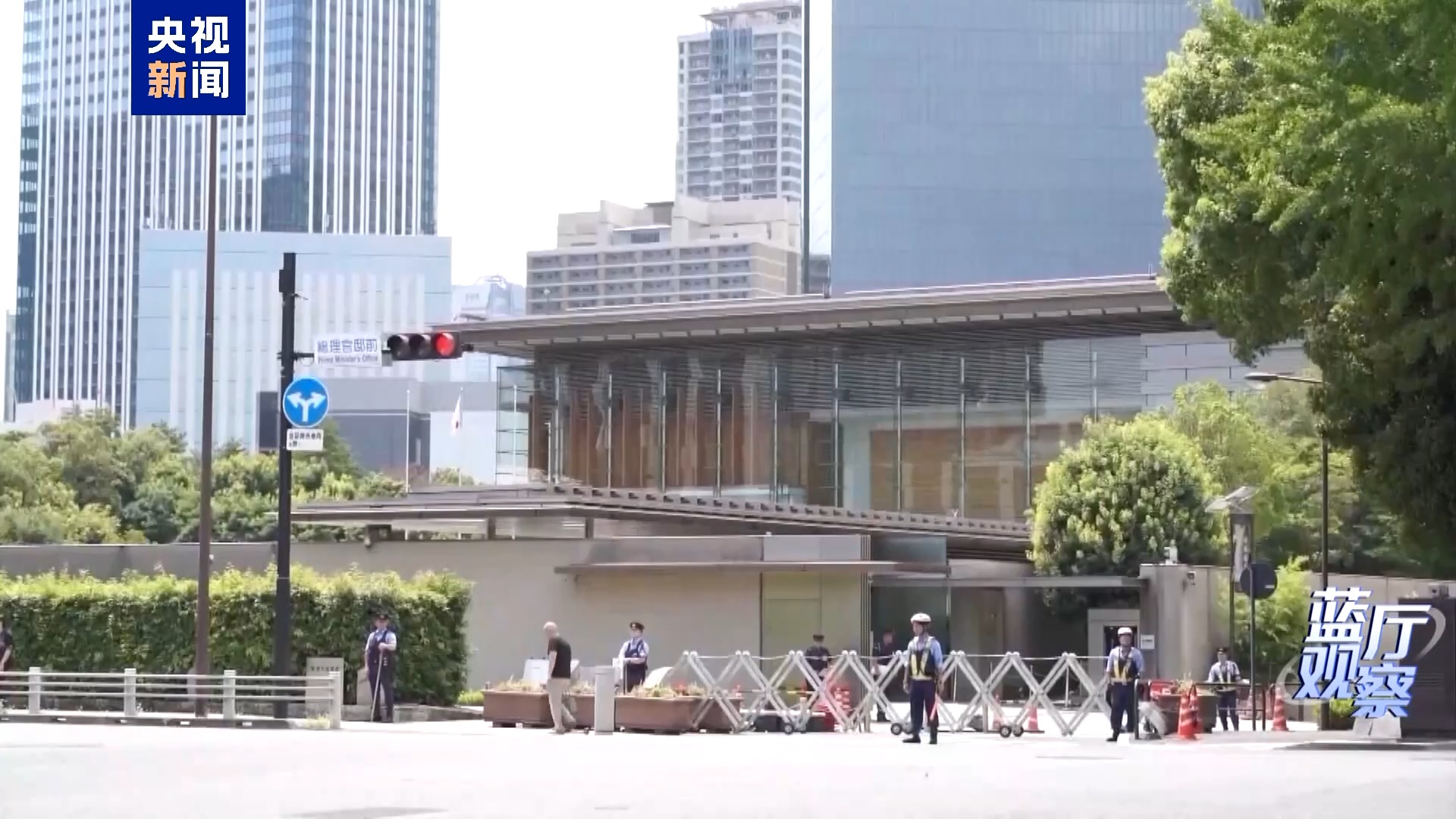
日本防卫费连年上涨,强军扩武路上狂奔
Xin Lang Cai Jing· 2025-12-27 11:29
Core Viewpoint - The Japanese government has approved a record defense budget exceeding 9 trillion yen for the fiscal year 2026, reflecting a significant increase in military spending and a shift towards a more offensive military strategy [1][3]. Group 1: Defense Budget Overview - Japan's defense budget has consistently surpassed 6 trillion yen, 7 trillion yen, 8 trillion yen, and now 9 trillion yen in recent fiscal years, indicating a rapid escalation in military expenditure [1]. - The proportion of defense spending in Japan's GDP has risen sharply from 1.19% to 2% from fiscal year 2023 to 2025, aligning with NATO standards for military spending [3]. Group 2: Allocation of Defense Spending - The increased defense budget is primarily allocated towards developing medium- and long-range missiles capable of striking enemy command centers, with plans to extend missile ranges to over 1,000 kilometers and budget for at least 1,000 missiles [5]. - Japan is collaborating with the United States to develop hypersonic glide weapons, with some projects already nearing operational readiness [5]. - The budget also supports the production of advanced military equipment, including deep-sea submarines and space weapons, emphasizing a shift towards unmanned combat capabilities [5]. Group 3: Strategic Implications - The Japanese government is moving away from its "defensive" posture towards a more aggressive military strategy aimed at deterring China, which poses potential threats to regional security [5]. - The current administration under Prime Minister Kishi has accelerated military expansion efforts, including potential revisions to arms export policies and nuclear principles, indicating a significant shift in Japan's defense posture [7][9]. - This aggressive military stance has raised concerns among the Japanese public and opposition parties, suggesting potential negative impacts on the economy and civilian life [9].
环球时报社评:军费狂飙,日本“新军国主义”加速显形
Xin Lang Cai Jing· 2025-12-27 00:11
Core Viewpoint - Japan's defense budget for fiscal year 2026 has been approved at a record high of 9.0353 trillion yen, marking the 14th consecutive year of military spending increases, reflecting a shift towards a more aggressive military posture [1][2]. Group 1: Defense Budget and Military Strategy - The approved defense budget is only the initial figure, with total defense spending expected to reach approximately 11 trillion yen by the end of 2025, accounting for 2% of GDP [1]. - Japan is moving away from its post-war pacifism, undermining the "self-defense" principle and Article 9 of its constitution, transitioning towards a "capable military nation" [1][2]. - The budget emphasizes offensive capabilities, focusing on long-range strike capabilities, enhancement of air and naval forces, and deployment in the southwestern islands [1][2]. Group 2: Shift in Military Doctrine - Japan's military strategy is shifting from passive defense to proactive deterrence, enabling preemptive military actions [2]. - The deployment of long-range missiles and military assets in the southwestern islands indicates a fundamental change in the nature of Japan's Self-Defense Forces [2]. - Japan's ambitions in space and cyber capabilities are expanding, with increased investment in space and plans to establish an "Aerospace Self-Defense Force" [2]. Group 3: Historical Context and International Implications - Japan's current military expansion contradicts post-war commitments and legal frameworks aimed at preventing militarism, as outlined in documents like the Potsdam Declaration [3]. - The rise in military spending and offensive weaponry raises concerns about Japan's international reputation and its potential to create security anxieties in the region [3]. - The narrative of "China threat" propagated by Japanese right-wing forces is reminiscent of pre-war militaristic rhetoric, indicating a strategic shift towards militarism [3]. Group 4: Regional Stability Concerns - Japan's militaristic path poses risks not only to its own future but also to peace and stability in East Asia [4]. - The choice facing Japan is whether to return to peaceful development or continue challenging regional order through militarization [4].
社评:军费狂飙,日本“新军国主义”加速显形
Xin Lang Cai Jing· 2025-12-26 16:58
Core Viewpoint - Japan's cabinet has approved a record defense budget of 9.0353 trillion yen for the fiscal year 2026, marking the 14th consecutive year of military spending increases, reflecting a shift towards a more aggressive military posture [1][2]. Group 1: Defense Budget and Military Policy - The approved defense budget is only the initial figure, with actual defense spending expected to reach approximately 11 trillion yen by the end of 2025, accounting for 2% of GDP [1]. - The budget indicates a systematic overturning of Japan's "self-defense" principle and a move towards becoming a "capable military nation," with a focus on offensive capabilities, including long-range strike capabilities and enhanced air and naval forces [1][2]. Group 2: Strategic Shift and Military Ambitions - Japan is transitioning from a passive defense strategy to an active deterrence strategy, with the development of "counterattack capabilities" and the deployment of long-range missiles in strategic locations [2]. - The budget includes increased investments in space and cyber capabilities, with plans to establish an "Aerospace Self-Defense Force" and develop "aerospace aircraft carriers," raising concerns about a new arms race in space [2]. Group 3: Historical Context and International Implications - Japan's military expansion contradicts post-World War II commitments to peace, as outlined in documents like the Potsdam Declaration and Article 9 of the Peace Constitution, which mandates the renunciation of war [3]. - The aggressive military policy is seen as a result of right-wing forces in Japan, which have been promoting narratives of external threats to justify military buildup, reminiscent of pre-war militarism [3][4]. Group 4: Regional Stability Concerns - Japan's current military trajectory poses risks not only to its own future but also to peace and stability in East Asia, raising questions about its commitment to peaceful development versus militarization [4].
“战败国”日本的三重背叛
Xin Lang Cai Jing· 2025-12-26 06:43
Core Viewpoint - Japan's recent policy shifts are seen as a "triple betrayal" of its post-World War II commitments, challenging the legal framework that defines its status as a defeated nation [1][2]. Legal Foundations - The post-war international order for Japan is based on legal documents such as the Cairo Declaration, Potsdam Declaration, and its own "Peace Constitution," which Japan has increasingly deviated from [2][3]. - The "Peace Constitution" prohibits Japan from maintaining military forces or engaging in war, reflecting the international community's intent to limit Japan's military capabilities post-war [2]. Territorial Claims - Japan's actions regarding territorial sovereignty, particularly in the Diaoyu Islands and the Okinotorishima, demonstrate a systematic challenge to the legal constraints established by the Potsdam Declaration [3][4]. - The "gray zone strategy" employed by Japan aims to redefine territorial boundaries and assert claims that contradict international law [3]. Military Policy Changes - Japan's military policy has shifted from a defensive posture to one that includes collective self-defense and offensive capabilities, undermining the principles of its "Peace Constitution" [4][10]. - The 2014 reinterpretation of the constitution to allow collective self-defense and the 2022 National Security Strategy signify a departure from Japan's post-war military restrictions [4][10]. Historical Responsibility - Japan's historical narrative has become increasingly ambiguous, undermining its post-war peace responsibilities, which include acknowledging its wartime actions and fostering regional cooperation [11][12]. - The trend of downplaying historical aggression and revising educational materials reflects a broader shift away from Japan's commitment to peace and reconciliation [13][16]. Regional Cooperation - Japan's reliance on exclusive security frameworks, such as the Quad, raises concerns about regional cooperation and the potential for increased tensions [14][16]. - The shift towards militarization and away from cooperative security mechanisms threatens the stability of the post-war order in East Asia [16]. Arms Export Policy - Japan's historical restrictions on arms exports are being eroded, with recent policy changes indicating a move towards a more aggressive military export stance [15][16]. - The potential for Japan to expand its military capabilities, including nuclear options, poses significant risks to regional security dynamics [10][15].