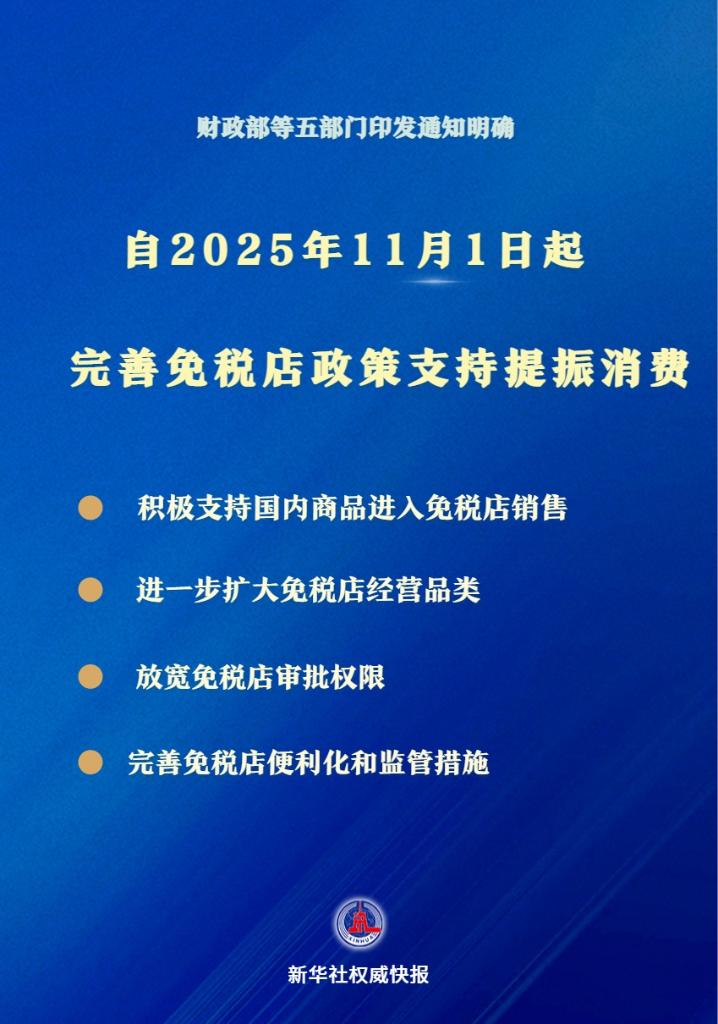
免税店政策升级

Search documents
政策“满月” 多维度解锁免税行业新变化、新亮点
Sou Hu Cai Jing· 2025-12-02 03:46
Core Viewpoint - The recent policy changes regarding duty-free shops in China aim to enhance consumer spending and support the growth of the duty-free industry, with new stores opening in major cities and a focus on promoting domestic products [1][9]. Group 1: Policy Changes and Industry Impact - The Ministry of Finance, Ministry of Commerce, Ministry of Culture and Tourism, and other departments have issued a notification to improve duty-free shop policies starting November 1, 2025, to boost consumption [1]. - The new policy allows for more autonomy in the establishment and scale of duty-free shops, indicating a shift towards a more market-driven approach [9]. - The approval process for setting up and operating duty-free shops has been simplified, enhancing efficiency and allowing local governments to optimize shop layouts based on regional characteristics [11]. Group 2: New Store Openings - The first city-based duty-free shop in Tianjin has opened in a central commercial area, featuring a mix of duty-free and taxable zones, catering to travelers with outbound tickets [4]. - A new city-based duty-free shop has also opened in Xi'an, incorporating local cultural elements into its design and product offerings, creating a unique shopping experience [7]. Group 3: Promotion of Domestic Products - The new city-based duty-free shops are increasing the availability of domestic products, including traditional Chinese brands and cultural items, to enhance consumer choice [12][14]. - The customs authority has introduced measures to support the sale of domestic products in duty-free shops, with plans to include a wider range of goods such as electronics and health products [16]. - The policy encourages duty-free shops to allocate at least 25% of their sales area to domestic products, aiming to boost the market recognition and international competitiveness of Chinese goods [21]. Group 4: Enhanced Consumer Experience - The new regulations aim to improve the shopping experience by introducing online reservation services for duty-free products, allowing travelers to pre-order items based on their travel schedules [26].

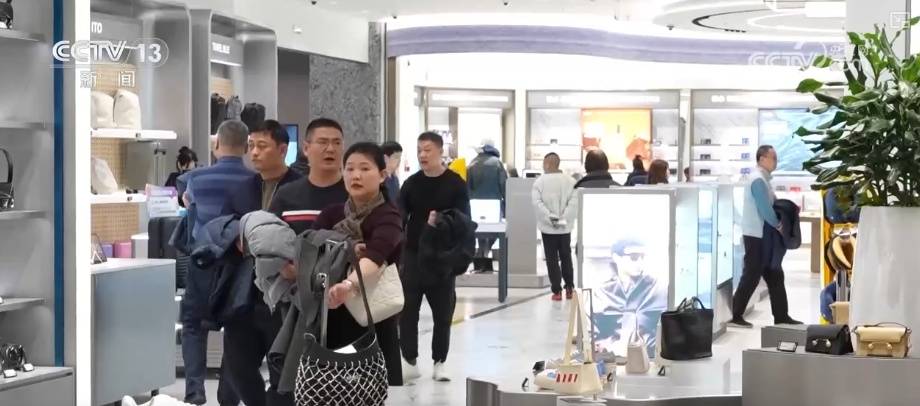
观察解读·政策“满月” 多维度解锁免税行业新变化、新亮点
Yang Shi Wang· 2025-12-02 03:06
Core Viewpoint - The recent policy changes regarding duty-free shops in China aim to boost consumer spending and enhance the shopping experience for travelers, with a focus on promoting domestic products and simplifying the establishment and operation of duty-free stores [1][7]. Group 1: Policy Changes and Impacts - The Ministry of Finance, Ministry of Commerce, Ministry of Culture and Tourism, and other departments have jointly issued a notification to improve the duty-free shop policy starting from November 1, 2025, to support consumer spending [1]. - The new policy simplifies the approval processes for establishing and operating duty-free shops, allowing for more autonomy in the market and potentially increasing the number of stores [5][7]. Group 2: New Store Openings - The first city duty-free shop in Tianjin opened in late November, located in a central commercial area, offering a range of luxury goods such as perfumes, cosmetics, watches, sunglasses, and jewelry [4]. - A new city duty-free shop also opened in Xi'an, incorporating local cultural elements into its product design and store decor, creating a unique shopping experience [5]. Group 3: Promotion of Domestic Products - The newly opened city duty-free shops have dedicated areas for domestic products, featuring traditional Chinese brands and cultural heritage items, thus providing tourists with more options [9][11]. - The policy encourages duty-free shops to allocate at least 25% of their sales area to domestic products, enhancing the market recognition and international competitiveness of Chinese goods [14]. Group 4: Enhanced Shopping Experience - The new regulations aim to improve the shopping experience by introducing online reservation services for duty-free products, allowing travelers to pre-order items based on their travel itineraries [16].
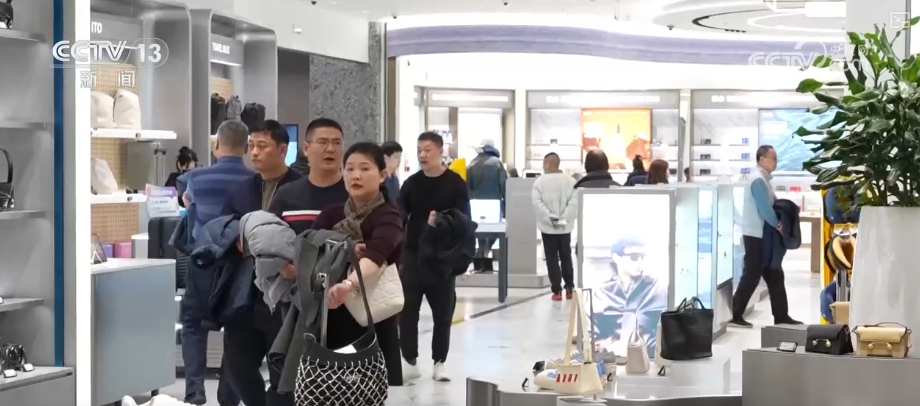
市内免税店多地开业 新政“满月”免税行业有了新变化
Yang Shi Xin Wen· 2025-12-01 23:43
Core Viewpoint - The recent policy changes regarding duty-free shops in China aim to enhance consumer spending and support the growth of domestic products in the duty-free market, with new stores opening in major cities like Tianjin and Xi'an [1][2][3]. Group 1: Policy Changes and Market Impact - The Ministry of Finance, Ministry of Commerce, and other departments have issued a notification to improve duty-free shop policies starting November 1, 2025, to boost consumption [1]. - The new policy relaxes approval processes for duty-free shops, allowing for more autonomy in establishing and scaling operations, which is expected to enhance market vitality [2]. - Duty-free shops are now required to allocate at least 25% of their sales area to domestic products, promoting the international competitiveness of Chinese goods [4]. Group 2: Consumer Experience and Product Offerings - New duty-free shops are incorporating local cultural elements and offering a variety of domestic products, including traditional Chinese brands and cultural items, to attract consumers [3][4]. - The introduction of online reservation services for duty-free products aims to improve the shopping experience for travelers, allowing them to pre-order items based on their travel schedules [4]. - The focus on domestic products in duty-free shops is part of a broader strategy to encourage the export of Chinese culture and goods, with plans to introduce more electronic products and health foods in the future [3][4].
旅游板块掀涨停潮,旅游ETF(562510)创近一年新高
Sou Hu Cai Jing· 2025-11-10 06:45
Core Viewpoint - The tourism ETF (562510) surged over 6% on November 10, leading the market, driven by strong performances in hotel, airline, and scenic spot sectors, following new policies aimed at boosting consumption in the duty-free industry [1] Group 1: Market Performance - The tourism ETF (562510) experienced a significant increase, leading all market ETFs [1] - Key holdings such as Shoulv Hotel, China Duty Free Group, Jin Jiang Hotels, and Overseas Chinese Town A reached their upper limit during trading [1] - The hotel, airline, and scenic spot sectors showed active performance during this period [1] Group 2: Policy Changes - On October 30, multiple government departments issued a notice to enhance duty-free store policies to stimulate consumption, effective from November 1, 2025 [1] - The new policies include empowering domestic products, expanding categories, decentralizing approval processes, and optimizing services, aimed at attracting overseas consumption and foreign visitors [1] Group 3: Duty-Free Shopping Data - During the first week of the new duty-free policy in Hainan (November 1-7), the total shopping amount monitored by Haikou Customs reached 506 million yuan, with 72,900 shoppers [1] - This represents a year-on-year increase of 34.86% in shopping amount and 3.37% in the number of shoppers [1]
放宽经营审批权限,更多“国货”进店销售
Qi Lu Wan Bao· 2025-10-31 16:22
Core Viewpoint - The Ministry of Finance and four other departments announced an upgrade to the duty-free shop policy, effective from November 1, 2025, aimed at enhancing the attractiveness of duty-free shopping for inbound and outbound travelers and promoting the healthy development of the duty-free retail business [1][2] Group 1: Policy Enhancements - The upgraded duty-free shop policy will allow more domestic products to be sold in duty-free stores, encouraging enterprises with duty-free product operating qualifications to increase the procurement of quality domestic goods [1] - The new policy will treat the procurement of domestic goods for sale in both port exit duty-free shops and city duty-free shops as exports, allowing for the refund (or exemption) of value-added tax and consumption tax [1] Group 2: Product Range Expansion - The range of products available in duty-free shops will be expanded to include more portable consumer goods such as mobile phones, micro-drones, sports goods, health foods, over-the-counter drugs, and pet food [2] - The policy aims to diversify the selection of duty-free products available to domestic and international consumers, making them more trendy and appealing [2] Group 3: Regulatory Changes - The approval process for establishing and operating duty-free shops will be streamlined, with the authority to approve these shops being transferred from central ministries to provincial departments at the port locations [2] - This change is expected to improve the shopping experience for travelers by making it easier to access a wider variety of quality domestic and international hot-selling products [2]
支持提振消费!我国免税店政策11月“升级”
Xin Hua She· 2025-10-31 07:48
Core Viewpoint - The upgrade of China's duty-free shop policy, effective from November 1, 2025, aims to enhance the attractiveness of duty-free shopping for inbound and outbound travelers, promoting healthy and orderly development of the duty-free retail business [1][2]. Group 1: Policy Enhancements - The new policy encourages enterprises with duty-free product operating qualifications and foreign-invested enterprises approved by the State Council to increase the procurement of quality domestic products [2]. - Domestic products sold in duty-free shops will be treated as exports, allowing for the refund (or exemption) of value-added tax and consumption tax [2]. - The policy aims to eliminate previous regulatory barriers regarding the sale of domestic products in duty-free shops, making the regulatory and tax refund processes clearer and more efficient [2]. Group 2: Product Range Expansion - The range of products available in duty-free shops will be expanded to include more portable consumer goods such as mobile phones, micro drones, sports equipment, health foods, over-the-counter drugs, and pet food [2]. - The diversity and novelty of duty-free products available to both domestic and international consumers will increase, enhancing the shopping experience [2]. Group 3: Approval Process and Convenience - The approval authority for establishing and operating outbound and inbound duty-free shops will be transferred from central ministries to provincial-level departments, allowing for more localized decision-making [3]. - The policy supports online booking services for duty-free shops and allows travelers to reserve products in city duty-free shops for pickup at inbound duty-free shops [3]. - Overall, the policy aims to innovate the sales model of duty-free shops, improving the convenience of shopping for consumers [3].
新华社权威快报丨11月,一批新规将施行
Xin Hua She· 2025-10-31 05:07
Group 1 - The new regulations effective from November include the digitalization of the vehicle registration process for domestic passenger cars, eliminating the need to visit vehicle management offices [1] - The implementation of a lifelong legal education system for citizens, integrating legal education into national, cadre, and social education systems, with a focus on consumer rights protection and other public concerns [2] - Stricter penalties for operators who conceal significant cybersecurity incidents, with provisions for leniency for those who take necessary protective measures and report incidents promptly [2] Group 2 - The updated duty-free shop policy, effective from November 1, 2025, aims to enhance the management of domestic goods tax refund (exemption) policies, support the sale of domestic products in duty-free shops, and expand the range of goods available for sale [3] - The implementation of "reporting and operation in one" for non-auto insurance, which includes stricter rate management and compliance with approved insurance terms and rates [3]

支持提振消费!免税店政策明起“升级”
Sou Hu Cai Jing· 2025-10-30 23:05
Core Points - The upgrade of the duty-free shop policy in China, effective from November 1, aims to enhance consumer attraction for inbound and outbound travelers [3][4] - The policy encourages the sale of more domestic products in duty-free shops, which are expected to be more appealing due to competitive pricing [4][5] - The approval process for establishing and operating duty-free shops will be decentralized to provincial authorities, facilitating local optimization of duty-free shop layouts [5] Group 1 - The new policy will allow more domestic products to be sold in duty-free shops, enhancing the shopping experience for travelers [3][4] - The expansion of product categories in duty-free shops includes items like mobile phones, drones, sports goods, health foods, over-the-counter drugs, and pet food [4] - The policy aims to streamline the regulatory and tax processes for domestic products entering duty-free shops, promoting better supply and consumption [4] Group 2 - The decentralization of approval authority for duty-free shops to provincial departments is expected to foster local adaptation and growth of the duty-free industry [5] - The policy supports online booking services for duty-free shops, allowing travelers to reserve items in city shops and pick them up at port shops [5] - Overall, the upgraded policy is designed to improve the shopping experience for travelers by providing a wider range of quality domestic and international products [5]
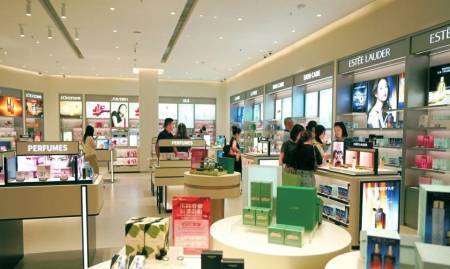
支持提振消费!免税店政策“升级”
Xin Hua Wang· 2025-10-30 11:21
Core Viewpoint - The upgrade of the duty-free shop policy in China, effective from November 1, aims to enhance consumer spending by allowing more domestic products to be sold and expanding the range of goods available in duty-free shops [1][3]. Group 1: Policy Changes - The new policy encourages enterprises with duty-free qualifications and foreign-invested companies approved by the State Council to increase the procurement of quality domestic products [3][4]. - Domestic products sold in duty-free shops will be treated as exports, allowing for the refund (or exemption) of value-added tax and consumption tax [3][4]. - The approval authority for establishing and operating duty-free shops will be decentralized from central ministries to provincial-level departments, facilitating local optimization of duty-free shop layouts [5]. Group 2: Product Range Expansion - The range of products available in duty-free shops will be expanded to include more portable consumer goods such as mobile phones, micro-drones, sports equipment, health foods, over-the-counter drugs, and pet food [4][5]. - The policy aims to make the selection of duty-free goods more diverse and trendy for both domestic and international consumers [4][5]. Group 3: Consumer Experience Improvement - The policy will support online booking services for duty-free shops, allowing travelers to reserve items in city duty-free shops and pick them up at port duty-free shops [5]. - Continuous optimization of the duty-free shopping process is expected to enhance the overall shopping experience for travelers, making it more convenient to purchase quality domestic and international hot-selling products [5].
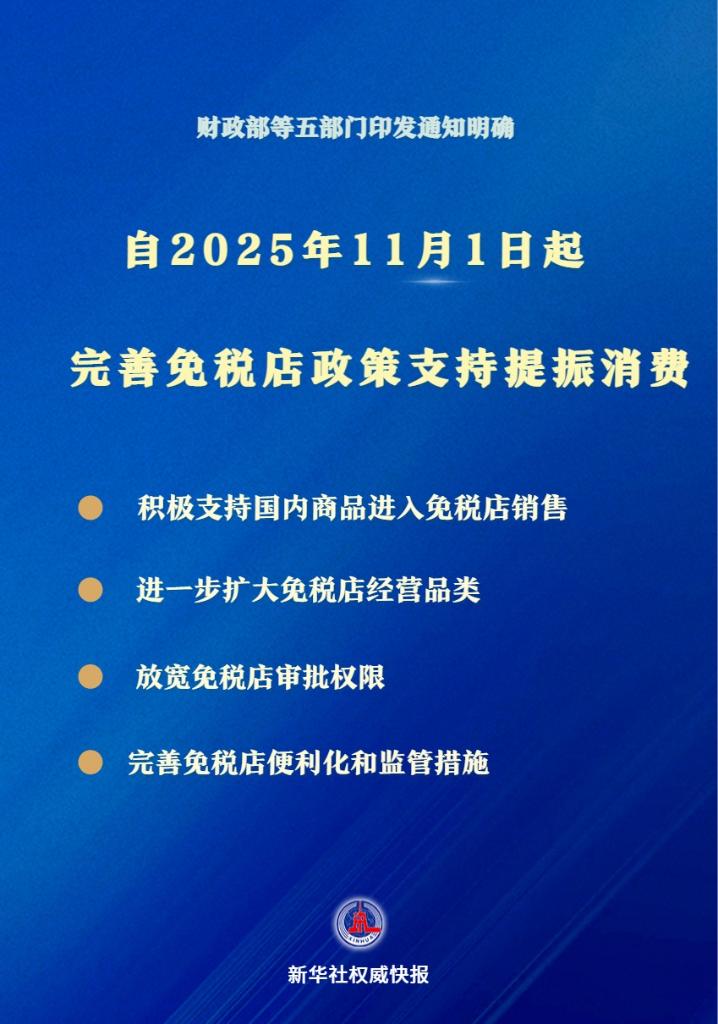
新华鲜报丨支持提振消费!免税店政策“升级”
Xin Hua Wang· 2025-10-30 11:17
Core Viewpoint - The upgrade of the duty-free shop policy in China, effective from November 1, aims to enhance the attractiveness of duty-free shopping for inbound and outbound travelers, supporting domestic consumption and expanding the range of products available in duty-free stores [1][3]. Group 1: Policy Enhancements - The new policy encourages enterprises with duty-free product operating qualifications and foreign-invested companies approved by the State Council to increase the procurement of quality domestic products for sale in duty-free shops [3][5]. - The policy addresses previous regulatory barriers regarding the sale of domestic products in duty-free shops, clarifying the supervision and tax refund processes, which is expected to boost the sales of quality domestic goods [5][6]. Group 2: Product Range Expansion - The range of products available in duty-free shops will be expanded to include more portable consumer goods such as mobile phones, micro drones, sports equipment, health foods, over-the-counter drugs, and pet foods [5][6]. - The policy aims to provide a more diverse and trendy selection of duty-free products for both domestic and international consumers [5][6]. Group 3: Approval Process Optimization - The approval authority for establishing and operating duty-free shops will be decentralized from central ministries to provincial-level departments, allowing for more localized decision-making [5][6]. - This decentralization is expected to facilitate the integration and optimization of duty-free shop layouts, promoting further development of the duty-free industry [5]. Group 4: Shopping Experience Improvement - The policy includes provisions for online booking services for duty-free shops, allowing travelers to reserve products in city duty-free shops and pick them up at port duty-free shops [6]. - These measures are designed to innovate the sales model of duty-free shops and enhance the convenience of shopping for consumers, improving the overall shopping experience [6].