商旅文体健融合

Search documents
乐购花城 消费市场客如云
Guang Zhou Ri Bao· 2026-02-25 02:34
Group 1 - The core theme of the 2026 Spring Festival in Guangzhou is the integration of traditional customs with modern consumption, highlighted by the "Year Taste Guangzhou · Flower Street" theme and various government policies to stimulate consumer spending [1] - During the Spring Festival holiday, Guangzhou's overall consumption increased by 11.25% compared to the previous year, with significant growth in beverages (38.5%), communication equipment (22.3%), cosmetics (28.6%), and clothing (15.2%) [1] - The restaurant sector also saw a year-on-year increase of 13.1% in consumption during the holiday period [1] Group 2 - The Guangzhou Municipal Bureau of Commerce launched the "Food in Guangzhou" initiative, distributing 50 million yuan in government dining vouchers to stimulate the restaurant industry, attracting both local and foreign tourists [2] - The city experienced a surge in visitors, with 4.953 million tourists attending the Spring Festival flower markets across 11 districts, showcasing the integration of food, travel, culture, and sports [2] - Major shopping districts like Beijing Road and Changlong Wanbo saw significant foot traffic, with 4.2815 million and 3.5697 million visitors respectively, marking increases of 6.43% and 10% compared to the previous year [3] Group 3 - Online consumption also thrived alongside offline sales, with e-commerce platforms like Vipshop, JD, and Taobao launching promotional activities during the "Spring Action" campaign, offering subsidies and discounts [5] - Guangzhou remains a top destination for international tourists, with over 34,000 foreign visitors entering through Baiyun Airport, reflecting a 51.1% year-on-year increase [5]


马年春节假期广州消费额同比增长超11%
Zhong Guo Xin Wen Wang· 2026-02-24 09:25
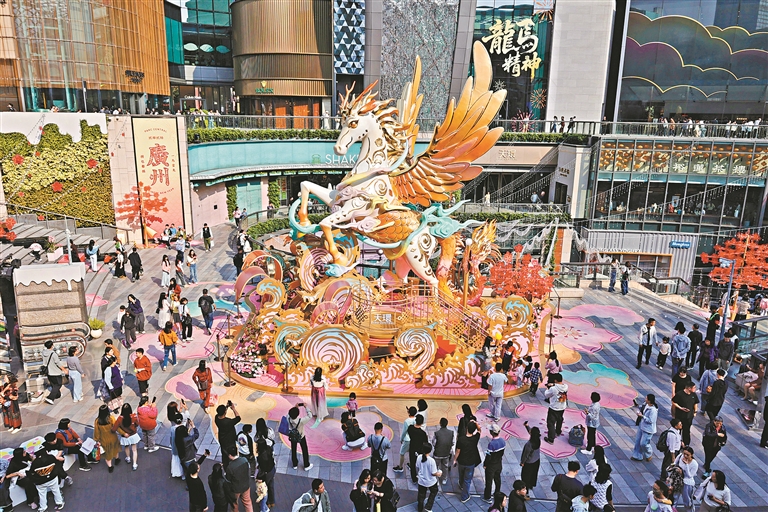
中新网广州2月24日电来自广州市商务局的数据显示,2026年春节假期全市消费额同比增长11.25%。其 中,饮料、通讯器材、化妆品、服装等增势显著,同比分别增长38.5%、22.3%、28.6%和15.2%,餐饮 消费额同比增长13.1%。 这个春节假期,"食在广州"成为吸引客流的金字招牌。广州市商务局春节前夕启动"食在广州"引流活 动,分多轮共发放5000万元政府餐饮消费券,同步撬动金融机构、平台企业推出叠加优惠券;全市11区 迎春花市均设有美食消费专区,吸引游客达495.3万人次,"行花街、赏美食"成为体验广州年味的经典 打开方式。 广州推动商旅文体健融合,打造兼具文化体验与互动乐趣的新春消费场景。白云机场T3航站楼举办老 字号嘉年华市集,汇聚莲香楼、皇上皇等老字号,营造沉浸式年货消费场景;"博物馆里过大年"活动让 文化消费成为新春新时尚,南越王博物院、广州博物馆、广州艺术博物院等纷纷推出特色展览。 据了解,春节假期,北京路商圈、长隆万博商圈累计客流分别为428.15万人次和356.97万人次,同比分 别增长6.43%和10%。长隆万博商圈营业额3.18亿元,同比增长3%。 入境消费服务持续升级。作为全球 ...
北京市商业步行街评估成果发布 40条街区获认定
Xin Lang Cai Jing· 2026-01-03 17:12
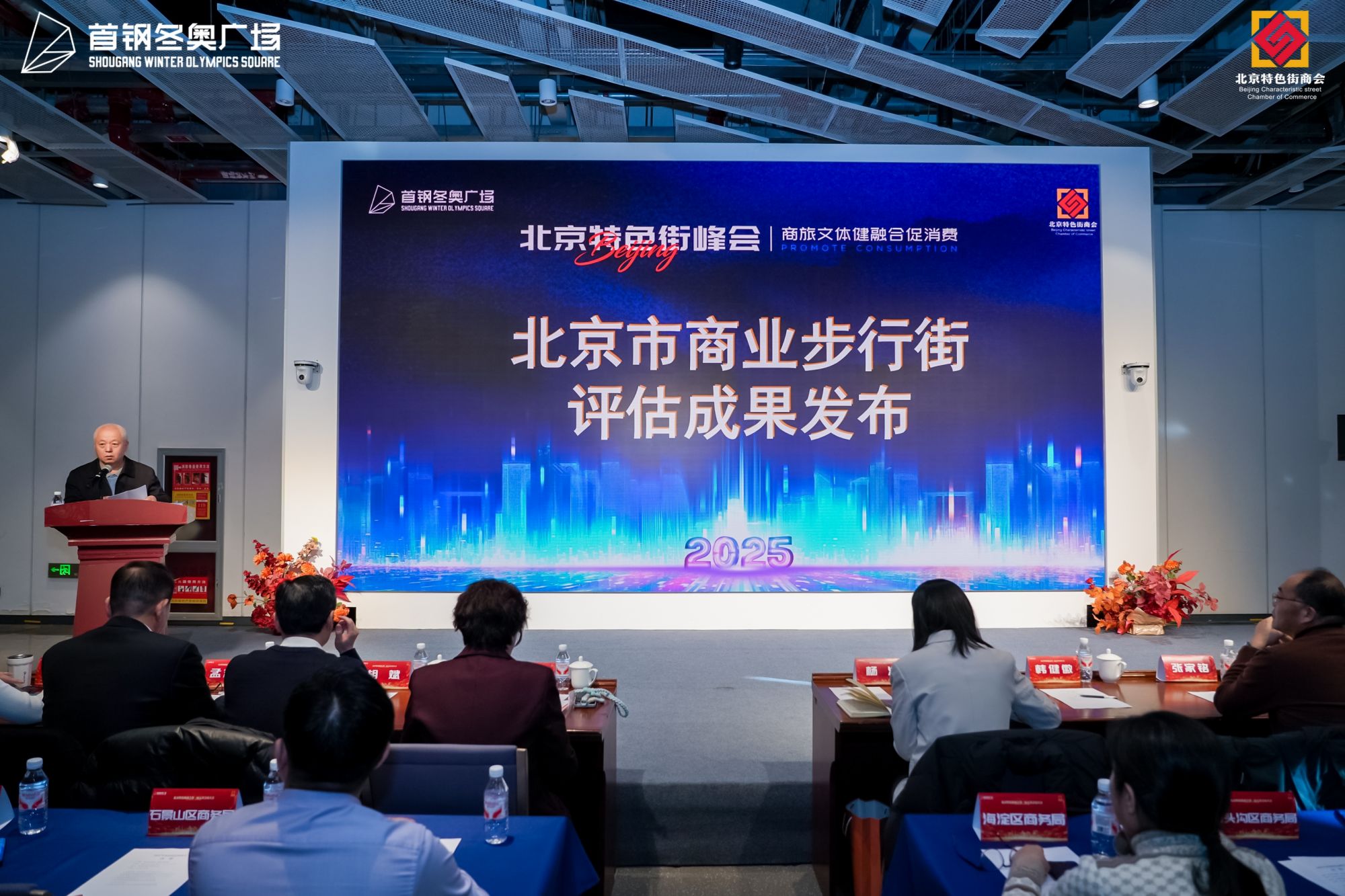
(来源:千龙网) 在近日举行的北京特色街峰会上,北京特色街商会发布"北京市商业步行街评估成果"。本次评估从规划布局、设施条件、功能品质、综合效益、组织管理等 多维度对全市申报街区进行了系统梳理与科学评价,最终40条街区通过评估认定。 在经验分享环节,北京坊、超极合生汇、中粮·祥云小镇等街区代表,分享了在打造沉浸式场景、创新业态、举办特色活动及提升服务能级方面的实践与思 考。 北京市商务局规划建设处处长杨洋现场分析了当前消费市场的新形势,并从政府规划引导与政策支持角度阐述了下一步推动特色商业街区高质量发展的重点 方向,强调将加强协作,优化环境,把特色街区打造为北京消费的亮丽名片。 本次峰会参与范围广泛,王府井步行街、前门大街、三里屯太古里、华熙LIVE·五棵松等全市近百条特色街区的负责人参会交流。活动的成功举办,为北京 商业街区深化"商旅文体健"融合、进一步激发消费潜力凝聚了共识,注入了新动力。 北京特色街商会会长王淑侠表示,当前越来越多的街区积极探索"商旅文体"融合,通过引入文化展览、体育赛事、旅游体验、健康业态,举办丰富多样的主 题活动,成功塑造了独特的街区魅力,使商业街区不仅是购物场所,更是都市休闲生活目 ...
三新消费(消费新业态新模式新场景)政策解读
Sou Hu Cai Jing· 2026-01-03 09:38
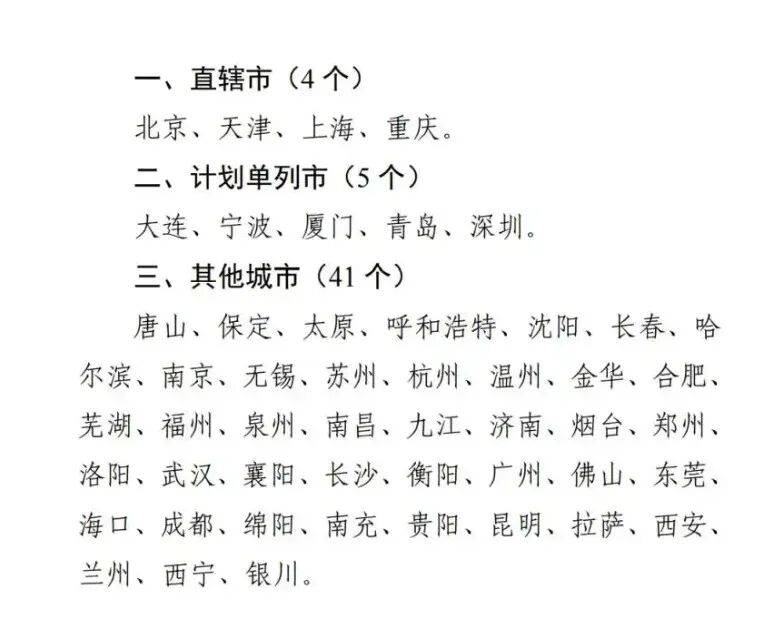
Core Points - The notification issued by the Ministry of Finance and the Ministry of Commerce aims to support cities in developing a new consumption service system, innovate diverse service consumption scenarios, enhance consumption quality, and expand service consumption, thereby promoting more foreign trade quality products into the domestic market [1][2][3] - The pilot program will support around 50 cities, focusing on large and super-large cities with significant population bases and development potential, with a policy implementation period of two years [1][2][3] Policy Goals - The policy aims to enhance the consumption service system, innovate service consumption scenarios, and meet diverse consumer needs, thereby supporting high-quality economic development [2][3] - The pilot cities will be at the city level and above, with a focus on those with strong driving effects and development potential [2][3] Support Directions - Support the establishment of a new consumption service system, including the creation of launch centers and economic clusters, and promote high-level flagship stores and innovative product launches [5][7] - Encourage the innovation of diverse service consumption scenarios, integrating digital technologies in various sectors such as entertainment, tourism, and health [5][7] - Promote cross-industry collaborations between quality consumption resources and well-known IPs to enhance product value and brand influence [5][7] Implementation Procedures - Local authorities will organize applications, with each province allowed to recommend 2-3 cities for the pilot program, ensuring a clear and structured application process [26][29] - A competitive evaluation process will determine the selected pilot cities based on their implementation plans and potential for consumer market development [30] - Financial support will be allocated based on city size, with super-large cities receiving 400 million yuan, large cities 300 million yuan, and other cities 200 million yuan [31] Work Requirements - Strengthen organizational leadership to ensure effective implementation of the pilot program, with local governments taking direct responsibility [34][35] - Enhance financial supervision to ensure compliance and effective use of funds, preventing misuse of allocated resources [37] - Promote the pilot program widely to engage public participation and share successful practices [38]
北京市商业步行街评估成果发布,40条街区获认定
Xin Jing Bao· 2026-01-03 06:26
Group 1 - The core viewpoint of the news is the release of the "Beijing Commercial Pedestrian Street Evaluation Results," which highlights the achievements and unique characteristics of Beijing's commercial pedestrian streets, providing data support and direction for future development [1][2] - A total of 40 streets were recognized through a comprehensive evaluation based on planning layout, facility conditions, functional quality, comprehensive benefits, and organizational management [1] - The Beijing Characteristic Street Chamber of Commerce emphasizes the integration of commerce, tourism, culture, and sports, creating unique street charm and transforming commercial streets into leisure destinations and cultural experience spaces [1] Group 2 - The Director of the Planning and Construction Department of the Beijing Municipal Bureau of Commerce analyzed the current consumer market trends and outlined key directions for promoting high-quality development of characteristic commercial streets, emphasizing collaboration and environmental optimization [2] - The summit included participation from nearly a hundred representatives of notable streets such as Wangfujing, Qianmen, Sanlitun Taikoo Li, and Huaxi LIVE, fostering consensus and injecting new momentum into the integration of commerce, tourism, culture, and health [2]

商务部等5部门:支持符合条件的商业地产项目发行不动产投资信托基金(REITs)
Cai Jing Wang· 2025-10-30 03:06
Group 1 - The core viewpoint of the article emphasizes the need for long-term financing support to enhance urban commercial quality through various initiatives and collaborations [1][2] Group 2 - The action plan includes deepening the integration of commerce with tourism, culture, and sports, promoting diverse consumption scenarios, and supporting the development of unique regional products and services [1] - It encourages the transformation of existing commercial facilities with tailored strategies, optimizing transportation, parking systems, and public service facilities to enhance the urban commercial environment [1] - The plan also highlights the importance of financial support for modern commercial circulation systems, including the use of central government funds to assist urban commercial enterprises in upgrading their operations and services [2] - It aims to implement tax and fee incentives for small and micro enterprises in the commercial sector, promoting compliance and innovation [2] - The initiative seeks to leverage financial institutions to provide diverse financial products and support the issuance of Real Estate Investment Trusts (REITs) for qualifying commercial real estate projects [2]
五部门发文实施城市商业提质行动 明确这些任务
Xin Hua Wang· 2025-10-30 00:31
Core Viewpoint - The "Urban Commercial Quality Improvement Action Plan" released by the Ministry of Commerce and other departments aims to enhance urban commercial systems, boost consumption, stabilize employment, and ensure livelihoods through 21 key tasks across seven areas [1][2]. Group 1: Urban Commercial System Enhancement - The plan emphasizes the importance of urban commerce as a vital part of the modern trade circulation system and a key driver for domestic demand [1]. - It outlines tasks to improve network layout, upgrade business formats, enrich quality supply, and strengthen operational guarantees [1][2]. Group 2: Infrastructure and Space Optimization - The plan includes optimizing existing commercial facilities to address issues of vacancy and resource waste, with data collection on retail spaces in 297 cities to support planning and land regulation [3]. - It encourages the use of special bonds for land reserve projects, allowing for the redevelopment of underutilized commercial land [3]. Group 3: Community and Cultural Integration - The initiative supports the integration of commercial activities with tourism and culture, promoting the development of commercial facilities in conjunction with tourist attractions and historical sites [4][5]. - It aims to foster innovative developments in cultural and tourism sectors by utilizing existing urban spaces, including old factories and historical buildings [5].
首发经济票根经济放异彩,消费驶入新蓝海
Zheng Quan Shi Bao Wang· 2025-10-27 05:46
Core Viewpoint - The core focus of the article is on boosting consumption as a key task for economic work in 2025, with various measures being implemented to expand and enhance service consumption [1] Group 1: Policies and Measures - The Ministry of Commerce and nine other departments have issued measures to expand service consumption, including the development of new consumption scenarios and support for high-quality consumption resources [1] - Local governments are actively exploring new consumption models and scenarios to stimulate consumption potential, including the integration of commerce, tourism, culture, and sports [1] Group 2: Ticket Economy - The "ticket economy" is emerging as a new driver for cultural and tourism consumption, with events like the China-Arab Expo boosting local sales and hotel bookings significantly [2] - In Yinchuan, the key commercial area saw a 37.55% year-on-year increase in sales during the expo, with hotel bookings up by 25%, generating over 1 billion yuan in consumption [2] Group 3: First Release Economy - The "first release economy" is gaining traction, with significant openings in cities like Shenzhen and Hangzhou contributing to substantial retail sales [3] - The scale of China's first release economy has surpassed 1.5 trillion yuan in 2023, with projections of reaching 10 trillion yuan by 2025 [3] Group 4: New Consumption Leaders - The measures call for the cultivation of new consumption leaders, with companies like Bailian Group focusing on brand, digital, and professional commercial services [4] - Bailian Group has signed a strategic cooperation agreement to explore Korean cultural projects and IP development, aiming to introduce multiple Korean brands through various marketing formats [4] Group 5: Supporting New Leaders - To accelerate the development of new consumption leaders, there is a need to optimize the institutional environment, enhance intellectual property protection, and encourage collaboration between leading enterprises and SMEs [5] - The goal is to create a multi-dimensional ecosystem that fosters cross-industry integration and innovation [5]
首发经济票根经济放异彩,消费驶入新蓝海丨探寻服务消费新势能
Zheng Quan Shi Bao Wang· 2025-10-27 01:56
Group 1 - The core focus of the economic work in 2025 is to boost consumption, as highlighted by the Ministry of Commerce and nine other departments in the policy measures aimed at expanding service consumption [1] - The measures include the development of new consumption formats, models, and scenarios, promoting innovative service consumption, and supporting high-quality consumption resources and well-known IP collaborations [1] - There is a growing demand for personalized, differentiated, and experiential consumption among consumers, but the current high-quality supply is insufficient, limiting competitive advantages [1] Group 2 - The integration of commerce, tourism, culture, sports, and health is being explored through large events to stimulate consumer activity, as seen in various cities [2] - The "ticket economy" is emerging as a new driver for cultural and tourism consumption, with significant sales increases reported during events like the China-Arab Expo [2] - Shanghai is focusing on upgrading the ticket economy through pilot activities to enhance consumer engagement [2] Group 3 - The "first release economy" is gaining traction, with significant consumer spending reported in cities like Shenzhen and Hangzhou during recent holidays [3] - The scale of the first release economy in China has surpassed 1.5 trillion yuan in 2023, with projections of reaching 10 trillion yuan by 2025 [3] - Local characteristics should be considered when developing the first release economy to avoid uniformity across cities [3] Group 4 - The policy measures call for the cultivation of new leading consumption enterprises, which have emerged through technological innovation and brand development [4] - Companies like Bailian Group are focusing on brand, digital, and professional commercial services, engaging in strategic partnerships to explore cultural projects and IP development [4] Group 5 - To accelerate the development of new leading consumption enterprises, it is essential to optimize the institutional environment, enhance intellectual property protection, and implement favorable tax and talent policies [5] - Encouraging leading enterprises to empower small and medium-sized enterprises can foster collaborative innovation across the industry chain [5]
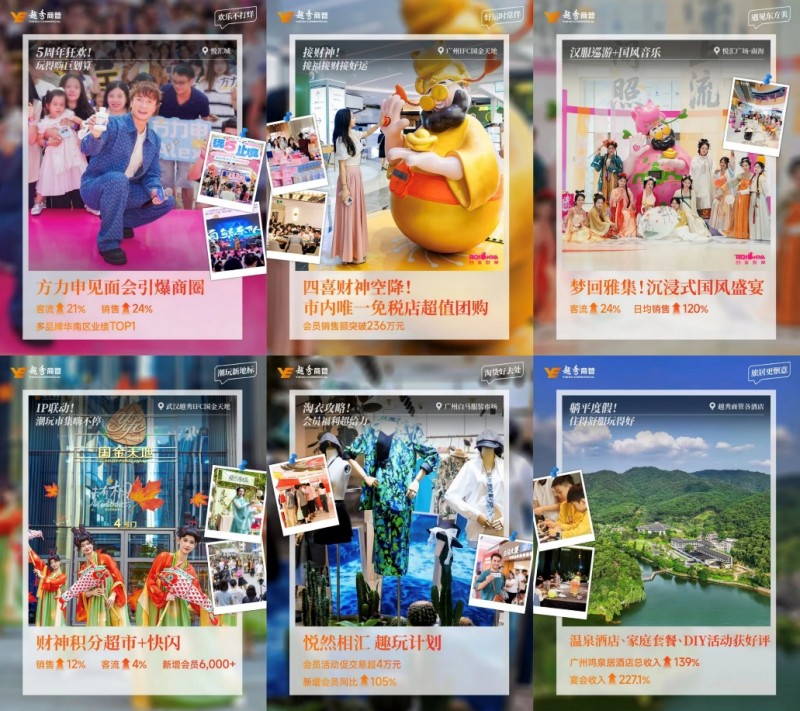
从流量到留量:第五届越秀悦购节如何串联政策、文化与城市消费?
Sou Hu Wang· 2025-10-17 09:01
Core Insights - The 5th Yuexiu Shopping Festival has shown significant growth in consumer engagement, with total sales increasing by 16.7% year-on-year and member sales soaring by 63.8% [1][10][12] - The festival is part of a broader strategy to enhance urban consumption and aligns with national policies aimed at boosting domestic demand [1][20] Group 1: Festival Performance - The festival attracted a 3.7% increase in overall foot traffic compared to the previous year, indicating a successful engagement strategy [1] - Key projects such as Guangzhou Yuehui City and Wuhan Xinghui Weigang Shopping Center reported substantial sales increases during the festival [1][17] Group 2: Membership and Marketing Strategies - Membership operations were central to the festival's success, utilizing targeted activities to enhance customer loyalty and sales [10][12] - The pre-event phase included high-value member incentives, while the peak phase featured differentiated group purchase coupons to attract diverse consumer segments [12][13] Group 3: Cultural Integration and Brand Positioning - The festival integrated the "Four Happy Gods" IP to resonate with local culture, enhancing emotional connections with consumers [3][5] - The event reflects Yuexiu's commitment to fostering long-term relationships with consumers and contributing to the city's development [19][20] Group 4: Future Initiatives and Urban Development - Upcoming events during the Canton Fair will offer exclusive benefits to foreign merchants, showcasing Yuexiu's role in enhancing international trade [20] - The company aims to continue aligning its activities with national policies and urban development goals, reinforcing its position as a key player in the commercial landscape [20]