
国家公园建设

Search documents
国家公园建设助力增绿增收
Jing Ji Ri Bao· 2026-02-05 22:08
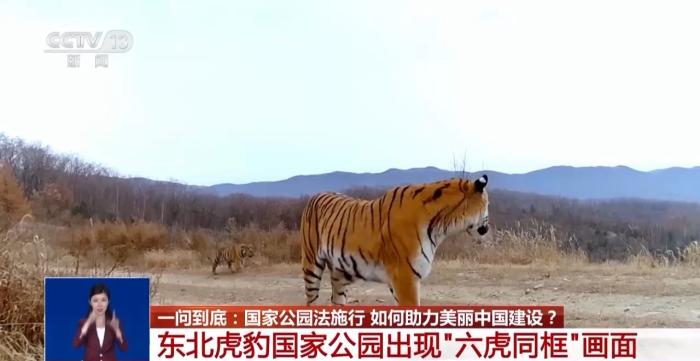
Core Viewpoint - The implementation of the National Park Law marks a significant step towards the legal and systematic development of national parks in China, enhancing ecological protection and sustainable development [1][3][4]. National Park Development - China initiated the national park system pilot in 2015 and officially established the first five national parks in 2021, covering a total area of approximately 230,000 square kilometers [2]. - The number of wild Northeast tigers in the Northeast Tiger and Leopard National Park has increased from 27 to around 70, while wild leopards have grown from 42 to about 80 [2]. - The National Park Law, effective from January 2026, provides a legal framework for the establishment, management, and protection of national parks, ensuring that all management actions are legally compliant [3][4]. Ecological and Economic Benefits - National parks have contributed to local economic development, with the Wuyi Mountain National Park's ecological tea garden generating an industry value of 15 billion yuan [5]. - The first batch of five national parks has created nearly 50,000 jobs, with average annual income ranging from 10,000 to 20,000 yuan per person [6]. - The "one household, one post" ecological guardian policy has been implemented in the Sanjiangyuan and Northeast Tiger and Leopard national parks, showing significant short-term stability effects [6]. Legal and Regulatory Framework - The National Park Law establishes a clear legal identity for national parks, emphasizing the protection of representative natural ecosystems [3][9]. - The law mandates unified registration of natural resources within national parks, akin to providing a "household registration" for green resources [3]. - The law also outlines the responsibilities of various governmental bodies in enforcing protection measures and ensuring compliance [10]. Future Directions and Challenges - The National Park Law encourages the exploration of diverse funding mechanisms and ecological compensation systems to support sustainable development [7][9]. - The goal is to build the world's largest national park system by 2035, with a focus on integrating ecological protection with local economic needs [8]. - Ongoing efforts will include refining the legal framework and enhancing monitoring systems to ensure effective ecological management [10].
中国社会科学院大学杨发庭:国家公园建设是践行习近平生态文明思想的生动实践
Zhong Guo Huan Jing Bao· 2026-01-19 23:38
Core Viewpoint - The implementation of the National Park Law marks a significant step in China's ecological and environmental legal framework, establishing a legal basis for the construction and management of national parks, which are central to the country's natural protection system [1][2]. Group 1: Significance of the National Park Law - The National Park Law is a crucial measure for implementing Xi Jinping's ecological civilization thought and advancing the construction of a beautiful China [2]. - It reflects the country's commitment to protecting natural resources and ecological safety, ensuring sustainable development for future generations [2]. - The establishment of the national park system is a major decision made by the central leadership, emphasizing the importance of ecological civilization and institutional innovation [2][3]. Group 2: Definition and Characteristics of National Parks - The National Park Law defines national parks as specific land and marine areas approved by the State Council, aimed at protecting representative natural ecosystems [3]. - National parks are characterized by their high ecological value, larger protection areas, and stronger management levels, focusing on preserving biodiversity and unique natural landscapes [3][4]. Group 3: Management and Protection Principles - The law emphasizes the integrity and diversity of ecosystems, mandating overall protection, systematic restoration, and comprehensive governance of national parks [4][5]. - A unified and efficient management system is established, with the State Council overseeing national park management, ensuring coordinated protection and utilization [5][6]. Group 4: Public Participation and Funding - The law encourages public participation and ensures the rights of local residents while promoting diverse funding sources for national park construction [7]. - It imposes strict penalties for violations, reinforcing the responsibility of the public in protecting national parks [7]. Group 5: Implementation Strategies for High-Quality Development - High-quality development of national parks requires balancing ecological protection with cultural heritage preservation, ensuring the integrity of natural ecosystems [8][9]. - Digital empowerment and service support are essential for monitoring and managing national parks effectively, enhancing public engagement and resource management [9][10]. - Continuous assessment and supervision mechanisms are necessary to evaluate ecological conditions and ensure compliance with ecological civilization standards [9][10].
青海国家公园示范省建设成效显著
Zhong Guo Zi Ran Zi Yuan Bao· 2026-01-14 07:27
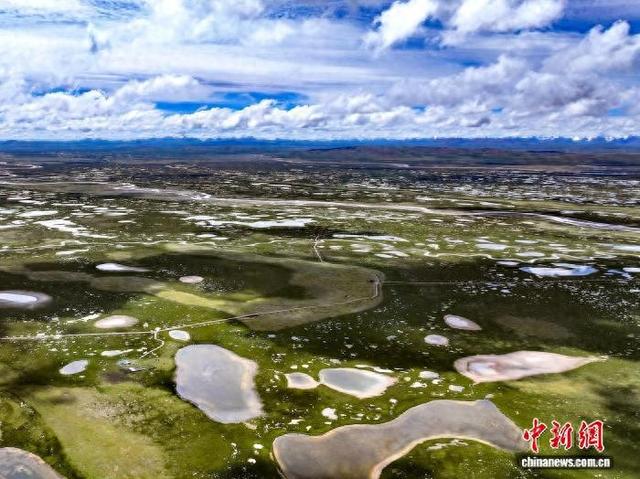
Core Viewpoint - Qinghai Province has made significant progress in the construction of national parks during the 14th Five-Year Plan period, with a total funding of 8.384 billion yuan allocated for the creation and construction of national parks [1] Group 1: National Park Development - Qinghai Province is the only province in China currently constructing three national parks simultaneously, transitioning from a pilot phase to a new stage of high-quality development [1] - The province has adjusted 109 various natural protection areas into 83 categorized areas, with national parks accounting for 75% of the total area of natural protection sites [1] - The Sanjiangyuan National Park has officially been established, becoming the first batch and the largest national park in the country [1] Group 2: Ecological Improvements - The area of degraded grassland improved in the Qilian Mountain region accounts for 69.42%, with an increase of 473.09 square kilometers in vegetation cover [2] - The water area of Qinghai Lake has expanded from 4,244.5 square kilometers in 2004 to 4,650.08 square kilometers in 2024, with water quality from eight rivers entering the lake meeting Class II standards [2] - The comprehensive vegetation coverage around Qinghai Lake has reached 62.8%, and the wetland protection rate stands at 69% [2] Group 3: Economic and Employment Impact - The ecological caretakers in the national parks receive an annual remuneration of 21,600 yuan each, with 20,843 ecological caretakers benefiting from this initiative [1] - The establishment of the Kambula World Geopark has been officially approved, contributing to the local economy and employment [1]
“十四五”时期 青海下达80余亿元建设3个国家公园
Zhong Guo Xin Wen Wang· 2026-01-05 10:55
Core Insights - Qinghai Province has allocated 8.384 billion yuan for the creation and construction of national parks during the 14th Five-Year Plan period, focusing on the Sanjiangyuan, Qilian Mountain, and Qinghai Lake national parks [1] - Qinghai is the only province in China currently constructing three national parks simultaneously, with Sanjiangyuan aiming to be one of the first and largest national parks in the country [1] Group 1 - The province has adjusted 109 natural protection areas into 83 categories, with national parks accounting for 75% of the total area of natural protection sites [2] - Significant projects such as black soil beach governance, desertification control, and wetland protection have enhanced the water source "reservoir" function of the Sanjiangyuan national park [2] - Each ecological caretaker in the national park receives an annual remuneration of 21,600 yuan, with 20,843 caretakers benefiting from this initiative [2] Group 2 - The Qilian Mountain national park passed national assessment and is in the preparation stage for establishment, while the Qinghai Lake national park completed its creation task in 2023 and is currently in the evaluation phase [4] - In the Qilian Mountain area, the area of degraded grassland improved by 69.42%, with vegetation area increasing by 473.09 square kilometers, and the national park itself saw an increase of 51.27 square kilometers [4] - The water area of Qinghai Lake increased from 4,244.5 square kilometers in 2004 to 4,650.08 square kilometers in 2024, with water quality of eight inflowing rivers meeting Class II standards and a 100% excellent rate for surface water quality monitoring [4]

1月1日起正式施行 国家公园法将如何助力美丽中国建设?
Xin Lang Cai Jing· 2026-01-02 14:21
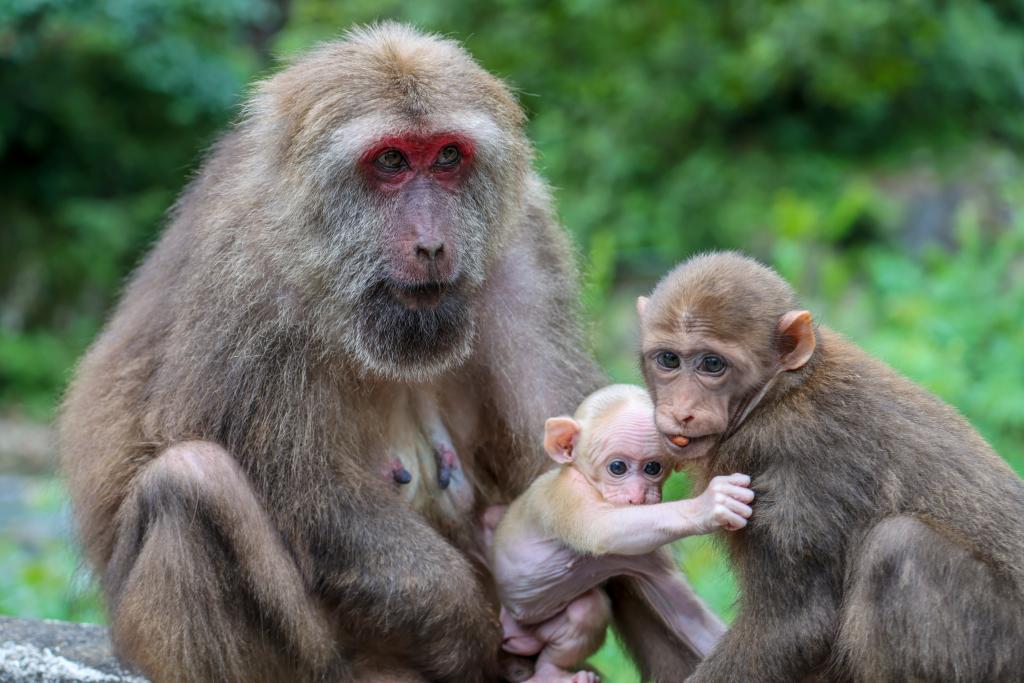
Core Viewpoint - The National Park Law, effective from January 1, 2026, marks a new phase of legal and standardized development for national parks in China, aiming to combine protection and development for a beautiful China. Group 1: National Park Law Implementation - The National Park Law categorizes national parks into core protection areas and general control areas, allowing for differentiated management measures based on ecological characteristics and management goals [1] - The law considers the unique ecological and geographical characteristics of each national park, enabling flexible management tailored to local conditions [1] Group 2: Achievements of the First Batch of National Parks - The first batch of five national parks covers approximately 230,000 square kilometers, integrating over 120 natural protected areas for comprehensive ecological protection and governance [2] - Significant wildlife recovery has been reported, including over 70,000 Tibetan antelopes in Sanjiangyuan National Park, around 70 wild Siberian tigers and 80 leopards in Northeast Tiger and Leopard National Park, and protection of over 70% of China's wild giant pandas in the Giant Panda National Park [3] Group 3: Ecological Contributions - National parks contribute significantly to carbon fixation and oxygen release, with Hainan Tropical Rainforest National Park being home to the only growing population of Hainan gibbons globally [4] - Wuyi Mountain National Park protects a dual heritage of natural and cultural significance, serving as a complete gene pool for subtropical forests at the same latitude [4] Group 4: Community Involvement and Economic Benefits - Nearly 50,000 local residents have been employed as ecological guardians in the first batch of national parks, with more opportunities expected in upcoming national parks [5] - Hainan Tropical Rainforest National Park focuses on integrating park development with local community benefits, promoting industries such as tea, mushrooms, and traditional medicine, while enhancing tourism and local economic development [11] Group 5: Future National Parks - A total of 49 candidate areas for national parks have been identified, with 18 currently undergoing preliminary establishment work, emphasizing a careful and regulated approach to new park creation [12]
大美绽放!国家公园法施行
Xin Hua She· 2026-01-01 03:56
Core Viewpoint - The National Park Law, the first specialized legislation regarding national parks in China, will take effect on January 1, 2026, marking a new phase of legal and standardized development for the national park system in the country [1]. Group 1: National Park Establishment and Management - The first five national parks have shown significant construction results, and there is public interest in when the second batch will be established [3]. - The law stipulates that the establishment of national parks will be based on the distribution of natural ecological spaces and systematic protection needs, requiring a spatial layout plan and candidate area selection [3]. - The establishment of new national parks will follow a principle of "establishing one as it matures," rather than rushing to increase quantity [3]. Group 2: Protection and Development Strategies - National parks will be divided into core protection areas and general control areas, with differentiated management measures to ensure ecological safety while allowing for scientific use and community development [5]. - The law recognizes the significant ecological and resource differences among national parks, allowing for flexible management measures tailored to local conditions [7]. - Specific measures will be developed to align with the National Park Law, including an "one park, one policy" system and administrative penalty lists [8]. Group 3: Community Engagement and Benefits - National parks are seen as high-quality ecological systems that can provide benefits to communities, with initiatives to explore tourism and community services to increase local income [10]. - The law encourages public engagement through free open days and volunteer activities related to national parks, transforming the public from observers to participants [12].
新华鲜报丨大美绽放!国家公园法施行
Xin Hua She· 2026-01-01 03:46
Core Viewpoint - The National Park Law, China's first specialized legislation on national parks, will take effect on January 1, 2026, marking a new phase of legal and standardized development for the national park system in China [1]. Group 1: National Park Establishment - The first five national parks have shown significant construction results, and there is public interest in when the second batch will be established [3]. - The law stipulates that the establishment of national parks will be based on the distribution of natural ecological spaces and systematic protection needs, requiring a spatial layout plan and candidate area selection [3]. - The establishment of new national parks will follow a principle of "one mature, one established," ensuring a gradual and orderly process rather than a rapid increase in quantity [3]. Group 2: Protection and Management - National parks will be divided into core protection areas and general control areas, with differentiated management measures based on ecological characteristics and functional goals [5]. - The law considers the unique ecological and geographical characteristics of each national park, allowing for flexible management measures tailored to local conditions [7]. - A "one park, one policy" system is being initiated to create practical measures that align with the National Park Law [8]. Group 3: Community Benefits and Public Engagement - National parks are seen as high-quality ecological systems that can benefit communities through various industries, such as eco-tourism and local product offerings [10]. - The law encourages public engagement through free open days and volunteer activities, allowing the public to transition from observers to participants in nature conservation [12]. - Educational initiatives are being implemented to raise awareness about national parks and their conservation efforts among students and local communities [12].
国家公园法实施与志愿行动系列活动在海口启动
Xin Lang Cai Jing· 2025-12-29 11:01
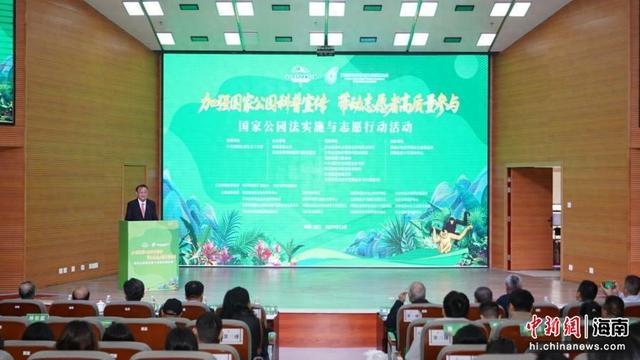
Group 1 - The event "Implementation of the National Park Law and Volunteer Action" was launched in Haikou, focusing on promoting public awareness of national parks and encouraging high-quality volunteer participation [1][2] - Key figures, including experts and representatives from various sectors, emphasized the significance of national park construction and called for collective efforts in ecological protection [2] - A signing ceremony for the Tan Feng Yang Wetland Park project was held, aiming to create a sustainable development model through various empowerment initiatives [2] Group 2 - The establishment of the National Park Volunteer Service Team and ten volunteer teams from universities in Hainan was announced, with 100 volunteers pledging their commitment to national park protection [2][3] - A thematic sharing session featured discussions on legal frameworks for balancing interests in national park construction and the integration of artistic creation with ecological protection [3] - An international art exhibition titled "Man and Nature - I Love the Hainan Gibbon, I Love Hainan Island" was launched, showcasing over 1,000 artworks from around the world, with selected pieces displayed both online and offline [3][4]
雨林为底山为卷 共生共绘新图景
Hai Nan Ri Bao· 2025-12-08 01:54
Core Insights - The "Rainforest and You" experience event in 2025 was launched in Changjiang, showcasing the integration of ecological conservation and cultural heritage through various activities [1][4] - The event has evolved into a comprehensive brand that promotes ecological experience, scientific education, cultural transmission, sports leisure, and industry support, becoming a significant platform for biodiversity protection [1][4] Event Highlights - The main event featured a live performance titled "Dreamlike Rainforest, Pure Li Township," which utilized the natural landscape as a stage, breaking traditional performance boundaries [2] - The event included 23 unique activities across five major sections, attracting public participation and enhancing awareness of rainforest conservation [1][8] - The performance showcased traditional Li ethnic culture and highlighted the conservation success of the Hainan gibbon, which has increased from a critically endangered status to 42 individuals across seven groups [2][5] International Collaboration - An international seminar was held with experts from the US, Germany, and Malaysia, focusing on sharing experiences in national park conservation and promoting high-quality development of the Hainan Tropical Rainforest National Park [5][6] - The seminar emphasized the importance of Hainan gibbon protection, with the species being the only one among 20 Asian gibbon species to show population growth [5][6] Community Engagement - The event featured various activities such as a public sports experience led by Olympic champions, rock climbing competitions, and nature exploration, encouraging community involvement and appreciation for the rainforest [7][8] - The activities were designed to cater to diverse public interests, including cultural, sports, artistic, and family-oriented events, fostering a deeper connection between participants and the rainforest [9][10] Future Prospects - The Hainan Tropical Rainforest National Park plans to continue optimizing the "Rainforest and You" experience, introducing more projects that combine ecology, culture, and sports to further engage the public in rainforest conservation [9][10]
海南热带雨林国家公园设立以来新发现物种80余种
Zhong Guo Xin Wen Wang· 2025-11-16 01:34
Core Viewpoint - The Hainan Tropical Rainforest National Park has shown significant progress since its establishment, with over 80 new species discovered and a growing population of Hainan gibbons, marking it as the only gibbon population globally that is continuously increasing [1] Group 1: Ecological Protection and Management - The Hainan Tropical Rainforest National Park has implemented a grid management system, dividing the park into over 1,700 grids to enforce management responsibilities [1] - A total of 22.89 million mu of artificial forest has been withdrawn, and all 459 households (1,975 individuals) in the core area have completed ecological relocation [1] - The park has improved its infrastructure by constructing and renovating protection stations and forest fire roads [1] Group 2: Green Development and Economic Impact - The GEP (Gross Ecosystem Product) value has increased from 204.51 billion to 208.75 billion, with the introduction of financial products like "GEP loans" [2] - The park has developed a list of ecological products and completed the first transaction of a carbon sink product, enhancing product sales [2] - A 466-kilometer tourism road has been built to connect scenic spots, local villages, and cuisine, strengthening the green industry foundation in the area [2] Group 3: Community and Livelihood Improvement - Hainan has invested 179 million yuan in improving living conditions in 56 villages within the national park [2] - The park has created 231 community ecological caretaker positions, prioritizing the hiring of 1,350 local residents as ecological forest rangers [2] - A differentiated compensation scheme for non-state-owned public welfare forests has been implemented to ensure local farmers benefit from the national park [2] Group 4: Governance and Monitoring Enhancements - The Hainan National Park has established a smart management platform that integrates with the national park perception system for real-time data sharing [3] - Four ecological system observation stations have been networked within the park, utilizing data from various departments for monitoring [3] - A comprehensive ecological environment monitoring network has been initiated, significantly improving the ability to detect and address forest resource damage early [3]