开门杀

Search documents
法治在线丨突然开门下车酿悲剧 “开门杀”法律责任如何界定?
Yang Shi Xin Wen· 2025-11-13 07:12
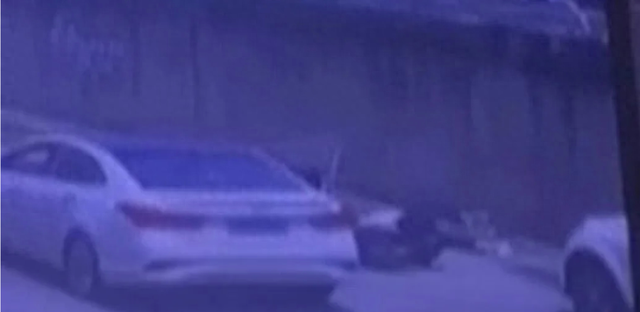
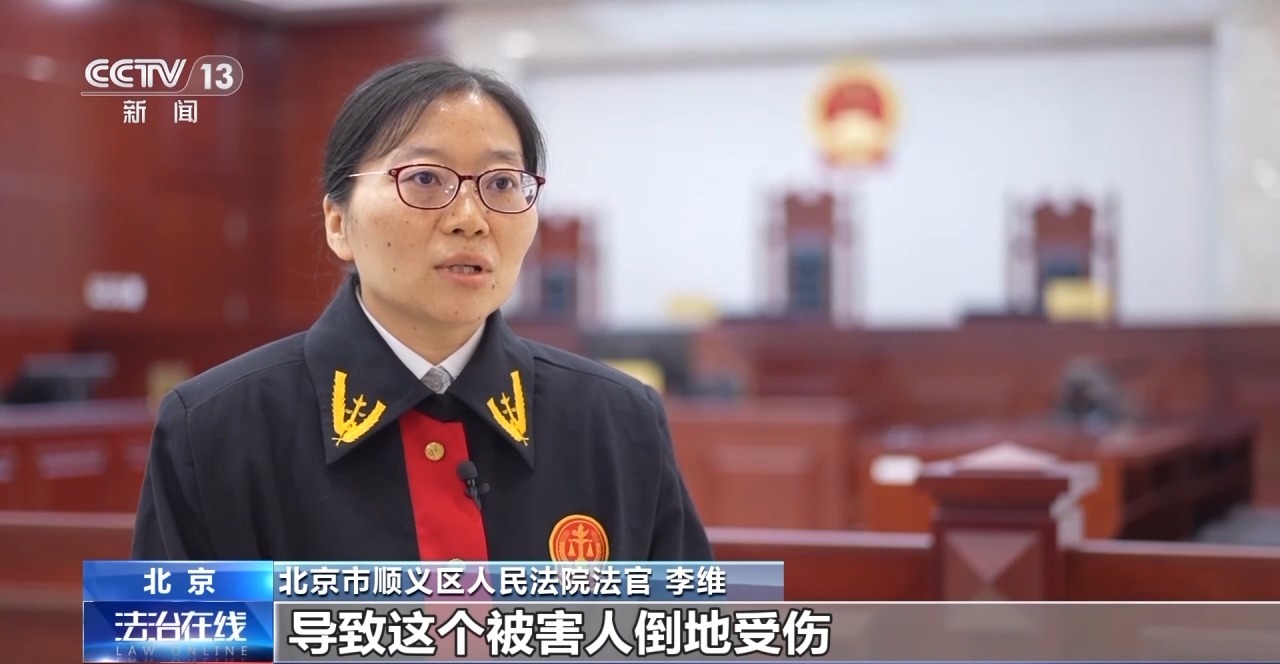
Core Points - The article discusses a tragic incident in Beijing where a driver opened a car door without checking for oncoming traffic, resulting in the death of a cyclist [1][4][6] - The driver, Zhao, was found fully responsible for the accident and was later charged with traffic manslaughter [8][12] - Legal implications of "dooring" incidents are highlighted, including potential criminal charges and insurance liability [19][21] Group 1: Incident Details - The accident occurred on May 21, when a white car parked illegally opened its door, causing a cyclist to crash and sustain severe injuries [1][3] - The cyclist, Zhang, suffered critical brain injuries and died four days later despite medical efforts [4][6] - Zhao, the driver, was found to have parked in a no-parking zone and failed to check for traffic before opening the door, violating traffic safety laws [6][10] Group 2: Legal Proceedings - The case was prosecuted by the Beijing Shunyi District People's Procuratorate, leading to a court hearing on October 16, 2025 [8][12] - Zhao admitted to his actions in court, and the court ruled that his behavior constituted traffic manslaughter, sentencing him to one year and two months in prison [12][18] - Legal experts noted that in severe cases of "doorings," the responsible party could face various charges depending on the circumstances [14][16] Group 3: Insurance and Liability - The Supreme People's Court issued a draft opinion to clarify liability in "dooring" incidents, stating that both drivers and passengers can be held responsible [19][21] - The draft allows victims to claim insurance from the vehicle's liability coverage without being hindered by the passenger's status [21][25] - Insurance companies are granted the right to seek compensation from passengers who exhibit gross negligence, balancing victim compensation and risk management [25][27] Group 4: Prevention Methods - The article suggests methods to prevent "dooring" incidents, such as the "Dutch reach" technique, which involves using the hand furthest from the door to open it [28][30] - Another recommended method is the "two-stage door opening," where the door is first opened slightly to check for traffic before fully opening [31][33] - Pedestrians and cyclists are advised to maintain a safe distance from parked vehicles and be cautious when approaching them [35]

遭遇“开门杀”,到底该谁担责? 最高法拟规定:遭遇“开门杀”,保险也要赔
Mei Ri Jing Ji Xin Wen· 2025-11-12 16:02
Core Viewpoint - The recent draft from the Supreme People's Court aims to clarify the legal responsibilities and insurance claims related to "dooring" accidents, which have been a contentious issue in traffic accident liability [1][3]. Group 1: Legal Clarifications - The draft proposes that when a vehicle passenger opens a door and causes harm to others, the liability should primarily fall on the vehicle's insurance, regardless of whether the passenger is deemed at fault [3][4]. - It specifies that insurance companies cannot deny compensation by claiming the passenger is not an insured driver, thus protecting the rights of the injured parties [4][6]. Group 2: Impact on Insurance Practices - The inclusion of "door-related" risks in the main insurance liability may lead to changes in insurance pricing, with a potential increase in base rates due to adjustments in actuarial models [5][6]. - Insurers may focus on monitoring high-risk groups, such as ride-hailing services, and implement differentiated pricing strategies [6][7]. - The draft also suggests that insurers will need to enhance their claims processes and recovery mechanisms to ensure timely compensation and effective recourse against negligent parties [6][7].
最高法出手整治“开门杀”,交通事故责任认定迎来统一标准
Hua Xia Shi Bao· 2025-11-12 12:40
Core Viewpoint - The Supreme People's Court is seeking public opinion on a draft interpretation regarding traffic accident liability, specifically addressing the issue of "door kill" accidents, aiming to clarify responsibility and insurance compensation mechanisms [1][2][3] Group 1: Legal and Regulatory Changes - The draft interpretation aims to establish clear guidelines for liability in "door kill" accidents, which have become more frequent and complex, leading to significant legal disputes and resource consumption in the judicial system [1][2] - The new regulation allows victims to claim compensation from the passenger responsible for opening the door, categorizing it as a liability of the "motor vehicle party," thus obligating insurance companies to compensate under mandatory and commercial insurance [3][4] Group 2: Insurance Implications - Insurance companies can no longer refuse compensation by claiming that the passenger is not covered under the policy, fundamentally changing the insurance landscape for such accidents [3][4] - The draft also details the rights of insurance companies regarding subrogation, allowing them to pursue recovery from passengers only in cases of intentional harm, while generally prohibiting recovery from passengers unless they are family members of the insured [5] Group 3: Industry Impact and Risk Assessment - The implementation of the new rules is expected to lead to significant changes in car insurance product design and claims processes, with a focus on incorporating human factors such as driving habits and passenger types into risk pricing [6][7] - The new regulations may result in a structural adjustment of insurance premiums, with high-risk groups facing increased costs while low-risk users may benefit from lower premiums [6][7] Group 4: Recommendations for Improvement - Industry experts suggest that insurance companies should develop specialized insurance products for commercial vehicles and enhance risk management through technology, such as installing door reminders and cameras [7] - The overall effectiveness of the new regulations will depend on the collaboration between the judiciary, regulatory bodies, and insurance companies to promote a safer culture around passenger loading and unloading [7]
最高法拟规定乘客“开门杀”保险也要赔 业内:车险定价中的“从人”因素将增加
Mei Ri Jing Ji Xin Wen· 2025-11-10 09:57
Core Viewpoint - The Supreme People's Court has proposed a draft to clarify legal responsibilities and insurance compensation related to "dooring" accidents, aiming to resolve long-standing disputes in insurance claims and enhance the protection of victims' rights [1][4]. Group 1: Legal Clarifications - The draft explicitly states that if a passenger opens a car door and causes damage to others, the liability falls under the vehicle's insurance coverage, allowing victims to claim compensation from the mandatory traffic accident liability insurance [4][5]. - The draft indicates that insurance companies cannot deny compensation by claiming that the passenger is not an insured driver, thus protecting the rights of the injured parties [5][6]. Group 2: Impact on Insurance Practices - The proposed regulations are expected to lead to a clearer division of responsibilities between the vehicle owner and the passenger, ensuring that victims receive timely compensation regardless of the passenger's fault [5][7]. - Insurance companies may need to adjust their pricing models to account for the increased risk associated with "doorings," potentially leading to higher base rates and differentiated pricing strategies [7][8]. Group 3: Industry Implications - The inclusion of "doorings" in the main insurance liability scope may prompt insurance firms to enhance their claims processes and recovery mechanisms, ensuring efficient compensation while managing the increased workload from subrogation claims [7][8]. - The draft encourages a more proactive approach from all vehicle users regarding their responsibilities, particularly in preventing accidents caused by negligence when opening doors [6][7].
乘客“开门杀”、“好意同乘”遇车祸……这些热点问题如何定责?一文了解
Yang Shi Wang· 2025-11-10 01:57
Core Points - The Supreme People's Court is seeking public opinion on the interpretation of laws regarding traffic accident liability disputes, with a deadline for feedback set for November 15 [1] Group 1: Passenger Liability - The draft stipulates that if a passenger opens a car door and causes harm to others, the liability falls under the motor vehicle's responsibility, allowing the injured party to claim compensation from the vehicle's insurance [2] - Legal expert Yue Shanshan emphasizes that this classification treats the passenger's action as a specific risk associated with the vehicle's use, rather than an independent tort by the passenger [4] Group 2: Electric Bicycle Accidents - In cases where an electric bicycle causes injury to a motor vehicle occupant, the court will consider the degree of fault of the electric bicycle operator, the consequences of the damage, and the danger level of the involved vehicles when determining compensation [4][6] - Yue notes that this comprehensive assessment will ensure that dangerous behaviors, such as illegal modifications or speeding, are accurately reflected in civil compensation [6] Group 3: Good Samaritan Rides - The draft states that in non-commercial vehicle accidents involving unpaid passengers, the court will evaluate the driver's major fault based on the traffic accident report and other relevant factors [6][8] - Yue explains that this approach protects well-meaning drivers from excessive liability while ensuring that passengers' rights are safeguarded when the driver is significantly at fault [8]
明确“开门杀”责任 最高法拟推出司法解释
Bei Jing Shang Bao· 2025-11-09 16:04
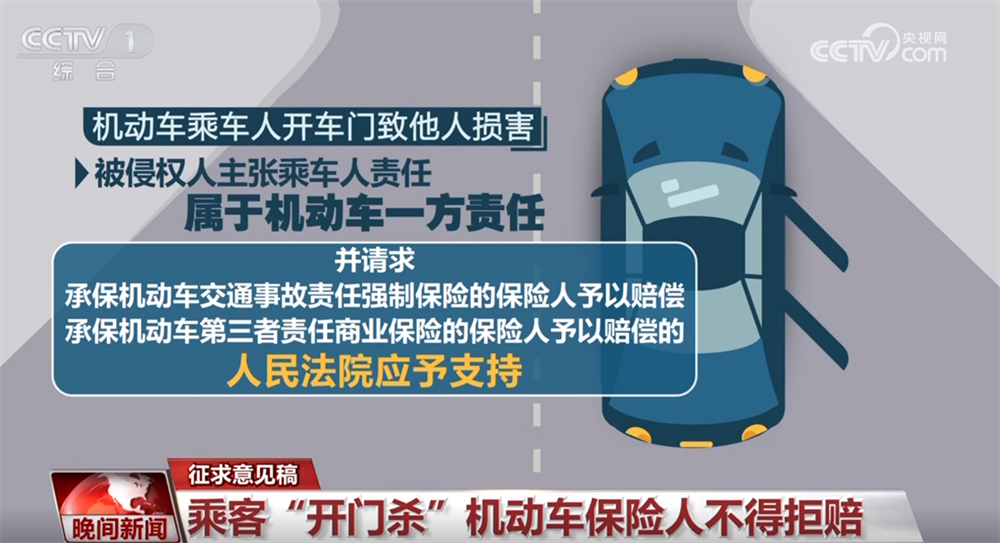
Core Viewpoint - The Supreme People's Court of China is seeking public opinion on a draft interpretation regarding traffic accident liability, specifically addressing the issue of "door opening accidents" which have become a significant concern for road safety and insurance claims [1][2]. Group 1: Legal Framework and Responsibilities - The draft interpretation clarifies that if a passenger opens a car door and causes damage, the liability falls under the vehicle's responsibility, allowing victims to claim compensation from the vehicle's mandatory traffic accident liability insurance [3][4]. - The draft also states that insurance companies cannot refuse to compensate victims by claiming that the passenger is not an insured driver, thereby preventing common denial of claims [3][6]. Group 2: Impact on Insurance Practices - The proposed regulations are expected to reshape insurance claims processes and the overall insurance industry, prompting companies to reassess their commercial vehicle insurance policies and definitions related to insured drivers and vehicle usage [8][9]. - Insurance companies will need to establish internal standards for pursuing claims against passengers who are found to have significant fault in "door opening accidents," ensuring compliance with the new legal framework [8][9]. Group 3: Broader Implications - The draft interpretation aims to enhance the clarity of liability in "door opening accidents," which have been a persistent issue in urban road safety, thus facilitating quicker compensation for victims [5][6]. - The proposed changes reflect a broader effort to address ambiguities in traffic accident liability and insurance responsibilities, potentially leading to a more standardized and fair approach to traffic accident claims [8][9].
最高法公开征求意见!“开门杀”保险赔偿不明确或成过去时
Bei Jing Shang Bao· 2025-11-09 14:33
Core Viewpoint - The Supreme People's Court of China is seeking public opinion on a draft interpretation regarding traffic accident liability, specifically addressing the issue of "door opening accidents" which have become a significant concern for urban road safety [3][4][5] Group 1: Legislative Developments - The draft interpretation aims to clarify the liability and insurance compensation rules for "door opening accidents," categorizing the actions of passengers as the responsibility of the motor vehicle [5][8] - The draft proposes that insurance companies cannot refuse compensation by claiming that the passenger is not a covered driver, thereby enhancing protection for victims [8][10] - The public consultation period for the draft interpretation is set to end on November 15 [4] Group 2: Impact on Insurance Practices - If implemented, the draft interpretation is expected to streamline the insurance claims process, allowing victims to claim directly from the motor vehicle's insurance without disputes over liability [10][11] - Insurance companies will need to reassess their commercial vehicle insurance policies to align with the new regulations, particularly regarding definitions of "insured persons" and "use of the insured vehicle" [11][12] - The draft interpretation also addresses other insurance responsibilities, indicating a broader effort to clarify legal ambiguities in traffic accident cases [11][12] Group 3: Social Implications - The prevalence of "door opening accidents" is highlighted, with data suggesting that 30% of such incidents may lead to secondary accidents, increasing overall road safety risks [7] - The proposed regulations are seen as a response to public concern over the safety and rights of individuals on the road, emphasizing the need for responsible behavior from both drivers and passengers [10][12] - The draft interpretation aims to foster a culture of safety awareness among all road users, potentially reshaping public attitudes towards responsibility in traffic situations [10][11]
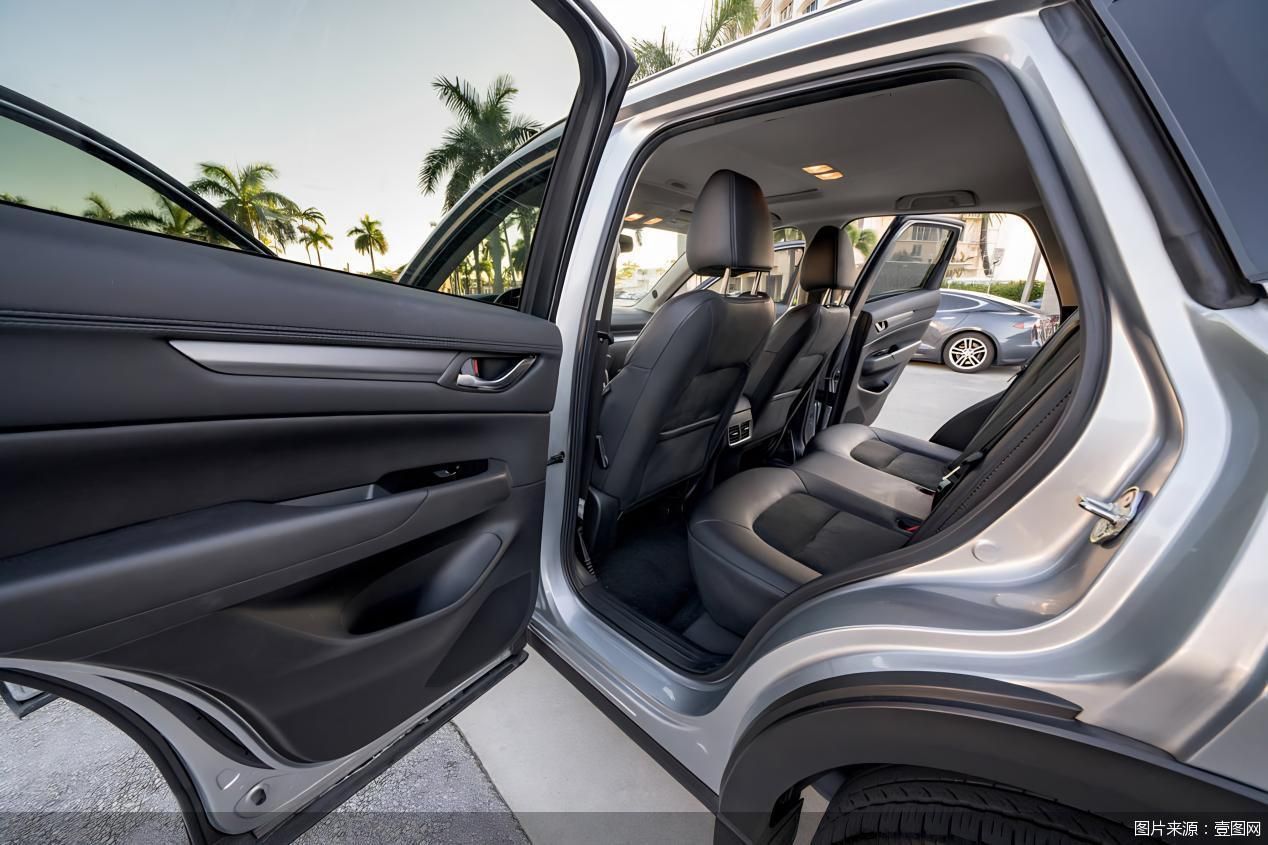
明确“开门杀”“好意同乘”责任划分、引导电动自行车强化规则意识……这些案例值得关注
Xin Hua Wang· 2025-10-30 09:36
Group 1 - The Supreme People's Court of China released six typical cases of traffic accident liability disputes to guide safe and civilized travel, emphasizing the importance of traffic safety for the public [1] - The case of "opening the door" highlights the shared responsibility of drivers and passengers, where both parties must exercise caution to prevent accidents, resulting in compensation of over 240,000 yuan for the victim [1] - The ruling reinforces the role of insurance in protecting victims while also raising awareness among drivers and passengers about their responsibilities [1] Group 2 - In the case of "Zhao vs. Qian," the court reduced the driver's liability due to the passenger's failure to wear a seatbelt, establishing a precedent for shared responsibility in "good Samaritan" situations [2] - The rise of ride-hailing services has prompted discussions on the liability of platform companies in ensuring passenger safety during rides [2] - The case involving a ride-hailing driver who caused injury to a passenger led to the court holding the platform company liable, emphasizing the need for proper management and safety protocols [2] Group 3 - The increasing popularity of electric bicycles has raised concerns about traffic violations and accidents, prompting legal scrutiny on liability in such cases [3] - In the case of "He vs. Li," the electric bicycle rider was found fully responsible for an accident, highlighting the need for electric bicycle riders to be aware of traffic rules and responsibilities [3] - The court's decision to hold the electric bicycle rider accountable serves as a reminder for all road users to enhance their awareness of traffic regulations and safety [3]
最高人民法院发布交通事故责任纠纷典型案例
Zhong Guo Xin Wen Wang· 2025-10-30 04:20
Core Viewpoint - The Supreme People's Court of China has released six typical cases regarding traffic accident liability disputes, emphasizing the importance of timely and adequate relief for victims, reasonable determination of responsibilities among parties involved, and the need to enhance awareness of traffic rules among participants [1][2][3]. Group 1: Timely Relief for Victims - The increase in non-motorized vehicles, particularly electric bicycles, has led to more traffic accidents, necessitating a focus on ensuring victims receive timely and adequate compensation [1]. - In case 3, the court determined the liability of the electric bicycle driver for injuries caused to a motor vehicle driver, balancing the degree of fault and the nature of the vehicles involved to ensure victim relief and promote awareness among electric bicycle users [1][3]. Group 2: Reasonable Determination of Responsibilities - Traffic accident liability disputes involve multiple parties, including drivers, victims, passengers, insurance companies, and ride-hailing platforms, requiring courts to clarify legal relationships and accurately assign responsibility [2]. - In case 2, the court applied the principle of "good Samaritan" to reduce the driver's liability, encouraging a culture of mutual assistance while enhancing the driver's awareness of responsibility [2]. - In case 4, the court recognized the contractual relationship between passengers and ride-hailing platforms, holding the platform accountable for passenger injuries, thereby promoting safety management within the industry [2]. Group 3: Enhancing Awareness of Traffic Rules - Traffic rules are essential for reducing accidents and maintaining order, and all participants must adhere to them [3]. - In case 1, the court ruled that both the driver and passenger of a motor vehicle share responsibility for damages caused by the passenger opening the door, emphasizing the need for caution and awareness during such actions [3]. - In case 6, the court upheld administrative penalties against non-motorized vehicle drivers who violated traffic signals, reinforcing the importance of compliance with traffic regulations [3].
赔偿152万元!乘客开门致人重伤,司机全责!
Bei Jing Ri Bao Ke Hu Duan· 2025-10-23 07:46
Core Viewpoint - The court ruled that the driver of a parked car was fully responsible for an accident caused by a passenger opening the door without ensuring safety, resulting in severe injuries to the cyclist [4][3]. Summary by Sections Accident Details - In June 2023, a parked car left a gap of about 1 meter from the roadside when a passenger opened the door, colliding with a cyclist, Liu, who suffered severe head injuries and has been in a coma for over two years [3][4]. - Liu was hospitalized for a total of 232 days across two hospitals, with injuries classified as both first and eighth degree disabilities [3]. Legal Proceedings - The local traffic police determined that the driver, Xu, was entirely at fault for the accident, a decision upheld upon review [3][4]. - The court ordered Xu to pay a total of approximately 1.52 million yuan in damages, as the vehicle lacked third-party commercial insurance [4]. "Dooring" Incident Explanation - The term "dooring" refers to accidents where a driver or passenger opens a car door without checking for oncoming traffic, leading to collisions with cyclists or pedestrians [4][5]. - Such incidents can cause secondary accidents, where the injured party may be hit by other vehicles while falling [5]. Prevention Measures - To avoid "dooring" incidents, drivers should adopt safe parking habits, ensuring they do not obstruct traffic [6]. - Passengers should exit from the right side of the vehicle and avoid opening doors in traffic lanes [6][7]. - Drivers should remind passengers to check for oncoming traffic before opening doors, and utilize the "Dutch reach" method to improve visibility [7][8]. Cyclist Safety Tips - Cyclists should slow down and maintain a safe distance from parked vehicles to avoid sudden door openings [10].