核扩散

Search documents
泽连斯基:“乐意”从英法接收核武器
Xin Lang Cai Jing· 2026-02-28 03:43
Core Viewpoint - Ukrainian President Zelensky expressed his willingness to receive nuclear weapons from the UK and France, although he clarified that he has not made any formal proposals regarding this matter [1]. Group 1: Statements from Ukrainian Leadership - Zelensky stated he would be "happy" to accept nuclear weapons from the UK and France during an interview, indicating a potential shift in Ukraine's defense strategy [1]. - The President's comments come amid ongoing discussions about Ukraine's military capabilities and the need for stronger defense measures against Russia [1]. Group 2: Reactions from Russia - The Russian Foreign Intelligence Service claimed that the UK and France are preparing to provide nuclear bombs to Kyiv, suggesting that such a move could lead to more favorable conditions for Ukraine in ending hostilities [1]. - The Russian Foreign Ministry labeled the idea of the UK and France assisting Ukraine in acquiring nuclear weapons as "unacceptable," warning that it could escalate the situation further [1].
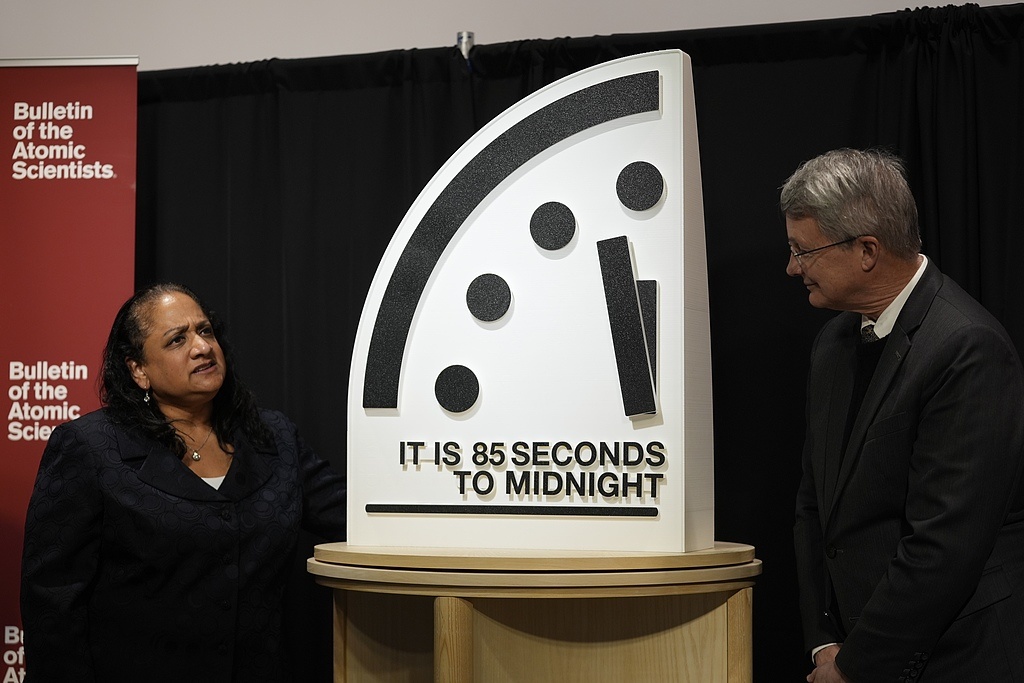
又推进4秒,“末日之钟”倒计时只剩85秒
Huan Qiu Shi Bao· 2026-01-28 23:02
Core Viewpoint - The "Doomsday Clock" has been moved to 85 seconds to midnight, marking the most dangerous level in nearly 80 years, reflecting escalating global risks, particularly nuclear threats and geopolitical tensions [1][3]. Group 1: Doomsday Clock Mechanism - The "Doomsday Clock" was established in 1947 by scientists who developed the first atomic bomb, serving as a warning mechanism for global risks such as nuclear threats and climate change [3]. - The clock's time is adjusted annually based on the perceived existential risks faced by humanity, with the current adjustment reflecting a worsening situation [3]. Group 2: Global Risks and Concerns - The publication's head, Bell, indicated that any government adopting a new imperialistic governance model would push the clock closer to midnight, highlighting the lack of improvement in nuclear risks by 2025 [3]. - Concerns were raised regarding the resurgence of nuclear testing threats, the ongoing Russia-Ukraine conflict, escalating tensions in the Middle East, and the spread of misinformation through artificial intelligence [3][4]. Group 3: Geopolitical Tensions - Since Trump's return to the White House, geopolitical tensions in the Western Hemisphere have intensified, with actions perceived as undermining the existing international order [4]. - Specific actions include the forced control of Venezuelan President Maduro and threats against other Latin American countries, which have damaged transatlantic security cooperation [4]. Group 4: Symbolic Nature of the Clock - The "Doomsday Clock" serves as a symbolic mechanism aimed at raising public awareness of global crises, although some experts have questioned its effectiveness as a metaphor [4]. - Historical context shows that the clock can be reset; for instance, it was moved back to 23:43 in 1991 after the signing of the Strategic Arms Reduction Treaty [4].

石破茂批评拥核言论
日经中文网· 2025-12-29 02:57
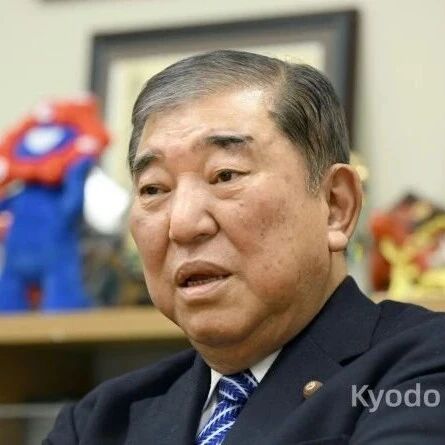
Core Viewpoint - The former Japanese Prime Minister Shigeru Ishiba emphasizes that Japan, as the only country to have experienced nuclear bombing, must uphold its stance on nuclear non-proliferation and cannot entertain discussions that contradict this position, as it may undermine the credibility of the Japan-U.S. alliance [2]. Group 1 - Ishiba criticizes comments made by officials in the current government advocating for Japan to possess nuclear weapons, asserting that such statements are contrary to Japan's historical context and obligations [2]. - He highlights that discussions surrounding nuclear armament involve multiple agreements, including the Treaty on the Non-Proliferation of Nuclear Weapons (NPT) and atomic energy agreements, and that bypassing these documents to directly address nuclear possession sends misleading messages [4].
中国要小心了!日元大跌,经济陷入崩溃,警惕日本动武转移矛盾
Sou Hu Cai Jing· 2025-12-27 11:12
Economic Overview - Japan's economy has been struggling, with a projected GDP growth of only around 1% for 2025, significantly below global averages [1] - The yen has depreciated sharply against the dollar, falling from over 140 to around 156, with a low of 157.76 reached in December [1] - Japan's debt has exceeded 230% of GDP, with interest payments consuming a large portion of the budget, leading to a cycle of increased borrowing for economic stimulus [1] Trade and Export Challenges - While some Japanese exports have benefited, the rising import costs have created difficulties for ordinary citizens [1] - The trade surplus is shrinking, and Japan's foreign reserves are under pressure, necessitating the purchase of U.S. Treasury bonds, which could lead to greater losses as the yen depreciates [1] Political and Military Developments - The rise of right-wing political forces is evident, with the potential election of a hardline leader in 2025, who may push for increased nationalism and military spending [3] - Japan's defense budget is set to exceed 9 trillion yen for the fiscal year 2026, marking a significant increase and indicating a shift towards military expansion [5][7] - Discussions around nuclear capabilities have intensified, with Japan possessing over 44 tons of plutonium, raising concerns about potential military ambitions [3][5] International Relations and Security Concerns - The U.S. has taken a somewhat ambiguous stance on Japan's nuclear discussions, emphasizing Japan's role in nuclear non-proliferation while also offering security assurances [5] - Neighboring countries, including China and North Korea, have expressed concerns over Japan's military expansion and nuclear ambitions, highlighting regional tensions [5][10] - Japan's military cooperation with the Philippines and discussions on missile exports signal a shift in defense strategy, potentially escalating regional conflicts [7][10]

石破茂再批日本拥核言论
Xin Lang Cai Jing· 2025-12-27 08:22
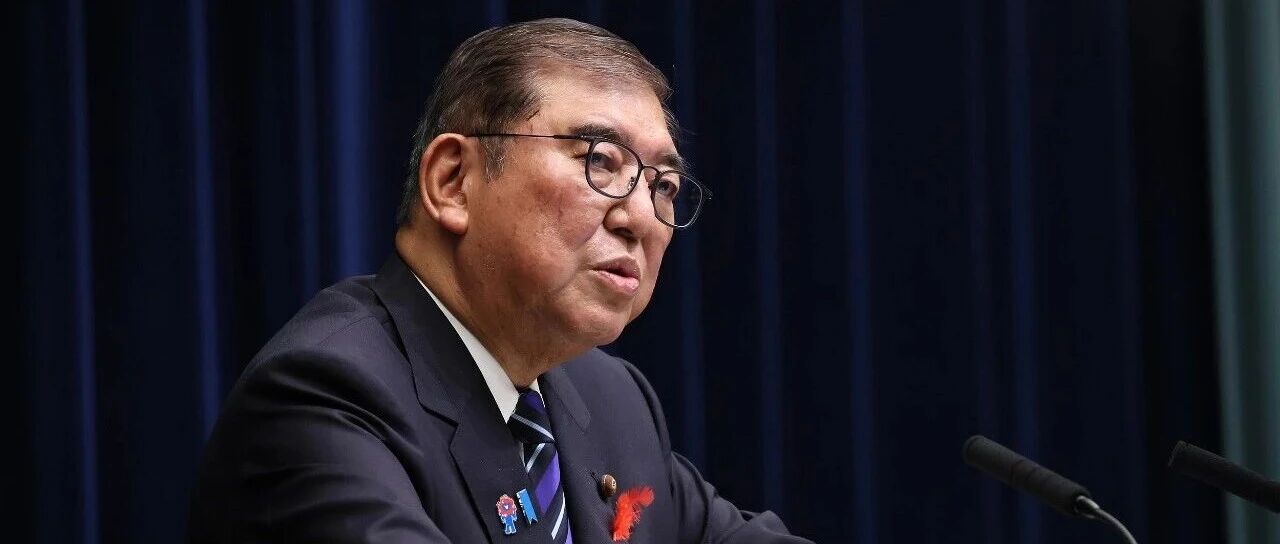
Core Viewpoint - Former Japanese Prime Minister Shigeru Ishiba criticized recent statements from a government official advocating for Japan to possess nuclear weapons, emphasizing Japan's historical stance against nuclear proliferation as the only nation to have experienced atomic bombings [1] Group 1: Government Statements - A government official from the Prime Minister's office expressed the view that "Japan should possess nuclear weapons," which has sparked significant public backlash [1] - The official responsible for this statement is Masayoshi Oe, an aide focused on nuclear disarmament and non-proliferation [1] Group 2: Implications of Nuclear Armament - Ishiba warned that if Japan were to acquire nuclear weapons, it would necessitate withdrawing from the Treaty on the Non-Proliferation of Nuclear Weapons and the International Atomic Energy Agency, undermining Japan's energy policy based on nuclear power [1] - He stated that such a move would not be beneficial for Japan, highlighting the potential negative consequences of deviating from its anti-nuclear stance [1]
石破茂再批“日本拥核”言论
财联社· 2025-12-27 06:49
Core Viewpoint - The article discusses the criticism from former Japanese Prime Minister Shigeru Ishiba regarding a recent statement by a government official advocating for Japan to possess nuclear weapons, emphasizing Japan's historical stance against nuclear proliferation [1][2]. Group 1 - Ishiba argues that as the only country to have experienced atomic bombings, Japan should focus on preventing nuclear proliferation rather than endorsing contrary views [2]. - The official in question, Masayoshi Saito, is an aide responsible for nuclear disarmament and non-proliferation policies [3]. - Ishiba warns that if Japan were to acquire nuclear weapons, it would necessitate withdrawing from the Treaty on the Non-Proliferation of Nuclear Weapons and the International Atomic Energy Agency, undermining Japan's nuclear energy policy [2].
石破茂再批“日本拥核”言论:作为世界上唯一遭受过原子弹轰炸的国家,日本的立场应当是阻止核扩散,不应发表否定言论
Xin Lang Cai Jing· 2025-12-27 06:22
Core Viewpoint - Former Japanese Prime Minister Shigeru Ishiba criticized recent statements from a government official suggesting that Japan should possess nuclear weapons, emphasizing Japan's historical stance against nuclear proliferation as the only nation to have experienced atomic bombings [2][2]. Summary by Relevant Sections - **Nuclear Weapons Debate**: A government official from the Prime Minister's office expressed the view that Japan should have nuclear weapons, which has sparked domestic criticism [2][2]. - **Ishiba's Response**: Ishiba argued that acquiring nuclear weapons would necessitate Japan's withdrawal from the Treaty on the Non-Proliferation of Nuclear Weapons and the International Atomic Energy Agency, undermining Japan's energy policy reliant on nuclear power [2][2][2]. - **Official's Identity**: The official advocating for nuclear armament is identified as Sadamasa Oe, an aide responsible for nuclear disarmament and non-proliferation matters [2].
石破茂再批“日本拥核”言论
Xin Jing Bao· 2025-12-27 05:10
Core Viewpoint - The former Japanese Prime Minister Shigeru Ishiba criticized recent statements from a government official advocating for Japan to possess nuclear weapons, emphasizing Japan's historical stance against nuclear proliferation as the only nation to have experienced atomic bombings [1]. Group 1: Government Statements - A government official from the Prime Minister's office expressed the view that Japan should possess nuclear weapons, which has sparked domestic criticism [1]. - The official responsible for nuclear arms control and non-proliferation matters is Seiji Oe, a special advisor to the Prime Minister [2]. Group 2: Implications of Nuclear Armament - Ishiba warned that if Japan were to acquire nuclear weapons, it would necessitate withdrawing from the Treaty on the Non-Proliferation of Nuclear Weapons and the International Atomic Energy Agency, undermining Japan's energy policy based on nuclear power [1]. - He stated that such a move would not be beneficial for Japan, highlighting the potential negative consequences of deviating from its anti-nuclear stance [1].
日本前首相石破茂再批“日本拥核”言论
Yang Shi Xin Wen· 2025-12-27 04:47
Core Viewpoint - Former Japanese Prime Minister Shigeru Ishiba criticized recent comments from a government official suggesting that Japan should possess nuclear weapons, emphasizing Japan's historical stance against nuclear proliferation as the only nation to have experienced atomic bombings [1][2]. Group 1 - The official in question is Masayoshi Oe, an aide responsible for nuclear disarmament and non-proliferation matters [2]. - Ishiba argued that if Japan were to acquire nuclear weapons, it would necessitate withdrawing from the Treaty on the Non-Proliferation of Nuclear Weapons (NPT) and the International Atomic Energy Agency (IAEA), which would undermine Japan's nuclear energy policy [1]. - The comments made by the official sparked significant public criticism within Japan, highlighting the sensitivity surrounding nuclear issues in the country [1].
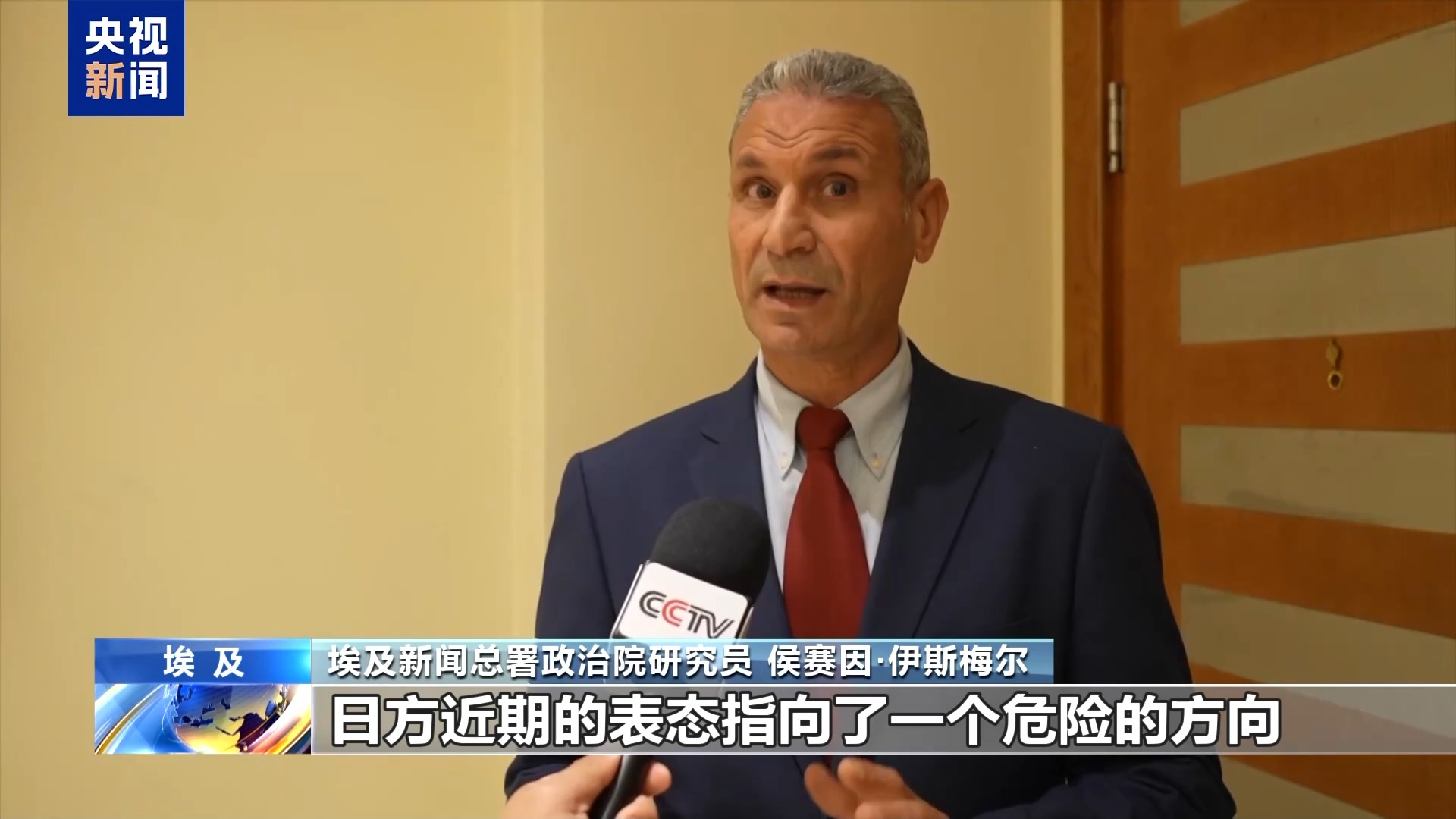
视频丨多国人士:日方 “拥核”言论极端危险 对世界和平构成威胁
Yang Shi Xin Wen Ke Hu Duan· 2025-12-25 10:30
Core Viewpoint - Recent remarks by Japanese Prime Minister Sanae Takaichi regarding Taiwan and statements from Japanese officials advocating for nuclear armament have sparked international criticism, being viewed as provocations against the One China principle and a threat to global security and peace [2][4][5]. Group 1: International Reactions - Richard Morales, a political science professor at the University of Panama, described Takaichi's comments as hostile and aggressive towards China, highlighting that such statements challenge the One China principle and the non-interference in domestic affairs [2]. - Hussein Ismail, a researcher at the Egyptian News Agency, noted that Japan's recent statements represent a dangerous deviation from the post-World War II global order and violate Japan's pacifist constitution and the Treaty on the Non-Proliferation of Nuclear Weapons [4]. - Michael Klare, a professor emeritus at Hampshire College in Massachusetts, expressed that Takaichi's remarks are extremely dangerous and emphasized that Japan should not pursue nuclear weapons but instead play a role in opposing nuclear proliferation [7]. Group 2: Implications for Regional Security - The advocacy for nuclear armament by Japanese officials poses significant risks to global security and peace, indicating a potential shift in Japan's security policy towards a more aggressive stance [5]. - The statements from Japanese leaders could lead to a series of conflicts in the future, raising concerns about the stability of the region [4].