盐碱地综合利用

Search documents
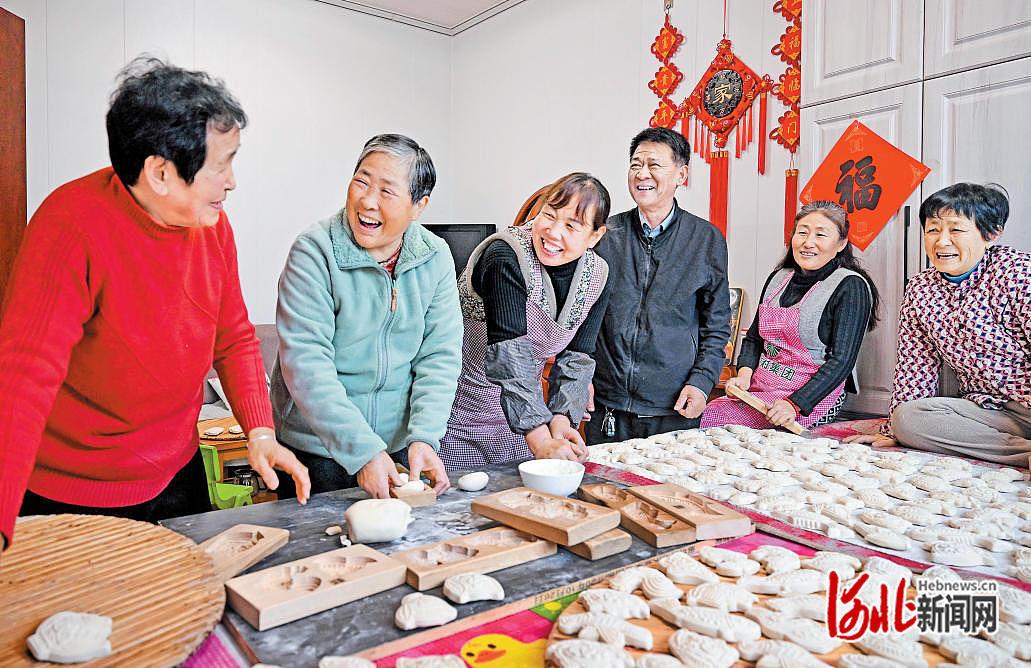
影像记录|黄骅面花蒸出幸福年味
Xin Lang Cai Jing· 2026-02-23 00:09
Group 1 - The tradition of making steamed wheat flowers, known as "mianhua," in Huanghua has a history of over 200 years, symbolizing wishes for a bountiful harvest and happiness during the New Year [5] - The local farmers, such as Zhang Ruixia, have experienced significant improvements in wheat yields, with drought-resistant wheat achieving over 700 pounds per acre, contributing to the production of wheat flour for making mianhua [2][7] - The area of saline-alkali land in Hebei province is substantial, with over 5.8 million acres, and the city of Cangzhou, particularly Huanghua, has the highest degree of soil salinization [7] Group 2 - The production of Huanghua mianhua has expanded from local households to a broader market, utilizing modern technology and traditional methods to enhance quality and shelf life [9] - Hebei Dijiang Food Co., Ltd. employs smart equipment and combines 18 traditional processes with modern preservation techniques to produce mianhua, which is now sold through various channels including online platforms and supermarkets [9][12] - The integration of intangible cultural heritage, agriculture, and e-commerce has allowed the Huanghua mianhua industry to flourish, becoming a significant source of income for local farmers [9]

沧州盐碱地农特产品全链条产值达141亿元
Xin Lang Cai Jing· 2026-02-02 23:10
Core Insights - The city of Cangzhou aims to enhance the comprehensive utilization of saline-alkali land, targeting a total output value of 14.1 billion yuan for agricultural specialty products by the end of 2025 [1] Group 1: Agricultural Development - Cangzhou is focusing on deep processing of agricultural products, particularly those derived from saline-alkali land, to create high-value products such as drought-resistant wheat beer and high-fiber meal replacement powder [1] - The daily processing capacity of drought-resistant wheat products at Xiaoyangren Group has reached 15 tons, with a new production line for crispy wheat snacks capable of producing 13,000 boxes daily now fully operational [1] Group 2: Brand Development - The city is enhancing the brand influence of its agricultural products by establishing a "three-in-one" brand system that includes 11 regional public brands, 13 leading enterprise brands, and 20 specialty product brands [2] - Cangzhou plans to hold 20 promotional and exhibition events by 2025 to increase the recognition and popularity of its specialty products, with "Cangzhou Drought-Resistant Wheat" successfully approved as a provincial public brand [2] Group 3: Technological Empowerment - To improve the quality of agricultural products from saline-alkali land, Cangzhou is actively integrating scientific research capabilities and advancing the application of new processing technologies and results [2] - The establishment of multiple research institutions, including an innovation and research center for drought-resistant wheat processing and products, is underway in Cangzhou High-tech Zone [2] Group 4: Diversification of Agricultural Practices - The city plans to expand the cultivation of drought-resistant wheat while promoting diversified development in agriculture, including the cultivation of winter jujube and alfalfa, as well as the farming of shrimp and other aquatic products [3]
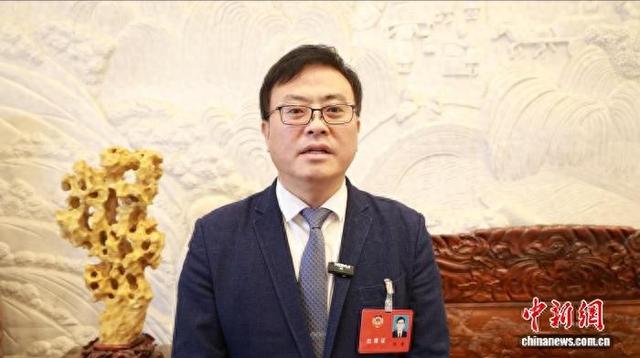
山东省政协常委张建:建设盐生植物“特区”,催生盐碱地新产业
Zhong Guo Xin Wen Wang· 2026-01-28 09:41
Core Viewpoint - The transformation of saline-alkali land into productive agricultural areas is crucial for ensuring national food and ecological security, with the establishment of a national saline plant garden in the Yellow River Delta being a key strategy for comprehensive utilization of saline-alkali land [1][5]. Group 1: Saline-Alkali Land Potential - China has approximately 150 million acres of saline-alkali land, with Shandong province accounting for nearly 9 million acres, primarily located in the Yellow River Delta [3]. - Saline plants are considered "pioneer plants" that can survive in high-salinity environments, improve soil quality, and serve as a genetic resource for salt-tolerant crop breeding [3][5]. Group 2: National Saline Plant Garden - The saline plant garden is viewed as an important carrier for the comprehensive utilization of saline-alkali land, with a historical context of previous attempts to establish such a facility being hindered by urban planning changes [5][7]. - The current "14th Five-Year Plan" emphasizes the need for strengthening the protection of black soil and the comprehensive utilization of saline-alkali land, indicating a timely opportunity for the re-establishment of the national saline plant garden [5][8]. Group 3: Innovation and Ecosystem Development - Shandong has made significant progress in the comprehensive utilization of saline-alkali land, including the establishment of a genetic resource bank for saline plants and a digital breeding accelerator for salt-tolerant plants [5][7]. - The proposed saline plant garden should evolve beyond traditional roles to become a fusion of national strategic technology and ecological economy, incorporating various functional zones for resource protection, technology demonstration, and industry incubation [7][8]. Group 4: Policy and Strategic Recommendations - Despite advancements, challenges remain in the construction of the saline plant garden, including low strategic positioning, insufficient collaborative innovation, and limited government investment [8]. - It is recommended that the national saline plant garden be included as a key project in the Shandong Province's ecological protection and high-quality development plan, with supportive policies and mechanisms established to facilitate its development [8].

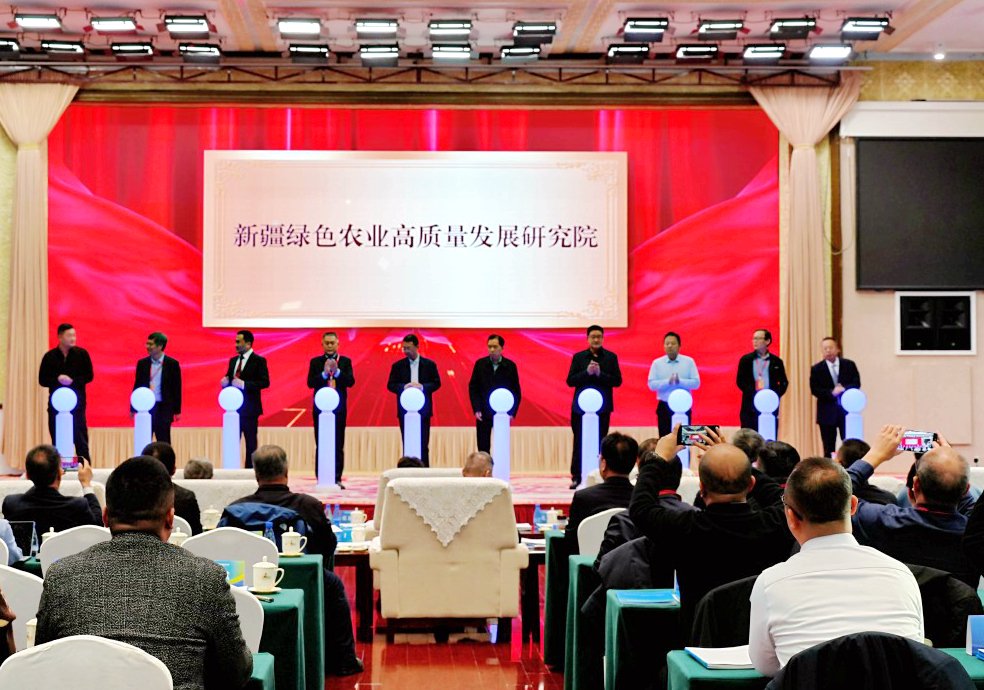
新疆绿色农业高质量发展研究院在乌鲁木齐揭牌成立
Xin Lang Cai Jing· 2026-01-05 10:27
Core Viewpoint - The establishment of the Xinjiang Green Agriculture High-Quality Development Research Institute aims to enhance agricultural productivity, ensure food safety, and protect the ecological environment in Xinjiang through integrated technological innovation and collaboration among various institutions and enterprises [1][2]. Group 1: Research Institute Establishment - The Xinjiang Green Agriculture High-Quality Development Research Institute was inaugurated in Urumqi, initiated by several leading research institutions and enterprises, including the Xinjiang Academy of Agricultural Sciences and China Agricultural University [1]. - The institute will focus on addressing core technological issues that hinder the green transformation of agriculture in Xinjiang, providing systematic solutions for regional development [2]. Group 2: Agricultural Focus and Goals - The research institute will prioritize the comprehensive utilization of saline-alkali land, which constitutes 32.5% of the cultivated area in Xinjiang, as a key area of research [2]. - The institute aims to meet consumer demands for high-quality, nutritious agricultural products while promoting a win-win scenario for consumers, farmers, and the agricultural industry [3].
3000万亩盐碱地用上山东“治碱方”
Da Zhong Ri Bao· 2026-01-01 01:53
Core Insights - The article discusses the successful implementation of a new technology for reclaiming saline-alkali land in Shandong, China, which has transformed 30 million acres of previously barren land into arable land [2][3] Group 1: Technology and Innovation - The National Saline-Alkali Land Comprehensive Utilization Technology Innovation Center has developed a new "saline-alkali treatment" technology that has been applied to 30 million acres, significantly increasing agricultural productivity [2][4] - A new method developed by Shandong Qianshun Soil and Water Management Technology Co., Ltd. involves creating a "barrier wall" with plastic film and using dual-layer "salt-absorption channels" to effectively reduce soil salinity from 12-16‰ to around 3‰ [3] - The center has established the first national accelerated breeding facility for salt-tolerant plants, resulting in the cultivation of 87 new salt-alkali resistant crop varieties [4] Group 2: Agricultural Impact - The reclamation efforts have led to the addition and transformation of 15.07 million acres of farmland, with an expected annual increase in grain production of 73 million pounds [2] - The successful cultivation of crops such as goji berries on previously saline-alkali land has demonstrated the economic potential, with farmers reporting earnings of 5,000 yuan per acre [2] - The initiative aims to expand beyond Shandong, with plans to establish three sub-centers and 16 experimental stations across China to tailor solutions for different soil types [4] Group 3: International Collaboration - The technology and methods developed in Shandong are attracting international interest, with individuals from countries like Kenya seeking to apply these techniques to their own saline-alkali lands [4]
积蓄新动能 厚植新希望——全市上下牢记嘱托感恩奋进推动高质量发展谱新篇
Xin Lang Cai Jing· 2025-12-24 09:46
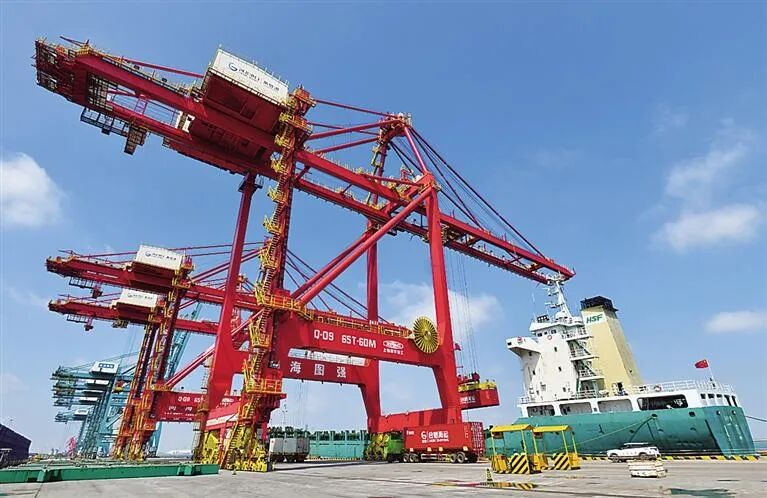
Group 1: Economic Development and Investment - Cangzhou signed 51 projects with a total investment of 13.9 billion yuan, including the establishment of 7 central enterprise subsidiaries [4][19] - The total cargo throughput at Huanghua Port exceeded 300 million tons, with significant investments in green chemical and new energy projects [17][8] - The city aims to build a modern coastal economic powerhouse, leveraging the achievements of the 14th Five-Year Plan [17] Group 2: Agricultural Advancements - The planting area of drought-resistant alkaline wheat reached 1.8498 million acres, with a total yield of 535,500 tons, representing year-on-year increases of 19.6% and 33.1% respectively [10][27] - The expected total output value of the entire industry chain for alkaline wheat is projected to reach 14.1 billion yuan [27] - Cangzhou is focusing on the comprehensive utilization of saline-alkali land, enhancing agricultural productivity through innovative practices [25][10] Group 3: Transportation Infrastructure - The Rongwu Expressway expansion project has officially opened, enhancing transportation connectivity in the region [5][20] - Significant investments have been made in key railway projects, with cumulative investments of 155.24 billion yuan, 61.91 billion yuan, and 46.5 billion yuan for various rail projects [20] - The city is working to create a comprehensive transportation network that facilitates efficient movement within the Beijing-Tianjin-Hebei region [20] Group 4: Industrial Collaboration - The Cangzhou Biopharmaceutical Industrial Park has successfully attracted multiple projects, including those from Beijing, marking a significant step in the transfer of the pharmaceutical industry [18][19] - The establishment of a venture capital fund for advanced membrane materials has attracted 105 million yuan in investment from social capital [20] - Cangzhou is actively promoting industrial collaboration as a core engine for regional development [4][19] Group 5: Port Development - Huanghua Port is undergoing transformation to become a modern, multifunctional port, with a total investment of 77.5 billion yuan in 30 key projects [23] - The port has achieved full-process intelligent operations, becoming the world's first fully automated bulk cargo port [23][22] - The city is focusing on enhancing the port's capacity and competitiveness through resource integration and infrastructure upgrades [23][24]

一“疏”一“堵”排水降盐,新疆超27万亩白花花盐碱地产出白茸茸棉
Ren Min Ri Bao· 2025-12-22 13:06
Core Viewpoint - The article discusses the innovative techniques being implemented in Xinjiang's Kashgar region to improve the quality of saline-alkali land and enhance agricultural productivity, particularly focusing on cotton cultivation. Group 1: Agricultural Techniques - The new technology developed by research institutions aims to improve saline-alkali land through a method called "water-saving salt suppression irrigation and drainage coordination" [2][3] - The technique involves underground drainage systems that help to quickly remove salt from the soil, significantly benefiting crop growth [3] - The introduction of this technology has led to a doubling of cotton yield per mu (approximately 0.067 hectares), from 220 kg in 2022 to 440 kg in 2023 [2][3] Group 2: Land and Crop Statistics - Approximately 42% of Xinjiang's 1.06 million acres of arable land is affected by salinization, with Kashgar County having over 80% of its farmland classified as saline-alkali [2] - The average salt content in the soil of the demonstration area was reduced from over 100 g/kg to an improved level, showcasing the effectiveness of the new techniques [2][3] - More than 270,000 acres of severely saline-alkali land in Xinjiang have been equipped with the underground drainage system, benefiting around 8,800 farmers through training [4]
白花花盐碱地产出白茸茸棉(迈向“十五五”的发展图景)
Ren Min Ri Bao· 2025-12-21 22:41
Core Viewpoint - The article highlights the innovative techniques being implemented in Xinjiang's Kashgar region to improve the quality of saline-alkali land and enhance agricultural productivity through advanced irrigation methods [2][3]. Group 1: Agricultural Techniques and Innovations - The "water-saving and salt-reducing irrigation and drainage collaborative productivity enhancement technology" has been developed by research institutions and universities to address the challenges of saline-alkali land [2][3]. - In Kashgar County, over 1.06 million acres of farmland are affected by salinization, with more than 80% of the county's farmland classified as saline-alkali [2]. - The introduction of underground drainage systems, which involve laying pipes 1-2 meters underground, allows for efficient removal of salt from the soil, significantly improving crop yields [3][4]. Group 2: Impact on Crop Yields - The average cotton yield in Kashgar County has increased from 200 kilograms per acre in 2022 to 440 kilograms per acre in 2023, effectively doubling the output [2][3]. - The quality of the farmland has improved by two grades due to the implementation of these new agricultural techniques [2]. Group 3: Training and Adoption - Over 27,000 acres of severely saline-alkali land have been equipped with the underground drainage system, and training has been provided to 8,800 farmers on the new techniques [4].
投资500亿、治理盐碱地3万亩,山东土地集团让荒地生金、沙海植绿
Qi Lu Wan Bao· 2025-12-09 06:54
Group 1 - The Shandong Land Group has invested over 50 billion yuan in more than 420 rural revitalization projects, adding 269,800 mu of arable land and providing construction land guarantees of 55,100 mu [1] - The company has implemented various rural revitalization projects, including urbanization in Dezhou and community development in Heze, with several projects recognized as excellent cases in Shandong Province [1] Group 2 - The Shandong Land Group is actively involved in the comprehensive utilization of saline-alkali land, having undertaken pilot projects that transformed barren land into arable land, achieving a seedling emergence rate of over 90% in certain projects [2] - The company is the only enterprise member of the Shandong Provincial Saline-Alkali Land Utilization Pilot Work Leading Group, responsible for developing and implementing the provincial utilization plan [2] Group 3 - The Shandong Land Group has implemented a "Northwest Strategy," applying its expertise in ecological restoration and land management to promote industrial development in Xinjiang, including the cultivation of the resilient and economically viable Wenguan fruit [3] - The company has established nearly 50,000 mu of Wenguan fruit planting area in Xinjiang, contributing to ecological restoration and providing a new path for combating desertification [3]
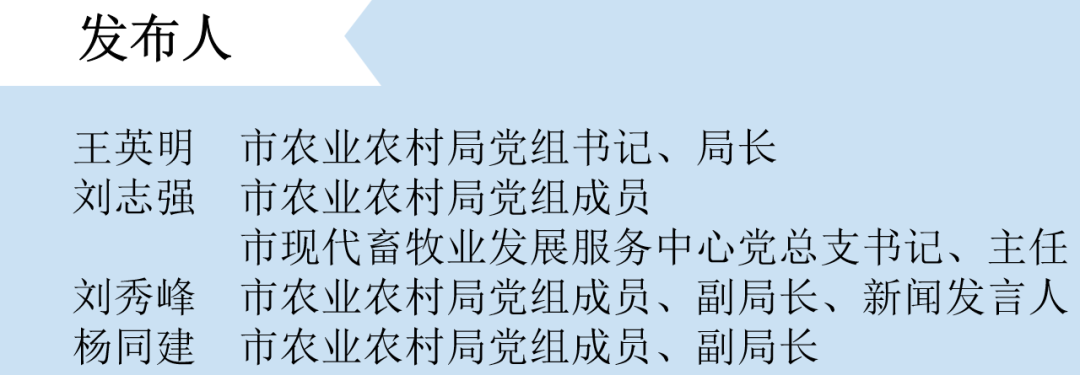
权威发布|我市召开“高质量完成‘十四五’规划”系列主题新闻发布会第十四场
Xin Lang Cai Jing· 2025-12-04 11:25
Core Viewpoint - The city has made significant progress in agricultural and rural development during the "14th Five-Year Plan" period, focusing on enhancing agricultural production capacity, developing rural industries, and improving living conditions in rural areas [4][13]. Group 1: Agricultural Production and Supply - Grain production has shown a steady increase, with a total planting area of 3.82 million acres and a total output of approximately 30 billion pounds, marking a 14% increase compared to the end of the "13th Five-Year Plan" [5][14]. - The supply of "vegetable basket" products remains stable, with total production of vegetables, meat, eggs, and milk exceeding 800,000 tons, a 20% increase from the end of the "13th Five-Year Plan" [5][14]. - Agricultural production conditions have improved, with 840,000 acres of high-standard farmland newly built or upgraded during the "14th Five-Year Plan" period, and the total agricultural machinery power exceeding 3.1 million kilowatts [5][14]. Group 2: Saline-Alkali Land Utilization - The city has effectively utilized saline-alkali land, improving 145,900 acres and exploring various governance techniques [6][15]. - A comprehensive promotion system for crop varieties has been established, resulting in the development of 23 proprietary crop varieties, an increase of 19 from the end of the "13th Five-Year Plan" [6][15]. Group 3: Development of Specialty Agriculture - The city has fostered significant agricultural clusters, including a modern livestock industry and a modern fishery, with the total agricultural output value projected to reach 38.696 billion yuan in 2024, a 27.2% increase from the end of the "13th Five-Year Plan" [7][16]. - The number of agricultural leading enterprises has grown to 207, a 36% increase, with three enterprises entering the "Top 500 Agricultural Enterprises in China" [7][16]. - The brand influence of "Yellow River Mouth Agricultural Products" has significantly increased, with the brand value of Yellow River Mouth crabs and rice reaching 3.193 billion and 1.204 billion yuan, respectively [7][16]. Group 4: Rural Development and Environment - The city has implemented a rural revitalization action plan, covering over 40% of villages through the construction of 16 provincial, 28 municipal, and 17 county-level areas [8][17]. - Rural sanitation has improved, with 1,791 rural toilets rebuilt and 630 administrative villages undergoing wastewater treatment, achieving a 95% coverage rate for sanitary toilets [8][17]. - The city has effectively maintained poverty alleviation results, implementing 169 assistance projects with funding more than doubling compared to the "13th Five-Year Plan" period [8][17]. Group 5: Future Outlook - The modernization of agriculture and rural areas is crucial for China's overall modernization, with a commitment to prioritize agricultural and rural development in the "15th Five-Year Plan" [9][18].