石油市场供需平衡

Search documents
Oil Slips Toward Key Support as Supply Signals Start to Weigh on Prices
FX Empire· 2026-02-26 16:03
Core Viewpoint - The oil market is experiencing a shift away from previous tightness, influenced by increasing supply from Venezuela and high US output, which is dampening bullish sentiment [1][3][5]. Supply Dynamics - Venezuelan barrels are gradually re-entering the global market, contributing to supply pressure, while US production remains high, creating a "soft ceiling" for bullish forecasts [1][4][5]. - The incremental increase in supply is starting to impact market dynamics, although it has not led to a massive surge in overall supply [3][5]. Market Sentiment - The market sentiment has shifted, with traders becoming more selective and the urgency that previously drove price increases dissipating [2]. - The return of Venezuelan exports, although currently small in volume, is affecting market sentiment and keeping bullish enthusiasm in check [5]. Technical Analysis - Renko charts indicate a loss of momentum in price movements, with recent attempts to maintain levels above $67 failing, leading to a measured decline [6].


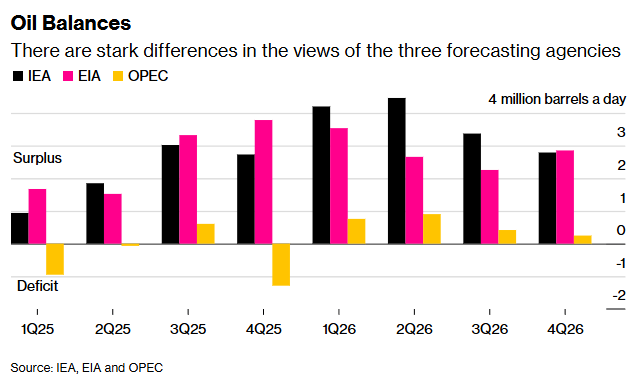
三大机构2026年油市路线图持续“撕裂”!IEA、EIA警告巨量供应过剩 OPEC坚称市场接近平衡
智通财经网· 2026-01-26 13:57
智通财经APP获悉,试图预测今年油价走势的石油交易员正面对着对供需前景截然不同的评估,从巨量 供应过剩到大致平衡的市场,各种观点不一而足。全球三大主要预测机构——国际能源署(IEA)、美国 能源信息署(EIA)和欧佩克(OPEC)——均已更新其预测,但分歧依然如故,两个消费侧机构的观点与产 油国组织的前景展望截然不同。IEA预计的供应过剩规模最大——2026年上半年日均过剩将超过400万 桶,全年日均过剩量超过370万桶。EIA的判断也相差不远,其预计今年供应将比需求多出280万桶/日以 上,并在当前季度达到峰值,超过350万桶/日。相比之下,基于OPEC数据的测算显示,市场将更接近 平衡状态,今年平均来看供应仅比需求多出约60万桶/日。 不同前景判断的一个重要原因,在于各机构对石油需求及其增长的看法不同。IEA对2026年的需求预测 略低于1.05亿桶/日,比OPEC的预测低约150万桶/日。自去年8月以来,这一差距已逐步收窄:过去五个 月,IEA将其需求预测上调了54万桶/日,而OPEC的判断则保持不变。 IEA较自身此前更为乐观的看法,源于其预期在关税实际实施及威胁所引发的动荡影响了2025年消费之 后 ...
委内瑞拉灰犀牛下的市场与油价展望
2026-01-04 15:35
Summary of Key Points from the Conference Call Industry Overview - The discussion primarily revolves around the **Venezuelan oil market** and its implications for global oil prices and geopolitical dynamics [2][5][20]. Core Insights and Arguments - **Historical Context**: The Venezuelan crisis is rooted in long-term governance issues post-Chávez, leading to a significant drop in oil production, which has drawn U.S. dissatisfaction [2]. - **U.S. Military Strategy**: The U.S. has employed a combination of naval blockades and cyber warfare to test Venezuela's resilience, culminating in a successful operation to capture Maduro [4][5]. - **Geopolitical Risks**: The power vacuum in Venezuela poses risks to international sovereignty and necessitates a reevaluation of corporate strategies in light of increased geopolitical tensions [3][5]. - **Oil Market Dynamics**: Venezuela holds the largest oil reserves globally, but its current production is low, limiting immediate impacts on global oil supply. However, the situation could alter the long-term supply landscape [7][20]. - **OPEC Production Changes**: OPEC has increased production by nearly 3 million barrels per day since April 2025 but has paused further increases due to weak demand [11]. - **Global Oil Supply and Demand**: The oil market is expected to face oversupply in early 2026, with Brent crude prices projected to fluctuate between $50 and $65 per barrel [8][22]. - **China's Role**: China could alleviate global diesel supply issues by increasing export quotas, but current policies restrict this potential [18][25]. Additional Important Insights - **Market Reactions**: The Hengke Index rose by 4%, indicating a potential bullish trend, although the A-share market's response to the Venezuelan crisis is expected to be limited [3][6]. - **Future Oil Price Predictions**: The oil market is anticipated to experience significant inventory accumulation in early 2026, with price pressures expected to persist [22]. - **Impact of Geopolitical Conflicts**: Ongoing conflicts, such as between Iran and Israel, could lead to further volatility in oil prices and supply chains [18][19]. - **Venezuelan Oil Production Challenges**: Current production levels are significantly below historical highs, with exports struggling to meet obligations, complicating recovery efforts [20][21]. This summary encapsulates the critical points discussed in the conference call, focusing on the implications for the oil market and geopolitical landscape.
欧佩克预计2026年市场将保持供需平衡
Shang Wu Bu Wang Zhan· 2025-12-19 15:49
Core Viewpoint - OPEC's latest monthly report indicates that the global oil market supply and demand will be largely balanced by 2026, maintaining overall stability in the market [1] Supply and Demand - OPEC+ forecasts an average crude oil demand of 43 million barrels per day in 2026, consistent with last month's prediction and close to current production levels [1] - In November, OPEC+ crude oil production was approximately 43.06 million barrels per day, showing a slight increase following the implementation of the latest production agreement [1] Demand Growth - Global oil demand is expected to grow by 1.3 million barrels per day in 2025 and 1.4 million barrels per day in 2026, primarily driven by non-OECD countries, particularly in Asia, the Middle East, and Africa [1] - This demand growth will partially offset the impact of slowing growth in developed economies [1] Macroeconomic Outlook - OPEC anticipates continued robust global economic growth, with projected growth rates of 3.1% for both 2025 and 2026 [1] - Strong consumption momentum, a relatively stable trade environment, and supportive fiscal and monetary policies from major economies will underpin energy demand [1]
油价风向变了?欧佩克按下“增产暂停键”,关乎谁的钱包?
Sou Hu Cai Jing· 2025-12-06 15:52
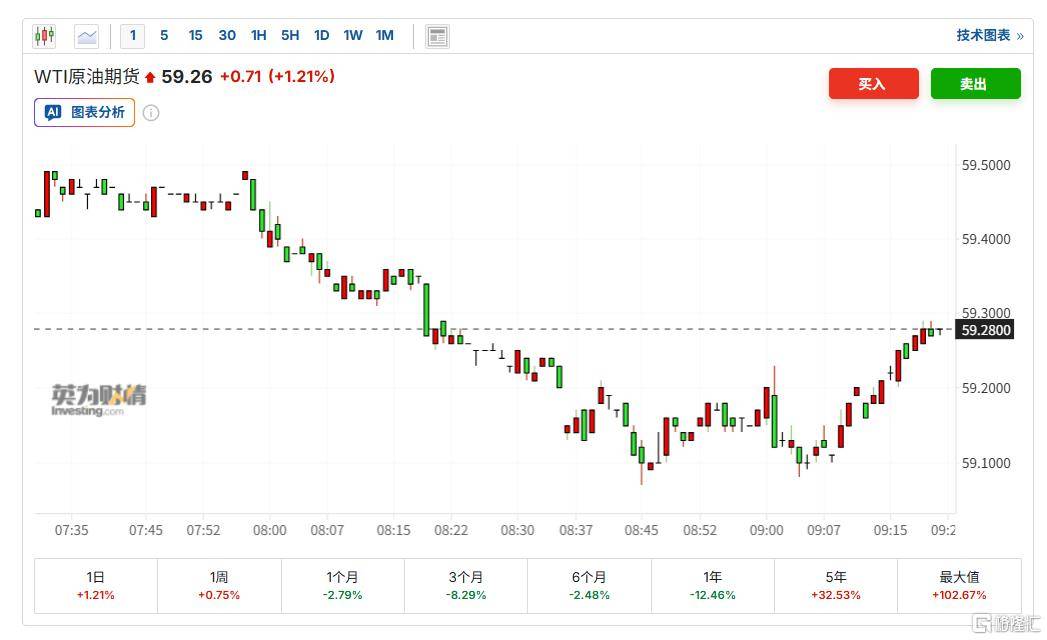
Core Viewpoint - OPEC and non-OPEC oil-producing countries, including Saudi Arabia, Russia, and Iraq, have decided to maintain their production levels through the first three months of 2026, avoiding any increase in output to stabilize oil prices and manage market dynamics [1][3]. Group 1: Supply and Demand Considerations - The decision to pause production increases is primarily based on seasonal demand fluctuations, as oil demand typically decreases at the beginning of the year, helping to prevent oversupply and stabilize prices [3][5]. - Current global economic expectations are relatively stable, providing a solid foundation for maintaining existing production levels [3][5]. - The International Energy Agency predicts a record oversupply of oil in 2026, making the pause in production crucial to avoid further price declines [3][5]. Group 2: Financial and Market Dynamics - The pause in production is also aimed at alleviating financial pressures on OPEC countries, particularly Saudi Arabia, which has faced budget deficits due to falling oil prices [5][9]. - As of early December 2025, WTI oil prices are around $59 per barrel, close to the breakeven point for U.S. shale oil producers, indicating that maintaining current production levels can help stabilize prices and prevent further market share loss to shale producers [7][9]. - The decision allows OPEC countries to assess geopolitical risks, such as the situation in Venezuela and the Russia-Ukraine conflict, which could impact oil supply [9][10]. Group 3: Implications for Global Energy Supply - The pause in production is expected to stabilize the supply chain and avoid extreme fluctuations in oil prices, which could disrupt refinery operations and overall supply [8][10]. - By maintaining production levels, OPEC countries can mitigate competition from alternative energy sources and provide breathing room for U.S. shale oil producers [9][10]. - The decision is beneficial for global energy supply stability, as it helps protect the interests of oil-producing nations and reduces market uncertainties for oil-importing countries [10][11]. Group 4: Impact on China - The decision to pause production is advantageous for China, as it stabilizes crude oil import costs and aligns with the country's expanding refining projects and economic growth [11][14]. - However, it limits China's bargaining power in negotiating lower import prices due to reduced supply overcapacity [13][14]. - China is encouraged to diversify its oil import sources and enhance its strategic oil reserve capabilities to ensure energy security [14].

全球石油过剩加剧,OPEC+踩下增产急刹车!
Sou Hu Cai Jing· 2025-12-01 03:50
Core Viewpoint - OPEC+ countries have decided to maintain their production plans set in early November and will pause any production increases in the first quarter of 2026 to address global oil supply surplus and falling prices [1][3]. Group 1: OPEC+ Production Decisions - Eight major OPEC+ countries, including Saudi Arabia and Russia, agreed to keep production levels unchanged from December 2025 through March 2026 [3][4]. - The required production levels for January, February, and March 2026 have been set for each member country, with Saudi Arabia maintaining a production level of 10,103 thousand barrels per day [4]. - OPEC+ has emphasized the importance of monitoring market conditions closely and maintaining flexibility in production adjustments to support market stability [5]. Group 2: Market Assessment and Future Projections - A new mechanism has been approved to assess the maximum sustainable production capacity of member countries, which will help determine production quotas starting in 2027 [5]. - OPEC Secretary-General Haitham Al-Ghais stated that the global oil market is expected to remain balanced in 2026, countering claims of oversupply [5]. - Morgan Stanley analysts have warned that oil prices could drop significantly by 2027 due to anticipated oversupply, with Brent crude potentially falling to around $30 per barrel [6][7]. Group 3: Price Forecasts and Market Dynamics - The oil market is projected to experience a supply surplus in 2025 and 2026, with supply growth outpacing demand growth by three times during this period [6]. - Goldman Sachs has indicated that oil prices are expected to decline until 2026 due to increased production, leading to a significant oversupply of approximately 2 million barrels per day [7]. - The average price forecast for Brent crude in 2026 is $56 per barrel, while WTI is expected to be $52 per barrel, both lower than current forward contract prices [7].
OPEC+ Expected to Extend Pause on Oil Hikes as Prices Stay Weak
Yahoo Finance· 2025-11-27 15:35
Core Viewpoint - OPEC+ is expected to maintain its decision to pause oil production increases during the upcoming online meeting, reflecting a cautious approach amid signs of oversupply and weak prices [1][2]. Group 1: OPEC+ Meeting Insights - The meeting is anticipated to be straightforward, with ministers reaffirming the policy to suspend output hikes through the first quarter of 2026, primarily driven by Saudi Arabia and its partners [2]. - The pause in production is a response to rising global inventories that are outpacing demand, with Brent crude prices around $63 per barrel [2][4]. - OPEC+ plans to continue voluntary output cuts by key members like Saudi Arabia and Iraq until early 2026, while some members are reviewing long-term production capacity for potential increases later in the year [7][8]. Group 2: Market Dynamics - The energy market is currently delicate, influenced by geopolitical factors such as U.S. President Donald Trump's push for a Ukraine peace deal, which could increase Russian oil supply [3]. - OPEC's analysis indicates that non-OPEC liquids production is expected to rise by approximately 1.3 million barrels per day (bpd) next year, while global demand is forecasted to increase by 1.6 million bpd to 106.2 million bpd, which may not be sufficient to tighten market balances [4]. - The International Energy Agency warns of a potential inventory increase of up to 5 million bpd in the first quarter of 2026, which could lead to a record glut and further pressure on prices [5]. Group 3: OPEC's Position - OPEC Secretary-General Haitham al Ghais has countered claims of oversupply, asserting that the market is expected to be balanced in 2026, despite some media misinterpretations [6]. - Market observers expect the upcoming meeting to confirm the pause in production increases and emphasize a wait-and-see strategy to maintain unity and flexibility amid slowing demand growth and rising supply [8].
小摩:若无减产干预,油价或跌至30美元!
智通财经网· 2025-11-25 04:00
Group 1 - JPMorgan analysts predict that Brent crude oil prices will average between $57 and $58 per barrel in 2026 and 2027, with a potential drop to around $30 per barrel unless production cuts are implemented [1] - The firm estimates that global oil supply will exceed demand, with supply growth in 2025 and 2026 expected to be three times that of demand growth, slowing to about one-third of the current rate by 2027 [1] - JPMorgan anticipates that the market will balance through a combination of rising demand driven by falling prices and voluntary and involuntary production cuts, warning that without intervention, the outlook for 2027 could see Brent crude averaging $42 per barrel, dropping to over $30 by year-end [1] Group 2 - The report forecasts a daily increase in global oil demand of 900,000 barrels in 2025, reaching 105.5 million barrels, with a similar increase in 2026, followed by an acceleration to 1.2 million barrels in 2027 [2] - Following four consecutive days of decline, crude oil futures rose, supported by a rebound in the stock market and increasing expectations of a rate cut in December by the U.S. [2] - New sanctions imposed by the U.S. on Russian oil companies have triggered a chain reaction that could have raised oil prices, but the market is currently focused on peace negotiations regarding Russia and Ukraine [2]
油市拐点突现!欧佩克预警明年过剩
Huan Qiu Wang Zi Xun· 2025-11-13 09:38
Group 1 - OPEC unexpectedly adjusted market expectations, indicating a potential shift from "supply shortage" to "slight surplus" in the global oil market by 2026 [1] - OPEC forecasts global oil demand to reach 106.5 million barrels per day by 2026, while the demand for OPEC+ crude oil is projected at 43 million barrels per day [1] - OPEC+ production in October reached 43.02 million barrels per day, suggesting a supply surplus of approximately 20,000 barrels per day even if production levels are maintained [1] Group 2 - This prediction marks a significant contrast to OPEC's previous assessments, which anticipated a supply shortfall of 50,000 barrels per day last month and up to 700,000 barrels per day in September [1] - The abrupt shift from a "shortfall" to a "surplus" has been interpreted by the market as a strong bearish signal [1] - Following this news, international crude oil futures prices dropped sharply, with Brent crude falling nearly 4% to $62.57 per barrel, and WTI crude dropping over 4% to $58.30 per barrel [1] Group 3 - Analysts suggest that the expectation of a balanced market is a key factor behind the decline in oil prices, with market participants placing more trust in OPEC's outlook compared to the IEA's optimistic projections [3] - Earlier this month, OPEC+ decided to increase production in December but subsequently paused further increases in the first quarter of 2026, indicating awareness of potential supply surplus risks [3] - Market sentiment remains fragile, with some analysts believing that new growth points in the global economy could boost oil demand, but the pessimistic outlook from OPEC has currently dominated market sentiment [3]
欧佩克:石油市场从赤字转过剩,日超需求50万桶
Sou Hu Cai Jing· 2025-11-12 15:01
Group 1 - OPEC has revised its global oil market outlook from a deficit to a surplus due to higher-than-expected U.S. production and increased supply from OPEC [1] - The latest monthly report indicates that global oil production exceeded demand by 500,000 barrels per day, a shift from the previous month's estimate of a shortage of 400,000 barrels [1] - OPEC+ alliance's crude oil output last quarter surpassed the estimated required amount, with Saudi Arabia leading the alliance to accelerate the restoration of paused supplies to regain market share [1] Group 2 - This month, OPEC members have agreed to slow down their strategy of increasing production, with a consensus to pause further output increases until the first quarter of 2026 [1] - The organization cited seasonal demand slowdown as a reason for this decision, although many analysts warn of a significant oversupply [1] - OPEC's projections for 2026 indicate a surplus, which is more moderate compared to forecasts from other institutions [1]