考古

Search documents
当年轻人“遇见”楚考烈王
Xin Lang Cai Jing· 2026-02-15 14:49
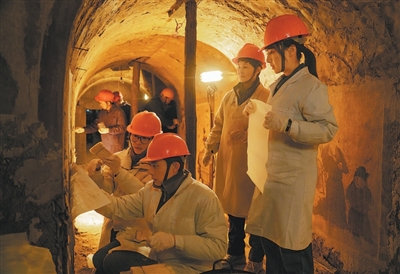
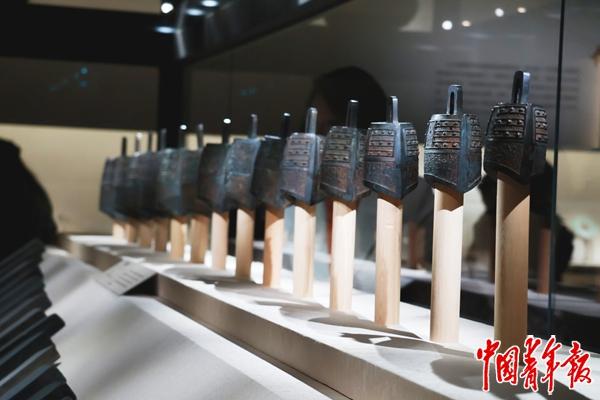
Core Viewpoint - The archaeological exhibition "Meeting the King of Kao Lie" showcases the significant findings from the excavation of the Wangdun No. 1 tomb in Huainan, Anhui, which is the largest and most complex royal tomb of the Chu state discovered to date, providing valuable insights into the burial customs and royal tomb systems from the Chu state to the Western Han dynasty [2][12]. Group 1: Archaeological Findings - The Wangdun No. 1 tomb is the burial site of King Kao Lie of Chu, containing over 10,000 precious artifacts, which are crucial for studying the royal burial customs and tomb planning of the Chu state [2][12]. - The tomb features a well-preserved collection of ceremonial objects, including a set of bronze bells that have been confirmed to possess excellent musical qualities [5][12]. - The excavation team, primarily composed of young archaeologists, has faced numerous challenges, including the need for urgent protective measures due to the risk of looting and environmental degradation [4][8]. Group 2: Team Dynamics and Challenges - The excavation team has shown resilience, with many members being recent graduates who have taken on significant responsibilities in the project [3][4]. - The team has developed innovative techniques for artifact extraction and preservation, including the use of water gel and epoxy resin for large artifacts [9][12]. - The work environment has been demanding, with team members often working long hours to ensure the careful extraction and documentation of artifacts [4][8]. Group 3: Public Engagement and Cultural Impact - The exhibition has sparked public interest, with local residents and students actively engaging with the archaeological process and expressing their support for the project [12][13]. - Educational initiatives, such as student competitions related to the Wangdun site, have fostered a deeper understanding of archaeology among younger generations [12]. - The successful preservation of artifacts, such as lacquerware, has exceeded public expectations and highlights the effectiveness of the conservation efforts undertaken by the team [12].

集装箱里的考古青春 她们在山野城市间解读“文明密码”
Hang Zhou Ri Bao· 2026-02-06 03:30
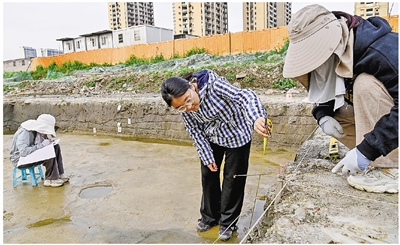
Core Viewpoint - The article highlights the dedication and challenges faced by a team of young archaeologists led by Guan Xinyu, who are conducting archaeological work in the mountainous areas of Hangzhou, showcasing their living conditions, teamwork, and the significance of their findings in understanding ancient civilizations [3][4][6][7]. Group 1: Living Conditions and Team Dynamics - The archaeological team resides in temporary containers near the excavation site, which they have transformed into a comfortable living space despite the challenging conditions [4][5]. - The team engages in collaborative discussions and reflections on their daily findings, fostering a supportive and enriching environment [4][6]. - The camaraderie among team members is emphasized, as they share experiences and knowledge, enhancing their collective expertise in archaeology [6][7]. Group 2: Archaeological Work and Discoveries - The team has been working on significant archaeological sites, including the Hengcun Mountain Cemetery, where they uncovered numerous artifacts from the Neolithic to the Shang and Zhou dynasties, contributing valuable data for research on early burial practices and cultural exchanges in the Hangzhou area [6][7][8]. - Guan Xinyu's journey in archaeology began in 2022, and she has since led multiple important excavation projects, demonstrating her commitment to uncovering the historical significance of the region [7][8]. - The discoveries made by the team, including pottery and stone tools, provide insights into the lives of early humans in the Hangzhou area, highlighting the importance of their work in preserving cultural heritage [7][8].
串联7000多年历史文化发展脉络 中国考古博物馆文物“上新”
Yang Shi Xin Wen· 2026-01-23 07:08
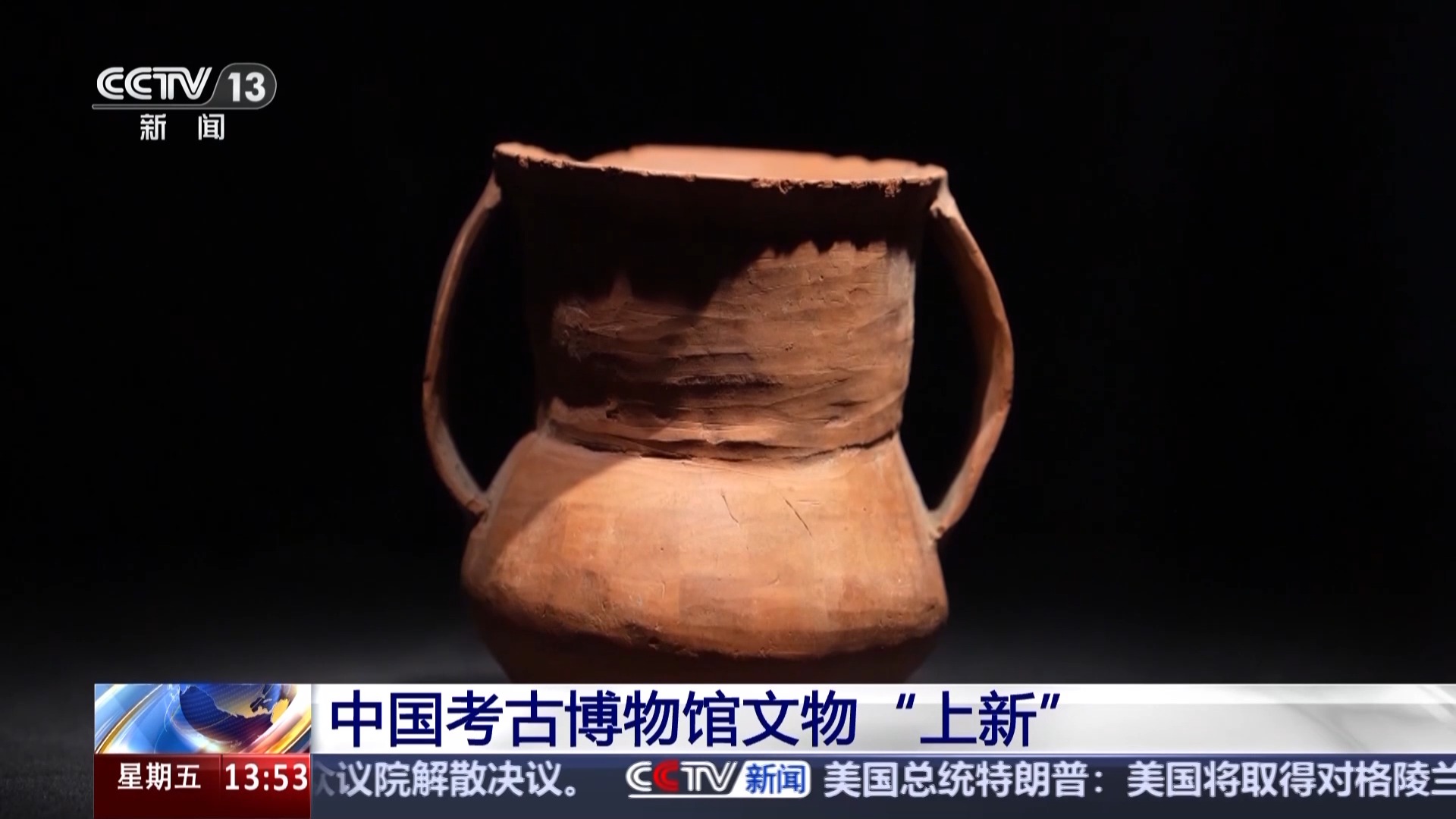
Core Insights - The article highlights the recent addition of new artifacts at the China Archaeological Museum, showcasing over 7,000 years of historical and cultural development through the colors and styles of the artifacts. Group 1: Artifact Highlights - A red circular-bottomed pottery bowl from the Dadiwan culture, dating back 7,000 years, was unearthed at the Baijia site in Lintong, Shaanxi [1] - A double-eared painted pottery jar from the Qijia culture, dating back 4,200 to 3,600 years, was found at the Liuwan site in Qinghai, featuring a black and red grid pattern [1] - A yellow stone axe from the Erlitou culture, dating back 3,800 to 3,500 years, symbolizes military power [3] Group 2: Notable Artifacts from Different Eras - A light green jade bear, approximately 3,000 years old from the Shang Dynasty, was discovered in the tomb of Fu Hao, reflecting the Shang people's reverence for jade [5] - A covered bronze vessel from the Western Zhou period, inscribed with 39 characters, was excavated from the Zhangjiapo Western Zhou cemetery in Shaanxi, providing significant historical value regarding Zhou rituals and social life [7] - A Han Dynasty bronze plaque depicting wrestlers and horses, along with a Tang Dynasty "Ji" character phoenix brick, exemplifies the artistic style of the Tang era [9] Group 3: Cultural Significance - The newly added artifacts, particularly the Hebei Wanzhang Northern Dynasties mural tomb figurines, reflect the cultural integration of the Northern and Southern Dynasties through their clothing and horse gear [11] - The exhibition of these artifacts is organized chronologically in the main hall of the China Archaeological Museum and is open to the public for free [11]
寒假“泡馆”走起
Xin Lang Cai Jing· 2026-01-23 06:33
Group 1 - The city is launching a series of cultural exhibitions in museums to enrich the winter vacation experience for students [2][3][4] - The National Museum of China is showcasing over 200 artifacts from the tomb of King Kuailei of the Chu state, highlighting the achievements of Chu civilization [2] - The National Classics Museum is hosting an exhibition featuring 84 precious artifacts from the Xiaoxitian site, providing a comprehensive academic overview of its historical collections [3] Group 2 - The China Science and Technology Museum is presenting a series of exhibitions commemorating the 130th anniversary of Qiao Yisheng, focusing on bridge technology and design [4] - The Beijing Grand Canal Museum is displaying 377 artifacts related to deep-sea archaeology, illustrating the prosperity of the Maritime Silk Road during the Ming Dynasty [6] - The National Natural History Museum is offering an immersive experience with over 150 whale specimens and interactive multimedia installations [8] Group 3 - The Xiangshan Revolutionary Memorial Hall is exhibiting over 80 historical photos and 60 artifacts, narrating the development of China's aviation industry under the Communist Party [9] - The Palace Museum is celebrating the 50th anniversary of diplomatic relations between China and Thailand with a special exhibition featuring over 240 artifacts [10]
以考古为题的对话
Ren Min Ri Bao· 2025-11-28 22:00
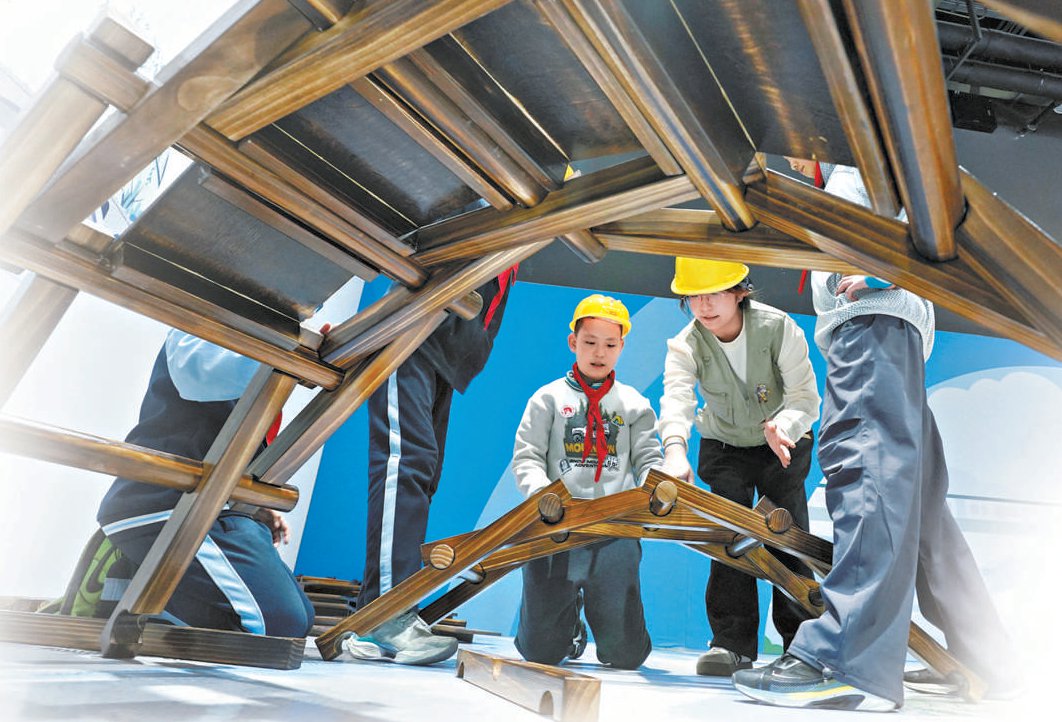
Group 1 - The event in Beijing featured a dialogue on archaeology between professors from Spain and students from Renmin University of China, highlighting the intersection of time and civilization [1] - Professor Miquel Molist Montañana presented on the origins of agriculture, referencing the significance of the magnetic mountain site in the Yellow River basin and its connection to Jericho, illustrating a shared human experience in crop domestication [1] - The exchange emphasized the importance of cultural heritage, with students presenting handmade gifts symbolizing enduring friendship and knowledge sharing [2] Group 2 - Professor Anna Gómez Bach analyzed ancient pottery, interpreting the designs as a "codebook" of prehistoric society, revealing insights into social structures and labor divisions [2] - The visit to the ancient Dule Temple deeply impacted the Spanish scholars, showcasing the emotional connection to cultural heritage beyond academic understanding [2] - Professor Molist expressed admiration for the passion of Chinese youth towards cultural heritage, indicating a promising future for the field [2]
当以人工智能为代表的前沿技术遇上考古—— 一场科技与文明的双向奔赴(文化中国行·人文观察)
Ren Min Ri Bao· 2025-11-18 23:04
Core Viewpoint - The integration of artificial intelligence (AI) with archaeology and cultural heritage preservation is revolutionizing the field, enhancing efficiency, accuracy, and the potential for new discoveries [2][4][11]. Group 1: AI in Archaeology - AI is being utilized to process and classify archaeological artifacts, such as pottery shards from the Baodun site, showcasing its potential in enhancing archaeological research [3][4]. - The application of AI in the reconstruction of oracle bone inscriptions has significantly reduced the time and effort previously required for manual assembly by experts [4][5]. - Educational initiatives, such as the "AI Archaeology" course at Fudan University, are being introduced to cultivate interdisciplinary talents capable of leveraging AI in archaeological contexts [5][6]. Group 2: AI in Cultural Heritage Preservation - AI technologies are increasingly being applied in the preservation and restoration of cultural relics, exemplified by the 3D printing of ancient statues for exhibitions [6][7]. - The use of AI for monitoring and diagnosing the condition of cultural sites, such as the Yungang Grottoes, allows for real-time tracking of deterioration and potential threats [8][9]. - AI is facilitating the creation of immersive cultural experiences, enabling the public to engage with history in innovative ways, such as through interactive exhibits [10][11]. Group 3: Future Directions and Recommendations - There is a call for national standards in digital resource management for cultural heritage to maximize the benefits of AI in preservation efforts [11]. - The development of cross-disciplinary educational programs is essential to equip future professionals with the necessary skills to integrate technology and archaeology effectively [11].
痴心一片“考古匠”(中国道路中国梦·每一个人都是主角)
Ren Min Ri Bao· 2025-07-03 22:08
Core Insights - The article emphasizes the dedication and passion for archaeology, highlighting the importance of preserving cultural heritage and the responsibility of passing on knowledge to future generations [1][3]. Group 1: Archaeological Practices - The implementation of "green excavation" methods in archaeological sites, such as in the Sand River site in Anhui, aims to maintain the spatial relationship of burial pits while preserving the site's topographical features [2]. - The "minimal intervention" excavation method used in the Dongyang East Wu tomb allows for the preservation of structural information, enhancing future protection and display efforts [2]. Group 2: Education and Public Engagement - The organization has initiated public outreach programs, such as "Archaeology into Primary and Secondary Schools," to educate the younger generation about archaeology in an engaging manner [3]. - The use of modern communication methods, including short videos, is being explored to disseminate archaeological discoveries and foster a greater appreciation for cultural heritage among the public [3]. Group 3: Personal Commitment and Future Aspirations - Despite the challenges of the archaeological profession, there is a strong commitment to continue contributing to the field and exploring historical depths even as retirement approaches [3].
黄土塬上寻秦迹(赓续历史文脉)
Ren Min Ri Bao· 2025-06-26 22:00
Core Insights - The recent recognition of the Qin Xiangyang Palace site as a national archaeological park highlights the significance of the site in understanding ancient Chinese history and culture [2] - The ongoing archaeological efforts led by Xu Weihong have uncovered various artifacts and structures that provide insights into the Qin dynasty's urban planning and daily life [4][8] Group 1: Archaeological Achievements - The excavation of the Qin Xiangyang City has revealed important structures such as a granary and a large ancient road, indicating the city's functional zoning and infrastructure [5][8] - Significant artifacts, including pottery and textiles, have been discovered, which reflect the craftsmanship and economic activities of the time [6][8] - The archaeological work has been ongoing since 1959, with breakthroughs in understanding the layout and social structure of the ancient city [8] Group 2: Public Engagement and Education - Xu Weihong has been actively involved in public education about archaeology, publishing books and creating online content to make archaeological findings accessible to a broader audience [6][7] - The approach to public communication has shifted to be more engaging and relatable, using everyday comparisons to explain archaeological concepts [7] - The interaction with the public has enriched the understanding of archaeology and broadened perspectives for both the archaeologists and the audience [7]
近镜头·习近平的文化足迹|“期待着更长的中华文明的发现发掘”
Xin Hua She· 2025-06-23 02:47
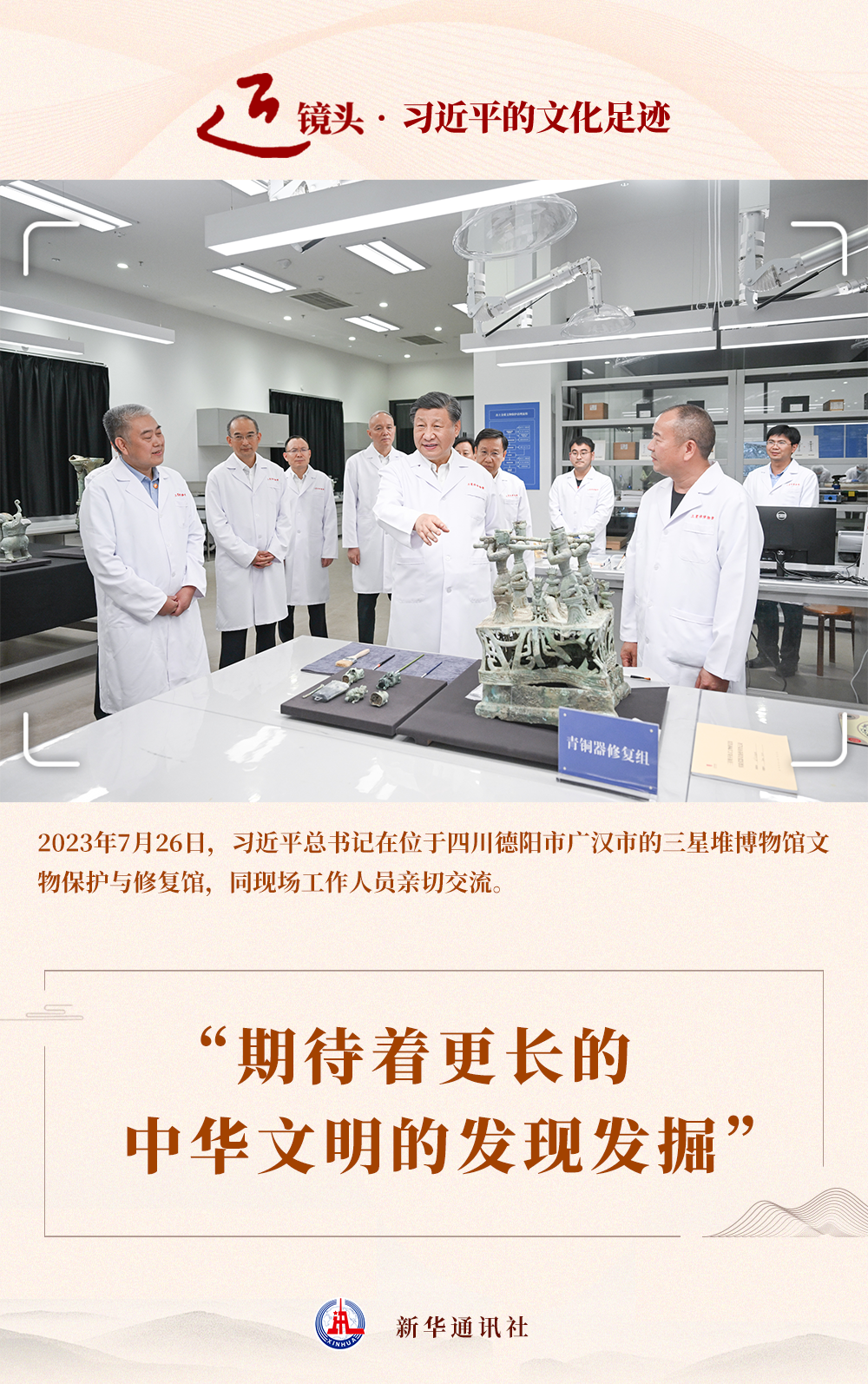
Core Insights - The article highlights the significance of the Sanxingdui Museum and its archaeological findings, emphasizing the importance of preserving and understanding ancient Chinese civilization [6][9] - President Xi Jinping's visit to the Sanxingdui Museum underscores the government's commitment to archaeological work and cultural heritage [3][7] Group 1: Archaeological Significance - The Sanxingdui site showcases artifacts over 4,000 years old, providing strong evidence of the multi-faceted nature of Chinese civilization and the interaction between ancient Shu and Central Plains cultures [6][8] - Recent discoveries near the Sanxingdui site include over 400 high-grade building foundations and more than 4,000 artifacts, indicating a production workshop for jade and stone tools, predating the sacrificial pits [8] Group 2: Government Support and Cultural Heritage - Xi Jinping expressed deep appreciation for the archaeological workers and emphasized the long-term nature of cultural heritage preservation [7][9] - The Sanxingdui Museum has seen the completion of restoration work on over 4,000 artifacts, with ongoing efforts to restore more than 10,000 items from six sacrificial pits [7][9] Group 3: Future Prospects - The museum plans to develop new exhibition spaces and immersive experiences to enhance public understanding of Chinese civilization [9] - The commitment to rigorous archaeological work aims to reveal the origins of Chinese culture and share its stories with the world [9]
正本清源地讲述文物保护故事(创作谈)
Ren Min Ri Bao· 2025-05-28 22:31
Core Viewpoint - The article discusses the creation of a television series titled "Guardians of the Treasure," focusing on cultural heritage protection and archaeology, aiming to counter the sensationalism of tomb raiding depicted in previous works [1][2]. Group 1: Themes and Narrative Structure - The series aims to highlight the importance of cultural heritage protection and the legal responsibilities associated with tomb raiding, rather than glorifying the act itself [1]. - The narrative will intertwine real events, such as the Jiangcun Tomb case, and will feature a storyline centered around the Han Emperor's mausoleum, showcasing the struggles of archaeologists and cultural preservationists [1][2]. - The series will employ a multi-threaded narrative structure, including international artifact recovery and significant archaeological cases, to enhance emotional depth and engagement [2]. Group 2: Production and Artistic Approach - The production team emphasizes realism in the portrayal of archaeological practices, utilizing actual locations in Xi'an and Hancheng for filming [2]. - The artistic style aims to authentically recreate historical burial sites, with detailed attention to the differences in tomb structures from various dynasties [2]. - The series incorporates expert guidance to ensure accurate representation of archaeological techniques and cultural heritage preservation [2]. Group 3: Cultural Significance - The project is seen as a bridge connecting the past and future, reflecting the romantic notion of archaeology as a means to understand history [3]. - The series represents a significant step in addressing the narrative around cultural heritage and aims to educate the audience on the importance of preservation efforts [3].