
都市圈协同发展

Search documents
上海大都市圈规划草案形成 形成一核四翼、三层三网三底色、多心多廊多链结的国土空间开发保护格局
Jie Fang Ri Bao· 2026-02-11 01:43
这个圈子为什么这么大?规划草案对这一范围划定的逻辑进行了解释:以上海为大都市圈中心城 市,综合考虑经济社会发展、区域城镇网络、自然资源禀赋、产业联系紧密程度和轨道交通可达范围, 兼顾空间格局和行政治理完整性,将上海和周边协同联动城市放在一张底图上。 记者 巩持平 记者从上海市规划和自然资源局了解到,《上海大都市圈国土空间规划(2025—2035年)》目前已 形成规划草案,这是全国首个跨省域都市圈国土空间规划。 规划草案中明确,上海大都市圈范围包括江苏省苏州市、无锡市、常州市、南通市、盐城市、泰州 市,浙江省杭州市、宁波市、湖州市、嘉兴市、绍兴市、舟山市,安徽省宣城市,共14座城市。 近年来,都市圈作为一种城市发展的重要空间形态,被置于越来越重要的位置。规划草案特别提 到,促进长三角都市圈协同联动,加强上海大都市圈与苏锡常都市圈空间融合,推动上海大都市圈与南 京、杭州、合肥、宁波都市圈空间联动、协同发展,加强交流互鉴。 规划草案形成一核四翼、三层三网三底色、多心多廊多链结的国土空间开发保护格局。"一核四 翼",是指上海主城区和周边区域,东翼海域、西翼太湖周边地区、南翼杭州湾地区、北翼长江口。"三 层三网三底色" ...
济青唱好“双城记” “双圈”联动向前行
Qi Lu Wan Bao· 2026-01-21 03:21
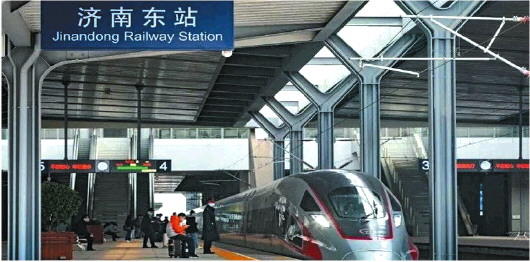
Core Viewpoint - The approval of the "Jinan Urban Agglomeration Land Space Planning (2025-2035)" marks a significant step in the coordinated development of Jinan and Qingdao urban agglomerations, positioning them as key economic growth engines in northern China [3][4]. Group 1: Planning and Development - The approved planning document provides a legal basis for the spatial development of the Jinan urban agglomeration over the next decade, emphasizing a clear and directive approach [3]. - The planning outlines a spatial structure of "one core, two axes, one screen, one belt, and multiple plates," focusing on enhancing Jinan's core city functions and establishing ecological safety measures [3][4]. Group 2: Collaborative Initiatives - The collaboration between Jinan and Qingdao urban agglomerations has been prioritized as a key reform initiative, with significant meetings held to promote joint development [4]. - The physical distance between the two cities has been reduced through improved transportation, such as the Jinan-Qingdao high-speed rail operating 79 pairs of trains daily, with an average interval of 15 minutes [5]. Group 3: Economic Integration - The integration of industries and mechanisms has progressed, with initiatives like the Jinan-Qingdao Artificial Intelligence Innovation Application Pilot Zone serving as a model for collaboration [5]. - Institutional advancements include cross-city business registration and talent recognition agreements, enhancing operational efficiency between the two urban areas [5]. Group 4: Strategic Challenges and Opportunities - Despite positive developments, challenges remain, such as the economic concentration where Jinan and Qingdao's combined GDP accounts for only 30.7% of Shandong's total, indicating a need for enhanced core city capabilities [7]. - The complementary strengths of Jinan in information technology and Qingdao in advanced manufacturing present opportunities for synergistic growth, potentially leading to a more integrated economic system [8].

湖北咸宁加速区域联动 融入长江中游城市群发展
Xin Lang Cai Jing· 2026-01-14 11:23
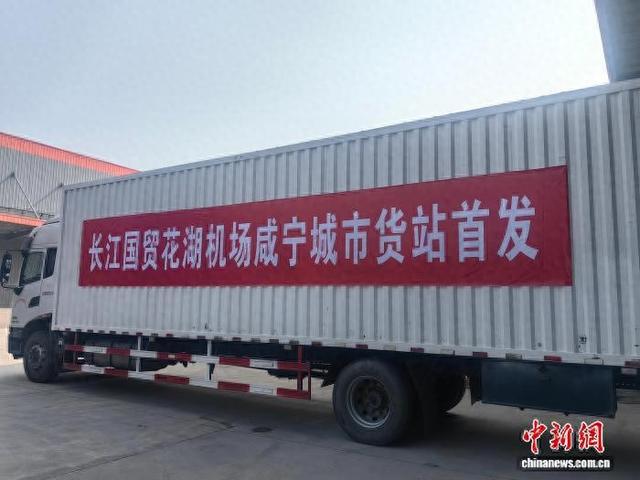
Group 1 - The core viewpoint of the news is that Xianning aims to enhance regional connectivity and development by 2026, focusing on collaboration with Wuhan and other cities in the Yangtze River middle reaches [1][3] - During the 14th Five-Year Plan period, Xianning has made significant progress in reforms, with 250 national and provincial pilot reform projects undertaken, and the number of enterprises engaged in import and export activities increasing to 283 [3] - The establishment of the Xianning International Trade "Single Window" service platform has successfully initiated operations, establishing trade relations with 189 countries and regions, and expanding international cooperation [3] Group 2 - Xianning will focus on key areas of regional collaboration, leveraging infrastructure projects like the Tianzi Mountain Bridge and Baizhou Bay Yangtze River Bridge to enhance connectivity and promote industrial and ecological cooperation [3] - The city aims to capitalize on provincial strategic opportunities, such as the Wu-E-Huang-Huang-Xianke Innovation Corridor, to integrate more technology, industry, and cultural tourism projects into the Wuhan metropolitan area’s 15th Five-Year Plan [3] - Efforts will be made to include the revolutionary old areas of Hunan, Hubei, and Jiangxi in the new round of revitalization support, accelerating the establishment of a commercial logistics center and promoting green development initiatives [3][4]
全国第二 成都轨道800米覆盖通勤比重达35%
Xin Lang Cai Jing· 2026-01-12 18:00
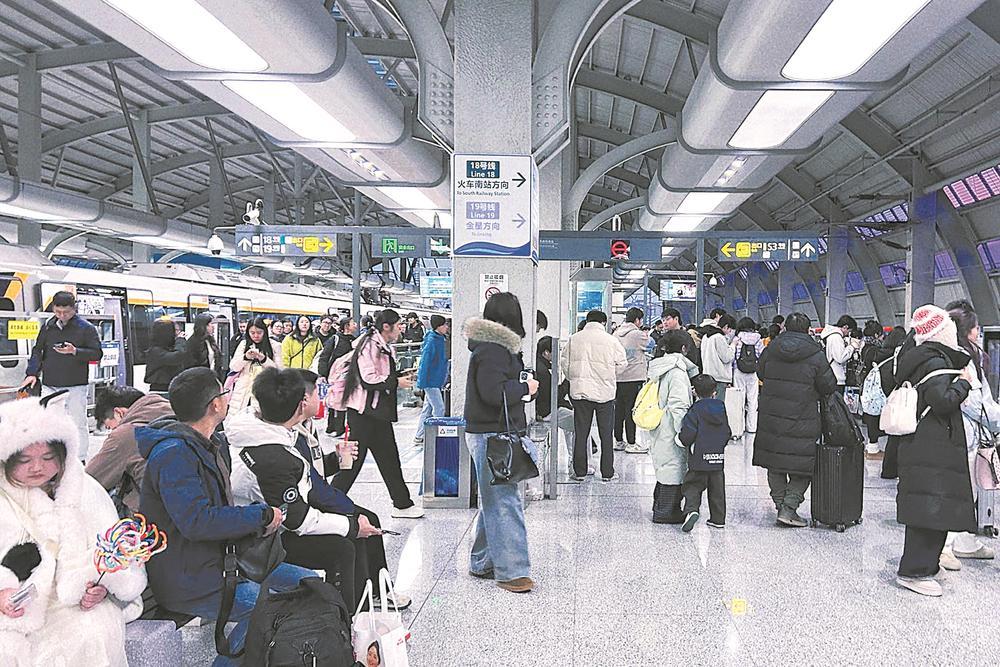
Core Insights - Chengdu ranks second in China for the proportion of commuting covered by rail within 800 meters, reaching 35%, an increase of 1% from the previous year, translating to millions of additional convenient rail commutes [1] - The average commuting distance in Chengdu has decreased by 0.2 kilometers, with the proportion of "happy commuting" (commuting within 5 kilometers) increasing by 2 percentage points to 44% [3] - The commuting speed between Chengdu's central urban area and adjacent city outskirts is 21 km/h, the highest in the country [4] Group 1: Rail Coverage and Commuting Efficiency - Chengdu's rail coverage for commuting within 800 meters has increased to 35%, placing it second nationally, which corresponds to millions of new convenient rail commutes [1] - The opening of Line 27 has connected nearly 30 industrial parks and serves approximately 1.5 million residents, significantly reducing commuting times for residents along the line [1] Group 2: Green Commuting and Commuting Structure - Chengdu has achieved a green commuting rate of 77.6%, the highest among major cities in China, with 71% of commutes taking less than 45 minutes and an average commuting time of 38 minutes, below the average of similar cities [2] - The reduction in commuting distance and the increase in "happy commuting" reflect improvements in the balance of residential and employment spaces in the city [3] Group 3: Intercity Commuting and Economic Collaboration - The commuting speed between Chengdu and neighboring city outskirts is 21 km/h, while the speed between outer districts of adjacent cities is 18 km/h, both leading the nation [4] - The opening of the Ziyang Line has facilitated daily commuting for many, with over 10 million passengers transported in its first year, 80% of whom are peak-hour commuters [6]
两次长三角之行 换一种“握手法”
Xin Lang Cai Jing· 2025-12-25 22:30
Group 1 - The core theme of the recent investment promotion activities is the shift from showcasing a single city to presenting the comprehensive competitive advantages of the Chengdu metropolitan area, emphasizing organic collaboration among the cities involved [2][3] - The activities included a "1+4+N" format, featuring a main cooperation promotion meeting, four specialized events focusing on sectors like artificial intelligence and cultural tourism, and multiple targeted enterprise matchmaking sessions [3][4] - The Chengdu metropolitan area has seen a significant evolution in its investment promotion strategy, moving from a one-way attraction of projects to a more collaborative approach that emphasizes mutual growth and partnership [5][6] Group 2 - The Chengdu metropolitan area has established a strong industrial foundation, with key industries such as high-end energy equipment and lithium battery chains, contributing to a combined output value of over 1.2 trillion yuan [9] - The metropolitan area has achieved the highest level of urban integration among 16 metropolitan areas in China, excelling in five dimensions including central leadership and unified market [9] - Recent promotional efforts have resulted in the introduction of 200 investment opportunities with a total investment of approximately 150 billion yuan during international outreach events [8]
成都都市圈5年:加速打造长江上游核心增长极
Zhong Guo Jing Ying Bao· 2025-12-23 17:04
Core Insights - Chengdu Metropolitan Area is the third nationally approved urban agglomeration in China and the first in the Midwest, comprising Chengdu, Deyang, Meishan, and Ziyang [1][2] - The area has transitioned from a "growth phase" to an "enhancement phase" over the past five years, with significant improvements in urban integration and overall strength [1][3] Development Achievements - The Chengdu Metropolitan Area has established over 350 educational partnerships and facilitated 757.78 million medical insurance settlements, with a total payment of 2.965 billion yuan [2] - The "one-hour traffic circle" has been realized, with ongoing construction of railways expected to fully cover the metropolitan area by 2027 [2] - The cross-city railway S3 line has seen an average monthly passenger volume of approximately 907,000, with a peak of 1.06 million in a month [2] Industrial Growth - The area has developed nine key industrial chains, including new displays, rail transit, and clean energy equipment, with a total scale exceeding 1.2 trillion yuan [3] - Eighteen national-level industrial clusters have been cultivated, with over 2,860 enterprises in cross-city cooperation, marking a year-on-year growth of 21.8% [3] Collaborative Development - The Chengdu Metropolitan Area is increasingly collaborating with the Yangtze River Delta, showcasing its development achievements and inviting investment opportunities [4][5] - The area aims to leverage the advanced industries and capital from the Yangtze River Delta while serving as a strategic hub for the Belt and Road Initiative [5] Future Goals - Future plans include enhancing the metropolitan area's core functions, industrial collaboration, and technological transformation, aligning with national and provincial development strategies [5]
南京明确未来3—5年城市工作重点
Nan Jing Ri Bao· 2025-12-03 02:16
Core Insights - Nanjing is focusing on high-quality urban development and enhancing its urban capabilities through various infrastructure projects and spatial planning initiatives [2][3][4] Group 1: Urban Development Initiatives - Nanjing will accelerate the construction of key projects such as the third phase of Lukou International Airport and the Ningxuanhuang Railway to enhance transportation hubs [2][3] - The city aims to optimize urban layout and promote development along the Yangtze River, while also advancing the approval and implementation of the Nanjing Urban Circle Land Space Planning [2][3] - The city plans to create a one-hour commuting circle and a one-day living circle by developing suburban railways and enhancing connectivity within the urban area [2][3] Group 2: Quality of Life Improvements - Nanjing will implement a series of actions to improve urban quality, including enhancing public spaces, transportation order, and waste management [5] - The city aims to create vibrant urban centers by focusing on pedestrian networks, public services, and cultural experiences in key districts [4][5] - The city will also promote the construction of 29 proposed projects to enhance public space quality and create a vibrant center ecosystem [4] Group 3: Innovation and Economic Development - Nanjing is developing a spatial strategy to enhance industrial strength and innovation, with plans to release over 120 square kilometers of new construction land during the 14th Five-Year Plan [6] - The city will support the establishment of innovation hubs and collaborative spaces between universities and enterprises to drive economic growth [6] - Jiangbei New Area will focus on building a "Smart Manufacturing Corridor" to strengthen the regional industrial innovation capacity [6]
加力提速 武汉都市圈共建“一座城”
Chang Jiang Ri Bao· 2025-11-17 01:06
Core Insights - Wuhan is accelerating its development as a national central city, focusing on building "five centers" and modernizing the city [1] - The collaboration between Wuhan and neighboring cities is enhancing the region's economic and technological capabilities, particularly in the semiconductor industry [3][8] - The urban transportation network is improving, facilitating daily commutes and economic activities across the metropolitan area [5][6][7] Group 1: Urban Development and Economic Growth - The establishment of a semiconductor research and production base in Ezhou is a key example of industrial collaboration with Wuhan, aiming to create a world-class "light chip screen terminal network" industry cluster [3] - The central government's recent policies have highlighted the strategic importance of the Yangtze River middle reaches urban agglomeration, further elevating Wuhan's status [3][11] - The economic output of the Wuhan metropolitan area is projected to exceed 3.6 trillion yuan in 2024, accounting for 29% of the Yangtze River middle reaches urban agglomeration [12] Group 2: Transportation and Connectivity - The development of a one-hour commuting circle is transforming intercity travel into a more convenient experience, with significant improvements in public transportation infrastructure [5][7] - The seamless integration of subways and intercity buses is enhancing the accessibility of urban life, making it easier for residents to commute between cities [6][10] - The completion of major transportation projects, such as the Double Willow Yangtze River Bridge, will further reduce travel times and improve logistics efficiency [7] Group 3: Innovation and Industry Collaboration - The "research in Wuhan, transformation in the circle" model is fostering an innovative ecosystem, with companies leveraging Wuhan's educational resources for product development [8] - The establishment of various industrial parks and research centers is attracting significant investments and driving the growth of high-tech industries [9] - Collaborative projects between universities and local governments are yielding advanced technological solutions, such as autonomous vehicles [9] Group 4: Public Services and Quality of Life - The "one circle, one service" initiative is streamlining administrative processes, significantly reducing the time required for business approvals and enhancing the overall business environment [10] - The integration of healthcare services across the metropolitan area is improving access to medical care for residents, exemplified by the direct settlement of medical expenses for patients [10] - The focus on equalizing public services, including education and social welfare, is enhancing the quality of life for residents in the metropolitan area [10]

从“有边界”走向“无边界”,200项高频服务事项“一网通办、异地可办”
Nan Jing Ri Bao· 2025-09-30 02:07
Core Insights - The Nanjing Metropolitan Area is projected to achieve a GDP exceeding 5.4 trillion yuan in 2024, ranking among the top metropolitan areas in China [1] Group 1: Economic Development - Nanjing is actively integrating into the Yangtze River Delta's development strategy, enhancing its role as the first approved national-level metropolitan area [1] - The metropolitan area is demonstrating its effects through industrial collaboration, public service improvements, and efficient commuting systems [1] Group 2: Industrial Collaboration - Nanjing is promoting the Yangtze River Delta (Nanjing Metropolitan Area) technology cooperation plan, establishing 28 "innovation outposts" in surrounding cities [1][2] - The model of "R&D in Nanjing, production in the metropolitan area" is becoming increasingly mature [2] Group 3: Public Services - The metropolitan area has implemented a platform for 200 high-frequency services that can be accessed online and across regions, expanding housing fund mutual recognition and lending [2] - A comprehensive appointment registration platform for over 100 quality hospitals has been established, facilitating nearly 9 million cross-city medical settlements in the first half of the year [2] Group 4: Transportation and Commuting - The Nanjing Metropolitan Area has achieved a 100% connectivity rate for railway cities, with over 100,000 kilometers of roadways, forming a one-hour commuting circle [3] - New transportation routes, such as the Ningju Intercity Railway, have significantly reduced commuting times, enhancing the connectivity between cities in the metropolitan area [3]
从体量优势迈向质量优势
Jing Ji Ri Bao· 2025-09-07 22:21
Group 1 - The Zhengzhou metropolitan area occupies 15.6% of the province's area, gathering nearly 30% of the population and about 40% of the economic output of the province [1] - The area is forming a "one main city, two sub-centers, one circle, four zones, and multiple points of support" urbanization development pattern, with significant achievements in construction [1] - The integration of transportation in the Zhengzhou metropolitan area has made "dual-city living" a daily reality, but there are still institutional barriers that need to be addressed for deeper integration [1] Group 2 - The R&D investment intensity in the Zhengzhou metropolitan area is only 2.7%, which is below the average level of over 3% in regions like the Yangtze River Delta and Guangdong-Hong Kong-Macau [2] - Attracting talent is crucial for innovation, and the metropolitan area should enhance its urban quality to appeal to scientists, engineers, and entrepreneurs [2] - The industrial chain is being strengthened with contributions from surrounding cities, indicating a shift from core-driven growth to collaborative development within the metropolitan area [2]