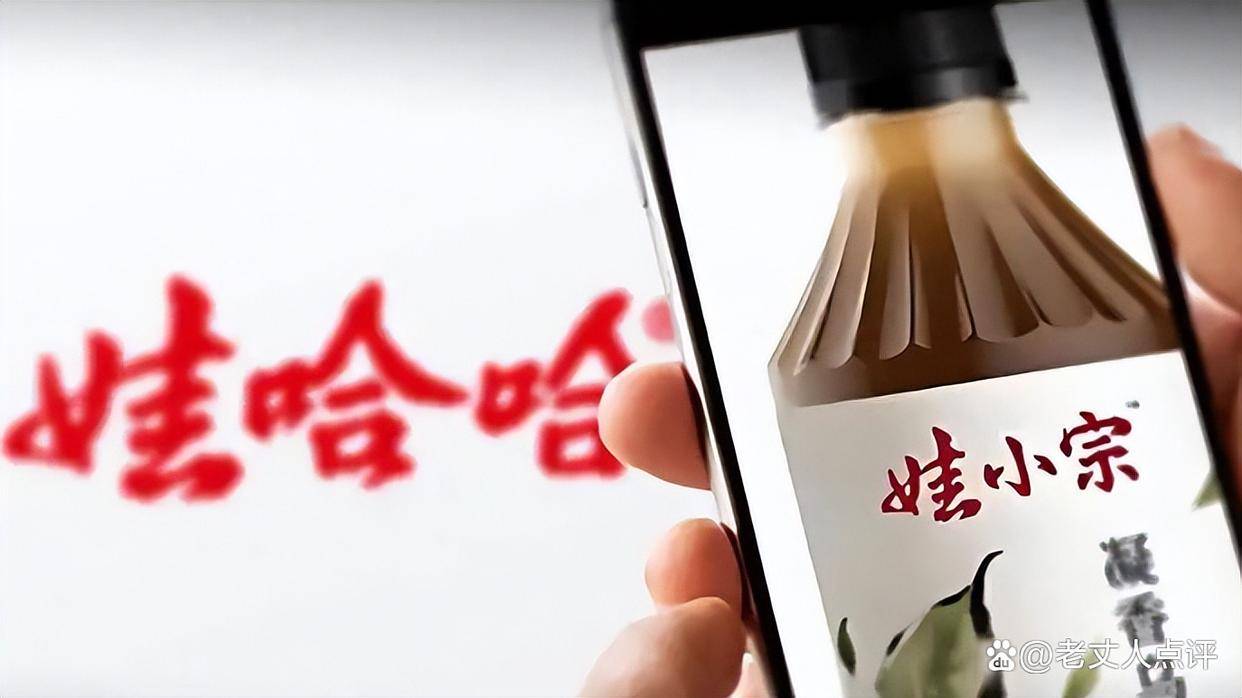
品牌转型

Search documents
VF(VFC) - 2026 Q2 - Earnings Call Transcript
2025-10-28 13:00
Financial Data and Key Metrics Changes - Total revenue increased by 2% in reported dollars but decreased by 1% in constant dollars, showing an improving trend compared to the previous quarter [5][18] - Operating income reached $330 million, exceeding the guidance range of $260 to $290 million [5][18] - Net debt, excluding lease liabilities, decreased by $1.5 billion year-over-year, representing a 27% reduction [5][21] - Adjusted earnings per share was $0.52, down from $0.60 in the same quarter last year [20] Business Line Data and Key Metrics Changes - The North Face revenue grew by 4%, with growth in both wholesale and direct-to-consumer channels [6][18] - Timberland also saw a 4% revenue increase, driven by strong demand in the Americas [9][18] - Altra experienced significant growth, with revenue up over 35% compared to last year [11] - Vans revenue declined by 11%, attributed to channel rationalization actions [12][18] Market Data and Key Metrics Changes - The Americas region saw a 1% revenue decline, while EMEA was flat and APAC decreased by 2% [18] - Direct-to-consumer sales were down 2%, while wholesale remained flat [19] Company Strategy and Development Direction - The company is focused on returning to growth and has made progress in its turnaround strategy, with 65% of its business by revenue now growing [5][24] - Plans to sell the Dickies brand were announced, with a sale price of $600 million, aimed at reducing debt and focusing on core brands [6][16] - The company is committed to improving brand performance and expanding market share, particularly in underdeveloped regions like the Americas [50] Management's Comments on Operating Environment and Future Outlook - Management acknowledged the uncertain global environment but expressed confidence in the company's strategy and ability to execute [25] - The company expects Q3 revenue to decline by 1% to 3% on a constant dollar basis, with a focus on the upcoming holiday season [21][25] - There is optimism about the potential for growth in the Americas and the overall global profile of the company [50] Other Important Information - The company is working towards medium-term targets of $500 to $600 million in operating income expansion by fiscal 2028 and a leverage ratio of 2.5 times or below [24] - Free cash flow through Q2 was negative $453 million, consistent with expectations due to seasonal working capital needs [20] Q&A Session Summary Question: Can you discuss the path back to growth for Vans? - Management indicated that increasing new product offerings and enhancing marketing strategies are key to returning Vans to growth, with expectations for improved performance in upcoming quarters [28][31] Question: Can you provide more details on gross margins? - Gross margins were impacted by foreign exchange and lower promotions, with expectations for continued improvement as pricing actions take effect in Q4 [35][43] Question: What are the initial signs from retailers regarding holiday orders? - Management noted it is too early to assess retailer behavior for the holiday season but expressed optimism based on product readiness and planning [55] Question: How is the company addressing tariffs and pricing? - The company plans to implement pricing actions in Q4 to offset tariffs, with expectations to mitigate the impact by fiscal 2027 [79][80] Question: What is the outlook for debt deleveraging? - Management is confident in achieving debt reduction targets through operational improvements and the sale of non-core assets, with a focus on growing EBITDA [92][93]

瑷尔博士和颐莲:冰火两重天
3 6 Ke· 2025-10-28 01:21
Core Viewpoint - The company, Furuida, is undergoing a transformation by divesting from real estate and focusing on the health and beauty sector, but it is facing challenges with declining revenues and profits in its cosmetics segment in the first three quarters of 2025 [1][24]. Financial Performance - For the first three quarters of 2025, Furuida reported a total revenue of 2.597 billion yuan, a year-on-year decrease of 7.34% [2][24]. - The net profit attributable to shareholders was 142 million yuan, down 17.19% compared to the same period last year [2][24]. - In Q3 alone, the revenue was 807 million yuan, a decline of 7.97% year-on-year, with a net profit of 34 million yuan, down 23.07% [2][24]. Cosmetics Segment Analysis - The cosmetics segment revenue for the first three quarters was approximately 1.569 billion yuan, reflecting an 8.17% decline [4][24]. - The brand performance within the cosmetics segment varied significantly, with the brand Yilian experiencing a growth rate of nearly 20%, while the brand Aier Bozhi saw a decline of 28.93% [1][12]. Brand Performance - Yilian's sales reached 786 million yuan, up 19.50%, with its spray product line generating 664 million yuan, a 28% increase [12][24]. - Aier Bozhi's sales for the first nine months were 646 million yuan, marking a decline of 28.93% [12][24]. - The newly introduced brand, Kemi, reported sales of 77.19 million yuan, with a significant quarter-on-quarter growth of 138% [15][24]. Research and Development - Furuida's R&D expenses reached 116 million yuan, an increase of 11.8%, with an R&D expense ratio of 4.46%, the highest in the past five years [19][24]. - The company is focusing on product innovation and has established a data platform for ideal skin microbiomes, along with several medical device registrations [22][24]. Strategic Focus - Following the divestment from real estate, Furuida is concentrating on health and beauty, particularly in cosmetics, biomedicine, and related products [4][24]. - The company is implementing a "5+N" brand strategy to transition from a single beauty focus to a dual beauty model encompassing both cosmetic and medical aesthetics [7][24].



宗馥莉已回娃哈哈上班!以宏胜饮料集团总裁的身份行事
Sou Hu Cai Jing· 2025-10-26 16:28
Core Points - The recent developments in Wahaha's brand strategy indicate a reversal in the company's direction, with the decision to continue using the Wahaha brand for 2026, despite previous plans to introduce the "Wawa Xiaozong" brand [1][2] - The internal conflict within Wahaha led to the emergence of the "Wawa Xiaozong" brand, which was initiated by Zong Fuli after her appointment as chairman and general manager, but has now been temporarily sidelined [2][5] Group 1: Brand Strategy and Management Changes - Zong Fuli has returned to Wahaha, now acting as the president of Hongsheng Beverage Group after resigning from her previous roles [3] - The internal restructuring and management changes initiated by Zong Fuli have caused significant discord, particularly regarding the ownership and use of the Wahaha trademark [5][9] - The Wahaha trademark is owned by the Wahaha Group, and any use of it requires unanimous consent from all shareholders, which includes Zong Fuli and other stakeholders [6][9] Group 2: Dealer Reactions and Market Dynamics - Some dealers express distrust towards the "Wawa Xiaozong" brand, leading to a lack of compliance with the guarantee deposit requirements set by Hongsheng, with completion rates as low as 10%-20% compared to previous years [7][8] - Conversely, larger and long-term dealers remain loyal to the Wahaha brand and are supportive of the company's direction, viewing the current situation as a normal transition [8][9] - The conflict over brand representation has led to a situation where dealers are hesitant to invest in the new brand due to fears of receiving "Wawa Xiaozong" products instead of traditional Wahaha products [7][8]

娃哈哈,该消停点了
Sou Hu Cai Jing· 2025-10-26 00:07
Core Insights - The rapid brand transition at Wahaha, with the introduction and subsequent withdrawal of the "Wah Xiaozong" brand, highlights internal challenges within the company [1][4] - The attempt to reform by the new leadership faced significant obstacles, including brand aging and sluggish performance, necessitating a more cautious approach to change [3][5] Brand Strategy - The "Wah Xiaozong" brand was introduced by Zong Fuli but was quickly retracted, with the company deciding to continue using the "Wahaha" brand through 2026 [1] - The "Wahaha" trademark is a core asset held jointly by state-owned enterprises, Zong Fuli, and employee stockholding associations, complicating any potential brand changes [3] Market Response - Over 95% of core distributors expressed a wait-and-see attitude towards the "Wah Xiaozong" brand, indicating a lack of confidence in the new branding strategy [3] - A distributor's comment emphasized the reliance on the "Wahaha" brand for sales, illustrating the challenges of rebranding in a competitive market [3] Operational Challenges - Zong Fuli's aggressive reforms, including significant cuts to distributors and personnel changes, have led to negative impacts on sales, particularly in the East China market [4] - The decision to revert to the "Wahaha" brand, while seen as a rational move, has resulted in lost time and credibility in a highly competitive beverage market [4] Long-term Strategy - The company needs to find a balance between tradition and innovation, ensuring that the brand's essence is preserved while also injecting new vitality [5] - The experience underscores the importance of thoughtful and patient strategies for long-term development, as brand damage can occur rapidly [5]

宗馥莉已回娃哈哈上班!“娃小宗”仅41天就“退场”,知情人士:部分经销商不信任“娃小宗”,拒绝支付保证金
新浪财经· 2025-10-25 06:43
Core Viewpoint - The recent developments in Wahaha's brand strategy indicate a significant reversal, with the company deciding to continue using the "Wahaha" brand for 2026, sidelining the newly introduced "Wawa Xiaozong" brand [3][4]. Group 1: Brand Strategy and Management Changes - On October 23, it was confirmed that the macro victory system will continue to use the Wahaha brand in 2026, and there will be no introduction of other brands [3]. - Following her resignation in September, Zong Fuli has returned to work at Wahaha, now acting as the president of Macro Beverage Group [5][7]. - The internal conflict leading to the creation of the "Wawa Xiaozong" brand stemmed from Zong Fuli's restructuring efforts, which created tensions regarding brand ownership and trademark usage [9][10]. Group 2: Dealer Reactions and Market Dynamics - Some dealers expressed distrust towards the "Wawa Xiaozong" brand, leading to a significant shortfall in the collection of guarantee deposits, with only 10%-20% completion compared to the previous year [12]. - Conversely, larger and long-term dealers showed loyalty to the Wahaha brand, viewing the brand transition as a normal part of business evolution [13]. - The internal communications indicated that dealers were instructed not to represent "Wawa Xiaozong," further complicating the brand's market acceptance [18]. Group 3: Historical Context and Trademark Issues - Zong Fuli's resignation was reportedly linked to issues surrounding the compliance of trademark usage, which has been a contentious point within the company [10][15]. - The Macro Group has been actively applying for trademarks related to "Wawa Xiaozong," indicating a strategic pivot towards establishing a new brand identity [15][16].

宗馥莉已回娃哈哈上班!“娃小宗”仅41天就“退场”
Mei Ri Jing Ji Xin Wen· 2025-10-25 00:01
Core Viewpoint - The recent developments in Wahaha's brand strategy indicate a significant reversal, with the company deciding to continue using the "Wahaha" brand instead of the newly introduced "Wawa Xiaozong" brand, following internal conflicts and pressures from distributors [1][2][4]. Group 1: Brand Strategy and Management Changes - On October 23, it was reported that the Hongsheng system's sales companies were notified to continue using the "Wahaha" brand in 2026, indicating a retreat from the "Wawa Xiaozong" brand introduced by Zong Fuli [1][2]. - Zong Fuli has returned to work at Wahaha as the president of Hongsheng Beverage Group, following her resignation from the positions of chairman and general manager [2][5]. - The internal conflicts at Wahaha stemmed from Zong Fuli's restructuring efforts, which led to tensions regarding the ownership and use of the "Wahaha" trademark [2][3]. Group 2: Distributor Reactions and Market Dynamics - Some distributors expressed distrust towards the "Wawa Xiaozong" brand, leading to a significant shortfall in the collection of deposits, with many regions only achieving 10%-20% of their targets compared to the previous year [4][5]. - While some distributors are hesitant about the new brand, others, particularly larger and long-term partners, remain loyal to Wahaha and are willing to follow Zong Fuli's direction [4][5]. - The situation reflects a normal transitional phase in brand management, where multiple brands and product lines can coexist within a company [4]. Group 3: Trademark and Legal Issues - Zong Fuli's resignation was reportedly linked to issues surrounding the compliance of the "Wahaha" trademark usage, as attempts to transfer the trademark to her new company were unsuccessful [3][5]. - Wahaha Group's major shareholder proposed that the company purchase its 46% stake and the "Wahaha" trademark, but negotiations did not reach an agreement [3].

宗馥莉已回娃哈哈上班!“娃小宗”仅41天就“退场” 知情人士:部分经销商不信任“娃小宗” 拒绝支付保证金
Mei Ri Jing Ji Xin Wen· 2025-10-24 21:29
Core Viewpoint - The recent developments in Wahaha's brand strategy indicate a significant shift back to the original brand after the temporary introduction of the "Wawa Xiaozong" brand, which has now been sidelined due to internal conflicts and dealer resistance [1][2][3]. Group 1: Brand Strategy and Management Changes - On October 23, 2023, it was announced that the macro victory system will continue to use the Wahaha brand in 2026, reversing the earlier decision to adopt the "Wawa Xiaozong" brand [1][3]. - After resigning in September, Zong Fuli has returned to Wahaha, now acting as the president of Macro Beverage Group, indicating a consolidation of leadership [3][4]. - The internal conflict leading to the creation of "Wawa Xiaozong" stemmed from organizational changes initiated by Zong Fuli, which caused tensions regarding brand ownership and usage rights [3][4]. Group 2: Dealer Reactions and Market Dynamics - Some dealers expressed distrust towards the "Wawa Xiaozong" brand, leading to a significant shortfall in the collection of deposits, with only 10%-20% completion compared to the previous year [5][6]. - Conversely, larger and long-term dealers have shown loyalty to the Wahaha brand, indicating a divide in dealer sentiment towards the brand transition [6][7]. - The situation reflects a typical transitional phase in brand management, where multiple brands can coexist under a single company, provided that key stakeholders remain aligned [7]. Group 3: Historical Context and Future Implications - The "Wawa Xiaozong" brand was introduced following Zong Fuli's resignation, which was reportedly due to issues surrounding the compliance of the Wahaha trademark usage [8][9]. - Macro Group has applied for numerous trademarks related to "Wawa Xiaozong," indicating a strategic push to establish this new brand in various product categories [8][9]. - The ongoing negotiations regarding the ownership of the Wahaha trademark and shares among major stakeholders highlight the complexities of corporate governance within the company [4][9].
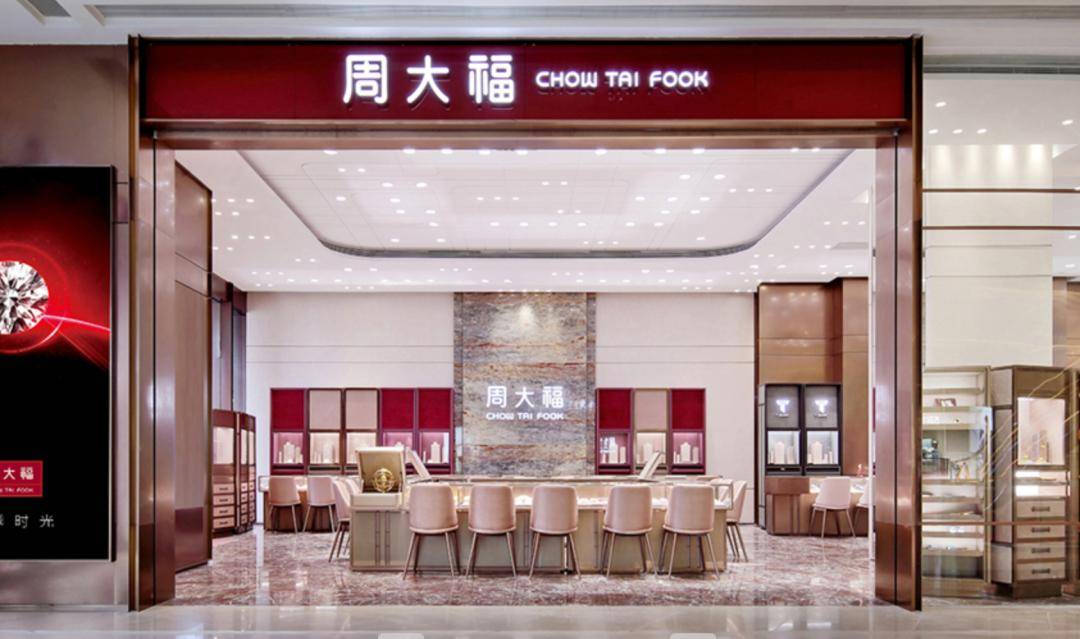
周大福季内零售值增长4.1%,关闭近300个零售点
Sou Hu Cai Jing· 2025-10-22 01:20
Core Viewpoint - The recent surge in gold prices has positively impacted Chow Tai Fook's retail value, despite a significant reduction in the number of retail points, as the company focuses on improving profitability and operational efficiency [2][3][9]. Group 1: Financial Performance - Chow Tai Fook reported a retail value increase of 4.1% year-on-year for the second quarter of the 2026 fiscal year, with mainland China contributing 3% and Hong Kong, Macau, and other markets contributing 11.4% [3][9]. - The company faced a revenue decline of 17.5% in the 2025 fiscal year, with total revenue dropping to HKD 89.656 billion and net profit decreasing by 9% to HKD 5.916 billion [11][12]. - The gross profit margin improved to 29.5%, up by 5.5 percentage points, and the operating profit margin reached 16.4%, an increase of 4 percentage points [11]. Group 2: Retail Network and Strategy - Chow Tai Fook closed a total of 1,009 retail points from the first to the third quarter of the year, with a net reduction of 296 points in the second quarter alone [2][9]. - The company is undergoing a transformation plan focusing on five strategic areas, including brand transformation, product optimization, digital acceleration, operational efficiency, and talent development [12][13]. - The company aims to enhance store productivity and maintain its market leadership by selectively closing underperforming stores and opening higher productivity locations [9][10]. Group 3: Product Performance - The retail value of Chow Tai Fook's pricing gold products grew by 43.7% in the second quarter, while the retail value of jewelry and platinum products increased by 10% [8][9]. - The contribution of jewelry and platinum products to total retail value was 15.3%, while gold products accounted for 80.8%, although the latter saw a slight decrease of 0.6 percentage points year-on-year [8][9]. Group 4: Market Position and Competition - Chow Tai Fook's market capitalization surged from HKD 64.8 billion at the beginning of the year to HKD 164.1 billion, reflecting a significant increase in investor confidence [3][20]. - The company faces increasing competition from rivals such as Lao Pu Gold and other emerging brands, which have also made significant market entries [16][18]. - Chow Tai Fook has recently appointed former Starbucks executives to enhance its marketing strategies and improve customer engagement [19][20].

“转型破局者”七匹狼:向投资开放 用夹克讲出“新”故事
Shang Hai Zheng Quan Bao· 2025-10-19 18:49
Core Viewpoint - The article discusses the transformation of Qipilang, a traditional men's clothing brand, emphasizing its dual approach of "real industry + investment" to adapt to changing consumer preferences and market dynamics [1][3]. Group 1: Transformation Strategy - Qipilang is undergoing a comprehensive transformation from brand, product to strategic orientation, driven by the need to adapt to structural changes in the men's clothing industry [1]. - The company aims to maintain its core in clothing manufacturing while leveraging capital to promote brand evolution [1][3]. - The chairman, Zhou Shaoxiong, emphasizes that true transformation involves using capital to support the main business rather than shifting entirely to the investment sector [1][3]. Group 2: Investment Logic - Qipilang's investment strategy focuses on building a brand matrix by acquiring businesses related to the fashion and consumer sectors, such as the acquisition of Karl Lagerfeld's Greater China operations [3]. - The company prioritizes risk control in its investment philosophy, aiming for long-term stability rather than short-term gains [3]. - Zhou addresses concerns about relying on investment for performance, clarifying that investment activities are designed to support the clothing business [3]. Group 3: Brand Core and Value - The brand transformation is a gradual process, with Qipilang focusing on productization, classicism, agelessness, and quality to appeal to both existing and new customers [4]. - The introduction of the "business travel jacket" series exemplifies the company's innovation, catering to modern consumer needs [5]. - The company emphasizes the importance of value co-creation between the brand and consumers, moving away from traditional advertising methods [5][6]. Group 4: Cultural and Technological Integration - Qipilang's renewed positioning as a "jacket expert" involves cultural heritage and technological upgrades, showcased by its participation in Milan Fashion Week [7]. - The company is investing in functional products and enhancing technological attributes in materials and craftsmanship [7]. - In the first half of the year, Qipilang's direct sales revenue reached 463 million yuan, a year-on-year increase of 17.12%, with a gross margin of 67.33% [7].

娃哈哈下达二选一最后通牒!经销商爆料:代理娃小宗就取消经销资格
Sou Hu Cai Jing· 2025-10-14 18:48
Core Viewpoint - The recent internal notification from Wahaha has created significant turmoil within the beverage distribution network in China, forcing distributors to choose between the established brand Wahaha and the new brand "Wah Xiaozong" [1][3]. Group 1: Brand Conflict - Distributors received an ultimatum to either continue with the traditional Wahaha brand or switch to the new brand "Wah Xiaozong," leading to a crisis in trust built over 30 years [1][3]. - The internal conflict was foreshadowed by the announcement that Zong Fuli would no longer serve as the legal representative and chairman of Wahaha, coinciding with the push for the new brand [3]. Group 2: Shareholding Structure - The current shareholding structure complicates the situation, with three main stakeholders: Shangcheng Wen Shanglv holding 46%, Zong Fuli 29.4%, and the employee shareholding committee 24.6%, requiring unanimous consent for the use of the Wahaha trademark [3]. - Zong Fuli's control over the new brand "Wah Xiaozong" is evident as her company has been actively registering trademarks since May 2025, creating a competitive tension between the two brands [3]. Group 3: Legal Challenges - "Wah Xiaozong" faces significant legal hurdles, particularly regarding trademark law, which may restrict its ability to operate in a market where confusion with the Wahaha brand is possible [5]. - The strict enforcement of trademark regulations in 2024-2025 could pose a serious challenge for the new brand, affecting distributor confidence and inventory decisions [5]. Group 4: Distributor Dynamics - Wahaha's strategy of "removing small distributors and consolidating larger ones" has led to the exit of distributors with annual sales below 3 million yuan, creating a challenging environment for smaller players [5]. - Increased operational demands and reduced profit margins are pressuring small distributors, making them vulnerable to market fluctuations [5]. Group 5: Consumer Perception - The emotional connection consumers have with the Wahaha brand may not easily transfer to "Wah Xiaozong," complicating market acceptance and brand loyalty [7]. - The emergence of competing brands within the same family could confuse consumers, shifting their focus from product quality to brand legitimacy [7]. Group 6: Strategic Recommendations - A more effective approach would involve collaboration rather than forced competition, with clear delineation of roles between Wahaha and "Wah Xiaozong" [8]. - Establishing clear contractual agreements to define non-competitive areas and ensuring stable profit margins for distributors could foster a healthier market environment [8]. Group 7: Distributor Insights - Distributors should focus on cash flow stability, risk-sharing mechanisms, and clear legal protections when navigating this uncertain landscape [10]. - In the absence of clear rules, a cautious approach of observation and contraction may be the most prudent strategy for distributors [10]. Conclusion - The upheaval within the beverage industry reflects the challenges faced by established brands in adapting to new market dynamics, emphasizing the need for a cooperative ecosystem rather than adversarial tactics [12].