
数字化进程

Search documents
2025年科特迪瓦吸引私营部门投资创历史新高
Shang Wu Bu Wang Zhan· 2026-02-27 04:46
Core Insights - The Côte d'Ivoire Investment Promotion Center (CEPICI) reported that private sector investments approved in 2025 reached $1.24 billion, marking a 9.6% increase from 2024 and setting a historical record [1] - A total of 154 new private sector projects were approved, reflecting a 5.5% growth compared to 2024, with an expected creation of 5,910 jobs [1] - Notably, 51% of the investment projects were led by domestic private sector entities, indicating strong vitality among local economic players [1] Investment Trends - From 2021 to 2025, Côte d'Ivoire attracted a cumulative investment of $7.63 billion, with key sectors for incremental investment being services, industry, and agriculture [1] - CEPICI highlighted significant reform outcomes in 2025, with 26,948 new registered companies, representing a year-on-year growth of over 6% [1] Future Outlook - Over the next five years, Côte d'Ivoire aims to advance its digitalization process, modernize industrial parks, strengthen governance mechanisms, and support the sustainable development of local investments [1]
白银会成为新的黄金吗?
Sou Hu Cai Jing· 2025-12-12 07:02
Core Viewpoint - The unprecedented surge in silver prices, which have doubled since the beginning of the year, is reshaping investment logic in the precious metals market, with silver now being compared to gold [1][4]. Supply and Demand Dynamics - The strong performance of silver prices is primarily driven by structural changes in the supply-demand balance, with industrial demand, particularly from emerging sectors like electric vehicles and computer chips, seeing significant growth [5]. - The global silver market is expected to experience a supply deficit for the fifth consecutive year, with a projected shortfall of approximately 11.7 million ounces in 2025, marking one of the largest supply-demand imbalances in recent years [5]. Geopolitical Factors - Geopolitical changes, including the U.S. government's designation of silver as a strategic commodity, have heightened market tensions and led to domestic hoarding behavior among businesses and investors [6]. Retail Investor Behavior - Retail investor enthusiasm is rising, driven by a "Fear of Missing Out" (FOMO) mentality, leading to increased speculation in silver as investors seek alternatives to traditional assets amid rising inflation expectations [8]. Monetary Policy Concerns - Concerns regarding monetary policy, particularly the Federal Reserve's recent interest rate cuts, are contributing to the rise in silver prices, as investors view precious metals as a hedge against potential currency devaluation [9]. Market Predictions - Analysts predict that silver prices may reach the $100 mark by 2026, supported by ongoing supply shortages and increasing industrial demand, although significant price volatility is expected during this period [11].


前海方舟靳海涛:目前资本市场对消费领域关注不够,这是错误的
Sou Hu Cai Jing· 2025-12-04 05:08
Core Viewpoint - The current venture capital funds should focus on five major processes that are expected to yield good investment returns, including addressing supply chain issues, digital transformation, carbon neutrality, health advancements, and consumption upgrades [3][8]. Group 1: Five Major Processes for Investment - The first process is the "short board" process, which aims to solve critical supply chain issues and ensure safety and self-control [3][8]. - The second process is the digital transformation process, emphasizing the need to use digital technology to reform traditional industries and improve various aspects of life and work [3][9]. - The third process is the carbon neutrality process, which has evolved from being driven by financial products to policy-driven, and now is entering a demand-driven phase [3][10]. - The fourth process is the "big health" process, shifting from symptomatic treatment to root cause resolution, with predictions that China will lead in biopharmaceuticals in the next seven to eight years [3][11]. - The fifth process is the consumption upgrade process, which is crucial for economic growth and should receive more attention and support from the capital market [3][11]. Group 2: Global Perspectives on Venture Capital - The development trends in the venture capital industry are influenced by changes in demand and supply, requiring innovation and reform in products and services [4][5]. - Countries are adopting different development paths, with some focusing on innovation-driven investment strategies that support small and medium enterprises and disruptive innovation, while others rely on traditional investment strategies [5][6]. - China has maintained an innovation-driven investment strategy, which has significantly contributed to its technological advancements and economic growth [6][7]. Group 3: Investment Impact and Achievements - Since the emergence of venture capital in 1999, China's GDP has increased over 13 times, with venture capital contributing more than 43% to this growth [7]. - Venture capital has played a significant role in establishing a complete industrial chain in China, with over 40% of major industrial products leading globally [7]. - The venture capital sector has supported the development of leading companies in various industries, including semiconductors and renewable energy [7]. Group 4: Future Recommendations for Venture Capital - The industry should focus on "early, small, and future" investments, promoting patient capital as a fundamental requirement for a healthy venture capital ecosystem [12]. - The capital source structure should be optimized to include government capital, various financial capitals, and family wealth, creating a balanced investment environment [13]. - Emphasis should be placed on post-investment management and support to help companies grow, rather than solely pursuing high-profile successes [14]. - The development of S funds and follow-up funds is essential to avoid potential market disruptions and support the real economy [15].
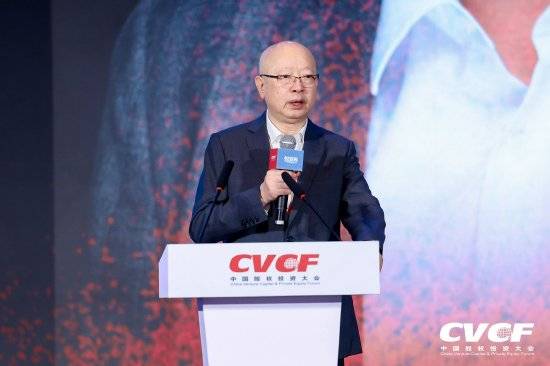
前海方舟董事长靳海涛:看好“五大进程”投资机会
Xin Lang Cai Jing· 2025-12-03 15:03
Core Insights - The 25th China Private Equity Annual Conference highlighted five key processes for venture capital funds to focus on, which are expected to yield good investment returns [1][3] Group 1: Five Key Processes - The first process is the "short board" process, aimed at addressing critical supply chain issues to ensure safety and self-control [1][3] - The second process is the digital transformation process, which involves using digital technology to reform traditional industries and alter work and life scenarios [1][3] - The third process is the carbon neutrality process, emphasizing the importance of transitioning energy structures [1][3] - The fourth process is the "big health" process, where significant changes in China's biomedicine sector, particularly in gene and cell innovation, are attracting investment [1][3] - The fifth process is the consumption upgrade process, which supports economic growth and enhances the quality of life, with consumption enterprises continuously evolving and deserving capital market support [1][3] Group 2: Market Outlook and Recommendations - The first recommendation is to "invest early, invest small, invest in the future," promoting the development of "patient capital" [2][4] - The second recommendation suggests optimizing the sources of capital for private equity investments [2][4] - The third recommendation indicates that private equity finance and capital attraction are becoming important means for local governments to transition from land finance, necessitating changes in commercial strategies and product designs of venture capital institutions [2][4] - The fourth recommendation emphasizes the need for venture capital institutions to focus more on post-investment management and services, adhering to a "30% investment, 70% management" principle [2][4] - The fifth recommendation calls for the development of S funds and follow-up funds from central to local levels to create a sustainable innovation investment ecosystem [2][4] - The sixth recommendation advocates for a diverse approach, where venture capital funds and capital markets support balanced development across various industries [2][4] - The seventh recommendation stresses the importance of maintaining a healthy secondary market, supporting IPOs of innovative enterprises and participating in mergers and acquisitions [2][4]
全球资本聚焦经济转型中的投资机会
Shang Hai Zheng Quan Bao· 2025-11-12 17:51
Core Insights - China's capital market is becoming increasingly attractive to global investors due to its resilience amid economic fluctuations, valuation advantages, and industrial upgrades [1][2] - Foreign institutional investors are particularly interested in sectors aligned with China's economic transformation, such as high-end manufacturing, technology innovation, and consumption [2][3] Group 1: Market Trends - The 2025 Shanghai Stock Exchange International Investor Conference highlighted the growing interest of foreign investors in Chinese assets, with a focus on long-term growth potential and fundamental company performance [1] - International capital flows are being closely monitored, with foreign investors showing a positive attitude towards the Chinese market [1] Group 2: Investment Focus - Key investment themes identified include innovation, restructuring, and international expansion, with consumption upgrades being a significant outcome of these trends [2] - The emphasis on hard technology and the promotion of ETFs related to China's technological innovation are seen as ways to enhance interaction between domestic and foreign capital [2] Group 3: Long-term Investment Strategies - Temasek's investment strategy in China aligns with four long-term directions: digitalization, sustainable living, future consumption, and longevity, focusing on sectors like digital technology, renewable energy, and life sciences [2][3] - The belief in the growth potential of these sectors reflects the future development trajectory of the Chinese economy [3]
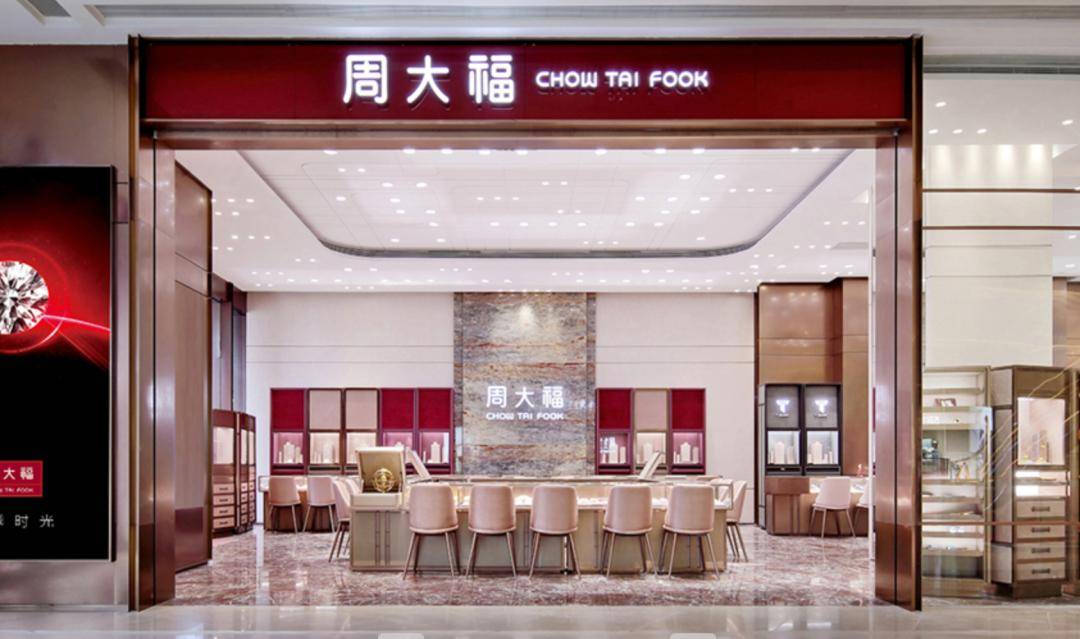
周大福季内零售值增长4.1%,关闭近300个零售点
Sou Hu Cai Jing· 2025-10-22 01:20
Core Viewpoint - The recent surge in gold prices has positively impacted Chow Tai Fook's retail value, despite a significant reduction in the number of retail points, as the company focuses on improving profitability and operational efficiency [2][3][9]. Group 1: Financial Performance - Chow Tai Fook reported a retail value increase of 4.1% year-on-year for the second quarter of the 2026 fiscal year, with mainland China contributing 3% and Hong Kong, Macau, and other markets contributing 11.4% [3][9]. - The company faced a revenue decline of 17.5% in the 2025 fiscal year, with total revenue dropping to HKD 89.656 billion and net profit decreasing by 9% to HKD 5.916 billion [11][12]. - The gross profit margin improved to 29.5%, up by 5.5 percentage points, and the operating profit margin reached 16.4%, an increase of 4 percentage points [11]. Group 2: Retail Network and Strategy - Chow Tai Fook closed a total of 1,009 retail points from the first to the third quarter of the year, with a net reduction of 296 points in the second quarter alone [2][9]. - The company is undergoing a transformation plan focusing on five strategic areas, including brand transformation, product optimization, digital acceleration, operational efficiency, and talent development [12][13]. - The company aims to enhance store productivity and maintain its market leadership by selectively closing underperforming stores and opening higher productivity locations [9][10]. Group 3: Product Performance - The retail value of Chow Tai Fook's pricing gold products grew by 43.7% in the second quarter, while the retail value of jewelry and platinum products increased by 10% [8][9]. - The contribution of jewelry and platinum products to total retail value was 15.3%, while gold products accounted for 80.8%, although the latter saw a slight decrease of 0.6 percentage points year-on-year [8][9]. Group 4: Market Position and Competition - Chow Tai Fook's market capitalization surged from HKD 64.8 billion at the beginning of the year to HKD 164.1 billion, reflecting a significant increase in investor confidence [3][20]. - The company faces increasing competition from rivals such as Lao Pu Gold and other emerging brands, which have also made significant market entries [16][18]. - Chow Tai Fook has recently appointed former Starbucks executives to enhance its marketing strategies and improve customer engagement [19][20].

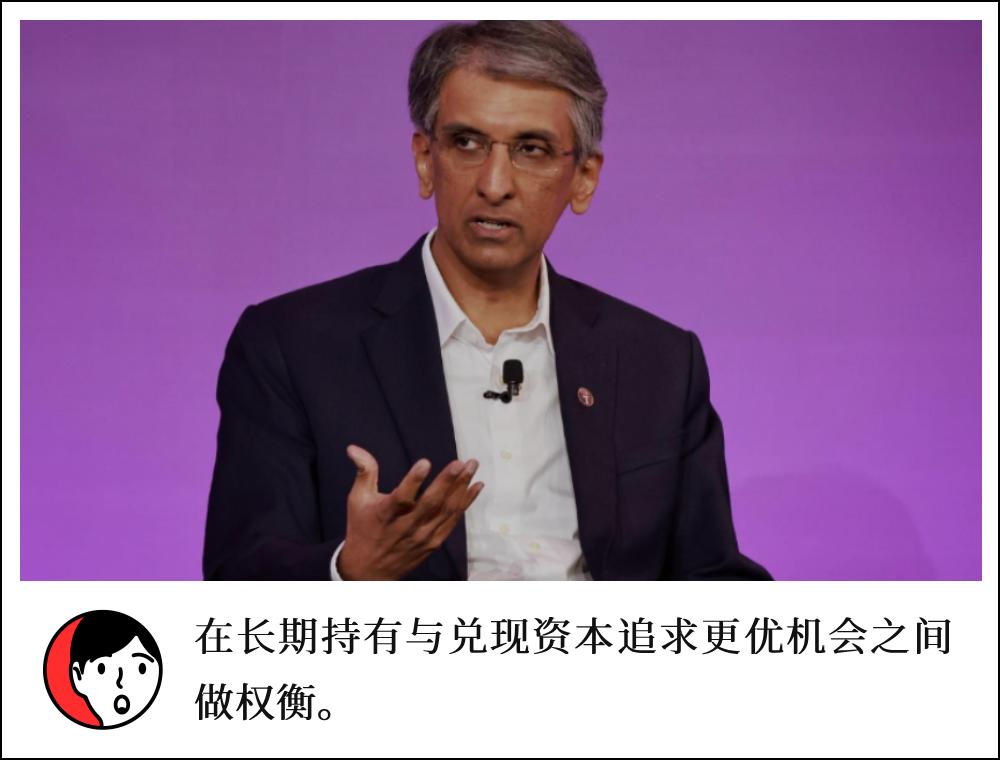
淡马锡CEO狄澜访谈:在中国总敞口仍在上升,全球投资聚焦四大结构性趋势
3 6 Ke· 2025-09-30 07:26
Core Insights - The discussion between Nicolai Tangen, CEO of Norges Bank Investment Management, and Dilhan Pillay Sandrasegara, CEO of Temasek, highlighted Temasek's global investment strategy and its relationship with national governance [2][5]. Investment Strategy - Temasek manages a total of $350 billion in assets across 13 offices globally, with a portfolio net worth of SGD 434 billion as of March 31, marking a historical high [2][5]. - The investment portfolio is divided into three main segments: long-term investments in local companies with at least 20% ownership, global direct investments focusing on minority stakes aligned with four institutional trends, and collaborative investment projects with other investors [5][10]. - Temasek does not engage in macro timing but focuses on a "exit-reinvest" capital cycle to achieve long-term returns [5][20]. Geographic Exposure - Temasek's overall exposure in China continues to grow, while funds are being rebalanced towards the US and Europe [20]. - Over the past decade, Temasek's investment strategy has been driven by themes such as urbanization, the rise of the middle class, intellectual property advantages, and global champions [19][20]. Governance and Operational Structure - Temasek operates independently from the Singapore government, with no government-appointed directors on its board, allowing for a separation of regulatory and operational functions [12][11]. - The organization emphasizes a networked, partnership-first approach, prioritizing relationships over transactions [35][36]. Trends and Themes - Current investment trends focus on digitalization, future new consumption, longevity, and sustainable living [19][27]. - The organization has shifted its investment focus post-financial crisis, increasing allocations to the US and Europe, with the investment portfolio value doubling over the last decade [18][19]. Performance and Contribution - Companies held by Temasek contribute approximately 5% to Singapore's GDP, playing a crucial role in sectors like finance and public utilities [6][45]. - Temasek's investment philosophy emphasizes long-term sustainable returns while also considering the broader impact of climate change and technological advancements [14][27].
金邦达宝嘉(03315)发布中期业绩 股东应占溢利2353.2万元 同比减少24.44%
智通财经网· 2025-08-20 11:55
Core Viewpoint - The company reported a decline in revenue and profit for the six months ending June 30, 2025, but achieved an increase in gross profit and gross margin due to operational efficiency improvements from product structure optimization and accelerated digitalization [1] Financial Performance - Revenue for the period was 458 million RMB, representing a year-on-year decrease of 15.52% [1] - Shareholders' profit was 23.532 million RMB, down 24.44% year-on-year [1] - Basic earnings per share were 2.9 cents [1] Gross Profit and Margin - The company achieved a gross profit of approximately 134 million RMB, which is a year-on-year increase of about 1.2% [1] - Gross margin improved by 4.9 percentage points to approximately 29.3% [1]
金邦达宝嘉(03315.HK)上半年收入约4.58亿元 同比下降约15.5%
Ge Long Hui· 2025-08-20 11:52
Core Insights - The company reported a revenue of approximately RMB 458 million for the first half of 2025, representing a year-on-year decline of about 15.5% [1] - Despite the revenue drop, the company achieved a gross profit of approximately RMB 134 million, which is a year-on-year increase of about 1.2%, with the gross margin improving by 4.9 percentage points to approximately 29.3% [1] - Operating profit remained stable year-on-year, while operating expenses were approximately RMB 125 million, a decrease of about 1.3% [1] - The net profit for the period was approximately RMB 23.6 million, reflecting a year-on-year decline of about 22.7% due to factors such as decreased exchange gains, lower other income, and increased income tax expenses [1] - As of June 30, 2025, over 2,200 clients in the financial and transportation sectors have accessed the UMV platform, achieving full online business operations and enhancing client efficiency and innovation [1]