
能源绿色低碳转型

Search documents
新纪录!预计首超10万亿千瓦时
中国能源报· 2025-12-16 08:08
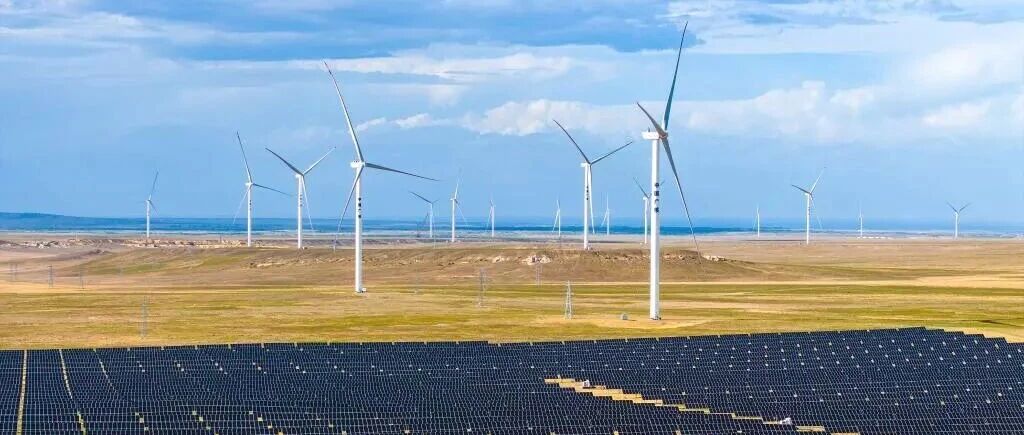
新纪录!2 0 2 5年全国全社会用电量预计首超10万亿千瓦时。 ▲ 这是2025年7月1日在新疆阿勒泰地区吉木乃县拍摄的50万千瓦时风电项目配套输电线路 建设现场(无人机照片)新华社发(努尔别克·努尔曼 摄) 这一"新纪录"传递着中国经济的澎湃活力。 在生产端,高技术及装备制造业用电增速持续领跑,据预测,1到11月新能源车整车制 造、风能原动设备制造等细分领域增速分别超过20%和30%。 在消费端,从智能家电到新能源汽车,从文旅消费到餐饮住宿,增长的居民用电与消费市 场 的 新 热 点 紧 密 相 连 , 据 预 测 , 1 到 11 月 , 互 联 网 和 相 关 服 务 业 用 电 量 同 比 增 速 超 30%,充换电服务业用电量增速近50%。 用电量有望创新纪录!记者12月15日从2026年全国能源工作会议获悉,2025年全国全 社会用电量预计首超10万亿千瓦时。 如何理解10万亿千瓦时?从纵向比,这是我国2015年全年全社会用电量的约两倍;从横 向看,高于欧盟、俄罗斯、印度、日本去年全社会用电量的总和。 " 这 一 量 级 在 全 球 范 围 内 尚 属 首 次 。 " 中 国 电 力 企 业 联 ...

我国今年用电量将超10万亿千瓦时,2030年新能源装机将成主体
Yang Shi Xin Wen Ke Hu Duan· 2025-12-16 05:59
"十四五"非化石能源消费占比超额完成目标 记者昨天从全国能源工作会议上了解到,今年,全国电力供应保持安全稳定,全年全社会用电量预计将 超过10万亿千瓦时。 国家能源局最新预测数据显示,2025年,全国发电总装机将超过38亿千瓦,同比增长14%,全社会用电 量预计将首超10万亿千瓦时。从纵向比,这是我国2015年全年全社会用电量的约两倍;从横向看,高于 欧盟、俄罗斯、印度、日本全年全社会用电量的总和。 10万亿千瓦时的背后,显示中国经济的澎湃活力。今年以来,高技术及装备制造业用电增速持续领跑, 据预测,1到11月新能源车整车制造用电量、风能原动设备制造用电量同比增速分别超过20%和30%。1 到11月,互联网和相关服务业用电量同比增速超30%,充换电服务业用电量同比增速近50%。 "十五五"期间,我国将加力建设新型能源基础设施,优化能源资源基地布局和流向格局。夯实煤炭供应 保障基础,增加油气生产供应能力,提升电力保供水平。2030年"西电东送"能力将达到4.2亿千瓦以 上。油气管网总里程达到22万公里,四大油气进口战略通道进一步巩固拓展。 与此同时,我国将推动清洁能源实现更高质量发展,坚持风光水核等多能并举,加 ...
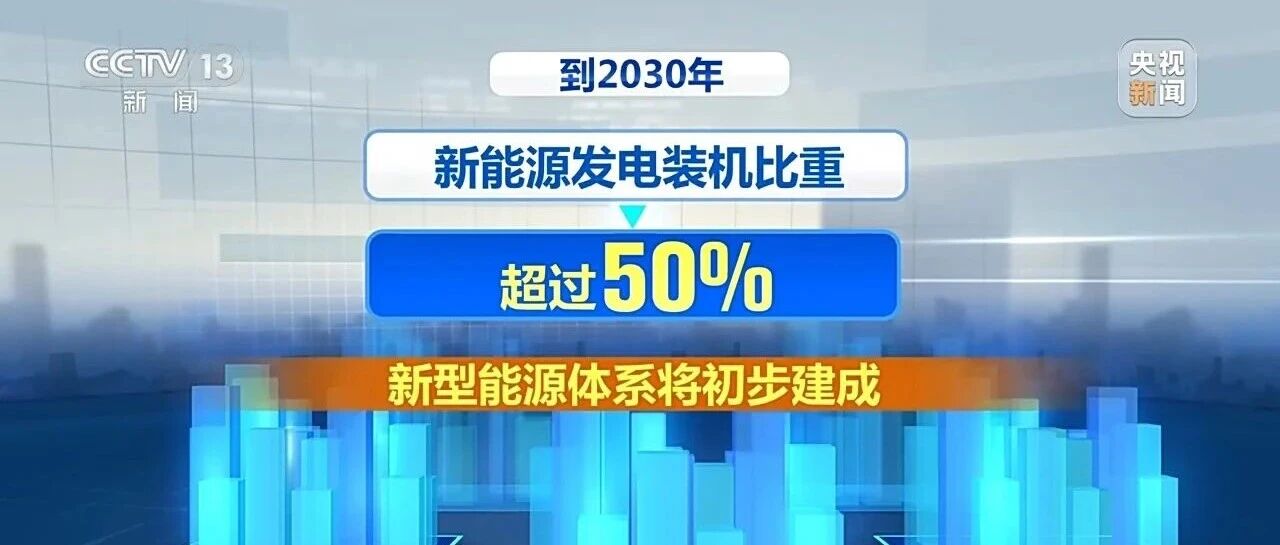
央视新闻丨我国能源投资增势强劲 “十五五”末新能源发电装机占比将超50%
国家能源局· 2025-12-16 05:57
Core Insights - The article highlights the robust growth of China's electricity consumption, projecting that the total electricity usage will exceed 10 trillion kilowatt-hours this year, reflecting the country's economic vitality [2][6] Group 1: Electricity Supply and Consumption - The total installed power generation capacity in China is expected to exceed 3.8 billion kilowatts by 2025, marking a 14% year-on-year increase, with electricity consumption projected to surpass 10 trillion kilowatt-hours for the first time [4] - The electricity consumption in 2023 is approximately double that of 2015, and it surpasses the combined total of the European Union, Russia, India, and Japan [4] Group 2: Non-Fossil Energy Consumption - The share of non-fossil energy in total energy consumption is set to exceed the target of 20% by the end of 2025, as per the "14th Five-Year Plan" [8][10] - The National Energy Administration indicates that the transition to green and low-carbon energy is accelerating, with non-fossil energy consumption exceeding the planned targets [10] Group 3: Investment in Energy Sector - Energy investments are strong, with key projects expected to complete investments of 3.54 trillion yuan, an 11% increase year-on-year, focusing on nuclear power, onshore wind, and distributed solar power [12] - Investments in new energy storage, charging infrastructure, and hydrogen energy are also experiencing rapid growth [12] Group 4: Renewable Energy Development - The first batch of wind and solar power bases is operational, with an expected addition of 370 million kilowatts of wind and solar capacity this year, maintaining a utilization rate above 94% [14] - By the end of the "14th Five-Year Plan," renewable energy generation capacity is projected to exceed 50% of total installed capacity by 2030 [16] Group 5: Future Energy Goals - By 2030, the share of non-fossil energy consumption is expected to reach 25%, and renewable energy generation capacity will exceed 50%, marking a significant transition in the energy sector [18][20] - The energy sector will undergo historical changes, with coal and oil consumption reaching peak levels, and the growth in energy demand primarily met by non-fossil energy sources [20]
今年能源安全保障有力有效 保供成效“十四五”最好一年
Ren Min Ri Bao· 2025-12-16 02:28
记者从2026年全国能源工作会议上获悉:今年全国发电总装机预计超过38亿千瓦、同比增长14%,全社 会用电量首超10万亿千瓦时。"1万亿千瓦时"便相当于日本全年的用电量总和,7月和8月全社会用电量 连续超过1万亿千瓦时,我国有力有效应对迎峰度夏电力负荷20次超去年峰值考验。 国家能源局有关负责人表示,今年能源安全保障有力有效,保供成效是"十四五"以来最好的一年。 今年还有几组数据值得关注—— 油、气产量双创历史新高,原油产量约2.15亿吨,天然气产量突破2600亿立方米、连续9年增产超百亿 立方米,油气增储上产"七年行动计划"胜利收官; 全年原煤产量48亿吨以上,进口约4.7亿吨,加快建设储备产能9000万吨/年以上,煤炭供给裕度保持合 理水平、供给弹性持续增强; 西电东送能力达到3.4亿千瓦,长输油气管道里程达到20万公里,煤炭主要产区外运量超19亿吨。 总的来看,全国电力供应保持安全稳定,油气勘探开发力度大幅提升,能源资源互补互济水平持续提 升,能源安全保障有力有效。"十四五"以来,我国能源自给率从80%左右增至84%以上,建成全球最大 的可再生能源体系,能源体量规模稳居世界第一。 能源绿色低碳转型步伐也 ...
2026年新增风光装机2亿千瓦以上 核电发展基调不变
Di Yi Cai Jing· 2025-12-16 02:14
12月15日,2026年全国能源工作会议在北京召开。会议提到,要扎实推进能源绿色低碳转型。持续提高 新能源供给比重,全年新增风电、太阳能发电装机2亿千瓦以上,有序推进重大水电项目,积极安全有 序发展核电,加强化石能源清洁高效利用。 厦门大学中国能源政策研究院院长林伯强向第一财经记者表示,能源绿色低碳转型关键在于构建新型能 源系统,即以风电、光伏等清洁能源为主导。但目前,清洁能源发展面临的主要瓶颈是消纳难题。 为解决消纳难题,今年10月份,国家发改委、国家能源局印发的《关于促进新能源消纳和调控的指导意 见》(下称《指导意见》)提出,到2030年,协同高效的多层次新能源消纳调控体系基本建立,持续保 障新能源顺利接网、多元利用、高效运行,新增用电量需求主要由新增新能源发电满足。同时,新型电 力系统适配能力显著增强,系统调节能力大幅提升,电力市场促进新能源消纳的机制更加健全,跨省跨 区新能源交易更加顺畅,满足全国每年新增2亿千瓦以上新能源合理消纳需求。 长期以来,新能源消纳工作主要聚焦于省内集中式新能源,随着新能源开发模式日益多元,《指导意 见》提出将新能源开发消纳划分为5类,统筹"沙戈荒"新能源基地外送与就地消纳, ...
2026年新增风光装机2亿千瓦以上,核电发展基调不变
Di Yi Cai Jing· 2025-12-16 02:13
目前,清洁能源发展面临的主要瓶颈是消纳难题。 12月15日,2026年全国能源工作会议在北京召开。会议提到,要扎实推进能源绿色低碳转型。持续提高 新能源供给比重,全年新增风电、太阳能发电装机2亿千瓦以上,有序推进重大水电项目,积极安全有 序发展核电,加强化石能源清洁高效利用。 厦门大学中国能源政策研究院院长林伯强向第一财经记者表示,能源绿色低碳转型关键在于构建新型能 源系统,即以风电、光伏等清洁能源为主导。但目前,清洁能源发展面临的主要瓶颈是消纳难题。 为解决消纳难题,今年10月份,国家发改委、国家能源局印发的《关于促进新能源消纳和调控的指导意 见》(下称《指导意见》)提出,到2030年,协同高效的多层次新能源消纳调控体系基本建立,持续保 障新能源顺利接网、多元利用、高效运行,新增用电量需求主要由新增新能源发电满足。同时,新型电 力系统适配能力显著增强,系统调节能力大幅提升,电力市场促进新能源消纳的机制更加健全,跨省跨 区新能源交易更加顺畅,满足全国每年新增2亿千瓦以上新能源合理消纳需求。 长期以来,新能源消纳工作主要聚焦于省内集中式新能源,随着新能源开发模式日益多元,《指导意 见》提出将新能源开发消纳划分为 ...
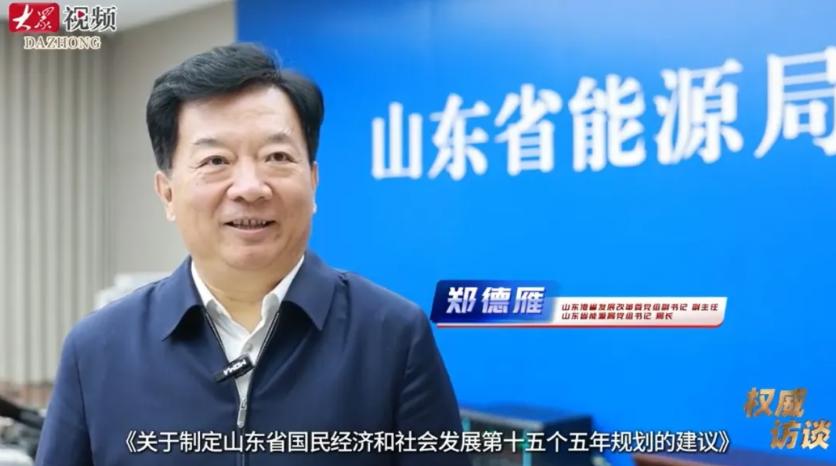
山东省能源局局长郑德雁:加快建设新型能源体系,为高质量发展提供坚强能源支撑
Da Zhong Ri Bao· 2025-12-16 01:44
省委十二届十次全会通过的《关于制定山东省国民经济和社会发展第十五个五年规划的建议》,强调"要积极稳妥推进 和实现碳达峰,加快建设新型能源体系",进一步明确做好新时代能源工作的战略导向、目标要求和重点任务,为"十 五五"时期全省能源绿色低碳高质量发展提供了根本遵循和行动指南。 回顾"十四五",在省委、省政府坚强领导下,全省能源行业认真贯彻落实习近平总书记视察山东重要讲话和重要指示 批示精神,深入践行"四个革命、一个合作"能源安全新战略,能源绿色低碳转型取得突破性进展。能源供应保障能力 显著增强,电力总装机达2.5亿千瓦,居全国第二;非化石能源装机规模先后取得"沿海省份率先破亿""历史性超越煤 电"两个里程碑式的突破,已超过1.34亿千瓦、是2020年的2.8倍,占总装机比重53.6%;全球首座第四代核电站投运,百 万吨级CCUS、300兆瓦大型先进压缩空气储能等技术填补国内空白;源网荷储一体化、绿电产业园、虚拟电厂等新业态 新模式蓬勃发展,核能跨区域供暖、车网互动充换电等示范应用领先全国。总的来看,山东能源改革发展迎来速度最 快、质效最好、活力最强的"黄金期"。 索比光伏网 https://news.solar ...
人民日报︱能源保供成效“十四五”最好一年,全社会用电量、油气产量三创新高
国家能源局· 2025-12-16 00:46
Core Viewpoint - The article highlights significant advancements in China's energy sector, including record power generation capacity, increased energy security, and accelerated green energy transition efforts. Group 1: Power Generation and Consumption - National power generation capacity is expected to exceed 3.8 billion kilowatts, a year-on-year increase of 14%, with total electricity consumption surpassing 10 trillion kilowatt-hours for the first time, equivalent to Japan's annual electricity consumption [2] - In July and August, electricity consumption exceeded 1 trillion kilowatt-hours, demonstrating China's effective response to peak summer electricity load challenges [2] Group 2: Energy Security and Production - Energy security has been robust this year, with supply guarantees being the best since the 14th Five-Year Plan began [3] - Oil and gas production reached historical highs, with crude oil production at approximately 215 million tons and natural gas production exceeding 260 billion cubic meters, marking a continuous increase for nine years [4] - Coal production is projected to exceed 4.8 billion tons, with imports around 470 million tons, maintaining a reasonable supply margin and enhancing supply flexibility [4] Group 3: Green Energy Transition - The share of non-fossil energy consumption has exceeded the 20% target, with strong investment in energy projects expected to reach 3.54 trillion yuan, a year-on-year increase of 11% [5] - Significant investments are being made in nuclear power, onshore wind, distributed solar, and grid infrastructure, with private sector investment increasing by 15% [5] - Wind and solar power installations are projected to add approximately 370 million kilowatts, with utilization rates above 94%, contributing to 22% of total electricity consumption [5] Group 4: Major Projects and Infrastructure - Major hydropower and nuclear projects are accelerating, with national hydropower capacity exceeding 440 million kilowatts and over 64 million kilowatts in pumped storage capacity [6] - Ten new nuclear power units have been approved for construction, bringing the total operational and under-construction nuclear units to 112, with a combined capacity of 125 million kilowatts [6]
新华鲜报丨新纪录!2025年全国全社会用电量预计首超10万亿千瓦时
Xin Hua Wang· 2025-12-16 00:45
这一"新纪录"彰显发电与电网系统的"硬核"实力。 电源足,预计全国发电总装机超38亿千瓦,煤电、水电、风电、光伏等类型丰富的电源夯实电力保 供基本盘。 用电量有望创新纪录!记者12月15日从2026年全国能源工作会议获悉,2025年全国全社会用电量预 计首超10万亿千瓦时。 如何理解10万亿千瓦时?从纵向比,这是我国2015年全年全社会用电量的约两倍;从横向看,高于 欧盟、俄罗斯、印度、日本去年全社会用电量的总和。 "这一量级在全球范围内尚属首次。"中国电力企业联合会统计与数智部副主任蒋德斌说,这不仅标 志着我国用电规模稳居世界首位,更成为中国经济与能源发展进程中的重要里程碑。 这一"新纪录"传递着中国经济的澎湃活力。 在生产端,高技术及装备制造业用电增速持续领跑,据预测,1到11月新能源车整车制造、风能原 动设备制造等细分领域增速分别超过20%和30%。 在消费端,从智能家电到新能源汽车,从文旅消费到餐饮住宿,增长的居民用电与消费市场的新热 点紧密相连,据预测,1到11月,互联网和相关服务业用电量同比增速超30%,充换电服务业用电量增 速近50%。 "2026年将扎实推进能源绿色低碳转型,持续提高新能源供给 ...
国家能源局:2026年持续提高新能源供给比重,风、光新增装机2亿千瓦以上
Zhong Guo Dian Li Bao· 2025-12-16 00:42
Core Points - The 2026 National Energy Work Conference emphasized the need for a solid advancement in green and low-carbon energy transformation, aiming to increase the share of renewable energy supply significantly [1][8] - The conference set a target of adding over 20 million kilowatts of wind and solar power generation capacity in 2026, alongside the orderly promotion of major hydropower projects and the safe development of nuclear power [1][8] - The meeting highlighted the importance of energy technology independence and innovation, including initiatives like "AI + Energy" integration and the development of smart grid technologies [1][8] Summary by Sections Energy Work Overview - The conference was guided by Xi Jinping's thoughts and aimed to implement the spirit of the 20th National Congress of the Communist Party, summarizing the achievements of 2025 and outlining key tasks for 2026 [2][4] - The energy sector has made significant progress in 2025, achieving high standards in energy security and green transformation, with non-fossil energy consumption exceeding the 20% target [4][6] 2026 Key Tasks - The energy work for 2026 will focus on high-quality planning and implementation of the 14th Five-Year Plan, ensuring energy security, and promoting green low-carbon transformation [8] - Specific goals include enhancing coal supply security, increasing electricity supply capabilities, and optimizing energy infrastructure [8] Technological and International Cooperation - The conference stressed the need for advancing energy technology and fostering international cooperation in clean energy [5][8] - The integration of artificial intelligence into the energy sector is seen as a significant opportunity for development [5][8] Governance and Leadership - The importance of strong party leadership in energy work was emphasized, along with the need for effective implementation of central policies and addressing feedback from inspections [9]
