
金融开放

Search documents
三部门:银行间债券市场的境外机构投资者均可参与债券回购业务
Bei Jing Shang Bao· 2025-09-26 12:27
Core Viewpoint - The People's Bank of China, the China Securities Regulatory Commission, and the State Administration of Foreign Exchange have jointly announced measures to further support foreign institutional investors in engaging in bond repurchase transactions in the interbank bond market [1] Group 1: Announcement Details - The announcement allows all foreign institutional investors to participate in bond repurchase transactions in the interbank bond market, including those entering through direct market access and the "Bond Connect" channel [1] - Types of eligible investors include foreign central banks or monetary authorities, international financial organizations, sovereign wealth funds, foreign commercial banks, insurance companies, securities companies, fund management companies, futures companies, trust companies, and other asset management institutions, as well as pension funds, charitable funds, and endowment funds [1] Group 2: Service Provision - Foreign financial infrastructure, self-regulatory organizations, and industry associations are permitted to provide services for foreign institutional investors engaging in bond repurchase transactions in the interbank bond market [1] - Such activities must comply with Chinese laws and regulations, and self-regulatory organizations and industry associations must file the main agreement standard version with the People's Bank of China [1]
投资贸易便利化升级,上海自贸区条例11年来首次大修
Sou Hu Cai Jing· 2025-09-26 10:09
Core Viewpoint - The first major revision of the "Shanghai Free Trade Zone Regulations" has been approved, set to take effect on September 29, 2025, reflecting significant changes in the operational environment and management system of the free trade zone over the past decade [1][2]. Group 1: Investment and Trade Facilitation - The revised regulations solidify existing practices such as the negative list for foreign investment, customs facilitation, and the "single window" for international trade, while also introducing new measures for emerging trade formats and cross-border digital trade [4]. - Future plans include broader foreign investment access, pilot programs for advanced telecommunications, and support for foreign investment in healthcare and vocational training sectors [4]. - The regulations aim to enhance the management of bonded maintenance services for high-tech equipment and promote the use of various fuels in international shipping [4]. Group 2: Financial and Data Flow - The regulations emphasize the development of financial infrastructure and the expansion of cross-border financial services, including support for technology, green, and digital finance [5]. - A mechanism for data security compliance and cross-border data flow is established, promoting high-quality data utilization and international cooperation in the digital economy [5][6]. - Plans to create an international data economic industrial park and enhance data processing capabilities are outlined [6]. Group 3: Innovation and Talent Development - The regulations promote the aggregation of innovative elements, support for cross-border technology transactions, and the development of key industries such as biomedicine and artificial intelligence [7]. - New policies for attracting foreign talent include streamlined visa processes and support for research institutions [8]. - The focus on integrated innovation in key industries aims to enhance Shanghai's position in emerging sectors like integrated circuits and advanced manufacturing [7].

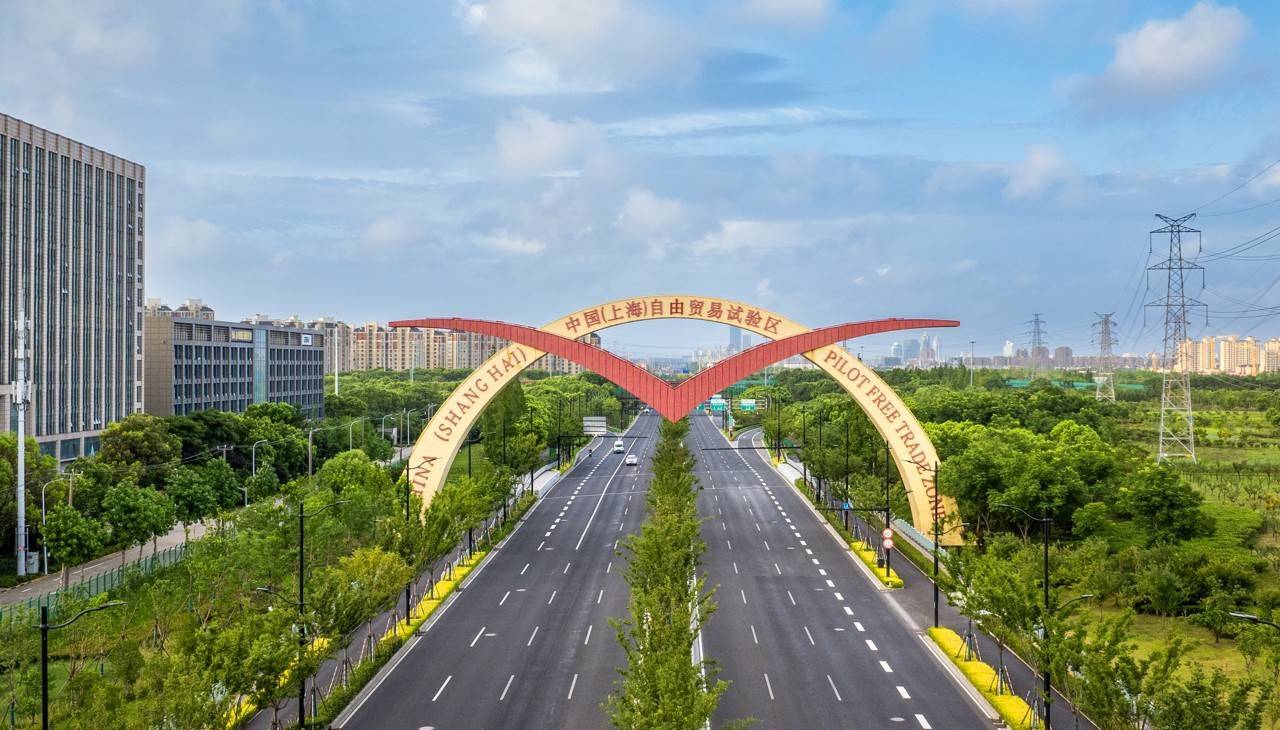
全国首部自贸试验区立法完成修订,上海明确下一步开放新举措
Di Yi Cai Jing· 2025-09-26 09:51
Core Points - The revised "Regulations on the China (Shanghai) Pilot Free Trade Zone" will officially take effect on September 29, 2025, marking the 12th anniversary of the Shanghai Free Trade Zone [1] - The revision aims to provide a solid legal guarantee for the development of a higher-level Shanghai Free Trade Zone, reflecting the need for comprehensive updates due to significant changes in the zone's coverage, management system, and external environment over the past decade [2][3] Summary by Sections Legislative Background - The original regulations, implemented in August 2014, played a crucial role in promoting innovative reforms and served as a model for other free trade zones across the country [2] - The legislative update is seen as a systematic integration of over a decade's worth of reform and innovation measures [2] Key Features of the Revised Regulations - The regulations solidify mature institutional experiences such as foreign investment negative list management, overseas investment filing management, customs facilitation, and the construction of an international trade "single window" [3] - New institutional arrangements are made for emerging trade formats, cross-border trade digitization, and pilot projects for mandatory product certification exemptions [3] Financial and Economic Development - The regulations support the development of technology finance, green finance, and digital finance, tailored to the characteristics of the Shanghai Free Trade Zone [3] - They outline the development direction for key industries such as biomedicine and artificial intelligence [3] Data and Digital Economy - A data security compliance mechanism combining negative lists and operational guidelines will be established to facilitate cross-border data flow [3] - The regulations aim to enhance the digital economy's advantages by promoting data product intellectual property registration and building an international data economic industrial park [6] Business Environment Optimization - The regulations clarify institutional measures in government procurement, intellectual property protection, and ecological environmental protection to improve the business environment [3] - They align with the latest World Bank assessment indicators for the business environment [3] Future Directions - The Shanghai Free Trade Zone will deepen investment openness and trade facilitation, including the implementation of a national and pilot version of the cross-border service trade negative list [4][5] - There will be a focus on developing new trade formats and promoting trade transformation and upgrading [5] - The zone aims to enhance the gathering and radiating capabilities of strategic elements, particularly in the financial sector [5][6] Innovation and Industry Development - The regulations encourage foreign investment in R&D centers and support multinational companies in establishing regional headquarters with R&D functions [7] - They emphasize the importance of integrating innovation across the entire industry chain, particularly in key sectors like integrated circuits and high-end manufacturing [7]
尹艳林:跨境支付中人民币占比有望进一步上升
Sou Hu Cai Jing· 2025-09-26 08:01
Core Insights - China's financial internationalization has made significant progress, with record offshore RMB bond issuance and breakthroughs in cross-border financial services [1] - The integration of finance and technology is an irreversible trend, essential for building a strong financial nation [1] Group 1: Financial Developments - Offshore RMB bond issuance has reached a new high, indicating increased international acceptance of the currency [1] - The Guangdong-Hong Kong-Macao Greater Bay Area's cross-border wealth management scheme has achieved significant scale [1] - New policies such as cross-border insurance and southbound trading under the Bond Connect have been successfully implemented [1] - The establishment of the digital RMB international operation center is expected to increase the proportion of RMB in cross-border payments [1] Group 2: Recommendations for Financial Innovation - Encourage innovation by promoting market-oriented and legal frameworks for financial development, emphasizing collaboration between financial institutions and technology companies [2] - Reform is necessary to achieve innovation, including improving the positioning of state-owned banks and enhancing regulatory frameworks [2] - Expand openness to improve financial resource allocation efficiency and enhance international competitiveness [3] Group 3: Integration and Safety - Promote the integration of various financial sectors and the fusion of finance with technology, e-commerce, and logistics to better serve the real economy [3] - Emphasize the importance of risk prevention and data security in the face of new financial business models, advocating for a robust regulatory framework [3]
五年砺剑 筑金融强国根基
Jin Rong Shi Bao· 2025-09-23 02:08
Core Viewpoint - The financial sector in China has made significant achievements during the "14th Five-Year Plan" period, contributing to the country's modernization and economic development through robust reforms and enhanced service capabilities [1][2][4]. Group 1: Financial Sector Achievements - As of June 2023, China's banking sector total assets reached nearly 470 trillion yuan, ranking first globally; the stock and bond markets are the second largest in the world; and foreign exchange reserves have maintained the top position for 20 consecutive years [1]. - The balance of green credit has reached 42.39 trillion yuan, supporting the construction of a beautiful China, while the digital payment penetration rate stands at 86%, showcasing the accessibility of financial services [1]. - Over the five years, the banking and insurance sectors have provided an additional 170 trillion yuan in funding to the real economy, highlighting the crucial role of financing channels [2]. Group 2: Reform and Market Activation - The financial reforms during the "14th Five-Year Plan" have deepened and materialized, with a series of transformative reforms enhancing governance efficiency and market vitality [2]. - The modern monetary policy framework has begun to take shape, significantly improving policy implementation and transmission effectiveness, thereby supporting the main economic and social development goals [2]. Group 3: Risk Management and Safety - Risk prevention measures have been effectively implemented, leading to a significant reduction in high-risk financial assets and the orderly restructuring of small and medium-sized financial institutions [3]. - The overall risk in key areas such as real estate and local government debt remains controllable, with the resilience of the financial system continuously strengthening [3]. Group 4: Global Competitiveness and Openness - The financial services sector has seen a deepening of institutional openness, with mechanisms like the Shanghai-Hong Kong Stock Connect being optimized, and foreign holdings of domestic stocks and bonds exceeding 10 trillion yuan [3]. - The international status of the renminbi is steadily rising, with China becoming one of the top three currencies in global trade financing and payment, reinforcing its role in the international monetary system [3].
中国人民银行行长潘功胜: 坚持支持性货币政策立场 加快完善中央银行制度
Zheng Quan Shi Bao· 2025-09-22 18:03
Group 1 - The People's Bank of China (PBOC) has established a supportive monetary policy stance during the 14th Five-Year Plan period, with a preliminary formation of a modern monetary policy framework with Chinese characteristics [1][3] - Financial system reforms have deepened, significantly enhancing the quality and efficiency of financial services to the real economy, while also making progress in financial openness and risk prevention [1][2] - As of the end of July, foreign institutions and individuals held over 10 trillion yuan in domestic stocks, bonds, and deposits, with panda bond issuance exceeding 1 trillion yuan [1] Group 2 - The number of financing platforms has decreased by over 60% and the scale of financial debt has dropped by over 50% compared to early 2023, indicating a significant reduction in local government financing platform risk levels [2] - The PBOC is exploring monetary policy tools to maintain capital market stability, including the creation of swap facilities and stock repurchase loans [2] - Overall, financial risks are considered manageable, with a robust financial system in place, emphasizing the importance of comprehensive financial regulation as the first line of defense against financial risks [2] Group 3 - The modern monetary policy framework has effectively promoted reasonable growth in financial aggregates, steady decline in financing costs, and optimization of credit structures, while maintaining currency stability [3] - The current monetary policy stance is supportive and moderately accommodative, creating a favorable environment for economic recovery and financial market stability [3] - The PBOC will adjust monetary policy based on macroeconomic data, ensuring ample liquidity and supporting consumption and effective investment to sustain economic recovery [3]

“十四五”时期金融业成绩单揭晓 国际竞争力和影响力显著提升
Xin Hua Cai Jing· 2025-09-22 15:16
Group 1 - The core viewpoint of the articles highlights the significant achievements of China's financial sector during the "14th Five-Year Plan" period, emphasizing the deepening of financial reforms and the enhancement of financial services to the real economy [1][3][5] - As of June 2023, China's banking sector total assets reached nearly 470 trillion yuan, ranking first in the world, with stock and bond market sizes also ranking second globally [1] - The People's Bank of China (PBOC) has adopted a supportive monetary policy stance, focusing on maintaining internal and external balance while promoting economic recovery and financial market stability [7][8] Group 2 - Financial system reforms have been further deepened, with the establishment of new regulatory bodies such as the Central Financial Committee, enhancing governance efficiency [3] - The quality of financial services to the real economy has significantly improved, with annual growth rates exceeding 20% for loans to technology-based SMEs, inclusive micro-enterprises, and green loans during the "14th Five-Year Plan" [3][5] - The number of high-risk small and medium-sized banks has been significantly reduced, with a decrease of over 60% in financing platform numbers and over 50% in financial debt scale as of June 2023 [5][4] Group 3 - The internationalization of the Renminbi has progressed, with the currency becoming the largest settlement currency for China's external payments and ranking third in the IMF's Special Drawing Rights basket [6] - Financial market openness has been steadily deepened, with foreign institutions holding over 10 trillion yuan in domestic stocks and bonds by the end of July 2023 [6] - The PBOC is committed to maintaining a stable macroeconomic environment and will utilize various monetary policy tools to ensure ample liquidity and support effective investment [8]
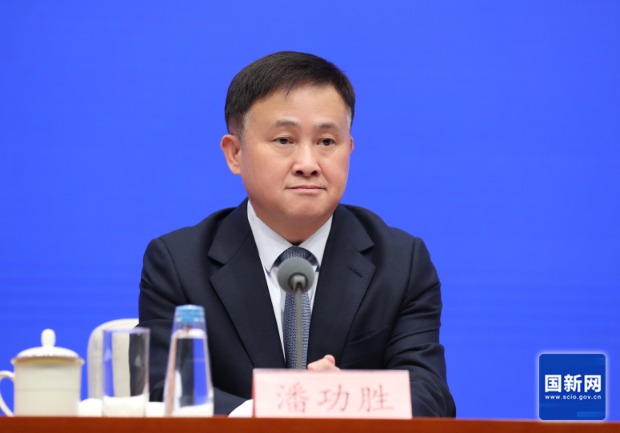
央行行长潘功胜答《金融时报》记者问
Jin Rong Shi Bao· 2025-09-22 12:04
Core Insights - Financial industry opening is a crucial part of China's overall reform and opening-up strategy during the 14th Five-Year Plan period [2] Group 1: Financial Sector Opening - The institutional opening of the financial sector is steadily deepening, with efforts to enhance the connectivity of financial services and markets, optimizing mechanisms like Shanghai-Hong Kong Stock Connect and Bond Connect [2] - As of the end of July, foreign institutions and individuals held over 10 trillion yuan in domestic stocks, bonds, and deposits, with stock holdings exceeding 3 trillion yuan and bond holdings around 4 trillion yuan [2] Group 2: Internationalization of the Renminbi - The international status of the Renminbi is steadily rising, with improvements in cross-border usage arrangements and financial infrastructure, and bilateral currency swap agreements signed with 32 countries and regions [3] - The Renminbi has become the largest currency for China's external payments and ranks among the top three currencies for trade financing and payments globally [3] Group 3: International Financial Center Development - The construction of an international financial center is progressing, with support for Shanghai to become a global hub for Renminbi asset allocation and risk management [3] - Policies have been introduced to enhance the participation of international investors and to establish key financial institutions in Shanghai [3] Group 4: Business Environment Improvement - The business environment is becoming more friendly and inclusive, with significant improvements in cross-border trade and investment facilitation [4] - A diversified cross-border payment system has been established, including the Renminbi cross-border payment system and various retail payment systems [4] Group 5: Financial Risk Prevention - The ability to prevent financial risks in an open environment is continuously strengthening, with enhanced monitoring and assessment of cross-border financial risks [4] - Efforts are being made to promote a fair and reasonable global financial governance structure and to coordinate macroeconomic policies globally [4]
潘功胜:今日发布会不涉及短期政策调整,下一步金融改革内容将在中央统一部署后做进一步沟通
Sou Hu Cai Jing· 2025-09-22 11:15
Group 1 - The core theme of the press conference was to introduce the achievements of the financial industry during the "14th Five-Year Plan" period, focusing on medium to long-term perspectives without discussing short-term policy adjustments [19] - The overall financial system in China is stable, with healthy financial institutions and smooth market operations [4][18] - The banking and insurance sectors have seen total assets exceed 500 trillion yuan, with an annual growth rate of 9% over the past five years [21] Group 2 - The A-share market has shown significant resilience and risk resistance, with the proportion of technology companies in the top 50 by market capitalization increasing from 18 to 24 during the "14th Five-Year Plan" [2][26] - A total of 10.6 trillion yuan has been distributed to shareholders through dividends and buybacks, representing an increase of over 80% compared to the "13th Five-Year Plan" [2][26] - The annualized volatility of the Shanghai Composite Index decreased by 2.8 percentage points to 15.9% during the "14th Five-Year Plan" [2][27] Group 3 - The financial regulatory authority has taken strict measures against financial irregularities, including the dismissal of over 3,600 illegal shareholders and the resolution of several illegal financial groups [3][36] - The regulatory framework has been significantly restructured, with over 60 supporting rules introduced following the new "National Nine Articles" [2][25] - The financial regulatory authority has imposed penalties on 20,000 institutions and 36,000 individuals, with fines totaling 21 billion yuan [23][28] Group 4 - The stock issuance registration system has transitioned from a pilot program to full implementation, with various measures introduced to optimize the listing and financing processes [5][42] - The total market capitalization of the A-share market surpassed 100 trillion yuan for the first time in August [26] - The proportion of direct financing in the capital market has increased by 2.8 percentage points to 31.6% compared to the end of the "13th Five-Year Plan" [26] Group 5 - The foreign capital holding in A-shares is currently 3.4 trillion yuan, with 269 companies listed overseas [6] - The central bank's monetary policy stance is supportive, implementing moderately loose monetary policies to stabilize the economy [7][8] - The modern monetary policy framework in China has been initially formed and continuously improved, effectively promoting reasonable growth in financial totals and optimizing credit structures [9][33]
潘功胜:人民币国际地位的稳步提升,是国际货币体系变革的一个重要特征
Sou Hu Cai Jing· 2025-09-22 09:51
Group 1 - The People's Bank of China is committed to deepening financial openness and cooperation to enhance financial security and support high-quality development in line with China's modernization goals [1] - Financial sector institutional openness is steadily advancing, with significant improvements in market connectivity and mechanisms like Shanghai-Hong Kong Stock Connect and Bond Connect, facilitating foreign investment in China's financial markets [1] - As of the end of July, foreign institutions and individuals held over 10 trillion yuan in China's domestic stocks, bonds, and deposits, with stock holdings exceeding 3 trillion yuan and bond holdings over 4 trillion yuan [1] Group 2 - The international status of the renminbi is steadily rising, with the establishment of bilateral currency swap agreements with 32 countries and regions, enhancing the offshore renminbi market [2] - The renminbi has become the largest currency for China's external payments, the third-largest trade financing currency globally, and ranks third in the IMF's Special Drawing Rights basket [2] - The construction of international financial centers is progressing, with Shanghai being supported as a global hub for renminbi asset allocation and risk management [2] Group 3 - The business environment is becoming more friendly and inclusive, with significant improvements in cross-border trade and investment facilitation, and the establishment of a diversified cross-border payment system [3] - The financial risk prevention capabilities under the open financial framework are being enhanced, with a focus on monitoring and assessing cross-border financial risks [3]