高性能材料

Search documents
出台意见强化招商专班工作
Xin Lang Cai Jing· 2026-02-22 16:55
Core Viewpoint - Xining Economic and Technological Development Zone has issued guidelines to enhance regional investment attraction efforts, focusing on systematic deployment, checklist promotion, and closed-loop management to boost on-site investment activities [1][2] Group 1: Investment Strategy - The guidelines emphasize stabilizing the crystalline silicon industry, expanding energy storage, deepening non-ferrous metals, strengthening the bio-economy, synergizing computing power, and cultivating new quality industries [1] - The focus is on four core sectors: new energy, new materials, green computing power, and bio-economy, aiming to attract high-quality projects that enhance strengths, fill gaps, and boost investments [1] Group 2: Quantitative Goals - The investment teams are tasked with engaging at least 200 enterprises, collecting over 20 valid project leads, and signing at least 3 projects, including one project worth over 100 million yuan throughout the year [1] Group 3: Task Implementation - The guidelines detail the responsibilities of investment teams in Beijing, Shanghai, and Shenzhen, ensuring precise matching of key regions with key industries [2] - The energy storage sector will focus on solid-state batteries, system integration, and core equipment, while high-performance materials will leverage advantages in aluminum, copper, magnesium, titanium, and carbon fiber [2] Group 4: Support Mechanisms - Five support areas are highlighted: enhancing investment collaboration, ensuring park follow-up responsibilities, establishing dynamic management of project lists, prioritizing land and energy for key projects, and improving team capabilities in industry research and business negotiations [2] - A special supervisory group will be formed to regularly check the operation of investment teams, project progress, and collaborative effectiveness [2]
美国靠一张纸每年赚中国数十亿?成本不过20元,如今我们不需要了
Sou Hu Cai Jing· 2026-02-16 09:34
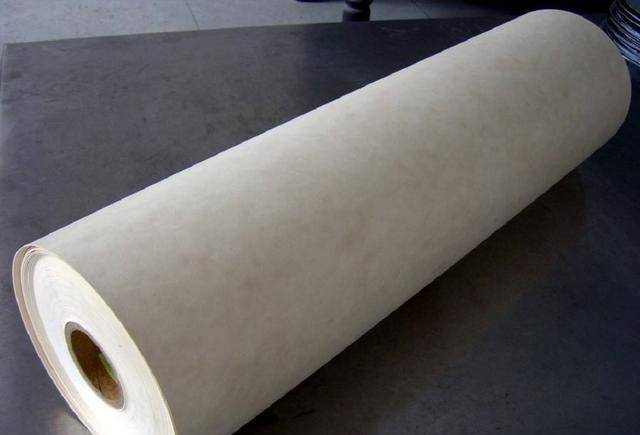
Group 1 - The core resource in the 21st century is talent, with its true value lying in technology, enabling countries to dominate markets when they possess unique technologies [1] - Aramid paper, a high-fiber polymer, has superior physical properties, being six times harder than steel while weighing only one-fifth of it, and is crucial in high-tech fields due to its high-temperature resistance [3][8] - The aerospace industry has significant costs, with rocket launch expenses ranging from $100 million to $300 million, and reducing rocket weight can save millions in launch costs [5][6] Group 2 - Aramid paper is widely used in aerospace, military, and civil aviation sectors, where weight reduction leads to cost savings, increasing demand for this material [8] - Historically, China lacked the technology to produce aramid paper, which was monopolized by the US and Japan, leading to inflated prices despite low production costs [10] - Chinese company Longbang Group has successfully overcome technological barriers to independently develop its own brand of aramid paper, attracting significant interest and investment in this emerging industry [12] - With increasing domestic production capacity and technological advancements, China is moving towards self-sufficiency in aramid paper, aiming to meet domestic demand and establish a presence in the international market [14]

深圳:到2027年,在“人工智能+”先进制造业领域建成国家人工智能应用中试基地
Xin Lang Cai Jing· 2026-02-12 11:17
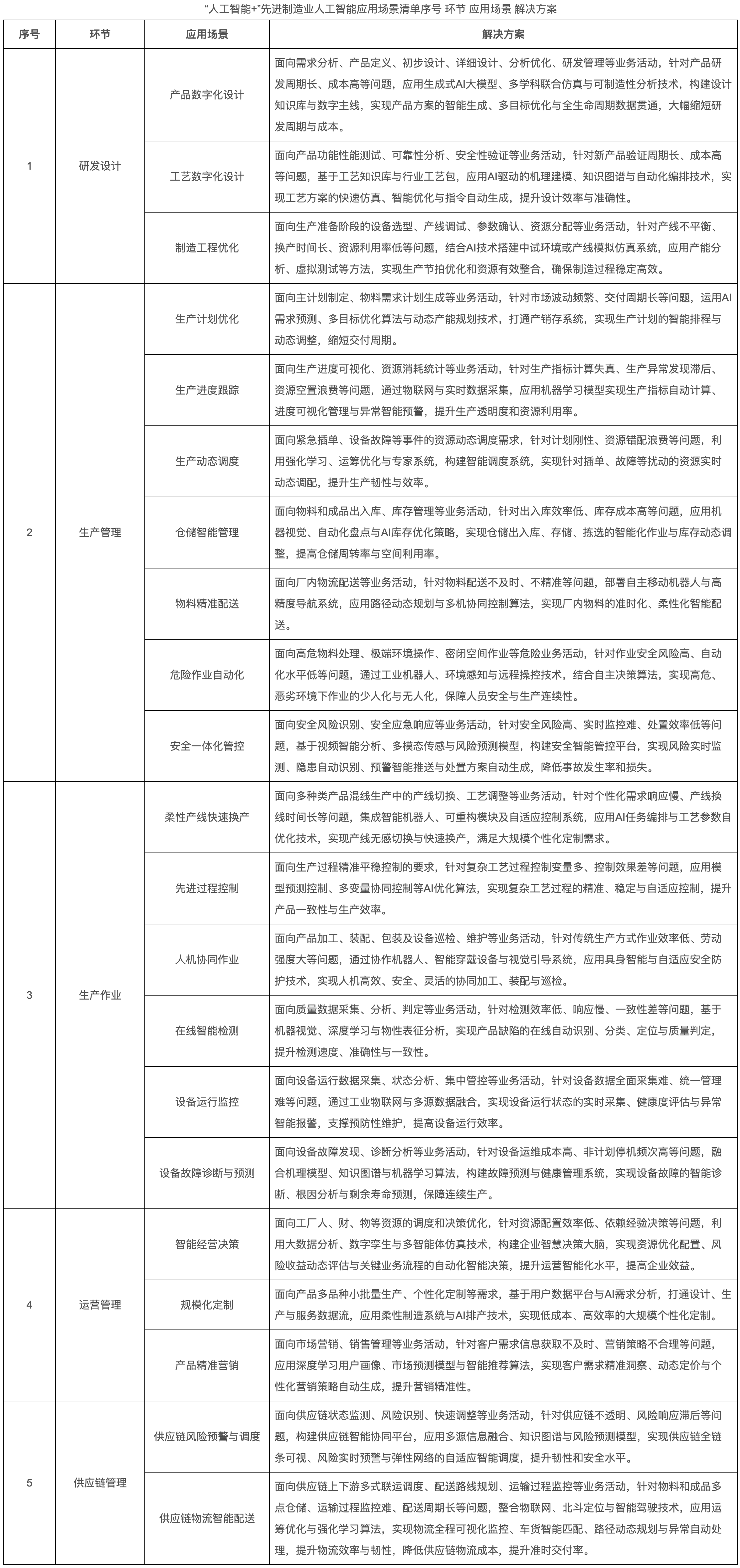
Core Viewpoint - Shenzhen's "Artificial Intelligence +" Advanced Manufacturing Action Plan (2026-2027) aims to integrate AI technology deeply into the manufacturing sector, promoting new industrialization and enhancing traditional industries through innovation and application of AI [1][2][3]. Group 1: Overall Requirements - The plan targets the realization of new industrialization by accelerating AI's integration into all aspects of manufacturing, including R&D, production management, and supply chain management, aiming for comprehensive smart development by 2027 [3]. Group 2: Key Support Platforms - Establishment of an Industrial Intelligent Body Innovation Center to support the development of intelligent systems capable of environmental perception and autonomous decision-making [4]. - Development of industrial software and knowledge alliances to standardize industrial knowledge and create leading autonomous software products [5]. Group 3: Empowering Key Industry Clusters - AI will enhance the electronic information manufacturing sector by integrating algorithms, data sharing, and collaborative computing resources to improve smart transformation [6]. - In the semiconductor and integrated circuit industries, AI will optimize chip design and software efficiency, focusing on high-performance SoC chips for various AI applications [7]. - The automotive manufacturing sector will see AI applied in smart connected vehicles, enhancing design, production, and testing processes [8]. - AI will support robotics by developing multi-modal interaction technologies and enhancing operational efficiency in various industrial applications [9]. - High-performance materials manufacturing will leverage AI for process optimization and predictive control, creating a responsive materials ecosystem [10]. - The low-altitude economy will benefit from AI-driven drone capabilities, enhancing operational efficiency across various applications [11]. - AI will accelerate drug development and medical device innovation, integrating AI with biotechnology for improved healthcare solutions [12]. - Traditional industries will explore new optimization paths through AI, focusing on personalized production and supply chain intelligence [13]. Group 4: Strengthening Work Guarantees - Increased financial support for the "Artificial Intelligence +" advanced manufacturing sector, encouraging collaboration between AI and traditional manufacturing policies [12]. - Establishment of application scenario open centers to facilitate supply-demand matching and promote AI applications in manufacturing [13]. - Ongoing training and demonstration promotion in AI technologies to address industry pain points and showcase successful applications [13].
深圳:“十五五”时期目标GDP超5万亿元 2026年地区生产总值预期增长5% 规上工业增加值力争增长6%以上
Shang Hai Zheng Quan Bao· 2026-02-09 18:33
Group 1 - The core viewpoint of the news is that Shenzhen aims to significantly increase its GDP from 2.83 trillion yuan in 2020 to 3.87 trillion yuan by 2025, with an average annual growth rate of 5.5%, leading among first-tier cities [1] - Shenzhen's economic and social development goals for 2026 include a GDP growth target of 5% and a stabilization of fixed asset investment, aiming for a growth of 5% [1] - The long-term goal for the "15th Five-Year Plan" period is for Shenzhen's GDP to exceed 5 trillion yuan [1] Group 2 - Shenzhen plans to enhance its manufacturing sector, targeting a growth of over 6% in industrial added value for enterprises above designated size [2] - The city will implement a "20+8" industrial policy system 3.0 to boost the development of key industries such as new-generation electronic information, new energy vehicles, and semiconductor integrated circuits [2] - Shenzhen aims to establish itself as a global leader in artificial intelligence, with a target of over 10% growth in the added value of the AI industry cluster [2] Group 3 - The hosting of the APEC 2026 meeting in Shenzhen is seen as an opportunity to enhance the city's international service level [3] - Shenzhen will focus on optimizing its global trade service system and innovating in service trade, digital trade, and green trade [3] - The city aims to promote a vibrant market that facilitates cross-border trade and strengthens modern supply chain, port logistics, and foreign trade service enterprises [3]
工业经济提质增效迈新阶
Xin Lang Cai Jing· 2026-02-08 18:30
Core Viewpoint - Xining is accelerating the construction of a modern industrial system characterized by "3+2+N," enhancing its industrial ecosystem, resilience, and competitiveness, thus becoming a core force in promoting new industrialization in the province [1][2]. Group 1: Industrial Growth and Achievements - During the "14th Five-Year Plan" period, the city's industrial output value successfully exceeded 200 billion yuan, doubling compared to the end of the "13th Five-Year Plan," with a continuous industrial added value growth rate of over 20% for 36 months, averaging 15.2% annually, surpassing the national level [1]. - The city has successfully introduced a number of leading enterprises, cultivating nine companies with over 10 billion yuan in revenue, and the lithium battery industry cluster has entered the national "Top 100" [2]. - The high-performance materials industry cluster has achieved an output value exceeding 100 billion yuan, while the city has established a national-level highland biological medicine industry cluster and a Tibetan carpet textile characteristic industry agglomeration area [2]. Group 2: Policy and Strategic Initiatives - The municipal government has implemented various mechanisms such as "one entry, three deliveries, and one recruitment," and "four measures" to stabilize the industrial economy, enhancing the development capabilities of key industries like clean energy and high-performance materials [2]. - In 2023, Xining will continue to focus on new industrialization, strengthening development support through industrial clusters, activating growth engines with major projects, and broadening pathways for transformation and upgrading [3]. - The city aims to deepen industrial transformation, apply for the national new industrialization demonstration zone, and innovate investment attraction models while focusing on key areas to enhance investment quality and efficiency [3].
江苏最小地级市,正在成为“创新强者”
3 6 Ke· 2026-02-02 08:05
Core Insights - The article highlights the remarkable industrial development of Zhenjiang, a small city in Jiangsu Province, which has achieved significant technological and manufacturing milestones despite its limited size and population [2][5][12]. Group 1: Economic Performance - Zhenjiang has a GDP of 554 billion yuan in 2024, ranking 57th nationally, surpassing larger cities like Taiyuan and Urumqi [7]. - The city ranks 22nd among Chinese cities in the Global Innovation Index, indicating a high level of technological innovation relative to its economic size [8][11]. Group 2: Manufacturing Strength - Zhenjiang's manufacturing sector is robust, with a reported sales revenue of over 368.4 billion yuan in 2024, growing at a rate of 13.2%, which is above the provincial average [14][21]. - The city is home to significant manufacturing clusters, including high-end equipment and new materials, with several companies recognized as "hidden champions" in their respective fields [19][21]. Group 3: Innovation and Technology - Zhenjiang has been recognized for its innovation capabilities, ranking 41st in the National Innovation City Capability Evaluation Report, which assesses cities based on various innovation metrics [9][11]. - The city has a high number of patents, with 29.71 high-value invention patents per ten thousand people, ranking 4th in Jiangsu Province [21]. Group 4: Strategic Development Approach - Zhenjiang has adopted a focused approach to industrial development, concentrating on emerging sectors such as artificial intelligence, low-altitude economy, and new energy storage [24][29]. - The city leverages its geographical position within the Yangtze River Delta to enhance resource sharing and collaboration with larger cities like Shanghai and Nanjing [28][30].



深圳光明发展的“强引擎”,科学与产业今年有何新谋划?
Nan Fang Du Shi Bao· 2026-01-29 01:35
Core Viewpoint - The Shenzhen Guangming District is accelerating the construction of a world-class science city and aims to enhance its scientific and industrial capabilities as part of its development goals for the 14th and 15th Five-Year Plans [1][2]. Science - Guangming District has established 22 major scientific innovation carriers, significantly enhancing its capacity for high-level scientific operations [2]. - The district has seen a substantial increase in innovation platforms, with the number of major scientific innovation carriers rising from 7 to 22, and the establishment of 235 key laboratories [2]. - Over the past five years, the district has attracted 67 academicians and more than 3,200 high-level talents, with total R&D investment exceeding 10 billion yuan for three consecutive years [2]. - In 2025, the innovation carriers in Guangming accelerated their construction, serving over 470 users, and new innovation platforms were established [3]. - The report emphasizes the importance of high-level operation of facilities and the transformation of scientific achievements as key priorities for 2026 [4]. Industry - Guangming District is focusing on the deep integration of technological and industrial innovation, aiming to cultivate new productive forces and drive an industrial transformation [5]. - The district has accelerated the development of the "3+3+1" industrial cluster, with significant growth in key industries: ultra-high-definition display, high-performance materials, and high-end medical devices, each surpassing 250 billion yuan, 140 billion yuan, and 55 billion yuan respectively [5]. - The report outlines plans to strengthen the manufacturing sector, enhance emerging industries, and optimize traditional industries while supporting the growth of large, medium, and small enterprises [6]. - In the coming year, Guangming will focus on enhancing the biopharmaceutical industry ecosystem and solidifying its leading position in biomanufacturing [7].
光明今年将全面建成鹏城云脑Ⅲ
Nan Fang Du Shi Bao· 2026-01-28 23:12
Core Viewpoint - The Guangming District is accelerating the construction of a world-class science city, focusing on integrating science and industry as a key driver for development, with significant emphasis on artificial intelligence (AI) and technological innovation [3][4]. Group 1: Development Plans and Infrastructure - Guangming aims to establish a "one city, three districts" framework, enhancing its role as a comprehensive national science center and a hub for technological innovation in the Greater Bay Area [3]. - The district plans to enhance its scientific competitiveness by prioritizing high-level operation of facilities, technological breakthroughs, and the transformation of research outcomes [3][4]. - Key projects include the Shenzhen Measurement Innovation Institute, Shenzhen Medical Academy, and the International Technology Information Center, which are set to boost the operational efficiency of major scientific infrastructures [3][4]. Group 2: AI Integration in Research - The development of AI is positioned as a foundational element for scientific research, with the establishment of two major computing platforms: Pengcheng Cloud Brain III and the National Supercomputing Center Shenzhen [4]. - The report emphasizes the exploration of AI for Science, aiming to significantly enhance research efficiency and facilitate breakthroughs in fundamental research and original innovation [4][5]. Group 3: Industrial Development and AI Applications - Guangming is focusing on the integration of AI across various sectors, including manufacturing, to support the transformation and upgrading of traditional industries and to foster new strategic industries [6][8]. - The district plans to develop industry-specific and general-purpose industrial AI systems, promoting smart upgrades in industrial equipment and creating new growth avenues for enterprises [6][7]. Group 4: Urban Management and AI Implementation - The district is set to implement an "All In AI" strategy to enhance urban governance through AI, aiming to improve management capabilities across various sectors such as government, healthcare, education, and transportation [8]. - Guangming will leverage opportunities in open-source technologies to build a robust digital infrastructure, creating a city-wide AI ecosystem [8]. Group 5: Emerging Industries and Economic Growth - The district is committed to nurturing emerging industries, particularly in biomanufacturing and medical technology, with plans to establish innovation zones and support unicorn development in niche sectors [9][10]. - Guangming aims to optimize its industrial structure by focusing on high-performance materials, medical devices, and intelligent sensors, ensuring the growth of key industries [9][10].
在推进中国式现代化青海实践服务全省高质量发展上展现更大担当
Xin Lang Cai Jing· 2026-01-27 22:08
Group 1 - The core message emphasizes the importance of Qinghai's development in alignment with national strategies, highlighting the need for proactive leadership and responsibility in achieving high-quality growth [1][2] - The government work report is recognized for its realistic summary of achievements and precise deployment of future tasks, which boosts confidence and reflects a strong political awareness [1][2] - The focus is on leveraging the capital city's role to drive provincial strength, with an emphasis on green and low-carbon industries such as green electricity aluminum, silicon, and hydrogen [2] Group 2 - The plan includes enhancing technological innovation by aligning with national strategic resources and attracting talent to support the province's innovation-driven development [2] - Urban development strategies will prioritize ecological protection, infrastructure improvement, and the promotion of tourism, aiming for a high-quality urban development model [2] - There is a commitment to improving social governance and safety measures, including conflict resolution and disaster response capabilities, to ensure stability and security across the province [2]
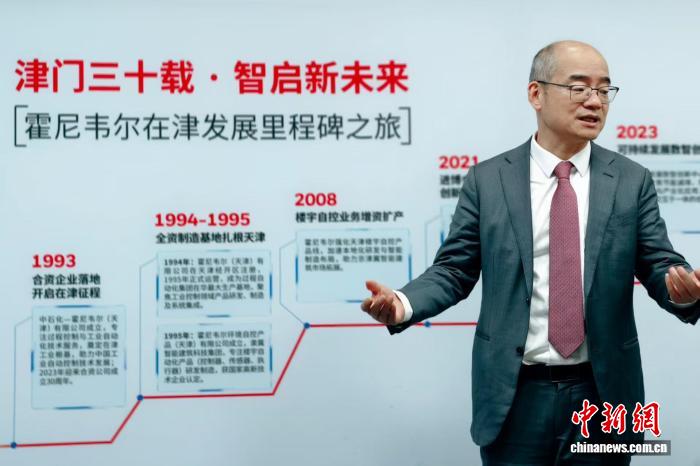
(投资中国)霍尼韦尔大中华区总裁:以本土创新深耕中国
Zhong Guo Xin Wen Wang· 2026-01-21 14:01
Group 1 - The core viewpoint of the article emphasizes Honeywell's commitment to local innovation and adaptation to the fast-evolving Chinese market, highlighting the importance of high standards in service and quality demanded by Chinese customers [1][3]. - Honeywell has established a localized value chain in China that encompasses innovation, research and development, manufacturing, and sales, implementing the "Eastern service for the East" strategy to drive business growth [3]. - The company is optimizing its global business structure, with the high-performance materials segment already spun off and plans to separate its aerospace business in the second half of the year, allowing for a more focused approach on automation and energy transition [3][5]. Group 2 - Despite geopolitical tensions and a complex trade environment, Honeywell remains committed to strengthening its capabilities in China, focusing on innovation and manufacturing that meet local market demands [5]. - The Chinese market is seen as a fertile ground for new industry opportunities, particularly in shipbuilding, where Honeywell aims to provide solutions for control, measurement, and fire safety, especially for LNG vessels [5]. - Future growth areas identified by Honeywell include life sciences, healthcare, renewable energy, and high-end manufacturing, with a strategy to follow market and customer needs while enhancing collaboration with local partners [5].