
银发经济

Search documents
李强赵乐际分别会见法国总统马克龙
Ren Min Wang· 2025-12-04 22:20
新华社北京12月4日电 12月4日下午,国务院总理李强在北京人民大会堂会见来华进行国事访问的法国 总统马克龙。 新华社北京12月4日电 全国人大常委会委员长赵乐际4日下午在北京会见法国总统马克龙。 赵乐际表示,习近平主席今天上午同总统先生举行会谈,为中法关系下阶段发展指明了方向。中方愿同 法方一道,落实好两国元首重要共识,弘扬中法建交精神,密切友好往来,深化互利合作,扩大人文交 流,加强多边领域对话协作,推动两国关系稳健、积极发展。中国全国人大愿同法国议会两院密切各层 级交流交往,分享立法、监督等工作经验,为两国务实合作提供法律保障。 马克龙表示,法中保持坦诚直接、内涵丰富的对话,达成许多共识。法方钦佩中国在经济、科技等领域 取得的成就,愿同中方深化务实合作,加强立法机构交往,共同应对全球性挑战,不断推动法中关系平 衡发展。 李鸿忠参加会见。 《 人民日报 》( 2025年12月05日 01 版) 李强表示,近年来,在两国元首战略引领下,中法关系与合作取得很多新的进展和成果。今天上午,习 近平主席同总统先生举行会晤,为进一步深化两国关系指明了方向。中法同为全球主要经济体和联合国 安理会常任理事国,保持密切战略 ...
李强会见法国总统马克龙
Xin Hua She· 2025-12-04 11:40
12月4日下午,国务院总理李强在北京人民大会堂会见来华进行国事访问的法国总统马克龙。 李强表示,近年来,在两国元首战略引领下,中法关系与合作取得很多新的进展和成果。今天上午,习 近平主席同总统先生举行会晤,为进一步深化两国关系指明了方向。中法同为全球主要经济体和联合国 安理会常任理事国,保持密切战略沟通,开展协调有力行动,不仅有利于双方携手发展,也能为当今变 乱交织的世界注入更多稳定性、确定性。中方愿同法方一道继续努力,赓续传统友谊,巩固政治互信, 加强全方位合作,推动中法全面战略伙伴关系迈上新台阶。 马克龙表示,今天上午,我同习近平主席举行了富有成果的会晤,共同擘画了法中全面战略伙伴关系持 续深入发展的愿景。祝贺中国近年来经济社会发展取得显著成就,乐见中国经济持续增长。中国科技创 新迅速发展,在诸多领域位居世界前列。法方愿同中方加强各层级交往对话,扩大双向开放和相互投 资,深化经贸、农业、航天、航空、民用核能、可再生能源等领域合作,共同开拓第三方市场。法方愿 同中方加强协作,维护自由贸易和多边贸易体制,推动改革完善全球治理体系。 吴政隆参加会见。 (文章来源:新华社) 李强指出,中法作为长期重要经贸伙伴,经 ...
王明夫:对银发经济的十一点认识
Xin Lang Cai Jing· 2025-12-04 11:25
Group 1 - The core viewpoint is that the "silver economy" will play a crucial role in reshaping China's consumption patterns, driving industrial innovation, and supporting economic growth over the next two decades [2][16] Group 2 - The silver economy in China is expected to transition from a "potential market" to a "pillar industry," with a significant increase in the elderly population, longer life expectancy, and enhanced consumer spending power creating a multiplier effect [3][16] Group 3 - The demand characteristics and market structure of the silver economy will be defined by age stratification, with the elderly demographic potentially spanning from 60 to 100 years, leading to distinct consumption needs across different age groups [4][17] Group 4 - The focus of consumption will shift from basic survival needs to diverse values such as entertainment, social interaction, and self-fulfillment, marking the emergence of a new era of refined and dignified consumption for the elderly [5][18] Group 5 - The supply side will move towards precision segmentation to address mismatches in supply and demand, creating differentiated service systems tailored to various age groups and health conditions [6][19] Group 6 - The silver economy's supply side will emphasize three main values: product, service, and emotional value, with emotional value expected to dominate in terms of market leadership [7][20] Group 7 - Technological adaptation for the elderly will shift from passive adjustments to proactive innovations, with a focus on designing products specifically for older adults, enhancing their digital experience and care efficiency [8][21] Group 8 - The development of human resources among the elderly will become a new growth area, with policies encouraging their participation in various productive activities, thus creating a dual cycle of consumption and production [9][22] Group 9 - The silver economy will see a shift from urban-centric growth to balanced development, with rural markets emerging as new growth points, supported by improved public services and unique local industries [10][23] Group 10 - The policy framework will evolve from addressing immediate issues to establishing a comprehensive system, focusing on differentiated supply and enhancing support for vulnerable groups [11][24] Group 11 - The industry standard system will gradually improve, leading to high-quality development and a shift from price competition to brand competition, fostering a safer consumer environment [12][25] Group 12 - China's silver economy is expected to develop a unique "Chinese model," leveraging its large market size and advanced digital infrastructure to provide innovative solutions for global aging challenges [13][26]


习近平出席中法企业家委员会第七次会议闭幕式并致辞
中国能源报· 2025-12-04 08:37
王毅参加上述活动。 一是不断拓展双边经贸合作新领域。中方视法方为重要的、不可或缺的经贸合作伙伴,欢迎法方积极参与中国式现代化进 程,支持有实力、有意愿的中方企业赴法投资兴业。双方要挖掘人工智能、绿色和数字经济、生物医药、银发经济等新兴领 域合作潜力,持续推动产业链供应链开放合作,为两国企业提供公平、透明、非歧视、可预期的营商环境。 二是继续推动中欧互利合作新发展。今年是中欧建交5 0周年。中欧经贸关系的本质是优势互补、互利共赢,完全能够在发展 中实现动态平衡。相互依赖不是风险,利益交融不是威胁。中法双方要推动中欧坚持全面战略伙伴关系定位,共创中欧关系 更加光明的下一个5 0年。 三是共同为改革完善全球治理作出新贡献。今年是世界反法西斯战争胜利和联合国成立80周年。为了推动构建更加公正合理 的全球治理体系,继全球发展倡议、全球安全倡议、全球文明倡议后,今年9月我提出全球治理倡议。中法两国要践行真正的 多边主义,共同维护联合国地位和权威,维护以世界贸易组织为核心、以规则为基础的多边贸易体制,为改革完善全球治理 贡献正能量。 习近平强调,中共二十届四中全会审议通过了"十五五"规划建议。中国将全面推进中国式现代化,扩 ...
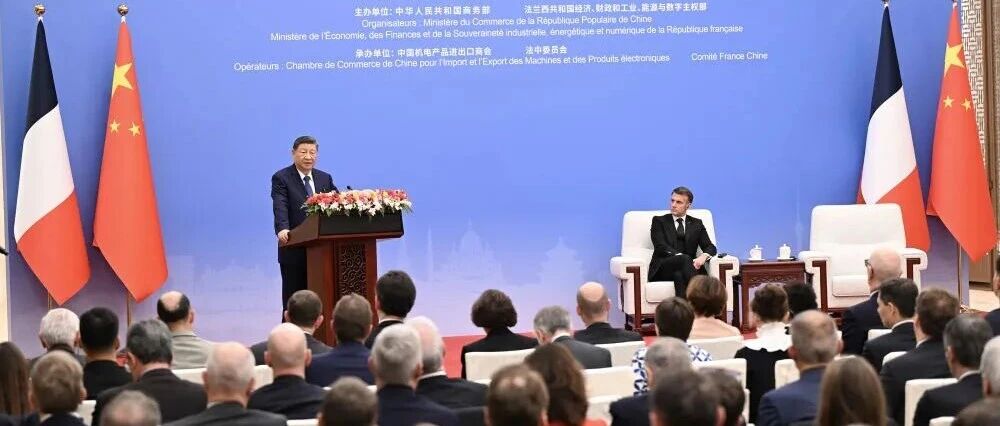
习近平出席中法企业家委员会第七次会议闭幕式并致辞
证监会发布· 2025-12-04 07:40
一是不断拓展双边经贸合作新领域。中方视法方为重要的、不可或缺的经贸合作伙伴, 欢迎法方积极参与中国式现代化进程,支持有实力、有意愿的中方企业赴法投资兴业。双方 要挖掘人工智能、绿色和数字经济、生物医药、银发经济等新兴领域合作潜力,持续推动产 业链供应链开放合作,为两国企业提供公平、透明、非歧视、可预期的营商环境。 二是继续推动中欧互利合作新发展。今年是中欧建交50周年。中欧经贸关系的本质是优 势互补、互利共赢,完全能够在发展中实现动态平衡。相互依赖不是风险,利益交融不是威 胁。中法双方要推动中欧坚持全面战略伙伴关系定位,共创中欧关系更加光明的下一个50 年。 三是共同为改革完善全球治理作出新贡献。今年是世界反法西斯战争胜利和联合国成立 80周年。为了推动构建更加公正合理的全球治理体系,继全球发展倡议、全球安全倡议、全 球文明倡议后,今年9月我提出全球治理倡议。中法两国要践行真正的多边主义,共同维护联 合国地位和权威,维护以世界贸易组织为核心、以规则为基础的多边贸易体制,为改革完善 全球治理贡献正能量。 习近平强调,中共二十届四中全会审议通过了"十五五"规划建议。中国将全面推进中国式 现代化,扩大高水平对外开放 ...

瑞德智能(301135.SZ):相关产品已通过部分养老机构及家用场景的试点验证
Ge Long Hui· 2025-12-04 07:16
Core Viewpoint - The company is focusing on expanding its home appliance controller business while developing solutions for the aging population, driven by the global aging trend and supportive policies for the "silver economy" [1] Group 1: Business Strategy - The company is building a new industrial layout of "1+3+N" to strengthen its core business in home appliance controllers [1] - The company has developed multiple solutions tailored for the elderly, leveraging its existing smart controller technology [1] Group 2: Product Development - Products include a medical-grade oxygen machine with sensing detection technology and AI health analysis features [1] - The company has collaborated with Tencent Cloud to create the Smart Bed 2.0, specifically designed for elderly care [1] - These products have undergone pilot testing in some elderly care institutions and home settings [1]
瑞德智能:相关产品已通过部分养老机构及家用场景的试点验证
Ge Long Hui· 2025-12-04 07:14
Core Viewpoint - The company is focusing on developing a new industrial layout of 1+3+N, aiming to strengthen its home appliance controller business while addressing the growing demand for smart home solutions tailored for the elderly population due to global aging and supportive policies for the "silver economy" [1] Group 1: Business Strategy - The company is committed to expanding its home appliance controller business as part of its new industrial strategy [1] - The company has developed multiple solutions targeting the elderly, leveraging its existing smart controller technology [1] Group 2: Product Development - Products such as oxygen machines equipped with medical-grade sensing technology and AI health analysis features have been developed [1] - The company has collaborated with Tencent Cloud to create the Smart Bed 2.0, specifically designed for elderly users [1] - These products have undergone pilot testing in various elderly care institutions and home settings [1]
邮储滨州市分行赋能银发经济,支持养老产业
Qi Lu Wan Bao· 2025-12-04 06:28
博兴县公用事业集团有限公司是博兴县唯一一家综合性公用事业国有企业,是该县基础设施建设与民生 服务的核心载体。在养老产业布局上,该企业充分发挥自身资源优势,将公用事业服务与养老服务有机 结合,计划重点建设博兴县养老服务体系建设项目,打造社区养老中心,创新采用BIM技术实现养老项 目建设、运营全周期管理,配置智能紧急呼叫系统、健康监测等硬件设施,构建"适老化+智能化"养老 服务模式,为老年人提供高品质、全方位的养老服务。 可就在该企业决定启动养老服务设施建设项目时,项目前期投入大、长期资金需求迫切的难题却成为摆 在面前的绊脚石,尤其是该项目涉及同时建设多个街道的颐养中心,加之专项债迟迟无法到位,资金压 力极大。邮储银行(601658)滨州市分行敏锐捕捉到企业需求,第一时间组建专业服务团队深入企业对 项目规划、建设进度、运营模式设计、市场需求前景等进行全面、细致的调研,并主动担当,成为子项 目博兴县博昌街道综合养老服务中心建设项目的唯一授信行。经过多轮研讨分析,该行结合企业实际经 营状况与资金需求,为该项目提供了7485万元固定资产贷款专项授信,用于支付博昌街道养老项目建设 预付款和进度款等。预计本月中旬前放款。 ...

新里程:加大推广手术机器人的应用为银发经济高质量发展注入科技动能
Cai Jing Wang· 2025-12-04 03:31
Core Viewpoint - The company is actively developing an "AI + healthcare" strategy, focusing on smart healthcare and elderly care, while integrating online and offline medical services [1] Group 1: Company Strategy - The company is building a comprehensive internet healthcare service system that includes online appointment scheduling, payment, intelligent guidance, report inquiries, online consultations, intelligent companionship, and imaging diagnostics [1] - The company is increasing the promotion of surgical robots to enhance the digital transformation of managed healthcare in China [1] Group 2: Financial Performance - For the period from January to September 2025, the company reported a revenue of 2.256 billion yuan, representing a year-on-year decline of 23.40% (adjusted) [1] - The company experienced a net loss of 38 million yuan, with the loss expanding by 167.83% year-on-year (adjusted) [1]

角逐银发经济新赛道 险企加速布局康养旅居
Jin Rong Shi Bao· 2025-12-04 02:00
Core Insights - The insurance industry is increasingly focusing on the "travel and health" sector as a new avenue to cater to the aging population, integrating health protection, travel experiences, and quality living into a single offering [2][3]. Group 1: Company Developments - Xinhua Insurance has launched a new health and wellness travel base in Huizhou, enhancing its strategic layout in the health and wellness sector, leveraging the area's cultural and ecological value [2]. - The "Xinhua Yue" travel service network now covers 45 cities and 55 projects nationwide, aiming to provide a comprehensive travel network that integrates climate environment, medical health, and cultural entertainment [2][4]. Group 2: Market Trends and Policies - The market for health and wellness travel is being driven by government policies aimed at promoting the silver economy, with initiatives to develop travel and health destinations and integrate tourism with health services [3][5]. - The insurance industry is adopting a "light asset, heavy service" model, collaborating with hotels and third-party service providers to expand the number of wellness travel communities [4]. Group 3: Challenges and Solutions - The wellness travel industry faces challenges such as service standardization, emergency support, and talent supply, which are common across the industry [5]. - Xinhua Insurance plans to address these challenges through rigorous partner selection, ongoing project evaluations, and integrating various service areas to enhance consumer experiences [5]. Group 4: Future Outlook - The insurance travel sector is expected to see increased competition and a shift towards more refined services, driven by a growing demand from active elderly consumers [6]. - The industry is evolving from providing basic insurance coverage to creating a comprehensive "insurance + full lifecycle service" ecosystem, enhancing the quality of life for the aging population [6].
