绿色低碳发展

Search documents
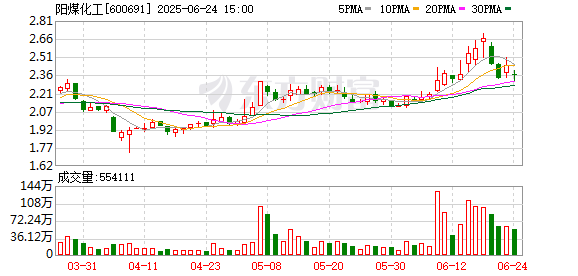
阳煤化工拟更名 加快智能化升级步伐
Zheng Quan Ri Bao· 2025-06-24 16:38
6月24日,阳煤化工股份有限公司(以下简称"阳煤化工")2024年年度股东大会在山西太原召开,不少 中小股东专程从外地赶来参加,与公司高管深度交流企业相关情况。 目前,中国氢能产业正迎来政策驱动的加速发展期。2025年1月1日,我国首部《能源法》正式实施,首 次将氢能纳入能源范畴管理,与煤炭、石油等资源并列,从法律层面明确"国家积极有序推进氢能开发 利用"。随着氢能战略地位的提升,产业链相关企业有望持续受益于政策红利,实现估值重塑。 值得一提的是,阳煤化工旗下子公司阳煤化机长期布局氢能及新能源装备制造领域,确立了可持续发展 的战略规划,首选"无碳能源"发展新质生产力,探索推进"灯塔工厂"建设。在绿色新能源与煤化工装备 的耦合领域,阳煤化机与国家电投共同研发了国内首套年产100吨CO2加氢制绿色甲醇合成撬装置,首 次实现了绿色甲醇工艺的产业化示范。基于领先的技术优势,阳煤化机入选国家级服务型制造示范企 业、国家级绿色工厂和山西省高端装备制造产业链的链核企业。 在本次股东大会上,阳煤化工相关负责人着重介绍了公司聚焦新质生产力、聚焦绿色低碳发展、聚焦主 业发展的"三个聚焦"产业布局。在聚焦主业方面,上述相关负责人以 ...


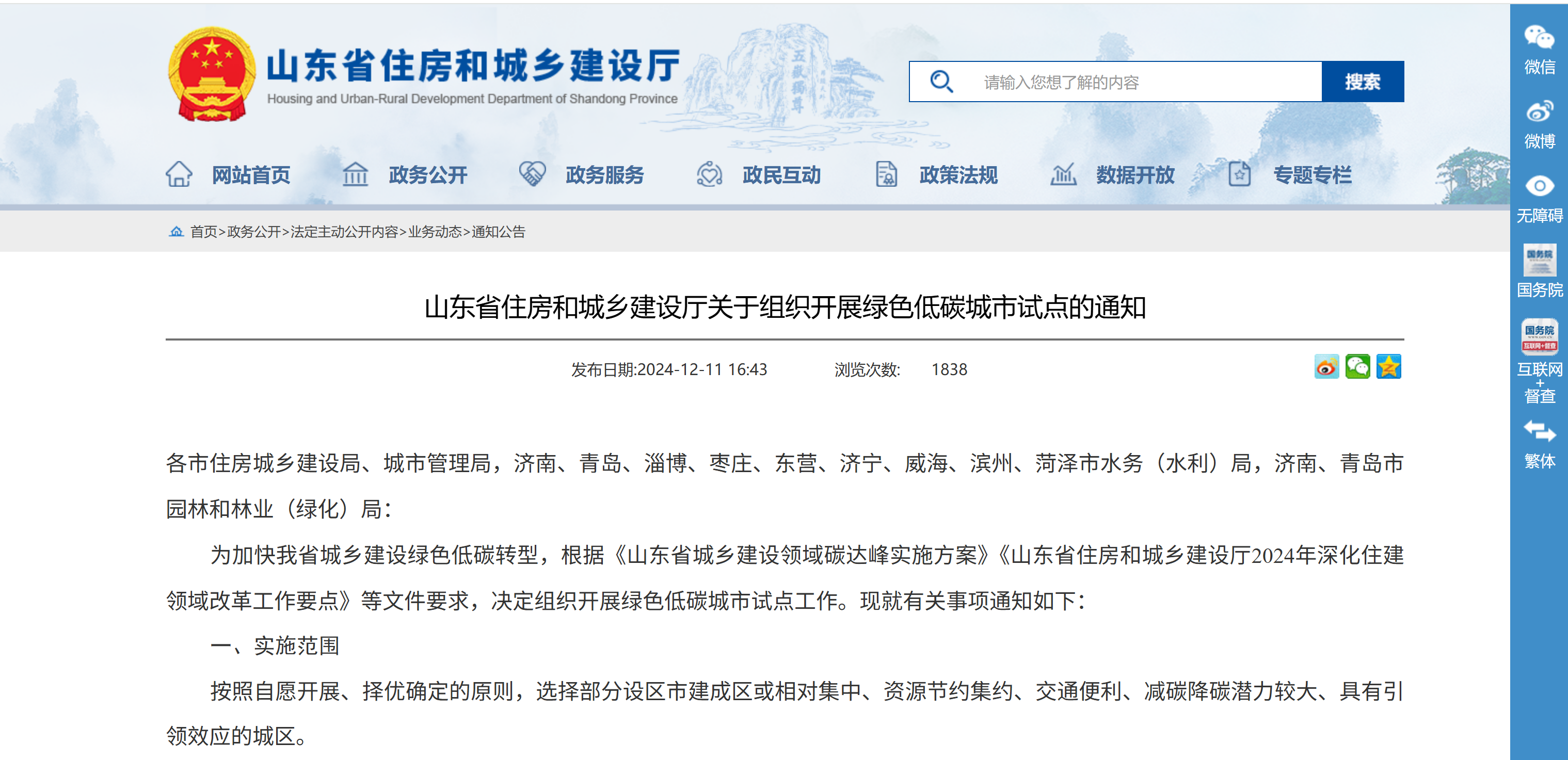
12个!山东省绿色低碳城市(城区)试点名单出炉
Qi Lu Wan Bao· 2025-06-24 10:06
Core Viewpoint - The Shandong Provincial Department of Housing and Urban-Rural Development has announced a pilot program for green low-carbon cities, involving 12 cities and districts, with the pilot period running until the end of 2027 [1][4]. Group 1: Pilot Cities and Requirements - The pilot cities include Yantai, Weihai, Rizhao, Liaocheng, Jinan, Weifang, Jining, Tai'an, Linyi, Dezhou, Binzhou, and Heze [1]. - Each pilot city must align with the "Shandong Province Urban and Rural Construction Carbon Peak Implementation Plan" and the "Key Points for Green Low-Carbon City Pilot Construction," focusing on local conditions to promote green low-carbon development [4]. Group 2: Goals and Implementation - The pilot cities are required to establish a green low-carbon development management mechanism, with energy consumption and carbon emission indicators exceeding the provincial average [4]. - By 2027, the pilot cities should have a basic framework for green low-carbon development established, with significant improvements in living environment quality and the promotion of green production and lifestyle [5]. Group 3: Financial and Technical Support - The pilot cities will utilize financial subsidies, tax incentives, and special bonds to promote green low-carbon projects, including high-star green buildings and energy-efficient renovations [6]. - New public buildings funded by the government or state-owned enterprises must adhere to at least two-star green building standards, with super high-rise buildings required to meet three-star standards [6].
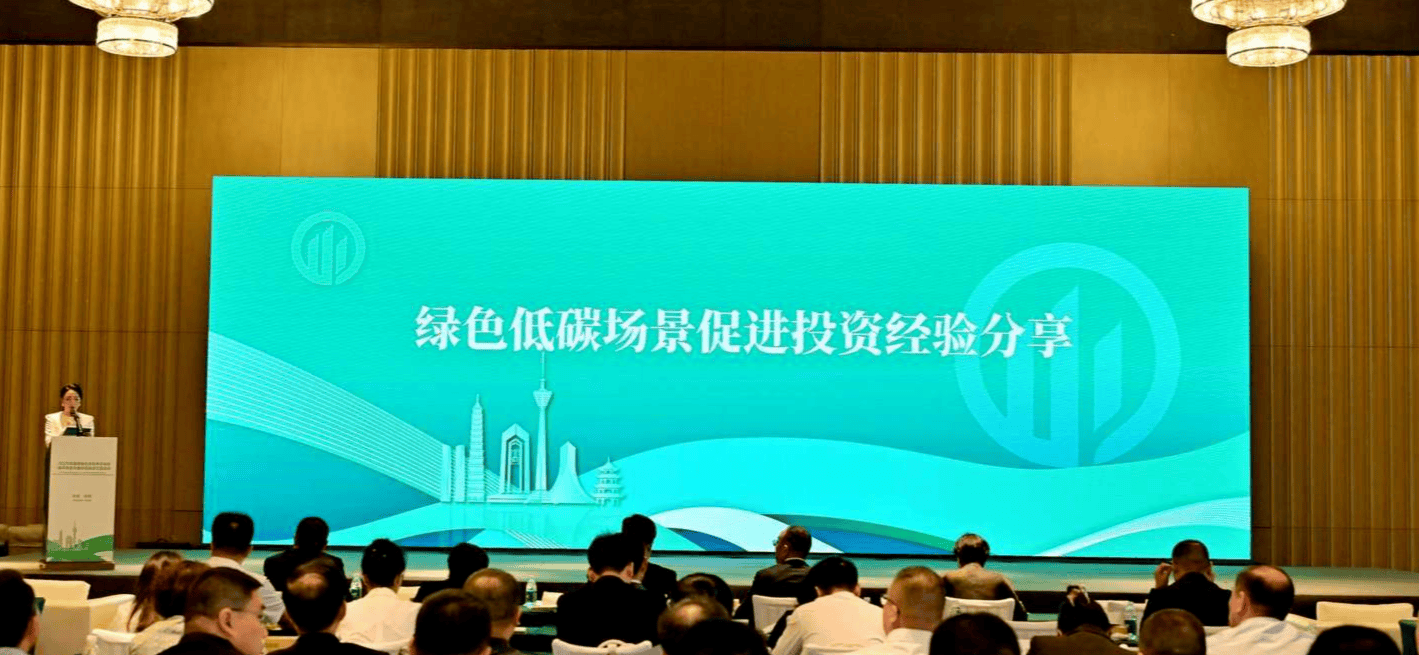
2025年国家级经开区绿色低碳发展投资促进交流活动在蓉举办
Sou Hu Cai Jing· 2025-06-24 09:01
Core Insights - The event held on June 24 aimed to promote green low-carbon development in national economic and technological development zones, aligning with the "2025 Action Plan for Stabilizing Foreign Investment" and the "Work Plan for Deepening Reforms and Innovations in National Economic and Technological Development Zones" [1][3] - Over 500 participants, including representatives from provincial commerce departments, national development zones, and foreign enterprises, engaged in discussions leading to multiple preliminary cooperation intentions [1][3] Group 1 - The event facilitated discussions among representatives from over 50 parks and 30 foreign enterprises, resulting in initial cooperation agreements [1][3] - The "Work Plan" includes 16 measures across four areas: developing new productive forces, enhancing the level of open economy, deepening management reforms, and strengthening element guarantees to promote high-quality development in national development zones [1][3] Group 2 - The National Economic and Technological Development Zone Green Development Alliance released new dynamics for green development in 2025, with pilot parks sharing their low-carbon construction experiences [3] - A joint initiative was launched by foreign enterprises like Rockwell, Hitachi, and Schneider to promote green low-carbon high-quality development, focusing on increasing green industry investment, enhancing technology exchange, and providing solutions for park transformation [3] - A specialized event for technology exchange was held concurrently, furthering communication between national development zones and foreign enterprises [3]
2025年广东省节能宣传周启动 绿色低碳发展取得突出成效
Nan Fang Ri Bao Wang Luo Ban· 2025-06-24 07:58
Group 1 - The 2025 National Energy Conservation Publicity Week officially launched on June 23, with the theme "Energy Conservation and Efficiency, Leading the 'New' Era" [1] - In 2024, Guangdong Province accounted for approximately 7.2% of national energy consumption while supporting about 10.5% of the national economic output, maintaining a leading position in energy intensity [1] - A joint project application agreement was signed during the launch ceremony, involving major companies like Southern Power Grid, Gree Electric Appliances, and Midea, with a total investment exceeding 200 million yuan for energy-saving projects [1] Group 2 - New technologies are crucial for energy conservation and carbon reduction, with significant potential for improvement in China's energy supply and industrial systems [2] - Guangdong has been actively promoting energy technology innovation, showcasing 13 exemplary projects in advanced energy-saving technologies during the launch event [2] - The Guangdong Energy Conservation Center aims to promote advanced energy-saving technologies and encourage more participation from technology and energy equipment providers [2] Group 3 - The Guangdong energy conservation campaign will last over a month, promoting the concept of "Yue Energy Conservation, Yue Beautiful" to enhance public awareness and participation in energy conservation efforts [3]
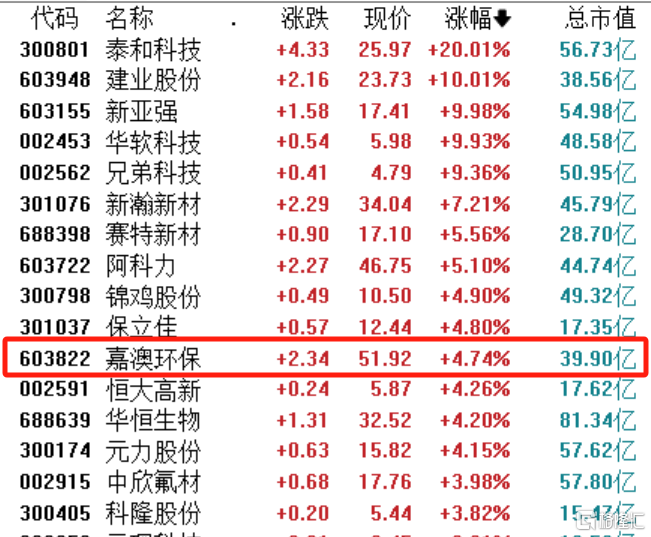
再触红线!嘉澳环保涉嫌信披违规被立案,股价逆势反涨近5%
Ge Long Hui· 2025-06-24 03:57
Core Viewpoint - Jiaao Environmental Protection has been investigated by the China Securities Regulatory Commission (CSRC) for suspected information disclosure violations, yet the company's stock price rose significantly, indicating market resilience despite regulatory challenges [1][3]. Company Overview - Jiaao Environmental Protection, established in January 2003, focuses on the research, production, and sales of environmentally friendly plasticizers, stabilizers, and biomass energy [10]. Recent Developments - On the evening of the 23rd, Jiaao Environmental announced it was under investigation by the CSRC for information disclosure violations, which led to a strong market reaction with the stock price initially rising nearly 7% before settling at a 4.74% increase [1][3]. - The company has faced regulatory scrutiny before, having received a warning letter from the Zhejiang Securities Regulatory Bureau in August 2024 for inaccuracies in its financial disclosures [5]. Financial Performance - In 2022, Jiaao Environmental reported a revenue of 3.211 billion yuan, a significant increase of 67.59% year-on-year, but incurred a net loss of 32.44 million yuan, marking a 131.79% decline in profitability [11]. - For 2023, revenue decreased to 2.666 billion yuan, down 16.98% year-on-year, but the company managed to achieve a net profit of 2.0888 million yuan, indicating a return to profitability [11]. - However, in 2024, the company faced further challenges with revenue dropping to 1.274 billion yuan, a decline of 52.23%, and a net loss of 36.7 million yuan, indicating a worsening financial situation [11]. - The first quarter of 2025 showed continued struggles, with revenue at 467 million yuan, down 6.59% year-on-year, and a net loss of 47.04 million yuan [12][15]. Market Context - The chemical products sector in A-shares has been active, which may have contributed to the stock price increase of Jiaao Environmental despite the ongoing investigation [1].

2025年海南省节能宣传周启动
Hai Nan Ri Bao· 2025-06-24 01:06
Group 1 - The 2025 Hainan Province Energy Conservation Promotion Week was launched with the theme "Energy Conservation and Efficiency, Leading the 'New'" to promote energy-saving and carbon-reduction technologies and advocate for a green, low-carbon lifestyle [1] - Key energy-consuming enterprises in Hainan issued a joint statement on "energy conservation and efficiency," committing to set scientific energy-saving targets, increase investments, prioritize high-efficiency equipment, and integrate energy-saving systems into their operations [1] - The event featured demonstrations of advanced energy-saving technologies and products, as well as activities for replacing old appliances with energy-efficient ones [1] Group 2 - The provincial government has consistently prioritized ecological conservation, resource-saving, and green, low-carbon development, accelerating energy-saving and carbon-reduction transformations in key sectors such as industry, construction, transportation, public institutions, and data centers [2] - Efforts are being made to build a green, low-carbon supply chain, continuously develop zero-carbon parks, and enhance the application of green electricity and green certificates [2] - The government is promoting industrial low-carbon transformation and advancing the research and application of green, low-carbon technologies, while exploring the "Two Mountains" transformation model in Hainan [2]
周乃翔在淄博调研督导时强调 扛牢政治责任 采取有力措施 全力推动督察问题整改见底到位
Da Zhong Ri Bao· 2025-06-24 01:02
Group 1 - The central ecological environment protection inspection highlighted shortcomings in air pollution prevention efforts in cities like Zibo and Dezhou, prompting a strong response from provincial authorities [1][2] - The provincial government emphasized the need to implement Xi Jinping's ecological civilization thoughts and ensure political responsibility for environmental protection [1] - Specific companies, such as Zibo Huarui Motor Vehicle Testing Co., Ltd. and Shandong Fuyue Testing Co., Ltd., were found to have engaged in illegal operations and data manipulation during vehicle emissions testing [1] Group 2 - The inspection also identified issues with the operation of pollution control facilities at companies like Zibo Henglu Building Materials Sales Co., Ltd. and Shandong Yingzheng Nano Materials Technology Co., Ltd. [2] - The provincial government called for tailored remediation plans for each company, emphasizing the importance of corporate responsibility and effective implementation of corrective measures [2] - There is a push for the transformation and upgrading of the lime industry, encouraging companies to improve production processes and eliminate outdated capacity for greener development [2]
内蒙古能源集团:告别“能耗焦虑”→节能降耗出实招
Zhong Guo Neng Yuan Wang· 2025-06-23 12:55
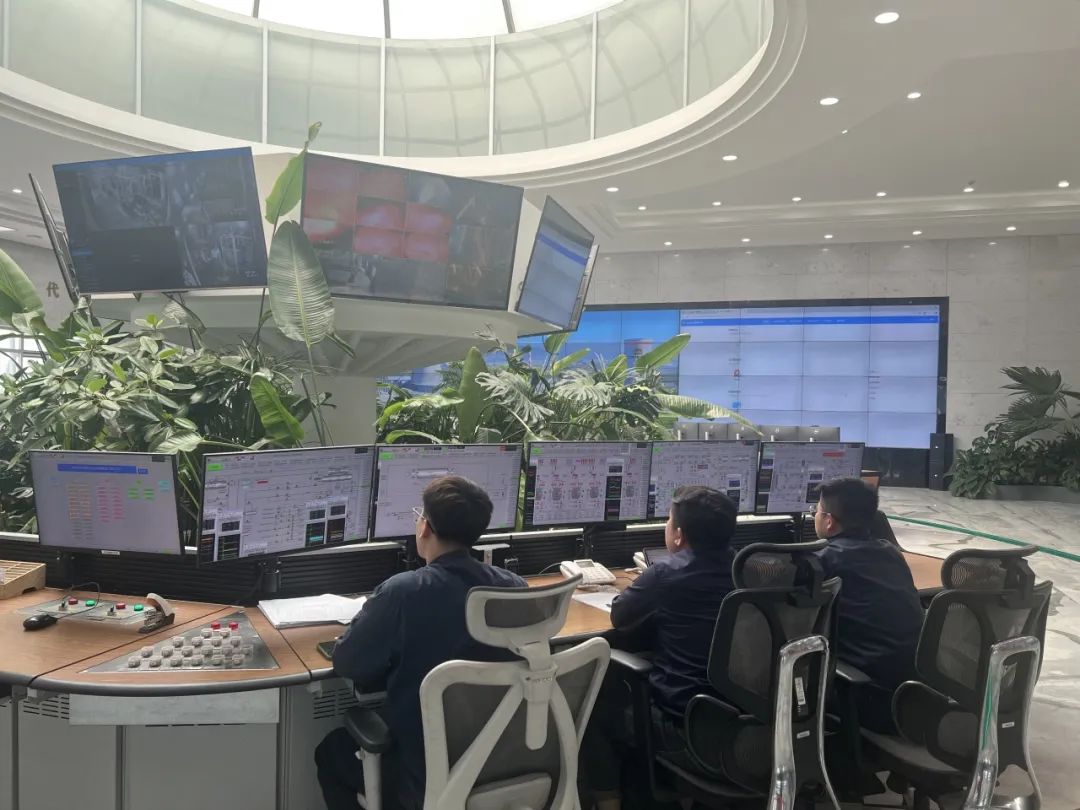
在"双碳"目标引领下,内蒙古能源集团主动担当绿色低碳发展重任,聚焦聚力内部节能降耗管理,所属能源生产单位全面落实节能 降耗目标责任制,通过施行一项项务实举措,将节能降耗转化为高质量发展的澎湃动力。 清晨的阳光明朗地洒在集控室的显示屏上,运行值班员正仔细地记录着机组各项运行参数。"看,这个月一期引风机耗电率又降了 0.17个百分点!"他指着电脑屏幕对同事说。这样的细节变化,正是金山热电公司今年以来扎实推进节能降耗管理工作的点滴成效。 年初,内蒙古能源集团下达年度生产指标目标值后,运行部迅速行动,将总体目标科学分解为月度计划,建立了"日跟踪、周分析、 月对标"的动态管理机制。每月与行业标杆机组数据进行详细对比,技术人员通过"抽丝剥茧"式的分析查找差距,制定优化运行方案。其 中,通过调整二期主机循环泵运行方式,实现耗电率同比降低0.12个百分点;针对给水泵运行效率问题,优化变频调节策略后,耗电率 同比下降0.34个百分点。 从数据看成效,从细节见真章。在上一个供热季结束后,该公司根据季节特点动态调整小指标评比方案,实时优化各项指标的奖惩 比例,对节能降耗贡献突出的班组和个人加大奖励力度。这一举措有效调动了一线职工的 ...
节能增效 焕“新”引领 2025年北京市节能宣传周启动仪式在西城区举办
Zhong Guo Jin Rong Xin Xi Wang· 2025-06-23 12:39
启动仪式上,西城区政府党组成员、副区长崔智生介绍了西城区在绿色发展方面的实践探索以及取得的 成绩。他强调西城区将全面落实节能优先方针,锚定"首善标准",坚持"以绿为底",充分发挥金融优 势,为绿色发展注入新动力、提供硬支撑,努力在首都绿色低碳高质量发展中走在前、作表率。近年 来,西城区纵深推进经济社会发展全面绿色转型,取得积极成效。2016年北京市设立节能考核指标以 来,西城区长期保持"优秀"等次;万元GDP能耗由2020年的0.071吨标准煤降至0.061吨,保持全国全市 最优。 围绕服务保障首都核心功能,西城区近年来先后出台了《西城区推进碳达峰实施方案》《西城区促进绿 色低碳高质量发展若干措施》《西城区促进绿电消费工作方案》《西城区绿色低碳高质量发展"3060"计 划》等,多维度调动企业绿色发展积极性,推动西城区绿色低碳转型,西城区支持节能范围之广、成效 之显著,得到社会各界的充分认可。2024年,西城区安排节能专项资金575万,对36个项目予以资金奖 励。活动现场,为国家电网有限公司、国网冀北电力、华电大厦、联通北分等4个"绿电使用项目"代表 以及国家大剧院、北京英蓝国际金融中心、西西友谊商城、丰融国际 ...
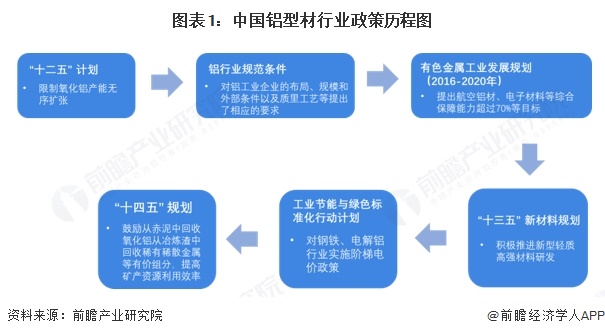
重磅!2025年中国及31省市铝型材行业政策汇总及解读(全)“政策引导国内铝企业高质量发展”
Qian Zhan Wang· 2025-06-22 07:14
Core Viewpoint - The article discusses the evolution of policies in China's aluminum profile industry, emphasizing the shift towards high-quality development, green technology, and international competitiveness in the sector [1][3][7]. Policy Evolution - The aluminum profile industry's policy development has followed the macro policies of the aluminum processing industry, transitioning from capacity restrictions to promoting new materials and enhancing recycling technology [1]. - Key milestones include the 2011 "12th Five-Year Plan" which aimed to control the blind expansion of electrolytic aluminum capacity and the 2024 announcement to cancel export tax rebates for aluminum products to guide domestic enterprises towards high-quality development [1][3]. National Policy Summary - The Chinese government has made comprehensive plans for the aluminum profile industry, focusing on green and low-carbon development, particularly in the "14th Five-Year Plan" [3]. - Recent policies include the cancellation of export tax rebates to encourage high-quality development and the promotion of standards for aluminum alloys and composite materials [3][7]. Key Policy Documents - A summary of key policies includes: - "High-Quality Development Implementation Plan (2025-2027)" aiming for a significant increase in aluminum resource security and recycling capacity by 2027 [4]. - "Action Plan for Energy Conservation and Carbon Reduction in the Electrolytic Aluminum Industry" targeting a 30% share of benchmark energy efficiency capacity by 2025 and a recycling aluminum output of 11.5 million tons [11][12]. Provincial Policy Initiatives - Various provinces have introduced policies to enhance the aluminum processing industry, focusing on safety, technological advancement, and environmental sustainability [13][14]. - For instance, Guangdong aims to improve energy efficiency levels of aluminum products by 5% by 2025, while Jiangsu plans to update significant equipment in aluminum processing facilities by 2027 [18]. Future Outlook - The demand for aluminum alloy new materials is expected to grow significantly, driving technological reforms and development in the aluminum profile industry [17].