
红色文化

Search documents
辽宁红色“六地”中的廉洁基因理论研究成果在锦州发布
Liao Ning Ri Bao· 2025-09-21 00:56
Core Insights - The event held in Jinzhou from September 18 to 19 focused on the theoretical research outcomes of the "clean genes" in the context of red culture, showcasing 17 outstanding research results as part of the province's clean culture construction initiative [1][2] - The collaboration involved multiple provincial departments, including the Provincial Discipline Inspection Commission, the Provincial Propaganda Department, the Provincial Education Department, and the Provincial Social Science Federation, aimed at exploring and narrating the clean culture resources within the "six red sites" of Liaoning [1] Group 1 - The event served as a platform for leaders, experts, and representatives from universities to exchange ideas on the theoretical and practical achievements related to the clean genes in red culture [1] - The research initiative began in March, utilizing a "ranking and leadership" approach to engage various institutions in the study of party history, discipline inspection, and Marxist theory, among others [1] - A series of high-quality outcomes were produced through comparative analysis, communication strategies, and practical transformation, reflecting both theoretical depth and contemporary relevance [1] Group 2 - During the event, participants engaged in discussions about the intrinsic connection between red culture and clean governance, clarifying the transmission paths, transformation methods, and educational value of clean genes in the new era [2] - A collection of artistic design works themed around cleanliness was launched, expanding the channels for disseminating clean culture in a manner appealing to the public [2]
各地红色场馆迎来参观热潮 互动式体验让抗战历史“活起来”
Yang Shi Wang· 2025-09-18 09:46
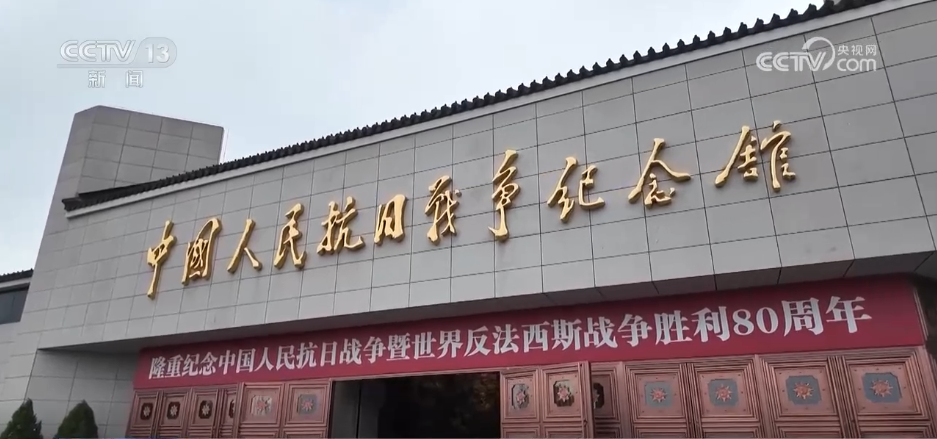
央视网消息:今年以来,全国各地举办了一系列红色文化观演活动,特别是从今年暑期至今,各类抗战主题的展览、文艺演出、 电影等持续引发观看热潮,大家在一件件文物史料、舞台剧目和影视作品中铭记历史、致敬英雄。 在"九·一八事变"爆发94周年之际,位于北京卢沟桥畔的中国人民抗日战争纪念馆参观热度持续攀升,特别是在"九·一八事变"专 区,展出多件与"九·一八事变"相关的照片、文物、档案,吸引来自全国各地的观众驻足观看。像这件绣着英文"TRUTH"的文件包, 就是"九·一八事变"爆发后,国际联盟调查团对日本侵华定性的重要依据,文件包里有一份400多页的英汉双语文件,是许多爱国人士 冒着生命危险搜集的日本侵华证据。展馆内还重点介绍"九·一八事变"爆发后,中国共产党领导的东北抗日联军艰苦抗战的英勇事 迹,如赵一曼写给儿子的家书、杨靖宇使用过的印章等展品,重现了那段烽火岁月。 位于黑龙江哈尔滨的东北烈士纪念馆,今年推出原创展览"抗战14年的黑龙江——纪念中国人民抗日战争暨世界反法西斯战争胜 利80周年展览",自9月3日开展以来,同样引发参观热潮。展览集中展出了大量文物、文献和历史照片,特别是抗联将领赵尚志、许 亨植、冯治纲使用过 ...

传承伟大精神 培育时代新人
Liao Ning Ri Bao· 2025-09-18 01:16
Group 1 - The core theme of the events is to commemorate the 80th anniversary of the victory in the Chinese People's War of Resistance Against Japanese Aggression and the 94th anniversary of the September 18 Incident, emphasizing the importance of patriotism and historical memory [1][2] - The integration of the great anti-war spirit and Northeast Anti-Union spirit into ideological and political education is being actively promoted across various educational institutions in Liaoning [2][3] - A series of activities, including performances and collective lesson planning, are being organized to enhance the teaching of historical events and figures, making them more relatable and engaging for students [3][4] Group 2 - The establishment of a high-level team of ideological and political education teachers is crucial for effectively incorporating red culture into the curriculum [4] - The collaboration between museums and schools is being strengthened to create a more immersive educational experience, allowing students to engage with historical materials directly [5][6] - Practical teaching initiatives are being developed, transforming historical sites into new educational platforms, and promoting activities that encourage students to explore and understand their historical heritage [6]
“红星照耀中国·‘两点一存’耀华夏”网络主题宣传活动在甘肃庆阳启动
Yang Shi Wang· 2025-09-17 06:49
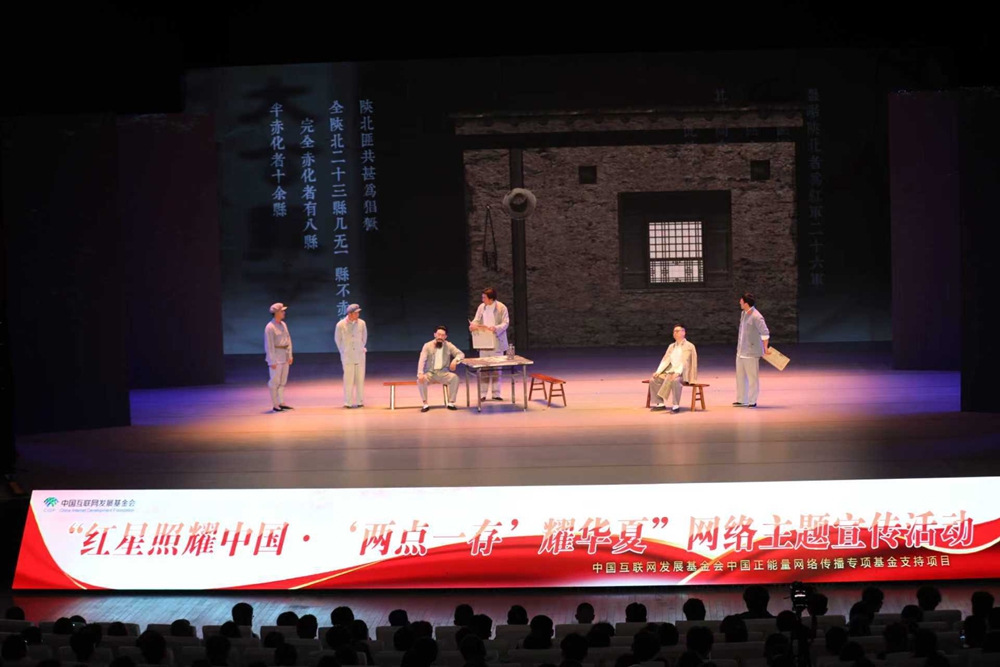
Core Points - The "Red Star Shines on China: 'Two Points and One Storage' Illuminates China" online theme promotion event was launched in Qingyang, Gansu Province on September 17, 2025, aimed at exploring Gansu's red cultural resources and inheriting revolutionary spirit [1][3][6] - This year marks the 80th anniversary of the victory of the Chinese People's War of Resistance Against Japanese Aggression and the World Anti-Fascist War, making the event a tribute to revolutionary martyrs and a continuation of red genes [1][3] Event Details - The event features a rich variety of content and innovative formats, including a thematic performance divided into three chapters: "Sparks of Fire," "Spirit Monument," and "Passing the Torch" [3] - Highlights include a promotional video titled "Echoes of 'Two Points and One Storage'," a large-scale revolutionary drama "The Light of Hada Pupu," situational dramas, and original AI situational dramas, showcasing the revolutionary history and spirit [3] - The event will also include interviews, a "Post-00s" youth creative camp, and original animated character "Gan Xiaoxing" AI video creation, aiming to present the contemporary value of Gansu's red culture [3][4] Media Coverage - Following the launch, various central and local media outlets will conduct research and interviews in multiple locations, including Qingyang, Baiyin, Longnan, Gannan, and Lanzhou, to highlight the development of red heritage and its significance [4]
第二届国际传播“丝路奖”获奖作品简介(二)
Ren Min Ri Bao· 2025-09-16 22:10
Group 1: Photography Awards - The photography works nominated for the Best Photography Award showcase diverse cultural perspectives through the lens of youth and local traditions, highlighting the beauty of multiculturalism and the human experience in various regions [2][4][6][8]. - The series "World Youth Looks at China" captures the intersection of tradition and modernity, emphasizing the cultural richness along the Maritime Silk Road and the youth's role in building the Belt and Road Initiative [2]. - "In My Eyes: Xinjiang" presents a vivid portrayal of daily life in Xinjiang, illustrating the warmth and vibrancy of local culture through various activities and interactions [4]. - The project "Chinese Enterprises in Myanmar" documents humanitarian efforts in Myanmar, focusing on the impact of international aid on children's welfare and global poverty issues [6]. - "Chinese Photographer's Impressions of China" records the colorful landscapes and cultural heritage of various Chinese cities, creating a visual narrative of China's development [8]. Group 2: Video Awards - The nominated videos for the Best Video Award highlight significant stories of development and cultural exchange, showcasing the impact of infrastructure projects and personal narratives [10][12][14]. - "Lighting Up Ali" tells the story of the engineering efforts in Tibet, emphasizing the challenges faced by builders in harsh conditions while improving the lives of local communities [10]. - "The Chinese Girl in Kenya" follows the journey of a Kenyan girl, reflecting on the long-standing friendship between China and Kenya and the personal aspirations within a broader historical context [12]. - "Revisiting the Yangtze River" captures the transformative changes along the Yangtze River over the past decade, illustrating China's rapid economic and social development [14]. Group 3: Documentary and Reporting Awards - The nominated documentaries and reports focus on cultural heritage, economic development, and international cooperation, providing insights into various regions and their unique narratives [16][18][19][20][21]. - The series "Neighbors" explores significant events related to the China-Laos Railway and cultural exchanges, showcasing the integration of traditional and modern practices [16]. - The report on Tibet discusses the region's cultural and economic evolution, highlighting the effects of rural revitalization strategies on local communities [18]. - The analysis of "Black Myth: Wukong" examines the impact of this game on the Chinese cultural creative industry, showcasing its narrative and technological innovations [19]. - The report on the Belt and Road Initiative reflects on its ten-year journey and its profound implications for global relations, particularly in Latin America [20]. - The story of China-Kazakhstan friendship illustrates the depth of bilateral relations through personal anecdotes and youth exchanges [21].
首届北京市“理论+百姓+文艺”特色宣讲调研汇讲暨宣讲骨干培训班圆满结束
Bei Jing Wan Bao· 2025-09-16 06:34
Group 1 - The first annual research and training session of Beijing's "Theory + People + Arts"特色宣讲 concluded successfully on September 13, featuring eight presentation teams from various districts [2][31] - The event focused on themes such as red culture, digital economy, the "Two Mountains" theory, the construction of world technology parks, and the development of Beijing as an international consumption center [2][31] - Each presentation team utilized a combination of theory, public narratives, and artistic performances to engage the audience and convey the significance of their respective themes [31][44] Group 2 - The Chaoyang District team presented on "Consumption Vitality in Chaoyang," highlighting the potential of consumption and the importance of quality service in enhancing consumer experience [6][31] - The Dongcheng District team focused on the cultural significance of the Beijing Central Axis, emphasizing its role in connecting historical culture and modern vitality [10][31] - The Economic Development Zone team discussed the cultivation of new productive forces and high-quality development, showcasing Beijing's commitment to innovation [13][31] Group 3 - The Miyun District team illustrated the "Two Mountains" theory through stories related to the Miyun Reservoir, emphasizing the balance between ecological preservation and economic development [16][31] - The Huairou District team shared the transformation of a village through red culture, demonstrating the impact of historical resources on rural revitalization [19][31] - The Changping District team highlighted the evolution of the Nankou area from a revolutionary base to a modern innovation hub, reflecting the historical journey of the Communist Party [23][31] Group 4 - The Haidian District team presented on developing a world-leading technology park, focusing on the district's role as a core area for Beijing's international technology innovation [26][31] - The event featured a total of 17 presentation teams and 72 presenters, aiming to spread the Party's innovative theories and the stories of people's struggles [50][31] - Following the event, the municipal propaganda department and the social sciences academy will select outstanding teams to form a city-level demonstration group for further outreach [50][31]
广元剑门关丨四川安逸如画
Sou Hu Cai Jing· 2025-09-15 10:25
Core Viewpoint - The article highlights the historical and cultural significance of Jianmen Pass in Sichuan, emphasizing its role as a vital transportation route and a site of military and cultural exchange throughout Chinese history [4][6][8]. Historical Significance - Jianmen Pass has a history spanning over 3,000 years, originating in the Western Zhou period, and is recognized as one of the earliest and most well-preserved ancient postal routes in China [6]. - The pass has been a strategic military location, often contested throughout history, serving as a critical point for military operations during various dynasties, including the Three Kingdoms period [16][18]. Economic and Cultural Exchange - Historically, Jianmen Pass facilitated economic communication and cultural exchange between the Central Plains and the Sichuan region, acting as a conduit for goods such as tea and silk [10][12]. - The pass not only enabled the exchange of commodities but also allowed for the transfer of ideas, technologies, and cultural practices, enriching the cultural landscape of both regions [12][14]. Military Importance - Jianmen Pass has been described as a crucial military stronghold, with its geographical position making it a key defensive point against invasions [16]. - The pass has witnessed numerous military confrontations, with notable events during the Three Kingdoms period where it played a significant role in military strategy [18]. Cultural Legacy - The pass has inspired countless literary works, with famous poets and scholars passing through and leaving behind a rich tapestry of poetry and prose that reflects its historical significance [19][22]. - Today, Jianmen Pass integrates various cultural elements, including Shu culture, Three Kingdoms culture, and revolutionary culture, and has been developed into a national 5A-level scenic area [24]. Tourism and Attractions - Visitors to Jianmen Pass can experience its natural beauty and historical significance through various activities, such as climbing trails and exploring cultural sites [26][28]. - The area features numerous attractions, including temples and scenic spots, making it a destination for both history enthusiasts and nature lovers [28].
探索“333”思政工作法 提升企业文化软实力
Zhong Guo Jin Rong Xin Xi Wang· 2025-09-15 06:18
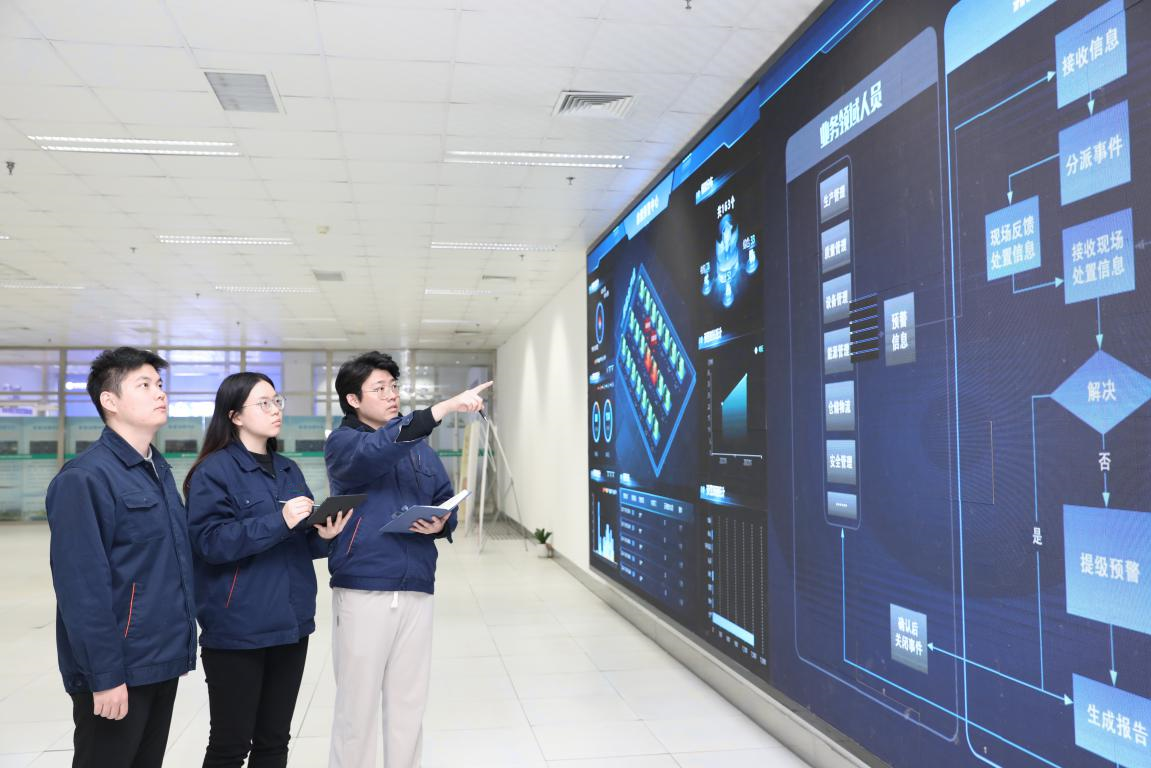
Core Viewpoint - Jiangsu Zhongyan Industrial Co., Ltd. Xuzhou Cigarette Factory is focusing on enhancing its ideological and political guidance through the "333" work method, which includes three classrooms, three cultures, and three capabilities, to support high-quality development and modernization [1][7]. Group 1: Three Classrooms - The factory has developed an AI intelligent robot named "Xuyun Xiaohui" to facilitate interactive learning for frontline party members, allowing them to access current affairs news and educational materials anytime [2]. - A multi-layered learning mechanism has been established, including monthly study sessions, reading classes, and various online platforms to promote the party's innovative theories [2]. - The factory has transformed traditional content into accessible formats like "micro-classrooms" and audio packages to make the party's innovative theories more relatable [2]. Group 2: Three Cultures - The factory emphasizes red culture to strengthen party spirit, organizing educational training sessions in historical sites to draw inspiration from history [3][4]. - A series of cultural activities are conducted to promote the corporate culture of "excellence," alongside initiatives to establish a "Xuyun Qingfeng" integrity culture brand [4]. - The integration of red, excellence, and integrity cultures has enhanced the factory's cultural influence, leading to its recognition as a national civilized unit for seven consecutive sessions [4]. Group 3: Three Capabilities - The factory is committed to high-quality development by enhancing its political, social, and competitive capabilities through various initiatives [5][7]. - Employees are actively participating in volunteer services and production support teams, demonstrating a strong sense of responsibility and dedication [5]. - The factory has been recognized as an advanced intelligent factory at both the provincial and industry levels, showcasing its commitment to innovation and efficiency [7].
山东出台规划推进红色文化主题文艺创作传播工作
Da Zhong Ri Bao· 2025-09-13 01:26
Core Viewpoint - The Shandong Provincial Government has launched a plan to promote the creation and dissemination of red culture-themed artistic works, focusing on the "Yimeng Spirit" to enhance cultural heritage and artistic output over the next five years [2][3]. Group 1: Planning and Objectives - The plan aims to create a "Yimeng Spirit Generation Transmission" artistic matrix, establishing a key project list for red culture-themed artistic creation and dissemination, with a goal of producing at least 30 high-quality works annually [2][3]. - The initiative seeks to elevate Shandong's artistic contributions from a "plateau" to a "peak," striving for national recognition and awards in red culture-themed artistic works [2][3]. Group 2: Implementation Strategies - The plan emphasizes the need for systematic exploration and interpretation of Shandong's red cultural resources, focusing on significant historical themes such as the Yimeng old area and the anti-Japanese resistance [3]. - A total of 127 key projects have been identified for the "Yimeng Spirit Generation Transmission" initiative, with specific annual targets set for the years 2025 to 2029 [3].
铭记历史 缅怀先烈 | 传承红色基因 老区向新而行
Ren Min Ri Bao· 2025-09-07 04:59
Group 1: Historical Significance - The memorial hall in Huzhou, Zhejiang Province, attracts numerous visitors, highlighting the importance of the New Fourth Army's history during the Anti-Japanese War [1][2] - The New Fourth Army established a significant base in Changxing County, which played a crucial role in the resistance against Japanese forces [2][3] - The stories of local heroes and their sacrifices during the war are preserved and celebrated, emphasizing the spirit of unity between the military and civilians [2][3] Group 2: Cultural Heritage and Tourism - The integration of red tourism and local culture is evident, with various attractions such as the "Meeting Ancient Road" and the New Fourth Army memorial site drawing visitors [5][7] - The local community has embraced its historical roots, with initiatives like the "Little Docent" program in schools to educate younger generations about their heritage [4] - The increase in tourism is reflected in the significant rise in visitor numbers, with Guizhu Village receiving 2.2448 million visitors in the first seven months of the year, marking a notable increase from the previous year [7] Group 3: Economic Development and Transformation - The transformation of Changxing County from a revolutionary old area to a modern economic hub is highlighted, with new industries emerging and local enterprises thriving [8][9] - The implementation of environmentally sustainable practices has led to improved living conditions and economic prosperity for residents, with an average disposable income exceeding 150,000 yuan per person [9] - The county is actively developing new industries such as smart vehicles, renewable energy, and digital industries, with a projected output value of over 100 billion yuan in 2024 [9]