
绿色转型

Search documents
事关消费、就业、物价……最新数据公布→
Jin Rong Shi Bao· 2025-11-14 04:35
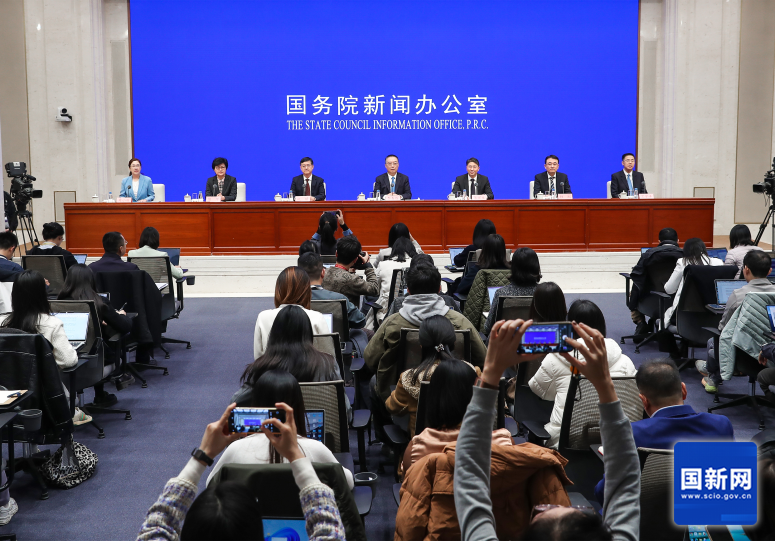
Economic Overview - The national economy is generally stable with a trend of steady progress, characterized by stable production supply, overall employment stability, improved prices, and the cultivation of new growth drivers [1] Production and Supply - Agricultural production is favorable with an increase in autumn grain area and continuous improvement in yield, indicating a promising harvest for the year [3] - Industrial production remains stable, with a 4.9% year-on-year increase in the added value of industrial enterprises above designated size in October, supported significantly by an 8% increase in equipment manufacturing [3] - The service sector shows steady growth, with a 4.6% year-on-year increase in the service production index for October, influenced by the combined effect of the National Day and Mid-Autumn Festival [3] Market Sales - Retail sales continue to expand, with total retail sales of consumer goods reaching 46,291 billion yuan in October, a 2.9% year-on-year increase [4] - Notable growth in retail sales of communication equipment and cultural office supplies, with increases of 23.2% and 13.5% respectively [4] - Service retail sales from January to October grew by 5.3%, outpacing the growth of goods retail sales [4] Employment Situation - The urban survey unemployment rate decreased to 5.1% in October, down 0.1 percentage points from the previous month, marking two consecutive months of decline [5] - The unemployment rate for migrant agricultural workers is notably lower at 4.5%, down 0.2 percentage points from the previous month [5][6] Price Trends - Consumer prices have shifted from decline to increase, with a 0.2% year-on-year rise in October, compared to a 0.3% decline in the previous month [7] - The core Consumer Price Index (CPI), excluding food and energy, rose by 1.2%, with the increase rate expanding for six consecutive months [7] - The Producer Price Index (PPI) saw a narrowing decline of 2.1% year-on-year in October, indicating a positive trend [7] Transformation and Upgrading - High-tech manufacturing continues to grow, with a 7.2% year-on-year increase in added value for high-tech manufacturing enterprises above designated size in October [8] - The export of high-tech products increased by 7.3% in the first ten months [8] - The modern service industry is performing well, with significant growth in information transmission and software services, as well as leasing and business services [8] Investment and Foreign Trade - Fixed asset investment decreased by 1.7% year-on-year from January to October, but the investment structure is optimizing [9] - Manufacturing investment grew by 2.7%, accounting for 25.6% of total investment, an increase of 1.1 percentage points from the previous year [9] - Total import and export volume increased by 3.6% year-on-year in the first ten months, with exports growing by 6.2% [10] - In October, total import and export volume grew by 0.1% year-on-year, with imports increasing by 1.4% [10]

绿色蝶变更富民
Ren Min Ri Bao· 2025-11-13 22:10
"以前来南康采购家具,经常能闻到油漆味,今年再来,感觉空气清新多了,路边的香樟树味都能闻 到。"江西省赣州市南康区国际家具城中心市场,正在采购的广东客商王杰感叹。他感受到的变化,正 是南康家具产业绿色蝶变的一个缩影。 作为远近闻名的"木匠之乡",凭借改革开放后"十万木匠下广东"积累的技术与资本,南康于1993年诞生 了第一家本地家具厂。经过30余年的耕耘,南康目前已成为国内最大的家具生产制造基地。 随着家具产业不断做大,"成长的烦恼"随之而来。 "过去家具喷涂传统的油性漆,在喷漆车间干活,需要戴三层口罩。"油漆工刘志华说。 "大家产品差不多,只能拼价格,利润薄得像纸。"江西恩多元家具有限公司负责人黎忠清说,同质化竞 争让"价格内卷"愈演愈烈。 "党委引导,技术支撑,加上龙头示范与市场驱动,越来越多的家具企业加入绿色转型行列。"赣州市委 常委、南康区委书记何善锦说,南康区90%以上家具喷涂企业自主选择"油改水"源头替代,水性漆环保 家具已成为南康家具新的核心竞争力,去年交易额突破300亿元。 转型发展添活力,绿色蝶变更富民。今年上半年,南康家具产业集群产值突破1400亿元,产品出口到 100多个国家和地区,带动 ...
第十三届中欧论坛在布鲁塞尔举行
Zhong Guo Xin Wen Wang· 2025-11-13 22:09
Core Viewpoint - The 13th China-Europe Forum held in Brussels focuses on enhancing cooperation between China and Europe to increase global stability and certainty [1] Group 1: Event Overview - The forum is co-hosted by the Chinese Mission to the EU, the European think tank "Friends of Europe," and the China Public Diplomacy Association [1] - Key speakers include Cai Run, head of the Chinese Mission to the EU, and Belgian Ambassador to China, Anbo Ning, who delivered a video speech [1] Group 2: Strategic Significance - This year marks the 80th anniversary of the victory in the Chinese People's War of Resistance against Japanese Aggression and the World Anti-Fascist War, the 80th anniversary of the founding of the United Nations, and the 50th anniversary of China-Europe diplomatic relations [1] - The development of China-Europe relations is deemed to have greater strategic significance and global impact in this pivotal year [1] Group 3: Key Discussions - Cai Run emphasizes the importance of adhering to the consensus reached by both leaders and respecting each other's core interests and major concerns [1] - The forum discusses the need to properly handle economic and trade differences and promote multilateralism for healthy and stable development of China-Europe relations [1] Group 4: Collaborative Opportunities - Participants engage in discussions on enhancing cooperation and addressing economic opportunities and challenges between China and Europe [1] - Chinese scholars advocate for a partnership approach to increase understanding and trust, while European scholars suggest expanding areas of cooperation in green transformation and artificial intelligence to tackle global challenges [1]
江西赣州市南康区家具产业带动50万人就业增收 绿色蝶变更富民
Ren Min Ri Bao· 2025-11-13 21:57
"大家产品差不多,只能拼价格,利润薄得像纸。"江西恩多元家具有限公司负责人黎忠清说,同质化竞 争让"价格内卷"愈演愈烈。 市场需求也在转向。"现在客户进门就问有没有环保检测报告,传统的油性漆家具越来越难卖了。"家具 经销商魏勇坦言。南康区家具协会会长罗海龙说:"传统的油性漆家具已不适应市场需求,绿色转型势 在必行。" 2023年,南康启动"油改水",在家具喷涂过程中用环保的水性涂料全面替代传统油性涂料。这项绿色转 型能降低80%以上的挥发性有机化合物排放,满足消费者日益升级的环保家具需求。 然而,由于木材天然具有亲水性,传统水性涂料难以实现有效封闭,生产出的家具容易变形、开裂。南 康区引入基于Q—POSS(多面体低聚倍半硅氧烷)技术的创新涂层,不仅攻克了这个技术难题,还使 生产的木质家具实现"零苯零甲醛",喷涂效果达到国家直排标准。 "以前来南康采购家具,经常能闻到油漆味,今年再来,感觉空气清新多了,路边的香樟树味都能闻 到。"江西省赣州市南康区国际家具城中心市场,正在采购的广东客商王杰感叹。他感受到的变化,正 是南康家具产业绿色蝶变的一个缩影。 作为远近闻名的"木匠之乡",凭借改革开放后"十万木匠下广东"积 ...
实探2025中国国际商用车展:“绿色+智能”驱动 中国商用车逐鹿全球
Zheng Quan Ri Bao· 2025-11-13 17:00
Core Insights - The 2025 China International Commercial Vehicle Show (CCVS) showcased the industry's shift towards green transformation and global expansion, highlighting the steady recovery of domestic demand and the growth potential of new energy commercial vehicles [1][4] - The event featured 23 global debuts and 30 domestic debuts, emphasizing innovative solutions across the commercial vehicle sector [2] - The integration of green and intelligent technologies is reshaping the commercial vehicle landscape, with a significant focus on new energy and smart driving systems [4][6] Industry Trends - The demand for new energy commercial vehicles is driving structural growth, with a notable increase in the number of electric and hydrogen-powered vehicles compared to traditional fuel vehicles [4][6] - Companies like Shaanxi Heavy Duty Automobile and BYD are introducing products that enhance fuel efficiency and operational performance, with specific improvements such as a 1% increase in engine efficiency and a 5% reduction in overall energy consumption [2][3] - The trend towards intelligent cabins and L2+ level assisted driving is becoming mainstream, significantly improving operational efficiency and reducing maintenance costs [6][7] Export Growth - The exhibition attracted international manufacturers and dealers, indicating a strong interest in China's new energy commercial vehicles from overseas markets [7] - From January to September, China's commercial vehicle exports reached 748,000 units, a year-on-year increase of 10.2%, with new energy vehicle exports growing by 150% [7] - Companies like China National Heavy Duty Truck Group are focusing on overseas markets, with expectations to export over 150,000 units this year, contributing significantly to overall revenue [7][8]
越南木制家具出口位居世界第二
Shang Wu Bu Wang Zhan· 2025-11-13 16:30
Core Insights - Vietnam ranks second globally in wooden furniture exports, trailing only China, with products shipped to 166 countries and regions [1] - The wooden industry in Vietnam has seen rapid growth, with export values expected to reach $20 billion by 2025, up from less than $200 million in 1999 [1] - Ho Chi Minh City plays a crucial role in the supply chain, accounting for nearly 50% of the national wooden product export value [1] Group 1 - The chairman of the Ho Chi Minh City Wood Processing and Handicrafts Association (HAWA) suggests that the city should develop policies to establish itself as a global hub for wooden furniture production and exports [1] - The chairman of the Ho Chi Minh City People's Committee emphasizes the need for enterprises to engage in the global supply chain and produce products with a "Made by Vietnam" identity [1] - The chairman of AA Corporation highlights the necessity for Ho Chi Minh City to create its own furniture brands, as current products are often associated with low prices, making them less competitive compared to China [1] Group 2 - The vice chairman of the Vietnam Timber and Forest Products Association points out that the wooden industry, particularly in Ho Chi Minh City, faces challenges related to green transformation, digital transformation, and deeper integration into the global supply chain [2] - Recommendations include establishing a support center for green and digital transformation in the timber industry, providing expert and technical consulting services [2] - Initiatives proposed include implementing low-emission wood factory plans, pilot measuring and reducing carbon dioxide emissions, and striving for low-carbon factory certification [2]
范明政总理出席2025年越南年度企业论坛
Shang Wu Bu Wang Zhan· 2025-11-13 16:29
与此同时,越政府积极促进公私合作,鼓励社会参与;大力推进行政程序改革,改善投资营商环 境;发展绿色经济、数字经济必须通过国家宏观治理和调控来实现,并通过每个公民、社会组织和企业 界的认知和行动来具体化;发展同步、现代化绿色和数字基础设施,特别是物流、智慧城市、数据中 心、5G网络和云计算等基础设施。 范希企业适应数字化和绿色转型双重变革,在生产经营中实施数字化转型,大胆投资新机器、设备 和技术以降低能源消耗,履行可持续发展和绿色增长承诺,关注每款产品的环境和社会指标。 (原标题:范明政总理出席2025年越南年度企业论坛) 越通社11月10日报道,越南总理范明政当日在河内出席2025年越南年度企业论坛(VBF)。论坛由 越南财政部、世界银行、国际金融公司及越南企业论坛联盟联合举办,主题为"企业与政府携手合作: 数字时代中的绿色转型"。 范高度评价论坛主题及各方坦诚、深入、建设性、充满热情的发言,衷心感谢国内外企业及发展伙 伴长期以来的合作与支持。范分享了越经济社会发展、投资与营商环境改革成就,重申政府决心持续改 善投资环境、加快行政改革。范表示,越南重点维护政治稳定、保障社会安全秩序;大力推进制度、基 础设施( ...
华电能源:目前暂无剥离发电和供热业务计划
Zheng Quan Shi Bao Wang· 2025-11-13 12:38
Core Viewpoint - Huadian Energy is actively pursuing structural adjustments and green transformation, focusing on the integration of coal and renewable energy projects to enhance profitability and align with national energy policies [1][2]. Group 1: Company Operations - Huadian Energy is the largest thermal power generation company in Heilongjiang Province, with power generation facilities located in major cities such as Harbin, Qiqihar, Mudanjiang, and Jiamusi [1]. - The company maintains a high proportion of long-term coal contracts, effectively stabilizing coal supply and prices [1]. - Huadian Energy is advancing the renovation of old units and the "large-scale replacement of small units" initiative, particularly at the Harbin Third Power Plant [1]. Group 2: Investment Projects - The company plans to invest a total of 120.43 billion yuan in the Fulaerji Power Plant, which includes the construction of two 66 MW supercritical coal-fired units and the integration of renewable energy projects [2]. - The coal power project is expected to replace six existing 20 MW units, with a total investment of 59.6 billion yuan, scheduled to start construction in July 2026 and achieve dual investment by the end of 2028 [2]. - The renewable energy component consists of six wind power projects with a total investment of 60.83 billion yuan [2]. Group 3: Strategic Direction - The company's strategic planning is aligned with national energy policies and market changes, with no current plans to divest from power generation and heating businesses [2]. - The implementation of these projects is expected to support regional economic development, energy security, and enhance the company's profitability, aligning with future industry trends [2].

福州出台措施 推动工业绿色低碳发展
Shang Hai Zheng Quan Bao· 2025-11-13 10:53
Core Viewpoint - Fuzhou City has issued a notification to promote green and low-carbon development in the industrial sector, focusing on energy-saving upgrades, resource utilization, and green transformation, effective from January 1, 2026, to December 31, 2030 [1][2] Group 1: Energy Saving Upgrades - Manufacturing enterprises are encouraged to implement energy-saving and carbon reduction technology upgrades, with a subsidy of 500 yuan per ton of standard coal for projects achieving an annual energy saving of 150 tons, capped at 5 million yuan per enterprise per year [1] - Prepayment of up to 50% of the energy-saving subsidy will be provided based on estimated energy savings after project launch [1] Group 2: Resource Utilization - Enterprises are encouraged to conduct large-scale and efficient comprehensive utilization of industrial solid waste and promote high-value utilization of renewable resources [1] - Projects with a capacity utilization rate of 55% or above, an investment of 1 million yuan, and a resource conservation rate of 20% or more will receive a subsidy of 10% of the relevant investment amount, with a maximum of 1 million yuan per enterprise per year [1] Group 3: Energy Service Companies - Energy service companies are encouraged to use advanced energy-saving equipment and technologies such as the Internet, cloud computing, and AI for contract energy management in manufacturing [2] - Projects achieving an annual energy saving of 300 tons or more will receive a subsidy of 500 yuan per ton of standard coal, with a maximum of 150,000 yuan per enterprise per year, not exceeding 30% of the investment amount [2] Group 4: Green Transformation of Benchmark Enterprises - Benchmark enterprises selected in provincial water efficiency "leader" activities will receive a one-time reward of 300,000 yuan [2] - National-level "leader" enterprises will receive an additional 50% matching reward from the city on top of provincial funding [2] - Support for the establishment of green manufacturing and the upgrading of green factories and industrial parks to meet relevant standards is encouraged [2]
专访塞尔维亚工商会会长恰泽:要想看到未来,就必须去中国
2 1 Shi Ji Jing Ji Bao Dao· 2025-11-13 08:31
Core Viewpoint - The Belt and Road Initiative (BRI) is entering a new phase that emphasizes innovation, sustainable development, and digital transformation, with Serbia positioned as a regional digital hub to add value to global supply chains [1][3][5]. Group 1: Serbia's Strategic Position - Serbia has a free trade agreement with China, allowing zero-tariff access to a market of over 3 billion consumers, including the EU [1][9]. - The country is seen as the best entry point for Chinese companies looking to expand into the European market [1][5]. - Serbia's software exports have increased tenfold over the past decade, highlighting its potential as a digital center [3][11]. Group 2: Economic Cooperation and Trade Growth - The trade between China and Serbia has grown rapidly, with Serbia's exports to China increasing significantly, particularly in food and agricultural products due to reduced tariffs [7][8]. - Chinese investments in Serbia have diversified from infrastructure to high-tech industries, including robotics and artificial intelligence [10][11]. - The establishment of a regional representative office by the China Council for the Promotion of International Trade in Belgrade is expected to facilitate further cooperation [9]. Group 3: Future Opportunities - The next phase of BRI will see more Chinese companies using Serbia as a production base and collaborating with local innovators to enter the European market [5][10]. - There is a strong emphasis on the potential of embedded technology and smart economy sectors, which align with Serbia's growing talent pool in IT and digitalization [10][11]. - The cooperation between Serbia and the Guangdong-Hong Kong-Macau Greater Bay Area is expected to strengthen, leveraging the region's innovative capabilities [12].