人机共生

Search documents
Neuralink单日完成两台手术 马斯克:让脑机接口像智能手机一样普及
Sou Hu Cai Jing· 2025-07-22 02:13
Core Insights - Neuralink has successfully completed two brain-machine interface surgeries within 24 hours, marking a transition from research validation to scalable clinical application [1][3] - The company aims to enhance human cognitive abilities through brain-machine interfaces, addressing the risks of AI surpassing human intelligence [3] Company Developments - The surgeries were performed on patients P8 and P9, with both recovering well and maintaining stable mental states [1] - Elon Musk stated that the successful surgeries demonstrate that brain-machine interfaces have moved from "laboratory miracles" to replicable medical processes [3] - Neuralink's technology roadmap and clinical plans have been disclosed, indicating a focus on large-scale clinical applications [3] Market and Financials - Neuralink completed a $650 million Series E funding round in June 2025, achieving a valuation of $9 billion, a 157% increase from 2023 [3] - Major investors include top-tier firms such as Ark Invest and Sequoia Capital, reflecting market recognition of the technology's disruptive potential [3] - The company aims to reduce the cost of each device to $5,000, making brain-machine interfaces as accessible as laser eye surgery [3] Industry Outlook - The global brain-machine interface market is projected to grow from $283 million in 2025 to $1.5 billion by 2030, with a compound annual growth rate of 39% [3] - Despite the promising outlook, Neuralink faces challenges such as regulatory barriers, ethical concerns, and competitive pressures [4]

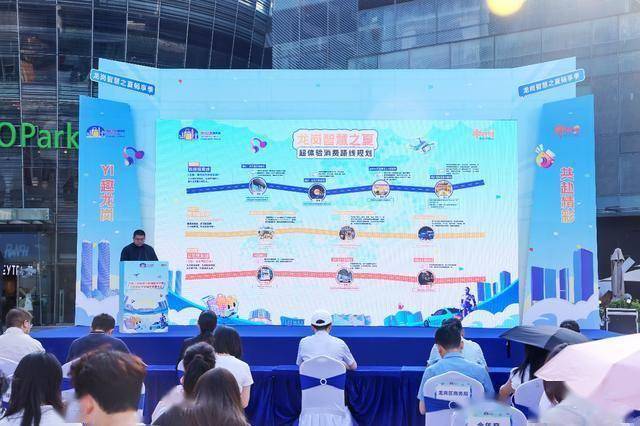
超70场特色活动、3条体验消费路线……“购在中国2025深圳之夏消费季”暑期嘉年华来啦
Sou Hu Cai Jing· 2025-07-11 03:24
Group 1 - The core theme of the event is "Smart Consumption," focusing on the integration of commerce, culture, and tourism to stimulate summer consumption in Shenzhen [1][2] - The event will feature over 70 unique activities across more than 40 key commercial districts in Shenzhen, including major shopping centers like COCO Park and ONE MALL [1][2] - The "YI Fun Longgang, Let's Enjoy" brand exhibition showcases key Shenzhen enterprises and AI brands, offering a variety of innovative consumer experiences [4][8] Group 2 - The event aims to meet the dual demand for "quality consumption + cultural experience" through diverse and innovative consumption scenarios [2] - Three main experiential consumption routes have been introduced: Technology Exploration, Arts and Leisure, and Family Fun, providing a comprehensive summer consumption guide for visitors [6] - The establishment of the first robot district in the country in Longgang marks a new era of "human-machine coexistence," featuring a robot theater and various interactive experiences [8]

当AI问计儒学,中国探索“科技+文明”新形态
Xin Hua She· 2025-07-10 08:10
Core Viewpoint - The integration of AI technology with traditional Confucian culture in Shandong's Qufu is creating a new form of cultural experience, enhancing the understanding of Chinese traditional values among visitors [1][2]. Group 1: Cultural Experience and Innovation - The "Lu Yuan Wonderful Night" product combines digital light shows, immersive learning, and live performances, providing visitors with a unique experience that blends traditional culture with modern technology [1]. - Visitors can engage in an immersive journey through Confucius's ideal world, experiencing the lifestyle of "Li" (ritual) in a modern context [2]. Group 2: Impact of AI on Culture and Ethics - The application of AI in cultural products is seen as a way to achieve a qualitative leap in the breadth and depth of civilization development, allowing for a new expression and form of culture [2]. - Concerns are raised about AI's influence on human identity, cultural transmission, and ethical systems, with a call for integrating Confucian principles into AI design to ensure it respects cultural differences [5][6]. Group 3: Recommendations for AI Development - Experts suggest establishing a cautious evaluation and regulatory framework for AI, embedding cultural values into its development to ensure it serves societal progress and the continuity of human civilization [6]. - There is a call for legislative measures to define the boundaries of AI applications and to promote ethical education to enhance public ethical judgment capabilities [6].

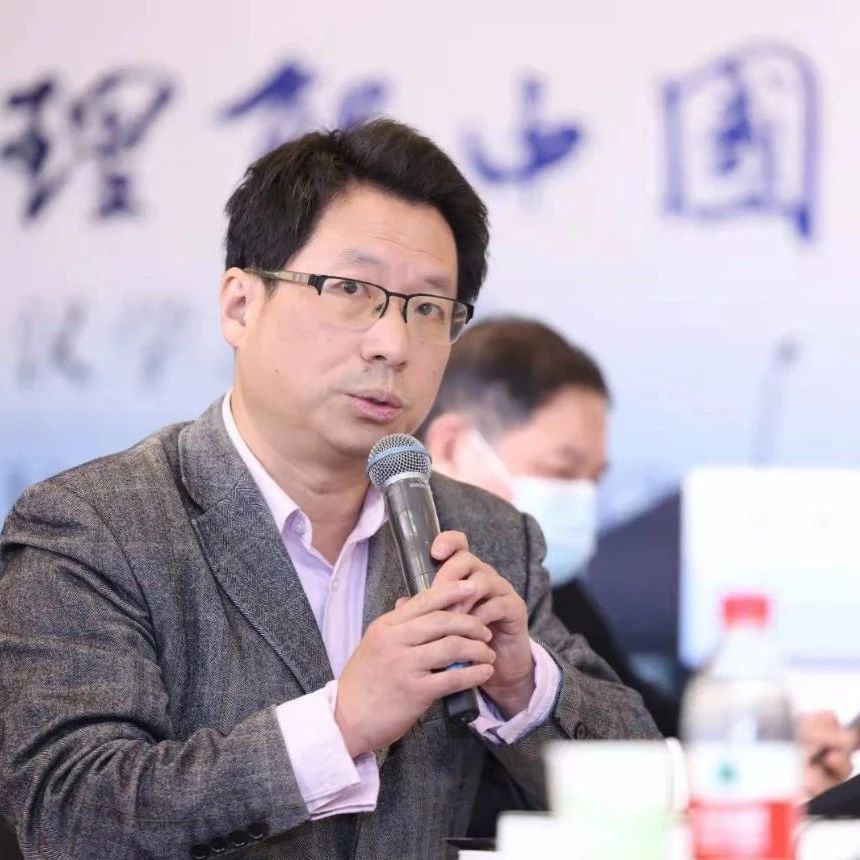
倾听尼山2025|温海明:用儒学思想为技术狂奔的AI注入文明基因
经济观察报· 2025-07-02 10:42
Group 1 - The core viewpoint emphasizes the necessity of integrating Confucian ethics into AI development to ensure it aligns with human values and societal progress [6][7][10] - The upcoming 11th Nishan World Civilization Forum will focus on the relationship between civilizations and global modernization, highlighting the urgency of dialogue among different cultures [3][4] - AI is rapidly transforming various sectors, including education, manufacturing, healthcare, and transportation, but there are concerns about its dual-edged nature and potential risks to human society [5][6][12] Group 2 - The concept of "human-machine symbiosis" is becoming increasingly relevant, suggesting a merging of human and AI capabilities [21][24] - There is a call for AI developers to adopt a Confucian mindset, emphasizing empathy and ethical considerations in AI's decision-making processes [16][17][43] - The discussion around AI ethics is gaining traction, particularly regarding the responsibilities of AI in decision-making roles, such as in healthcare and autonomous driving [35][36][39] Group 3 - The integration of AI into human society should be approached with caution, ensuring that technological advancements do not outpace ethical considerations [45][46] - The potential for AI to either enhance or undermine social equity is a critical topic, with a focus on how algorithms can be used responsibly [48][49] - The dialogue surrounding AI's role in society must include a commitment to human-centered principles, ensuring that technology serves humanity rather than the other way around [51][52]
倾听尼山2025 | 温海明:用儒学思想为技术狂奔的AI注入文明基因
Jing Ji Guan Cha Bao· 2025-07-01 10:27
Group 1 - The 11th Nishan World Civilization Forum will be held in Qufu, Shandong from July 9 to 10, 2025, focusing on global modernization and the relationship between civilizations [2][3] - The forum's theme is "Different Beauties, Common Beauty - The Relationship Between Civilizations and Global Modernization," with subtopics including the origins and future of civilizations, the global significance of Confucian culture, and the impact of artificial intelligence on human civilization [3][4] Group 2 - Scholars emphasize the need for AI to be guided by Confucian principles to ensure its development aligns with human interests and promotes a harmonious coexistence of technology and culture [4][5] - The concept of "human-machine symbiosis" is highlighted, suggesting that AI should enhance human capabilities without overshadowing human values [11][12] Group 3 - Concerns are raised about the potential risks of AI becoming a destructive force if not properly guided, emphasizing the importance of ethical considerations in AI development [9][19] - The integration of AI into various sectors, such as healthcare and transportation, necessitates a reevaluation of ethical responsibilities and accountability in decision-making processes [19][20] Group 4 - The dialogue around AI ethics is gaining traction, with calls for a framework that ensures AI serves humanity rather than undermines it, reflecting Confucian values of empathy and responsibility [18][21] - The need for a balanced approach to AI development is stressed, advocating for a gradual evolution of technology that prioritizes human welfare and ethical standards [22][25]
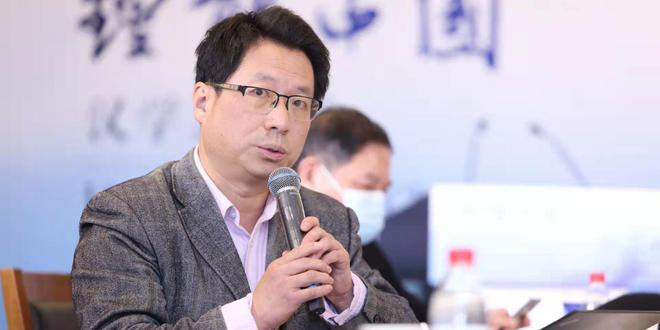
马斯克重磅发布:脑机接口技术开启人类进化新篇章!
21世纪经济报道· 2025-06-29 14:43
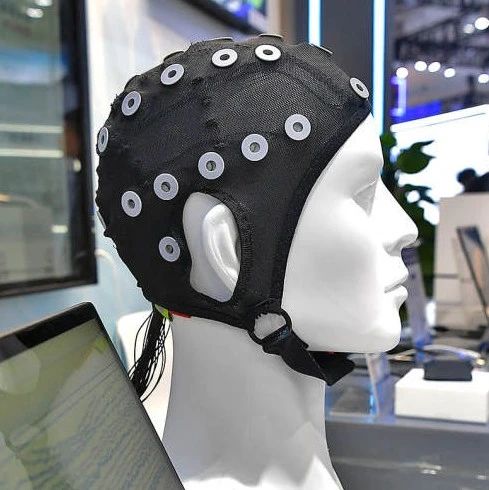
Core Viewpoint - Neuralink is pioneering brain-machine interface technology, aiming to enhance human capabilities and integrate AI into daily life, marking a significant shift from science fiction to reality [1]. Group 1: Neuralink's Milestones - Since its establishment in 2016, Neuralink has developed high-bandwidth, low-latency brain-machine interface technology, currently in clinical trials with 7 successful implantations in patients [3]. - The patients include 4 with spinal cord injuries and 3 with ALS, who can control computers and robotic arms using their thoughts, significantly improving their quality of life [3]. Group 2: Roadmap from 2025 to 2028 - **2025**: Neuralink plans to decode "silent speech" through brain implants, allowing patients with speech impairments to communicate without speaking [5]. - **2026**: The "Blindsight" project aims to restore vision to the blind by converting visual signals into electrical impulses for the visual cortex, potentially enabling "superhuman vision" [7]. - **2027-2028**: Neuralink will implement multi-device implants for comprehensive neural repair and explore deep integration with AI, with a vision of a "full brain interface" that could revolutionize human capabilities [8]. Group 3: Future of Brain-Machine Interfaces - **Short-term**: The technology will revolutionize medical rehabilitation, enabling paralyzed patients to control devices and blind individuals to regain sight [9]. - **Mid-term**: Education and entertainment will be transformed, allowing instant knowledge acquisition and immersive gaming experiences controlled by thought [10]. - **Long-term**: Concepts like consciousness uploading and collective intelligence networks could redefine human existence and longevity [11]. Group 4: Controversies and Challenges - The development of Neuralink's technology raises ethical concerns regarding privacy, potential social inequality, and the essence of humanity in an AI-integrated future [12]. - The need for a global regulatory framework is emphasized to ensure the technology is safe and accessible to all [12]. Group 5: China's Position in Brain-Machine Interface Development - China is rapidly advancing in the brain-machine interface field, with successful clinical trials and the development of a Chinese thought input method [15]. - Companies like Huawei are entering the consumer market, and government support is expected to drive market growth to $7.63 billion by 2029 [15].
从工具到伙伴:一场关于"AI与我"的深度探索即将开启
混沌学园· 2025-06-27 11:41
Core Viewpoint - The article emphasizes the need to redefine the relationship between humans and AI, shifting from merely using AI tools to coexisting and collaborating with AI in a meaningful way [2][6][12]. Group 1: AI Evolution - AI has evolved from a simple search engine and content generation tool to a sophisticated entity capable of mimicking human thought processes [2][3]. - This evolution signifies the arrival of a new era where the interaction with AI requires a fundamental change in mindset [3]. Group 2: Educational Approach - The course led by Wei Yao (欧爷) focuses on a humanistic perspective of AI, highlighting the importance of collaboration over mere usage [4][7]. - It aims to help individuals transition from a mindset of anxiety about AI tools to one of partnership and co-creation with AI [9][10]. Group 3: Learning Outcomes - Participants will learn to establish a long-term collaborative relationship with AI, moving away from a tool-centric approach [10]. - The course introduces a unique framework called "Human Sensitivity Five Steps" to facilitate meaningful dialogue with AI, fostering genuine insights [10]. - It encourages individuals to recognize and cultivate their unique human capabilities that AI cannot replicate, positioning them as "cognitive mutants" in the AI era [10][12].

脑机接口加速从实验室迈向市场 “人机共生”即将照进现实
Zheng Quan Ri Bao· 2025-06-08 17:08
Core Insights - The brain-computer interface (BCI) sector is experiencing unprecedented growth driven by technology and capital, offering hope for patients with paralysis and signaling the potential for a new industrial revolution [1] - The first batch of flexible high-throughput semi-invasive wireless fully implanted BCI systems has been successfully implanted, showing over 98% efficiency in neural signal collection [1] - The market is witnessing significant capital interest, exemplified by Neuralink's successful $650 million Series E funding round, raising its valuation to $9 billion [8] Industry Development - Clinical validation is identified as a major bottleneck in the BCI technology's progress, with the need for solid clinical efficacy evidence before widespread commercialization [3][4] - Various BCI companies are actively conducting clinical trials, with a focus on enhancing system integration and expanding large-scale clinical validation efforts [3] - Cities like Beijing and Shanghai are implementing plans to accelerate the construction of clinical trial platforms to facilitate the conversion of technological achievements into practical applications [3] Application Scenarios - Semi-invasive and invasive BCI technologies are primarily focused on the medical field, providing potential recovery solutions for patients with paralysis, ALS, blindness, and deafness [5] - Non-invasive BCI technologies are gradually entering commercial use in medical rehabilitation, while also expanding into education, safety, and entertainment sectors [5][6] Capital Dynamics - The BCI industry is attracting significant capital investment due to its potential to revolutionize memory storage and human-machine interaction [8] - In addition to Neuralink, domestic companies are also securing substantial funding, with Shanghai Jieti Medical Technology completing a Series B funding round of 350 million yuan [8] - A-share listed companies are adopting dual strategies in invasive and non-invasive BCI technologies, with various firms actively developing related products and technologies [9] Industry Collaboration - The BCI industry is in a growth phase, with talent being a critical asset, necessitating collaboration across disciplines such as biomedicine, psychology, and computer science [9] - There is a call for enhanced communication and cooperation among industry players to build a complete and efficient industrial ecosystem, fostering the growth of the BCI sector [9]
AI 时代,出版行业正通过“人机共生”塑造未来
2 1 Shi Ji Jing Ji Bao Dao· 2025-05-27 11:34
Group 1 - The forum on the deep integration development of publishing emphasized the importance of combining publishing with technology, particularly AI, as a necessary response to the current media revolution [1] - Experts at the forum agreed that leveraging AI to empower traditional publishing is a key topic of discussion, with suggestions to integrate intelligent technology throughout the publishing process [1][2] - The core competitiveness of publishing houses lies in content, and there is a call for professional and systematic content development to enhance publishing advantages [2] Group 2 - Despite advancements in AI, the intrinsic value of literature remains irreplaceable, as human emotional connection and experience are essential for impactful storytelling [3] - The strategy of "human-machine coexistence" is crucial to maintain content quality and ethical standards in the face of AI's limitations [3] - The future of the publishing industry will depend on cultivating AI talent and reconstructing data-driven production systems while safeguarding content value [3]
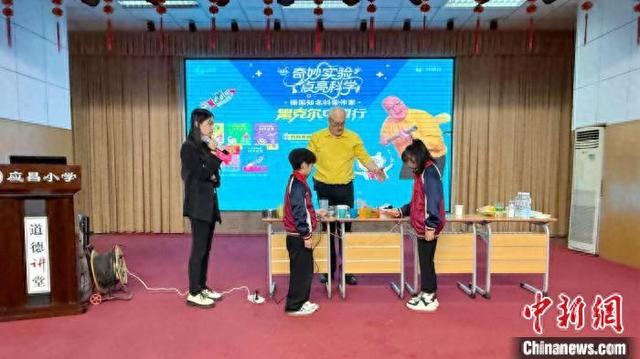
德国科普大师携“科学魔法”空降沈阳 点燃师生科创梦想
Zhong Guo Xin Wen Wang· 2025-05-21 13:44
Core Points - The event "Wonderful Experiments Illuminate Science" was held in Shenyang, featuring German science popularizer Joachim Hecker, who conducted engaging science experiments for students [1][2] - Hecker's philosophy is to make science accessible and enjoyable, transforming complex scientific principles into hands-on experiences [2][5] - The event included various interactive experiments, such as bone conduction, conductivity, and artificial snow, which captivated the students and encouraged their curiosity [2][5] Group 1 - Joachim Hecker is a leading figure in German science communication, known for his bestselling popular science books [2] - The experiments were organized around four themes: sensory exploration, material mysteries, life codes, and natural wonders [2] - The "Cyber Robot Transformation" experiment showcased the use of bioelectric signals to control robotic arms, illustrating future applications in prosthetics and remote surgery [5] Group 2 - The event aimed to enhance students' understanding of scientific concepts through interactive learning [7] - The principal of Yingchang Primary School expressed the intention to incorporate more fun science knowledge into the curriculum following the event [7] - The initiative is part of the "Science and Innovation Culture into Campus" series in Tiexi District, reflecting the area's commitment to transforming from an industrial base to a center for scientific innovation [7]